Blueberry Lemon Pound Cake
Blueberry Lemon Pound Cake is the sort of recipe I reach for when I want something bright, nostalgic, and just a little bit fancy without the fuss. The first time I baked this cake I was juggling a busy morning and a surprise visit from an old friend, and the way the kitchen filled with a warm, citrusy aroma felt like a small victory. I remember pulling the bundt pan from the oven, steam rising, and thinking how simple ingredients could combine to feel celebratory.
Over the years I have tweaked tiny details, but the heart of this loaf never changed. The cake keeps well, and the lemon glaze adds that final kiss of tang that balances the tender crumb and juicy bursts of blueberries. When I serve it, people always ask if I made it from a family recipe, and I tell them it is family now. That casual, lived in feeling is exactly why I keep this one on rotation for brunches, potlucks, and slow Sunday afternoons.
Recipe Snapshot
1 hr 15 mins
15 mins
60 mins
Medium
320 kcal
American
Gluten-Free, Low FODMAP
Desserts
Mixer, Bundt pan, Mixing bowls, Wooden pick
Why This Blueberry Lemon Pound Cake Hits Different
It sings of simple flavors
I love how Blueberry Lemon Pound Cake pairs two straightforward flavors into something that feels much more refined. The bright lemon lifts the richness of the cake, while the blueberries provide sweet pockets that surprise you in each slice.
Texture that comforts
The crumb is dense yet tender, which I appreciate because it feels satisfying without being heavy. When I bite into it, I notice a slight spring and a fine, close crumb, which is what makes this loaf feel like a true pound cake rather than a light sponge.
Very forgiving method
I often recommend this recipe to friends who are intimidated by baking. The techniques are forgiving, and small timing or temperature slips rarely ruin the result. You can still get a gorgeous loaf even if your oven runs a few degrees off.
Great for gatherings
It travels well, slices cleanly, and looks impressive without last minute fuss. I frequently bring this to brunches because it pairs with coffee and tea and satisfies a crowd while staying easy to slice and serve.
Versatile and tweakable
I enjoy experimenting with slightly different citrus or stirring in a few extra blueberries when they look extra ripe. The recipe responds well to small changes, but its core profile always keeps the bright lemon and juicy berry notes at center stage.
What Goes Into Blueberry Lemon Pound Cake
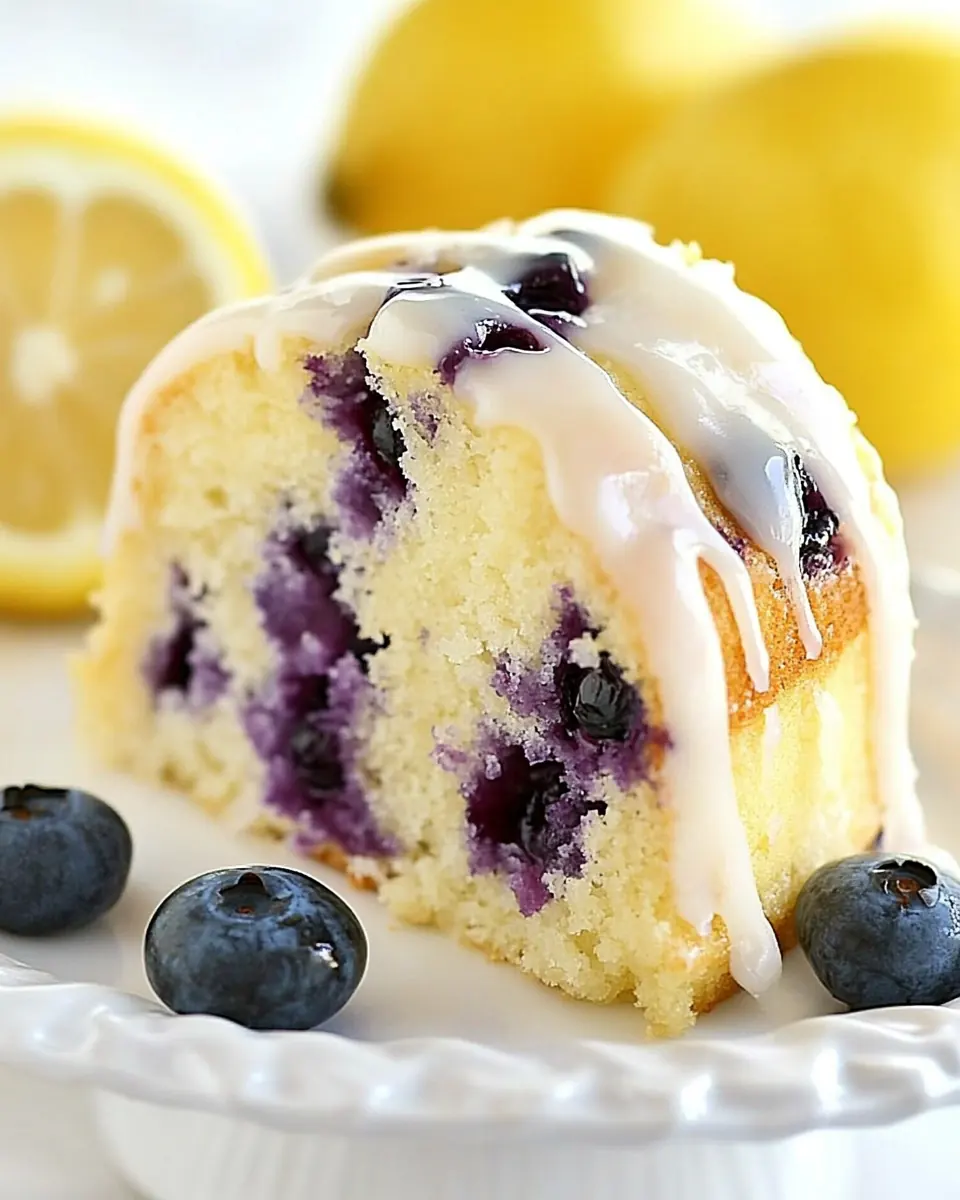
These ingredients have a clear purpose. The foundation is rich, with dairy and sugar creating a tender crumb, while the lemon and blueberries bring brightness and freshness. The leaveners are modest so the cake stays dense, and a bit of yogurt keeps it moist and tender.
- 1 3/4 c. sugar: Provide sweetness and structure, helping to tenderize the crumb while aiding in browning during baking; cream sugar with butter to incorporate air for a lighter cake texture.
- 1/2 c. butter softened: Contribute richness and moisture while creating a tender crumb; beat softened butter with sugar to incorporate air and improve cake volume.
- 4 oz 1/3 less-fat cream cheese softened: Add creaminess and slight tang while reducing overall fat; beat softened 1/3 less-fat cream cheese into batter for a smooth, tender texture without overpowering flavor.
- 3 eggs: Bind ingredients, add moisture, and help leaven the cake by trapping air during mixing; beat eggs one at a time until incorporated for best structure.
- Zest of 1 lemon: Provide bright citrus aroma and oil that enhances flavor intensity; finely grate lemon zest and fold gently into batter to distribute aromatic oils evenly.
- 1/4 c. freshly squeezed lemon juice about 2 lemons: Add fresh acidic lemon flavor and tenderize the crumb while reacting with leaveners; measure freshly squeezed lemon juice and fold into wet ingredients for best brightness.
- 2 tsp vanilla extract: Enhance overall flavor depth and balance sweetness with warm, aromatic notes; add vanilla extract to wet ingredients and mix until just combined.
- 3 c. all-purpose flour divided: Form the bulk of the cake, supplying gluten for structure while absorbing liquids; divide all-purpose flour as specified to alternate with wet ingredients for even mixing.
- 2 c. fresh or frozen blueberries: Contribute fresh fruity bursts and moisture, adding texture contrast and visual appeal; gently fold fresh or frozen blueberries into batter to avoid crushing.
- 1 tsp baking powder: Provide lift and contribute a light crumb by producing carbon dioxide when heated; combine baking powder with dry ingredients for even distribution.
- 1/2 tsp baking soda: React with acidic components to produce additional leavening and tenderness; mix baking soda into dry ingredients to activate with yogurt and lemon juice.
- 1/2 tsp salt: Balance sweetness and enhance flavor while controlling dough hydration; add salt to dry ingredients to strengthen gluten and highlight other flavors.
- 8 oz lemon low-fat yogurt: Introduce tangy moisture and acidity that tenderizes crumb and reacts with baking soda; stir lemon low-fat yogurt into wet ingredients for a creamy texture.
- 1/2 c. powdered sugar: Offer a light dusting of sweetness and help set glazes or icings; sift powdered sugar for a smooth finish and toss with lemon juice if making a glaze.
- 4 tsp lemon juice: Concentrate fresh lemon flavor and contribute to a simple glaze or finishing drizzle; whisk lemon juice with powdered sugar for a glossy, bright topping.
Putting Together Blueberry Lemon Pound Cake
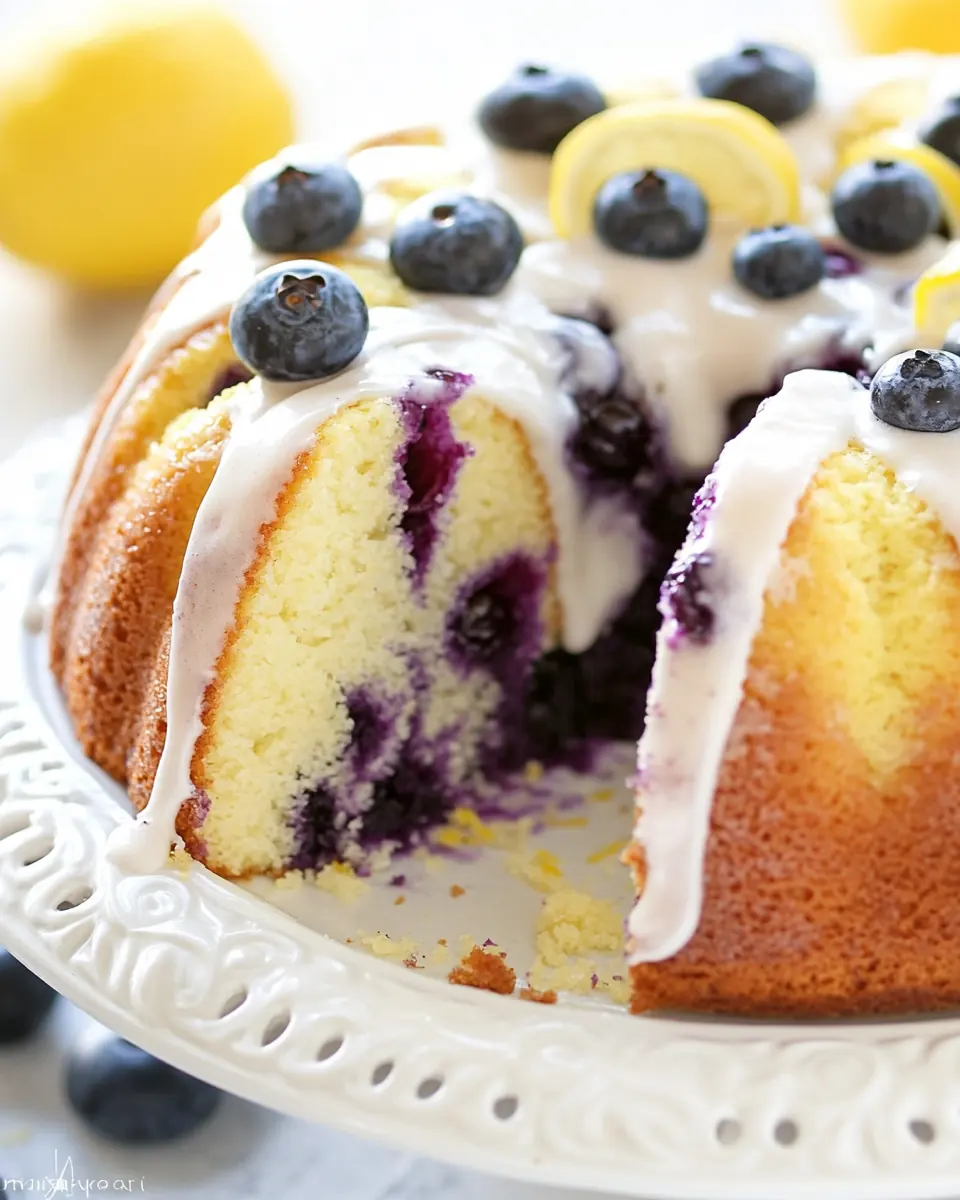
Bringing this cake together is straightforward, but I like to move deliberately through each step so the texture comes out just right. Below I expand each direction into rich, sensory guidance so you can bake with confidence and avoid common pitfalls.
- Preheat oven to 350 degrees. Spray bundt pan with non-stick cooking spray.: As the oven warms you will notice a faint dry heat and the air in the kitchen shifting to a warm hum, which helps the batter spring into a steady bake. Preheating ensures even rise and predictable baking, so always wait until the oven reaches 350 degrees before you put the pan in. Greasing the bundt pan creates a smooth release and an even crust, so be thorough, getting into all the curves. A common mistake is putting the batter into an oven that is not fully preheated, which can cause uneven texture and collapse near the center. If you have a thermometer, verify the temperature for accuracy. Expect the oven to sing softly as it cycles, and watch for consistent heat before baking.
- Beat first 3 ingredients in a mixer at medium speed until well-blended. Add eggs, one at a time, beating well after each addition. Beat in the lemon zest, lemon juice and vanilla.: You will smell the sugar and butter begin to soften and mingle, producing a faintly sweet, buttery aroma. Beating at medium speed incorporates air and gives the batter body, which affects crumb and texture. Adding the eggs one at a time encourages a smooth emulsion, preventing curdling and ensuring the batter is uniform. When the mixture is ready it should look creamy and slightly lighter in color. Stirring in the lemon zest , lemon juice, and vanilla releases bright citrus perfume that will carry through baking. A usual slip is adding eggs too quickly, causing the batter to break; if that happens, pause and scrape down the bowl and continue at a gentler pace to reemulsify.
- In a small bowl, measure the 3 cups of flour. Remove 2 Tbsp and sprinkle over the blueberries, gently stirring and tossing to coat.: The sound of the flour sifting into a small bowl has a dry, floury scent. Reserving 2 tablespoons to coat the blueberries is a clever step to keep them suspended in the batter, rather than sinking to the bottom. As you toss the berries they should be lightly dusted and separated, not clumped. This slight coating helps the fruit integrate visually and texturally, so you get evenly distributed pockets of berry. A common mistake is over tossing which can bruise the berries, releasing juices that streak the batter; be gentle and use a light hand when coating.
- Combine remaining flour, baking powder, baking soda, and salt. Add flour mixture to sugar mixture alternately with yogurt, beginning and ending with flour mixture.: When combining the dry ingredients you should notice a neutral, toasty scent from the flour . Alternating additions with the yogurt is about balance, it keeps the batter from becoming too stiff or too wet at any moment, so the crumb develops evenly. Start and finish with the dry mix for the best structure, folding gently to avoid overworking the batter. The batter should feel thick but pourable, and you will see it hold a ribbon briefly when lifted. Overmixing at this stage activates gluten and can make the cake tough, so stop mixing once streaks of flour are gone and the batter is cohesive.
- Fold in blueberry mixture. Pour cake batter into a bundt pan. Bake at 350° for 1 hour or until a wooden pick inserted in center comes out clean.: Folding in the blueberry mixture requires gentle motions to keep berries intact, maintaining their juicy centers. The batter will become speckled with blue spots and smell faintly fruity. Pouring the batter into the prepared bundt pan, you should see a glossy, thick surface that fills the mold. As the cake bakes the kitchen will fill with warm, lemony aroma and you may hear the faint settling crackle as edges set. Bake for about 1 hour , checking toward the end by inserting a wooden pick into the center, which should come out clean or with a few moist crumbs. A common error is opening the oven repeatedly which causes heat loss and can make the center sink, so try to check sparingly and rely on the timer and visual cues.
- Cool cake in pan 10 minutes; remove from pan. Let cake cool completely.: After you remove the cake from the oven, there is a wonderful waft of citrus and baked sugar. Cooling in the pan for about 10 minutes allows the structure to set so it unmolds cleanly; you will feel the cake slightly firm to the touch but still warm. When you invert the bundt pan, tap gently and let gravity help the loaf release. Let the loaf cool completely on a rack; this prevents the glaze from melting away when applied. A common mistake is glazing while the cake is too hot which leads to a runny, translucent coating, so patience here rewards you with a neat finish.
- Combine powdered sugar and lemon juice in a small bowl; drizzle over warm cake. Cut with a serrated knife.: Mixing the powdered sugar with lemon juice yields a glossy, sweet tart glaze. Drizzling it over the warm cake allows the glaze to sink into the crumb slightly, creating both sheen and flavor contrast. The scent will sharpen to bright citrus, and the surface will take on a soft shine. Use a serrated knife to slice through the crust cleanly, as it will give neat portions without compressing the crumb. Avoid over saturating with glaze or the slices can become soggy, and be mindful that applying glaze to a piping hot cake will lead to excess runoff.
Making Adjustments
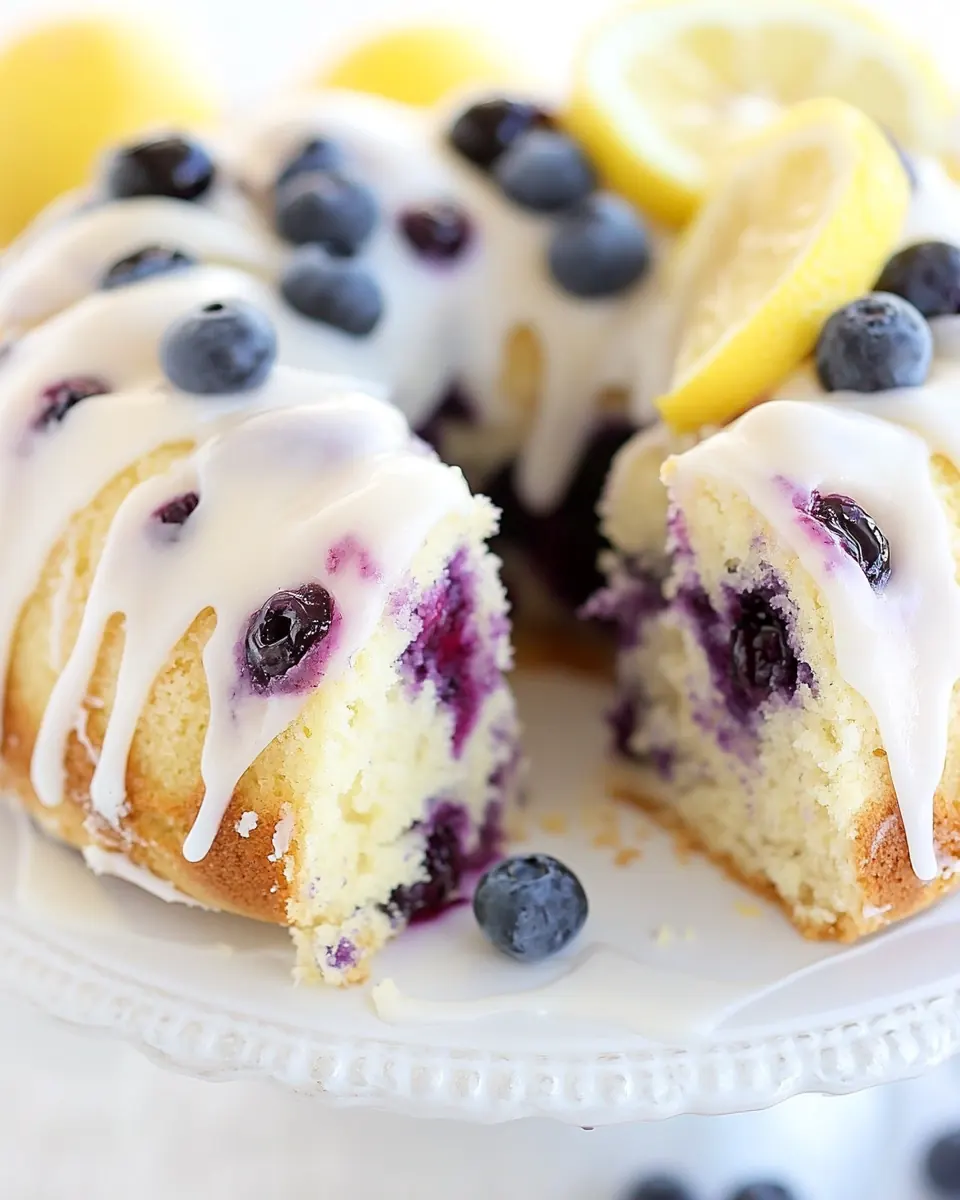
I like to keep a few straightforward adjustments in my back pocket so this cake can fit different occasions and ingredient availability. Below are practical tips you can use to tailor texture, sweetness, and presentation while preserving the cake’s character.
- Reduce sugar slightly if you prefer less sweetness, try reducing the sugar by up to 1/4 cup, testing to keep balance with the lemon and blueberries.
- Use frozen berries carefully by not thawing them, toss them in the reserved flour while frozen to keep their shape and prevent color bleed in the batter.
- Room temperature ingredients will blend more uniformly, so plan ahead and set your butter, cream cheese, and eggs out 30 to 60 minutes before starting.
- Measure flour accurately by spooning it into the cup and leveling, avoiding packed flour which can make the cake dry and dense.
- Test for doneness gently by inserting a wooden pick into the center near the end of baking rather than relying only on time, to avoid under or over baking.
Serving Suggestions
This cake shines when served simply, but a few thoughtful accompaniments can elevate it for different occasions. Slice it thin for a brunch spread or thicker for dessert with coffee. The list below outlines ideas for presentation, pairings, and storage so your serving moment feels intentional.
- Serve at brunch with a pot of coffee or tea, offering slices on a cake stand so guests can help themselves.
- Offer light accompaniments like a bowl of extra blueberries or a dollop of plain yogurt for a casual, balanced plate.
- For dessert present slices with a scoop of vanilla ice cream or a spoon of whipped cream to contrast the cake’s density.
- Pack for potlucks by slicing and arranging in a covered container; the loaf retains moisture and travels well.
- Storage keep the cake tightly wrapped at room temperature for up to three days or refrigerate up to a week; bring to room temperature before serving for best texture.
- Seasonal pairing this recipe is lovely in spring when berries are ripe, and it also works well anytime you want a bright, citrus forward dessert.
FAQ
Conclusion
This cake is special because it balances a tender, buttery crumb with bright lemon and juicy berries, creating a comforting yet lively dessert. I encourage you to give it a try, whether for a casual brunch or a small celebration, because it is forgiving and reliably delicious. Slice it thin for a tea time treat or serve thicker with a dollop of yogurt, and enjoy how the combination of simple pantry ingredients delivers something memorable.
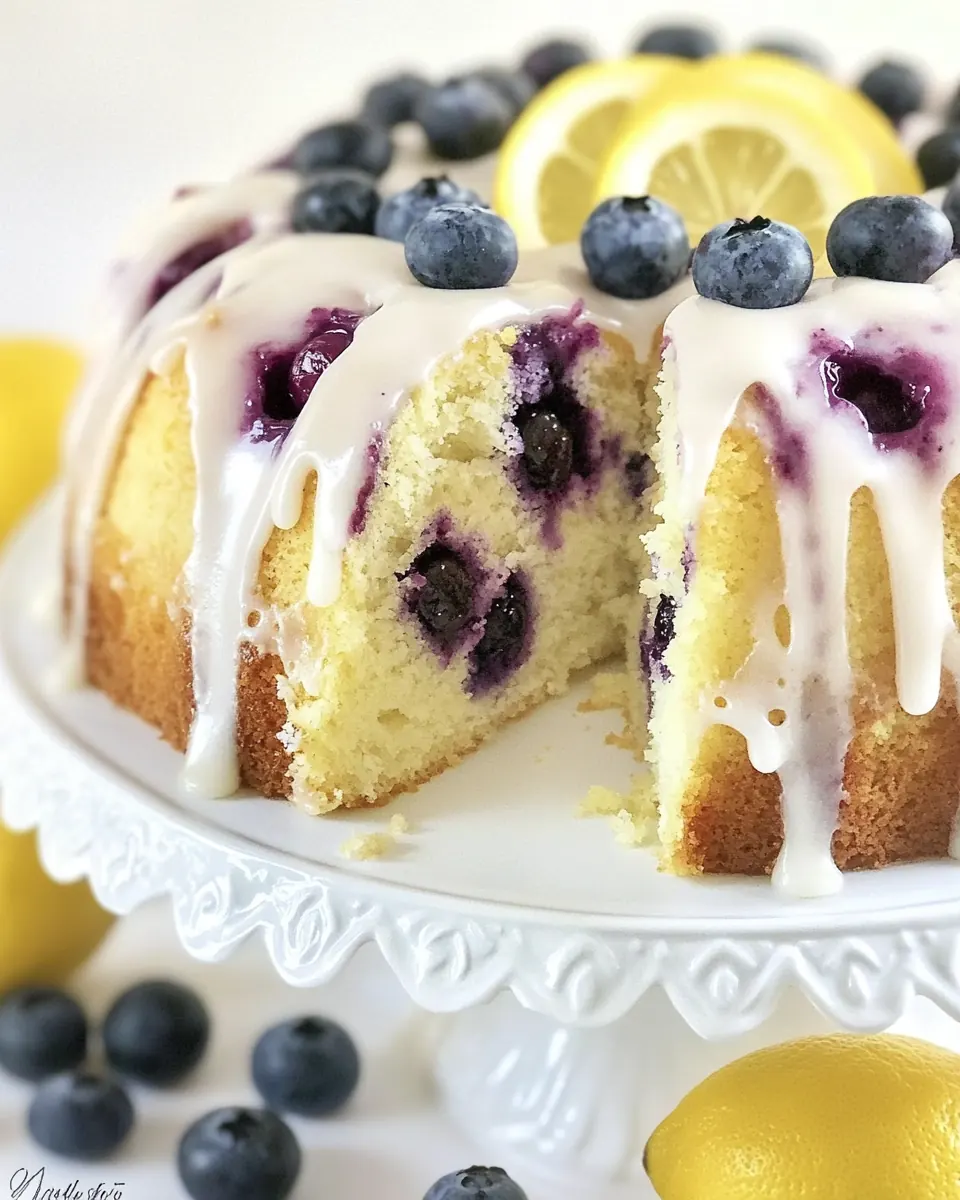
Blueberry Lemon Pound Cake
Ingredients
Equipment
Method
- Preheat oven to 350 degrees. Spray bundt pan with non-stick cooking spray.: As the oven warms you will notice a faint dry heat and the air in the kitchen shifting to a warm hum, which helps the batter spring into a steady bake. Preheating ensures even rise and predictable baking, so always wait until the oven reaches 350 degrees before you put the pan in. Greasing the bundt pan creates a smooth release and an even crust, so be thorough, getting into all the curves. A common mistake is putting the batter into an oven that is not fully preheated, which can cause uneven texture and collapse near the center. If you have a thermometer, verify the temperature for accuracy. Expect the oven to sing softly as it cycles, and watch for consistent heat before baking.
- Beat first 3 ingredients in a mixer at medium speed until well-blended. Add eggs, one at a time, beating well after each addition. Beat in the lemon zest, lemon juice and vanilla.: You will smell the sugar and butter begin to soften and mingle, producing a faintly sweet, buttery aroma. Beating at medium speed incorporates air and gives the batter body, which affects crumb and texture. Adding the eggs one at a time encourages a smooth emulsion, preventing curdling and ensuring the batter is uniform. When the mixture is ready it should look creamy and slightly lighter in color. Stirring in the lemon zest , lemon juice, and vanilla releases bright citrus perfume that will carry through baking. A usual slip is adding eggs too quickly, causing the batter to break; if that happens, pause and scrape down the bowl and continue at a gentler pace to reemulsify.
- In a small bowl, measure the 3 cups of flour. Remove 2 Tbsp and sprinkle over the blueberries, gently stirring and tossing to coat.: The sound of the flour sifting into a small bowl has a dry, floury scent. Reserving 2 tablespoons to coat the blueberries is a clever step to keep them suspended in the batter, rather than sinking to the bottom. As you toss the berries they should be lightly dusted and separated, not clumped. This slight coating helps the fruit integrate visually and texturally, so you get evenly distributed pockets of berry. A common mistake is over tossing which can bruise the berries, releasing juices that streak the batter; be gentle and use a light hand when coating.
- Combine remaining flour, baking powder, baking soda, and salt. Add flour mixture to sugar mixture alternately with yogurt, beginning and ending with flour mixture.: When combining the dry ingredients you should notice a neutral, toasty scent from the flour . Alternating additions with the yogurt is about balance, it keeps the batter from becoming too stiff or too wet at any moment, so the crumb develops evenly. Start and finish with the dry mix for the best structure, folding gently to avoid overworking the batter. The batter should feel thick but pourable, and you will see it hold a ribbon briefly when lifted. Overmixing at this stage activates gluten and can make the cake tough, so stop mixing once streaks of flour are gone and the batter is cohesive.
- Fold in blueberry mixture. Pour cake batter into a bundt pan. Bake at 350° for 1 hour or until a wooden pick inserted in center comes out clean.: Folding in the blueberry mixture requires gentle motions to keep berries intact, maintaining their juicy centers. The batter will become speckled with blue spots and smell faintly fruity. Pouring the batter into the prepared bundt pan, you should see a glossy, thick surface that fills the mold. As the cake bakes the kitchen will fill with warm, lemony aroma and you may hear the faint settling crackle as edges set. Bake for about 1 hour , checking toward the end by inserting a wooden pick into the center, which should come out clean or with a few moist crumbs. A common error is opening the oven repeatedly which causes heat loss and can make the center sink, so try to check sparingly and rely on the timer and visual cues.
- Cool cake in pan 10 minutes; remove from pan. Let cake cool completely.: After you remove the cake from the oven, there is a wonderful waft of citrus and baked sugar. Cooling in the pan for about 10 minutes allows the structure to set so it unmolds cleanly; you will feel the cake slightly firm to the touch but still warm. When you invert the bundt pan, tap gently and let gravity help the loaf release. Let the loaf cool completely on a rack; this prevents the glaze from melting away when applied. A common mistake is glazing while the cake is too hot which leads to a runny, translucent coating, so patience here rewards you with a neat finish.
- Combine powdered sugar and lemon juice in a small bowl; drizzle over warm cake. Cut with a serrated knife.: Mixing the powdered sugar with lemon juice yields a glossy, sweet tart glaze. Drizzling it over the warm cake allows the glaze to sink into the crumb slightly, creating both sheen and flavor contrast. The scent will sharpen to bright citrus, and the surface will take on a soft shine. Use a serrated knife to slice through the crust cleanly, as it will give neat portions without compressing the crumb. Avoid over saturating with glaze or the slices can become soggy, and be mindful that applying glaze to a piping hot cake will lead to excess runoff.
Notes
- Reduce sugar slightly if you prefer less sweetness, try reducing the sugar by up to 1/4 cup, testing to keep balance with the lemon and blueberries.
- Use frozen berries carefully by not thawing them, toss them in the reserved flour while frozen to keep their shape and prevent color bleed in the batter.
- Room temperature ingredients will blend more uniformly, so plan ahead and set your butter, cream cheese, and eggs out 30 to 60 minutes before starting.
- Measure flour accurately by spooning it into the cup and leveling, avoiding packed flour which can make the cake dry and dense.
- Test for doneness gently by inserting a wooden pick into the center near the end of baking rather than relying only on time, to avoid under or over baking.