Citrus Salad with Fennel Avocado
Citrus Salad with Fennel Avocado became my go to when I wanted something that felt bright and composed but was impossibly simple to throw together. I first tossed this salad together on a slow, rainy afternoon when I needed a lift, and the contrast between the crisp, aniseed bite of fennel and the buttery softness of avocado reminded me how small elements can make a meal feel thoughtful. I remember standing at the counter, shelling tiny seeds of citrus juice into my palm, and thinking how easy it is to turn a few humble ingredients into a memorable plate.
That day I learned that salads do not need to be flashy to be memorable. The mix of textures, the pop of citrus, and the hint of creamy pecorino made every forkful interesting. Later, I started serving this to friends when I wanted something seasonal yet elegant. It travels well to potlucks, or it shines as a light centerpiece for a weeknight supper. Over time I tweaked the dressing and the order of assembly, and those small decisions became part of the magic that makes this recipe reliable and satisfying.
When I prepare Citrus Salad with Fennel Avocado, I like to take a moment to savor the smells as they come together, the bright citrus and the savory bite of the cheese. It is a dish that rewards attention but does not demand it, which is why it often appears on my table when I want something easy yet impressive. You can make this right before company arrives, or you can assemble parts ahead of time and finish it in minutes.
Recipe Snapshot
31 mins
30 mins
1 mins
Easy
250 kcal
Mediterranean
Paleo, Vegan
Salads
Oven, Baking sheet, Mixing bowl, Whisk, Vegetable peeler
The Appeal of This Citrus Salad with Fennel Avocado
Bright Seasonal Contrast
I love how the citrus in Citrus Salad with Fennel Avocado lifts the whole plate. The citrus segments bring acidity and aroma, which balance the richness of avocado and pecorino. When I taste it, I notice the immediate brightness, and that first tangy note draws me in.
Layered Textures
The combination of crisp, shaved fennel, tender roasted fennel, crunchy pine nuts, and silky avocado makes every bite interesting. I often tell friends that a salad succeeds on texture as much as flavor, and this one does both. The radicchio adds a pleasant chew and a hint of bitterness that keeps the palate curious.
Simple, Elegant Dressing
The dressing is intentionally straightforward, letting the ingredients shine. A blend of extra virgin olive oil, lemon juice, grated garlic, and Dijon mustard binds the components without overpowering them. I appreciate that it comes together in a minute, yet it brightens and softens the fennel when tossed briefly.
Versatile Serving
I value versatility, and this salad works as a starter, a side, or a light main. I have brought it to spring gatherings and weeknight dinners alike, and it always feels right. The assembly can be adjusted to your mood, whether you emphasize the roasted fennel or go heavy on the citrus.
Make Ahead Friendly
One of the best things about this salad is that elements can be prepped in advance. I often roast the fennel and segment the citrus ahead of time. When guests arrive, finishing the salad takes moments, and the results feel freshly made.
What to Buy for Citrus Salad with Fennel Avocado
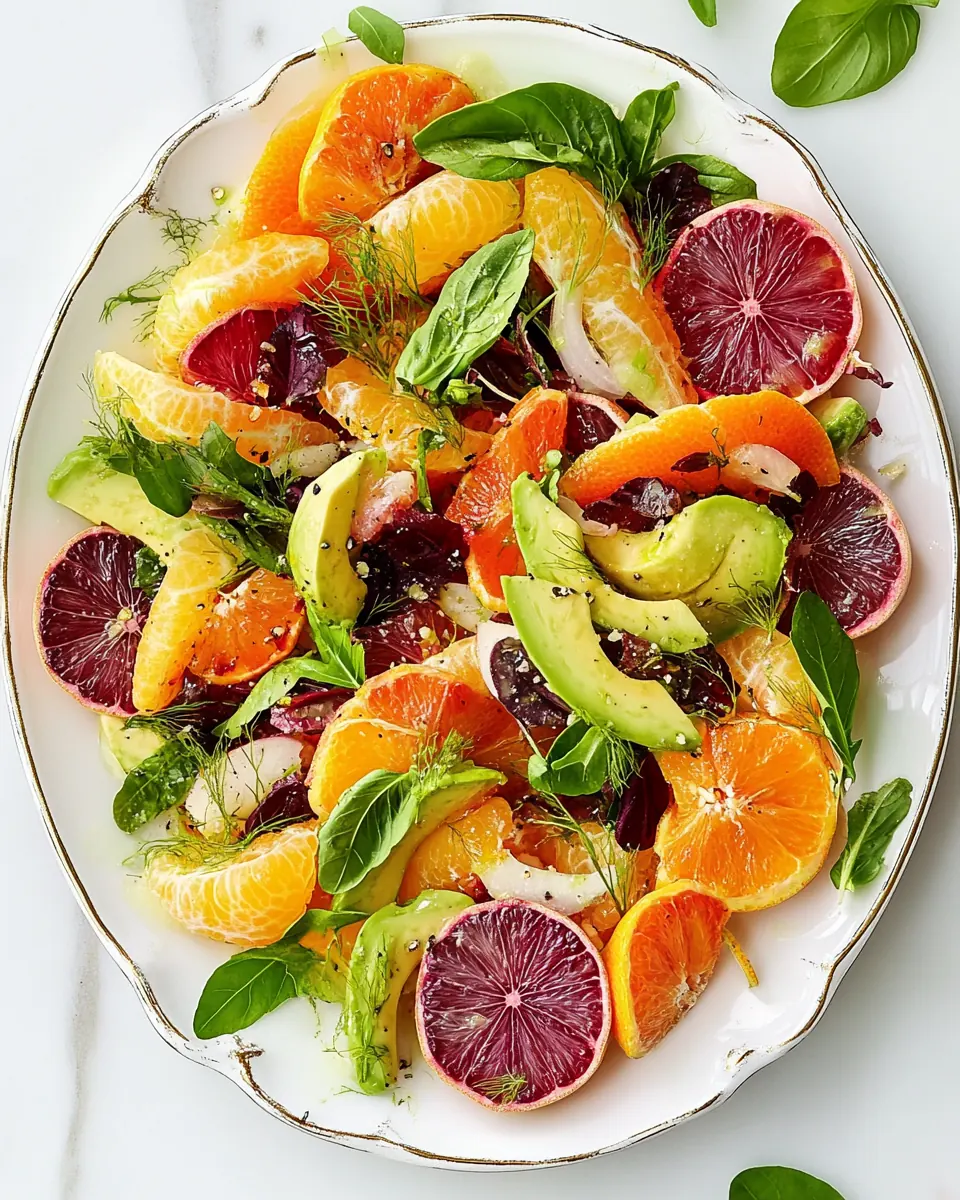
These ingredients are chosen to create harmony between bright citrus, crunchy greens, and creamy elements. The key players are the two kinds of fennel, which provide both roasted depth and raw crunch, and the citrus that brings acidity. Avocado and pecorino add richness and savory balance, while a simple vinaigrette ties everything together.
- 1 fennel bulb, sliced into wedges and roasted: Sliced into wedges and roasted to bring out a sweet, caramelized flavor that adds body and warmth to the salad. Helps provide a tender, slightly crisp texture contrast to raw elements and pairs well with citrus and creamy avocado. Retains a mild anise note that complements the mint and pecorino.
- 1 fennel bulb, very thinly sliced: Very thinly sliced to deliver a crisp, crunchy texture and a bright, licorice-like freshness that cuts through richer components. Serves as a raw, aromatic layer that contrasts the roasted fennel for complexity. Enhances the salad’s visual appeal with delicate ribbons.
- 5 radicchio leaves, torn: Torn to introduce a mildly bitter, robust leaf that adds color and structural interest to each bite. Balances sweet citrus and creamy avocado while providing a slightly peppery undertone. Holds dressing well and creates natural scoops for components.
- 2 satsumas or 1 small orange, segmented: Segmented to provide bursts of sweet, juicy citrus flavor that brighten the entire dish. Adds fresh acidity and a tender, pulpy texture that contrasts with crunchy fennel and nuts. Contributes vibrant color and aromatic oils from the peel to the salad.
- 1 small pink grapefruit, segmented: Segmented to lend a tart, slightly bitter citrus punch and juicy texture that complements both sweet and savory elements. Provides aromatic freshness and a pleasant tang that lifts the dressing and other components. Offers an attractive pale-pink contrast among the greens.
- 1 avocado, sliced: Sliced to introduce a rich, creamy texture and mild, buttery flavor that balances the salad’s acidity and bitterness. Acts as a satisfying, luxurious component that binds flavors and softens crunchy elements. Offers a smooth mouthfeel and substantial bite.
- 2 tablespoons pine nuts: Toasted or added whole to supply a warm, nutty crunch and depth of flavor within the salad. Enhances texture and provides subtle resinous notes that pair well with citrus and cheese. Works as a garnish and flavor accent that seasons each forkful.
- 1/4 cup shaved pecorino: Shaved to contribute a salty, tangy, and slightly sheepy richness that elevates the salad’s savory dimension. Provides a firm, umami-driven contrast to sweet citrus and creamy avocado. Adds decorative shavings that melt slightly into the dressing for cohesion.
- 1/4 cup fresh mint leaves: Used as leaves to add a fresh, cooling, and aromatic herbal lift throughout the salad. Brightens flavors with a minty, slightly sweet profile and helps balance richness from avocado and oil. Can be torn or left whole for bursts of fragrant contrast.
- Sea salt and freshly ground black pepper: Used sparingly to season and enhance all flavors with essential saltiness and a mild peppery heat. Helps heighten sweetness of citrus and savory notes from cheese and nuts. Adjusted to taste to achieve balanced overall seasoning.
- 1/4 cup extra-virgin olive oil: Used as the main fat to emulsify the dressing and coat all ingredients with a smooth, fruity richness. Brings mouthfeel and helps carry aromatic and flavor compounds across the salad. Contributes subtle peppery or grassy notes depending on quality.
- 2 tablespoons lemon juice: Used to add bright, sharp acidity that wakes up the other ingredients and balances the oil and cheese. Provides a clean citrus tang that harmonizes with citrus segments and cuts through creamy avocado. Also helps form an emulsified dressing when whisked with oil.
- 1 garlic clove, grated: Grated to impart a pungent, savory depth and slight heat that rounds out the dressing flavors. Adds aromatic complexity and helps the vinaigrette cling to salad components. Offers a subtle allium presence without large pieces.
- 1/2 teaspoon Dijon mustard: Added in small amount to bind oil and lemon into a cohesive emulsion and provide a touch of savory tang. Stabilizes the dressing while contributing mild depth and rounded flavor. Ensures a silky, well-integrated coating for the salad.
- 1/4 teaspoon sea salt: Used as an additional seasoning to precisely control salt levels and finish the dressing with a clean mineral edge. Ensures proper flavor balance across sweet, bitter, and rich components. Often added at the end to adjust to personal taste.
Step by Step Guide for Citrus Salad with Fennel Avocado
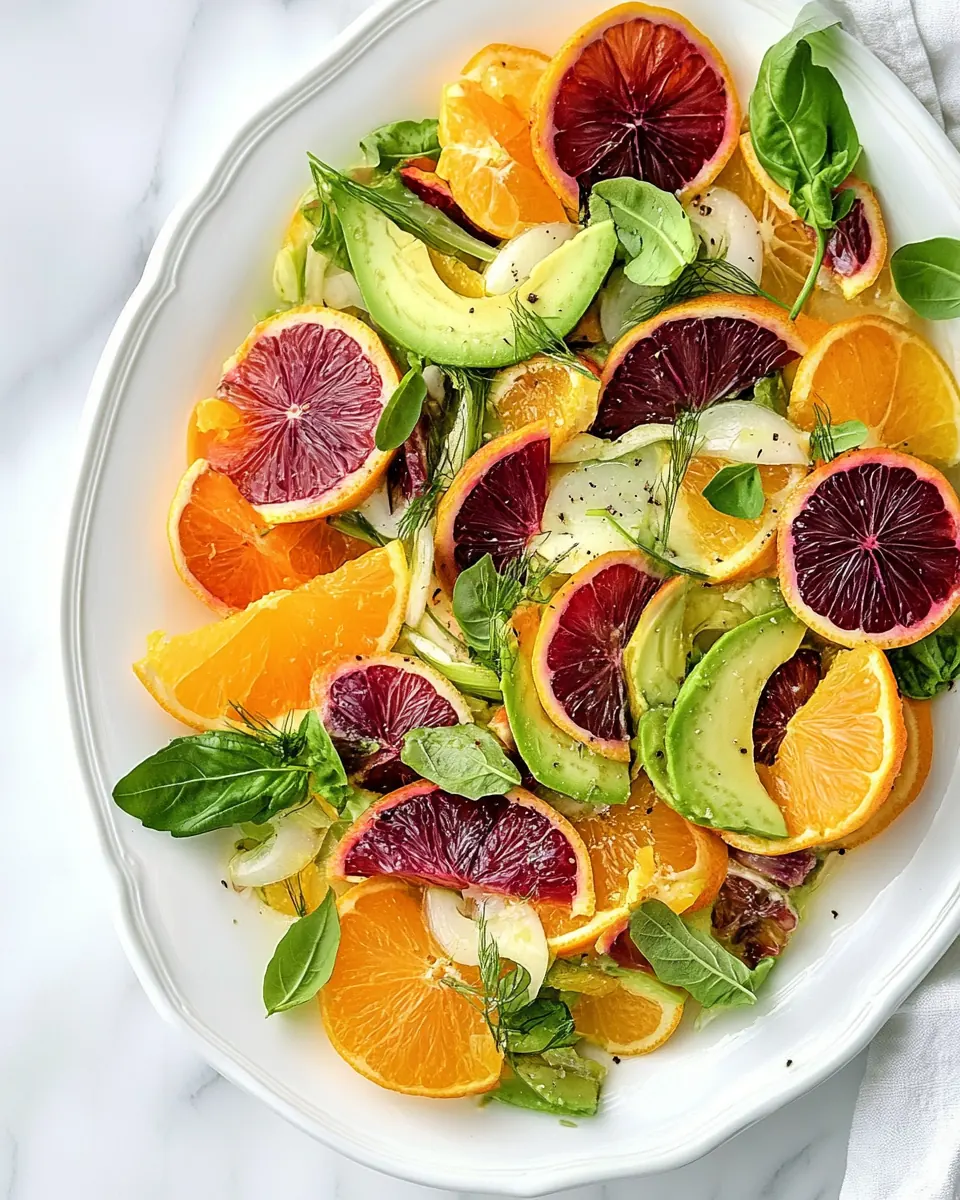
I like to think of the instructions as gentle choreography. Start by roasting and slicing so you can assemble confidently, then finish with the dressing and garnishes. Below I expand each step into sensory cues, reasons behind the technique, and one troubleshooting tip so you can be sure the salad turns out right.
- Prepare the roasted fennel according to these directions.: You will notice a sweet fragrant perfume as the fennel softens and takes on golden edges, with a subtle caramel scent filling the kitchen. Roasting concentrates the vegetable's natural sugars, creating a tender texture that contrasts with the raw shaved fennel . When it is done, the wedges should yield easily to a fork and have slightly browned tips, which offer a toasty note. Avoid rushing by using too high heat, which can burn the exterior before the interior softens; instead roast at an even temperature so the texture transforms slowly and predictably. A common error is overcrowding the pan, which causes steaming rather than caramelization, so give the wedges breathing room for best results.
- Make the dressing: In a small bowl, whisk together the olive oil, lemon juice, garlic, and Dijon mustard.: In a small bowl, whisk together the olive oil, lemon juice, garlic, and Dijon mustard. : As you whisk the extra–virgin olive oil with the lemon juice and grated garlic , you will notice a bright, citrusy aroma lifting off the bowl and a silky sheen forming on the surface. The mustard helps the oil and acid bind, giving the dressing body and a smooth mouthfeel that will coat the fennel and citrus segments. Whisk until the dressing slightly thickens and the flavors marry, then taste for balance; a little more acid will brighten it, while more oil will mellow it. If the dressing separates later, whisk vigorously or shake in a jar to re-emulsify; the mistake to avoid is over-salting before tasting, since the cheese and nuts will add saltiness to the finished salad.
- In a medium bowl, toss the sliced fennel with a few drizzles of the dressing. Set aside for 15 minutes so the fennel softens a bit.: Right after tossing, inhale the mingling scents of citrus and garlic as the dressing gently marinates the crisp, shaved fennel . That brief resting period allows the acid to slightly wilt the raw slices, making them tender while retaining a fresh crunch. You should see the fennel glisten with dressing and feel a slight give when pressed, indicating it has softened correctly. Resist the urge to leave it too long, as extended sitting can turn the slices limp and wilt the other greens. A frequent slip is skipping the rest, which leaves the raw fennel too stiff and prevents flavor absorption.
- Assemble the salad on a platter by arranging half of the sliced fennel, all the roasted fennel, radicchio, and half of the citrus segments. Drizzle with a few spoonfuls of the dressing and sprinkle with salt. Layer the remaining fennel and the remaining citrus onto the salad. Top with the avocado, pine nuts, pecorino, and mint. Drizzle with more dressing, sprinkle with salt and pepper, and serve.: As you layer, look for visual balance, alternating pale fennel and vibrant citrus to create contrast. A light drizzle of dressing at this stage adds moisture and aromatic lift, and the first sprinkle of salt anchors the flavors so the subsequent layers do not taste flat. Texture is key here, so place the roasted wedges where they will be visible and let their browned edges peek through. The common mistake is over-dressing at this point which can make the salad soggy; add modestly, you can always add more later.
- Layer the remaining fennel and the remaining citrus onto the salad.: When you add the second layers, aim for variety in each forkful, so guests get citrus, raw fennel , and roasted fennel together. The citrus should glisten and release a faint mist of juice, perfuming the nearby ingredients. Take care not to press the layers down, which can bruise softer components like the citrus and cause juices to puddle. A frequent oversight is piling everything haphazardly, which creates uneven seasoning and texture; keep the layers airy and deliberate for best presentation.
- Top with the avocado, pine nuts, pecorino, and mint.: Finish with the silky slices of avocado , the warm toasted crunch of pine nuts , delicate ribbons of shaved pecorino , and fragrant mint leaves. The creaminess of the avocado will quiet the citrus edges, while the pecorino adds savory salt that ties everything together. Scatter the pine nuts last so they stay crisp, and place the mint where it can offer aromatic pops. Avoid overhandling the avocado , since it bruises easily and becomes unattractive if mashed.
- Drizzle with more dressing, sprinkle with salt and pepper, and serve.: A final drizzle of the vinaigrette brings sheen and gloss to the plate, and the last seasoning adjustment tunes the flavors to perfection. You should see a light shimmer across the salad, and when you lean in you will smell citrus, oil, and herbs together. Taste a composite forkful to confirm balance; if a brightness is missing, a touch more lemon juice will help. The key mistake to avoid is adding too much salt at the finish, especially because the pecorino is already salty; season sparingly and taste as you go.
Recipe Variations about Citrus Salad with Fennel Avocado
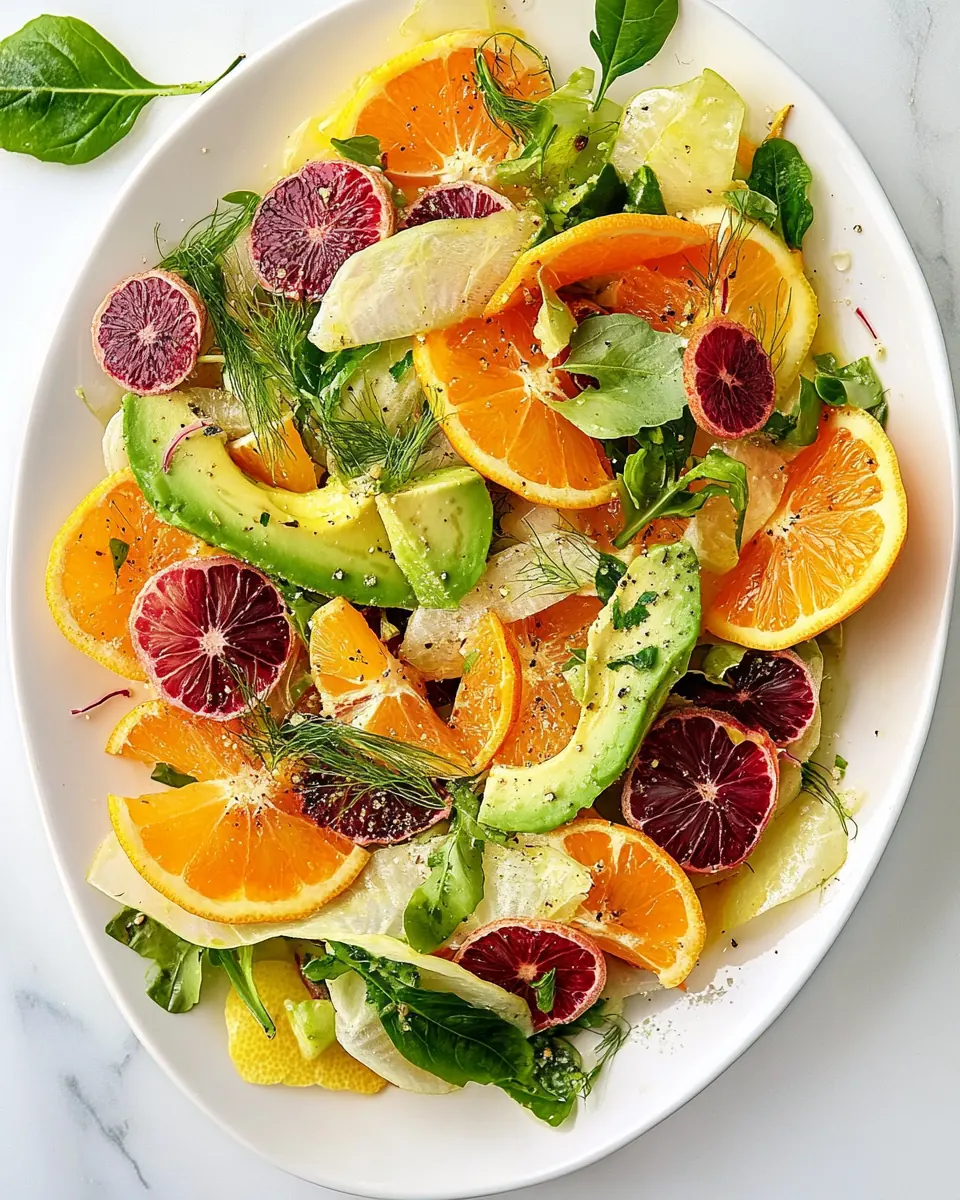
This salad adapts nicely to small swaps and seasonal shifts while keeping its bright character. Below are ideas to vary texture, flavor, and presentation, each expanded into a practical tip so you can choose the variation that suits your occasion.
- Make it heartier: Add extra roasted fennel wedges and more avocado to turn this into a more substantial main course, focusing on generous portions of the roasted component so the salad remains satisfying.
- Boost the crunch: Increase the quantity of toasted pine nuts or use a mix of nuts for a more assertive crunch, but always toast separately to avoid burning and to maximize aroma.
- Adjust the citrus mix: Swap the satsumas for blood oranges or tangerines when in season to vary sweetness and color, and be mindful of juice content which can make the salad wetter if not drained.
- Serve family style: Lay components on a large platter with dressing on the side, letting guests dress their own portions to prevent sogginess and preserve textures during longer meals.
- Advance prep strategy: Roast the fennel and segment the citrus ahead of time, store separately, and assemble shortly before serving for the best presentation and texture retention.
- Herb swap: Replace half the mint with flat leaf parsley for a more savory herbal note while maintaining freshness, chopping parsley coarsely so it reads differently on the plate.
Serve This Citrus Salad with Fennel Avocado With
This salad is flexible enough to partner with a range of dishes and occasions. Below I outline serving ideas, storage guidance, and occasions where this salad shines. Use the bolded cues to match the salad to a menu or moment.
- Light lunch pairing: Serve with crusty bread and perhaps a bowl of soup for a balanced midday meal, letting the salad be the bright counterpoint to warmer, softer textures.
- Spring dinner side: Pair with grilled fish or roasted vegetables for a seasonal dinner where the citrus and herbs lift heavier proteins, creating a refreshing contrast on the plate.
- Entertaining: Present on a large platter for family style service during gatherings; assemble just before guests arrive so the avocado and greens look pristine and appetizing.
- Storage tips: Keep components separate if not serving immediately, storing roasted fennel and citrus in airtight containers and adding fresh avocado at the last minute to prevent browning.
- Seasonal pairing: Best in spring when citrus and fresh herbs are lively; the salad’s bright profile also complements summer menus that favor lighter fare and fresh produce.
- Special occasions: Use as a starter for holiday lunches or festive brunches, its vibrant colors and composed arrangement make an elegant first course.
FAQ
Conclusion
This Citrus Salad with Fennel Avocado stands out for its elegant balance of textures and bright flavors, combining roasted and raw fennel, juicy citrus, creamy avocado, and savory pecorino. Give it a try next time you want a dish that feels both effortless and thoughtfully composed. I hope it becomes one of your reliable recipes for spring gatherings and simple dinners, bringing a fresh, aromatic touch to the table.
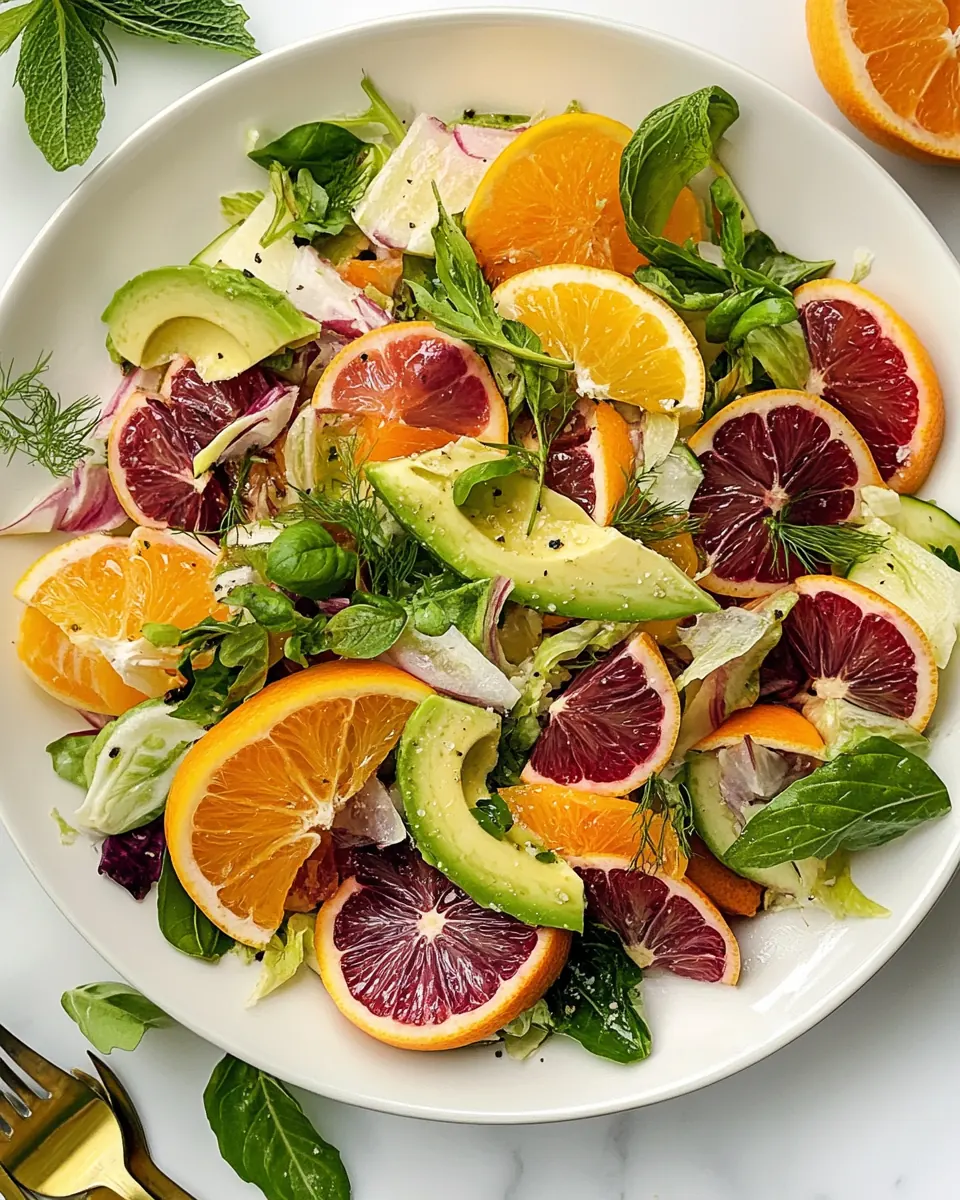
Citrus Salad with Fennel Avocado
Ingredients
Equipment
Method
- Prepare the roasted fennel according to these directions.: You will notice a sweet fragrant perfume as the fennel softens and takes on golden edges, with a subtle caramel scent filling the kitchen. Roasting concentrates the vegetable's natural sugars, creating a tender texture that contrasts with the raw shaved fennel . When it is done, the wedges should yield easily to a fork and have slightly browned tips, which offer a toasty note. Avoid rushing by using too high heat, which can burn the exterior before the interior softens; instead roast at an even temperature so the texture transforms slowly and predictably. A common error is overcrowding the pan, which causes steaming rather than caramelization, so give the wedges breathing room for best results.
- Make the dressing: In a small bowl, whisk together the olive oil, lemon juice, garlic, and Dijon mustard.: In a small bowl, whisk together the olive oil, lemon juice, garlic, and Dijon mustard. : As you whisk the extra-virgin olive oil with the lemon juice and grated garlic , you will notice a bright, citrusy aroma lifting off the bowl and a silky sheen forming on the surface. The mustard helps the oil and acid bind, giving the dressing body and a smooth mouthfeel that will coat the fennel and citrus segments. Whisk until the dressing slightly thickens and the flavors marry, then taste for balance; a little more acid will brighten it, while more oil will mellow it. If the dressing separates later, whisk vigorously or shake in a jar to re-emulsify; the mistake to avoid is over-salting before tasting, since the cheese and nuts will add saltiness to the finished salad.
- In a medium bowl, toss the sliced fennel with a few drizzles of the dressing. Set aside for 15 minutes so the fennel softens a bit.: Right after tossing, inhale the mingling scents of citrus and garlic as the dressing gently marinates the crisp, shaved fennel . That brief resting period allows the acid to slightly wilt the raw slices, making them tender while retaining a fresh crunch. You should see the fennel glisten with dressing and feel a slight give when pressed, indicating it has softened correctly. Resist the urge to leave it too long, as extended sitting can turn the slices limp and wilt the other greens. A frequent slip is skipping the rest, which leaves the raw fennel too stiff and prevents flavor absorption.
- Assemble the salad on a platter by arranging half of the sliced fennel, all the roasted fennel, radicchio, and half of the citrus segments. Drizzle with a few spoonfuls of the dressing and sprinkle with salt. Layer the remaining fennel and the remaining citrus onto the salad. Top with the avocado, pine nuts, pecorino, and mint. Drizzle with more dressing, sprinkle with salt and pepper, and serve.: As you layer, look for visual balance, alternating pale fennel and vibrant citrus to create contrast. A light drizzle of dressing at this stage adds moisture and aromatic lift, and the first sprinkle of salt anchors the flavors so the subsequent layers do not taste flat. Texture is key here, so place the roasted wedges where they will be visible and let their browned edges peek through. The common mistake is over-dressing at this point which can make the salad soggy; add modestly, you can always add more later.
- Layer the remaining fennel and the remaining citrus onto the salad.: When you add the second layers, aim for variety in each forkful, so guests get citrus, raw fennel , and roasted fennel together. The citrus should glisten and release a faint mist of juice, perfuming the nearby ingredients. Take care not to press the layers down, which can bruise softer components like the citrus and cause juices to puddle. A frequent oversight is piling everything haphazardly, which creates uneven seasoning and texture; keep the layers airy and deliberate for best presentation.
- Top with the avocado, pine nuts, pecorino, and mint.: Finish with the silky slices of avocado , the warm toasted crunch of pine nuts , delicate ribbons of shaved pecorino , and fragrant mint leaves. The creaminess of the avocado will quiet the citrus edges, while the pecorino adds savory salt that ties everything together. Scatter the pine nuts last so they stay crisp, and place the mint where it can offer aromatic pops. Avoid overhandling the avocado , since it bruises easily and becomes unattractive if mashed.
- Drizzle with more dressing, sprinkle with salt and pepper, and serve.: A final drizzle of the vinaigrette brings sheen and gloss to the plate, and the last seasoning adjustment tunes the flavors to perfection. You should see a light shimmer across the salad, and when you lean in you will smell citrus, oil, and herbs together. Taste a composite forkful to confirm balance; if a brightness is missing, a touch more lemon juice will help. The key mistake to avoid is adding too much salt at the finish, especially because the pecorino is already salty; season sparingly and taste as you go.
Notes
- Make it heartier: Add extra roasted fennel wedges and more avocado to turn this into a more substantial main course, focusing on generous portions of the roasted component so the salad remains satisfying.
- Boost the crunch: Increase the quantity of toasted pine nuts or use a mix of nuts for a more assertive crunch, but always toast separately to avoid burning and to maximize aroma.
- Adjust the citrus mix: Swap the satsumas for blood oranges or tangerines when in season to vary sweetness and color, and be mindful of juice content which can make the salad wetter if not drained.
- Serve family style: Lay components on a large platter with dressing on the side, letting guests dress their own portions to prevent sogginess and preserve textures during longer meals.
- Advance prep strategy: Roast the fennel and segment the citrus ahead of time, store separately, and assemble shortly before serving for the best presentation and texture retention.
- Herb swap: Replace half the mint with flat leaf parsley for a more savory herbal note while maintaining freshness, chopping parsley coarsely so it reads differently on the plate.