Mini Lemon Drop Cakes
Mini Lemon Drop Cakes arrived in my kitchen on a busy spring morning when I needed a tiny, bright treat to lift a gray mood. I remember juggling a mug of coffee while the oven warmed, feeling the tug to make something small but joyful. These little cakes felt like sunshine in bite size, and from the first batter stir I knew they would become my go to for last minute guests, picnic baskets, and afternoon tea.
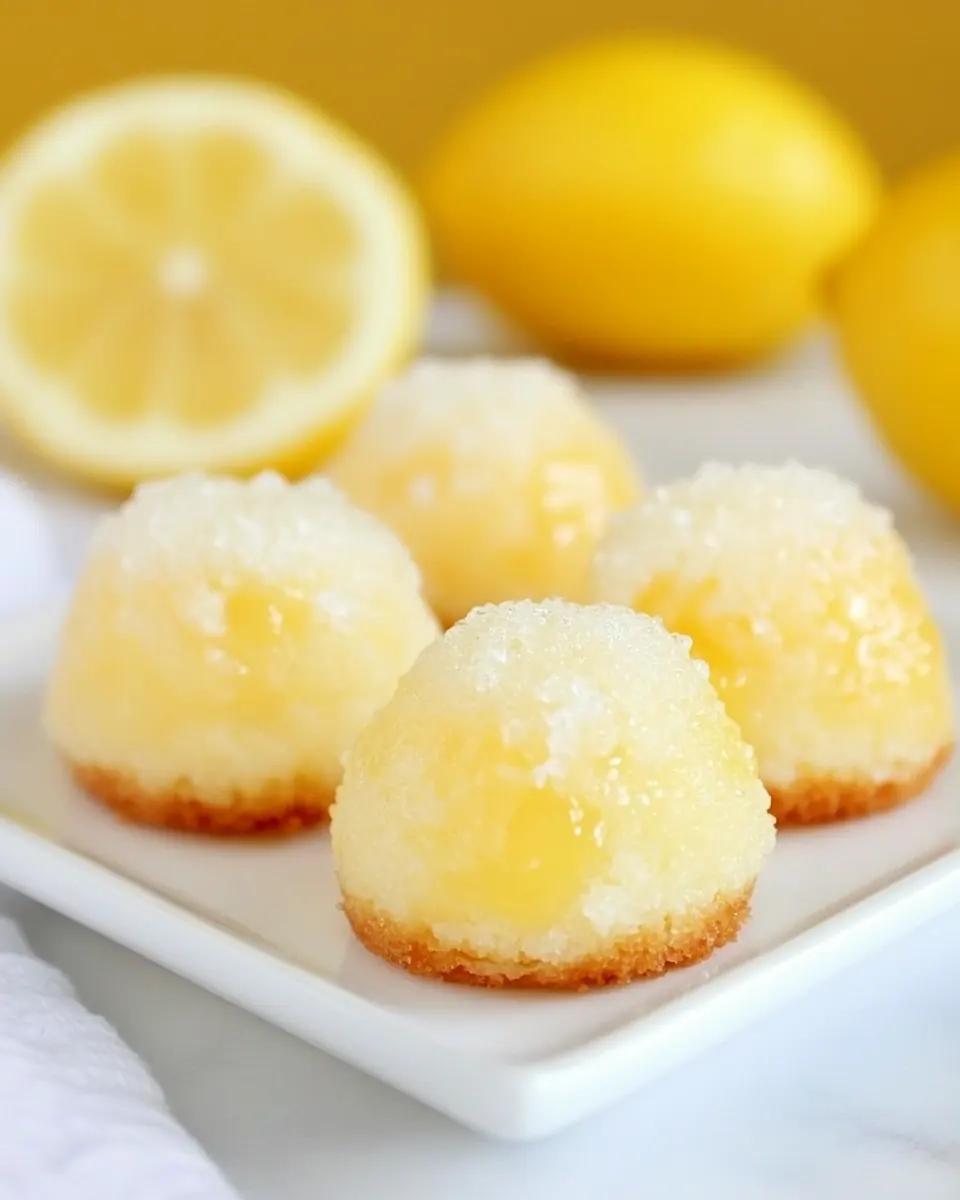
I have a habit of testing recipes at odd hours, and these Mini Lemon Drop Cakes quickly proved forgiving and upbeat. The batter comes together in a single bowl with simple pantry staples and a strong wink of lemon, so they are both humble and irresistible. I loved how the tiny domes baked into golden cups that smelled like warm citrus, and the glaze created glossy tops that crackled slightly when you bit into them.
Recipe Snapshot
27 mins
15 mins
12 mins
Medium
180 kcal
American
Gluten-Free, Low FODMAP
Desserts
Mini muffin pan, Mixing bowl, Small saucepan, Hand beater, Cooling rack, Microwave
What We Adore About This Mini Lemon Drop Cakes
Bright citrus personality
I adore how Mini Lemon Drop Cakes pack an intense lemon punch into a small package. The double use of zest and juice gives layers of citrus aroma, so you get a fresh fragrant hit as soon as you bring one close. I find that this concentrated brightness wakes up taste buds, making each bite feel lively and clean.
Simple, dependable technique
These cakes rely on straightforward mixing and a hot liquid trick that keeps the crumb tender. Because I whisk the dry ingredients first and pour a boiling mixture over them, the texture becomes unexpectedly soft without fuss. I like recipes that reward basic methods, and this one consistently delivers a moist crumb that holds up to glazing.
Perfect portion control
I often want dessert without committing to a large cake, and Mini Lemon Drop Cakes answer that exact need. They are ideal for portion control, party trays, or when I need a treat that guests can pop into their mouths between conversations. Tiny desserts also feel indulgent, and people often comment they taste better because they are just the right size.
Versatile for occasions
From a spring brunch to an afternoon tea, these little cakes slide into so many menus. I’ve used them for school bake sales and relaxed garden gatherings, because they travel well once glazed and look pretty on a platter. Their cheerful color and compact shape make them an easy choice when presentation matters but time is short.
Fast and forgiving
I value recipes that bounce back from small missteps, and this one does. If you overmix a touch or your oven runs hot, the glaze helps hide imperfections and keeps the treats appealing. I often tweak baking time by a minute or two and it still turns out beautifully, so I recommend this as a reliable go to when you need a quick lemon fix.
Ingredients to Make Mini Lemon Drop Cakes
These ingredients are a study in balance. The structure comes from all-purpose flour and a touch of leavening, while sugar sweetens and butter contributes richness. The wet trio of water, sour cream, and egg creates a tender crumb, and the double lemon notes from zest and juice push the flavor into bright territory. The glaze, built on powdered sugar and more lemon, gives a shiny, slightly crackly finish.
- 1 cup all-purpose flour: Provides structure and bulk to the cakes by forming the gluten network when mixed with liquids; all-purpose flour creates a tender crumb while supporting leavening for light mini cakes.
- 1 cup sugar: Adds sweetness and helps tenderize the batter by interacting with fats and liquids; sugar also aids in browning and enhances the lemon flavor of the cakes.
- 1/2 tsp salt: Balances flavor and enhances other ingredients while helping to strengthen structure slightly; a pinch of salt accentuates sweetness and rounds out the taste.
- 1/2 tsp baking soda: Supplies chemical leavening by reacting with acidic components to produce carbon dioxide; baking soda helps the mini cakes rise and become airy.
- 1/2 cup butter: Contributes richness, moisture, and flavor while aiding in creaming with sugar to incorporate air; butter also helps create a soft, tender texture in the cakes.
- 1/2 cup water: Provides hydration to the batter, dissolving dry ingredients and allowing gluten formation; water thins the batter to the proper consistency for pouring or scooping.
- 1/4 cup sour cream: Adds moisture, tang, and richness while contributing to tenderness through its fat content; sour cream also reacts with baking soda to improve rise and add slight acidity.
- 1 whole egg: Binds ingredients together and contributes moisture and structure through coagulation when baked; the whole egg also adds richness and helps with leavening.
- 1 tbsp fresh lemon zest: Delivers bright citrus aroma and concentrated essential oils that intensify lemon flavor; fresh lemon zest elevates the overall flavor profile of the cakes.
- 1 tbsp fresh lemon juice: Imparts fresh acidic lemon flavor and brightness that balances sweetness; fresh lemon juice also reacts with baking soda to aid leavening and add tang.
- 1 1/2 cups powdered sugar: Creates a smooth, sweet glaze or dusting to finish the cakes and add sweetness; powdered sugar dissolves easily for a silky topping or icing.
- 1 tsp fresh lemon zest: Contributes concentrated lemon aroma and a stronger citrus note in the glaze or topping; fresh lemon zest enhances visual appeal and flavor punch.
- 1 tbsp butter, melted: Adds a silky mouthfeel and richness to glazes or toppings when melted; melted butter also contributes a glossy finish and subtle buttery taste.
- 2 tbsp fresh lemon juice: Provides additional bright acidity and lemon flavor to glazes, balancing powdered sugar sweetness; fresh lemon juice thins the glaze to a pourable consistency.
- 2 tbsp milk: Helps thin and smooth glazes while adding a touch of creaminess; milk adjusts glaze consistency and contributes mild dairy flavor.
Cooking Method for Mini Lemon Drop Cakes

These directions are friendly and straightforward, but the technique is what makes the texture sing. I approach each step with attention to small sensory cues, like the sound of boiling water and the glossy look of a thinned glaze. Follow these steps to get consistent, pretty results.
- Spray mini muffin pans with non-stick spray; set aside.: The tiny pans should feel slick to the touch, ensuring the cakes release cleanly once cooled. When you spray, you may see a fine mist glimmer on the metal; that shine is your insurance against sticking. One common mistake is under greasing the wells, which leads to broken tops when you invert the pans. If you notice the spray pooling, wipe the excess with a paper towel to avoid greasy pockets that affect browning.
- Whisk together flour, sugar, salt, and baking soda in a mixing bowl; set aside.: As you whisk, inhale the neutral, slightly dusty scent of the dry mix, and watch for even color so lumps are gone. This step distributes the leavening and salt, so each bite rises uniformly and tastes balanced. An error to avoid is adding wet ingredients before the dry is evenly combined, which can create uneven pockets of soda or salt. If you see clumps after whisking, push the mixture through a sieve or break them apart with the whisk.
- Melt butter in a small saucepan over medium heat. Add water and bring to a boil.: You will hear a soft shimmer as the butter melts, and then the mixture will steam as it reaches a boil. This hot liquid helps bloom the dry ingredients for a tender crumb. Be cautious not to over boil, because prolonged high heat can slightly brown the butter and shift the flavor. A frequent misstep is overheating so watch for a steady stream of bubbles rather than an aggressive boil.
- Pour hot mixture over dry ingredients and beat with a hand beater till barely blended. Beat in the sour cream, egg, zest, and lemon juice till smooth.: After pouring, you should smell warm butter and citrus as steam rises, and the batter will look glossy. Use the hand beater to bring the dry and wet together until you no longer see dry pockets, but stop before the batter becomes overly smooth; a gentle hand keeps the cakes tender. Then add the sour cream , egg , zest, and lemon juice , which will introduce tang and a silky sheen. A common trap is overbeating after adding the egg, which tightens gluten and yields denser cakes. If the batter becomes gummy, rest it five minutes to relax the texture before scooping.
- Scoop batter into muffin pans. Bake at 325° for about 12 minutes. Let cool for 5 minutes, then turn onto cooling racks. Cool completely before glazing.: When you scoop, the batter should hold a slight mound and not run like pancake batter. In the oven you will notice the tops transition from pale to a gentle golden edge, and a toothpick will come out with a few moist crumbs. Cooling five minutes helps the cakes set so they keep their shape when inverted, and fully cooling prevents the glaze from sliding off. A typical mistake is glazing while the cakes are warm, which melts the glaze and makes a runny finish. If you find one cake underbaked, give the rest a minute or two more, watching carefully to avoid drying.
- Dip lemon drops top side down into the glaze. Let excess glaze drip off into the bowl, then invert lemon drops bottom side down onto cooling racks. (Place waxed paper underneath the cooling racks for easier clean up.) Let sit till glaze hardens.: As you dip, the glaze should cling and create a thin, glossy coat that dries to a slight sheen. You will hear a soft drip as excess glaze returns to the bowl, and once inverted, the undersides will reveal a tidy, even finish. Place waxed paper under racks to catch drips for easy clean up. Avoid dunking multiple times immediately, because a thick layer can slump and obscure the cake shape. If the glaze seems too thick, thin it slightly with a drop of milk rather than multiple dippings.
- Whisk all glaze ingredients together in a small mixing bowl. Heat for about 10 seconds in the microwave till glaze is very thin.: The glaze will start as a powdery paste that becomes glossy as you whisk, and a quick burst in the microwave loosens it so it is pourable. After heating, stir until smooth and watch for a velvety sheen, adding a touch more milk if needed to achieve a thin dipping consistency. Be careful not to overheat, which can make the glaze grainy or separate the butter. A frequent slip is adding too much liquid at once, so add it gradually while whisking to hit the right viscosity.
Ways to Adapt This Recipe

These adaptations help you customize Mini Lemon Drop Cakes while keeping the core texture and brightness intact. Below are targeted tips to adjust flavor intensity, make transport easier, or convert quantities for different pan sizes.
- Boost lemon intensity Add an extra teaspoon of fresh lemon zest to the batter and a splash more lemon juice to the glaze to sharpen the citrus profile without changing texture.
- Make them less sweet Reduce the sugar in the batter by one eighth cup and balance by slightly thinning the glaze so the tartness of lemon comes forward.
- Create a sturdier glaze Use one less tablespoon of milk and chill the glaze briefly before dipping to achieve a thicker coating that travels better.
- Scale to standard muffins Double the recipe and bake in a 12 cup muffin tin for about 18 to 22 minutes at the same temperature, checking for a golden edge and a moist crumb on a toothpick test.
- Storage for freshness Keep glazed cakes in a single layer at room temperature for up to two days, or freeze unglazed for up to one month and glaze after thawing.
What to Serve With Mini Lemon Drop Cakes
These tiny cakes pair well with simple beverages and light accompaniments, making them a flexible choice for many occasions. The serving ideas below cover casual snack moments to formal teas, and include storage tips to help you plan ahead.
- Afternoon tea pairing Serve these with hot tea like earl grey or a light green tea, which complements the citrus without overpowering it.
- Brunch tray Arrange them alongside fresh fruit and plain scones for a spring friendly spread where the lemon adds brightness.
- Picnic selection Pack glazed cakes in a single layer with parchment between pieces for easy transport and to prevent sticking, ideal for outdoor gatherings.
- Party platter Combine with small cookies and petit fours on a tiered stand for an elegant dessert table that highlights the cakes’ petite size.
- Seasonal occasions These shine in spring celebrations like baby showers or garden parties, where their light citrus character matches the season.
- Storage tips Store glazed cakes at room temperature for up to two days in an airtight container, or freeze unglazed cakes wrapped individually, then glaze after thawing for best texture.
FAQ
Conclusion
Mini Lemon Drop Cakes stand out for their concentrated lemon flavor, tender crumb, and charming small size that suits many occasions. Give them a try when you want a quick, elegant treat that feels special without a long commitment of time or ingredients. They are forgiving, portable, and perfect for sharing at spring gatherings or for brightening an ordinary afternoon with a bit of citrus cheer.

Mini Lemon Drop Cakes
Ingredients
Equipment
Method
- Spray mini muffin pans with non-stick spray; set aside.: The tiny pans should feel slick to the touch, ensuring the cakes release cleanly once cooled. When you spray, you may see a fine mist glimmer on the metal; that shine is your insurance against sticking. One common mistake is under greasing the wells, which leads to broken tops when you invert the pans. If you notice the spray pooling, wipe the excess with a paper towel to avoid greasy pockets that affect browning.
- Whisk together flour, sugar, salt, and baking soda in a mixing bowl; set aside.: As you whisk, inhale the neutral, slightly dusty scent of the dry mix, and watch for even color so lumps are gone. This step distributes the leavening and salt, so each bite rises uniformly and tastes balanced. An error to avoid is adding wet ingredients before the dry is evenly combined, which can create uneven pockets of soda or salt. If you see clumps after whisking, push the mixture through a sieve or break them apart with the whisk.
- Melt butter in a small saucepan over medium heat. Add water and bring to a boil.: You will hear a soft shimmer as the butter melts, and then the mixture will steam as it reaches a boil. This hot liquid helps bloom the dry ingredients for a tender crumb. Be cautious not to over boil, because prolonged high heat can slightly brown the butter and shift the flavor. A frequent misstep is overheating so watch for a steady stream of bubbles rather than an aggressive boil.
- Pour hot mixture over dry ingredients and beat with a hand beater till barely blended. Beat in the sour cream, egg, zest, and lemon juice till smooth.: After pouring, you should smell warm butter and citrus as steam rises, and the batter will look glossy. Use the hand beater to bring the dry and wet together until you no longer see dry pockets, but stop before the batter becomes overly smooth; a gentle hand keeps the cakes tender. Then add the sour cream , egg , zest, and lemon juice , which will introduce tang and a silky sheen. A common trap is overbeating after adding the egg, which tightens gluten and yields denser cakes. If the batter becomes gummy, rest it five minutes to relax the texture before scooping.
- Scoop batter into muffin pans. Bake at 325° for about 12 minutes. Let cool for 5 minutes, then turn onto cooling racks. Cool completely before glazing.: When you scoop, the batter should hold a slight mound and not run like pancake batter. In the oven you will notice the tops transition from pale to a gentle golden edge, and a toothpick will come out with a few moist crumbs. Cooling five minutes helps the cakes set so they keep their shape when inverted, and fully cooling prevents the glaze from sliding off. A typical mistake is glazing while the cakes are warm, which melts the glaze and makes a runny finish. If you find one cake underbaked, give the rest a minute or two more, watching carefully to avoid drying.
- Dip lemon drops top side down into the glaze. Let excess glaze drip off into the bowl, then invert lemon drops bottom side down onto cooling racks. (Place waxed paper underneath the cooling racks for easier clean up.) Let sit till glaze hardens.: As you dip, the glaze should cling and create a thin, glossy coat that dries to a slight sheen. You will hear a soft drip as excess glaze returns to the bowl, and once inverted, the undersides will reveal a tidy, even finish. Place waxed paper under racks to catch drips for easy clean up. Avoid dunking multiple times immediately, because a thick layer can slump and obscure the cake shape. If the glaze seems too thick, thin it slightly with a drop of milk rather than multiple dippings.
- Whisk all glaze ingredients together in a small mixing bowl. Heat for about 10 seconds in the microwave till glaze is very thin.: The glaze will start as a powdery paste that becomes glossy as you whisk, and a quick burst in the microwave loosens it so it is pourable. After heating, stir until smooth and watch for a velvety sheen, adding a touch more milk if needed to achieve a thin dipping consistency. Be careful not to overheat, which can make the glaze grainy or separate the butter. A frequent slip is adding too much liquid at once, so add it gradually while whisking to hit the right viscosity.
Notes
- Boost lemon intensity Add an extra teaspoon of fresh lemon zest to the batter and a splash more lemon juice to the glaze to sharpen the citrus profile without changing texture.
- Make them less sweet Reduce the sugar in the batter by one eighth cup and balance by slightly thinning the glaze so the tartness of lemon comes forward.
- Create a sturdier glaze Use one less tablespoon of milk and chill the glaze briefly before dipping to achieve a thicker coating that travels better.
- Scale to standard muffins Double the recipe and bake in a 12 cup muffin tin for about 18 to 22 minutes at the same temperature, checking for a golden edge and a moist crumb on a toothpick test.
- Storage for freshness Keep glazed cakes in a single layer at room temperature for up to two days, or freeze unglazed for up to one month and glaze after thawing.