Scottish Barley Pudding
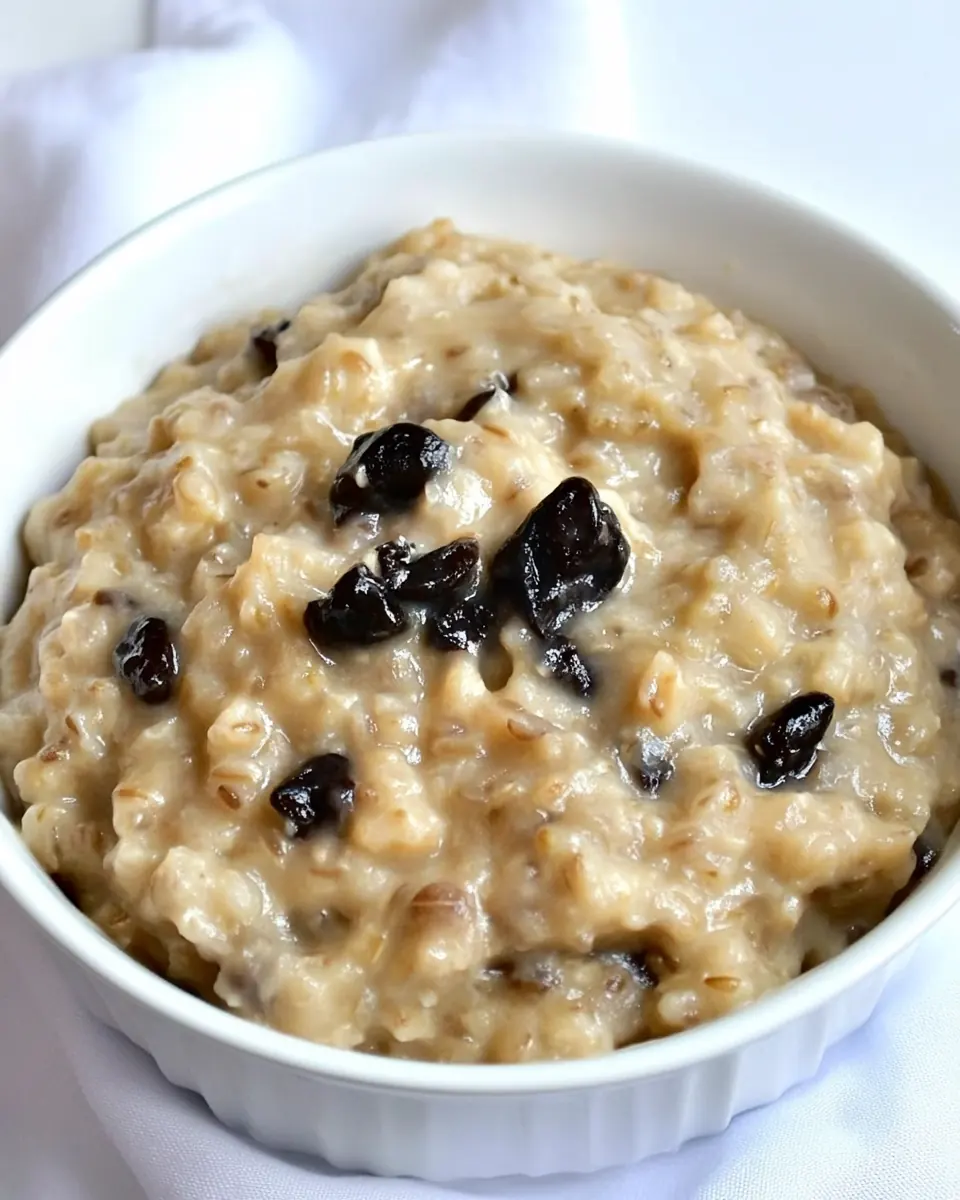
Scottish Barley Pudding is the kind of simple, unassuming comfort that warms my hands and memory on cool evenings. I first tasted it at a friend s family table in the Highlands, where a grandmother ladled a steaming bowl into my hands and said it was what folk ate when they wanted something honest and filling. That first spoonful, warm and softly sweet, stuck with me.
Over the years I ve adapted that original bowl into my own version. I love the way the barley becomes pillowy yet slightly chewy, and how the currants punctuate each mouthful with a little burst of sweetness. Sometimes I add a whisper of lemon zest, and other times I skip it, but the heart of the dish never changes. It s a humble pudding, but it has a depth that feels like a hug from the inside.
When I make Scottish Barley Pudding at home, I often think about the seasons and how food anchors us. This pudding feels especially right in fall, when you crave warm bowls that stick to your ribs. I often serve it with extra heavy cream and a sprinkle of cane sugar, because that creamy finish elevates the barley into a dessert that doubles as breakfast or an after dinner treat.
Recipe Snapshot
1 hr 20 mins
5 mins
75 mins
Medium
250 kcal
Scottish
Whole30, Gluten-Free
Desserts
Medium pot, Spoon
The Beauty of This Scottish Barley Pudding
Hearty and Comforting
I love how Scottish Barley Pudding fills you up without weighing you down. The combination of soft, cooked barley and a touch of heavy cream creates a texture that is both substantial and gently indulgent. It s the kind of dish that makes a modest pantry feel abundant, and I often reach for it when I want comfort without fuss.
Simple, Honest Ingredients
There s a purity to the ingredient list that appeals to me. With just barley, water, a pinch of salt, and a few finishing touches like currants and cane sugar, the recipe does a lot with very little. I appreciate recipes where technique highlights the ingredients, not hides them.
Versatile Serving Options
One of the reasons I return to this pudding is its flexibility. You can serve Scottish Barley Pudding warm for breakfast, or let it cool slightly and enjoy it as a cozy dessert. Adding extra heavy cream or a spoonful of cane sugar on the side lets everyone customize their bowl. I like recipes that invite personalization.
Rustic But Refined
This pudding sits somewhere between rustic and refined. The texture of cooked barley is country humble, while the finishing touches, like a strip of lemon zest or a scattering of currants, lend a subtle lift. I find that balance especially satisfying when cooking for company, because it feels thoughtful without being fussy.
Reliable and Forgiving
I also love how forgiving this dish is. If you need to add a little extra water while it simmers, it s no problem. If you prefer it a touch sweeter, you can stir in more cane sugar at the end. That flexibility makes Scottish Barley Pudding a go to when I want a dependable, comforting dish that rarely goes wrong.
Ingredients You’ll Need for Scottish Barley Pudding
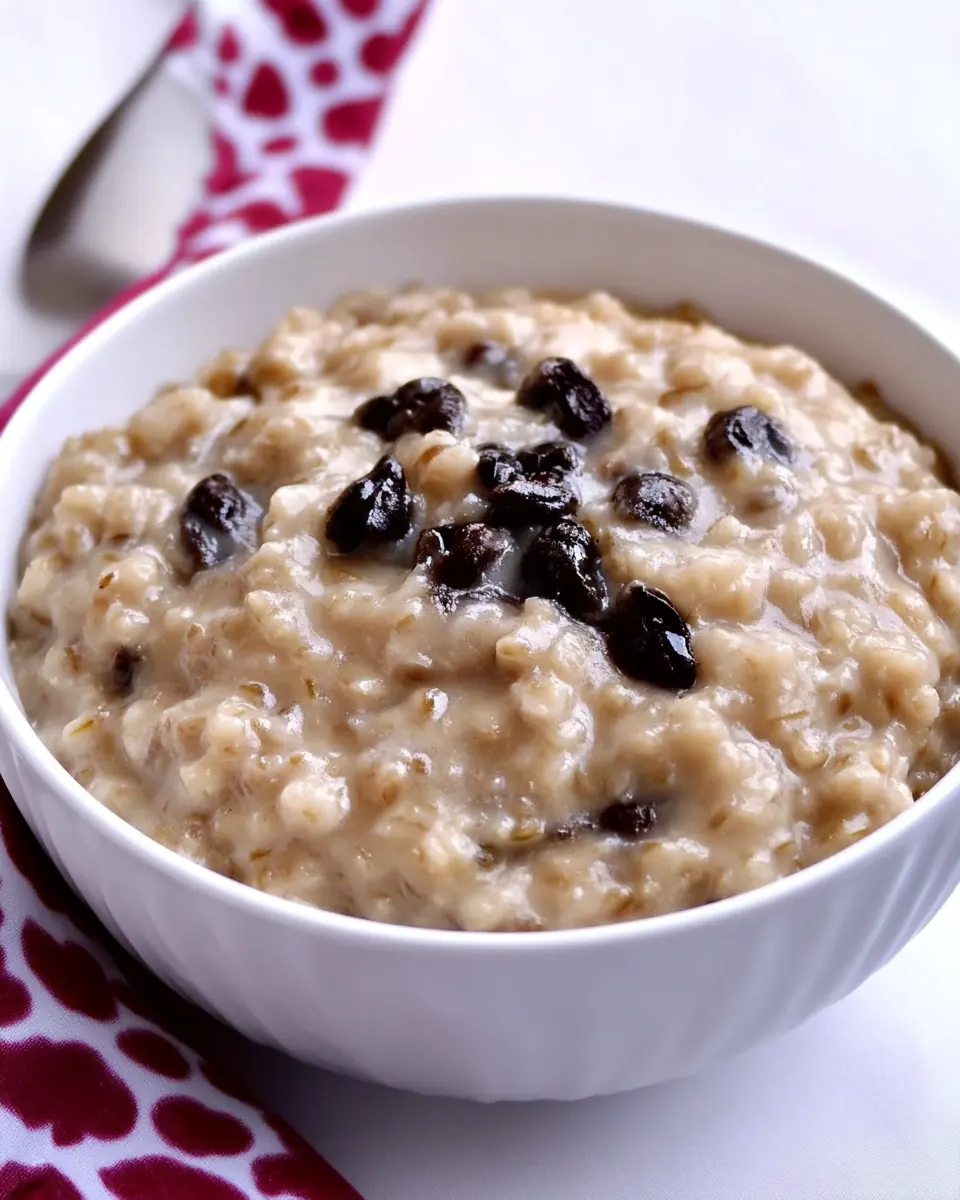
This pudding relies on a handful of pantry friendly players that work in quiet harmony. The star is barley, which provides a nutty chew and an earthy base. Water and a pinch of salt coax the grains into tenderness, while currants add pops of sweetness. Cane sugar and heavy cream finish the pudding with satin richness, and the optional lemon zest brightens the profile.
- 1 cup barley (see Note): Rinse and simmer to soften and thicken; pearl barley provides the chewy, nutty base texture for the pudding and absorbs the cooking liquid to create a porridge-like consistency. Maintain gentle simmering and occasional stirring to prevent sticking and ensure even cooking throughout the grains.
- 4 1/2 cups water: Bring to a gentle boil then reduce heat to cook the barley evenly; water hydrates the grains and controls the final pudding consistency by determining how creamy or firm the finished dish will be. Use the specified amount for a balanced texture, adding only small amounts more if needed during cooking.
- 1/2 teaspoons salt: Season lightly during cooking to enhance overall flavor; salt balances the sweetness and brings out the barley’s natural nuttiness without overpowering the dessert. Dissolve fully into the liquid so the seasoning distributes evenly throughout the pudding.
- 2 strips lemon zest (not traditionally used but a delicious touch): Zest lightly to infuse a bright, citrus aroma; lemon zest adds a subtle fragrant lift that contrasts the sweet and earthy components, even if not traditional. Add strips during cooking and remove before serving to leave behind delicate citrus notes.
- 1/2 cup currants (can substitute raisins): Soak or stir into the warm pudding to introduce bursts of fruity sweetness and chewy texture; currants concentrate sugary flavor and complement the barley’s mildness. Substitute raisins if desired, keeping a similar proportion to maintain balance in sweetness and texture.
- 1/3 cup cane sugar: Sweeten gradually while tasting to reach the desired level; cane sugar caramelizes slightly during cooking and deepens the overall flavor profile, harmonizing with the currants. Dissolve completely to avoid grittiness and adjust to preference before finishing.
- 1/3 cup heavy cream: Enrich and finish to add creaminess and a silky mouthfeel; heavy cream contributes fat that rounds out flavors and yields a luxurious texture for the pudding. Stir in off-heat to preserve a smooth consistency and prevent curdling.
- Extra sugar and heavy cream for serving as desired: Offer for optional garnish and personalization; extra sugar and heavy cream allow diners to adjust sweetness and creaminess at the table, enhancing each serving to taste. Provide alongside the pudding so guests can tailor their portions individually.
How to Make Scottish Barley Pudding
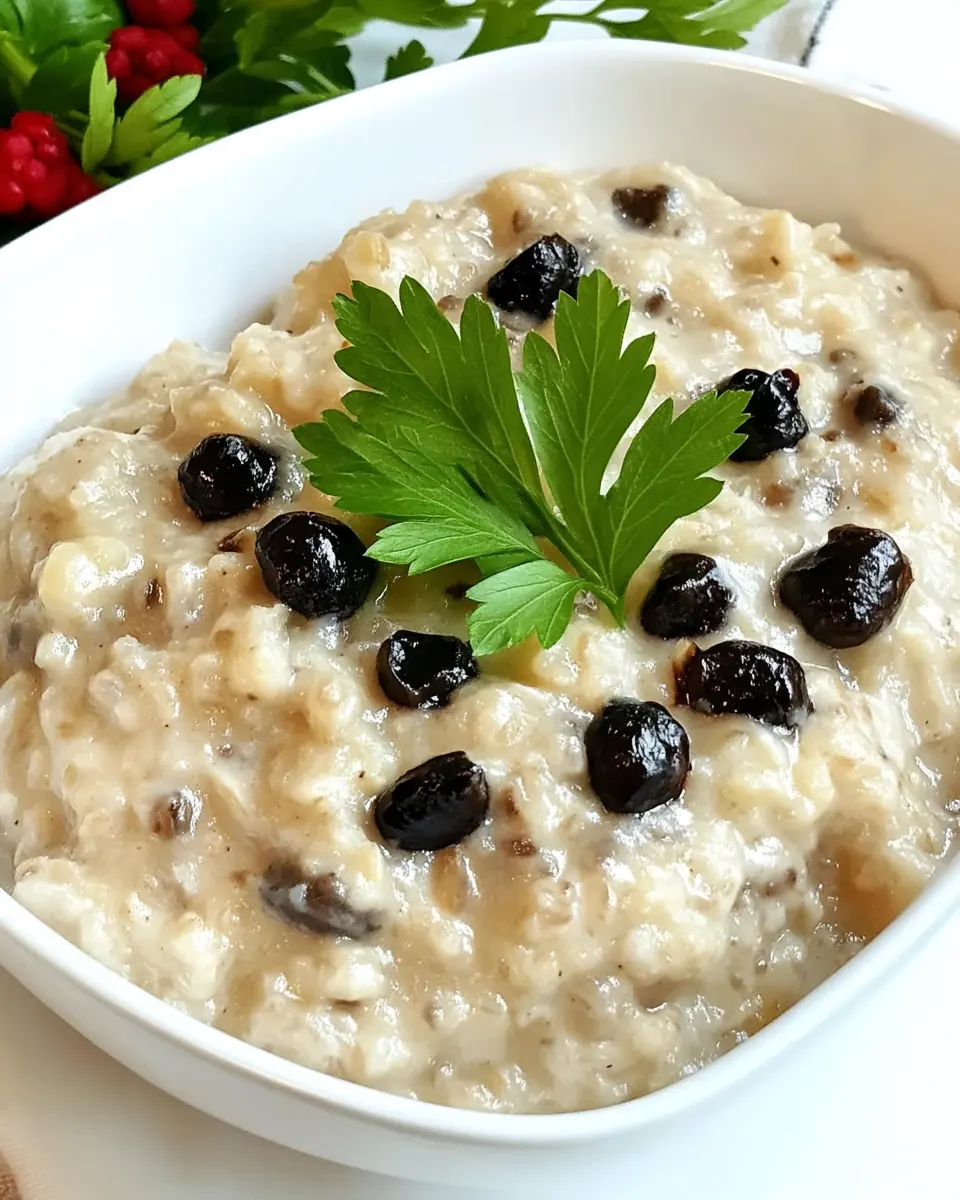
There s a slow, satisfying rhythm to making this pudding. You start with gentle simmering, allow time for flavors to develop, then finish with a creamy sweetening. Follow the steps and pay attention to sensory cues, because they tell you when the dish is ready.
- Place the barley in a medium pot with the salt and lemon zest. Bring to a boil. Reduce the heat and simmer, covered, for 60 minutes. Remove the lemon zest. Add the currants and simmer for another 15 minutes, adding a little more water if needed, until the barley is soft. Stir in the sugar and cream.: As the pot comes to a simmer you ll notice a warm, grainy perfume rising, and the surface will begin to show gentle bubbles, not a violent roar. Low and steady heat produces even cooking, so you want a soft, continuous simmer, not a hard boil. The barley will move from opaque to translucent at the edges as it hydrates, and you ll see the grains swell and plump. Covering the pot traps steam, which helps soften the barley evenly, and stirring occasionally prevents the bottom from catching. After about forty minutes you may need to lift the lid and stir, checking texture, and add a little extra water if the pot looks dry. When you remove the two strips of lemon zest , the broth will smell subtly brighter; take care to pull them out so their bitter white pith does not tint the pudding. When you add the currants , you ll see them swell and release little pockets of sweetness into the liquid, darkening the mixture slightly. Stirring in the cane sugar dissolves quickly, smoothing the flavor, and the final swirl of heavy cream will turn the cooking liquid into a glossy, gently thickened sauce. A common mistake here is rushing the simmer with too high heat, which can toughen the grains and evaporate the liquid too fast.
- Serve immediately with some extra sugar and cream on the side if desired.: When you dish up the pudding, steam will rise in soft ribbons and the aroma of toasted grain mixed with sweetened cream will be strongest. A bowl served hot invites immediate spooning, and topping with an extra splash of cold heavy cream creates a pleasing temperature contrast and a silky mouthfeel. Offering a small dish of extra cane sugar lets people tailor the sweetness. If the pudding sits too long it may thicken and the texture will firm up, so serve promptly for the creamiest experience. Avoid reheating at high heat, which can break the cream apart; gentle warming is better when you need to re serve.
Change It Up
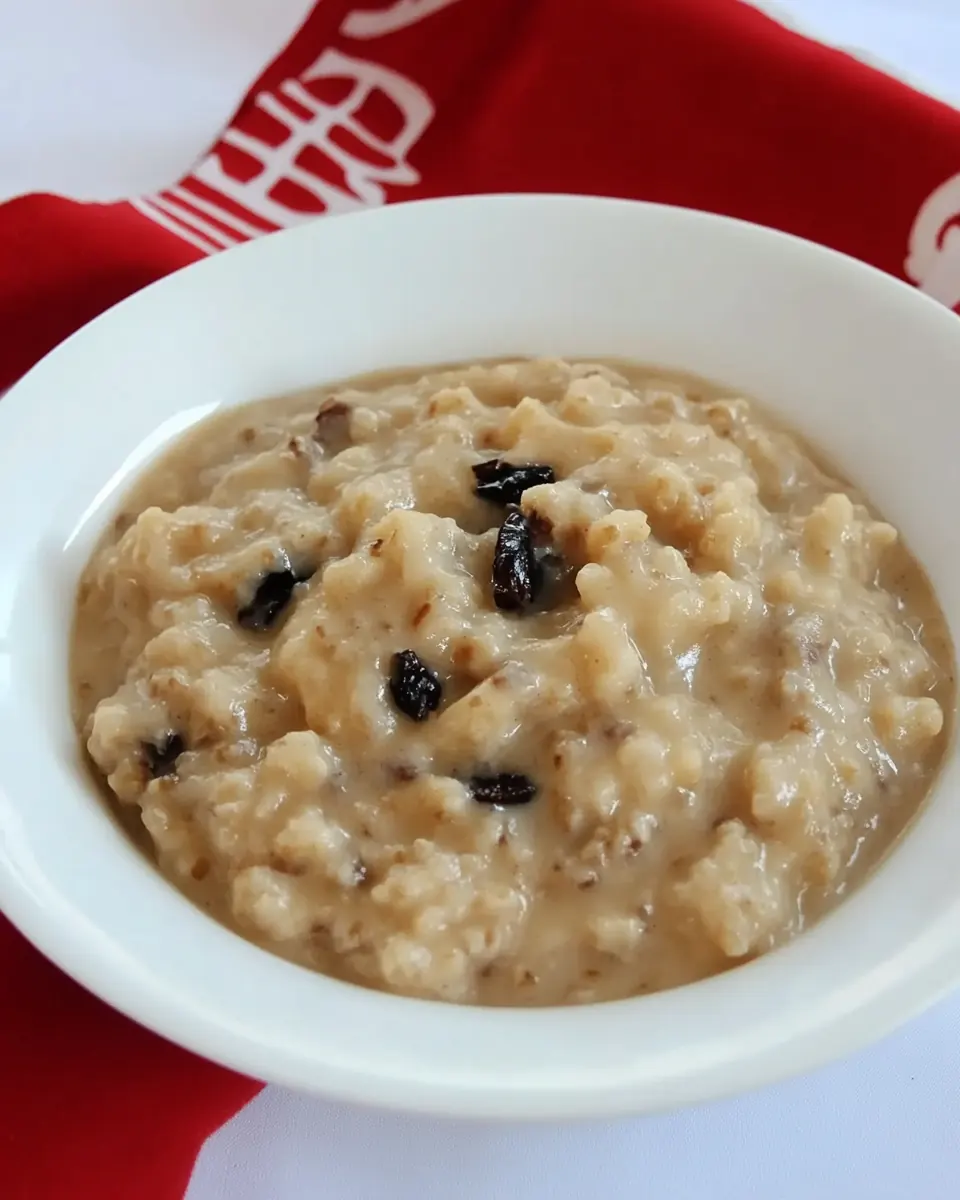
There are playful ways to vary this classic while staying true to its spirit. Below are practical ideas and small tweaks that keep the pudding familiar yet interesting.
- Swap the dried fruit Use currants or raisins depending on what you have, and stir them in toward the end so they plump without dissolving.
- Adjust the sweetness Start with less cane sugar and let eaters add more at the table, this keeps the base balanced and customizable.
- Serve temperature Offer it warm for breakfast or cooled slightly for a dessert style bowl, the texture and comfort level shift subtly with temperature.
- Control the creaminess Stir in the heavy cream off heat for a silkier finish, and consider offering extra cream on the side for richer bowls.
- Brighten with zest Use the lemon zest sparingly and always remove the strips, the aromatic oils lift the pudding without adding bitterness.
Serving Options for Scottish Barley Pudding
This pudding is adaptable to many occasions, and how you serve it can change the whole experience. Below are thoughtful ideas for pairings, occasions, and storage.
- Breakfast bowls Serve warm with an extra splash of heavy cream and a light sprinkle of cane sugar, it makes a cozy morning meal that s both filling and comforting.
- After dinner dessert Present it in small bowls with a little extra heavy cream for a modest, soothing end to a meal, ideal for intimate dinners.
- Seasonal fit This pudding is especially appealing in fall, when warm, hearty dishes feel right, and it pairs well with spiced teas or simple baked apples.
- Occasions Serve it at casual family gatherings or during Ramadan suhoor for a sustaining, easy to digest option that keeps well overnight when gently reheated.
- Storage Refrigerate leftovers in a sealed container for up to three days. Rewarm gently in a saucepan with a splash of water or heavy cream to restore creaminess without separating.
- Portioning Use shallow bowls for serving so the pudding cools evenly and guests can quickly add extra cane sugar or heavy cream to taste.
FAQ
Conclusion
Scottish Barley Pudding is special because it transforms a handful of humble pantry ingredients into something warm, nourishing, and gently luxurious. Its nutty barley, sweet currants, and creamy finish make it an adaptable dish for breakfast or a modest dessert. Give it a try on a quiet morning or a cool evening, and let the simple flavors remind you how satisfying straightforward cooking can be. Share it with friends or savor a personal bowl, and enjoy how such uncomplicated ingredients come together to create comfort.
Scottish Barley Pudding
Ingredients
Equipment
Method
- Place the barley in a medium pot with the salt and lemon zest. Bring to a boil. Reduce the heat and simmer, covered, for 60 minutes. Remove the lemon zest. Add the currants and simmer for another 15 minutes, adding a little more water if needed, until the barley is soft. Stir in the sugar and cream.: As the pot comes to a simmer you ll notice a warm, grainy perfume rising, and the surface will begin to show gentle bubbles, not a violent roar. Low and steady heat produces even cooking, so you want a soft, continuous simmer, not a hard boil. The barley will move from opaque to translucent at the edges as it hydrates, and you ll see the grains swell and plump. Covering the pot traps steam, which helps soften the barley evenly, and stirring occasionally prevents the bottom from catching. After about forty minutes you may need to lift the lid and stir, checking texture, and add a little extra water if the pot looks dry. When you remove the two strips of lemon zest , the broth will smell subtly brighter; take care to pull them out so their bitter white pith does not tint the pudding. When you add the currants , you ll see them swell and release little pockets of sweetness into the liquid, darkening the mixture slightly. Stirring in the cane sugar dissolves quickly, smoothing the flavor, and the final swirl of heavy cream will turn the cooking liquid into a glossy, gently thickened sauce. A common mistake here is rushing the simmer with too high heat, which can toughen the grains and evaporate the liquid too fast.
- Serve immediately with some extra sugar and cream on the side if desired.: When you dish up the pudding, steam will rise in soft ribbons and the aroma of toasted grain mixed with sweetened cream will be strongest. A bowl served hot invites immediate spooning, and topping with an extra splash of cold heavy cream creates a pleasing temperature contrast and a silky mouthfeel. Offering a small dish of extra cane sugar lets people tailor the sweetness. If the pudding sits too long it may thicken and the texture will firm up, so serve promptly for the creamiest experience. Avoid reheating at high heat, which can break the cream apart; gentle warming is better when you need to re serve.
Notes
- Swap the dried fruit Use currants or raisins depending on what you have, and stir them in toward the end so they plump without dissolving.
- Adjust the sweetness Start with less cane sugar and let eaters add more at the table, this keeps the base balanced and customizable.
- Serve temperature Offer it warm for breakfast or cooled slightly for a dessert style bowl, the texture and comfort level shift subtly with temperature.
- Control the creaminess Stir in the heavy cream off heat for a silkier finish, and consider offering extra cream on the side for richer bowls.
- Brighten with zest Use the lemon zest sparingly and always remove the strips, the aromatic oils lift the pudding without adding bitterness.