Salmon Burger
Salmon Burger is one of those recipes I turn to when I want something that feels both classic and a little bit special. The first time I made this, I was coming back from a long beach day and wanted dinner that was bright, savory, and quick enough that we could eat before sunset. I remember using a splash of lemon juice and a touch of Dijon mustard to wake up the fish, and that small choice made the whole house smell like a seaside cafe.
Over the years I tweaked the method so the patties hold together without becoming dense. I like to pulse half the fish into a paste, then fold it with diced salmon and a little Panko breadcrumbs so each bite has a tender, slightly chunky texture. It gives you the best of both worlds, silky and meaty at once. I also learned to chill the patties before coating them and pan frying in unsalted butter to get a golden crust while keeping the inside juicy.
Recipe Snapshot
60 mins
50 mins
10 mins
Medium
350 kcal
American
Gluten-Free, Paleo
Dinner
Food Processor
What’s Great About This Salmon Burger
Bright, clean flavors
I love how Salmon Burger balances fresh citrus and savory seasonings. The hint of lemon juice and the zip from Dijon mustard cut through the richness of the salmon, making each bite lively. When I serve these, guests often comment on how light they taste despite being deeply satisfying.
Texture that surprises
What keeps me coming back is the contrast between the silky paste and the chunkier diced pieces of salmon. Using Panko breadcrumbs in two stages gives a crunchy exterior without drying the interior. I find this structure makes the burger feel restaurant worthy while still being simple to make at home.
Fast weeknight winner
I often reach for this recipe on busy evenings because it cooks quickly, yet feels special. From the moment the butter hits the skillet you get that toasty aroma, and in less than ten minutes the patties are browned and ready. It’s reliably quick without sacrificing flavor, which is why it’s a staple in my rotation.
Flexible serving options
I like that you can pile a patty on a bun or set it over a bed of greens. The recipe’s simplicity leaves room for fun condiments, but it also stands confidently with just a squeeze of lemon and a dollop of tartar. When I want to keep things casual, I reach for hot sauce and lemon wedges.
Beginner friendly technique
This recipe teaches dependable techniques: pulsing in a food processor for texture, chilling to firm the patties, and using visual cues to avoid overcooking. I enjoy showing friends how small steps can produce consistently great results.
Everything You Need for Salmon Burger
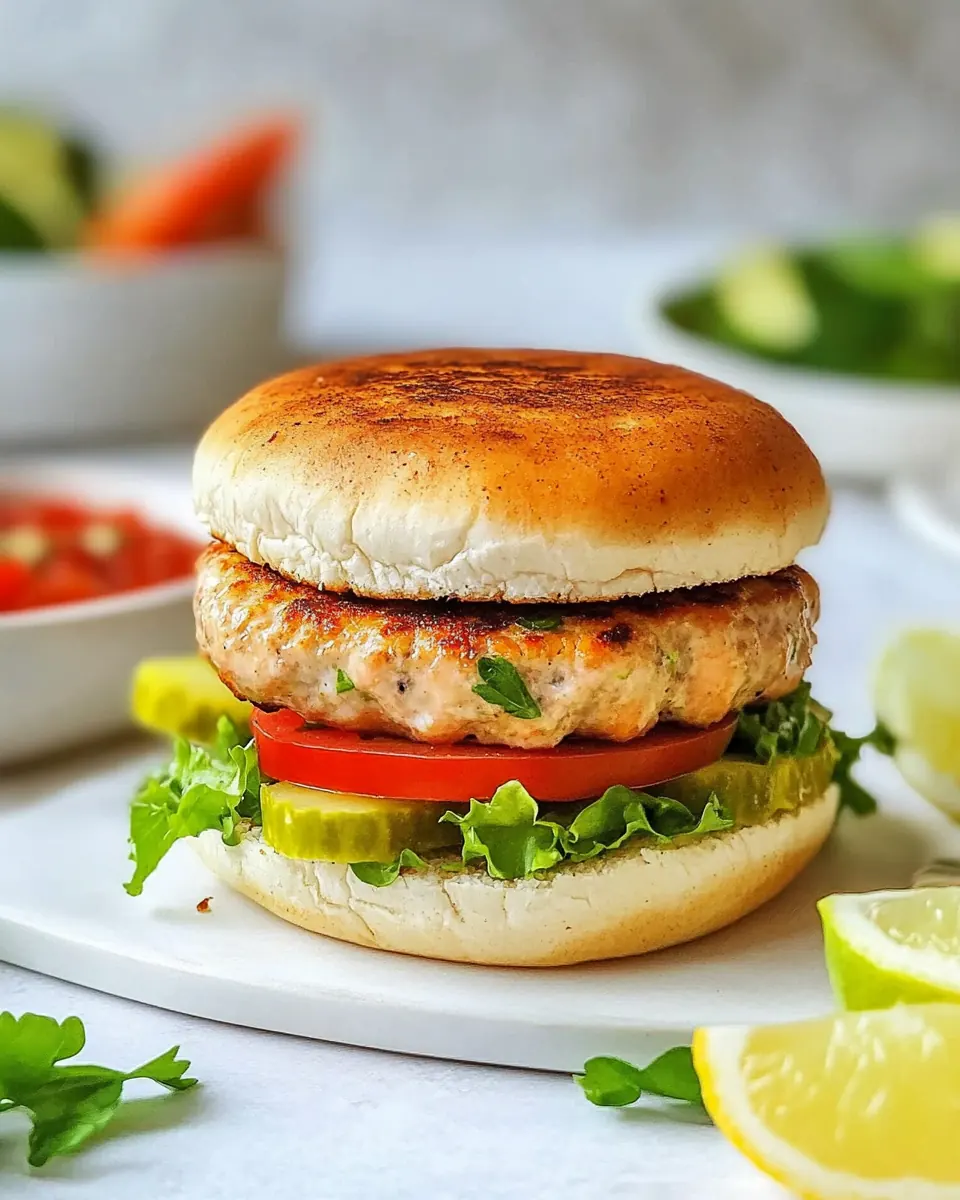
These ingredients come together to create a burger that is at once tender and crisp. The recipe is built around the salmon, with supporting players like Panko breadcrumbs for structure, aromatics such as green onions for freshness, and a little mayonnaise plus Dijon mustard to bind and add tang. Each item plays a clear role in texture, moisture, or flavor.
- 11/2 pounds skinless, boneless salmon: Flake and finely chop into uniform pieces to create tender burger patties that bind well while maintaining moist texture; provides rich flavor and healthy omega-3 fats to the recipe. Use skinless, boneless salmon to ensure even cooking and easy portioning into burgers without extra trimming.
- 1 tablespoon lemon juice: Squeeze and mix into the salmon to brighten flavors and add subtle acidity that balances richness; lemon juice helps cut through fat and enhances overall freshness. Add toward the end of mixing to preserve its bright citrus notes during cooking.
- 1 tablespoon mayonnaise: Stir in as a creamy binder to add moisture and richness to the patties while helping ingredients adhere together; mayonnaise contributes smooth mouthfeel and prevents dryness during cooking. Use modestly to maintain balance with other seasonings and breadcrumbs.
- 2 teaspoons Dijon mustard: Whisk in to introduce a sharp, tangy depth and mild heat that complements the salmon; Dijon mustard also acts as an emulsifier to stabilize the patty mixture. Adjust amount for desired piquancy without overpowering delicate fish flavors.
- 2 green onions chopped: Chop finely and fold into the mixture to add mild oniony aroma, subtle crunch, and fresh green color; green onions enhance savory notes without overpowering the fish. Reserve some for garnish if a fresher, brighter finish is desired.
- 11/4 cups Panko breadcrumbs divided: Measure and divide so that most is incorporated into the patties for structure while a small portion can be used for coating or binding; Panko yields a light, crisp interior texture and helps prevent collapsing. Use the divided portion strategically to control moisture and achieve desired firmness.
- 3/4 teaspoon kosher salt: Season evenly to elevate natural flavors and bring balanced seasoning to each bite; kosher salt enhances overall taste and helps proteins bind during mixing. Sprinkle gradually and taste the mixture before forming patties to avoid over-salting.
- 1/2 teaspoon ground black pepper: Grind or add to seasoning to provide subtle heat and aromatic complexity; ground black pepper complements the salmon's flavor profile without overwhelming it. Distribute uniformly for consistent mild peppery notes throughout each patty.
- 2 tablespoons unsalted butter (1/4 stick): Melt or use in a skillet to brown the patties and impart a rich, nutty flavor while preventing sticking; unsalted butter allows precise control over final seasoning. Add toward cooking time to baste patties and achieve an appealing golden crust.
- Lemon wedges, tartar sauce, and hot sauce for serving: Serve alongside to offer bright acidity, creamy tang, and spiciness that customize each bite and enhance the overall dish; lemon wedges, tartar sauce, and hot sauce provide complementary finishing options for different tastes. Present these condiments so diners can tailor flavor intensity.
Making Salmon Burger
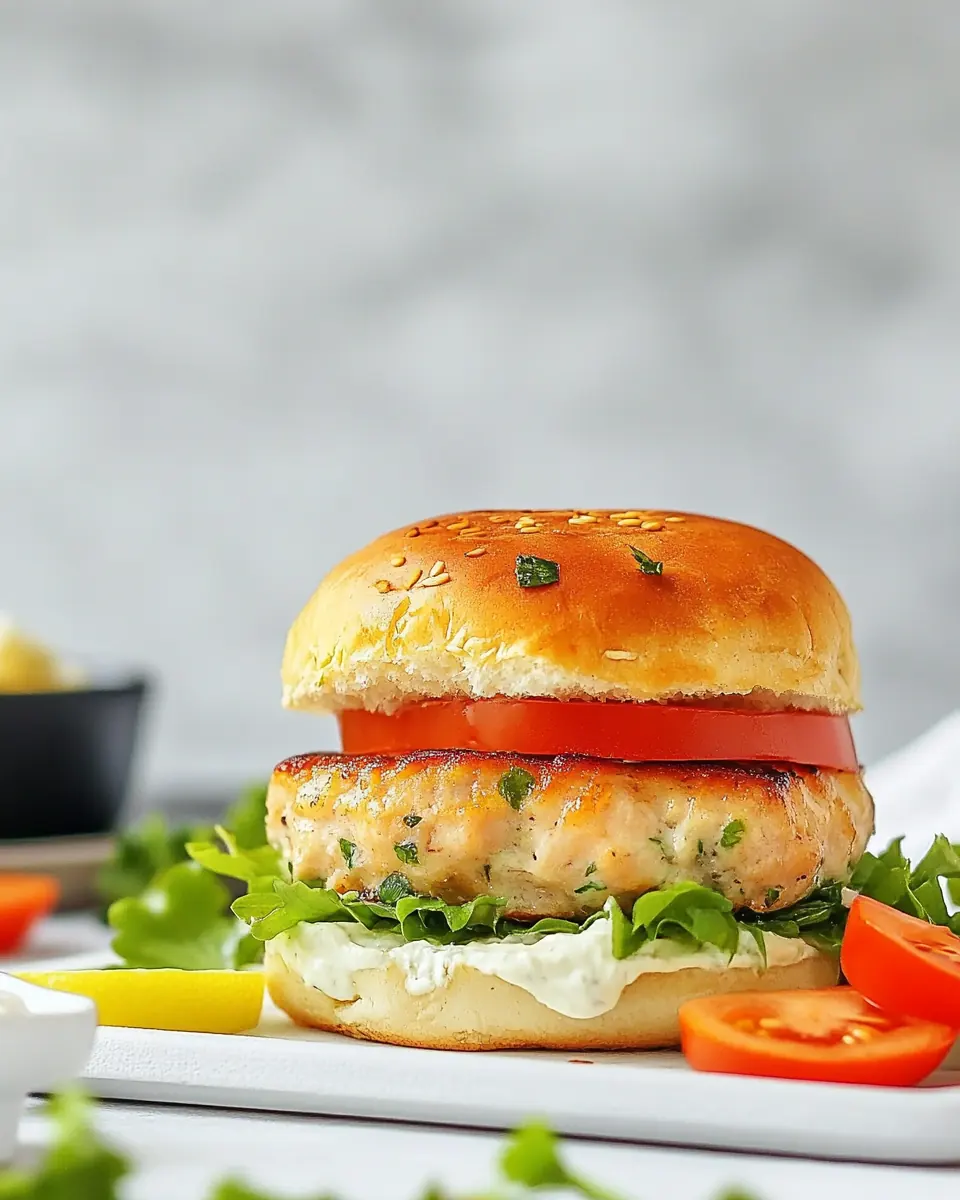
These steps are straightforward but rewarding. I walk through each action slowly so you can listen and look for the cues that mean you are on track. Keep your mise en place ready and pay attention to texture and temperature as you go.
- Cut half of the salmon into large chunks, and place into the bowl of a food processor. Add the lemon juice, mayonnaise, and mustard. Process into a paste.: The bowl will take on a faint citrus perfume as the blades transform the chunks into a silky paste. You should see a smooth, cohesive mass clinging to the sides of the processor. This paste adds silkiness to the burgers and helps bind the mixture without overworking the rest of the fish. A clear sign you are done is when the paste holds together and no large pieces remain, but avoid running the processor until it is completely liquefied, which can make the texture mushy. If you process too long, the mixture will feel sticky rather than creamy, so pulse and check often. One mistake to avoid is adding too much liquid at this stage, which will prevent the patties from forming well later.
- Dice the remaining salmon and place in a large mixing bowl. Add the green onions, 1/4 cup of breadcrumbs, salt, pepper, and salmon paste from the food processor. Mix gently to combine.: The diced pieces should be tender and slightly glossy, and when combined with the paste they create a pleasing contrast between chunk and cream. Use a spatula to fold the ingredients carefully, so the diced pieces hold their shape. You want even distribution of the green onions and seasoning without turning everything into a uniform mass. The mixture should feel cohesive but not compacted. Overmixing here is the common error, it squeezes out moisture and yields dense patties, so fold gently and stop as soon as the components look combined.
- Divide the mixture into four equal mounds and shape into patties. Place the patties on a plate, cover, and chill for 30 minutes (up to 2 hours).: Shaping the mounds with slightly cupped palms gives the patties a gentle dome that will flatten slightly while cooking. Chilling is crucial, it firms the proteins and helps the exterior coating adhere. When you press the chilled patty it should spring back slightly and hold its shape. If you skip chilling, the patties are more likely to fall apart when you try to coat or flip them. A helpful tip is to cover them loosely so condensation does not form on the surface during the chill time.
- Spread the remaining 1 cup of breadcrumbs onto a plate. Press both sides of each salmon patty in the breadcrumbs.: The breadcrumb coating should cling evenly to the chilled surface, creating a thin, consistent layer. Press gently but firmly so you do not compress the interior. The texture of the Panko breadcrumbs will give you audible crunch as the crust browns in the skillet. If you see bare spots, press a little more, but avoid overcoating, which can overwhelm the delicate fish. A frequent mistake is wetting the patty before coating, this can cause the crumbs to fall off in the pan.
- Heat the butter in a large skillet over medium-high heat. Add the patties and cook for 3-4 minutes until browned. Flip and cook for an additional 3-4 minutes, being sure not to overcook. Transfer to a paper towel-lined plate.: When the unsalted butter melts and just begins to foam, you will smell a nutty aroma that signals the right moment to add the patties. As they sear you should hear a steady sizzle and see the edges take on a warm golden color. Resist the urge to press down with a spatula, this squeezes out juices and can dry the interior. After flipping, watch for gentle bubbling at the edges and an internal color shift to opaque, this indicates doneness. Overcooking is easy to do because salmon goes from juicy to dry quickly, so rely on visual cues and a quick thermometer if you have one.
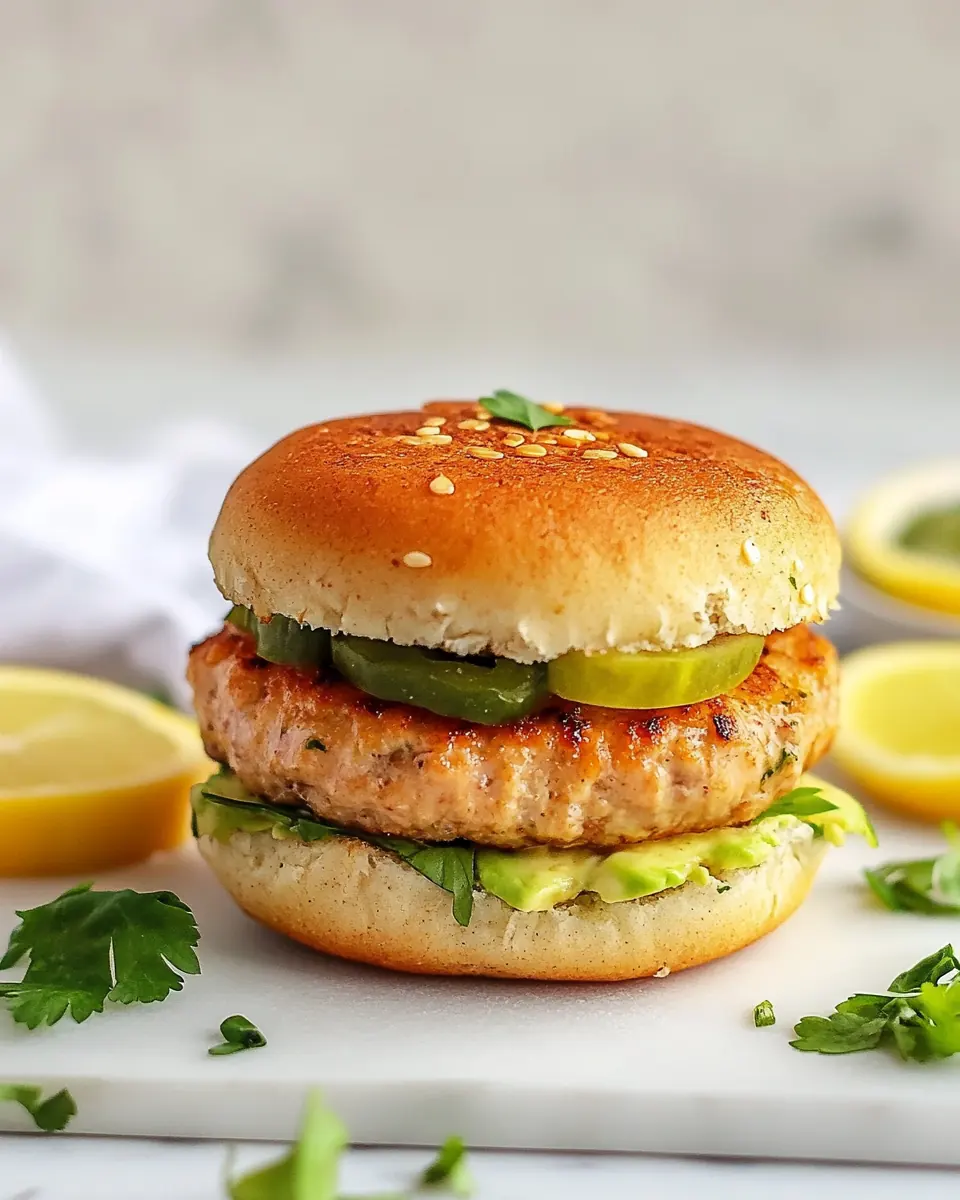
- Serve on buns or a bed of greens with lemon wedges, tartar sauce, and hot sauce.: The final presentation is where you personalize the burger for your table. A squeeze of lemon brightens the crust, while a smear of tartar sauce adds creaminess and a briny counterpoint. If serving on greens, the warm patty resting on crisp leaves creates contrast in temperature and texture. Watch for sogginess if you assemble too early, and consider plating components separately to maintain crispness. One common oversight is piling too many wet toppings on the bun which can make the bread collapse, so serve sauces on the side if you expect leftovers.
Expert Tips about Salmon Burger
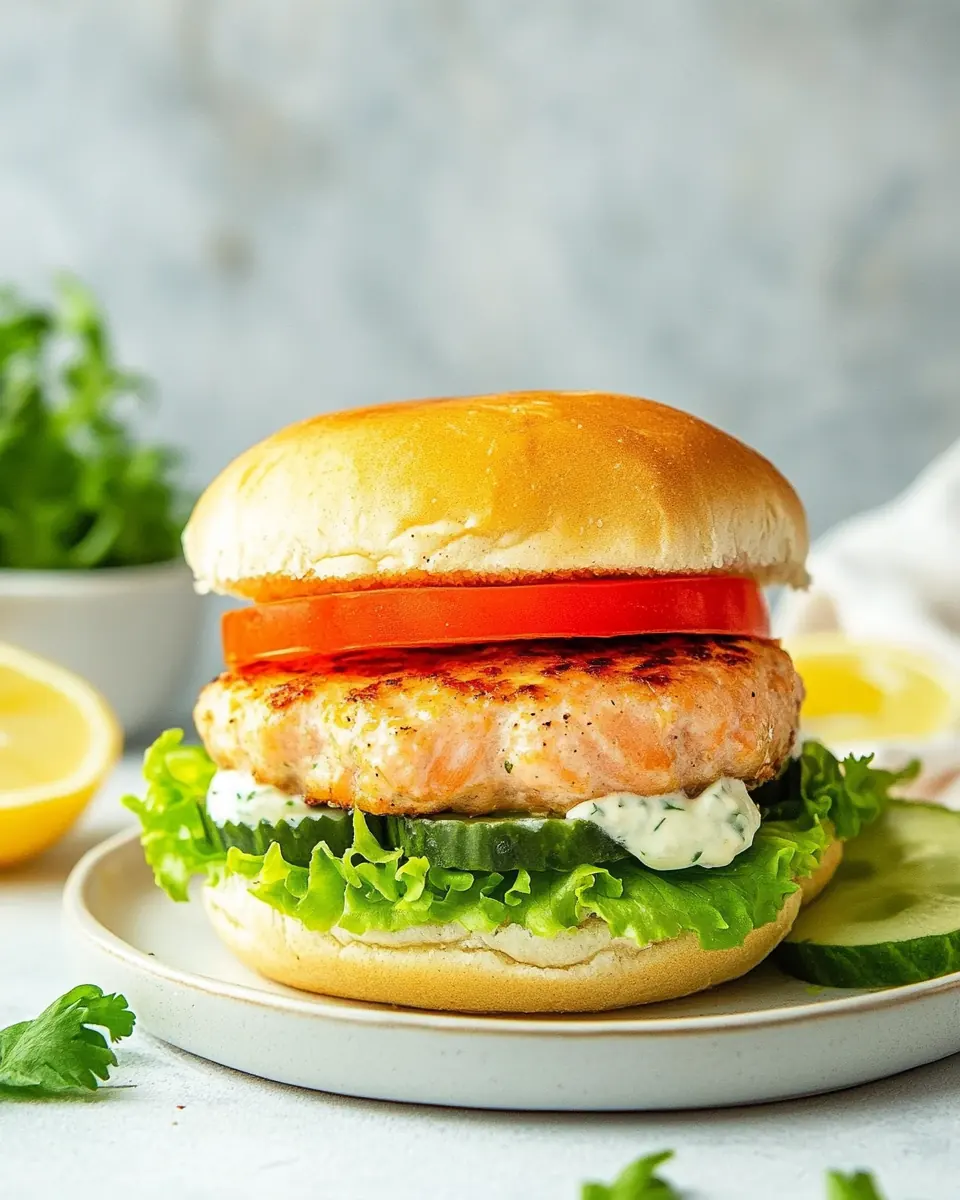
I like to keep tips practical and actionable so you can get consistent results. Below are the techniques and small choices that make a big difference when you want perfectly textured, flavorful Salmon Burger.
- Choose the right salmon Fresh, skinless, boneless fillets yield the cleanest texture and easiest processing, and they reduce the chance of bones or skin in the patties.
- Pulse don’t puree When making the paste, use short pulses so the fish becomes creamy but not gluey, preserving a pleasant mouthfeel.
- Two stage breadcrumbs Fold a small portion into the mixture and use the rest for coating, this approach balances moisture control with a crisp crust.
- Chill before cooking Cooling the patties firms them up and prevents them from falling apart when you transfer them to the skillet.
- Control salt Measure the kosher salt carefully, especially if you plan to add salty condiments later, to keep the overall seasoning balanced.
- Butter for browning Use unsalted butter so you can manage salt levels and enjoy the rich, nutty browning it creates in the pan.
Great Combinations for Salmon Burger
These serving ideas are meant to inspire. Whether you want a casual weeknight meal or a lighter dinner, these pairings enhance texture and flavor while keeping the Salmon Burger center stage.
- Classic bun sandwich Toasted buns, a smear of tartar sauce, a few crisp lettuce leaves, and a wedge of lemon make for a familiar and satisfying presentation ideal for casual dinners.
- Beds of greens Serve the patty over baby greens for a lighter option, finishing with a drizzle of vinaigrette on the side to keep the leaves crisp and bright.
- Picnic friendly Pack the patties separately and assemble at the table with small containers of tartar sauce and hot sauce, this prevents soggy buns and keeps textures lively outdoors.
- Seasonal occasions This recipe works well for summer cookouts when fresh salmon is at its peak and citrus is bright, but it is also a lovely option for relaxed weeknight meals year round.
- Storage tips Refrigerate cooked patties in an airtight container up to two days, reheat gently in a skillet to refresh the crust, and avoid reheating in a microwave which can dry the fish.
- Presentation ideas Offer lemon wedges and condiments on the side so guests can customize, and serve with a light salad or crisp fries depending on how robust you want the meal to feel.
FAQ
Conclusion
What makes this recipe special is how it combines a silky fish paste with diced salmon and a crunchy breadcrumb crust to create a perfectly textured burger. I encourage you to give it a try soon, because the steps are straightforward and the result is reliably impressive. Serve it simply with lemon and tartar sauce or build a full sandwich, either way it’s a comforting, flavorful meal that’s easy to love.
Salmon Burger
Ingredients
Equipment
Method
- Cut half of the salmon into large chunks, and place into the bowl of a food processor. Add the lemon juice, mayonnaise, and mustard. Process into a paste.: The bowl will take on a faint citrus perfume as the blades transform the chunks into a silky paste. You should see a smooth, cohesive mass clinging to the sides of the processor. This paste adds silkiness to the burgers and helps bind the mixture without overworking the rest of the fish. A clear sign you are done is when the paste holds together and no large pieces remain, but avoid running the processor until it is completely liquefied, which can make the texture mushy. If you process too long, the mixture will feel sticky rather than creamy, so pulse and check often. One mistake to avoid is adding too much liquid at this stage, which will prevent the patties from forming well later.
- Dice the remaining salmon and place in a large mixing bowl. Add the green onions, 1/4 cup of breadcrumbs, salt, pepper, and salmon paste from the food processor. Mix gently to combine.: The diced pieces should be tender and slightly glossy, and when combined with the paste they create a pleasing contrast between chunk and cream. Use a spatula to fold the ingredients carefully, so the diced pieces hold their shape. You want even distribution of the green onions and seasoning without turning everything into a uniform mass. The mixture should feel cohesive but not compacted. Overmixing here is the common error, it squeezes out moisture and yields dense patties, so fold gently and stop as soon as the components look combined.
- Divide the mixture into four equal mounds and shape into patties. Place the patties on a plate, cover, and chill for 30 minutes (up to 2 hours).: Shaping the mounds with slightly cupped palms gives the patties a gentle dome that will flatten slightly while cooking. Chilling is crucial, it firms the proteins and helps the exterior coating adhere. When you press the chilled patty it should spring back slightly and hold its shape. If you skip chilling, the patties are more likely to fall apart when you try to coat or flip them. A helpful tip is to cover them loosely so condensation does not form on the surface during the chill time.
- Spread the remaining 1 cup of breadcrumbs onto a plate. Press both sides of each salmon patty in the breadcrumbs.: The breadcrumb coating should cling evenly to the chilled surface, creating a thin, consistent layer. Press gently but firmly so you do not compress the interior. The texture of the Panko breadcrumbs will give you audible crunch as the crust browns in the skillet. If you see bare spots, press a little more, but avoid overcoating, which can overwhelm the delicate fish. A frequent mistake is wetting the patty before coating, this can cause the crumbs to fall off in the pan.
- Heat the butter in a large skillet over medium-high heat. Add the patties and cook for 3-4 minutes until browned. Flip and cook for an additional 3-4 minutes, being sure not to overcook. Transfer to a paper towel-lined plate.: When the unsalted butter melts and just begins to foam, you will smell a nutty aroma that signals the right moment to add the patties. As they sear you should hear a steady sizzle and see the edges take on a warm golden color. Resist the urge to press down with a spatula, this squeezes out juices and can dry the interior. After flipping, watch for gentle bubbling at the edges and an internal color shift to opaque, this indicates doneness. Overcooking is easy to do because salmon goes from juicy to dry quickly, so rely on visual cues and a quick thermometer if you have one.
- Serve on buns or a bed of greens with lemon wedges, tartar sauce, and hot sauce.: The final presentation is where you personalize the burger for your table. A squeeze of lemon brightens the crust, while a smear of tartar sauce adds creaminess and a briny counterpoint. If serving on greens, the warm patty resting on crisp leaves creates contrast in temperature and texture. Watch for sogginess if you assemble too early, and consider plating components separately to maintain crispness. One common oversight is piling too many wet toppings on the bun which can make the bread collapse, so serve sauces on the side if you expect leftovers.
Notes
- Choose the right salmon Fresh, skinless, boneless fillets yield the cleanest texture and easiest processing, and they reduce the chance of bones or skin in the patties.
- Pulse don’t puree When making the paste, use short pulses so the fish becomes creamy but not gluey, preserving a pleasant mouthfeel.
- Two stage breadcrumbs Fold a small portion into the mixture and use the rest for coating, this approach balances moisture control with a crisp crust.
- Chill before cooking Cooling the patties firms them up and prevents them from falling apart when you transfer them to the skillet.
- Control salt Measure the kosher salt carefully, especially if you plan to add salty condiments later, to keep the overall seasoning balanced.
- Butter for browning Use unsalted butter so you can manage salt levels and enjoy the rich, nutty browning it creates in the pan.