Slow Cooker Chicken Cacciatore
Slow Cooker Chicken Cacciatore has been my go to cozy dinner on nights when life feels a little too full, and I still want something soulful on the table. The first time I made it, a rainy evening and an open jar of crushed tomatoes convinced me to let the slow cooker do the heavy lifting. I remember carrying a mug of tea around the kitchen while the house slowly filled with a tomato and herb fragrance that felt like a warm welcome.
Over the years I’ve adjusted tiny details to match our tastes, and this version is what I reach for when I want comfort without fuss. The combination of tender chicken, savory crushed tomatoes, earthy mushrooms, and bright red bell pepper makes a simple meal feel composed and intentional. Sometimes I double the batch because leftovers reheat beautifully, and I love how the flavors deepen overnight.
It’s also one of those recipes that invites small rituals. I’ll chop a bunch of onion and crush garlic while a playlist hums in the background, and that ritual alone helps me switch from work mode to kitchen mode. When dinner is finally ready, the slow cooker lid lifts and a soft steam rises, carrying the scent of herbs and simmered tomato through the room. That moment never gets old.
Recipe Snapshot
6 hr 20 mins
20 mins
360 mins
Hard
320 kcal
Italian
Keto, Paleo
Dinner
slow cooker
Why This Slow Cooker Chicken Cacciatore Stands Out
Hearty comfort with minimal effort
I love that Slow Cooker Chicken Cacciatore delivers deep, comforting flavors without standing at the stove. The slow cooker transforms simple pantry staples into a rich, complete meal, so I can get on with my day and return to a dinner that tastes like I spent hours on it.
Layered, rustic flavors
The combination of crushed tomatoes, tomato paste, and Italian seasoning builds an authentic, savory base. I appreciate how the acidity from the tomatoes balances the sweetness of the red bell pepper and the umami from the mushrooms. Each forkful feels balanced and homey.
Versatile and forgiving
One of the reasons I keep making this is that it forgives time. If you need to run an errand, the dish keeps improving on low heat. That flexibility makes it perfect for busy weeks when I still want something nourishing on the table.
Family friendly
My family appreciates that the texture of the chicken turns tender and shreddable, which kids and adults both enjoy. It’s a simple way to get a full meal into one pot, and garnishing with chopped parsley makes it look vibrant and inviting.
Great for leftovers and meal prep
I adore how well this stores. Leftovers thicken and deepen overnight, making Moroccan style lunches or quick dinners even better. For me, a recipe that keeps well and tastes even better the next day is a winning recipe.
Essential Ingredients for Slow Cooker Chicken Cacciatore

These ingredients are built to work together, creating a balance of savory, sweet, and aromatic elements. The key players are the chicken for substance, the crushed tomatoes and tomato paste for body and brightness, and the medley of vegetables for texture and freshness. Each component brings a note that, when slow cooked, melds into a cohesive, comforting stew.
- 1 medium onion diced: Sauté diced to develop sweetness and a soft base for the sauce, releasing moisture that helps meld flavors as it slowly cooks. Provide aromatic depth and texture contrast to the tender chicken in the finished dish.
- 1 red bell pepper diced: Roast or soften diced to add bright, fruity notes and a pleasant crunch if briefly cooked, or mellow sweetness when slow-cooked. Enhance color and balance acidity from tomatoes while contributing to overall vegetable complexity.
- 4 cloves garlic minced: Mince finely to distribute pungent, savory aroma throughout the sauce; it infuses slow-cooked dishes with a warm, garlicky backbone. Brown briefly before slow cooking or add raw for more pronounced sharpness depending on desired flavor intensity.
- 8 ounces sliced mushrooms: Slice to add earthy, umami-rich flavor and meaty texture that complements the chicken; mushrooms also release juices that enrich the sauce. Provide visual interest and absorb surrounding seasonings for a well-integrated stew-like result.
- 4 boneless skinless chicken breasts: Season and brown if desired before placing in the slow cooker to lock in juices and build caramelized flavor on the exterior. Serve as the primary protein, becoming tender and flavorful as it simmers in the tomato-based sauce.
- 28 ounces crushed tomatoes: Use crushed to form the hearty, acidic foundation of the cacciatore sauce, providing body, sweetness, and tomato-forward flavor. Simmer slowly to concentrate flavors and allow the tomatoes to meld with herbs, broth, and other aromatics.
- 1/2 cup chicken broth: Add to thin and balance the tomato sauce while contributing savory background flavor that prevents the dish from becoming too thick. Adjust amount to control consistency and to help the chicken remain moist during slow cooking.
- 2 tablespoons tomato paste: Stir in to intensify tomato richness and deepen the overall sauce, adding concentrated sweetness and umami. Dissolve well into the liquids to avoid pockets of paste and to enhance color and body.
- 1 tablespoon Italian seasoning: Sprinkle to impart a blend of Mediterranean herbs and savory notes, supporting the tomato and chicken with aromatic complexity. Use as a primary herb seasoning that unfolds during long, gentle cooking for layered flavor.
- 1 teaspoon salt: Season to enhance and balance the flavors of the entire dish, bringing out the natural savoriness of the chicken and tomatoes. Adjust to taste to avoid over-salting, especially if using salted broth or canned tomatoes.
- 1/2 teaspoon black pepper: Crack to add subtle heat and a warm, slightly bitter counterpoint that brightens richer elements of the sauce. Titrate according to preference to maintain balance without overpowering delicate herb notes.
- fresh parsley chopped (optional): Chop finely to garnish and add a fresh, herbaceous finish that lifts the hearty flavors when sprinkled just before serving. Optional use provides color contrast and a burst of mild parsley brightness without altering cooking dynamics.
How to Assemble Slow Cooker Chicken Cacciatore
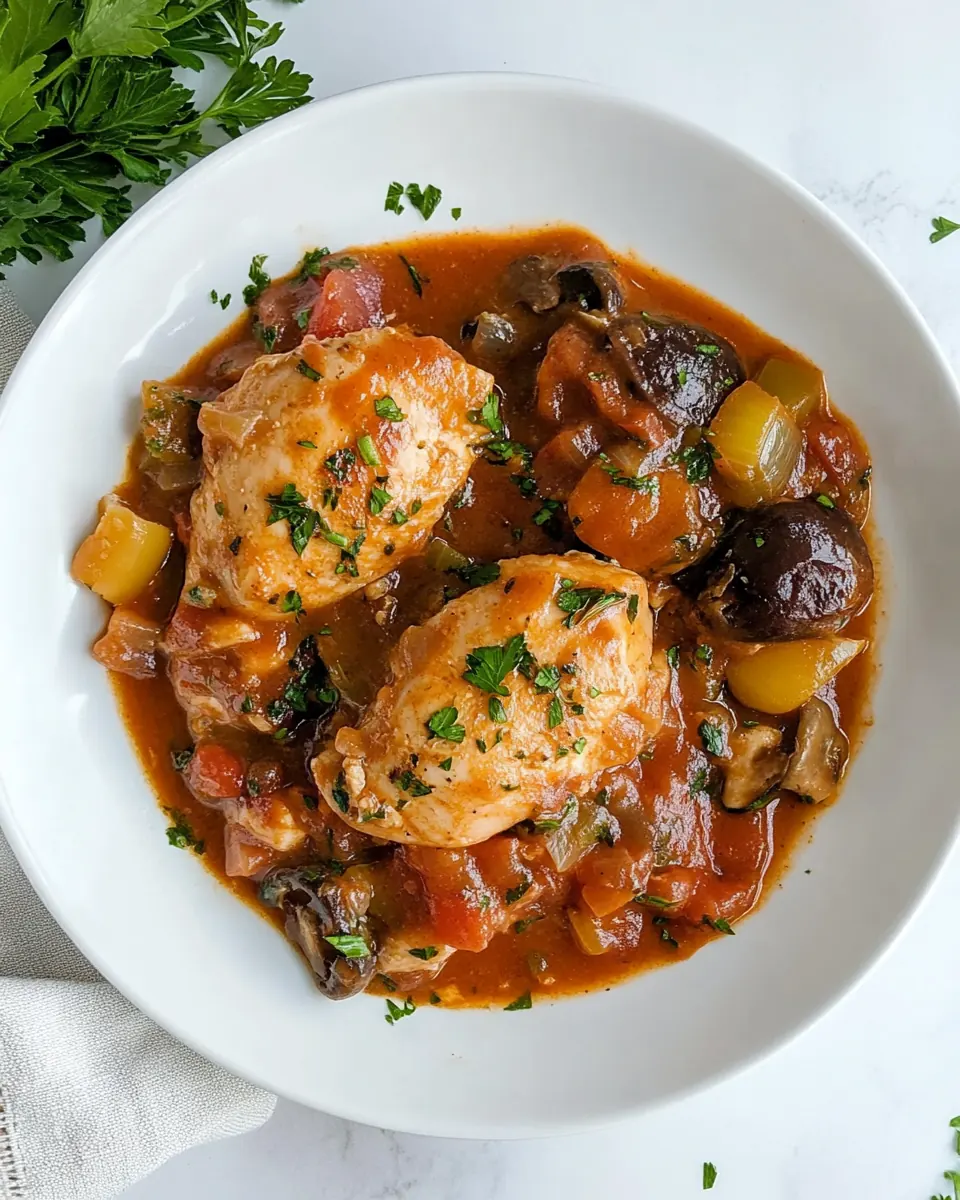
I like to walk into this step feeling organized, because a calm mise en place makes the slow cooker magic even sweeter. Below I expand on each instruction line so you can sense the textures and troubleshoot common issues while staying confident at the stove and slow cooker.
- Lightly spray the insert of your slow cooker with nonstick cooking spray.: The aroma at this stage is minimal, but you will feel the assurance that nothing will stick as the dish simmers. A light coating prevents the sauce from searing to the sides and makes cleanup easier. If you skip this, small sticky patches can form where the tomato reduces, which can be harder to clean and might cause uneven cooking along the pot rim. Use a thin layer only, overusing spray can leave an oily sheen on the final sauce surface.
- Add the diced onion, red bell pepper, minced garlic, and sliced mushrooms. Stir to combine. (To add more flavor, saute these ingredients in 1 tablespoon of olive oil until the onions are translucent, 5 to 7 minutes.): As you add these vegetables, you will notice layers of scent unfolding, the sharpness of the onion , the sweet pepper, the pungent garlic , and the earthy mushroom scent. Stirring helps distribute their juices so they meld with the sauce. If you chose to sauté first for extra depth, watch for the onion turning translucent and the garlic becoming fragrant rather than brown. A common error is allowing garlic to burn during sauté, which can impart bitterness that lasts through the slow cook.
- Place the chicken breasts on top of the vegetables.: When you set the chicken over the bed of vegetables, you'll see how the juices will drip down and flavor the base. The visual cue to check is that the breasts should sit comfortably without crowding, leaving room for sauces to surround them. Crowding can lead to uneven doneness, so give each piece a little space. Handling the raw chicken gently prevents tearing the meat, which helps it stay juicier after cooking.
- In a separate bowl, whisk together the crushed tomatoes, chicken broth, tomato paste, Italian seasoning, salt, and black pepper until well combined.: As you whisk, the sauce will thicken and release a bouquet of herb and tomato aromas. The action dissolves the tomato paste so it integrates smoothly, avoiding globs. Getting the seasoning balanced here matters, because it is the primary sauce; tasting a drop can guide salt adjustments. If not mixed well, pockets of concentrated paste can create uneven bursts of flavor rather than a cohesive sauce.
- Pour the tomato mixture over the chicken and vegetables in the slow cooker.: Pouring transforms the layered components into a united dish, and the sound of liquid hitting the pot is gratifying. Visually you should see the sauce cover the top of the breasts and fill the gaps around vegetables, which ensures even simmering. If the sauce seems too thin, it will thicken as it cooks; if it is too thick at the start, the top may not distribute into the pot well, so stir gently to settle everything if needed.
- Cover the slow cooker and cook on low heat for 6-8 hours or on high heat for 3-4 hours until the chicken is tender and cooked through.: During long cooking, the house will gradually fill with a layered tomato and herb perfume, and the chicken will relax into a tender texture. The slow low heat encourages collagen to soften, producing silky juices, while high heat shortens time but risks slightly firmer meat. A typical problem is leaving on high too long which can dry the breasts; if you need to step away, choose low and add a bit more time rather than cranking the heat.
- Serve hot, garnished with chopped fresh parsley, if desired.: When you lift the lid, a comforting steam will rise and the colors will be deepened, with red sauce and vegetables softened into a harmonious whole. Garnishing with fresh parsley adds a bright herbal note and a pop of color. One mistake is letting the dish sit uncovered too long, which cools the sauce and dulls the aromas; serve soon after uncovering for the best sensory experience.
Substitutions and Tips
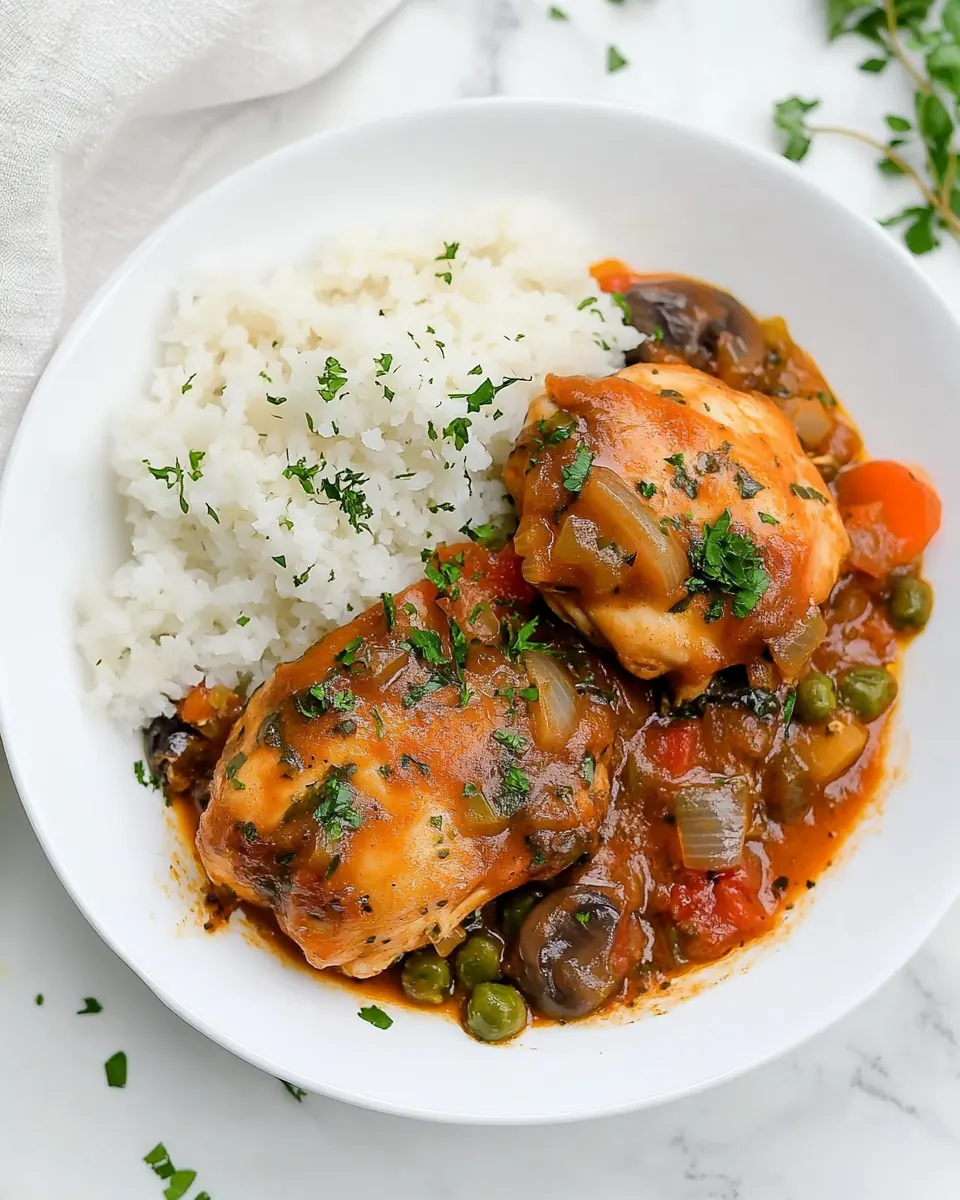
I like offering practical swaps and thoughtful tips so you can adapt this to what you have on hand without losing the heart of the dish. Below are expanded tips shaped around pantry finds, timing, and storage to help you get cozy results every time.
- Swap vegetables sparingly — If you need to change up the vegetables, keep the ratio similar so the sauce texture remains balanced; denser vegetables need a bit more liquid and softer ones will melt into the sauce.
- Broth adjustments — If your canned tomatoes are quite thick, add a touch more chicken broth to reach the desired sauciness; if they are watery, reduce the broth slightly to avoid a runny finish.
- Sauté for extra depth — A quick sauté of the onion and garlic before adding them adds caramelized notes that intensify the final flavor, but skip this step when you need true minimal prep.
- Timing flexibility — Prefer to cook on high for a shorter window? Keep an eye on the chicken after three hours to avoid overcooking; low heat is more forgiving and yields the most tender texture.
- Fresh herb finish — Add the chopped parsley just before serving for brightness; if added too early it will fade under long heat.
- Storage and reheating — Cool quickly, store in an airtight container, and reheat gently on the stove or microwave with a splash of broth to restore sauciness.
Serving Suggestions
This recipe shines with simple accompaniments that let its savory tomato and herb flavors lead. Whether it’s a cozy family dinner or a modest gathering, you can serve it in ways that feel special without fuss.
- Over pasta — Serve the Slow Cooker Chicken Cacciatore spooned over al dente noodles for a classic presentation that soaks up the sauce beautifully.
- With crusty bread — Offer warm slices of crusty bread to mop up the sauce, which is especially satisfying on cooler evenings.
- Rice or polenta — A creamy bed of rice or polenta complements the rich tomato base and keeps the meal feeling comforting and hearty.
- Family dinners — This is an excellent choice for weeknight family meals, where ease and flavor are both priorities; set bowls at the center and let everyone serve themselves.
- Meal prep — Portion into airtight containers for lunches or quick dinners; the sauce intensifies after a night in the fridge, making leftovers even more appealing.
- Occasions — Works well for informal gatherings or evenings when you want one pan to do the work; its rustic presentation fits seasonal fall dinners especially well.
- Storage tips — Refrigerate up to 3 to 4 days or freeze up to 3 months in freezer safe containers; thaw overnight before reheating gently on the stove.
FAQ
Conclusion
Slow Cooker Chicken Cacciatore stands out for its hands off approach and deeply comforting flavors that come together from simple pantry ingredients. It’s a recipe that fits busy schedules yet delivers a comforting, composed dish that feels homemade and thoughtful. I encourage you to try it on a chilly evening when you want the house to smell inviting and dinner to be effortless, and enjoy the satisfaction of serving a meal that tastes like it simmered all day.
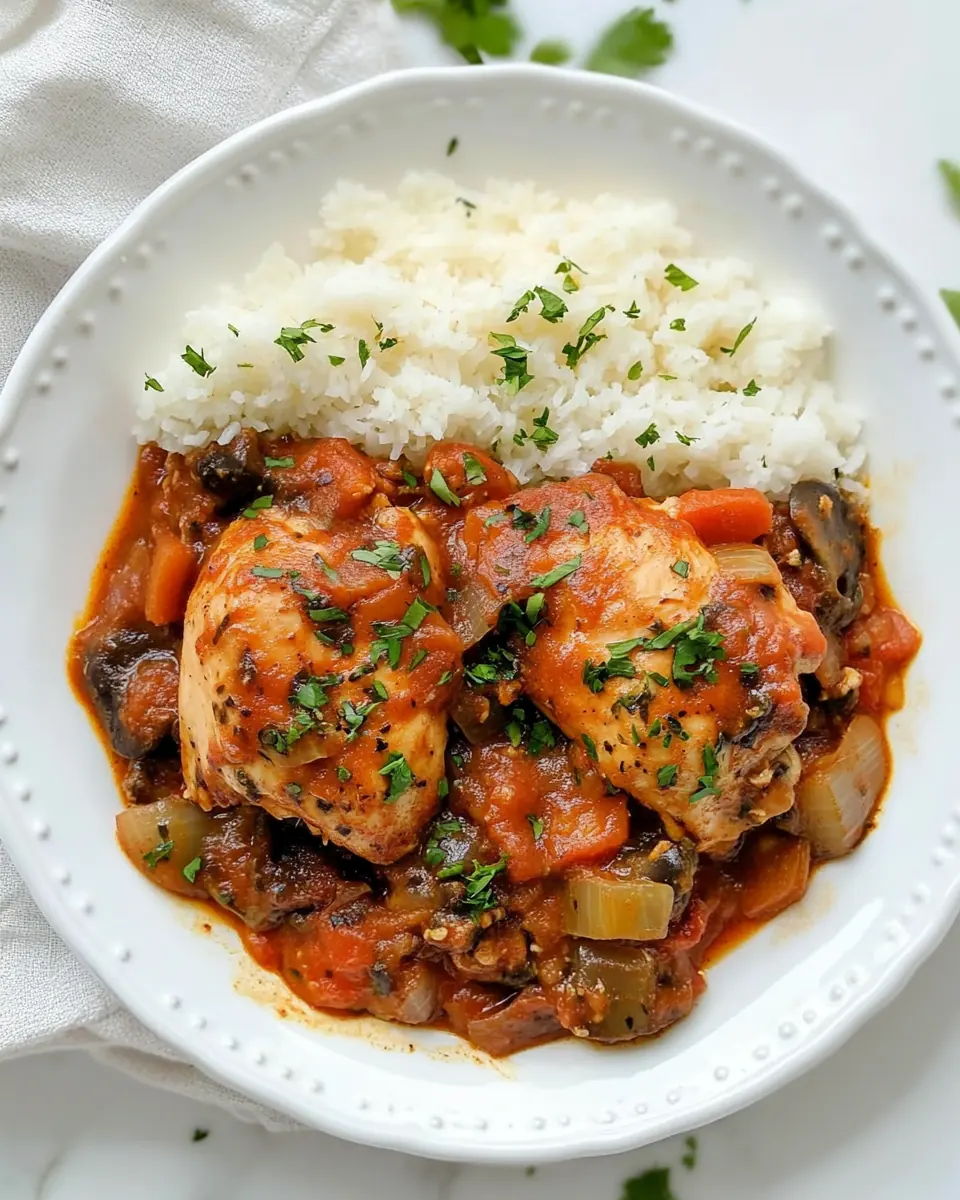
Slow Cooker Chicken Cacciatore
Ingredients
Equipment
Method
- Lightly spray the insert of your slow cooker with nonstick cooking spray.: The aroma at this stage is minimal, but you will feel the assurance that nothing will stick as the dish simmers. A light coating prevents the sauce from searing to the sides and makes cleanup easier. If you skip this, small sticky patches can form where the tomato reduces, which can be harder to clean and might cause uneven cooking along the pot rim. Use a thin layer only, overusing spray can leave an oily sheen on the final sauce surface.
- Add the diced onion, red bell pepper, minced garlic, and sliced mushrooms. Stir to combine. (To add more flavor, saute these ingredients in 1 tablespoon of olive oil until the onions are translucent, 5 to 7 minutes.): As you add these vegetables, you will notice layers of scent unfolding, the sharpness of the onion , the sweet pepper, the pungent garlic , and the earthy mushroom scent. Stirring helps distribute their juices so they meld with the sauce. If you chose to sauté first for extra depth, watch for the onion turning translucent and the garlic becoming fragrant rather than brown. A common error is allowing garlic to burn during sauté, which can impart bitterness that lasts through the slow cook.
- Place the chicken breasts on top of the vegetables.: When you set the chicken over the bed of vegetables, you'll see how the juices will drip down and flavor the base. The visual cue to check is that the breasts should sit comfortably without crowding, leaving room for sauces to surround them. Crowding can lead to uneven doneness, so give each piece a little space. Handling the raw chicken gently prevents tearing the meat, which helps it stay juicier after cooking.
- In a separate bowl, whisk together the crushed tomatoes, chicken broth, tomato paste, Italian seasoning, salt, and black pepper until well combined.: As you whisk, the sauce will thicken and release a bouquet of herb and tomato aromas. The action dissolves the tomato paste so it integrates smoothly, avoiding globs. Getting the seasoning balanced here matters, because it is the primary sauce; tasting a drop can guide salt adjustments. If not mixed well, pockets of concentrated paste can create uneven bursts of flavor rather than a cohesive sauce.
- Pour the tomato mixture over the chicken and vegetables in the slow cooker.: Pouring transforms the layered components into a united dish, and the sound of liquid hitting the pot is gratifying. Visually you should see the sauce cover the top of the breasts and fill the gaps around vegetables, which ensures even simmering. If the sauce seems too thin, it will thicken as it cooks; if it is too thick at the start, the top may not distribute into the pot well, so stir gently to settle everything if needed.
- Cover the slow cooker and cook on low heat for 6-8 hours or on high heat for 3-4 hours until the chicken is tender and cooked through.: During long cooking, the house will gradually fill with a layered tomato and herb perfume, and the chicken will relax into a tender texture. The slow low heat encourages collagen to soften, producing silky juices, while high heat shortens time but risks slightly firmer meat. A typical problem is leaving on high too long which can dry the breasts; if you need to step away, choose low and add a bit more time rather than cranking the heat.
- Serve hot, garnished with chopped fresh parsley, if desired.: When you lift the lid, a comforting steam will rise and the colors will be deepened, with red sauce and vegetables softened into a harmonious whole. Garnishing with fresh parsley adds a bright herbal note and a pop of color. One mistake is letting the dish sit uncovered too long, which cools the sauce and dulls the aromas; serve soon after uncovering for the best sensory experience.
Notes
- Swap vegetables sparingly — If you need to change up the vegetables, keep the ratio similar so the sauce texture remains balanced; denser vegetables need a bit more liquid and softer ones will melt into the sauce.
- Broth adjustments — If your canned tomatoes are quite thick, add a touch more chicken broth to reach the desired sauciness; if they are watery, reduce the broth slightly to avoid a runny finish.
- Sauté for extra depth — A quick sauté of the onion and garlic before adding them adds caramelized notes that intensify the final flavor, but skip this step when you need true minimal prep.
- Timing flexibility — Prefer to cook on high for a shorter window? Keep an eye on the chicken after three hours to avoid overcooking; low heat is more forgiving and yields the most tender texture.
- Fresh herb finish — Add the chopped parsley just before serving for brightness; if added too early it will fade under long heat.
- Storage and reheating — Cool quickly, store in an airtight container, and reheat gently on the stove or microwave with a splash of broth to restore sauciness.