Blue Cheese and Roasted Vegetable Tart
Blue Cheese and Roasted Vegetable Tart began as a weeknight rescue for me, when my fridge was full of half used produce and I wanted something that felt elegant without fuss. I remember the first time I roasted a mismatched tray of vegetables, tossed in a bit of olive oil, and stirred in tangy blue cheese at the end, the aroma shifted the whole apartment. That warm, slightly salty finish against a crispy crust felt like a tiny celebration, and I’ve revisited it whenever I need food that comforts and impresses at once.
Over the years I’ve learned to let the vegetables speak for themselves. The trick is to let the edges caramelize and the tomatoes soften until they burst, releasing a subtle sweetness that plays beautifully with the pungent blue cheese. I usually assemble the tart on a relaxed Sunday afternoon, with a playlist on and a glass of nonalcoholic beverage nearby, because I like cooking that doesn’t feel rushed. This tart is forgiving, adaptable, and perfect for sharing when friends drop by unexpectedly.
Recipe Snapshot
50 mins
10 mins
40 mins
Medium
250 kcal
American
Gluten-Free, Low FODMAP
Dinner
Oven, Baking sheet, Mixing bowl, Rolling pin
The Magic of This Blue Cheese and Roasted Vegetable Tart
Bold flavor balance
I love how Blue Cheese and Roasted Vegetable Tart combines bright roasted vegetables with the creamy, salty punch of blue cheese. The contrast makes every bite interesting and prevents the dish from feeling one note. When I serve it, guests always comment on the layered flavors, which makes me proud of the simple technique behind it.
Simple techniques, big results
Roasting is my favorite shortcut. It concentrates the natural sugars in the zucchini, eggplant, and grape tomatoes, creating depth without complicated steps. I appreciate recipes that trust good ingredients and straightforward heat to do the work, and this tart is a perfect example.
Versatile for many meals
This tart works for a casual lunch, a light dinner, or a lovely addition to a weekend brunch. I’ve brought it to potlucks and it always disappears. Its portability and room temperature friendliness make it a go to when I need something that travels well.
Textural satisfaction
The crispness of the whole wheat crust contrasts with tender roasted vegetables and crumbled blue cheese, giving you creamy, fluffy, and crunchy in a single bite. That texture contrast is what keeps me coming back to the recipe.
Quick to put together
From chopping to oven, this tart comes together quickly, which is great when I’m balancing a busy evening. You don’t need elaborate prep to produce a dish that looks and tastes intentional, and that practicality makes it a staple in my rotation.
Ingredient List for Blue Cheese and Roasted Vegetable Tart
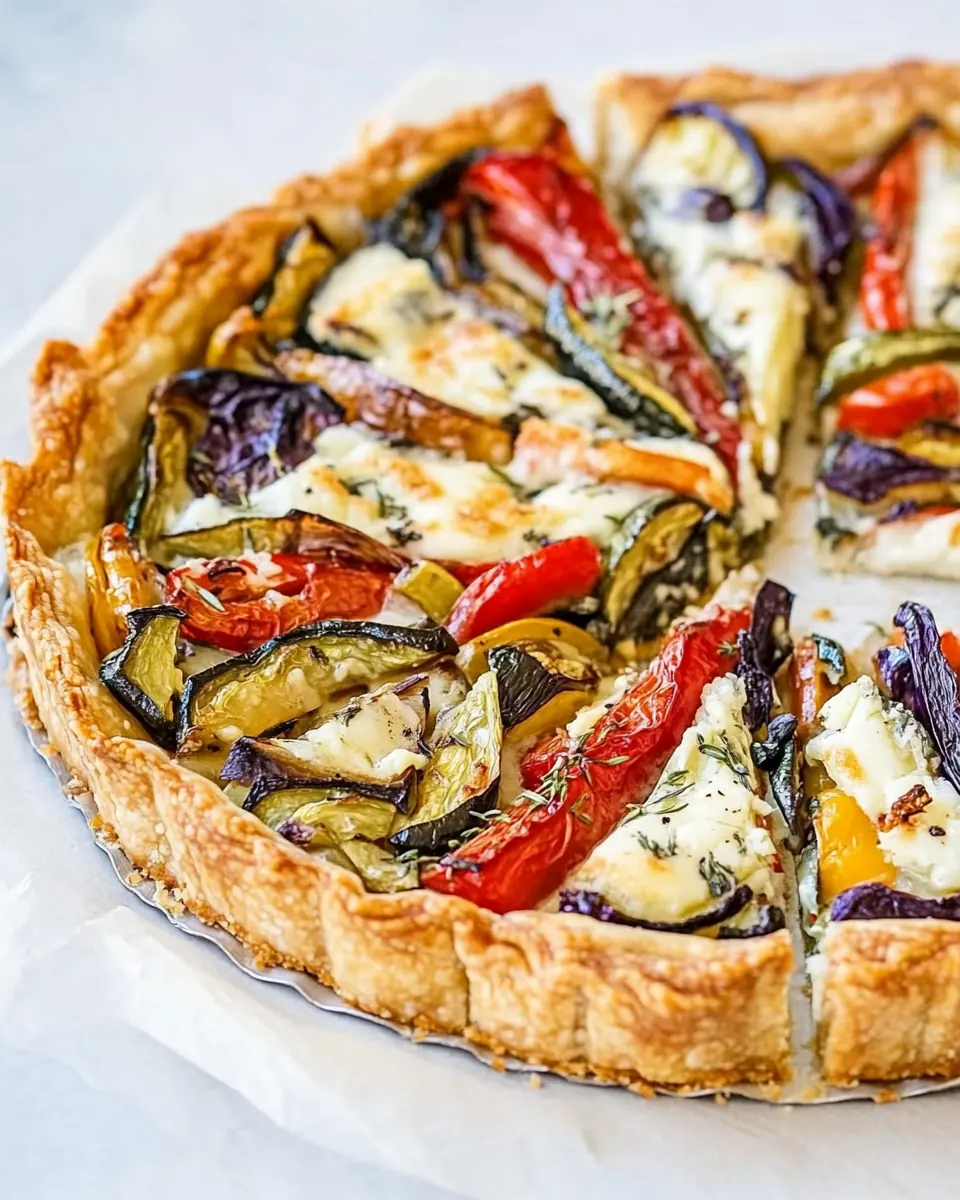
I approach these ingredients like a small orchestra, where each player supports the others. The vegetables provide sweetness and body, the olive oil helps with caramelization and mouthfeel, the seasonings lift flavor, and the blue cheese adds a briny, creamy counterpoint. The whole wheat crust brings structure and a nutty finish, so everything holds together when sliced.
- 1 zucchini small, cut into half moons 1/4 inch thick: Sliced into half moons and gently tenderizes during roasting, adding mild, slightly sweet notes and a tender texture that balances firmer vegetables in the tart.
- 1 eggplant small, cut into medium cubes: Cubed to provide substantial, meaty bites that roast to a creamy interior and slightly caramelized exterior, contributing depth and a savory backbone to the filling.
- 1/2 cup grape tomatoes cut in half: Halved to burst and release sweet, juicy pockets that add bright acidity and a fresh pop of flavor, contrasting richer components when roasted.
- 1/2 cup red onion cut into medium cubes: Cubed to soften and caramelize, offering a sharp, sweet-savory layer that enhances overall complexity and provides aromatic sweetness in the tart.
- 1 red bell pepper small, cut into medium cubes: Cubed to contribute vibrant color and sweet, roasted flavor; softens to add moistness and a mild, peppery sweetness that complements other vegetables.
- 1 tablespoon olive oil: Used to lightly coat vegetables so they roast evenly, develop golden edges, and concentrate flavors while preventing sticking to the pan.
- 1/2 teaspoon kosher salt: Sprinkled to season and enhance savory flavors during roasting, drawing out natural sweetness and ensuring the vegetables and crust are well-balanced.
- 1/4 teaspoon ground black pepper: Ground and added sparingly to provide gentle heat and aromatic lift, complementing the vegetables and cutting through richer elements like cheese.
- 1 teaspoon dried thyme not ground: Used whole to infuse earthy, floral notes during roasting and meld with other herbs and vegetables without overwhelming textures or flavors.
- 1/4 cup blue cheese crumbles fat-free: Crumpled over the roasted vegetables to introduce creamy, tangy, and pungent flavor; melts slightly and creates savory pockets that elevate the tart.
- 1 whole-wheat pie crust 9 inch: Placed as the base to hold the filling, providing a sturdy, whole-grain crust that adds nutty flavor and a wholesome texture to the finished tart.
Directions for Blue Cheese and Roasted Vegetable Tart
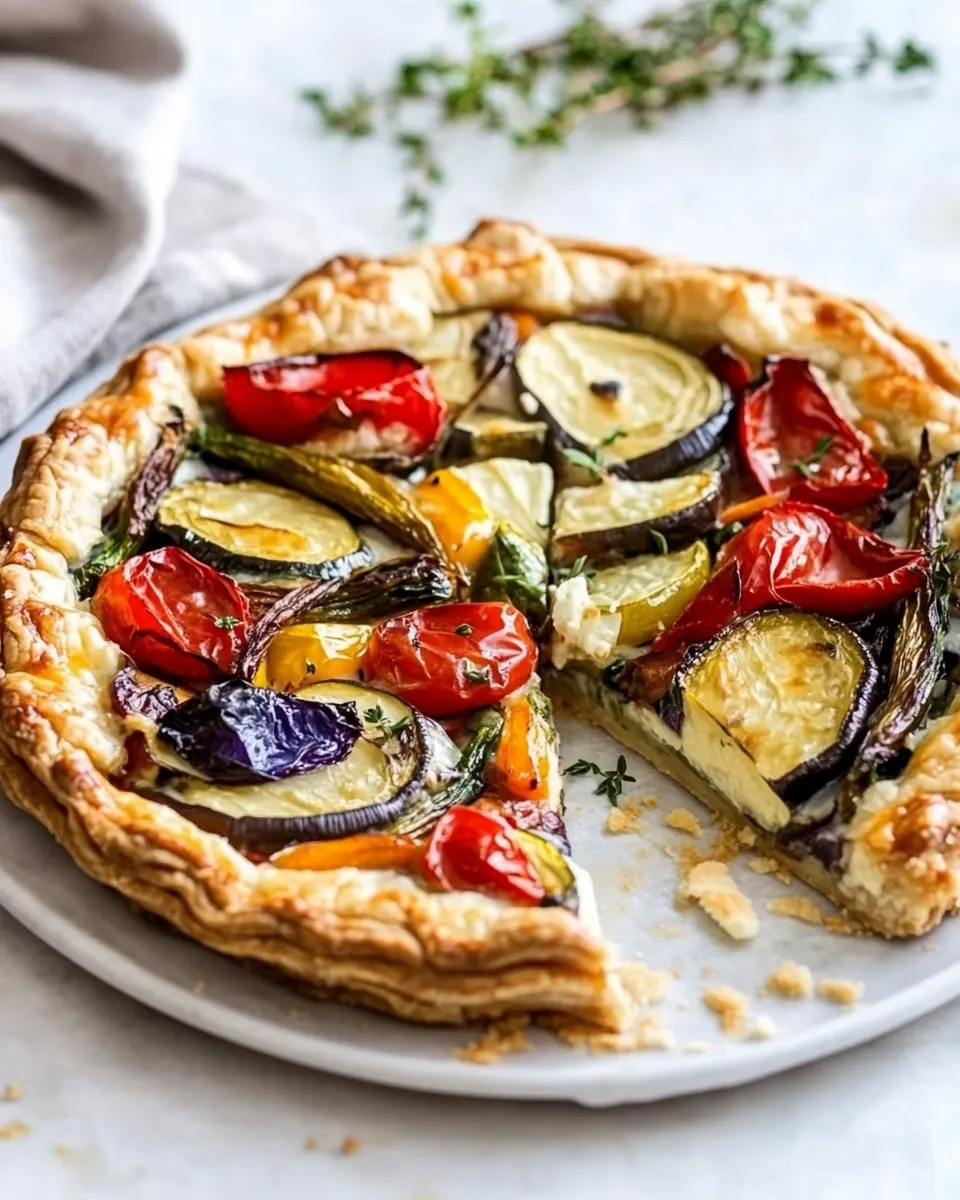
I like to move through these steps calmly, paying attention to visual and aromatic cues rather than rushing. Each phase builds flavor, so treating the roasting and assembly with care makes the difference between a good tart and a memorable one. Below, the original directions are rewritten into thorough, sensory rich guidance you can follow confidently.
- Pre-heat oven to 450 degrees, line a baking sheet with foil and spray with nonstick spray.: Warm air that reaches 450 degrees will encourage rapid caramelization on the vegetables, creating brown edges and a concentrative aroma that signals sweetness. As the oven comes to temperature you may notice a faint toasty scent from your oven elements, which is normal. A common mistake is putting vegetables into an oven that is not fully hot, which results in pale, steamed pieces. Make sure racks are positioned so the baking sheet will have good air flow, and line your baking sheet with foil for easy cleanup, then spray with nonstick spray to prevent sticking.
- In a mixing bowl, combine the zucchini, eggplant, tomatoes, onions, red pepper, olive oil, salt, pepper, and thyme. Mix well to coat all the vegetables in the oil and seasoning. Lay in an even layer on the baking sheet and roast for 20 minutes or until the vegetables are soft and browned. Remove from the oven and mix the blue cheese into the vegetables.: When you toss the cut zucchini , eggplant , grape tomatoes , red onion , and red bell pepper with olive oil and seasonings, the oil envelopes each surface, promoting even browning and carrying herbs into every crevice. You should hear a faint slicking sound as the oil coats the vegetables, and you will smell the thyme bloom as it warms on the pieces. Stir until everything looks evenly coated and glistening, taking care not to oversoak the vegetables which can lead to a soggy tart later. An easy oversight is uneven seasoning distribution, so use your hands or tongs to lift and toss thoroughly so each piece is seasoned.
- Roll the pie crust into a circle about 1/8 to 1/4 inch thick. Place the crust onto a second baking sheet. Spoon the vegetable and blue cheese mixture into the center of the pie crust, leaving about 1/2 to 1 inch of exposed crust on the sides.: Arrange the vegetables in a single layer so they can brown rather than steam; you want that caramelized surface with little golden patches and some darker edges. As they roast, the kitchen will fill with a warm, sweet aroma from the tomatoes and onions, and you may hear the gentle hiss of moisture escaping. Check at about 15 minutes, shake the pan gently if pieces are sticking, and watch for the vegetables to become tender when pierced with a fork. A frequent problem here is overcrowding, which causes steaming, so if your tray looks crowded spread into a second sheet to maintain crisping.
- Fold the edge of the pie crust over the vegetables, leaving the center of the vegetables exposed. Bake for 15 to 20 minutes or until the crust is golden. Let cool slightly before slicing and serving. Enjoy!: Once the vegetables are soft and show golden spots, take them out and allow a minute or two for high heat to settle; then fold in the blue cheese so it warms and softens without fully melting. You should notice a creamy, tangy scent emerging as the cheese warms and melds with the vegetable juices. The contrast of hot vegetables and cooler cheese creates pockets of creamy intensity. Avoid adding the cheese too late or too early; if you add it while the pan is still aggressively bubbling it may fully liquify, losing texture.
- Roll the pie crust into a circle about 1/8 to 1/4 inch thick: Rolling the whole–wheat pie crust to the recommended thickness ensures the tart will be sturdy yet tender. You want an even circle without thin tears, which will bake uniformly golden. Light flouring of the surface prevents sticking but too much will dry the dough. Press gently with a rolling pin and rotate the dough to help maintain a round shape; avoid overworking which tightens gluten and can make the crust tough.
- Place the crust onto a second baking sheet: Transferring the rolled crust to a baking sheet gives you a stable platform for assembly and ensures even heat during baking. You should be able to lift the crust easily, and when centered on the sheet you can spoon the filling without spilling. Slipping the crust onto the sheet with a gentle lift prevents tears; if it does tear, pinch it back together rather than patching with excess water which can create dense spots.
- Spoon the vegetable and blue cheese mixture into the center of the pie crust, leaving about 1/2 to 1 inch of exposed crust on the sides: Pile the filling into the center so the vegetables mound slightly, leaving a border of exposed crust to fold. The visual contrast between the colorful vegetables and the rim of dough is appealing, and as the tart bakes the juices will settle and the crust will crisp where it is exposed. Be mindful not to overfill, because excess filling can spill as the tart heats, creating a soggy margin. If you sense the filling is very wet, drain a bit or blot with a paper towel before filling.
- Fold the edge of the pie crust over the vegetables, leaving the center of the vegetables exposed: Folding the crust creates a rustic edge that crisps into a golden ring and contains most of the filling. The folded dough will brown and develop a slightly nutty scent from the whole–wheat, providing an attractive frame. Work in small, deliberate pleats to secure the edge without compressing the vegetables inward. A common error is folding too tightly, which can press juices out of the filling and make the crust soggy; keep folds loose but secure.
- Bake for 15 to 20 minutes or until the crust is golden: During this time the crust will turn a warm golden brown and you may hear a subtle crackle as it finishes. The vegetables in the center will simmer gently, blending flavors while the edge crisps. Check for an even golden color all around and let it bake until you see that inviting brown; underbaking leaves the crust pale and doughy, while overbaking can make it overly hard. Rotate the sheet halfway through if your oven has hot spots to ensure even browning.
- Let cool slightly before slicing and serving: Allowing the tart to rest for a few minutes helps the filling set so slices hold together, and the residual heat will continue to meld flavors. You will notice the aroma calm into a balanced scent of roasted vegetables and tangy blue cheese . Cutting too soon can cause the filling to spill, so use patience and a sharp knife for clean slices. Serve warm or at room temperature, and store leftovers refrigerated promptly.
Substitutions and Tips
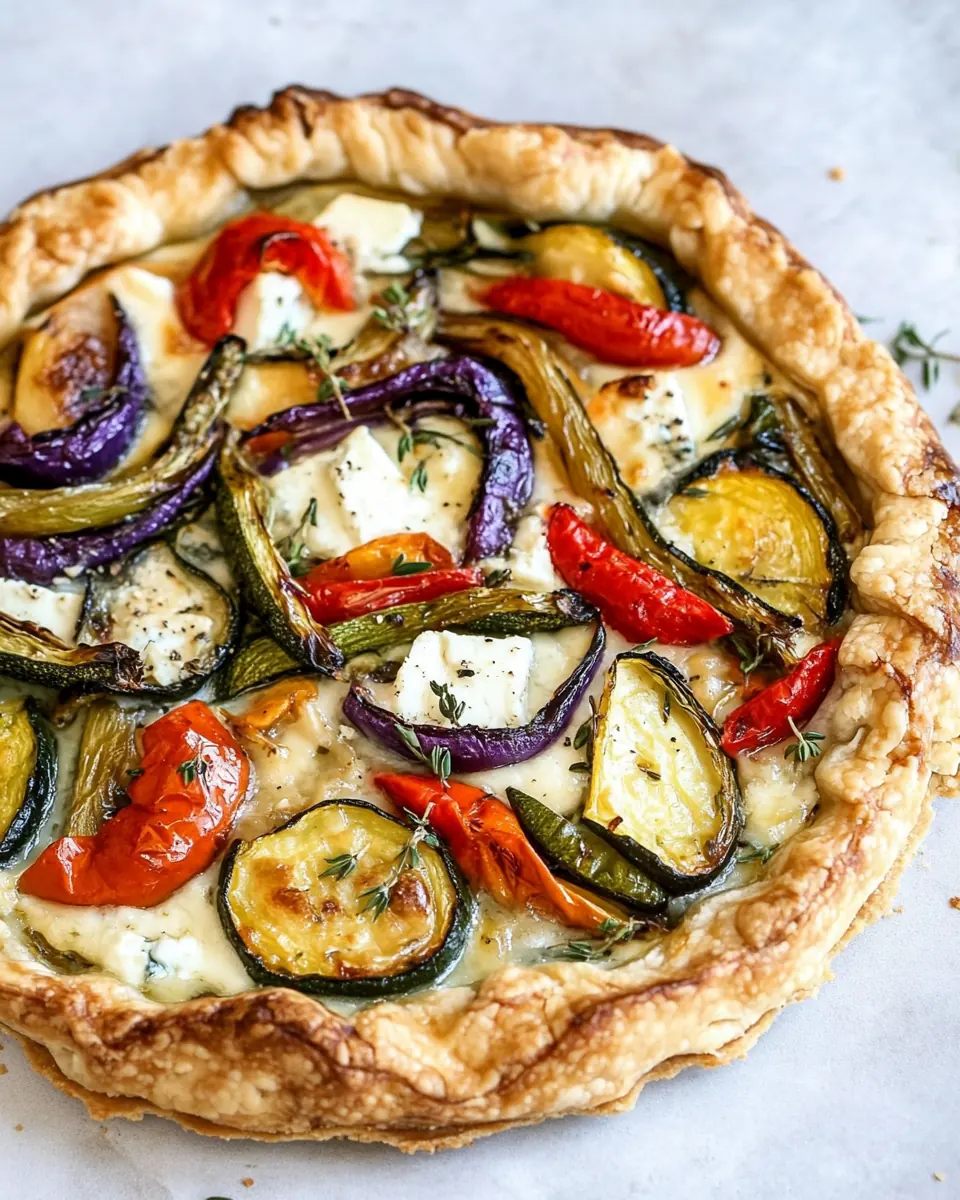
This tart is forgiving and lends itself to small swaps while retaining its character. Below are focused tips and practical substitutions to help you adapt the recipe without losing the essential balance of roasted vegetables and tangy blue cheese.
- Swap crust if needed: If you do not have a whole–wheat pie crust, a regular pie crust works fine, though the flavor will be less nutty. Roll to the same thickness and follow the same assembly so baking time remains consistent.
- Control moisture: If your zucchini or eggplant seem watery, pat them dry after cutting or salt briefly and blot to remove excess liquid, which prevents a soggy tart base.
- Cheese timing: Fold the blue cheese into the vegetables off heat to keep textural pockets of cheese, rather than stirring it in while the pan is aggressively hot which can fully melt it away.
- Boost color: For brighter presentation, roast on a single layer and leave small spaces between pieces so edges caramelize; this increases visual appeal and flavor contrast.
- Adjust seasoning: Taste a small piece of roasted vegetable before assembling and add a touch more kosher salt or ground black pepper if needed, because roasting can mute seasoning levels.
- Make ahead: Roast the vegetables earlier in the day and assemble just before baking to save time while keeping the final bake fresh and hot.
Perfect Matches for Blue Cheese and Roasted Vegetable Tart
This tart pairs well with light salads and simple sides, and it shines across several occasions from casual lunches to festive gatherings. Below are thoughtful serving suggestions, storage guidance, and ideas for seasonal pairings that highlight its strengths.
- Serve with a crisp green salad: A simple mixed greens salad dressed with a lemon vinaigrette cleanses the palate and complements the rich blue cheese notes.
- Make it a brunch centerpiece: Offer the tart alongside bowls of fresh fruit and warm breads for a relaxed weekend brunch where guests can help themselves.
- Pack for a picnic: Because the tart is delicious at room temperature, it travels well for outdoor meals; store in a shallow airtight container and bring a sharp knife for slicing on site.
- Serve for a light dinner: Pair one or two slices with a hearty bowl of soup or a bean salad to make a satisfying, meat free dinner option.
- Seasonal pairing: In cooler months, pair the tart with roasted root vegetables and warm grains; in warmer months, serve alongside chilled salads and seasonal fruit.
- Storage tips: Refrigerate leftovers within two hours in an airtight container; reheat gently in a low oven to restore crust crispness, or enjoy cold the next day.
FAQ
Conclusion
This Blue Cheese and Roasted Vegetable Tart stands out for its balance of roasted sweetness, tangy cheese, and a nutty whole wheat crust. It’s a straightforward recipe that yields layered textures and flavors, making it suitable for casual meals or gathering with friends. Try it the next time you have a collection of produce to use up, and enjoy how simple techniques deliver a dish that feels special. I hope it becomes a dependable go to in your kitchen, bringing relaxed elegance to weeknight dinners and weekend entertaining alike.
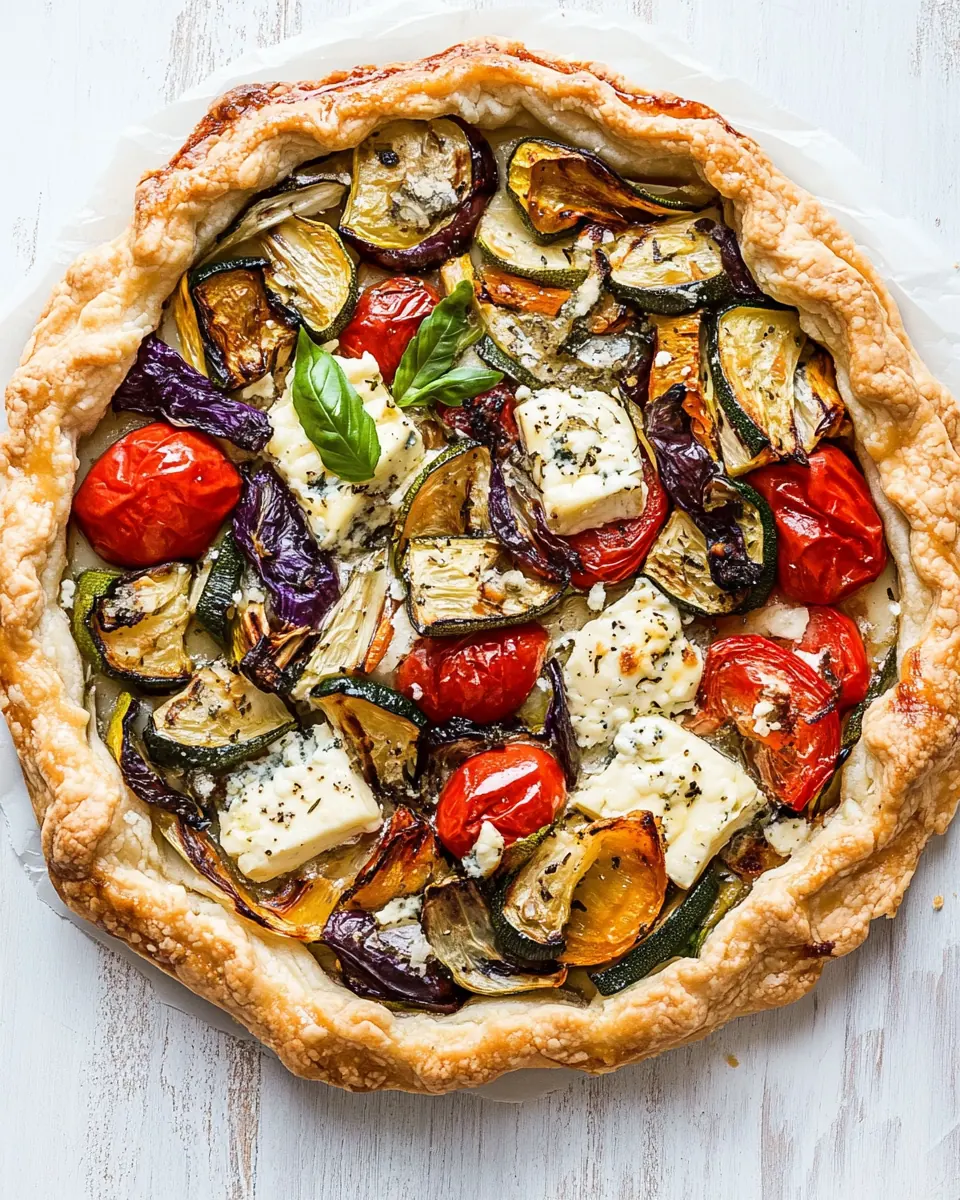
Blue Cheese and Roasted Vegetable Tart
Ingredients
Equipment
Method
- Pre-heat oven to 450 degrees, line a baking sheet with foil and spray with nonstick spray.: Warm air that reaches 450 degrees will encourage rapid caramelization on the vegetables, creating brown edges and a concentrative aroma that signals sweetness. As the oven comes to temperature you may notice a faint toasty scent from your oven elements, which is normal. A common mistake is putting vegetables into an oven that is not fully hot, which results in pale, steamed pieces. Make sure racks are positioned so the baking sheet will have good air flow, and line your baking sheet with foil for easy cleanup, then spray with nonstick spray to prevent sticking.
- In a mixing bowl, combine the zucchini, eggplant, tomatoes, onions, red pepper, olive oil, salt, pepper, and thyme. Mix well to coat all the vegetables in the oil and seasoning. Lay in an even layer on the baking sheet and roast for 20 minutes or until the vegetables are soft and browned. Remove from the oven and mix the blue cheese into the vegetables.: When you toss the cut zucchini , eggplant , grape tomatoes , red onion , and red bell pepper with olive oil and seasonings, the oil envelopes each surface, promoting even browning and carrying herbs into every crevice. You should hear a faint slicking sound as the oil coats the vegetables, and you will smell the thyme bloom as it warms on the pieces. Stir until everything looks evenly coated and glistening, taking care not to oversoak the vegetables which can lead to a soggy tart later. An easy oversight is uneven seasoning distribution, so use your hands or tongs to lift and toss thoroughly so each piece is seasoned.
- Roll the pie crust into a circle about 1/8 to 1/4 inch thick. Place the crust onto a second baking sheet. Spoon the vegetable and blue cheese mixture into the center of the pie crust, leaving about 1/2 to 1 inch of exposed crust on the sides.: Arrange the vegetables in a single layer so they can brown rather than steam; you want that caramelized surface with little golden patches and some darker edges. As they roast, the kitchen will fill with a warm, sweet aroma from the tomatoes and onions, and you may hear the gentle hiss of moisture escaping. Check at about 15 minutes, shake the pan gently if pieces are sticking, and watch for the vegetables to become tender when pierced with a fork. A frequent problem here is overcrowding, which causes steaming, so if your tray looks crowded spread into a second sheet to maintain crisping.
- Fold the edge of the pie crust over the vegetables, leaving the center of the vegetables exposed. Bake for 15 to 20 minutes or until the crust is golden. Let cool slightly before slicing and serving. Enjoy!: Once the vegetables are soft and show golden spots, take them out and allow a minute or two for high heat to settle; then fold in the blue cheese so it warms and softens without fully melting. You should notice a creamy, tangy scent emerging as the cheese warms and melds with the vegetable juices. The contrast of hot vegetables and cooler cheese creates pockets of creamy intensity. Avoid adding the cheese too late or too early; if you add it while the pan is still aggressively bubbling it may fully liquify, losing texture.
- Roll the pie crust into a circle about 1/8 to 1/4 inch thick: Rolling the whole-wheat pie crust to the recommended thickness ensures the tart will be sturdy yet tender. You want an even circle without thin tears, which will bake uniformly golden. Light flouring of the surface prevents sticking but too much will dry the dough. Press gently with a rolling pin and rotate the dough to help maintain a round shape; avoid overworking which tightens gluten and can make the crust tough.
- Place the crust onto a second baking sheet: Transferring the rolled crust to a baking sheet gives you a stable platform for assembly and ensures even heat during baking. You should be able to lift the crust easily, and when centered on the sheet you can spoon the filling without spilling. Slipping the crust onto the sheet with a gentle lift prevents tears; if it does tear, pinch it back together rather than patching with excess water which can create dense spots.
- Spoon the vegetable and blue cheese mixture into the center of the pie crust, leaving about 1/2 to 1 inch of exposed crust on the sides: Pile the filling into the center so the vegetables mound slightly, leaving a border of exposed crust to fold. The visual contrast between the colorful vegetables and the rim of dough is appealing, and as the tart bakes the juices will settle and the crust will crisp where it is exposed. Be mindful not to overfill, because excess filling can spill as the tart heats, creating a soggy margin. If you sense the filling is very wet, drain a bit or blot with a paper towel before filling.
- Fold the edge of the pie crust over the vegetables, leaving the center of the vegetables exposed: Folding the crust creates a rustic edge that crisps into a golden ring and contains most of the filling. The folded dough will brown and develop a slightly nutty scent from the whole-wheat, providing an attractive frame. Work in small, deliberate pleats to secure the edge without compressing the vegetables inward. A common error is folding too tightly, which can press juices out of the filling and make the crust soggy; keep folds loose but secure.
- Bake for 15 to 20 minutes or until the crust is golden: During this time the crust will turn a warm golden brown and you may hear a subtle crackle as it finishes. The vegetables in the center will simmer gently, blending flavors while the edge crisps. Check for an even golden color all around and let it bake until you see that inviting brown; underbaking leaves the crust pale and doughy, while overbaking can make it overly hard. Rotate the sheet halfway through if your oven has hot spots to ensure even browning.
- Let cool slightly before slicing and serving: Allowing the tart to rest for a few minutes helps the filling set so slices hold together, and the residual heat will continue to meld flavors. You will notice the aroma calm into a balanced scent of roasted vegetables and tangy blue cheese . Cutting too soon can cause the filling to spill, so use patience and a sharp knife for clean slices. Serve warm or at room temperature, and store leftovers refrigerated promptly.
Notes
- Swap crust if needed: If you do not have a whole-wheat pie crust, a regular pie crust works fine, though the flavor will be less nutty. Roll to the same thickness and follow the same assembly so baking time remains consistent.
- Control moisture: If your zucchini or eggplant seem watery, pat them dry after cutting or salt briefly and blot to remove excess liquid, which prevents a soggy tart base.
- Cheese timing: Fold the blue cheese into the vegetables off heat to keep textural pockets of cheese, rather than stirring it in while the pan is aggressively hot which can fully melt it away.
- Boost color: For brighter presentation, roast on a single layer and leave small spaces between pieces so edges caramelize; this increases visual appeal and flavor contrast.
- Adjust seasoning: Taste a small piece of roasted vegetable before assembling and add a touch more kosher salt or ground black pepper if needed, because roasting can mute seasoning levels.
- Make ahead: Roast the vegetables earlier in the day and assemble just before baking to save time while keeping the final bake fresh and hot.