Chicken Noodle Soup Risotto
Chicken Noodle Soup Risotto began for me as a cozy experiment on a raw winter evening when I wanted the comfort of soup and the creaminess of risotto all in one bowl. I remember pulling a carton of chicken broth from the fridge and thinking about the familiar, soothing flavors of soup, then wondering how the rice might soak up those flavors to become pillowy and rich. That first spoonful, when the warm, savory broth met the tender grains and shredded chicken, felt like a small, delicious revelation.
Over the years I have returned to this recipe whenever I wanted something that felt both nourishing and a little luxurious without a lot of fuss. I like how the simple aromatics of sautéed onion and minced garlic lift the whole pot, and how a splash of lemon juice at the end brightens the bowl. There is comfort in the slow coaxing of stock into the rice, a ritual that rewards patience with texture that is creamy but still has bite.
Recipe Snapshot
45 mins
20 mins
25 mins
Medium
450 kcal
American
Gluten-Free, Low FODMAP
Dinner
Saucepan, Large pot, Spoon
The Charm of This Chicken Noodle Soup Risotto
Comfort and Creaminess in One Bowl
I love Chicken Noodle Soup Risotto because it captures two comforting formats at once, the warmth of a soup and the luscious mouthfeel of risotto. The soft yield of the rice soaking up rich chicken broth creates a creamy texture without heavy cream. That combination makes it an ideal easy weeknight dinner when you want something that feels special but comes together with pantry staples.
Flavor Depth from Simple Ingredients
We get deep savory notes from the chicken broth and freshly grated parmesan cheese, while the sautéed onion and garlic form a fragrant base that keeps every spoonful interesting. I appreciate how small additions, like a squeeze of lemon juice and a handful of chopped parsley, lift the dish and keep it from feeling heavy. Those little touches are what make the recipe feel carefully composed, even when it is effortless to make.
Textural Contrast and Heartiness
What really stands out to me is the contrast between tender grains of rice and shredded pieces of cooked chicken. The diced carrots and celery add welcome snap and a homey sweetness that balances the savory broth. This interplay keeps each bite interesting and satisfying, especially when you want a meal that will stick with you through a chilly evening.
Adaptable and Crowd Friendly
I often make a larger batch because this dish scales well and stays delightful when gently reheated. It works for a cozy family dinner or as a thoughtful offering when friends drop by feeling under the weather. The straightforward ingredient list and familiar flavors mean most people will find it instantly reassuring.
Comfort Food That Feels Thoughtful
Finally, I love that Chicken Noodle Soup Risotto asks for simple technique rather than complicated steps. The slow addition of warm stock is meditative, and the payoff is a bowl that tastes like time well spent. I always feel proud serving it, because it tastes like care in every spoonful.
Shopping List for Chicken Noodle Soup Risotto
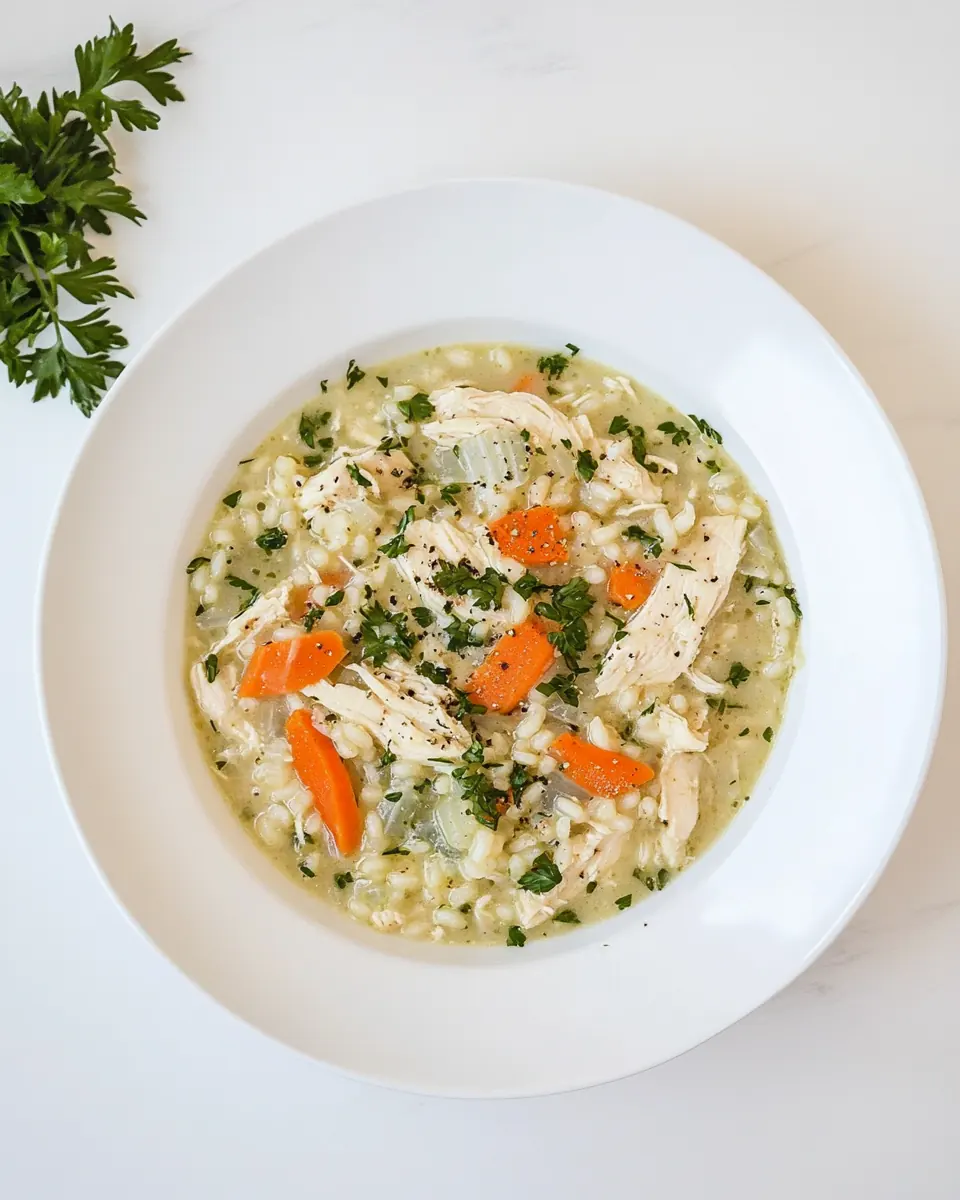
This ingredient list is built to achieve a balance between nourishing broth and creamy rice texture. The philosophy here is simple: use high quality chicken broth to infuse the rice, rely on sautéed aromatics for depth, and finish with bright and creamy elements like lemon juice and freshly grated parmesan cheese. The key players are the liquid, the grain, and the cooked chicken. When these components play well together, the result is warming and well rounded.
- 64 ounces Simply Nature Organic Chicken Broth: Adds a rich, savory liquid base that simmers the rice and infuses the dish with concentrated chicken flavor; provides necessary moisture for a creamy risotto-like texture and balances seasoning throughout the soup.
- 2 tablespoons Simply Nature Organic Unsalted Butter: Contributes a silky mouthfeel and gentle richness when melted; helps sauté aromatics and bind flavors while adding a subtle creamy finish to the risotto.
- 1 tablespoon specially Selected Extra Virgin Olive Oil: Provides a fruity, peppery fat for sautéing that enhances the aromatics without overpowering; helps prevent sticking and adds depth to the overall flavor profile.
- 1 sweet onion, diced: Offers sweet, aromatic undertones and tender texture when sautéed; forms part of the flavor foundation and helps build savory complexity in the risotto.
- 3 garlic cloves, minced: Imparts pungent, aromatic depth and brightens the dish when softened; releases flavorful oils that complement the onion and elevate the broth’s savory character.
- kosher salt and pepper: Seasons and balances the dish to taste; enhances and rounds other flavors while controlling overall saltiness and peppery warmth during cooking and at serving.
- 1 1/2 cups Earthly Grains Long Grain White Rice: Supplies the starchy grain that creates the risotto’s characteristic creamy body; absorbs broth slowly to release starches and develop a luscious, comforting texture.
- 2/3 cup diced carrots: Adds subtle sweetness, color, and slight textural contrast when diced and cooked; provides classic chicken-soup vegetable flavor that complements the rice and broth.
- 1/2 cup diced celery: Contributes mild, aromatic crunch and savory vegetal notes that balance sweetness from carrots and onions; softens during cooking and melds into the risotto base.
- 2 Simply Nature Organic Chicken Breasts, cooked and chopped: Provides tender cooked protein and heartiness; introduces traditional chicken-soup elements and helps make the risotto a satisfying, complete meal.
- 1/2 cup freshly grated Emporium Selection Parmesan Cheese, plus extra for sprinkling: Adds nutty, salty umami and a creamy finish when stirred in at the end; enhances richness and provides a sprinkleable topping to deepen flavor.
- 1/3 cup chopped fresh parsley, plus extra for sprinkling: Brings fresh, herbaceous brightness and color when mixed through and sprinkled; lifts the overall flavor and adds a clean finish to the rich risotto.
- 1 tablespoon freshly squeezed lemon juice: Delivers bright acidity to cut through richness and brighten flavors; harmonizes the dish by balancing creamy, salty, and savory elements for a fresher finish.
Cooking Instructions for Chicken Noodle Soup Risotto
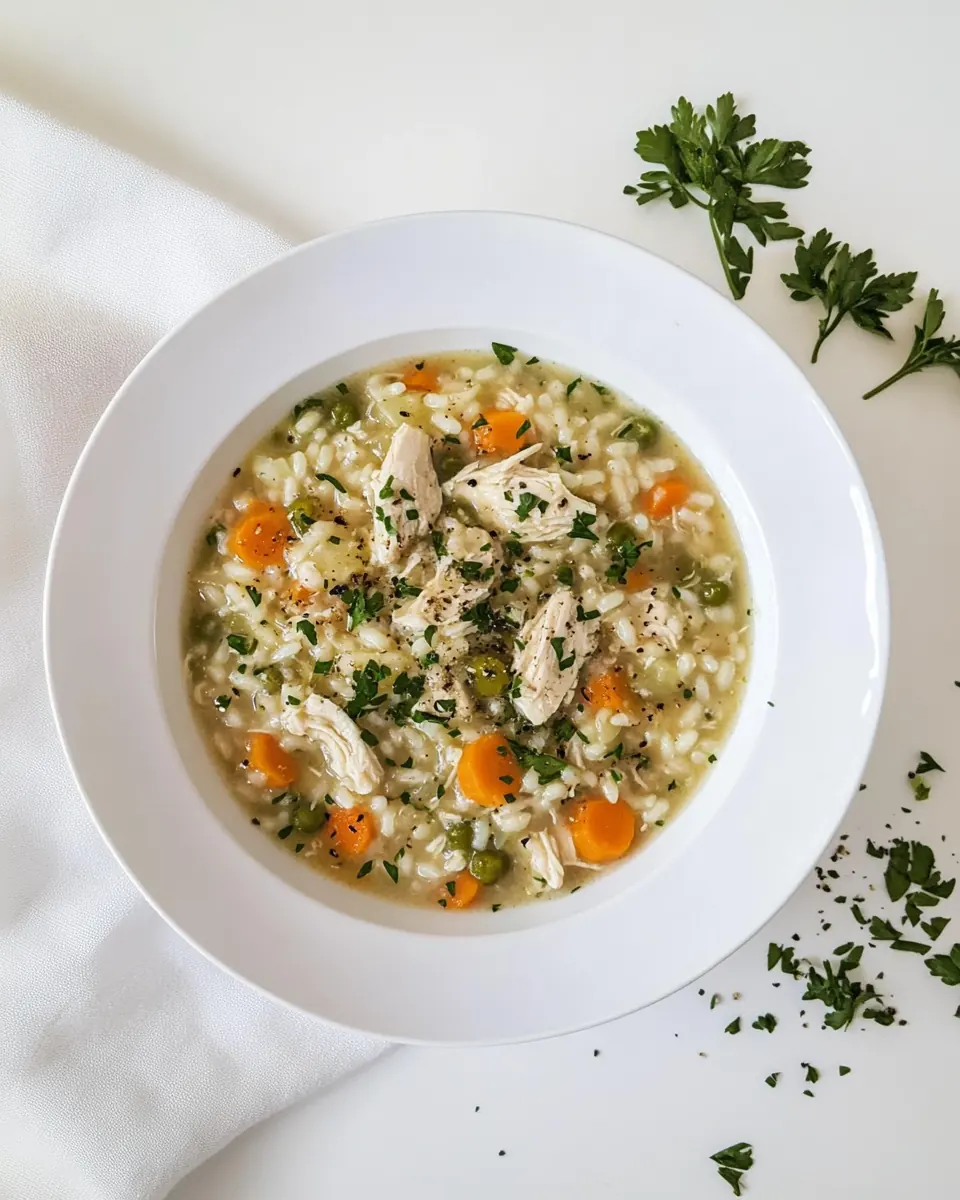
These steps walk you through warming the stock, developing aromatics, coaxing the rice into creaminess, and finishing with the shredded chicken and cheese. Take your time with the stock additions and keep a gentle stir pattern to create the ideal texture. I like to keep all components warm and ready so the risotto comes together smoothly.
- Pour the chicken broth in a saucepan and cover. Heat over low heat until the broth is warm.: The warm, enveloping aroma is the first sign that the dish will sing; you want the chicken broth gently steaming rather than boiling so each ladle added to the rice keeps the cooking temperature steady. A constant gentle heat helps the rice release starch slowly, producing a glossy, creamy texture. A common mistake is adding cold stock which shocks the rice and lengthens cooking, so always heat the broth first.
- Melt the butter and the olive oil in a large pot. Add the onions and garlic with a big pinch of salt and pepper. Stir in the rice. Cook, stirring often, until the rice is translucent and toasty, about 5 minutes.: You will notice a soft sizzle and a sheen forming in the pot as the fats melt together; this blend guards against burning and provides a silky base for flavor development. The balanced fat helps the onion and garlic soften evenly without browning too quickly. If the pot gets too hot and the aromatics brown, lower the heat to avoid bitter notes.
- Once the rice is translucent, stir in the carrots and celery. Cook for 2 minutes.: As the onion sweats, it will release sugars and perfume the kitchen; the garlic should become fragrant almost immediately. The salt draws moisture out of the onion, speeding softening and deepening sweetness. Stir frequently to prevent any garlic from sticking to the pan, because burnt garlic will impart an acrid flavor.
- Add 1 1/2 cups of the warm stock, stirring continuously, until the stock is absorbed. Repeat again with another cup of stock, stirring until absorbed. Repeat this process with another 3 to 4 cups of the stock, until the rice is creamy and al dente. You want it to appear 'hydrated' – and want there to be some liquid left in the risotto when serving. This process should take about 15 to 20 minutes.: When the grains encounter the warm fat and aromatics, they should start to look translucent at the edges and take on a toasty scent, a cue that they have begun to open up and will accept liquid well. This toasting step adds a subtle nutty note and helps each grain maintain structure during stirring. Rushing this step or skipping it can yield a less textured final result.
- Stir in the cooked chicken and parmesan cheese. Stir in the fresh parsley and lemon juice. Taste the risotto and add more salt and pepper if needed.: The gentle, almost hypnotic scraping and stirring encourages even heating and starch release, which is foundational for creamy risotto. Expect a soft sizzling sound and a gentle steam; the rice should not brown aggressively. If the rice starts to brown, lower the heat and stir more frequently to preserve a delicate flavor.
- Serve the risotto immediately. Sprinkle with extra parmesan and parsley for serving!: You will see the vegetables glisten and begin to soften; their sweetness will subtly integrate with the rice as they release moisture. This step builds layers of texture and flavor, so make sure the dice is small for even cooking. A common error is adding large chunks which will not cook through evenly with the rice.
- Cook for 2 minutes: The brief cooking time slightly softens the vegetables without making them mushy, keeping a pleasant contrast in each spoonful. Listen for a reduced sizzle and watch for a gentle shimmer on the rice surface; this means the pot is ready for the first stock addition. Overcooking here will dull the brightness of the vegetables.
- Add 1 1/2 cups of the warm stock, stirring continuously, until the stock is absorbed: As the warm chicken broth hits the pot, steam will rise and the rice will take on a glossy sheen; constant stirring helps coax out starch and creates a cohesive, velvety texture. The absorbed liquid should reduce to a thick, saucy consistency before you add more. Avoid pouring too much stock at once, which can make the rice cook unevenly and extend cooking time.
- Repeat again with another cup of stock, stirring until absorbed: Each ladleful adds depth of flavor and encourages the rice to swell gradually; you should perceive incremental softening with each addition while still retaining a slight bite. The continuous stirring smooths the surface and blends flavors evenly. A mistake here is adding the next portion too soon, when the surface is still watery, which will prevent the right texture from forming.
- Repeat this process with another 3 to 4 cups of the stock, until the rice is creamy and al dente: The pot will produce a comforting rhythm as you ladle and stir; visually the rice should be suspended in a silky, slightly loose sauce with grains that hold their shape. Aim for an al dente center so the final mouthfeel is tender yet structured. If you end up with a dry pot, reserve a bit of warm broth to loosen it—overcooking will yield a mushy texture.
- You want it to appear 'hydrated' and want there to be some liquid left in the risotto when serving: The ideal serving consistency is glossy and slightly runny around the spoon, not stiff; that residual liquid keeps the risotto luscious on the plate. If the mixture tightens too much while sitting, stir in a little warm broth to revive the creaminess. Do not refrigerate in the pot before serving as the liquid will be absorbed and the texture will change.
- This process should take about 15 to 20 minutes: During this window you will notice the aroma deepen and the rice swell; checking between additions ensures you maintain the correct pace. Timing helps predict texture, but rely on visual and textural cues rather than the clock alone. If it is taking much longer, your heat may be too low or the stock too cold.
- Stir in the cooked chicken and parmesan cheese: Introducing the warm shredded chicken and grated parmesan cheese melds protein and umami into the creamy matrix, enriching both flavor and mouthfeel. The cheese should melt smoothly and bind the risotto; if it separates or clumps, remove from heat and stir gently until integrated. Adding cold chicken can drop the temperature too quickly, so ensure it is warm.
- Stir in the fresh parsley and lemon juice: The aromatic herb will freshen the palate while the acid from the lemon juice brightens the richness, creating balance. You should smell a crisp, green lift and taste a subtle citrus snap that prevents the dish from feeling flat. Too much lemon will dominate, so add incrementally and taste.
- Taste the risotto and add more salt and pepper if needed: Final seasoning lets you correct any flatness or excessive saltiness from the broth; small adjustments here transform the bowl from good to memorable. Always taste from the pot rather than assuming, because ingredients like parmesan cheese can already contribute salt. If it tastes overly salty, a splash more warm broth or a squeeze of lemon juice can help balance.
- Serve the risotto immediately: The ideal presentation is a warm bowl with the risotto still slightly loose, garnished with extra grated parmesan cheese and chopped parsley . The heat should keep the aroma lively and the texture inviting; risotto is best enjoyed right away. Holding it too long will cause it to tighten and lose its silky mouthfeel.
- Sprinkle with extra parmesan and parsley for serving: The final sprinkle adds brightness and an appealing visual contrast, plus an extra hit of umami from the parmesan cheese . Serve straight away so those garnishes remain fresh and fragrant. Avoid pre-garnishing if you need to reheat later, as the herb will wilt and the cheese may clump.
Recipe Notes about Chicken Noodle Soup Risotto
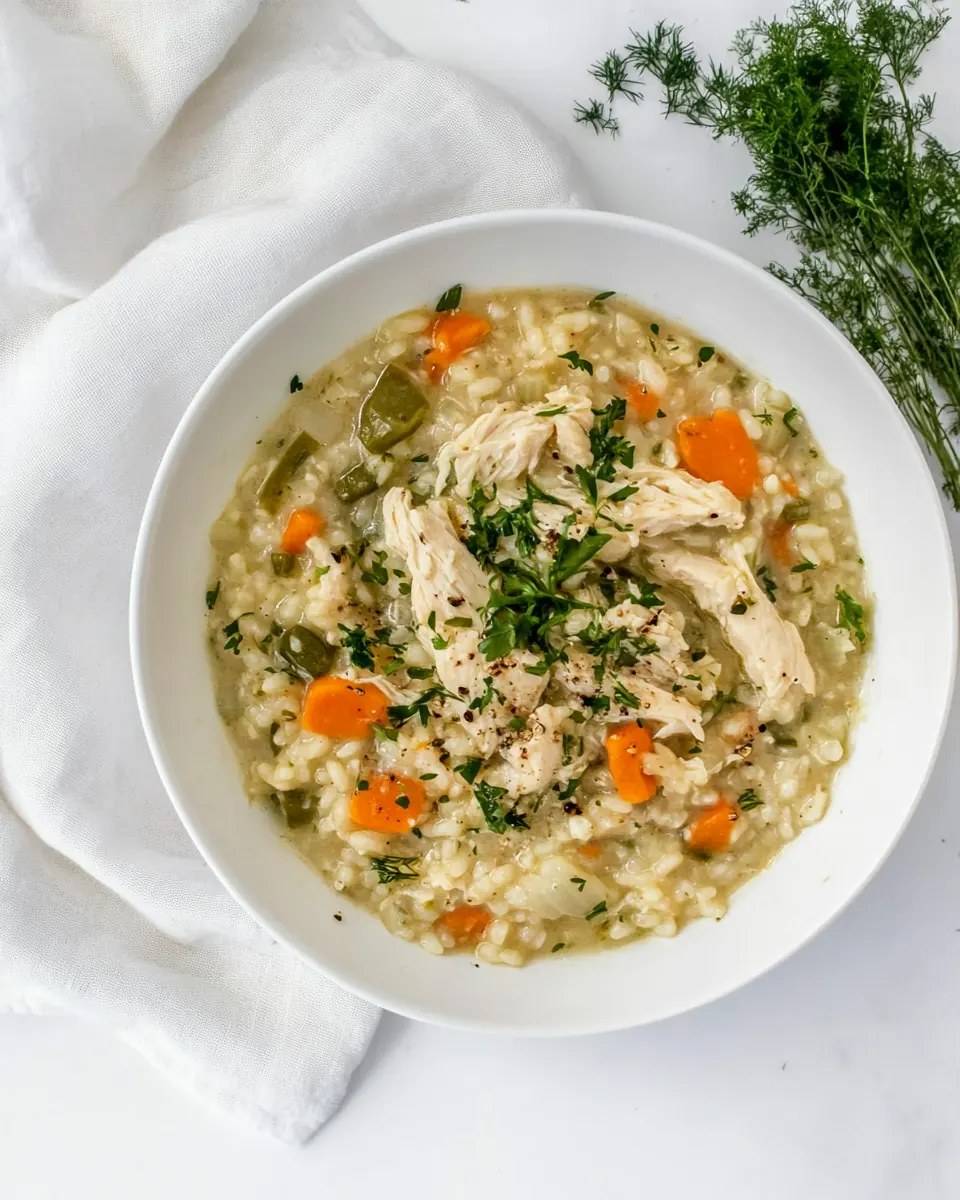
This section gathers practical notes and variations to help you make the recipe confidently. I expand on both technique and small tweaks that can elevate the final bowl, whether you are cooking for one or serving a small group.
- Warm your broth: Always keep the chicken broth warm on the stove so each addition does not lower the pot temperature. Cold stock shocks the rice and lengthens cooking, which can result in unevenly cooked grains.
- Toast the rice gently: Toasting the rice with the aromatics for a few minutes adds a subtle nutty flavor and helps the grains hold texture. If you skip toasting, the risotto may become softer and less structured.
- Control the heat: Maintain medium low heat during the ladling process so the pot simmers gently; too high a heat will evaporate the liquid too fast and risk undercooked centers.
- Finish off heat: Remove the pot from direct heat when you stir in the parmesan cheese and chicken to prevent the cheese separating and to preserve a silky finish.
- Adjust consistency with reserved broth: If the risotto tightens as it sits, stir in a little warm broth to revive creaminess before serving. Avoid cold liquids which will firm up the texture.
Serving Ideas for Chicken Noodle Soup Risotto
Serving this recipe can be casual or a bit dressed up depending on the occasion. The following ideas cover pairings, occasions, storage, and seasonal notes so you can present the dish in thoughtful ways. I prefer to serve it warm and garnished right before it reaches the table.
- Family weeknight dinner: Serve bowls warm with extra grated parmesan cheese on the side so each person can finish to taste, making this an easy, comforting evening meal.
- Light lunch option: Offer smaller portions alongside a crisp green salad to balance the creamy texture; a simple vinaigrette brightens the plate and provides contrast.
- Meal for someone under the weather: The soothing broth and tender chicken make this ideal for a recovery meal, served warm with extra parsley for freshness.
- Seasonal winter bowl: This recipe is perfect for cold weather, when the warm, savory broth and hearty rice are particularly satisfying; pair with rustic bread if you want something to scoop with.
- Storage tips: Cool leftovers quickly and store in an airtight container in the refrigerator for up to two days; reheat slowly with a splash of warm broth to restore the creamy consistency.
- Occasion serving: For a small dinner party, serve in shallow bowls and finish with a final grating of parmesan cheese and a sprig of parsley to make the presentation feel special without added effort.
FAQ
Conclusion
What makes this recipe special is the way it marries the soulfulness of a chicken soup with the creamy, comforting texture of risotto. It’s a bowl that feels both nourishing and a little indulgent, achieved with simple pantry ingredients and a patient stir. Give it a try on a chilly evening when you want something warm, bright, and satisfying; the gentle labor of adding warm broth yields a reward in every spoonful. I hope you enjoy the ritual of making it as much as the first steaming mouthful.
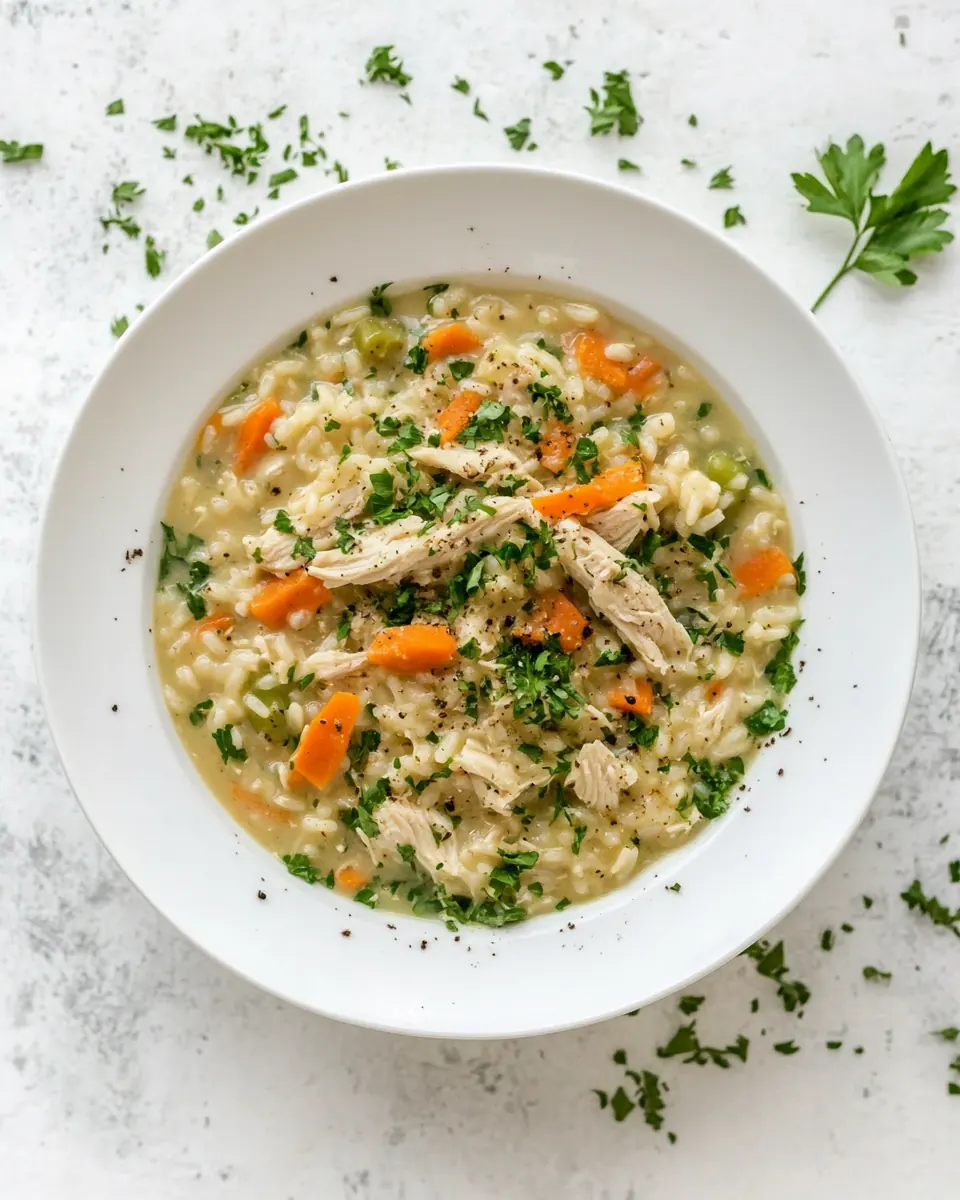
Chicken Noodle Soup Risotto
Ingredients
Equipment
Method
- Pour the chicken broth in a saucepan and cover. Heat over low heat until the broth is warm.: The warm, enveloping aroma is the first sign that the dish will sing; you want the chicken broth gently steaming rather than boiling so each ladle added to the rice keeps the cooking temperature steady. A constant gentle heat helps the rice release starch slowly, producing a glossy, creamy texture. A common mistake is adding cold stock which shocks the rice and lengthens cooking, so always heat the broth first.
- Melt the butter and the olive oil in a large pot. Add the onions and garlic with a big pinch of salt and pepper. Stir in the rice. Cook, stirring often, until the rice is translucent and toasty, about 5 minutes.: You will notice a soft sizzle and a sheen forming in the pot as the fats melt together; this blend guards against burning and provides a silky base for flavor development. The balanced fat helps the onion and garlic soften evenly without browning too quickly. If the pot gets too hot and the aromatics brown, lower the heat to avoid bitter notes.
- Once the rice is translucent, stir in the carrots and celery. Cook for 2 minutes.: As the onion sweats, it will release sugars and perfume the kitchen; the garlic should become fragrant almost immediately. The salt draws moisture out of the onion, speeding softening and deepening sweetness. Stir frequently to prevent any garlic from sticking to the pan, because burnt garlic will impart an acrid flavor.
- Add 1 1/2 cups of the warm stock, stirring continuously, until the stock is absorbed. Repeat again with another cup of stock, stirring until absorbed. Repeat this process with another 3 to 4 cups of the stock, until the rice is creamy and al dente. You want it to appear 'hydrated' – and want there to be some liquid left in the risotto when serving. This process should take about 15 to 20 minutes.: When the grains encounter the warm fat and aromatics, they should start to look translucent at the edges and take on a toasty scent, a cue that they have begun to open up and will accept liquid well. This toasting step adds a subtle nutty note and helps each grain maintain structure during stirring. Rushing this step or skipping it can yield a less textured final result.
- Stir in the cooked chicken and parmesan cheese. Stir in the fresh parsley and lemon juice. Taste the risotto and add more salt and pepper if needed.: The gentle, almost hypnotic scraping and stirring encourages even heating and starch release, which is foundational for creamy risotto. Expect a soft sizzling sound and a gentle steam; the rice should not brown aggressively. If the rice starts to brown, lower the heat and stir more frequently to preserve a delicate flavor.
- Serve the risotto immediately. Sprinkle with extra parmesan and parsley for serving!: You will see the vegetables glisten and begin to soften; their sweetness will subtly integrate with the rice as they release moisture. This step builds layers of texture and flavor, so make sure the dice is small for even cooking. A common error is adding large chunks which will not cook through evenly with the rice.
- Cook for 2 minutes: The brief cooking time slightly softens the vegetables without making them mushy, keeping a pleasant contrast in each spoonful. Listen for a reduced sizzle and watch for a gentle shimmer on the rice surface; this means the pot is ready for the first stock addition. Overcooking here will dull the brightness of the vegetables.
- Add 1 1/2 cups of the warm stock, stirring continuously, until the stock is absorbed: As the warm chicken broth hits the pot, steam will rise and the rice will take on a glossy sheen; constant stirring helps coax out starch and creates a cohesive, velvety texture. The absorbed liquid should reduce to a thick, saucy consistency before you add more. Avoid pouring too much stock at once, which can make the rice cook unevenly and extend cooking time.
- Repeat again with another cup of stock, stirring until absorbed: Each ladleful adds depth of flavor and encourages the rice to swell gradually; you should perceive incremental softening with each addition while still retaining a slight bite. The continuous stirring smooths the surface and blends flavors evenly. A mistake here is adding the next portion too soon, when the surface is still watery, which will prevent the right texture from forming.
- Repeat this process with another 3 to 4 cups of the stock, until the rice is creamy and al dente: The pot will produce a comforting rhythm as you ladle and stir; visually the rice should be suspended in a silky, slightly loose sauce with grains that hold their shape. Aim for an al dente center so the final mouthfeel is tender yet structured. If you end up with a dry pot, reserve a bit of warm broth to loosen it—overcooking will yield a mushy texture.
- You want it to appear 'hydrated' and want there to be some liquid left in the risotto when serving: The ideal serving consistency is glossy and slightly runny around the spoon, not stiff; that residual liquid keeps the risotto luscious on the plate. If the mixture tightens too much while sitting, stir in a little warm broth to revive the creaminess. Do not refrigerate in the pot before serving as the liquid will be absorbed and the texture will change.
- This process should take about 15 to 20 minutes: During this window you will notice the aroma deepen and the rice swell; checking between additions ensures you maintain the correct pace. Timing helps predict texture, but rely on visual and textural cues rather than the clock alone. If it is taking much longer, your heat may be too low or the stock too cold.
- Stir in the cooked chicken and parmesan cheese: Introducing the warm shredded chicken and grated parmesan cheese melds protein and umami into the creamy matrix, enriching both flavor and mouthfeel. The cheese should melt smoothly and bind the risotto; if it separates or clumps, remove from heat and stir gently until integrated. Adding cold chicken can drop the temperature too quickly, so ensure it is warm.
- Stir in the fresh parsley and lemon juice: The aromatic herb will freshen the palate while the acid from the lemon juice brightens the richness, creating balance. You should smell a crisp, green lift and taste a subtle citrus snap that prevents the dish from feeling flat. Too much lemon will dominate, so add incrementally and taste.
- Taste the risotto and add more salt and pepper if needed: Final seasoning lets you correct any flatness or excessive saltiness from the broth; small adjustments here transform the bowl from good to memorable. Always taste from the pot rather than assuming, because ingredients like parmesan cheese can already contribute salt. If it tastes overly salty, a splash more warm broth or a squeeze of lemon juice can help balance.
- Serve the risotto immediately: The ideal presentation is a warm bowl with the risotto still slightly loose, garnished with extra grated parmesan cheese and chopped parsley . The heat should keep the aroma lively and the texture inviting; risotto is best enjoyed right away. Holding it too long will cause it to tighten and lose its silky mouthfeel.
- Sprinkle with extra parmesan and parsley for serving: The final sprinkle adds brightness and an appealing visual contrast, plus an extra hit of umami from the parmesan cheese . Serve straight away so those garnishes remain fresh and fragrant. Avoid pre-garnishing if you need to reheat later, as the herb will wilt and the cheese may clump.
Notes
- Warm your broth: Always keep the chicken broth warm on the stove so each addition does not lower the pot temperature. Cold stock shocks the rice and lengthens cooking, which can result in unevenly cooked grains.
- Toast the rice gently: Toasting the rice with the aromatics for a few minutes adds a subtle nutty flavor and helps the grains hold texture. If you skip toasting, the risotto may become softer and less structured.
- Control the heat: Maintain medium low heat during the ladling process so the pot simmers gently; too high a heat will evaporate the liquid too fast and risk undercooked centers.
- Finish off heat: Remove the pot from direct heat when you stir in the parmesan cheese and chicken to prevent the cheese separating and to preserve a silky finish.
- Adjust consistency with reserved broth: If the risotto tightens as it sits, stir in a little warm broth to revive creaminess before serving. Avoid cold liquids which will firm up the texture.