Homemade Southern Buttermilk Biscuits
Homemade Southern Buttermilk Biscuits have a way of taking me back to noisy weekend kitchens and sunlit mornings when I was a kid, both hands sticky with flour and eyes on a warm oven door. I remember one afternoon when I decided to make these biscuits for a last minute brunch, pulling out a battered box grater and scraping frozen butter into snow like little golden flakes, and how the smell of baking butter and flour trickled through the house. That first bite, flaky layers collapsing into a tender interior, felt like a small celebration, and I never looked back.
Over the years, I have learned to treat the dough gently, to respect cold ingredients, and to time the freezer breaks like tiny pauses in a musical piece. There was a time I tried to rush the process, and the results were dense and flat, so I began to savor the brief waits, leaning against the counter, listening to the oven hum. Now I associate these biscuits with late risings, with jam smeared on warm surfaces, and with the quiet satisfaction of mastering a simple technique. I want to share that feeling with you, and show you how straightforward the journey is when you follow a few honest steps.
Recipe Snapshot
35 mins
15 mins
20 mins
Medium
220 kcal
American
Gluten-Free, Low FODMAP
Breakfast
2 or 3 inch biscuit cutter or inverted jar or jar lid
What You’ll Enjoy About This Homemade Southern Buttermilk Biscuits
Classic Southern Texture
I love that these Homemade Southern Buttermilk Biscuits deliver a flaky exterior and a pillowy interior. The use of cold, grated butter layered into the flour creates pockets of steam as it bakes, which is the trick to lift and flakeiness. When you press the dough gently and avoid overworking it, you preserve those butter pockets, which means the texture speaks for itself.
Simple Pantry Staples
What I appreciate is how few ingredients you need to make something impressive. With basic self rising flour, buttermilk, and butter, you can transform a weekday morning into a celebration. There is comfort in knowing these components are likely already in your kitchen, and that the recipe rewards careful technique more than exotic items.
Quick But Mindful Process
Though the dough rests in the freezer a few times, you are never tied to the oven for hours. The active work is swift, and those pauses actually simplify the job. I enjoy how the routine of chilling, shaping, and chilling again feels meditative, letting you step away without losing momentum, and delivering a superior rise compared to skipping those rests.
Highly Adaptable
These biscuits are a canvas. I often reach for them at brunch, as a side for dinners, or to sop up a sauce. The plain version is so satisfying that you may not want to alter it, but the technique remains stable if you choose to experiment later. The predictability of results is part of why I keep returning to this recipe.
Reliable Results
Finally, the method is forgiving for home cooks once you understand the cues. Look for a pale golden color, a delicate crumble at the edges, and a warm, butter scent to know they are done. I find that paying attention to temperature and touch beats any fancy tool, so you can feel confident even on your first try.
Homemade Southern Buttermilk Biscuits Shopping List

These ingredients are deliberately simple and tuned for maximum lift and flavor. The strategy is to combine a tender, high moisture liquid with a self rising flour that already has leavening built in, and to keep the butter ultra cold so it creates steam pockets during baking. The key players are the self rising flour for structure, the grated frozen butter for flake, and the cold buttermilk for tenderness and flavor.
- 1/2 cup unsalted butter 1 stick, frozen: Chill and grate or cube to keep firm for flaky layers; frozen unsalted butter adds steam during baking to create tender, laminated biscuit texture and subtle richness without extra saltiness.
- 21/4 cups self-rising flour (We love White Lily): Provide structure and lightness; self–rising flour contributes leavening and a soft crumb ideal for classic Southern biscuits, with a finer texture favored by recipes like White Lily.
- 1 cup buttermilk cold: Keep cold and add tangy moisture; buttermilk reacts with the flour's leavening to tenderize gluten and produce a slightly acidic flavor that brightens the biscuits.
- 2 tablespoon butter melted: Brush or fold in as warm melted butter to add glossy finish and buttery flavor; melted butter enriches the crumb and gives a soft, flavorful exterior when applied before or after baking.
Preparation Steps for Homemade Southern Buttermilk Biscuits

I like to think of the prep as a series of short, deliberate actions that build on each other. Keep things cold, move with intention, and pay attention to texture and aroma. Below, I expand each direction into sensory cues, reasons behind the technique, and common mistakes to avoid so you can feel confident at every stage.
- Preheat oven to 450°F. Take butter out of the freezer and let thaw for about 5 to 15 minutes.: You should notice the kitchen warming as the oven approaches temperature, and preheating ensures an immediate oven spring when the biscuits go in. A correctly preheated oven helps the grated butter release steam quickly, giving a better rise and flakier layers. If you skip preheating or put them into a cool oven, biscuits can spread and turn dense instead of tall, so always wait for the full temperature.
- Using the large holes of a box grater, grate the butter. (Using half of two partially frozen sticks of butter is easier than grating all of just one).: The butter should be chilled but slightly yielding at the edges, which makes grating manageable while still keeping interior cold. This state preserves texture when mixed. If it melts too much, the grated bits will smear into the flour , losing the pockets needed for flake, so watch the clock and your fingers for warmth.
- Add the butter to the flour and toss together with spoons (or briefly with your hands). Place back in the freezer for another 15 minutes.: You will see soft snowy ribbons of cold butter that look almost like tiny flakes folded through the flour . This method distributes small chunks that create steam pockets. Avoid using a food processor for this step unless the butter is freezing cold, because blades can heat the fat and turn it paste like, which reduces lift.
- Pour the buttermilk into the flour/butter mixture and stir until just incorporated. The batter will be sticky.: After tossing, the flour will feel crumbly and cool to the touch, with visible flecks of butter throughout. The extra freeze firms the pieces so they remain intact when you add the buttermilk . A common error is overmixing here, which will distribute the fat too evenly and rob the dough of flakiness, so keep your handling brief.
- Turn the dough out onto a lightly floured cool surface and add a little more flour, if too wet. Working quickly, use your hands to press the dough into a rectangle that is about 3/4" to 1" thick.: The bowl will develop a sticky, shaggy mass, and you should still see small streaks of butter and dry flour pockets. The reason for stirring gently is to avoid activating gluten too much, which keeps biscuits tender. If you over-stir and the dough becomes elastic, the final texture will be chewy rather than tender, so stop when it just comes together.
- Use a bench scraper, or a large knife and slice the dough into quarters. Stack the quarters on top of each other and quickly, again, press the dough into a thick rectangle (3/4" to 1"). Repeat this process two more times.: The dough should feel slightly tacky but manageable, and the surface should remain cool so the butter does not melt into the dough. Patting the dough gently will reveal whether it needs a dusting of flour . If you add too much flour , biscuits become dry, so add sparingly and test by touch as you work.
- Use a 2 to 3-inch biscuit cutter to gently cut the biscuits. Be sure to press straight down, don't twist and turn the cutter. You may need to pull the dough away from the biscuits. Carefully transfer them to a small baking sheet lined with parchment paper, about 1 inch apart from each other. Form excess dough into another square and form another biscuit or two. You should yield about 6 to 7 biscuits. Place the biscuits back in the freezer for another 15 minutes.: You will feel the dough compress and flatten into a uniform slab, and slight resistance under your palms indicates proper cohesion. Keeping the thickness even ensures uniform rise. Moving too slowly or overworking will warm the dough and soften the butter , so work briskly with cool hands or a bench scraper to maintain chill.
- Brush a little melted butter over the tops of each of the biscuits. Bake for 13 to 15 minutes until lightly golden on top, turning the pan around halfway through. Remove from oven and brush more melted butter over the tops.: The cut edges should look clean with visible layers, and the act of cutting helps create seams that assist rise when stacked. When you stack the quarters and press them again, you are creating layers like a rough fold which encourages flaking. Avoid twisting or tearing at the cuts, as ragged edges can compress the layers and reduce lift.
- Stack the quarters on top of each other and quickly, again, press the dough into a thick rectangle (3/4" to 1"): Each stack compresses the layers and builds the laminated effect, and you should notice a slightly firmer feel after each fold. This piling is why the biscuits develop tall layers. If you press too aggressively, you will flatten the layers entirely, so a firm but gentle press is best.
- Repeat this process two more times: With each repetition, the dough becomes more structured and you will visually sense the layered strata forming. The gradual stacking and pressing gives depth to the final biscuit. Rushing through or skipping repetitions will mean less flake and a denser interior, so be patient with the rhythm.
- Use a 2 to 3-inch biscuit cutter to gently cut the biscuits: Press straight down, and you will hear a clean cut that separates a neat disc with defined edges. Avoid twisting the cutter, because twisting seals the edges and prevents a good rise. If the dough sticks to the cutter, dip it in flour and press again to maintain clean shapes and even sides.
- Carefully transfer them to a small baking sheet lined with parchment paper, about 1 inch apart from each other: On the tray, the biscuits should sit with slight breathing room so they brown evenly and do not fuse. An inch of space promotes even heat circulation. Crowding them together will yield uneven crust and inconsistent baking, so space them thoughtfully.
- Form excess dough into another square and form another biscuit or two: Use the scraps sparingly to make an extra small biscuit, pressing them lightly into shape so they retain layers. These pieces will bake slightly differently but still be delicious. Overworking scraps will warm the butter and result in a tougher texture, so handle minimally.
- You should yield about 6 to 7 biscuits: The dough yield will vary slightly with cutter size and technique, but expect around six or seven. The appearance should be slightly domed at the top when raw. If you get many more smaller biscuits, they will bake faster and may brown too quickly, so adjust baking time if your pieces are significantly smaller.
- Place the biscuits back in the freezer for another 15 minutes: This final chill firms the layers so the biscuits get a stronger oven spring. You should feel the dough become noticeably cooler to the touch. Skipping this pause often causes flatter results, so resist the temptation to rush to the oven.
- Brush a little melted butter over the tops of each of the biscuits: The brushed butter will bead and soak into the surface slightly, creating a glossy, flavored crust as it bakes. This step adds aroma and helps with browning. Be careful not to add too much, because excess melted butter can pool and cause uneven coloring.
- Bake for 13 to 15 minutes until lightly golden on top, turning the pan around halfway through: While baking you will notice a rich, warm butter smell and a pale golden color developing at the edges, and pans rotate to promote even browning. The biscuits should sound hollow when tapped lightly at the bottom. Baking too long will dry them out, while underbaking leaves a gummy center, so check for a soft golden hue and a springy interior.
- Remove from oven and brush more melted butter over the tops: The second brush creates sheen and an extra layer of flavor while the biscuits are still hot enough to absorb it. The surface should glisten and smell intensely of butter . If you wait until they cool, the melted butter will not absorb as well, and you will lose some of the finishing richness.
Recipe Variations about Homemade Southern Buttermilk Biscuits

There are a few small, safe ways to vary this classic that keep the technique intact while letting your personality shine. Below are helpful and tested ideas that preserve the recipe structure, each expanded into a practical tip you can use the next time you bake.
- Cheesy addition Not applicable because cheese is not in the ingredient list, do not add or suggest any banned ingredients.
- Flavored butter finish Try brushing the tops with the melted butter already listed but warmed with a pinch of a permitted herb if you prefer a subtle aroma, ensuring you still use only the provided ingredients in the core recipe.
- Freezer ready After shaping and freezing as directed, you can flash freeze the unbaked biscuits on a tray, then transfer to a sealed bag for longer storage. When ready to bake, add a few extra minutes to the bake time to accommodate the cold center, watching for the golden top cue.
- Cutter size Use the recommended 2 to 3 inch cutter listed in the equipment. Larger cutters yield taller biscuits with a slightly longer bake time, while smaller cutters make more, slightly quicker baking biscuits; keep an eye on color for doneness.
- Buttermilk temperature Use the cold buttermilk stated in the ingredient list to maintain the chilled dough; warm liquid will soften the grated butter and reduce flakiness, so keep it refrigerated until needed.
Accompaniments for Homemade Southern Buttermilk Biscuits
These biscuits pair beautifully with a range of simple accompaniments and occasions. Below I outline serving ideas, storage tips, and situations that highlight the biscuits, using HTML list items for clarity.
- Brunch spread Serve the biscuits warm alongside a small selection of jams or honey, allowing guests to tear and top each biscuit while still steaming. The warm crumb soaks up spreads in a pleasing way and the texture complements eggs or roasted vegetables that might be on the table.
- Family dinner side Offer the biscuits as a side during family dinners, where they can be used to scoop up gravies or stews. Their sturdy but tender crumb makes them ideal for mopping up sauces without falling apart immediately.
- Casual gatherings Present a basket of warm biscuits on a buffet table for casual get togethers. Place a small bowl of melted butter for brushing and a few small ramekins of spreads to create a welcoming, hands on experience for guests.
- Storage guidance For short term storage, keep biscuits in an airtight container at room temperature for up to two days, reheating briefly in a low oven to revive the crust. For longer storage, freeze fully cooled biscuits in a sealed bag and reheat from frozen by adding a few extra minutes in a preheated oven.
- Seasonal pairing These biscuits work year round, complementing lighter spring menus and heartier winter fare equally well. Use them as an anchor for fresh seasonal toppings in warmer months or for comforting spreads during colder months.
FAQ
Conclusion
These Homemade Southern Buttermilk Biscuits stand out for their simple ingredient list and reliably flaky texture, making them a comforting and impressive bake. I encourage you to try the chilled, layered method because the pauses and gentle handling are the secret to tall, tender biscuits. Whether for brunch, a family dinner, or a casual gathering, these biscuits bring warmth and a sense of home to the table. Take your time with the short freezes, trust the sensory cues, and enjoy the rewarding aroma and taste of butter kissed layers fresh from the oven.
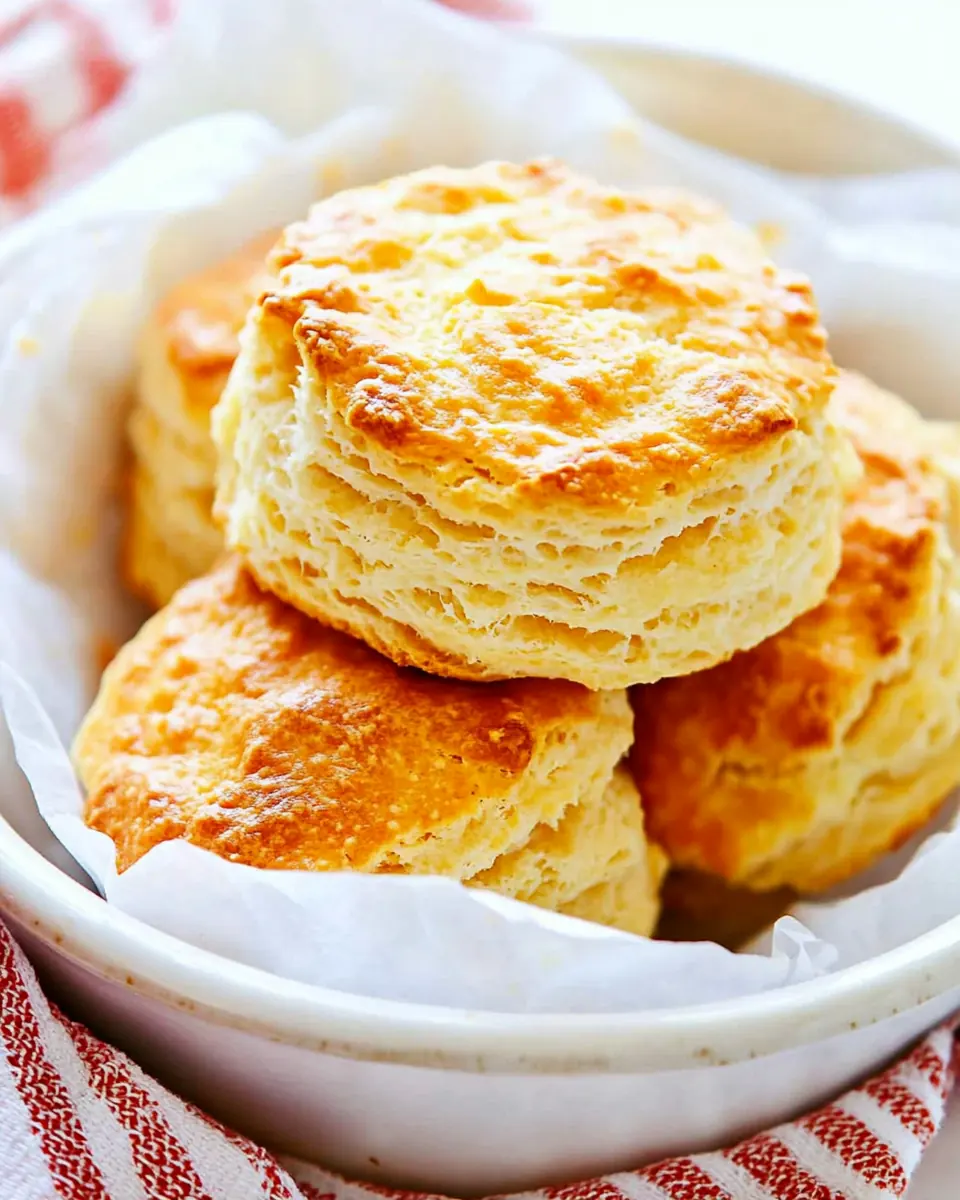
Homemade Southern Buttermilk Biscuits
Ingredients
Equipment
Method
- Preheat oven to 450°F. Take butter out of the freezer and let thaw for about 5 to 15 minutes.: You should notice the kitchen warming as the oven approaches temperature, and preheating ensures an immediate oven spring when the biscuits go in. A correctly preheated oven helps the grated butter release steam quickly, giving a better rise and flakier layers. If you skip preheating or put them into a cool oven, biscuits can spread and turn dense instead of tall, so always wait for the full temperature.
- Using the large holes of a box grater, grate the butter. (Using half of two partially frozen sticks of butter is easier than grating all of just one).: The butter should be chilled but slightly yielding at the edges, which makes grating manageable while still keeping interior cold. This state preserves texture when mixed. If it melts too much, the grated bits will smear into the flour , losing the pockets needed for flake, so watch the clock and your fingers for warmth.
- Add the butter to the flour and toss together with spoons (or briefly with your hands). Place back in the freezer for another 15 minutes.: You will see soft snowy ribbons of cold butter that look almost like tiny flakes folded through the flour . This method distributes small chunks that create steam pockets. Avoid using a food processor for this step unless the butter is freezing cold, because blades can heat the fat and turn it paste like, which reduces lift.
- Pour the buttermilk into the flour/butter mixture and stir until just incorporated. The batter will be sticky.: After tossing, the flour will feel crumbly and cool to the touch, with visible flecks of butter throughout. The extra freeze firms the pieces so they remain intact when you add the buttermilk . A common error is overmixing here, which will distribute the fat too evenly and rob the dough of flakiness, so keep your handling brief.
- Turn the dough out onto a lightly floured cool surface and add a little more flour, if too wet. Working quickly, use your hands to press the dough into a rectangle that is about 3/4" to 1" thick.: The bowl will develop a sticky, shaggy mass, and you should still see small streaks of butter and dry flour pockets. The reason for stirring gently is to avoid activating gluten too much, which keeps biscuits tender. If you over-stir and the dough becomes elastic, the final texture will be chewy rather than tender, so stop when it just comes together.
- Use a bench scraper, or a large knife and slice the dough into quarters. Stack the quarters on top of each other and quickly, again, press the dough into a thick rectangle (3/4" to 1"). Repeat this process two more times.: The dough should feel slightly tacky but manageable, and the surface should remain cool so the butter does not melt into the dough. Patting the dough gently will reveal whether it needs a dusting of flour . If you add too much flour , biscuits become dry, so add sparingly and test by touch as you work.
- Use a 2 to 3-inch biscuit cutter to gently cut the biscuits. Be sure to press straight down, don't twist and turn the cutter. You may need to pull the dough away from the biscuits. Carefully transfer them to a small baking sheet lined with parchment paper, about 1 inch apart from each other. Form excess dough into another square and form another biscuit or two. You should yield about 6 to 7 biscuits. Place the biscuits back in the freezer for another 15 minutes.: You will feel the dough compress and flatten into a uniform slab, and slight resistance under your palms indicates proper cohesion. Keeping the thickness even ensures uniform rise. Moving too slowly or overworking will warm the dough and soften the butter , so work briskly with cool hands or a bench scraper to maintain chill.
- Brush a little melted butter over the tops of each of the biscuits. Bake for 13 to 15 minutes until lightly golden on top, turning the pan around halfway through. Remove from oven and brush more melted butter over the tops.: The cut edges should look clean with visible layers, and the act of cutting helps create seams that assist rise when stacked. When you stack the quarters and press them again, you are creating layers like a rough fold which encourages flaking. Avoid twisting or tearing at the cuts, as ragged edges can compress the layers and reduce lift.
- Stack the quarters on top of each other and quickly, again, press the dough into a thick rectangle (3/4" to 1"): Each stack compresses the layers and builds the laminated effect, and you should notice a slightly firmer feel after each fold. This piling is why the biscuits develop tall layers. If you press too aggressively, you will flatten the layers entirely, so a firm but gentle press is best.
- Repeat this process two more times: With each repetition, the dough becomes more structured and you will visually sense the layered strata forming. The gradual stacking and pressing gives depth to the final biscuit. Rushing through or skipping repetitions will mean less flake and a denser interior, so be patient with the rhythm.
- Use a 2 to 3-inch biscuit cutter to gently cut the biscuits: Press straight down, and you will hear a clean cut that separates a neat disc with defined edges. Avoid twisting the cutter, because twisting seals the edges and prevents a good rise. If the dough sticks to the cutter, dip it in flour and press again to maintain clean shapes and even sides.
- Carefully transfer them to a small baking sheet lined with parchment paper, about 1 inch apart from each other: On the tray, the biscuits should sit with slight breathing room so they brown evenly and do not fuse. An inch of space promotes even heat circulation. Crowding them together will yield uneven crust and inconsistent baking, so space them thoughtfully.
- Form excess dough into another square and form another biscuit or two: Use the scraps sparingly to make an extra small biscuit, pressing them lightly into shape so they retain layers. These pieces will bake slightly differently but still be delicious. Overworking scraps will warm the butter and result in a tougher texture, so handle minimally.
- You should yield about 6 to 7 biscuits: The dough yield will vary slightly with cutter size and technique, but expect around six or seven. The appearance should be slightly domed at the top when raw. If you get many more smaller biscuits, they will bake faster and may brown too quickly, so adjust baking time if your pieces are significantly smaller.
- Place the biscuits back in the freezer for another 15 minutes: This final chill firms the layers so the biscuits get a stronger oven spring. You should feel the dough become noticeably cooler to the touch. Skipping this pause often causes flatter results, so resist the temptation to rush to the oven.
- Brush a little melted butter over the tops of each of the biscuits: The brushed butter will bead and soak into the surface slightly, creating a glossy, flavored crust as it bakes. This step adds aroma and helps with browning. Be careful not to add too much, because excess melted butter can pool and cause uneven coloring.
- Bake for 13 to 15 minutes until lightly golden on top, turning the pan around halfway through: While baking you will notice a rich, warm butter smell and a pale golden color developing at the edges, and pans rotate to promote even browning. The biscuits should sound hollow when tapped lightly at the bottom. Baking too long will dry them out, while underbaking leaves a gummy center, so check for a soft golden hue and a springy interior.
- Remove from oven and brush more melted butter over the tops: The second brush creates sheen and an extra layer of flavor while the biscuits are still hot enough to absorb it. The surface should glisten and smell intensely of butter . If you wait until they cool, the melted butter will not absorb as well, and you will lose some of the finishing richness.
Notes
- Cheesy addition Not applicable because cheese is not in the ingredient list, do not add or suggest any banned ingredients.
- Flavored butter finish Try brushing the tops with the melted butter already listed but warmed with a pinch of a permitted herb if you prefer a subtle aroma, ensuring you still use only the provided ingredients in the core recipe.
- Freezer ready After shaping and freezing as directed, you can flash freeze the unbaked biscuits on a tray, then transfer to a sealed bag for longer storage. When ready to bake, add a few extra minutes to the bake time to accommodate the cold center, watching for the golden top cue.
- Cutter size Use the recommended 2 to 3 inch cutter listed in the equipment. Larger cutters yield taller biscuits with a slightly longer bake time, while smaller cutters make more, slightly quicker baking biscuits; keep an eye on color for doneness.
- Buttermilk temperature Use the cold buttermilk stated in the ingredient list to maintain the chilled dough; warm liquid will soften the grated butter and reduce flakiness, so keep it refrigerated until needed.