Lemon Blueberry Loaf Cake
Lemon Blueberry Loaf Cake is the kind of loaf I reach for when I want a sweet slice that tastes like sunlit mornings and backyard breezes. The first time I baked this loaf, I was juggling a fussy toddler and a too-full inbox, yet the bright scent of lemon zest and the soft pop of blueberries in the batter made everything feel manageable. I remember rubbing the lemon zest between my fingers and stopping mid-task just to breathe it in, a tiny pleasure that steadied my day.
Another time I made this Lemon Blueberry Loaf Cake for a neighbor who had just moved in. We sat on her front steps with paper plates, and the loaf somehow smoothed the edges of awkward introductions. The crumb was tender, the glaze just tangy enough to cut through the sweetness, and the blueberries offered little bursts of juiciness in every bite. It was comfort and hospitality wrapped in a single loaf.
Over the years I refined the method so the texture stayed consistent whether I used fresh or frozen blueberries, and I learned that the little rituals matter: zesting the lemon slowly, rubbing it with the granulated sugar, and folding the blueberries gently so they don’t bleed. When you slice this Lemon Blueberry Loaf Cake warm, the glaze sinks into the crumb just enough to make the edges tender without making the center soggy. That balance is the trick I love to chase.
Recipe Snapshot
1 hr 20 mins
10 mins
70 mins
Medium
250 kcal
American
Gluten-Free, Low FODMAP
Desserts
Loaf pan, Mixing bowls, Whisk, Spatula, Wire rack
Why You Need This Lemon Blueberry Loaf Cake
Bright, Balanced Flavor
I love how Lemon Blueberry Loaf Cake layers bright citrus with sweet berries, creating a balanced bite that never feels cloying. The lemon zest and juice give an aromatic lift, while the blueberries add intermittent sweetness and moisture, so every slice keeps you interested.
Simple Ingredients, Big Impact
This loaf relies on pantry-friendly items like all purpose flour, granulated sugar, and vegetable oil, yet produces bakery quality results. I appreciate recipes that let technique shine, not exotic items, which makes this one perfect for quick weekend baking or a last minute gathering.
Versatile for Occasions
From casual coffee mornings to a thoughtful neighbor gift, Lemon Blueberry Loaf Cake fits many roles. It slices well, travels easily, and doesn’t demand elaborate plating, which is why I reach for it when I want something comforting but polished.
Reliably Tender Texture
The use of buttermilk and vegetable oil keeps the crumb moist and tender, so the loaf stays enjoyable for days. I’ve learned small steps, like not overmixing the batter and pounding the pan to settle air bubbles, that make the texture consistent every time.
Quick to Dress Up
A simple glaze of powdered sugar and lemon juice transforms the loaf into something special without adding much hands on time. I adore that finishing touch because it gives a professional look with minimal effort.
Ingredients Overview for Lemon Blueberry Loaf Cake
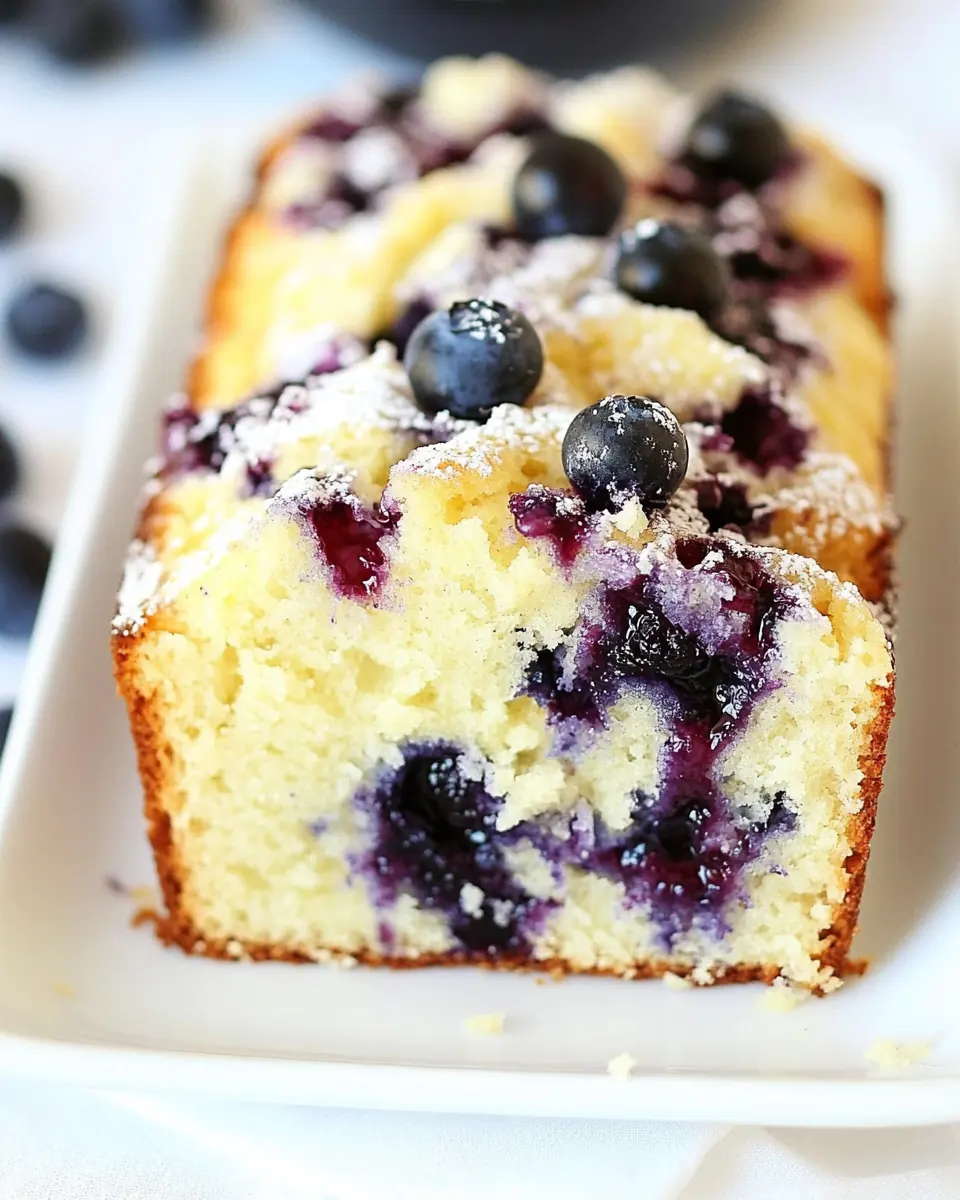
I think of this loaf as a study in harmony, where a few key players carry the whole show. The dry trio of flour, baking powder, and salt provide structure and lift. The wet team, led by buttermilk, vegetable oil, and eggs, bring moisture and richness. Finally, the bright notes from lemon and the bursts of blueberries create personality, and the glaze ties everything together.
- 1 1/2 cups all-purpose flour: Provide structure and bulk to the loaf by forming the cake’s crumb; sifts easily when aerated and combines with leaveners to create a tender texture. Balances moisture by absorbing liquids and helps achieve proper sliceability once baked.
- 1/2 teaspoons salt: Enhance overall flavor by bringing a subtle savory contrast that highlights sweetness and bright notes; also helps strengthen gluten slightly for better crumb cohesion. Control small amounts carefully to avoid overpowering the cake’s delicate lemon profile.
- 1 teaspoon baking powder: Leaven the batter by producing carbon dioxide when reacting with wet ingredients and heat; contributes to lift and a light, airy crumb in the loaf. Ensure even distribution within the flour to promote uniform rising during baking.
- 1 cup granulated sugar: Sweeten and tenderize the loaf by caramelizing slightly during baking to add depth of flavor; creamed with eggs and oil, granulated sugar helps incorporate air for a light texture. Regulates moisture and enhances browning on the crust for an appealing exterior.
- 2 tablespoons lemon zest: Concentrate and intensify lemon aroma and zestiness throughout the cake; oils released from the zest provide bright citrus flavor without adding extra acidity. Folded into batter early, zest disperses flavor evenly in each slice.
- 3/4 cup buttermilk: Add tangy moisture and acidity that reacts with leavening agents to help the loaf rise; contributes to a tender, soft crumb and subtle buttermilk flavor. Thin consistency makes it easy to incorporate and balances richness from the oil and eggs.
- 1/2 cup vegetable oil, canola, or coconut oil: Provide fat for moistness, tenderness, and richness while promoting a soft, slightly dense crumb; neutral oils keep flavors balanced and allow the lemon and blueberry notes to shine. Mixes smoothly into batter for uniform texture and improved shelf life.
- 2 large eggs slightly beaten: Bind ingredients together and add structure through coagulation when heated, delivering lift and a richer mouthfeel; slightly beaten eggs help trap air for lightness while adding color. Combine gently to avoid overworking batter and maintain tenderness.
- 1 tablespoon fresh lemon juice: Add a clean, sharp citrus acidity to brighten flavor and complement the lemon zest; fresh juice integrates with other wet ingredients to enhance overall lemon character. Use sparingly to maintain balance and avoid thinning the batter excessively.
- 1 teaspoon vanilla extract: Impart warm, sweet aromatic notes that deepen overall flavor complexity and complement lemon and blueberry; vanilla rounds flavors and smooths edges of acidity and sweetness. Add with wet ingredients to ensure even distribution throughout the batter.
- 1 cup fresh or frozen blueberries: Contribute bursts of fruity flavor, juiciness, and texture contrast while adding visual appeal to slices; folding blueberries in gently prevents color bleed and preserves shape. If using frozen berries, fold them in straight from frozen to minimize crushing and color bleed.
- 1 cup powdered sugar: Sweeten and thicken a simple lemon glaze that can be drizzled over the cooled loaf to add shiny sweetness and extra lemon flavor; powdered sugar dissolves smoothly for a silky finish. Adjust consistency with small amounts of liquid to achieve desired glaze thickness.
- 2 tablespoons fresh lemon juice: Provide concentrated lemon flavor and bright acidity for the glaze, balancing the powdered sugar’s sweetness; fresh juice creates a glossy, tangy topping that enhances the cake’s citrus profile. Add gradually to reach the right pourable consistency without thinning too much.
Lemon Blueberry Loaf Cake Instructions
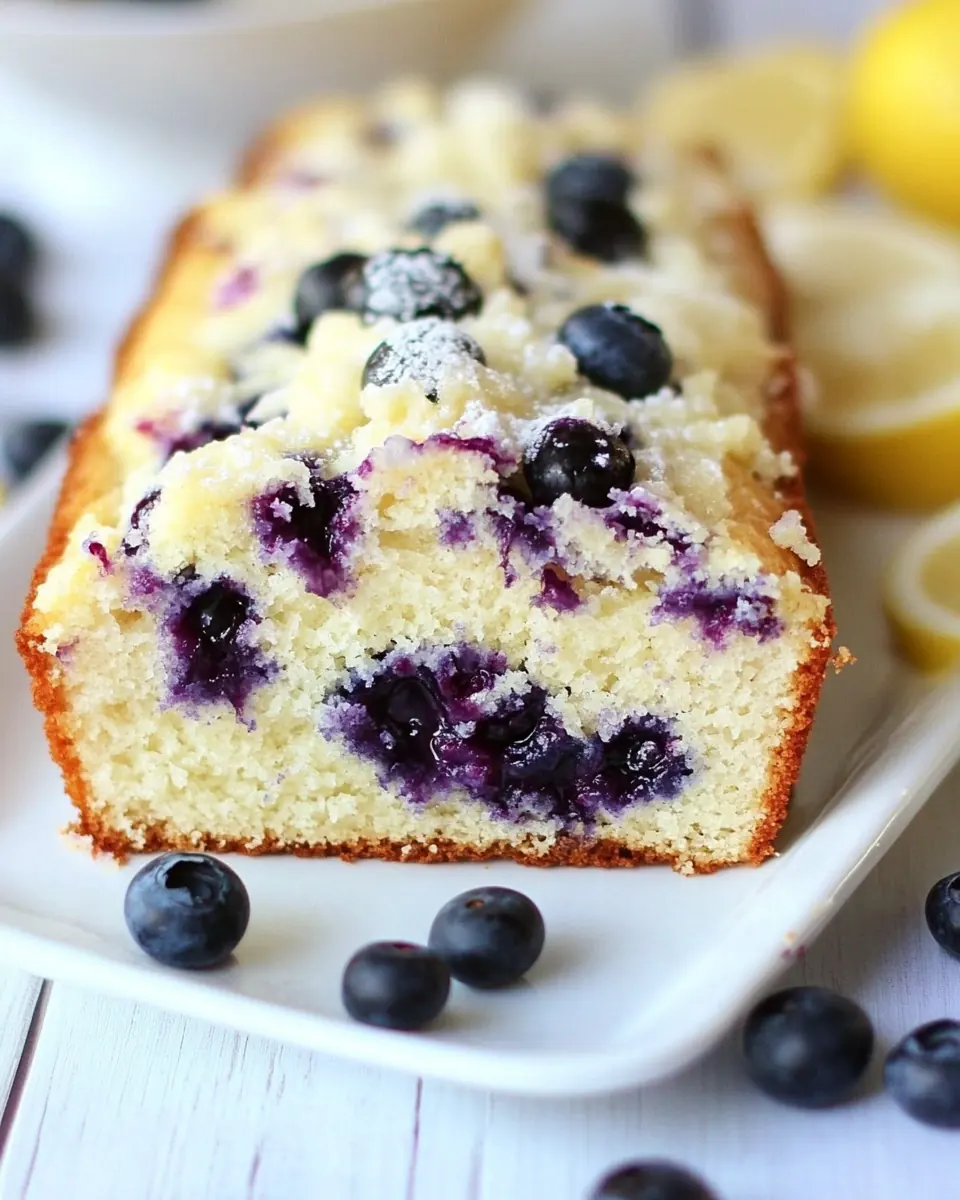
I like to approach baking like a small, steady ritual, and this loaf rewards calm, deliberate steps. Gather your measured ingredients and pans first so you can focus on texture and aroma as you go.
- Preheat oven to 350° F. Spray an 8 1/2 x 4 1/2 loaf pan with cooking spray and set aside.: The moment your oven reaches 350° F you will smell a subtle warmth from the heating elements, which ensures the batter begins rising immediately when it goes in. This temperature encourages even browning without drying the loaf. A common mistake is placing the pan in a not fully preheated oven, which can cause uneven rise, so always confirm the temperature first.
- In a large bowl, whisk together the flour, salt, and baking powder. In a small bowl, combine sugar and lemon zest. Rub together with your fingers until fragrant. Whisk into the flour mixture. Set aside.: Coating the pan shields the loaf from sticking and helps create clean edges once cooled. I prefer spraying all corners and letting the spray settle so the batter slides free. Avoiding greasing can make removal painful, so do not skip this step.
- In a separate medium bowl, combine the buttermilk, oil, eggs, lemon juice, and vanilla extract.: As you whisk, the dry mix will take on a uniform, pale look and a faint flour dust will rise, indicating air has been incorporated for lift. Thorough mixing prevents pockets of leavening or salt that create odd texture. A common oversight is measuring flour too compacted, which yields a heavy loaf, so fluff and spoon the flour into the cup before measuring.
- Slowly add the wet ingredients to the dry ingredients. Stir until combined. Gently stir in the blueberries. Pour batter into prepared loaf pan. Pound on the counter so the loaf cake is evenly set in the pan.: Rubbing the lemon zest into the granulated sugar releases fragrant citrus oils and perfumes the sugar, creating a bright background note. You will notice the sugar become slightly damp and aromatic. Do not skip the rubbing, it is an easy flavor multiplier.
- Bake for 60-70 minutes, or until a toothpick comes out clean. Place the loaf on a cooling rack and cool for 15 minutes. Loosen the sides of the loaf cake with a knife. Carefully remove loaf from the pan. Let cool completely on wire rack.: The tactile action warms the zest slightly and marries it to the sugar, producing a citrus scented sugar that lifts the whole loaf. If you rush this, you lose aromatic intensity, so take a few extra seconds to really rub the zest.
- While the loaf cake is cooling, make the lemon glaze. In a small bowl, whisk together powdered sugar and lemon juice. Drizzle the glaze over the cooled loaf cake. Cut into slices and serve.: When the lemon scented sugar joins the dry mix, the bowl will smell citrusy and look evenly distributed. This integration ensures the lemon flavor is present throughout without wet pockets. Overworking the dry mix here is harmless, but be sure it is even.
- Note – if the cake isn't done and the top is browning too much, drape a piece of aluminum foil over the top and finish baking until a toothpick comes out clean.: Letting the dry mix rest briefly gives you a moment to assemble wet ingredients and prevents haste. I often use this pause to wipe down counters and preheat any utensils, reducing frantic multitasking later. Skipping this kind of organization can cause missed ingredients or rushed mixing.
- In a separate medium bowl, combine the buttermilk, oil, eggs, lemon juice, and vanilla extract: As you whisk these, the mixture will look silky and slightly frothy, with a glossy sheen from the vegetable oil . The buttermilk adds tang and helps tenderize the crumb, while the eggs emulsify the liquids so the batter holds together. A common issue is adding cold eggs straight from the fridge, which can chill the batter and affect rise, so bring eggs to near room temperature when possible.
- Slowly add the wet ingredients to the dry ingredients: Pouring gradually helps the batter come together smoothly without lumps, and you will notice the texture becoming glossy and cohesive. This gentle approach prevents overmixing, which would develop gluten and toughen the loaf, so stop when the dry streaks disappear.
- Stir until combined: When the batter reaches a uniform pale yellow, it should be thick but pourable. Overstirring will create a dense crumb, and understirring leaves pockets of flour, so aim for a cohesive batter with no visible dry bits. A spatula is your friend here for controlled folding.
- Gently stir in the blueberries: Folding in the blueberries should be done with care to avoid crushing them and turning the batter purple. You will see jewel like fruits suspended in the batter, signaling even distribution. A frequent mistake is dumping frozen berries in all at once, which can cool the batter and cause uneven color, so toss frozen berries in flour first if using them.
- Pour batter into prepared loaf pan: The batter will slide into the pan in a thick, velvety ribbon and level itself slightly. Tap the pan to settle air pockets and ensure an even top. If you overfill the pan, the loaf can spill and bake unevenly, so stop at the recommended pan capacity.
- Pound on the counter so the loaf cake is evenly set in the pan: A firm tap removes trapped air and helps the batter settle to the same height, which leads to uniform baking and a neat dome. You may hear a soft thud and see minor ripples calm out. Skipping this can leave large air pockets and a rough top crust.
- Bake for 60 to 70 minutes, or until a toothpick comes out clean: As the loaf bakes, you will smell the lemon and sugar caramelizing, and the top will turn a warm golden brown. The internal temperature and the toothpick test confirm doneness; the center should spring back slightly. If you pull it out too early, the center may be gummy, so confirm with a clean toothpick or a gentle press.
- Place the loaf on a cooling rack and cool for 15 minutes: Cooling lets the crumb set and prevents the loaf from breaking when removed. The residual heat redistributes moisture, so the interior firms up but stays tender. Cutting too soon risks a collapsed center, so be patient during this rest.
- Loosen the sides of the loaf cake with a knife: Running a thin knife gently along the pan edges releases suction and protects the loaf from tearing. You may see steam rise slightly as the loaf settles. Forcing it out without loosening may damage the crust and ruin presentation.
- Carefully remove loaf from the pan: As you invert or lift the loaf, support it to avoid cracks. The bottom should be golden and firm. If it sticks, don’t yank it, instead run the knife again to free tight spots to keep the loaf intact.
- Let cool completely on wire rack: Full cooling allows the glaze to set properly and the crumb to stabilize, so the loaf slices cleanly. You will notice the loaf’s aroma mellowing into a homier scent as it rests. Cutting while warm can make the glaze run and the slices fall apart.
- While the loaf cake is cooling, make the lemon glaze: Whisking powdered sugar and lemon juice creates a glossy, pourable glaze that brightens the loaf. The mixture should be smooth and slightly thick, coating the back of a spoon. If it is too thin, add more powdered sugar , if too thick, add a touch more lemon juice.
- In a small bowl, whisk together powdered sugar and lemon juice: The glaze will become glossy and opaque, with a citrus tang that cuts through the sweetness. Sifting the powdered sugar first prevents lumps and yields a silky finish. Skipping sifting can leave gritty bits in the glaze.
- Drizzle the glaze over the cooled loaf cake: The glaze should form a delicate sheen and trail down the sides in ribbons, creating a pretty finish. Use a spoon or a small jug to control the flow and highlight the loaf’s top. Adding glaze to a warm loaf will make it run off and pool, so ensure it is fully cooled first.
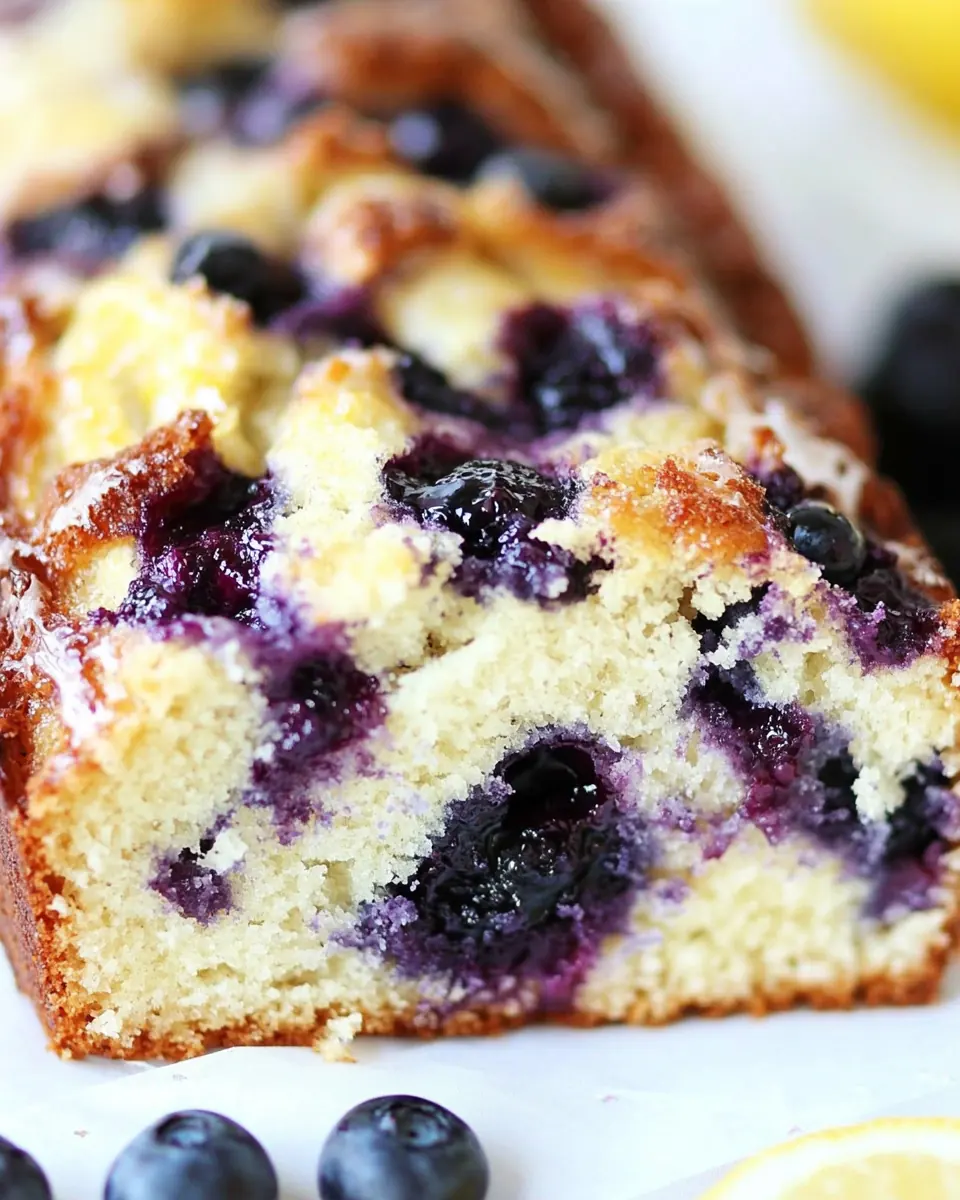
- Cut into slices and serve: Each slice will reveal a tender crumb flecked with blueberries and streaks of glaze. The texture should be moist and slightly springy, with bright citrus notes. Use a serrated knife for clean slices; a dull knife can compress the loaf and create ragged edges.
- Note if the cake isn't done and the top is browning too much, drape a piece of aluminum foil over the top and finish baking until a toothpick comes out clean: Tent foil over the loaf to shield the surface while the interior finishes baking, preventing excessive browning. You will see the top stop darkening while the center continues to set. Removing foil too early may expose the top and cause overbrowning, so keep it in place until the toothpick test passes.
Customization Ideas
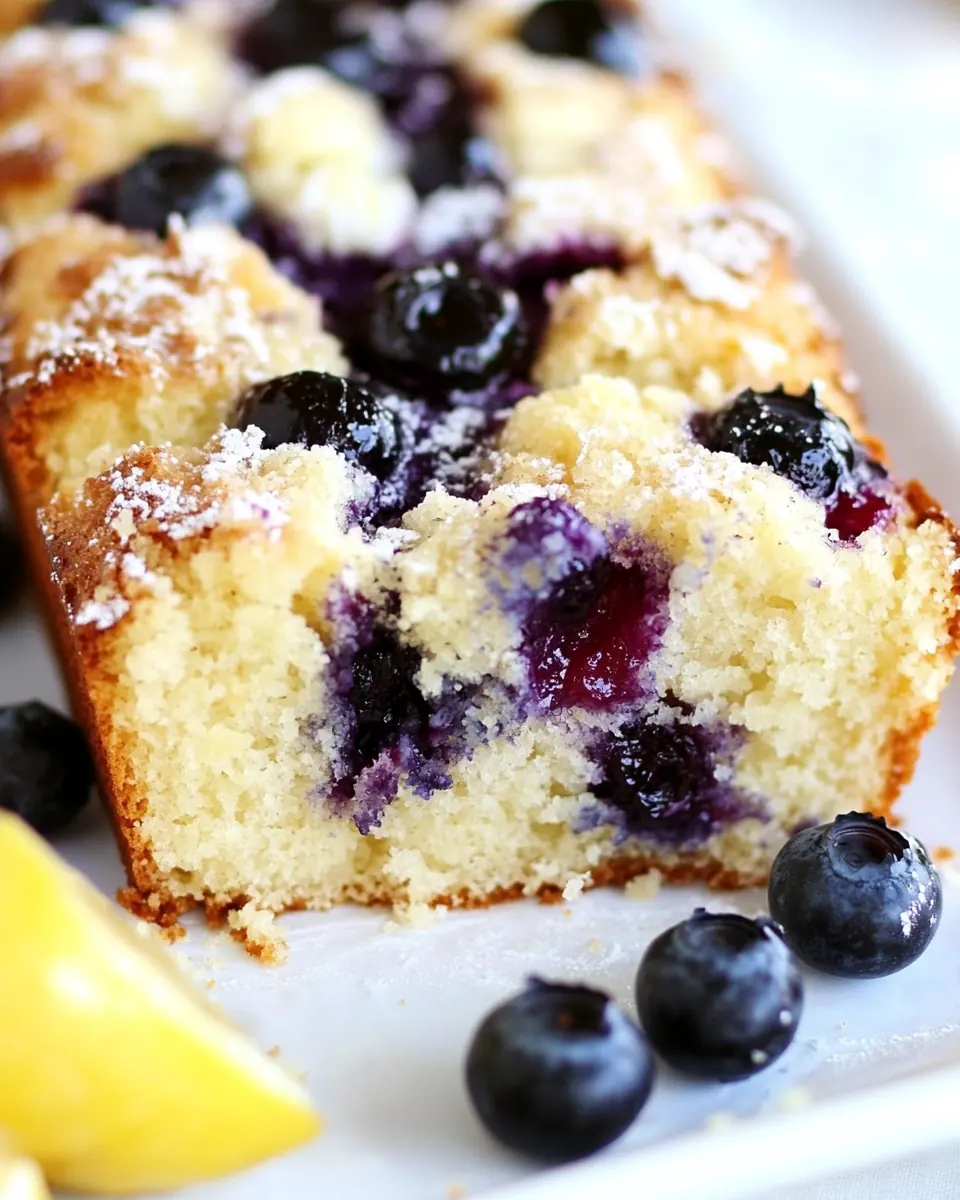
This loaf adapts well to small changes, so you can make it your own without much effort. I often tweak one element and the result still feels familiar yet fresh.
- Swap oil types carefully Keep the same amount of vegetable oil, but try canola for neutrality or coconut oil for a subtle tropical note, noting that coconut will add a faint flavor.
- Use frozen blueberries If fresh blueberries are out of season, frozen work fine; toss them lightly in flour to prevent color bleed into the batter.
- Adjust glaze thickness Add more powdered sugar for a thicker glaze or a touch more lemon juice to thin it, aiming for a glossy pourable consistency.
- Make mini loaves Divide the batter into smaller pans for gifts, reducing bake time and keeping the same texture and flavor in a portable format.
- Boost lemon intensity Increase the lemon zest by a teaspoon for a brighter citrus profile, but avoid adding too much juice which can alter batter balance.
Side Dish Ideas for Lemon Blueberry Loaf Cake
This loaf shines on casual mornings, elegant brunches, and as a simple dessert accompaniment. Here are detailed serving ideas and pairings that help the loaf feel appropriate for many occasions.
- Breakfast with coffee Serve warm slices alongside a cup of medium roast coffee for a simple morning treat; the lemon cuts through the bitterness and the blueberries add sweetness.
- Brunch spread Add this loaf to a brunch table with yogurt, fresh fruit, and light cheeses to create a balanced selection; its sweetness complements savory items without overpowering them.
- Afternoon tea Pair thin slices with herbal or black tea for an afternoon pause; the loaf’s tender crumb pairs beautifully with a lemon or chamomile infusion.
- Gift or neighbor treat Wrap slices in parchment for a thoughtful, low fuss gift; the loaf travels well and feels homemade yet refined.
- Holiday breakfast Include it in spring holiday breakfasts for its fresh citrus notes; the loaf’s bright profile suits seasonal gatherings and daytime celebrations.
- Storage tip Keep the glazed loaf at room temperature, tightly wrapped, for up to three days, or refrigerate for a week, bringing slices to room temperature before serving for best texture.
- Freezing slices Individually wrap slices and freeze for up to two months, thawing at room temperature; the glaze may soften slightly but the flavor remains intact.
FAQ
Conclusion
What makes this loaf special is the way bright lemon and juicy blueberries come together in a tender, moist crumb with a glossy glaze that feels both homey and elevated. Give this Lemon Blueberry Loaf Cake a try when you want a reliable bake that pleases a crowd and holds up well for gifting or casual mornings. I hope it becomes one of your go to bakes for sunny weekends and simple celebrations alike.
Lemon Blueberry Loaf Cake
Ingredients
Equipment
Method
- Preheat oven to 350° F. Spray an 8 1/2 x 4 1/2 loaf pan with cooking spray and set aside.: The moment your oven reaches 350° F you will smell a subtle warmth from the heating elements, which ensures the batter begins rising immediately when it goes in. This temperature encourages even browning without drying the loaf. A common mistake is placing the pan in a not fully preheated oven, which can cause uneven rise, so always confirm the temperature first.
- In a large bowl, whisk together the flour, salt, and baking powder. In a small bowl, combine sugar and lemon zest. Rub together with your fingers until fragrant. Whisk into the flour mixture. Set aside.: Coating the pan shields the loaf from sticking and helps create clean edges once cooled. I prefer spraying all corners and letting the spray settle so the batter slides free. Avoiding greasing can make removal painful, so do not skip this step.
- In a separate medium bowl, combine the buttermilk, oil, eggs, lemon juice, and vanilla extract.: As you whisk, the dry mix will take on a uniform, pale look and a faint flour dust will rise, indicating air has been incorporated for lift. Thorough mixing prevents pockets of leavening or salt that create odd texture. A common oversight is measuring flour too compacted, which yields a heavy loaf, so fluff and spoon the flour into the cup before measuring.
- Slowly add the wet ingredients to the dry ingredients. Stir until combined. Gently stir in the blueberries. Pour batter into prepared loaf pan. Pound on the counter so the loaf cake is evenly set in the pan.: Rubbing the lemon zest into the granulated sugar releases fragrant citrus oils and perfumes the sugar, creating a bright background note. You will notice the sugar become slightly damp and aromatic. Do not skip the rubbing, it is an easy flavor multiplier.
- Bake for 60-70 minutes, or until a toothpick comes out clean. Place the loaf on a cooling rack and cool for 15 minutes. Loosen the sides of the loaf cake with a knife. Carefully remove loaf from the pan. Let cool completely on wire rack.: The tactile action warms the zest slightly and marries it to the sugar, producing a citrus scented sugar that lifts the whole loaf. If you rush this, you lose aromatic intensity, so take a few extra seconds to really rub the zest.
- While the loaf cake is cooling, make the lemon glaze. In a small bowl, whisk together powdered sugar and lemon juice. Drizzle the glaze over the cooled loaf cake. Cut into slices and serve.: When the lemon scented sugar joins the dry mix, the bowl will smell citrusy and look evenly distributed. This integration ensures the lemon flavor is present throughout without wet pockets. Overworking the dry mix here is harmless, but be sure it is even.
- Note - if the cake isn't done and the top is browning too much, drape a piece of aluminum foil over the top and finish baking until a toothpick comes out clean.: Letting the dry mix rest briefly gives you a moment to assemble wet ingredients and prevents haste. I often use this pause to wipe down counters and preheat any utensils, reducing frantic multitasking later. Skipping this kind of organization can cause missed ingredients or rushed mixing.
- In a separate medium bowl, combine the buttermilk, oil, eggs, lemon juice, and vanilla extract: As you whisk these, the mixture will look silky and slightly frothy, with a glossy sheen from the vegetable oil . The buttermilk adds tang and helps tenderize the crumb, while the eggs emulsify the liquids so the batter holds together. A common issue is adding cold eggs straight from the fridge, which can chill the batter and affect rise, so bring eggs to near room temperature when possible.
- Slowly add the wet ingredients to the dry ingredients: Pouring gradually helps the batter come together smoothly without lumps, and you will notice the texture becoming glossy and cohesive. This gentle approach prevents overmixing, which would develop gluten and toughen the loaf, so stop when the dry streaks disappear.
- Stir until combined: When the batter reaches a uniform pale yellow, it should be thick but pourable. Overstirring will create a dense crumb, and understirring leaves pockets of flour, so aim for a cohesive batter with no visible dry bits. A spatula is your friend here for controlled folding.
- Gently stir in the blueberries: Folding in the blueberries should be done with care to avoid crushing them and turning the batter purple. You will see jewel like fruits suspended in the batter, signaling even distribution. A frequent mistake is dumping frozen berries in all at once, which can cool the batter and cause uneven color, so toss frozen berries in flour first if using them.
- Pour batter into prepared loaf pan: The batter will slide into the pan in a thick, velvety ribbon and level itself slightly. Tap the pan to settle air pockets and ensure an even top. If you overfill the pan, the loaf can spill and bake unevenly, so stop at the recommended pan capacity.
- Pound on the counter so the loaf cake is evenly set in the pan: A firm tap removes trapped air and helps the batter settle to the same height, which leads to uniform baking and a neat dome. You may hear a soft thud and see minor ripples calm out. Skipping this can leave large air pockets and a rough top crust.
- Bake for 60 to 70 minutes, or until a toothpick comes out clean: As the loaf bakes, you will smell the lemon and sugar caramelizing, and the top will turn a warm golden brown. The internal temperature and the toothpick test confirm doneness; the center should spring back slightly. If you pull it out too early, the center may be gummy, so confirm with a clean toothpick or a gentle press.
- Place the loaf on a cooling rack and cool for 15 minutes: Cooling lets the crumb set and prevents the loaf from breaking when removed. The residual heat redistributes moisture, so the interior firms up but stays tender. Cutting too soon risks a collapsed center, so be patient during this rest.
- Loosen the sides of the loaf cake with a knife: Running a thin knife gently along the pan edges releases suction and protects the loaf from tearing. You may see steam rise slightly as the loaf settles. Forcing it out without loosening may damage the crust and ruin presentation.
- Carefully remove loaf from the pan: As you invert or lift the loaf, support it to avoid cracks. The bottom should be golden and firm. If it sticks, don’t yank it, instead run the knife again to free tight spots to keep the loaf intact.
- Let cool completely on wire rack: Full cooling allows the glaze to set properly and the crumb to stabilize, so the loaf slices cleanly. You will notice the loaf’s aroma mellowing into a homier scent as it rests. Cutting while warm can make the glaze run and the slices fall apart.
- While the loaf cake is cooling, make the lemon glaze: Whisking powdered sugar and lemon juice creates a glossy, pourable glaze that brightens the loaf. The mixture should be smooth and slightly thick, coating the back of a spoon. If it is too thin, add more powdered sugar , if too thick, add a touch more lemon juice.
- In a small bowl, whisk together powdered sugar and lemon juice: The glaze will become glossy and opaque, with a citrus tang that cuts through the sweetness. Sifting the powdered sugar first prevents lumps and yields a silky finish. Skipping sifting can leave gritty bits in the glaze.
- Drizzle the glaze over the cooled loaf cake: The glaze should form a delicate sheen and trail down the sides in ribbons, creating a pretty finish. Use a spoon or a small jug to control the flow and highlight the loaf’s top. Adding glaze to a warm loaf will make it run off and pool, so ensure it is fully cooled first.
- Cut into slices and serve: Each slice will reveal a tender crumb flecked with blueberries and streaks of glaze. The texture should be moist and slightly springy, with bright citrus notes. Use a serrated knife for clean slices; a dull knife can compress the loaf and create ragged edges.
- Note if the cake isn't done and the top is browning too much, drape a piece of aluminum foil over the top and finish baking until a toothpick comes out clean: Tent foil over the loaf to shield the surface while the interior finishes baking, preventing excessive browning. You will see the top stop darkening while the center continues to set. Removing foil too early may expose the top and cause overbrowning, so keep it in place until the toothpick test passes.
Notes
- Swap oil types carefully Keep the same amount of vegetable oil, but try canola for neutrality or coconut oil for a subtle tropical note, noting that coconut will add a faint flavor.
- Use frozen blueberries If fresh blueberries are out of season, frozen work fine; toss them lightly in flour to prevent color bleed into the batter.
- Adjust glaze thickness Add more powdered sugar for a thicker glaze or a touch more lemon juice to thin it, aiming for a glossy pourable consistency.
- Make mini loaves Divide the batter into smaller pans for gifts, reducing bake time and keeping the same texture and flavor in a portable format.
- Boost lemon intensity Increase the lemon zest by a teaspoon for a brighter citrus profile, but avoid adding too much juice which can alter batter balance.