Roasted Butternut Squash Gratin
Roasted Butternut Squash Gratin is one of those recipes I reach for when the air turns crisp and I want a side that tastes like the season itself. The first time I roasted a mound of sweet, nutty butternut squash and turned it into a creamy gratin, I remember the way the oven filled the kitchen with a cozy, toasted aroma that made everyone linger nearby. That evening felt like a small celebration of simple ingredients done properly, and ever since I’ve been tinkering with the balance of crunchy, creamy, and savory until it felt just right.
On chilly afternoons I often roast extra butternut squash ahead of time so I can pull this together quickly. I love the texture contrast between the tender cubes and the warm, bubbling Gruyère cheese sauce, and the toasted walnuts give a pop of bitterness that keeps the dish from being too rich. When I serve it for friends, someone always asks for the recipe, and I take it as a compliment that it disappears first from the buffet table.
Recipe Snapshot
40 mins
5 mins
35 mins
Medium
250 kcal
American
Gluten-Free, Low FODMAP
Side Dishes
Oven, Baking sheet, Skillet, Saucepan, Gratin dish
The Best Thing About This Roasted Butternut Squash Gratin
Comforting, seasonal flavor
I adore this version because Roasted Butternut Squash Gratin concentrates fall flavors without fuss. Roasting the butternut squash caramelizes natural sugars, creating a deep, rounded sweetness that pairs beautifully with the savory Gruyère cheese. I find the result is a cozy, layered taste that feels both homey and elegant.
Textural contrasts that matter
One of my favorite things about this dish is the play between textures. The roasted butternut squash becomes silky yet still holds shape, while the cheese sauce is lusciously creamy. Toasted walnuts add a crunchy, nutty counterpoint that makes every bite interesting. I always aim for that tension between smooth and crisp because it keeps the palate engaged.
Simple technique, impressive result
I appreciate recipes that reward small efforts and this gratin does exactly that. With straightforward steps like roasting, toasting, and gently thickening a sauce, you create layers of flavor. I often tell friends that investing a little time in each step gives you a dish that looks and tastes like you spent hours on it, even when you did not.
Adaptable for different diets and occasions
I like recipes that travel from weeknight dinners to holiday tables with ease. Roasted Butternut Squash Gratin is forgiving, so you can tweak elements such as using lowfat milk or a gluten free thickener and still get a great outcome. I find it works wonderfully alongside roast mains or as the star of a vegetarian spread.
Layered aroma and visual appeal
There is something about the way the kitchen smells when this gratin is roasting and then broiled just until golden. That nutmeg whisper and the bubbling Gruyère cheese make it irresistible. I often plate it with a few toasted walnuts sprinkled on top for a finishing touch that signals texture and taste.
Main Ingredients for Roasted Butternut Squash Gratin

These ingredients are a team built around comfort and balance. The roasted butternut squash brings natural sweetness, the creamy cheesy sauce binds flavors and adds richness, and the toasted walnuts cut through with a toasty bite. Each component plays a clear role so the gratin tastes layered, not muddled. I focus on quality for the Gruyère cheese and fresh butternut squash because they are the stars.
- 2 1/2 pounds peeled and cubed butternut squash: Provide roasted, sweet, and earthy base cubes that become tender and caramelized when baked; supply volume and texture for the gratin while absorbing flavors from seasonings and sauce.
- 1 tablespoon olive oil: Coat squash cubes to promote even roasting and add a subtle fruity richness; help sauté garlic and create a light, glossy finish on vegetables before baking.
- 2 cloves garlic, crushed: Impart a sharp, aromatic punch when crushed and lightly cooked; infuse the dish with savory depth and complement the sweetness of the squash.
- 1/3 cup finely chopped walnuts: Contribute crunchy texture and a toasty, slightly bitter nuttiness when finely chopped and sprinkled over or mixed into the gratin; add a layer of flavor contrast and visual interest.
- 2 tablespoons unsalted butter: Introduce creamy, rich fat that helps form the gratin sauce and browns during baking; melt into the roux to provide a silky mouthfeel and buttery flavor.
- 1 1/2 tablespoons flour (substitute 1 tbsp potato starch for gluten free): Thicken the sauce by combining with melted butter to form a roux; bind milk into a smooth, velvety béchamel-like base for coating the squash (potato starch works as a gluten–free substitute).
- 1/2 teaspoons salt (or more to taste): Enhance overall flavor by balancing sweetness and richness; season the gratin carefully to taste and help bring out the savory notes of cheese and roasted squash.
- 1/4 teaspoon black pepper: Add mild heat and aromatic warmth when ground; season the sauce and roasted squash to sharpen flavors without overpowering the dish.
- 1 1/4 cups lowfat milk: Provide a lower-fat liquid component that combines with the roux to create a creamy sauce; add moisture and help achieve a smooth, cohesive gratin texture.
- 3/4 cups shredded Gruyère cheese, tightly packed: Deliver nutty, savory, and melty cheese character that gratinates and forms a golden crust; contribute umami richness and bind the components together when melted.
- Pinch nutmeg: Lend warm, aromatic complexity in a very small amount; enhance the savory-sweet interplay and add a subtle finishing note that complements cheese and squash.
How to Prepare Roasted Butternut Squash Gratin
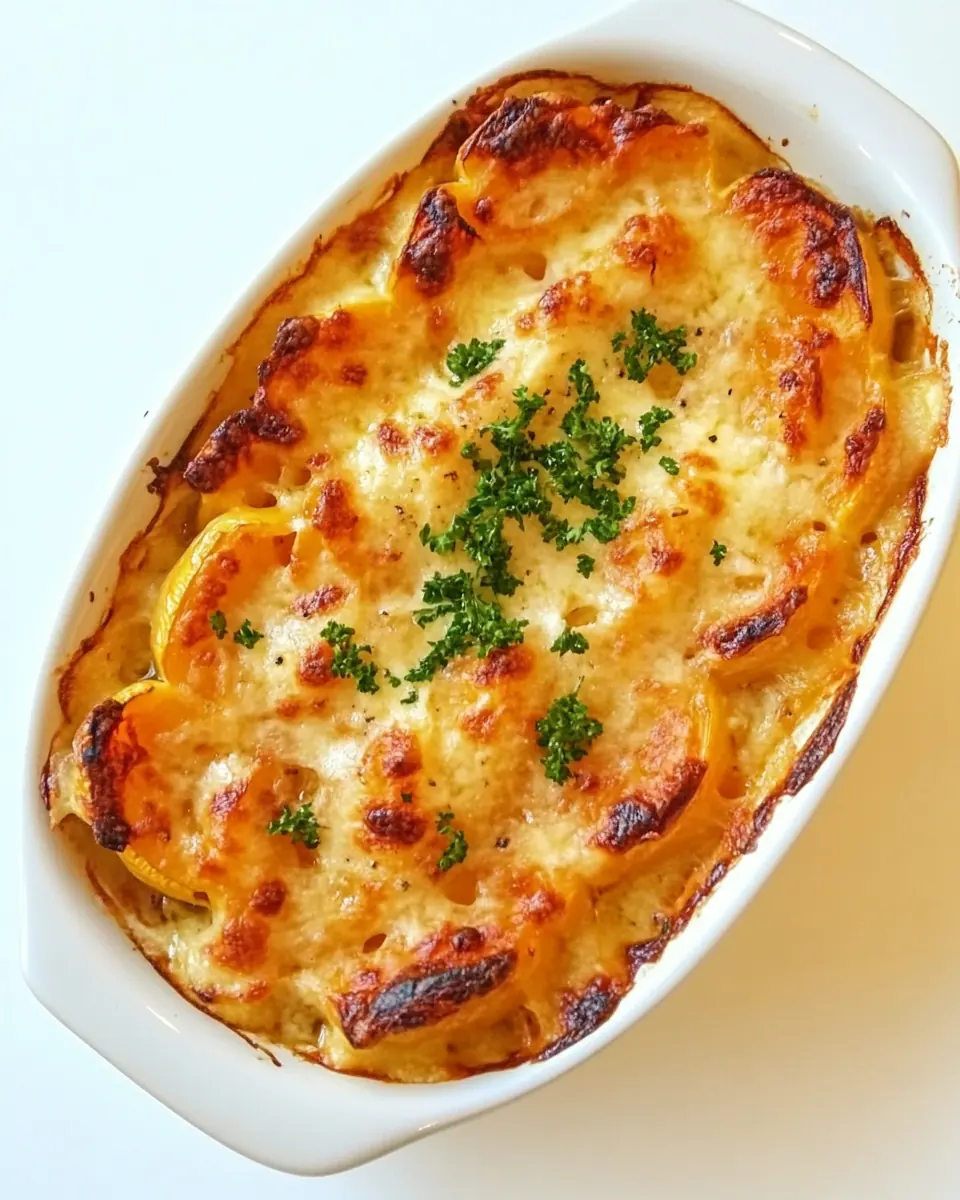
This method walks you through roasting, toasting, making a cheese sauce, and assembling the gratin. Each action builds flavor layers, so I encourage you to stay present at every stage and use your senses. The steps below follow the original directions but expand on what to look for and how to troubleshoot common issues.
- Preheat oven to 400 degrees F. In a large mixing bowl, toss the butternut squash cubes with the olive oil and garlic till the squash is evenly coated with the oil.: The kitchen fills with a slight warmth even before the squash goes in, and that preheated oven helps the butternut squash develop caramelized edges rather than steaming. You'll notice a toasted, sweet scent as the surface browns. If your oven runs hot, it can char the squash, so use an oven thermometer to avoid burning.
- Spread the squash out on a baking sheet in an even layer. You can line the sheet with aluminum for easier cleanup, if you wish. Sprinkle the squash lightly with salt. Place squash in the oven and let it roast for about 35 minutes, turning once during cooking, till squash is tender but not overly soft.: When you toss the pieces, the glossy sheen from the olive oil signals they've been coated and will brown evenly. The crushed garlic will cling to the cubes, slowly infusing them as they roast. If cubes are uneven, some will overcook while others remain firm, so aim for uniform size to prevent a mix of underdone and mushy pieces.
- Meanwhile, spread the chopped walnuts in an even layer in a small skillet. Toast the walnuts over medium heat, stirring frequently, till they're toasted and fragrant. Be careful not to let the walnuts burn– as soon as they're toasted, pour them out of the skillet to keep them from browning further.: An even single layer promotes even roasting and encourages crisping on the exposed faces. The light salt helps draw out moisture and amplify sweetness. Overcrowding traps steam and leads to soggy results, so use two pans if necessary to keep space between cubes.
- In a medium saucepan, melt butter over medium heat. Whisk in the flour, salt, and pepper. Stir to form a thick paste.: As the butternut squash roasts, listen for the oven's quiet hum and smell the transformation as sugars caramelize and edges brown. Turning once halfway encourages even golden color. If you skip turning, one side may overbrown while the other stays pale, affecting both texture and flavor.
- Slowly whisk in the milk, 1/4 cup at a time. Heat the milk mixture over medium heat for a few minutes, whisking frequently, till it thickens and begins to bubble around the edges. Do not let the sauce boil.: Toasting releases oils and a deep, nutty aroma that elevates the gratin. You will see the walnuts darken slightly and a fragrant scent will fill the pan. Move them constantly because walnuts can go from toasted to burnt quickly, and burnt nuts taste acrid instead of sweet.
- Whisk in the grated Gruyère cheese and stir till melted. Whisk in a pinch of nutmeg and more salt to taste, if desired. Reduce heat to lowest setting, stirring frequently, until ready to assemble the gratin.: Forming this roux creates the backbone of the sauce. The mixture will become a thick paste and develop a faintly toasted scent, which removes raw flour notes. Cook just long enough to smell the flour mellow, because overcooking will darken the paste and alter the sauce color and taste.
- When the squash is done roasting, remove it from the oven and turn the temperature down to 375 degrees F. Place the squash into a gratin dish or 8 x 8 inch squash baking dish in an even layer.: Adding small amounts ensures a silky emulsion without lumps. As it cooks, you will see the sauce thicken and small bubbles form at the edges, a sign it is nearing readiness. Avoid boiling, because high heat can cause the sauce to separate or scorch on the bottom.
- Sprinkle the toasted walnuts evenly across the top of the squash.: When the Gruyère cheese meets the warm sauce, it should melt smoothly into a glossy, cohesive mixture, releasing a nutty aroma. The tiny pinch of nutmeg lifts the dairy notes. If the heat is too high, the cheese can seize into oily clumps, so keep the temperature low and stir frequently.
- Pour the Gruyère cheese sauce evenly across the top of the butternut squash. Place the assembled gratin into the oven and bake for 20-25 minutes till edges begin to brown and the cheese sauce is bubbly.: Transferring the warm cubes into the dish helps set the structure of the gratin. An even layer ensures that every area gets sauced and baked consistently. Piling too high creates uneven baking, with the center potentially staying cooler and undercooked.
- Remove the gratin from the oven and turn on your broiler. When broiler is hot, place the gratin back in the oven and let it brown under the broiler for 1-2 minutes, watching it carefully, till the top is browned to your liking. Serve hot.: Distributing the crunchy pieces across the surface guarantees contrast in each bite. The toasted scent will mingle with the roasted butternut squash , signaling readiness for assembly. Dumping them all in one spot reduces textural balance, so spread them thoughtfully.
- Vegetarian note: If you are strictly vegetarian (no cheese with rennet), make sure you find a cheese with a microbial rennet.: When the glossy sauce flows over the cubes it should coat and nestle between them, which helps bind the dish and deliver creamy pockets of flavor. You can gently tilt the dish to help the sauce settle. If the sauce appears too thin, a few extra minutes on low heat to simmer and reduce will thicken it before pouring.
- Bake the assembled gratin at 375 degrees F for 20 to 25 minutes until edges brown and the sauce is bubbly: As it bakes, the aroma intensifies and the surface will begin to take on a warm, golden hue. Bubbles at the edges mean the sauce is hot through. Underbaking leaves the sauce runny and the center cooler, so aim for visual cues rather than strictly the clock.
- Broil the gratin for 1 to 2 minutes to brown the top, watching carefully: A quick broil creates a beautifully caramelized top and a slight crunch. It happens fast, so stand by the oven and watch closely to prevent burning. If you walk away, the broiler will darken the surface beyond pleasant, creating a bitter finish.
- Serve hot: When you bring it to the table, the gratin should be bubbling and warm, with a fragrant pull of melted Gruyère cheese . The contrast between silky squash and crunchy walnuts will be at its peak. If it sits too long, the sauce firms up and the texture changes, so serve promptly for the best mouthfeel.
Variations to Try
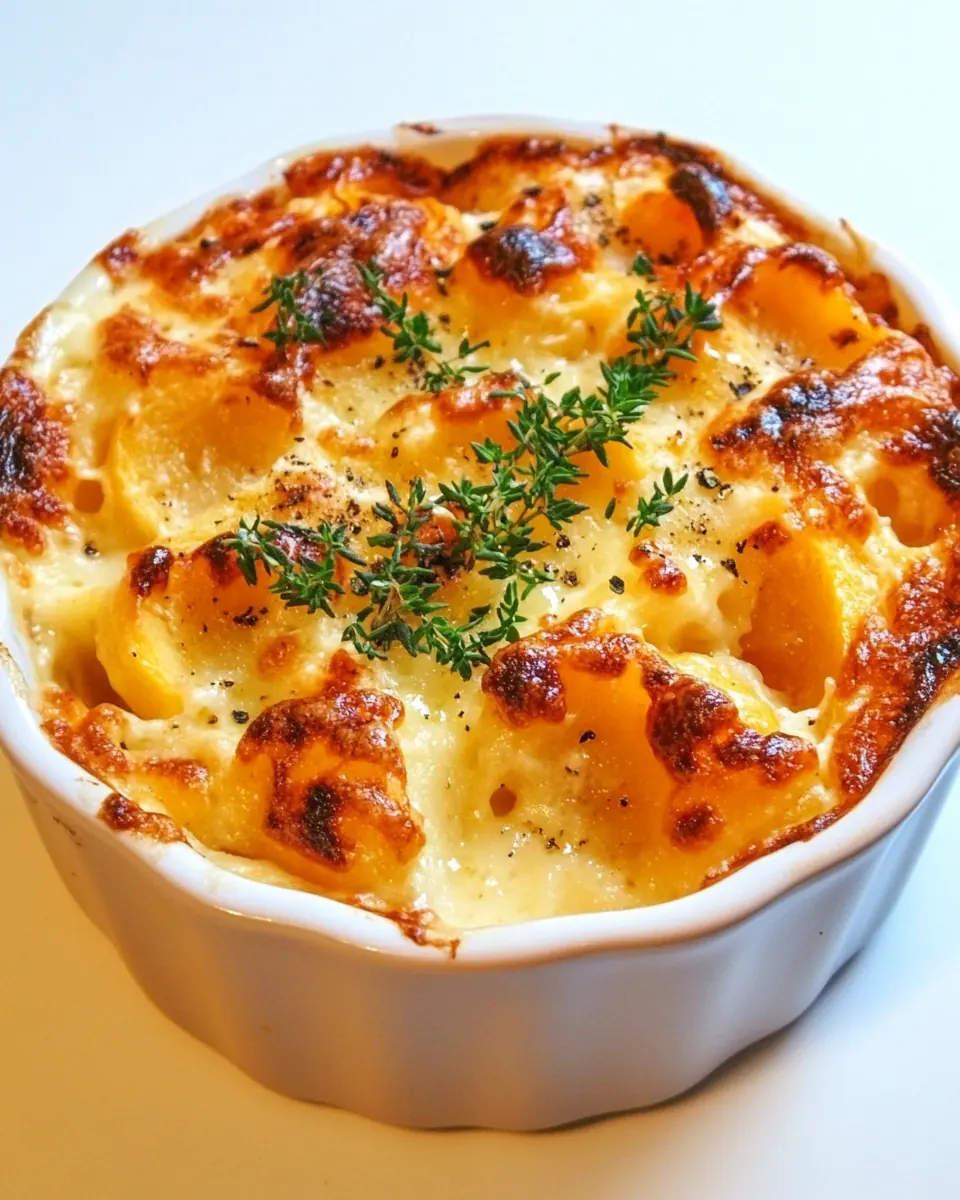
I like to experiment with small swaps that change the texture or flavor profile while keeping the soul of Roasted Butternut Squash Gratin intact. Below are ideas that are all easy to test and that highlight different aspects of the dish.
- Swap the thickener Use potato starch in place of flour for a gluten free version, which preserves the creamy texture without altering flavor.
- Change the cheese Try a different melting cheese that fits your taste, though Gruyère cheese gives the classic nutty profile that pairs best with roasted butternut squash.
- Add fresh herbs at the end Sprinkle finely chopped herbs just before serving to add a bright contrast to the warm, rich sauce.
- Toast seeds instead of nuts For a different crunch, pumpkin or sunflower seeds can be toasted and used in place of the walnuts.
- Double up the topping Combine panko or gluten free crumbs with chopped toasted walnuts for a more pronounced crunchy crust under the broiler.
Serve This Roasted Butternut Squash Gratin With
This gratin is versatile and pairs well across menus, from casual dinners to holiday feasts. I usually suggest a mix of complementary textures and flavors to round out the plate. Below are serving ideas, occasion pairings, and storage notes to help you plan how to present it.
- Family dinners Serve alongside a roasted protein and simple green salad for a balanced weeknight meal. The creamy gratin plays nicely with crisp vegetables.
- Holiday tables This dish is a natural for Thanksgiving, where its seasonal sweetness and elegant appearance fit right in with celebratory sides.
- Vegetarian spreads Offer it as a centerpiece on a vegetarian table, paired with grain salads and roasted root vegetables for variety in texture and color.
- Storage tips Refrigerate leftovers in an airtight container for up to three days. Reheat gently in a low oven so the sauce loosens and the texture returns without drying.
- Seasonal pairing In fall and early winter, pair with apples or pear based dishes to echo the natural sweetness of the butternut squash.
FAQ
Conclusion
Roasted Butternut Squash Gratin shines because it balances tender roasted butternut squash, a silky Gruyère cheese sauce, and toasted walnuts for textural contrast. This dish is both easy enough for a weeknight and elegant enough for holiday tables, making it a reliable favorite in my repertoire. Give it a try the next time you want a side that feels thoughtfully composed but effortless to prepare, and enjoy how the flavors come together to create something warmly memorable.
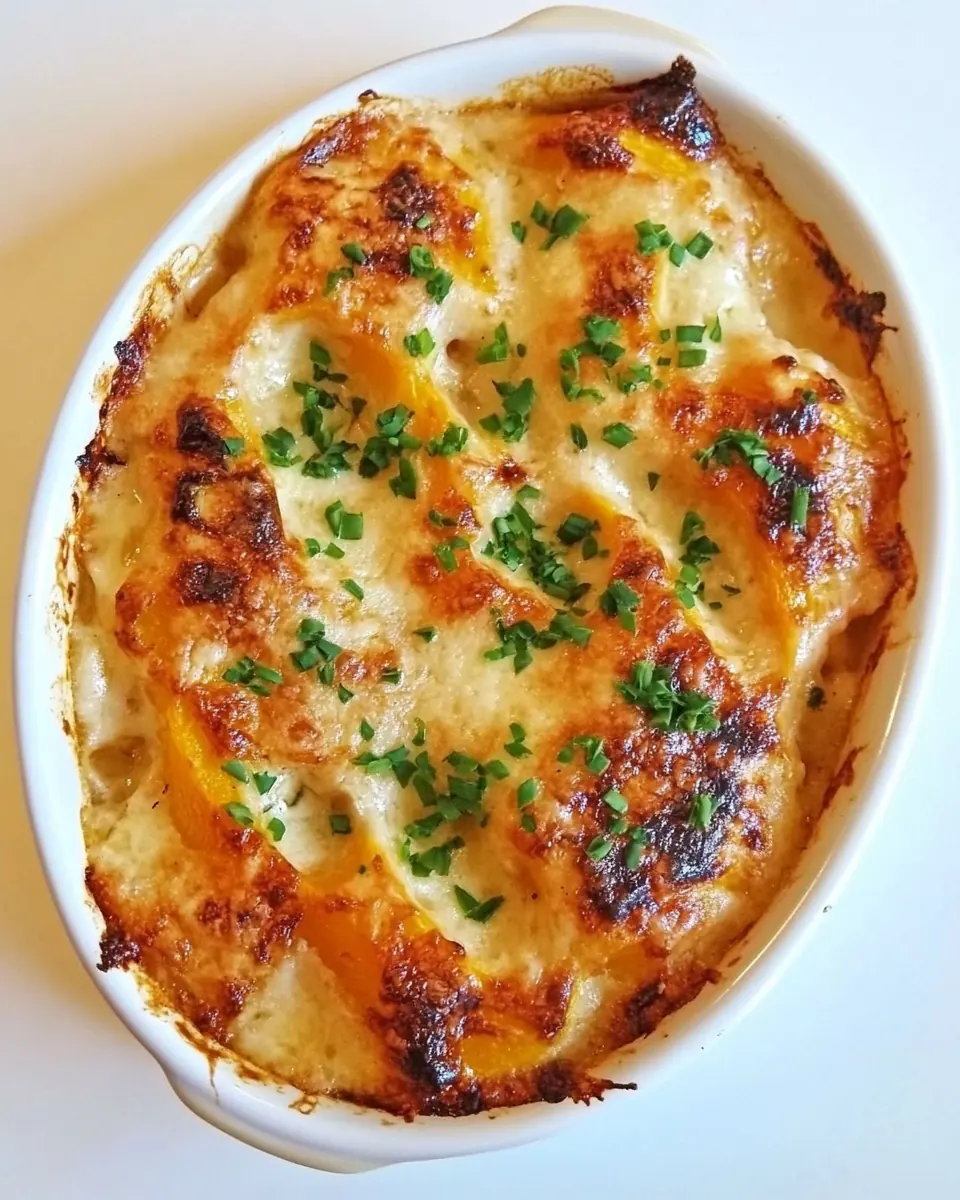
Roasted Butternut Squash Gratin
Ingredients
Equipment
Method
- Preheat oven to 400 degrees F. In a large mixing bowl, toss the butternut squash cubes with the olive oil and garlic till the squash is evenly coated with the oil.: The kitchen fills with a slight warmth even before the squash goes in, and that preheated oven helps the butternut squash develop caramelized edges rather than steaming. You'll notice a toasted, sweet scent as the surface browns. If your oven runs hot, it can char the squash, so use an oven thermometer to avoid burning.
- Spread the squash out on a baking sheet in an even layer. You can line the sheet with aluminum for easier cleanup, if you wish. Sprinkle the squash lightly with salt. Place squash in the oven and let it roast for about 35 minutes, turning once during cooking, till squash is tender but not overly soft.: When you toss the pieces, the glossy sheen from the olive oil signals they've been coated and will brown evenly. The crushed garlic will cling to the cubes, slowly infusing them as they roast. If cubes are uneven, some will overcook while others remain firm, so aim for uniform size to prevent a mix of underdone and mushy pieces.
- Meanwhile, spread the chopped walnuts in an even layer in a small skillet. Toast the walnuts over medium heat, stirring frequently, till they're toasted and fragrant. Be careful not to let the walnuts burn-- as soon as they're toasted, pour them out of the skillet to keep them from browning further.: An even single layer promotes even roasting and encourages crisping on the exposed faces. The light salt helps draw out moisture and amplify sweetness. Overcrowding traps steam and leads to soggy results, so use two pans if necessary to keep space between cubes.
- In a medium saucepan, melt butter over medium heat. Whisk in the flour, salt, and pepper. Stir to form a thick paste.: As the butternut squash roasts, listen for the oven's quiet hum and smell the transformation as sugars caramelize and edges brown. Turning once halfway encourages even golden color. If you skip turning, one side may overbrown while the other stays pale, affecting both texture and flavor.
- Slowly whisk in the milk, 1/4 cup at a time. Heat the milk mixture over medium heat for a few minutes, whisking frequently, till it thickens and begins to bubble around the edges. Do not let the sauce boil.: Toasting releases oils and a deep, nutty aroma that elevates the gratin. You will see the walnuts darken slightly and a fragrant scent will fill the pan. Move them constantly because walnuts can go from toasted to burnt quickly, and burnt nuts taste acrid instead of sweet.
- Whisk in the grated Gruyère cheese and stir till melted. Whisk in a pinch of nutmeg and more salt to taste, if desired. Reduce heat to lowest setting, stirring frequently, until ready to assemble the gratin.: Forming this roux creates the backbone of the sauce. The mixture will become a thick paste and develop a faintly toasted scent, which removes raw flour notes. Cook just long enough to smell the flour mellow, because overcooking will darken the paste and alter the sauce color and taste.
- When the squash is done roasting, remove it from the oven and turn the temperature down to 375 degrees F. Place the squash into a gratin dish or 8 x 8 inch squash baking dish in an even layer.: Adding small amounts ensures a silky emulsion without lumps. As it cooks, you will see the sauce thicken and small bubbles form at the edges, a sign it is nearing readiness. Avoid boiling, because high heat can cause the sauce to separate or scorch on the bottom.
- Sprinkle the toasted walnuts evenly across the top of the squash.: When the Gruyère cheese meets the warm sauce, it should melt smoothly into a glossy, cohesive mixture, releasing a nutty aroma. The tiny pinch of nutmeg lifts the dairy notes. If the heat is too high, the cheese can seize into oily clumps, so keep the temperature low and stir frequently.
- Pour the Gruyère cheese sauce evenly across the top of the butternut squash. Place the assembled gratin into the oven and bake for 20-25 minutes till edges begin to brown and the cheese sauce is bubbly.: Transferring the warm cubes into the dish helps set the structure of the gratin. An even layer ensures that every area gets sauced and baked consistently. Piling too high creates uneven baking, with the center potentially staying cooler and undercooked.
- Remove the gratin from the oven and turn on your broiler. When broiler is hot, place the gratin back in the oven and let it brown under the broiler for 1-2 minutes, watching it carefully, till the top is browned to your liking. Serve hot.: Distributing the crunchy pieces across the surface guarantees contrast in each bite. The toasted scent will mingle with the roasted butternut squash , signaling readiness for assembly. Dumping them all in one spot reduces textural balance, so spread them thoughtfully.
- Vegetarian note: If you are strictly vegetarian (no cheese with rennet), make sure you find a cheese with a microbial rennet.: When the glossy sauce flows over the cubes it should coat and nestle between them, which helps bind the dish and deliver creamy pockets of flavor. You can gently tilt the dish to help the sauce settle. If the sauce appears too thin, a few extra minutes on low heat to simmer and reduce will thicken it before pouring.
- Bake the assembled gratin at 375 degrees F for 20 to 25 minutes until edges brown and the sauce is bubbly: As it bakes, the aroma intensifies and the surface will begin to take on a warm, golden hue. Bubbles at the edges mean the sauce is hot through. Underbaking leaves the sauce runny and the center cooler, so aim for visual cues rather than strictly the clock.
- Broil the gratin for 1 to 2 minutes to brown the top, watching carefully: A quick broil creates a beautifully caramelized top and a slight crunch. It happens fast, so stand by the oven and watch closely to prevent burning. If you walk away, the broiler will darken the surface beyond pleasant, creating a bitter finish.
- Serve hot: When you bring it to the table, the gratin should be bubbling and warm, with a fragrant pull of melted Gruyère cheese . The contrast between silky squash and crunchy walnuts will be at its peak. If it sits too long, the sauce firms up and the texture changes, so serve promptly for the best mouthfeel.
Notes
- Swap the thickener Use potato starch in place of flour for a gluten free version, which preserves the creamy texture without altering flavor.
- Change the cheese Try a different melting cheese that fits your taste, though Gruyère cheese gives the classic nutty profile that pairs best with roasted butternut squash.
- Add fresh herbs at the end Sprinkle finely chopped herbs just before serving to add a bright contrast to the warm, rich sauce.
- Toast seeds instead of nuts For a different crunch, pumpkin or sunflower seeds can be toasted and used in place of the walnuts.
- Double up the topping Combine panko or gluten free crumbs with chopped toasted walnuts for a more pronounced crunchy crust under the broiler.