Roasted Sugar Snap Peas
Roasted Sugar Snap Peas are one of those small victories I celebrate on busy weeknights, a tiny side that somehow feels special yet effortless.
I first fell in love with this dish on a frantic weeknight when I needed something green, fast, and satisfying to pair with a simple grain bowl. I grabbed a bag of fresh sugar snap peas, a scant drizzle of olive oil, and a few pantry spices, tossed everything on a rimmed baking sheet, and slid it into a screaming hot oven. The kitchen filled with a warm, toasty aroma and after a short wait the peas emerged blistered at the edges, vibrant, and just a touch caramelized. That moment, when the first bite was snapped between my teeth and a bright, snappy crunch followed by a whisper of garlic and salt hit my palate, I knew I had something I would repeat often.
Over time I learned to respect the tiny details that make these peas shine, like ensuring they are dry so they roast instead of steam, and keeping the oil minimal so they crisp rather than turn greasy. I also enjoy how flexible the recipe is, ready to adapt to whatever I have on hand. Sometimes I finish them with a sprinkle of fresh herbs for brightness, other times I add a pinch of red pepper flakes for warmth. Each variation feels like a small revelation, and I love that this simple vegetable can hold the spotlight.
Recipe Snapshot
20 mins
5 mins
15 mins
Easy
100 kcal
American
Vegan, Gluten-Free
Side Dishes
Baking sheet, Oven
Why We Love This Roasted Sugar Snap Peas
They are fast, and that matters
I adore recipes that respect time, and Roasted Sugar Snap Peas deliver in about twenty minutes from pantry to plate. When the clock is tight, I know I can count on this dish to be blistered, bright, and ready without fuss.
Pure, crunchy texture
The snap you get from a well roasted sugar snap peas is immensely satisfying. I look for that audible bite, and it signals that the peas were roasted at the right temperature, preserving their fresh sweetness while adding a toasty edge.
Minimal ingredients, maximum payoff
I love how a tiny amount of olive oil and a whisper of garlic powder and sea salt transform raw produce into something that tastes elevated. With just a few pantry items you can create a finished side that feels intentional.
Versatility on the weeknight table
These peas fit anywhere, from a casual midweek dinner to a more composed weekend plate. I toss them into bowls, serve them beside roasted proteins, or pile them onto a composed salad for color and crunch. Their mild flavor makes them a natural match for many cuisines.
Healthy and crowd friendly
I appreciate that Roasted Sugar Snap Peas are naturally light and vegetable forward, which makes them an easy choice for sharing. They hold up well on a platter and keep their texture, so you can prepare them a little ahead and still serve something that looks and tastes fresh.
What to Buy for Roasted Sugar Snap Peas
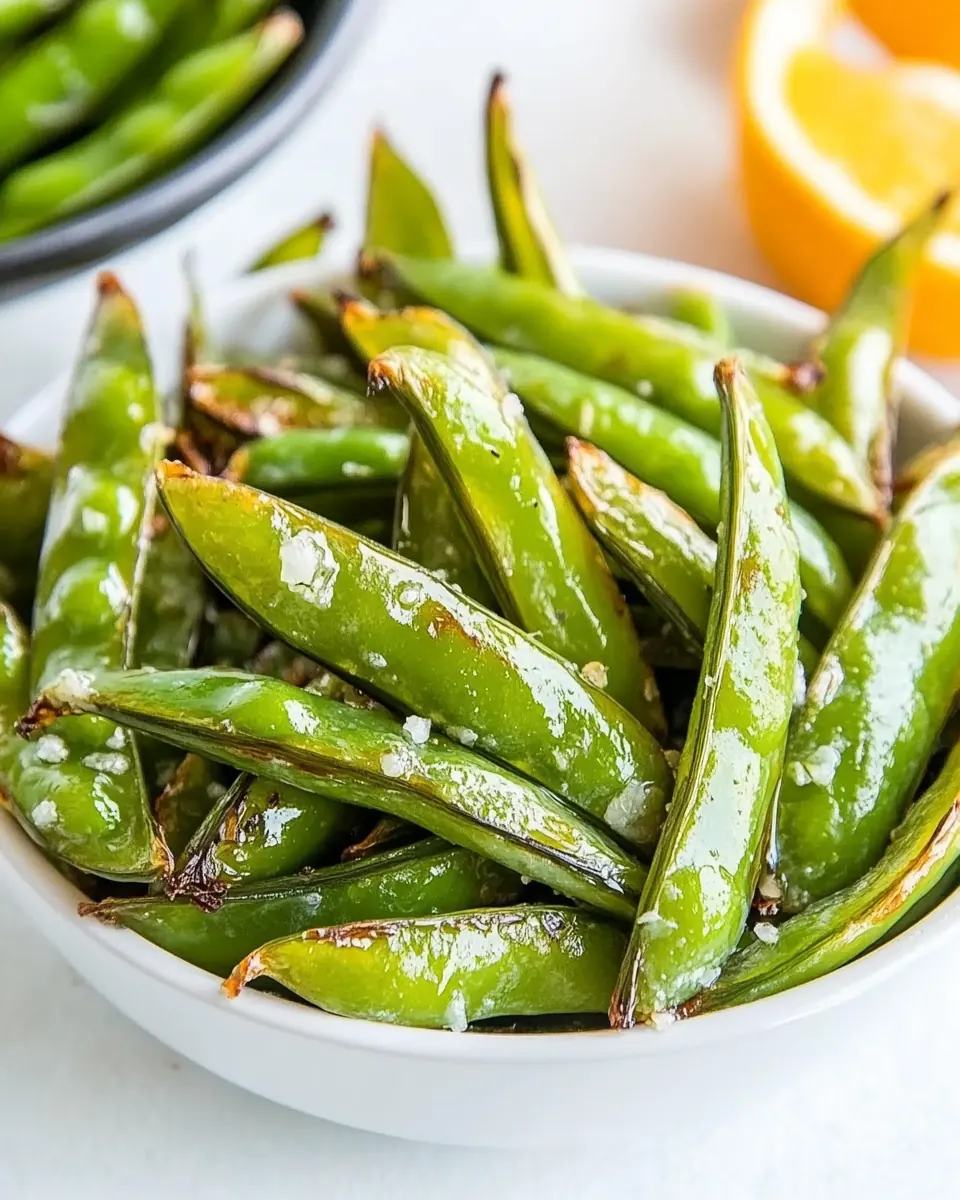
When I shop for Roasted Sugar Snap Peas I focus on freshness and minimal seasoning. The philosophy here is straightforward: choose bright, crisp peas and let a few supporting players bring out their best qualities. The key players are the peas themselves, a touch of oil to encourage browning, and simple seasonings that enhance without masking that vegetal sweetness.
- 1 lb . sugar snap peas, strings removed and trimmed (if needed): Provide crisp texture and natural sweetness to the dish while delivering a fresh, snappy bite; remove strings and trim ends to ensure tenderness and prevent fibrous chewing. Roast briefly to blister skins and concentrate flavors without losing vibrant color, making them the star vegetable component of the recipe.
- 1/2 tbsp . olive oil: Coat the peas evenly to promote browning and prevent sticking during roasting; use just enough to help seasonings adhere while contributing a subtle fruity richness. Choose extra-virgin or light olive oil based on flavor preference, and distribute evenly for consistent roasting results.
- 1/2 tsp . garlic powder: Impart savory, mellow garlic flavor throughout with a dry, shelf-stable form that won’t burn as quickly as fresh minced garlic when roasted. Sprinkle evenly to create an underlying aromatic note that complements the peas without overwhelming their sweetness.
- 1/2 tsp . sea salt or to taste: Enhance overall flavor balance by bringing out natural sweetness and controlling bitterness; adjust amount to suit personal taste and dietary sodium needs. Sprinkle before or after roasting depending on preference for dissolved seasoning versus surface crystals.
- 1/8 tsp . pepper or to taste: Add subtle heat and depth to brighten flavors without overpowering; use sparingly and adjust to taste since it’s a concentrated seasoning. Grind fresh if possible for more lively spice, and distribute lightly to avoid masking delicate pea flavor.
How to Assemble Roasted Sugar Snap Peas
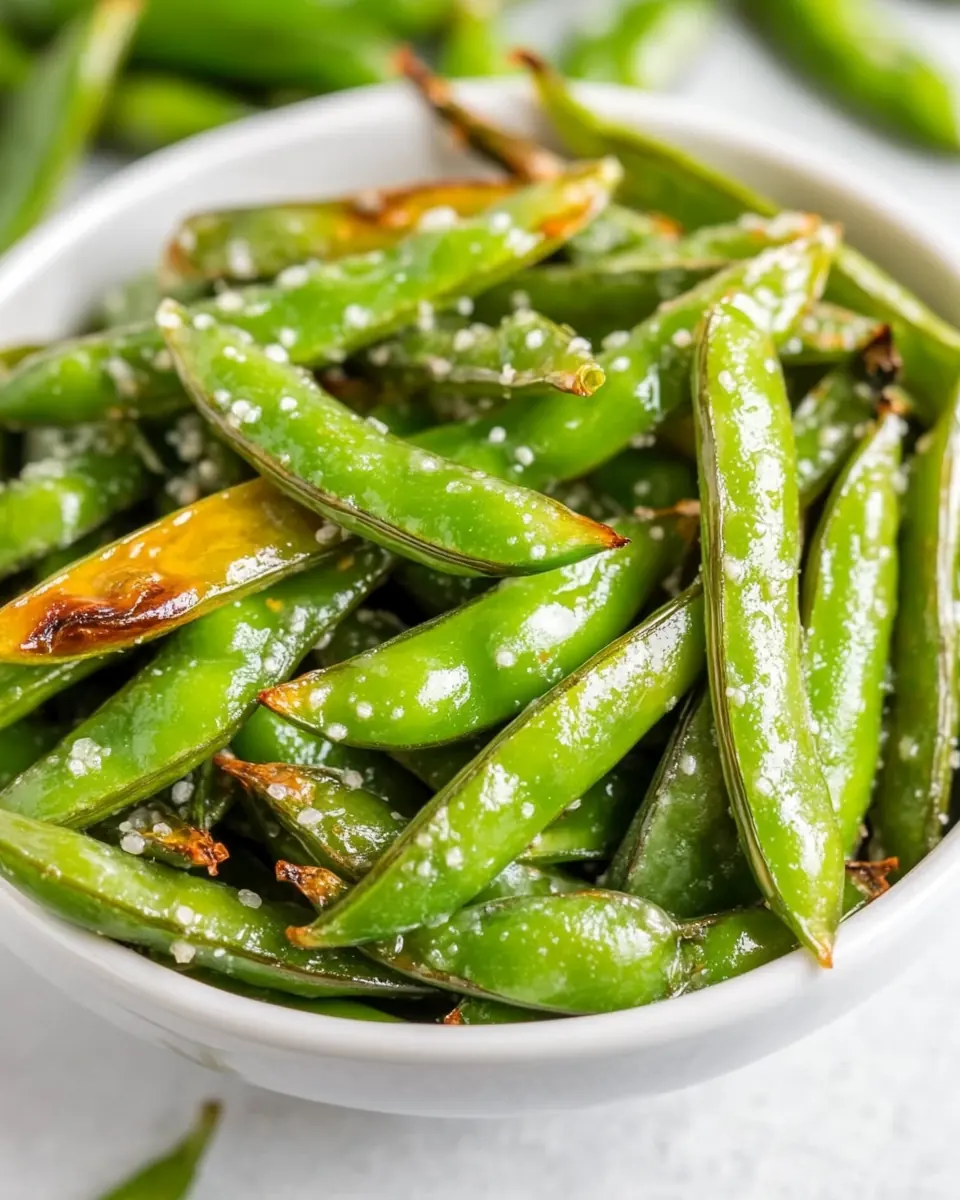
These directions will guide you through small but important choices that impact texture and flavor. Roast in a single layer on a hot sheet so the peas blister instead of steam, and keep the oil minimal for crisp edges. Follow the steps below slowly the first few times until you know the visual cues.
- Place the sugar snap peas onto a large baking sheet, drizzle the oil, and season with salt, pepper, and garlic powder.: The scent of dry pods meeting warm oil is subtle at first, but once the oven heat hits them the kitchen starts to smell slightly sweet and toasty. Spread the peas across the sheet so each one gets direct contact with the metal, that contact is what creates those small browned spots and the satisfying crisp texture. One common mistake is piling them in layers, which causes steaming rather than roasting so they remain limp. If peas are wet, pat them dry before oiling, because moisture prevents proper browning and leads to a soft, steamed finish. Visually you want a single layer with gaps so hot air circulates freely.
- Mix everything well and spread evenly. Bake at 450 F for 15 minutes.: You will notice a light sheen of olive oil coating each pod, and this is exactly what helps the surface darken and develop flavor. The herbs and spices should cling evenly, which helps every bite carry a balanced taste. When you toss, do so gently to avoid bruising the peas, but thoroughly enough that no area of the sheet has a clump of seasoning or oil. A typical error here is using too much oil, which yields greasy edges instead of crisped blistering. The right touch gives you slight caramelization and a roasted aroma as the sugar in the pods begins to concentrate.
- Bake at 450 F for 15 minutes: The heat will greet the peas with an immediate searing sensation at contact points, producing tiny brown flecks and a roasted perfume that is part toasty, part vegetal sweet. Listen for a faint crackle as moisture leaves the pods, and watch for the edges to take on golden brown spots while the peas retain their bright green hue. This temperature gives you fast caramelization without overcooking the center. A common pitfall is using a lower oven temperature, which can lead to longer cook times and a blanched, mushier result. Keep an eye near the end so the peas do not become overly browned or dry; they should be blistered but still tender crisp.
Expert Tips about Roasted Sugar Snap Peas
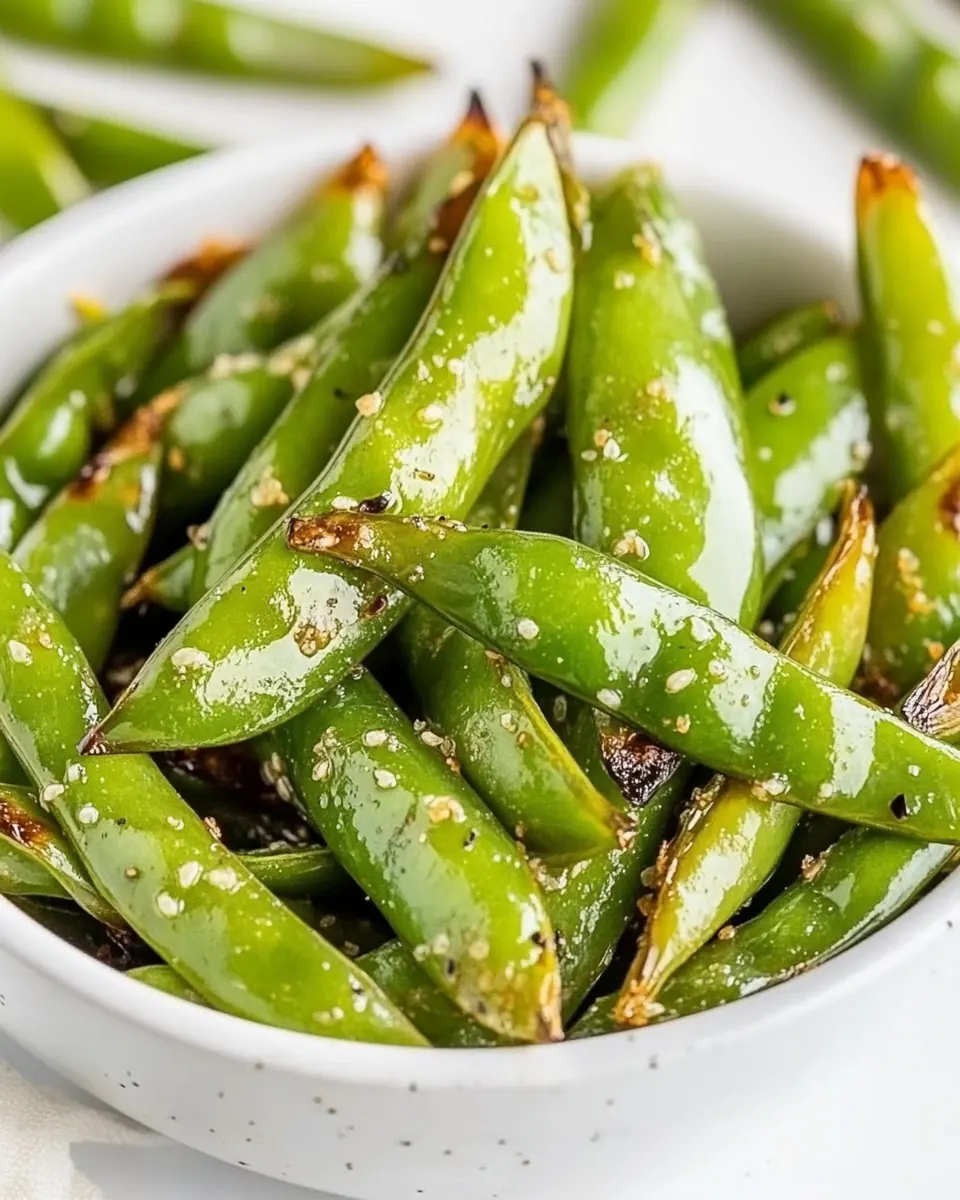
These tips come from my kitchen experiments and crowd testing, aimed at helping you roast vibrant, crisp Roasted Sugar Snap Peas every time. A few technique tweaks and timing notes go a long way.
- Use a rimmed baking sheet to allow air circulation and prevent oil or juices from pooling, which keeps the peas from steaming.
- Preheat the oven fully so the initial blast of heat hits the peas and creates immediate caramelization rather than slow steaming.
- Keep the oil minimal to achieve blistered edges without a greasy finish, the peas need just a light coating to brown.
- Trim and string if needed to remove fibrous bits that can detract from the pleasant snap when you bite into a pod.
- Finish with fresh herbs after roasting for a lift of brightness, adding them hot can wash out flavor so add just before serving.
- Experiment with small additions like a pinch of crushed red pepper flakes for heat, but add sparingly so the pea flavor remains front and center.
How to Serve Roasted Sugar Snap Peas
Serving these peas is simple and satisfying. Present them hot from the oven or slightly warmed, and think about texture contrasts and seasonal pairings that let the bright pea flavor shine.
- Family weeknight side, serve the peas alongside a grain bowl and roasted vegetables for a balanced, colorful plate.
- Light lunch accompaniment, add them to a composed salad with chilled grains for crunch and freshness.
- Entertaining platter, pile them on a serving board with other vegetable bites, they hold up well for casual gatherings.
- Seasonal pairing, in spring enjoy them with young greens and simple lemon dressings to highlight their natural sweetness.
- Storage advice, keep leftovers refrigerated in an airtight container for up to two days, then reheat briefly at high heat to revive crispness.
FAQ
Conclusion
Roasted Sugar Snap Peas stand out because they transform a simple vegetable into a crunchy, flavorful side with minimal effort. The quick roast brightens the peas, and a light touch of oil and seasoning highlights their natural sweetness while adding toasty notes. I encourage you to try this recipe exactly as written the first time, then experiment with small finishes like fresh herbs or a splash of balsamic to make it your own. It’s a dependable little recipe that brings color, texture, and joy to the table with almost no fuss.
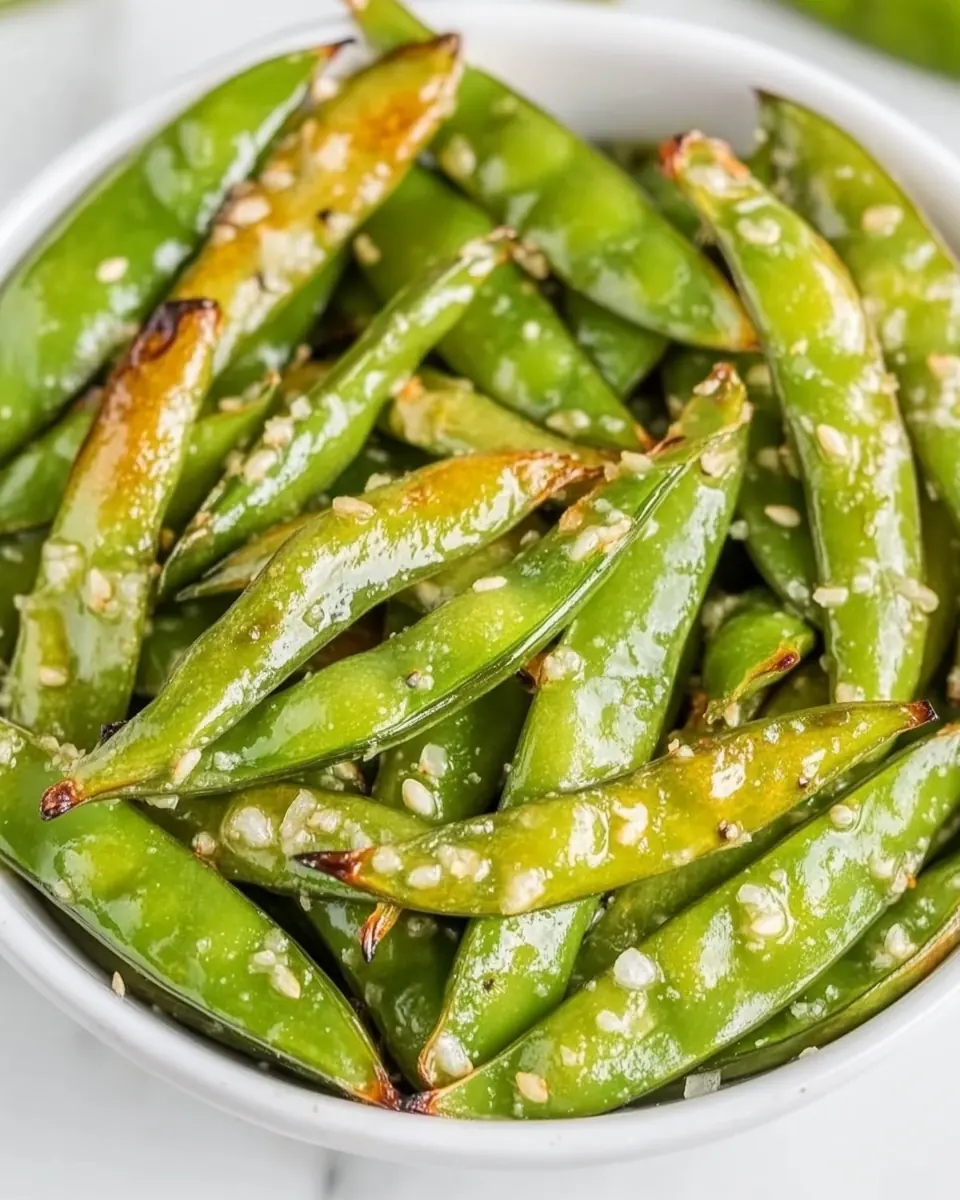
Roasted Sugar Snap Peas
Ingredients
Equipment
Method
- Place the sugar snap peas onto a large baking sheet, drizzle the oil, and season with salt, pepper, and garlic powder.: The scent of dry pods meeting warm oil is subtle at first, but once the oven heat hits them the kitchen starts to smell slightly sweet and toasty. Spread the peas across the sheet so each one gets direct contact with the metal, that contact is what creates those small browned spots and the satisfying crisp texture. One common mistake is piling them in layers, which causes steaming rather than roasting so they remain limp. If peas are wet, pat them dry before oiling, because moisture prevents proper browning and leads to a soft, steamed finish. Visually you want a single layer with gaps so hot air circulates freely.
- Mix everything well and spread evenly. Bake at 450 F for 15 minutes.: You will notice a light sheen of olive oil coating each pod, and this is exactly what helps the surface darken and develop flavor. The herbs and spices should cling evenly, which helps every bite carry a balanced taste. When you toss, do so gently to avoid bruising the peas, but thoroughly enough that no area of the sheet has a clump of seasoning or oil. A typical error here is using too much oil, which yields greasy edges instead of crisped blistering. The right touch gives you slight caramelization and a roasted aroma as the sugar in the pods begins to concentrate.
- Bake at 450 F for 15 minutes: The heat will greet the peas with an immediate searing sensation at contact points, producing tiny brown flecks and a roasted perfume that is part toasty, part vegetal sweet. Listen for a faint crackle as moisture leaves the pods, and watch for the edges to take on golden brown spots while the peas retain their bright green hue. This temperature gives you fast caramelization without overcooking the center. A common pitfall is using a lower oven temperature, which can lead to longer cook times and a blanched, mushier result. Keep an eye near the end so the peas do not become overly browned or dry; they should be blistered but still tender crisp.
Notes
- Use a rimmed baking sheet to allow air circulation and prevent oil or juices from pooling, which keeps the peas from steaming.
- Preheat the oven fully so the initial blast of heat hits the peas and creates immediate caramelization rather than slow steaming.
- Keep the oil minimal to achieve blistered edges without a greasy finish, the peas need just a light coating to brown.
- Trim and string if needed to remove fibrous bits that can detract from the pleasant snap when you bite into a pod.
- Finish with fresh herbs after roasting for a lift of brightness, adding them hot can wash out flavor so add just before serving.
- Experiment with small additions like a pinch of crushed red pepper flakes for heat, but add sparingly so the pea flavor remains front and center.