Slow Cooker Tri Tip
Slow Cooker Tri Tip is the kind of recipe I turn to when I want hands off cooking and maximum flavor.
Years ago I brought a slow cooker to a winter potluck, and the way the aroma of the roast filled the kitchen taught me everything I love about slow braises. The cut was humble, the result comforting, and the little ritual of shredding the meat with two forks made everyone at the table talk more and eat slower. I remember watching steam curl from the lid as guests kept sneaking back to the buffet, claiming they only wanted a little more. That evening taught me that a simple spice rub and a long, gentle cook can transform a piece of beef into something soulful.
I also adore the flexibility here. Sometimes I serve the shredded tri tip piled on toasted sandwich rolls with a melting slice of cheese. Other times I spoon the braising juices over roasted vegetables, letting the broth soak in. Each approach changes the mood of the meal, yet the core comfort remains the same. Over the years I tweaked the spice mix so the herbs and garlic sing without overpowering the meat. When friends ask for an easy weeknight centerpiece that feeds a crowd, this is my go to because it requires almost no babysitting but rewards you richly.
Recipe Snapshot
7 hr 10 mins
10 mins
420 mins
Hard
400 kcal
American
Gluten-Free, Paleo
Dinner
Slow Cooker, Mixing Bowl, Measuring Spoons, Two Forks, Strainer
Why This Slow Cooker Tri Tip Shines
Rich, hands off cooking that builds flavor
I love that Slow Cooker Tri Tip needs very little attention but develops deep savory notes as it cooks. The low, steady heat teases collagen into gelatin, making each bite tender and juicy. I often set it early in the morning, and by evening the kitchen smells glorious with roasted garlic and herbs, while I finish other dishes.
Simple spice mix, big payoff
The spice blend is straightforward, yet it layers complexity. Salt and black pepper form the base, while dried thyme, rosemary, and oregano add aromatic warmth. A touch of smoked paprika brings subtle smokiness, and minced garlic gives those savory, slightly sweet undertones you notice first. I like recipes that don’t demand specialty pantry items, and this one rewards modest ingredients.
Versatile for serving
I’m a fan of recipes that adapt to the occasion. The shredded tri tip works for casual sandwich nights topped with melty cheese, or as a plated main with a spoonful of the strained cooking liquid. You can stretch it for a crowd, and it plays nicely with simple sides, which is why I bring it to family gatherings so often.
Comforting winter meal
Given the cozy texture and warming flavors, this recipe fits winter dinners especially well. The slow cooking produces a broth that’s perfect as a dipping sauce or a base for a quick gravy. When I want a meal that feels like a hug, this roast is one I revisit again and again.
Beginner friendly, yet impressive
Finally, I appreciate how forgiving this recipe is. Even if you accidentally under season slightly, the long cook time helps the flavors meld. I’ve taught friends to make it with confidence, and they always come back telling me how impressed their guests were. That reliability makes it a staple in my rotation.
What’s In This Slow Cooker Tri Tip
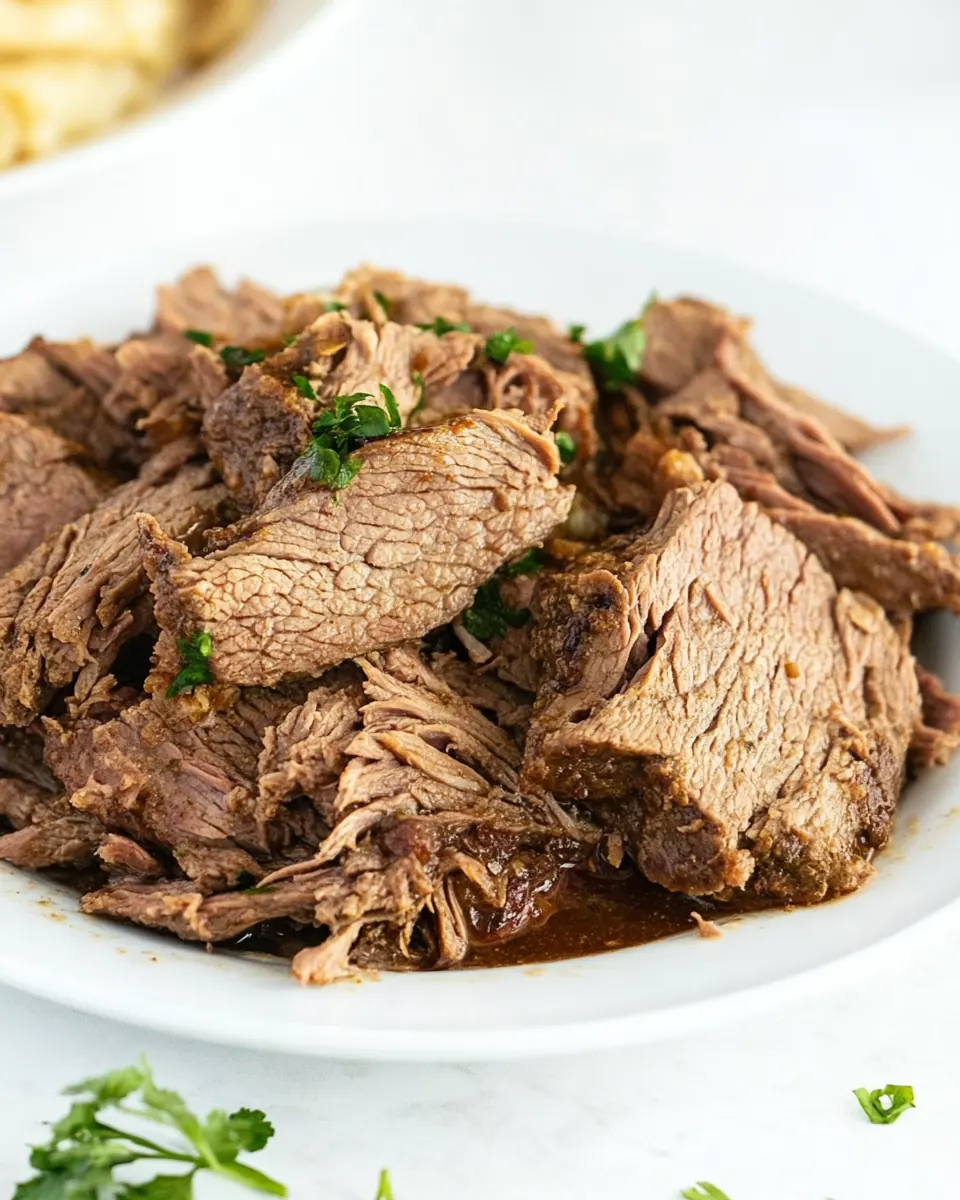
These ingredients are built around a classic slow braise philosophy: a small, thoughtful spice mix to amplify the meat, a modest amount of beef broth to provide steam and flavor, and a few optional items for serving. The key players are the tri tip roast and the aromatics that create a fragrant crust and a rich cooking liquid. Together they transform into a tender, shred friendly finish.
- 1 1/4 teaspoons salt: Season generously to enhance overall flavor and help tenderize the meat during slow cooking; distribute evenly over the roast before searing or placing in the cooker. Balance salt based on broth sodium and personal taste to avoid oversalting during long cook times.
- 1/2 teaspoon black pepper: Add subtly to provide a warm, pungent background note that complements beef; grind fresh if possible for brighter aroma. Use sparingly to avoid overpowering delicate herb flavors in the sauce.
- 3/4 teaspoon dried thyme: Provide an earthy, slightly floral herbiness that supports the meat and other dried herbs; crumble finely between fingers to release oils before applying. Rehydrate slightly in the braising liquid for more integrated flavor.
- 1/2 teaspoon dried rosemary: Contribute a piney, slightly lemony aroma that pairs well with roasted beef; use crushed or ground form to distribute evenly. Combine with thyme and oregano for a classic savory herb profile.
- 4 cloves garlic minced: Infuse robust savory depth and aromatic complexity when minced and added raw or briefly sautéed; help build a flavorful base for the cooking liquid. Adjust quantity to taste, as garlic becomes sweeter and more mellow during long cooking.
- 1 teaspoon onion powder: Supply a concentrated onion flavor without added moisture, enhancing umami and rounded savory notes; sprinkle over the roast or mix into rubs and sauces. Works well dissolved into the broth for even flavor distribution.
- 3/4 teaspoon dried oregano: Add Mediterranean herbal complexity with slightly bitter, aromatic tones that balance richer flavors; crumble to release essential oils before use. Complements rosemary and thyme for a layered herb blend.
- 1/2 teaspoon smoked paprika: Introduce a smoky, mildly sweet warmth that enhances beef's natural flavors and adds depth to the sauce; incorporate into the rub or cooking liquid. Use smoked paprika judiciously to avoid masking other spices.
- 3 pound tri-tip beef roast trimmed: Serve as the central protein; choose a well-trimmed tri-tip for even cooking and slicing against the grain after resting. Sear if desired before slow cooking to develop a caramelized crust and deeper flavor.
- 2 cups beef broth: Provide the braising liquid that tenderizes the roast and carries flavors throughout the cooking process; choose low-sodium broth to control overall saltiness. Pour around the roast to ensure moist, fork-tender results without submerging the meat completely.
- 1 1/2 tablespoons Worcestershire sauce: Add savory, umami-rich complexity and a slightly tangy depth to the cooking liquid; stir into broth to enrich pan juices and sauce. Adjust amount for balance with Worcestershire's salty, slightly sweet profile.
- 6 sandwich buns (optional): Offer a serving option that soaks up juices and makes sandwiches; warm or toast before assembling to improve texture. Keep optional based on serving style and appetite size.
- 6 slices Swiss cheese (optional): Provide a melty, creamy layer for sandwiches, adding mild nuttiness and richness that complements beef juices; place on buns briefly under heat to melt. Use optional when serving as sliders or hot roast beef sandwiches.
Step by Step Instructions for Slow Cooker Tri Tip
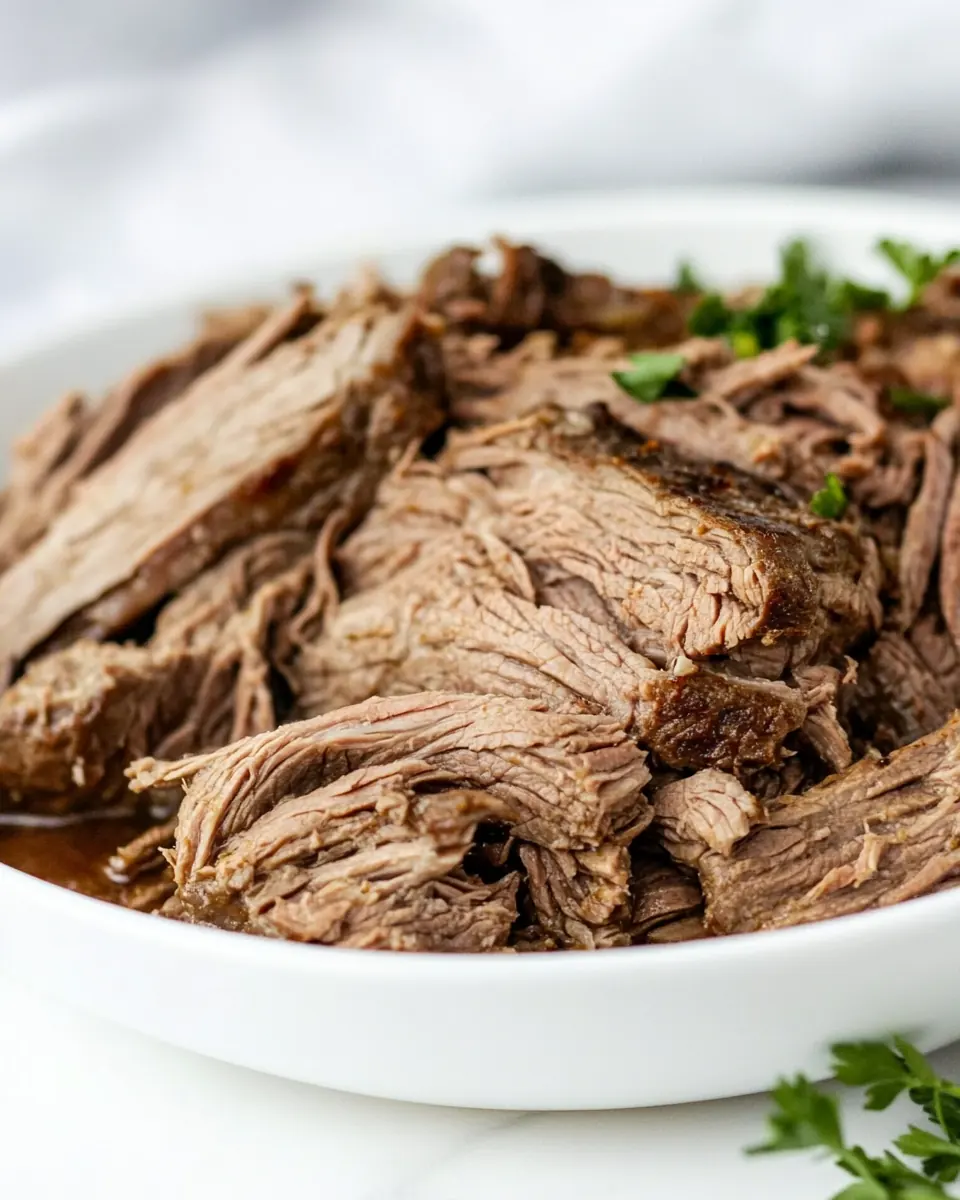
I like to keep the cooking simple and steady so the roast can quietly do its work. Below I walk through the directions so you can follow sensory cues, avoid common mistakes, and understand why each action matters for the final, tender result.
- In a small bowl, mix salt, black pepper, dried thyme, dried rosemary, minced garlic, onion powder, dried oregano, and smoked paprika. Rub the spice mix evenly over the tri-tip roast.: You will notice the aroma change as you blend the spices, with the sharpness of black pepper and the herbaceous notes of thyme and oregano rising first. I like to whisk them until evenly combined so every part of the roast gets the same seasoning. This step matters because an even rub ensures balanced flavor through the meat, and the minced garlic begins releasing its oil which will mingle with the dried herbs during cooking. A common mistake is to under mix and end up with uneven pockets of salt or spice, which can make bites taste inconsistent. Make sure the bowl is dry before adding spices, or the mix can clump and not spread evenly across the surface.
- Place the seasoned tri-tip into the slow cooker. Carefully pour beef broth and Worcestershire sauce around the meat to keep the seasoning intact.: As you press the mixture onto the surface of the tri tip , you should feel the texture change, the meat becoming coated and slightly tacky from the minced garlic . This tactile step helps the rub adhere so the flavors form a seasoned crust in the slow cooker environment. Patting and gently massaging the spices into the meat helps them penetrate the surface. If you skip thorough rubbing, the exterior may be under seasoned compared to the interior. Avoid piling spices in one spot; aim for a uniform layer.
- Cover the slow cooker and set it on low for 6-7 hours, or until the meat is tender and easily shreds with a fork.: The moment you set the roast into the cooker you will hear a soft thud and see the seasoned surface settle. Positioning matters so the roast lays relatively flat, allowing the broth to surround it evenly. Placing the meat off center can cause uneven cooking, so aim for the middle of the pot. A common oversight is overcrowding the crock, which prevents proper heat circulation, so leave space for the liquid to move around the roast.
- Remove the tri-tip from the slow cooker and shred it using two forks. For a sandwich option, lightly butter and toast buns, layer with shredded meat, and top with a slice of Swiss cheese; place under a broiler just until the cheese melts. Serve with a small bowl of the strained cooking liquid as a dipping sauce if desired.: Pour slowly so the seasoned surface remains undisturbed, and you will see the broth pool at the base, shimmering slightly with the dissolved spices. The beef broth provides steam and flavor while the Worcestershire sauce adds depth and umami. Pouring directly on top of the rub can wash it away, so tilt the crock and pour around the meat. A mistake here is using too much liquid which can dilute the flavors, so stick to the measured amount.
- Cover the slow cooker and set it on low for 6 to 7 hours, or until the meat is tender and easily shreds with a fork: As the cooker hums, the kitchen will slowly fill with roasted herb and garlic aromas. You should hear a gentle simmer sound, not a vigorous boil. Low heat slowly breaks down connective tissue, converting collagen into gelatin which yields that tender, shreddable texture. Resist lifting the lid frequently, because every peek releases heat and extends cooking time. The typical error is checking too often; trust the time and the scent as cues for doneness.
- Remove the tri tip from the slow cooker and shred it using two forks: When you lift the roast out, it should fall apart easily and steam will rise, carrying savory notes. Use two forks to pull the meat along the grain, producing long, juicy shreds. The braising liquid clinging to the meat is full of concentrated flavor, so keep a little for serving. Over shredding can make the texture stringy, while under shredding leaves large lumps, so aim for consistent strands. If the meat resists, it needs more time; putting it back for an extra hour usually fixes that.
- For a sandwich option, lightly butter and toast buns, layer with shredded meat, and top with a slice of Swiss cheese: Toasting the buns adds a crunchy contrast to the succulent tri tip , and the buttered surface caramelizes lightly under a broiler. When you add the warm shredded meat the cheese will begin to soften, creating a creamy counterpoint. Broiling just until the cheese melts gives a glossy finish and a hint of nuttiness from the Swiss . A common slip is overheating the broiler, which can burn the buns before the cheese melts, so watch closely and use short intervals.
- Place under a broiler just until the cheese melts: Slide the assembled sandwiches under a hot broiler for a brief burst of heat, and you will hear a sizzle as the cheese softens and the bun edges darken slightly. This quick step accentuates the textures and brings the sandwich together. Keep an eye on it; broilers work fast and timing is everything. If you leave them too long, the buns will go from golden to burnt in moments.
- Serve with a small bowl of the strained cooking liquid as a dipping sauce if desired: Straining the liquid gives you a clear, savory jus that complements the shredded tri tip . The aroma will be concentrated, with herb and garlic notes prominent, and dipping adds moisture and an extra layer of flavor to each bite. A frequent mistake is serving the jus cold, which dulls the taste, so warm it gently before bringing to the table.
Substitutions and Tips
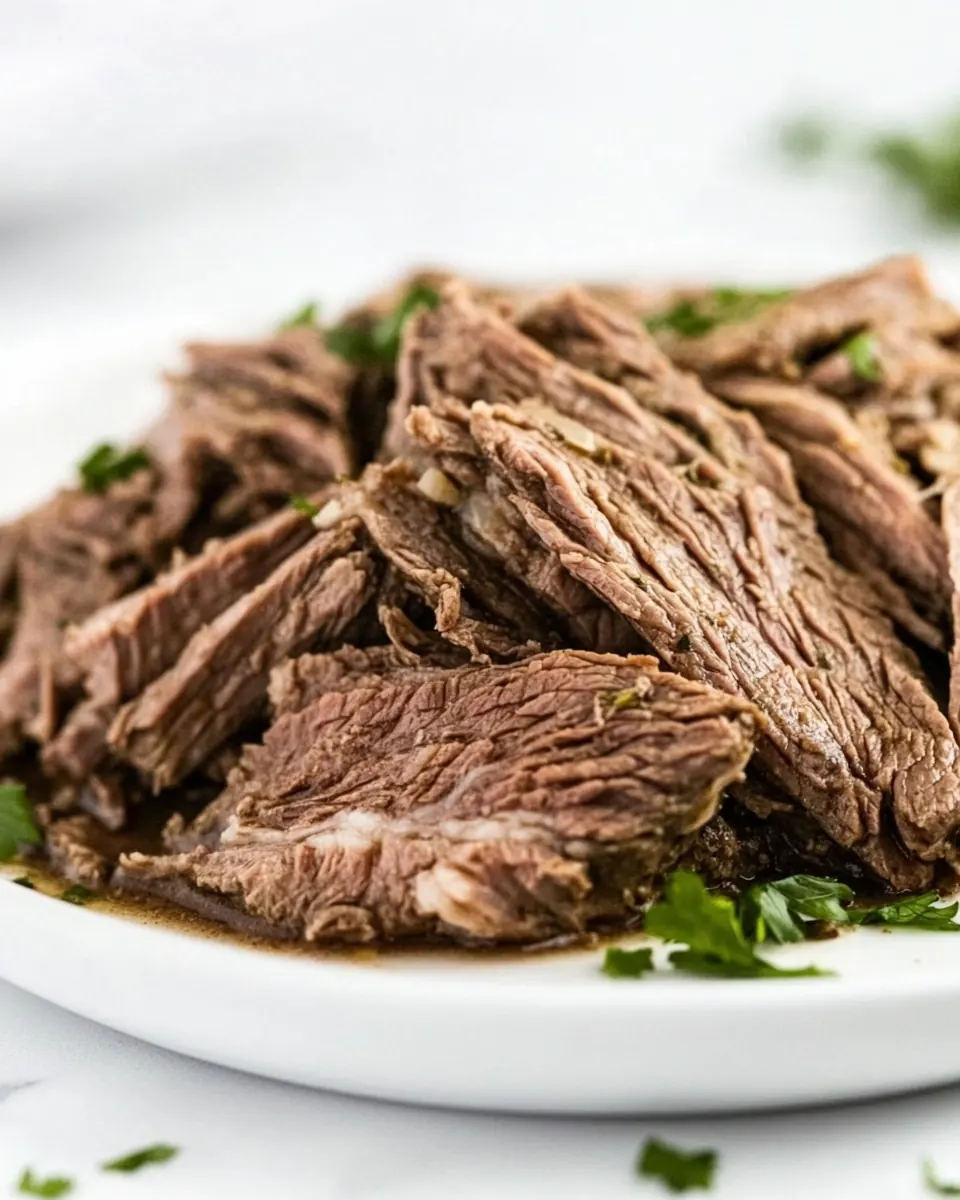
This section expands on helpful adjustments and small techniques that make the recipe more reliable. The list below highlights practical swaps and methods I use frequently so you can get consistent results every time.
- If you prefer milder herbs substitute the dried rosemary with a bit less to avoid an overpowering pine note, and increase the thyme slightly for balance.
- For lower sodium use low sodium beef broth and hold back a quarter of the salt until after cooking so you can adjust to taste.
- To boost umami add an extra 1 teaspoon of Worcestershire sauce to the cooking liquid for deeper savory complexity without changing texture.
- If you lack a slow cooker use a low oven set to 275 F in a covered Dutch oven and follow the same times, checking for tenderness after 4 hours.
- To reheat without drying warm shredded meat gently in a covered skillet with a splash of the reserved braising liquid to restore moisture.
How to Enjoy Slow Cooker Tri Tip
Servings range from casual sandwiches to plated main courses, and the recipe adapts well to many occasions. Below are detailed serving ideas, storage notes, and pairing suggestions to help you present this roast with confidence.
- Casual sandwich night pile warm shredded tri tip on toasted sandwich buns with a slice of Swiss cheese, broil briefly to melt the cheese, and serve with a small bowl of the strained cooking liquid for dipping.
- Family dinner serve the shredded meat over roasted root vegetables with a spoonful of the braising liquid for a hearty winter plate that highlights the roast’s savory depth.
- Meal prep portion cooled shredded meat into airtight containers with a little reserved cooking liquid to keep it moist, and refrigerate for up to four days for quick lunches or dinners.
- Hosting set up a make your own sandwich station with toasted buns, warmed shredded tri tip, cheese slices, and small bowls of jus so guests assemble to their liking.
- Seasonal pairing this dish fits winter menus especially well, pairing nicely with braised greens or buttery mashed potatoes for a comforting combination.
- Storage tip freeze shredded meat in meal sized portions with a bit of cooking liquid for up to three months, thaw overnight in the fridge and reheat gently to avoid drying.
FAQ
Conclusion
What makes this recipe special is how a simple spice rub and a long, slow cook transform a modest cut into tender, flavorful shredded meat. The method is forgiving, the flavors are layered yet approachable, and it adapts to sandwiches or plated mains depending on the occasion. Give it a try the next time you want an easy, crowd pleasing meal that requires little hands on time but delivers big on comfort and savory depth. Serve it warm, offer a dipping jus, and enjoy how quickly it becomes a family favorite.
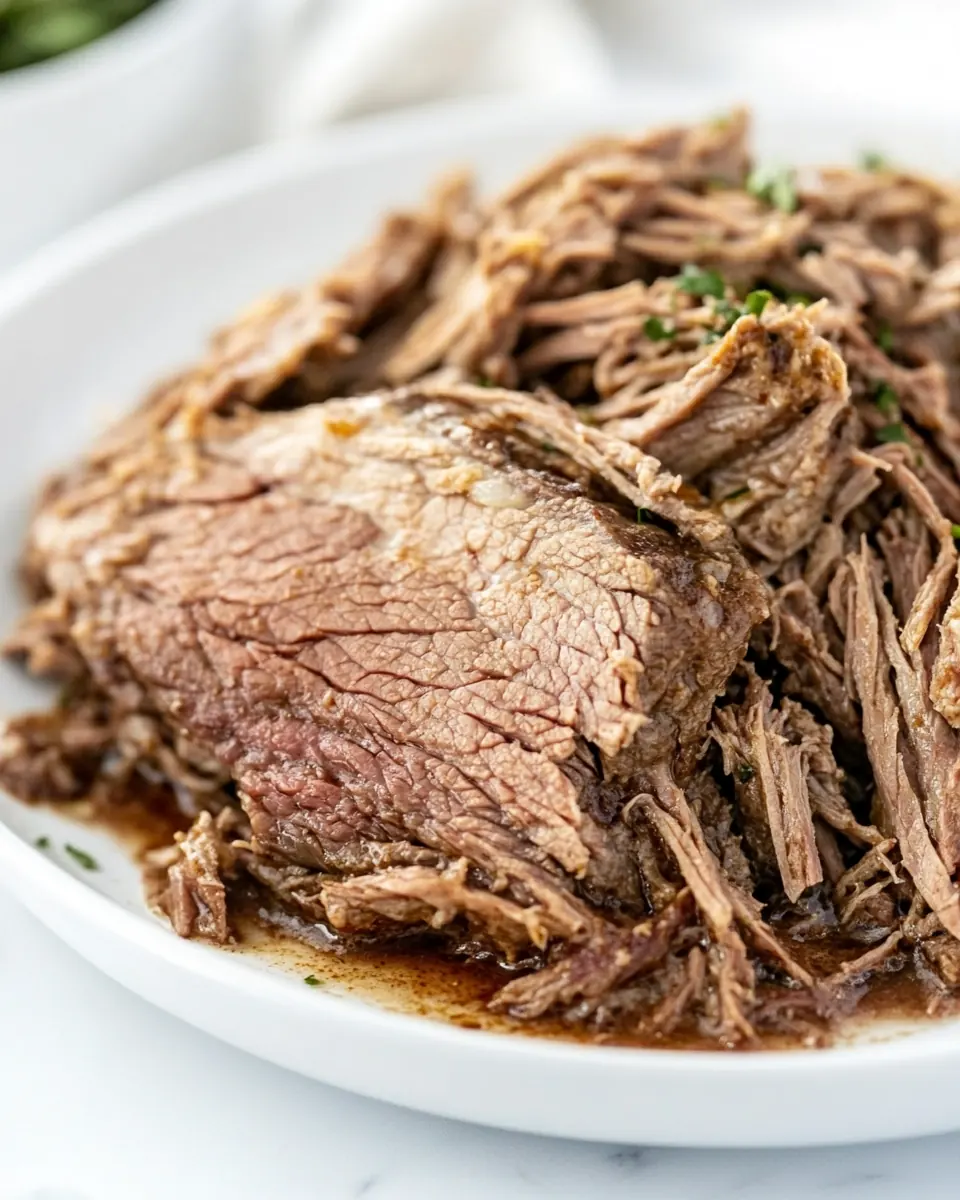
Slow Cooker Tri Tip
Ingredients
Equipment
Method
- In a small bowl, mix salt, black pepper, dried thyme, dried rosemary, minced garlic, onion powder, dried oregano, and smoked paprika. Rub the spice mix evenly over the tri-tip roast.: You will notice the aroma change as you blend the spices, with the sharpness of black pepper and the herbaceous notes of thyme and oregano rising first. I like to whisk them until evenly combined so every part of the roast gets the same seasoning. This step matters because an even rub ensures balanced flavor through the meat, and the minced garlic begins releasing its oil which will mingle with the dried herbs during cooking. A common mistake is to under mix and end up with uneven pockets of salt or spice, which can make bites taste inconsistent. Make sure the bowl is dry before adding spices, or the mix can clump and not spread evenly across the surface.
- Place the seasoned tri-tip into the slow cooker. Carefully pour beef broth and Worcestershire sauce around the meat to keep the seasoning intact.: As you press the mixture onto the surface of the tri tip , you should feel the texture change, the meat becoming coated and slightly tacky from the minced garlic . This tactile step helps the rub adhere so the flavors form a seasoned crust in the slow cooker environment. Patting and gently massaging the spices into the meat helps them penetrate the surface. If you skip thorough rubbing, the exterior may be under seasoned compared to the interior. Avoid piling spices in one spot; aim for a uniform layer.
- Cover the slow cooker and set it on low for 6-7 hours, or until the meat is tender and easily shreds with a fork.: The moment you set the roast into the cooker you will hear a soft thud and see the seasoned surface settle. Positioning matters so the roast lays relatively flat, allowing the broth to surround it evenly. Placing the meat off center can cause uneven cooking, so aim for the middle of the pot. A common oversight is overcrowding the crock, which prevents proper heat circulation, so leave space for the liquid to move around the roast.
- Remove the tri-tip from the slow cooker and shred it using two forks. For a sandwich option, lightly butter and toast buns, layer with shredded meat, and top with a slice of Swiss cheese; place under a broiler just until the cheese melts. Serve with a small bowl of the strained cooking liquid as a dipping sauce if desired.: Pour slowly so the seasoned surface remains undisturbed, and you will see the broth pool at the base, shimmering slightly with the dissolved spices. The beef broth provides steam and flavor while the Worcestershire sauce adds depth and umami. Pouring directly on top of the rub can wash it away, so tilt the crock and pour around the meat. A mistake here is using too much liquid which can dilute the flavors, so stick to the measured amount.
- Cover the slow cooker and set it on low for 6 to 7 hours, or until the meat is tender and easily shreds with a fork: As the cooker hums, the kitchen will slowly fill with roasted herb and garlic aromas. You should hear a gentle simmer sound, not a vigorous boil. Low heat slowly breaks down connective tissue, converting collagen into gelatin which yields that tender, shreddable texture. Resist lifting the lid frequently, because every peek releases heat and extends cooking time. The typical error is checking too often; trust the time and the scent as cues for doneness.
- Remove the tri tip from the slow cooker and shred it using two forks: When you lift the roast out, it should fall apart easily and steam will rise, carrying savory notes. Use two forks to pull the meat along the grain, producing long, juicy shreds. The braising liquid clinging to the meat is full of concentrated flavor, so keep a little for serving. Over shredding can make the texture stringy, while under shredding leaves large lumps, so aim for consistent strands. If the meat resists, it needs more time; putting it back for an extra hour usually fixes that.
- For a sandwich option, lightly butter and toast buns, layer with shredded meat, and top with a slice of Swiss cheese: Toasting the buns adds a crunchy contrast to the succulent tri tip , and the buttered surface caramelizes lightly under a broiler. When you add the warm shredded meat the cheese will begin to soften, creating a creamy counterpoint. Broiling just until the cheese melts gives a glossy finish and a hint of nuttiness from the Swiss . A common slip is overheating the broiler, which can burn the buns before the cheese melts, so watch closely and use short intervals.
- Place under a broiler just until the cheese melts: Slide the assembled sandwiches under a hot broiler for a brief burst of heat, and you will hear a sizzle as the cheese softens and the bun edges darken slightly. This quick step accentuates the textures and brings the sandwich together. Keep an eye on it; broilers work fast and timing is everything. If you leave them too long, the buns will go from golden to burnt in moments.
- Serve with a small bowl of the strained cooking liquid as a dipping sauce if desired: Straining the liquid gives you a clear, savory jus that complements the shredded tri tip . The aroma will be concentrated, with herb and garlic notes prominent, and dipping adds moisture and an extra layer of flavor to each bite. A frequent mistake is serving the jus cold, which dulls the taste, so warm it gently before bringing to the table.
Notes
- If you prefer milder herbs substitute the dried rosemary with a bit less to avoid an overpowering pine note, and increase the thyme slightly for balance.
- For lower sodium use low sodium beef broth and hold back a quarter of the salt until after cooking so you can adjust to taste.
- To boost umami add an extra 1 teaspoon of Worcestershire sauce to the cooking liquid for deeper savory complexity without changing texture.
- If you lack a slow cooker use a low oven set to 275 F in a covered Dutch oven and follow the same times, checking for tenderness after 4 hours.
- To reheat without drying warm shredded meat gently in a covered skillet with a splash of the reserved braising liquid to restore moisture.