Thai Coconut Curry Soup
Thai Coconut Curry Soup is the recipe I reach for when I want a bowl that feels both soothing and slightly adventurous. The first time I made it I was short on time but craving something layered and comforting, so I roasted a half squash and coaxed bold coconut and curry together, and the result felt like a warm hug with a little tropical sunshine mixed in. From that day on this soup became my go to when I need to lift an ordinary evening.
There is something about the way the roasted flesh of the squash softens and the coconut blends smooth that always surprises me. I remember standing at the counter, steaming bowl in hand, noticing how the curry scent curled up like steam and made the kitchen feel like a small, fragrant refuge. That scent comforts me the same way a favorite sweater does, but it also promises a bright, spicy note at the finish.
I also love how accessible this dish is. You do not need a pantry full of exotic ingredients to make it sing, just a few thoughtful steps and a blender. I like to keep the other half of the roasted squash for a grain bowl the next day, so nothing goes to waste. Over time I have learned small tricks that make every batch richer, and I enjoy sharing them so you can make this soup and feel the same warmth I do.
Recipe Snapshot
60 mins
15 mins
45 mins
Medium
250 kcal
Thai
Gluten-Free, Keto
Soups
Oven, Baking sheet, Skillet, Blender, Sauce pot
What Makes This Thai Coconut Curry Soup Special
Comforting and Creamy Texture
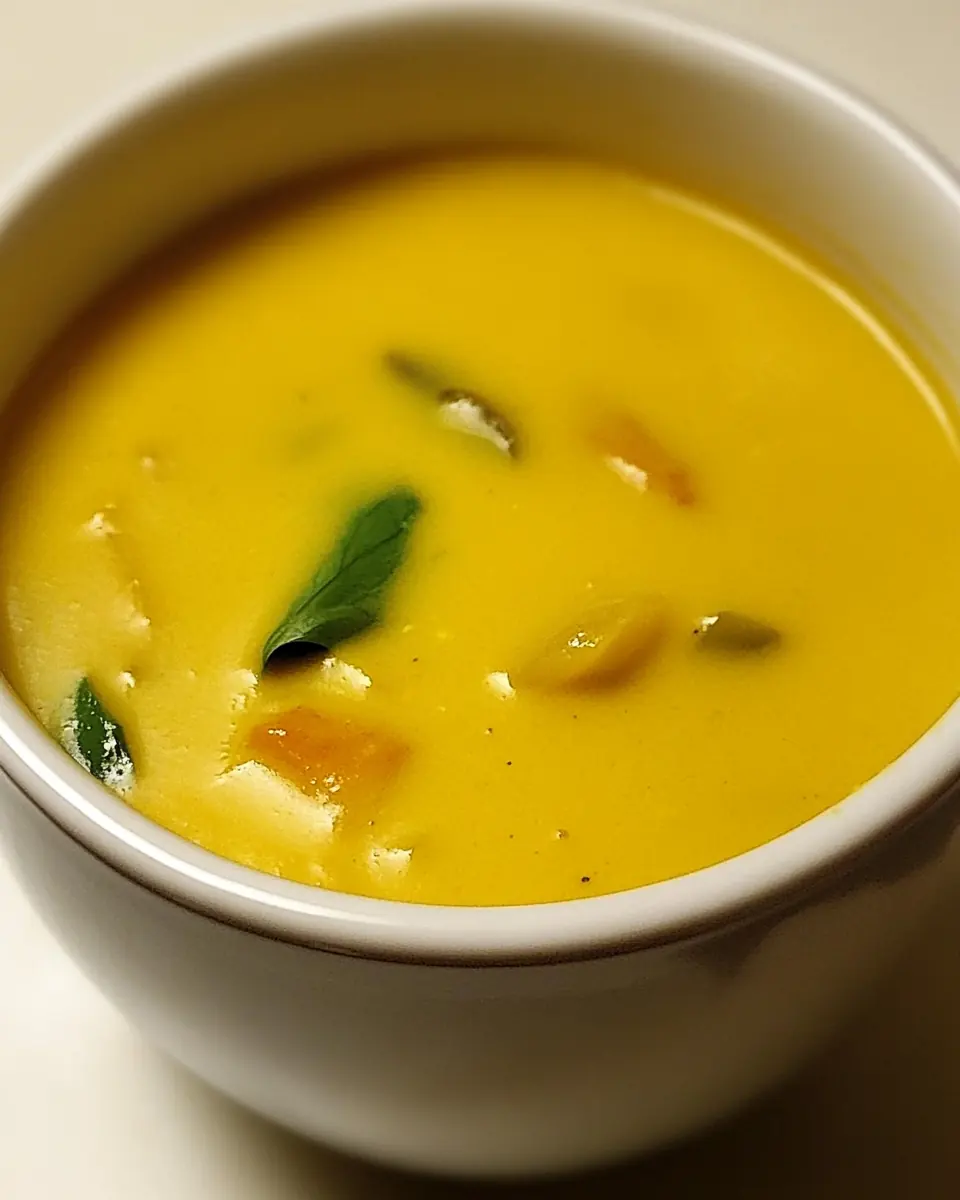
I adore how Thai Coconut Curry Soup delivers a velvety, luscious mouthfeel without relying on heavy dairy. The blended squash and freshly pulped coconut make a rich emulsion that feels indulgent, yet light on the palate. When I serve it, people often close their eyes at the first spoonful, and I know the texture did its job.
Bright Aromatics and Balanced Spice
The interplay of garlic, ginger, and curry gives this soup brightness and warmth. I appreciate that it is easy to nudge the flavor toward subtle or bold by adjusting the curry and salt. That control is why I reach for this soup when I want to impress without stress.
Flexible and Resourceful
This recipe is forgiving. You can use roasted fresh butternut squash or pantry friendly canned squash, and if you are short on time, a can of coconut milk can stand in for fresh coconut. I like that it adapts to what you already have, which makes it perfect for busy nights or last minute guests.
Minimal Equipment, Maximum Flavor
All you really need is an oven, a skillet, and a blender, and the soup rewards simple tools with complex results. I love recipes that ask for little but give a lot, and this fits that description perfectly. It teaches you that technique matters more than gadgetry.
Wholesome and Seasonal
When winter rolls in I reach for heartier produce, and the roasted squash in this soup is a seasonally smart choice. It feels nourishing on a cold evening and pairs well with cozy rituals like curling up with a book or hosting an intimate dinner. That seasonal fit is why it keeps reappearing on my table.
Ingredients for Thai Coconut Curry Soup
These ingredients are about balance. The pairing of roasted starchy squash with the natural creaminess of fresh coconut produces a smooth, silky base. Aromatics like onion, garlic, and ginger supply savory depth and lift, while the curry powder ties everything together with warm, complex notes. A touch of salt enhances all the flavors, and water is there as a gentle modifier for texture.
- Half of a medium butternut squash (about 1 1/2 cups, cooked): Purée until smooth to provide a naturally sweet, velvety base and body for the soup; contributes nutrients and a creamy texture when blended with liquids. Enhances color and seasonal flavor that balances the curry and coconut elements. Works well roasted or simmered until tender to develop deeper caramelized notes.
- 1 teaspoon coconut oil: Sauté briefly to release aromatic oils and lend a subtle, tropical richness that complements the coconut flavor. Adds a high-heat fat for softening aromatics and lightly browning squash edges if desired. Use sparingly to avoid overpowering the delicate coconut and young coconut meat.
- 1/4 cup diced onion: Sweat until translucent to build a savory foundation and release sweet, aromatic compounds that meld with curry and ginger. Provides a mild, rounded background flavor that supports the soup's overall savory profile. Chop uniformly to ensure even cooking and integration into the purée.
- 2 cloves garlic, minced: Cook briefly to unlock pungent, savory notes and deepen the soup's aromatic complexity; adds warmth and depth when softened with the onion. Mince finely so it disperses evenly and infuses the broth without leaving large pieces. Avoid burning to prevent bitterness and maintain a clean garlic flavor.
- Young Thai Coconut, both the water and meat (a little over 2 cups, total): Blend both liquid and tender meat to create a creamy, subtly sweet coconut base that defines the soup's tropical character. Supplies natural sweetness, light fat, and a delicate coconut aroma that harmonizes with curry and ginger. Strain or pulse as preferred to control texture and incorporate fibers.
- 1 teaspoon fresh ginger, minced: Grate or mince to introduce bright, zesty heat that lifts the soup and complements the curry spices; balances sweetness from squash and coconut. Adds a fresh, slightly peppery bite that enhances aroma and aids digestion. Use freshly prepared ginger for the most vibrant flavor.
- 1 teaspoon curry powder: Toast briefly or add early to bloom its flavors and provide warm, aromatic spice notes that tie the dish together. Enhances savory and sweet elements while contributing subtle earthiness and mild heat. Adjust quantity to suit desired intensity and complement the young coconut's sweetness.
- 1/2 teaspoon fine sea salt: Dissolve evenly to season and bring out the other flavors while stabilizing sweetness and spice; helps balance the curry's complexity. Prevents blandness and ensures depth across the soup's profile when tasted and adjusted near the end. Use fine sea salt for fast, even distribution.
- water, if needed for desired texture: Add as needed to achieve a preferred consistency, thinning the puréeed mixture to a ladleable, soup-like texture without diluting flavor excessively. Allows control over thickness for serving preferences and reheating behavior. Use warm water or reserved cooking liquid to maintain temperature and cohesion.
How to Cook Thai Coconut Curry Soup

This recipe is uncomplicated in technique but benefits from attentive cooking. I like to sequence the steps so the roasted squash, sautéed aromatics, and fresh coconut all come together seamlessly. Keep your blender handy and pay attention to visual and sensory cues for best results.
- Preheat your oven to 400 F.: The oven should feel hot and steady so the squash roasts evenly, producing caramelized edges and deep flavor. You will notice a faint sweet aroma as the natural sugars begin to concentrate, and the skin will tighten slightly. If the oven temperature is too low the squash will steam instead of roast and lack depth, so use an oven thermometer if yours runs cool.
- Cut the squash in half, lengthwise, and place the halves face-down on a baking sheet. Bake for 30-45 minutes, until the skin can be easily pierced with a fork. You'll only need one half of the squash for this recipe, so reserve the other half for another meal!: When the squash is done it will yield to a fork and the exposed flesh will have tiny golden spots where sugars have caramelized, offering a nutty aroma. Overbaking can dry out the flesh and make it stringy, while underbaking leaves it starchy and hard to puree smoothly. To test doneness, press a fork into the flesh; it should meet little resistance and lift away cleanly.
- While the squash is cooking, melt the coconut oil in a skillet over medium-high heat and saute the diced onion and garlic until translucent and tender, about 8 minutes. Feel free to use a splash of water, if needed, to prevent sticking. Set aside to cool.: As the onion softens it will change from opaque to translucent and release a sweet, savory fragrance that forms the backbone of the soup. The garlic becomes softer and mellower, but if it starts to brown and smell sharp, the pan is too hot. A common misstep is rushing this step, which leaves an underdeveloped flavor base, so take your time to render the aromatics gently.
- Now it's time for the most daunting part. Opening the coconut! All you need is a decent cleaver, and one hand kept safely behind your back. I simply whack away around the center, until the top can be easily popped off! Pour all of the water into the container of your blender, then use a spoon to scrape out the white flesh. Blend both the coconut meat and water in the blender until it reaches a thick coconut 'milk' consistency.: You will see the pale coconut flesh break down into silky, creamy liquid, and the aroma will turn fresh and floral. The sound of the blender changes when it shifts from chunk clatter to a smoother hum. Use caution opening the coconut to avoid injury; a dull or uncontrolled strike can crack it unpredictably, and stray shell fragments can end up in the puree if you are not careful to skim them out.
- To the coconut milk, add the rest of the ingredients– including half of the roasted squash, cooked onions and garlic, curry, ginger and salt. Blend until completely smooth and creamy, then adjust the taste and texture to your liking, adding a bit of water to thin, if needed.: As the blender works, watch for a luxuriously thick texture where the squash integrates with the fresh coconut , creating a glossy, opaque soup base. The fragrance will lift, and the curry and ginger will start to bloom. If you over dilute with water it will mute the flavors, so add liquid incrementally. A common error here is underblending, which leaves fibrous streaks, so blend until impeccably smooth for the best mouthfeel.
- Transfer the soup to a sauce pot, and heat over the stove until piping hot.: Heating should be gentle, just enough to steam and shimmer without boiling vigorously. You want the soup to reach a temperature where steam rises and small bubbles form at the edges, which amplifies aroma and melds flavors. Avoid boiling, because intense heat can separate the coconut and alter the texture. If the soup thickens too much, a tablespoon of water at a time will rescue the consistency.
- Serve immediately!: The final presentation is about warmth and immediacy. Pour into warmed bowls so the soup stays hot longer, and notice how the aroma brightens as steam lifts. A lingering mistake is letting the soup sit too long, which dulls the aromatics and cools the texture, so serve right away for optimum experience.
Substitutions and Tips

This section highlights practical swaps and serving tips that keep the soul of the recipe intact. I expand on the note from the original recipe and give you options for time savers, texture tweaks, and small finishing touches that elevate each bowl.
- Use canned pumpkin or squash: If fresh butternut squash is not available, a 15 to 16 ounce can of pumpkin or canned squash works. It reduces prep time and still provides a creamy base. Be mindful of added salt in canned products and adjust the salt in the recipe accordingly.
- Substitute canned coconut milk: A 16 ounce can of coconut milk can replace fresh coconut for convenience. Choose a full fat or regular can for richness, and shake well before opening. Canned milk may be slightly sweeter and less bright than fresh, so taste and adjust with ginger or curry as needed.
- Make it ahead: This soup holds well in the refrigerator for up to three days. Reheat gently over low heat, stirring occasionally to preserve the smooth texture. Avoid boiling during reheating to prevent separation.
- Control the spice level: Adjust the amount of curry powder to dial the heat and aromatic intensity. Start small and increase by quarter teaspoon increments so you can find your ideal balance without overshooting.
- Thin gradually with water: If the blended soup is thicker than you prefer, add water a tablespoon at a time while stirring, so you maintain flavor concentration and avoid overly watery results.
- Reserve the other half of roasted squash: Save the unused roasted half for another meal, like a grain bowl or salad topper, to reduce waste and extend the recipe’s value.
Serving Options for Thai Coconut Curry Soup
This soup is versatile on the table and suits casual lunches as well as intimate dinners. I like to serve it in warmed bowls with a small assortment of garnishes so guests can personalize each spoonful. It also stores and reheats beautifully, making it a reliable option during busy weeks or seasonal gatherings.
- Simple bowl service: Ladle the hot soup into warmed bowls and serve with a spoonful of extra coconut milk or a drizzle of coconut oil for sheen and richness.
- Crunchy garnish option: Offer toasted nuts or seeds on the side for texture contrast, so diners can add crunch if they like; this is great for adding a nutty counterpoint to the creamy soup.
- Sweet and savory topping: Small spoonfuls of dried cranberries or a sprinkle of fresh herbs make a surprising but delightful counterpoint, adding brightness and tiny bursts of flavor.
- Occasions: This soup is ideal for cozy winter dinners, a light evening meal during Ramadan after iftar, or an easy weeknight dinner when you want something soothing yet memorable.
- Pairings: Serve with warm crusty bread or simple steamed rice to make the meal more substantial, letting the starch soak up the fragrant broth for extra satisfaction.
- Storage tips: Keep leftovers in an airtight container in the refrigerator for up to three days, and reheat gently over low heat. For longer storage, freeze in portions for up to three months and thaw overnight in the refrigerator before gentle reheating.
- Seasonal pairings: In winter, pair with roasted root vegetables or a crisp green salad to balance the creamy richness with fresh, bright textures.
FAQ
Conclusion
This recipe shines because it balances creamy, roasted squash with bright coconut and warm curry to make a bowl that feels both comforting and vibrant. The technique is simple, but the layering of roasted vegetables, sautéed aromatics, and freshly blended coconut yields a depth of flavor that feels more sophisticated than the effort required. I encourage you to try it on a chilly evening or when you want a nourishing, easy meal that still feels special. Enjoy the process, and know that small adjustments will let you make the soup perfectly yours.

Thai Coconut Curry Soup
Ingredients
Equipment
Method
- Preheat your oven to 400 F.: The oven should feel hot and steady so the squash roasts evenly, producing caramelized edges and deep flavor. You will notice a faint sweet aroma as the natural sugars begin to concentrate, and the skin will tighten slightly. If the oven temperature is too low the squash will steam instead of roast and lack depth, so use an oven thermometer if yours runs cool.
- Cut the squash in half, lengthwise, and place the halves face-down on a baking sheet. Bake for 30-45 minutes, until the skin can be easily pierced with a fork. You'll only need one half of the squash for this recipe, so reserve the other half for another meal!: When the squash is done it will yield to a fork and the exposed flesh will have tiny golden spots where sugars have caramelized, offering a nutty aroma. Overbaking can dry out the flesh and make it stringy, while underbaking leaves it starchy and hard to puree smoothly. To test doneness, press a fork into the flesh; it should meet little resistance and lift away cleanly.
- While the squash is cooking, melt the coconut oil in a skillet over medium-high heat and saute the diced onion and garlic until translucent and tender, about 8 minutes. Feel free to use a splash of water, if needed, to prevent sticking. Set aside to cool.: As the onion softens it will change from opaque to translucent and release a sweet, savory fragrance that forms the backbone of the soup. The garlic becomes softer and mellower, but if it starts to brown and smell sharp, the pan is too hot. A common misstep is rushing this step, which leaves an underdeveloped flavor base, so take your time to render the aromatics gently.
- Now it's time for the most daunting part. Opening the coconut! All you need is a decent cleaver, and one hand kept safely behind your back. I simply whack away around the center, until the top can be easily popped off! Pour all of the water into the container of your blender, then use a spoon to scrape out the white flesh. Blend both the coconut meat and water in the blender until it reaches a thick coconut 'milk' consistency.: You will see the pale coconut flesh break down into silky, creamy liquid, and the aroma will turn fresh and floral. The sound of the blender changes when it shifts from chunk clatter to a smoother hum. Use caution opening the coconut to avoid injury; a dull or uncontrolled strike can crack it unpredictably, and stray shell fragments can end up in the puree if you are not careful to skim them out.
- To the coconut milk, add the rest of the ingredients-- including half of the roasted squash, cooked onions and garlic, curry, ginger and salt. Blend until completely smooth and creamy, then adjust the taste and texture to your liking, adding a bit of water to thin, if needed.: As the blender works, watch for a luxuriously thick texture where the squash integrates with the fresh coconut , creating a glossy, opaque soup base. The fragrance will lift, and the curry and ginger will start to bloom. If you over dilute with water it will mute the flavors, so add liquid incrementally. A common error here is underblending, which leaves fibrous streaks, so blend until impeccably smooth for the best mouthfeel.
- Transfer the soup to a sauce pot, and heat over the stove until piping hot.: Heating should be gentle, just enough to steam and shimmer without boiling vigorously. You want the soup to reach a temperature where steam rises and small bubbles form at the edges, which amplifies aroma and melds flavors. Avoid boiling, because intense heat can separate the coconut and alter the texture. If the soup thickens too much, a tablespoon of water at a time will rescue the consistency.
- Serve immediately!: The final presentation is about warmth and immediacy. Pour into warmed bowls so the soup stays hot longer, and notice how the aroma brightens as steam lifts. A lingering mistake is letting the soup sit too long, which dulls the aromatics and cools the texture, so serve right away for optimum experience.
Notes
- Use canned pumpkin or squash: If fresh butternut squash is not available, a 15 to 16 ounce can of pumpkin or canned squash works. It reduces prep time and still provides a creamy base. Be mindful of added salt in canned products and adjust the salt in the recipe accordingly.
- Substitute canned coconut milk: A 16 ounce can of coconut milk can replace fresh coconut for convenience. Choose a full fat or regular can for richness, and shake well before opening. Canned milk may be slightly sweeter and less bright than fresh, so taste and adjust with ginger or curry as needed.
- Make it ahead: This soup holds well in the refrigerator for up to three days. Reheat gently over low heat, stirring occasionally to preserve the smooth texture. Avoid boiling during reheating to prevent separation.
- Control the spice level: Adjust the amount of curry powder to dial the heat and aromatic intensity. Start small and increase by quarter teaspoon increments so you can find your ideal balance without overshooting.
- Thin gradually with water: If the blended soup is thicker than you prefer, add water a tablespoon at a time while stirring, so you maintain flavor concentration and avoid overly watery results.
- Reserve the other half of roasted squash: Save the unused roasted half for another meal, like a grain bowl or salad topper, to reduce waste and extend the recipe's value.