Gingerbread Cake
Gingerbread Cake has been the centerpiece of my chilly afternoons for years, a humble tray of spice scented comfort that always brings people together. The first time I baked this cake I was chasing a memory from childhood, trying to recreate the warm, molasses rich crumb I remembered from a local bakery. I nervously measured, mixed, and tasted along the way, and by the time it came out of the oven the entire kitchen smelled like cinnamon and ginger. Friends arrived while it cooled and their eyes lit up at that familiar aroma.
Over time I learned small tweaks that make the difference between an okay cake and one that you want to slice into even when guests are still arriving. I started swapping out a little fat, adjusting the sweeteners, and paying special attention to how the batter looks when it hits the pan. The final result is always the same, tender but sturdy slices that hold up to a generous smear of frosting. I love how a simple sheet cake can feel both homespun and slightly indulgent, perfect for sharing after a long walk or at a festive gathering.
Recipe Snapshot
45 mins
15 mins
30 mins
Medium
300 kcal
American
Gluten-Free, Low FODMAP
Desserts
Handheld mixer, 9×13 inch baking pan, Spatula, Mixing bowls, Oven
The Appeal of This Gingerbread Cake
Warm, Nostalgic Flavor
I adore this cake because the combination of molasses, cinnamon, and ginger conjures cozy memories faster than nearly any other dessert. I say that from experience, because every bite transports me to holidays past and rainy afternoons, and that emotional pull is a big part of why I reach for this recipe.
Simple Technique, Big Payoff
What I love is how approachable the method is, yet how impressive the result feels. We keep the steps straightforward, and that allows you to focus on texture and timing. I value recipes that let you relax and still look like you put in effort, and this one fits that bill.
Adaptable and Festive
This cake is wonderfully flexible. I often tweak the frosting thickness or add a seasonal garnish, and it still sings. For holiday gatherings, it pairs beautifully with warm drinks and bright accents, and throughout the season it becomes a staple for potlucks because it travels and slices easily.
Moist Yet Structured Crumb
The trick with this recipe is balancing molasses and very hot water, which keeps the crumb moist but not gummy. I appreciate how forgiving the batter is; little variations in mixing rarely derail the final texture, which makes it a reliable choice when I need a last minute dessert.
Shows Well, Feels Homemade
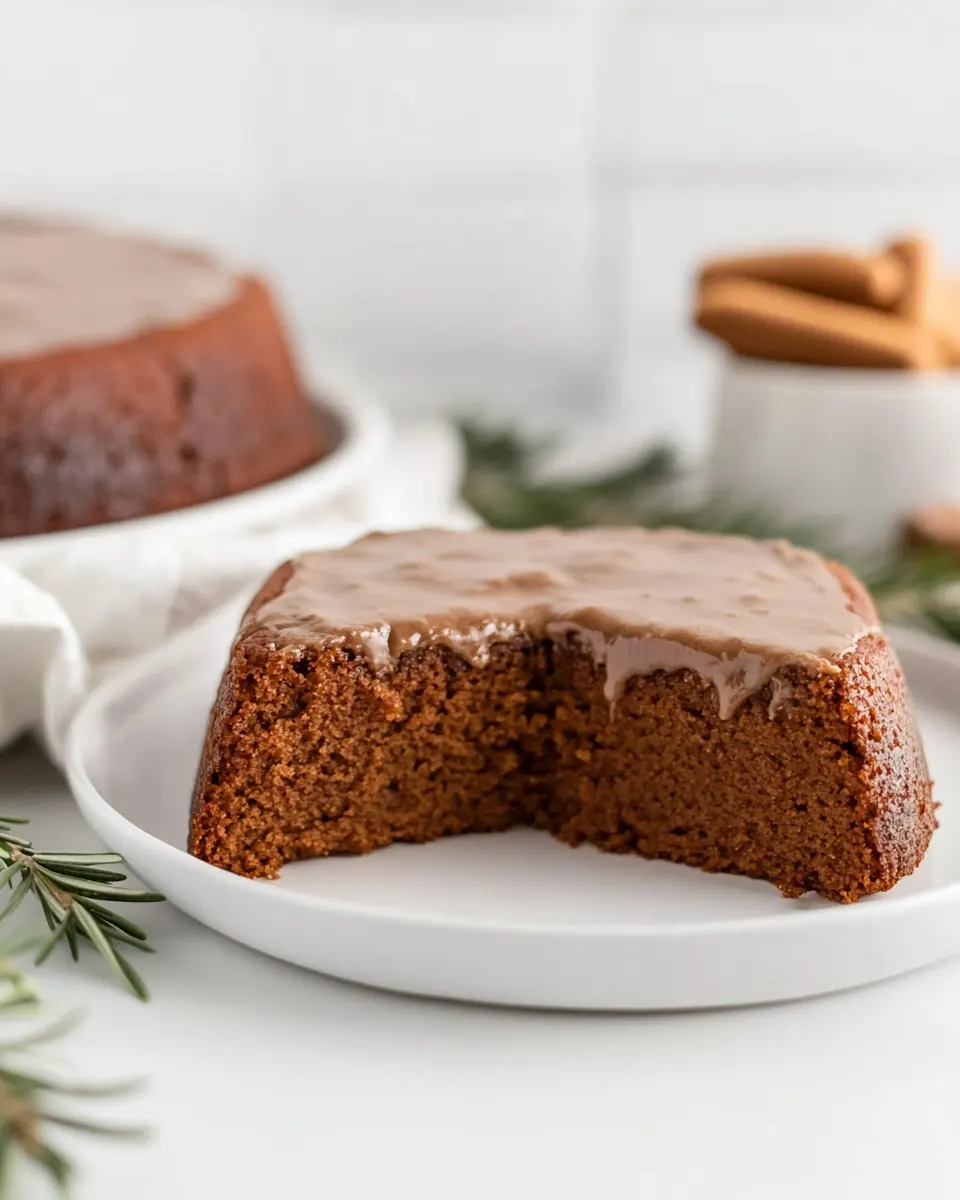
Finally, the finished cake looks inviting without fuss. A smooth layer of frosting and a light garnish turn it into something you are proud to serve, while still feeling like it came from your kitchen. I savor that blend of rustic and polished every time I slice a piece.
Ingredients for Gingerbread Cake
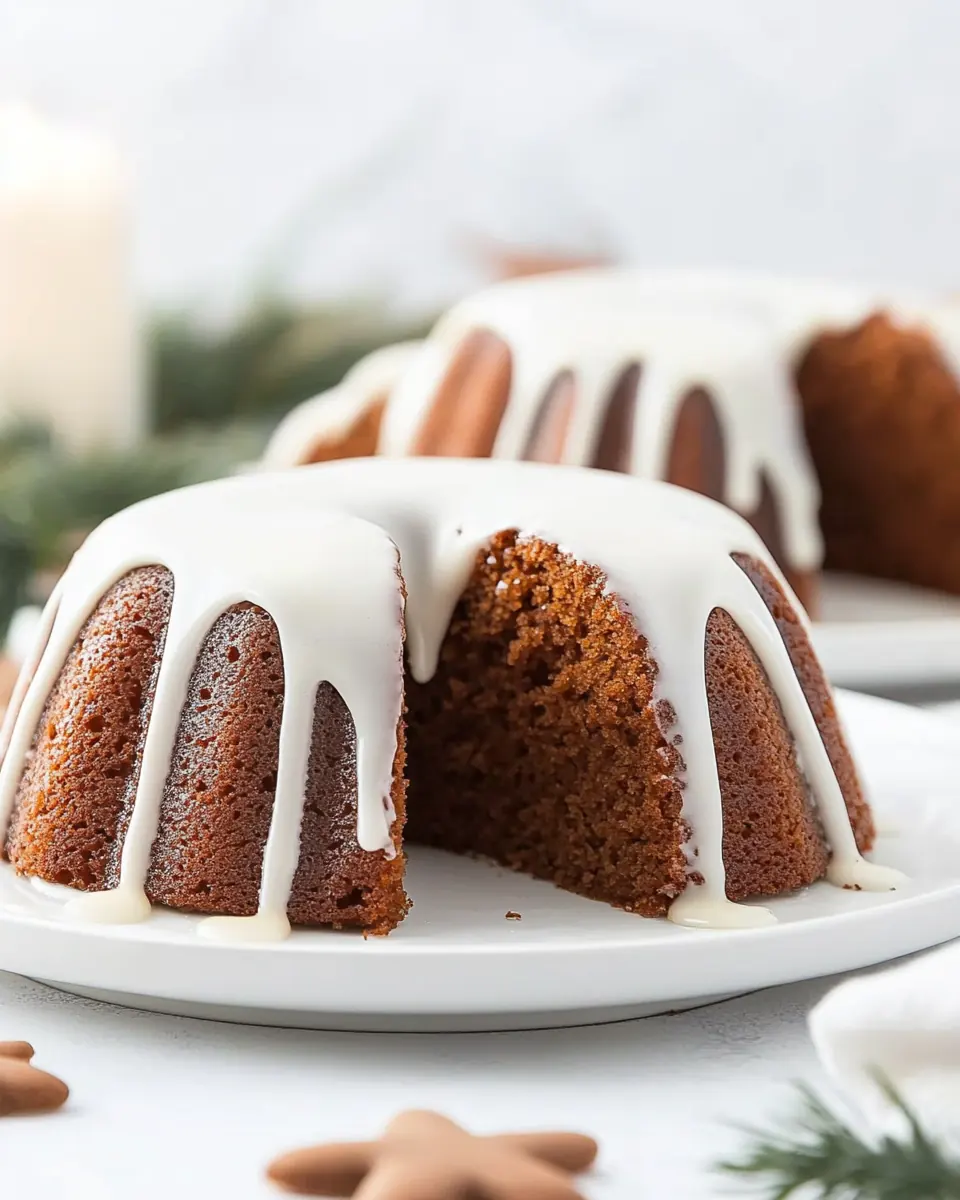
The ingredient list for Gingerbread Cake is a study in balance. The star players are the dark, deep sweetness of molasses, the warmth of spices, and the structure provided by all purpose flour and baking soda. Fat from butter and moisture from applesauce and very hot water keep the crumb tender while the frosting brings bright, creamy contrast. Each item supports texture, flavor, or shelf life, and together they create a cake that feels both rustic and refined.
- 1/2 cup unsalted butter, softened: Cream the butter until light and fluffy to add richness and tender crumb to the cake batter, providing a smooth texture and helping to trap air for leavening. Soften fully to ensure even incorporation with sugars and better emulsion with eggs for improved structure.
- 1/3 cup granulated sugar: Sweeten the batter with granulated sugar to contribute sweetness and to help with creaming, creating lightness and aiding caramelization during baking for color and flavor development. Measure accurately to maintain proper balance with other sweeteners and leavening.
- 1/3 cup brown sugar, packed: Add brown sugar for deep, molasses-like sweetness and extra moisture due to its molasses content, enhancing the cake's chewy texture and richer flavor profile. Pack as specified to ensure consistent sweetness and acidity contribution when combined with baking soda.
- 1 large egg: Bind ingredients and provide structure with the egg, adding moisture, fat, and emulsification to create a stable batter and help with leavening during baking. Use at room temperature for better incorporation and more even rise.
- 1 teaspoon vanilla: Flavor the batter with vanilla to add warm, aromatic complexity that complements the spices and molasses, enhancing overall taste perception without overpowering other flavors. Use pure vanilla for a cleaner, more rounded extract quality.
- 1 cup unsulphured molasses (I use Grandma's brand): Introduce deep, robust sweetness and characteristic gingerbread flavor with molasses, contributing color, acidity, and moisture that interacts with leavening agents for proper crumb and tang. Use the specified unsulphured variety for a milder, cleaner molasses taste.
- 2 1/2 cups all purpose flour, spooned and leveled: Provide bulk and structure with all-purpose flour, supplying gluten proteins that form the crumb and trap gases for rise when properly mixed and rested. Spoon and level to avoid compacting, which would alter texture and dry out the final cake.
- 1 1/2 teaspoons baking soda: React with acids in the batter as a leavening agent when mixed with acidic ingredients, producing carbon dioxide that helps the cake rise and gives a tender crumb. Measure precisely to avoid soapy or metallic tastes from overuse.
- 2 teaspoons ground cinnamon: Impart warm, sweet, and woody aromatic notes with ground cinnamon, complementing ginger and clove to build the classic gingerbread spice profile. Use fresh ground spice for brighter, more potent flavor.
- 2 teaspoons ground ginger: Provide the primary spicy, pungent backbone with ground ginger, delivering heat and brightness that defines gingerbread and balances the sweetness and molasses. Adjust freshness as needed, since ground ginger can lose potency over time.
- 1 teaspoon ground cloves: Contribute a warm, slightly bitter and aromatic depth with ground cloves, enhancing the complexity of the spice blend and rounding out the cake's flavor with strong floral notes. Use sparingly, as cloves are very potent and can dominate if overused.
- 1/2 teaspoon fine sea salt: Enhance and balance overall flavor with fine sea salt, reducing sweetness perception while strengthening the other flavors and assisting gluten structure for better texture. Use measured amount to avoid over-salting.
- 1/2 cup applesauce (I use a no sugar added applesauce): Introduce additional moisture and a mild fruit sweetness with applesauce, helping to tenderize the crumb and reduce the need for extra fat while adding subtle flavor and keeping the cake moist. Use no-sugar–added variety to control overall sweetness.
- 1/2 cup very hot water: Loosen the batter and help dissolve sugars and dry ingredients with very hot water, improving spread and creating a tender crumb while aiding in activating flavors like cocoa or spices. Add gradually and mix to desired consistency.
- 8 ounces cream cheese, softened: Soften the cream cheese thoroughly to create a smooth, creamy frosting base with tangy richness that contrasts the sweet cake, contributing to silky texture and stable spreadability. Beat until lump-free for an even frosting.
- 2 tablespoons unsalted butter, softened: Soften the butter for the frosting to add richness, smoothness, and better spreadability, helping to aerate and stabilize the cream cheese mixture for a balanced frosting consistency. Ensure it's at room temperature to avoid lumps.
- 1 3/4 cup powdered sugar: Sweeten and thicken the frosting with powdered sugar, creating structure and sweetness while smoothing the cream cheese mixture to a pipeable consistency and helping it hold shape at serving temperature. Sift if needed to prevent graininess.
- 1 tablespoon heavy cream or milk: Adjust the frosting consistency and add richness with heavy cream or milk, contributing to a glossy, spreadable texture and allowing control over firmness for piping or spreading. Add gradually to reach the desired thickness.
- 1 teaspoon vanilla: Enhance the frosting's flavor with vanilla for aromatic warmth and complexity that ties into the cake's spices, improving overall depth without introducing competing flavors. Use pure vanilla extract for best results.
- 1/2 teaspoon allspice: Add a warm, slightly peppery depth with allspice to the frosting or batter, complementing cinnamon, cloves, and ginger to round out the spice profile and boost aromatic richness. Use sparingly to maintain balance with other spices.
How to Cook Gingerbread Cake
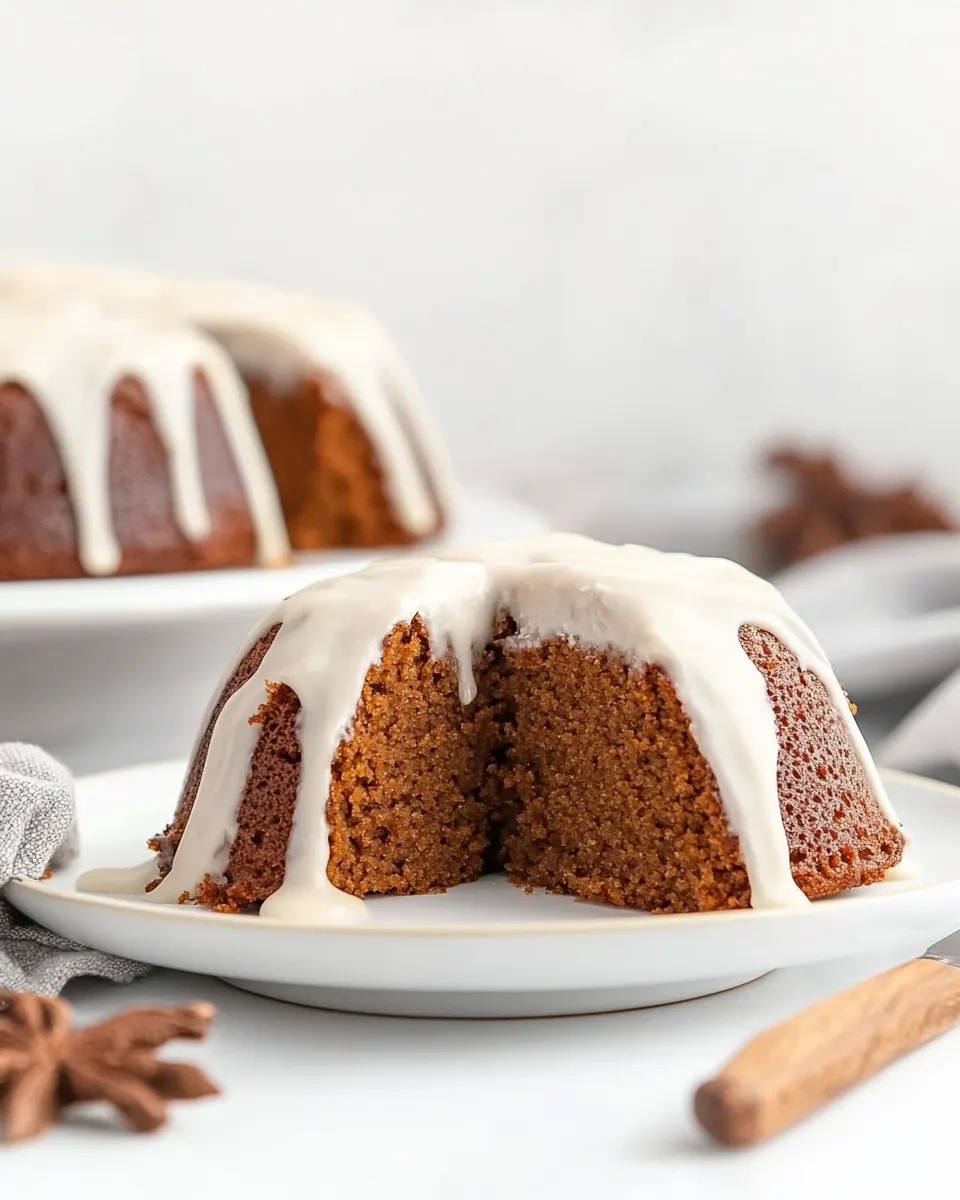
This recipe is straightforward and satisfying, and I like to move through each stage deliberately so the texture and flavors develop properly. Below I break down the process into clear steps that guide your senses and help you avoid common pitfalls. Pay attention to the visual cues and aromas as you go, because they tell you when you are on track.
- Preheat and prepare the pan: Preheat oven to 350°F. Spray a 9×13” baking pan with non-stick cooking spray.: As the oven warms to 350°F you will notice a faint dry heat that subtly alters the rhythm of the kitchen, and that steady warmth is essential for even rise and set. Preparing a 9×13” baking pan with non stick spray ensures the cake releases cleanly, which matters for presentation and texture. If you skip greasing or spritz unevenly the cake can cling and tear when you remove it, so take a moment to coat every corner. A common mistake is preheating the oven too short a time, which can lead to uneven baking, so wait until it reaches the correct temperature before sliding the pan in.
- Cream the wet ingredients: Using a handheld mixer, cream together 1/2 cup butter, 1/3 cup granulated sugar, and 1/3 cup brown sugar in a large mixing bowl. Add the egg, 1 teaspoon vanilla, and 1 cup molasses and continue mixing until fully incorporated.: When you cream 1/2 cup butter with 1/3 cup granulated sugar and 1/3 cup brown sugar using a handheld mixer, listen for the change in motor sound as the mixture becomes lighter and slightly fluffy, which indicates air has been incorporated for lift. Adding the egg , 1 teaspoon vanilla , and 1 cup molasses introduces moisture and rich flavor; the batter should look glossy and well combined. Overbeating after adding the flour can overdevelop gluten, so mix gently once dry components are introduced. If your batter seems curdled after adding the egg , continue mixing briefly it will usually come together, but avoid long, aggressive mixing at this stage.
- Add dry ingredients: Add the 2 1/2 cups flour, 1 1/2 teaspoons baking soda, 2 teaspoons cinnamon, 2 teaspoons ginger, 1 teaspoon cloves, and 1/2 teaspoon salt. Mix just until combined scraping down the sides as needed.: When you add the 2 1/2 cups flour , 1 1/2 teaspoons baking soda , 2 teaspoons cinnamon , 2 teaspoons ginger , 1 teaspoon cloves , and 1/2 teaspoon salt , watch for the batter to turn from glossy and wet to a more cohesive, thicker texture. The spices will bloom against the flour, releasing a warm aroma that signals they are integrating correctly. Mixing just until combined preserves tenderness; overmixing will risk a dense crumb. A common error is adding too much flour by scooping directly with the measuring cup, so spoon and level to keep proportions accurate.
- Mix in applesauce and water: Add the 1/2 cup applesauce and begin mixing on low speed, then slowly pour in the 1/2 cup hot water. Mix until the batter is smooth.: As you fold in 1/2 cup applesauce and then slowly pour the 1/2 cup very hot water while mixing on low, you will notice the batter relax and become more fluid, which helps it spread evenly in the pan. The hot water helps dissolve and distribute the molasses and spices, producing a uniform color and flavor. Add the hot water gradually to avoid shocking the batter and creating separation. If you add it too quickly you might end up with pockets of excess liquid or an uneven texture, so pour slowly and keep the mixer at a low speed.
- Spread into pan: Spread the batter evenly into the prepared baking pan.: Spreading the batter evenly into the prepared pan should feel easy; use a spatula to nudge any thicker spots so the top is level, which ensures uniform baking. The surface will be glossy and smooth and should fill the pan without overflowing. If you leave high ridges they can bake faster and create uneven doneness, so smooth the top before placing the pan in the oven. Resist tapping the pan too vigorously, as that can deflate the trapped air you worked to incorporate.
- Bake: Bake for 28-30 minutes or until a toothpick inserted into the center of the cake comes out clean.: During the 28 to 30 minute bake you will first notice the edges setting and pulling slightly away from the pan, then the center firming. A toothpick inserted into the center should come out clean when the cake is done, and the aroma in your kitchen will intensify into a deep, spicy fragrance. Avoid opening the oven door repeatedly, as that causes temperature fluctuations and can collapse the cake. If the top is browning too quickly, tent with foil to prevent overcoloring while allowing the center to finish baking.
- Cool cake: Allow the cake to fully cool before frosting.: Allowing the cake to fully cool before frosting is crucial because a warm cake will melt the frosting and cause it to slide, losing the neat, smooth finish you want. The cake will firm as it cools and the crumb will set, making it easier to handle and slice. Moving too fast and frosting a warm cake is the most common mistake here, so be patient and let it reach room temperature on a wire rack.
- Beat all frosting ingredients: In a medium bowl, beat together the 8 ounces cream cheese and 2 tablespoons butter until smooth. Add the 1 3/4 cups powdered sugar, 1 tablespoon heavy cream, 1 teaspoon vanilla extract, and 1/2 teaspoon allspice. Continue mixing until fluffy. You can add a little more cream or milk to thin it out if needed.: When you beat 8 ounces cream cheese with 2 tablespoons butter until smooth, the texture should transform into a silky base that becomes loftier when you add 1 3/4 cups powdered sugar , 1 tablespoon heavy cream , 1 teaspoon vanilla , and 1/2 teaspoon allspice . The frosting should be light, fluffy, and spreadable, with a balance of tang from the cream cheese and warm spice notes from the allspice . If the frosting feels too thick, a splash more heavy cream will loosen it; conversely, too much liquid will make it runny, so add small amounts at a time. Overbeating can introduce air that makes the frosting look puffy then settle, so beat until you reach the desired consistency.
- Frost and decorate: Once the cake has cooled, spread the frosting evenly and enjoy! You can garnish with sugared cranberries and rosemary for a festive touch if desired!: Once the cake is cooled, spreading the frosting should feel smooth under your spatula and create a creamy contrast to the dense spice cake. The finished look is tidy with soft peaks and a satin finish; you can add decorations if you like for a festive touch. Cutting the first slice reveals the tender crumb and the clean frosting line, which is satisfying and reliable. If you press too hard while cutting you can smear the frosting, so use a sharp knife warmed under hot water and wiped dry for clean slices.
Change It Up
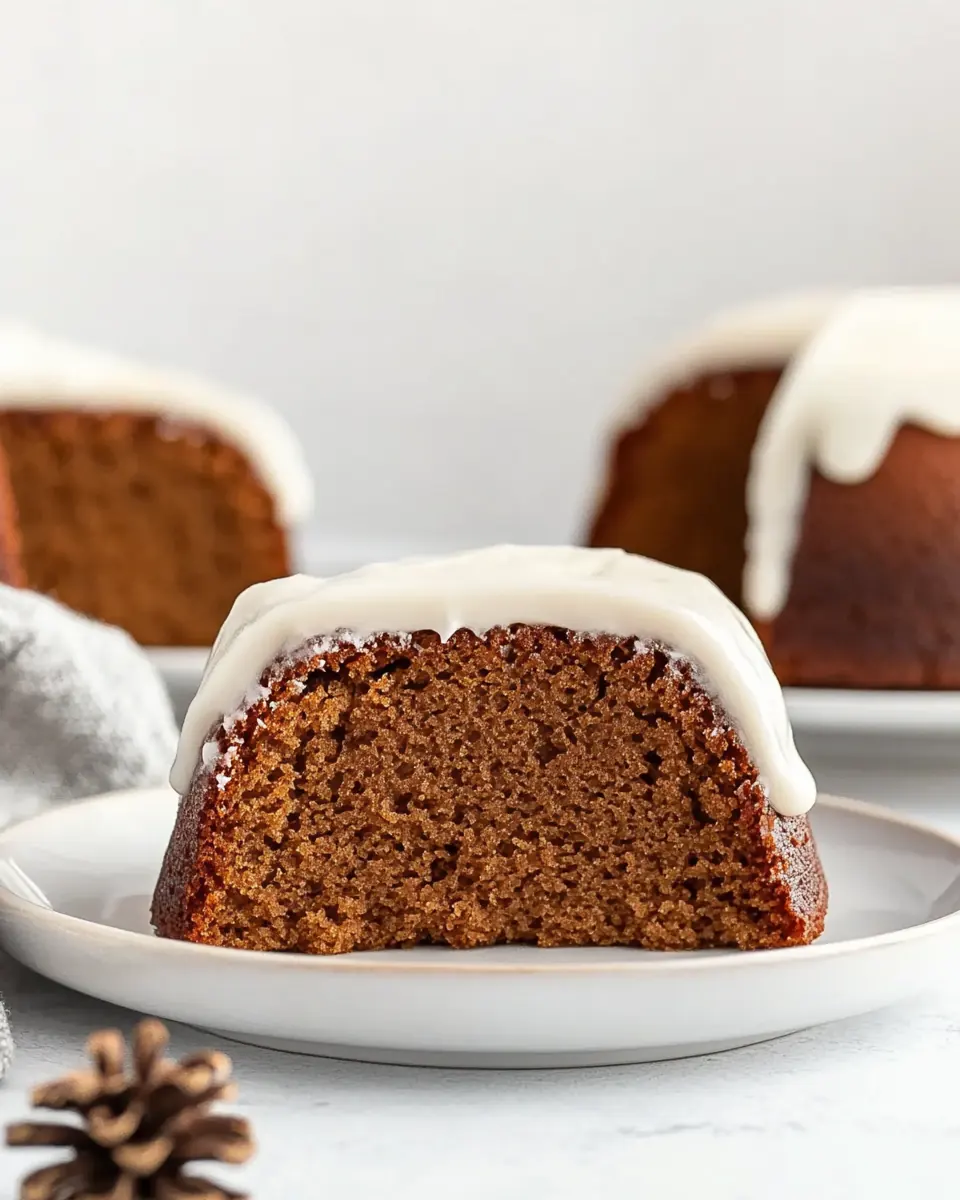
If you want to vary the Gingerbread Cake experience, small changes make a big impact. Below are practical ideas to shift texture, sweetness, or presentation while keeping the core spirit intact. Each tip begins with a focused suggestion so you can scan and apply quickly.
- Swap applesauce for oil for extra tenderness, replacing the 1/2 cup applesauce with neutral oil will yield a slightly more tender and moist crumb, especially if you prefer a richer bite. Use sparingly to avoid a greasy texture.
- Adjust sweetness with brown sugar ratios, increasing the proportion of brown sugar relative to granulated sugar deepens the caramel notes and enhances moistness, which I like for colder months when bolder flavors are welcome.
- Warm spices before mixing, briefly heating the spices with the molasses helps release their oils and amplifies aroma, but do this gently so nothing burns and turns bitter.
- Serve warm with a dollop of cream cheese frosting, slightly warming slices before frosting softens the icing into a luxurious glaze that melds with the spice cake, perfect for immediate serving to guests.
- Make it ahead for better slicing, chilling the frosted cake for 30 minutes firms the frosting and makes cleaner slices, which is especially useful when serving at gatherings or packing slices for transport.
How to Serve Gingerbread Cake
This cake is versatile for many occasions, and how you serve it can shift its personality from casual to celebratory. Below are thoughtful serving ideas that cover presentation, pairings, and storage so you can plan the full experience. Use the bolded phrases as quick cues when arranging your table.
- Classic holiday dessert, serve slices of Gingerbread Cake on a platter with a light dusting of powdered sugar and a garnish of fresh herbs or sugared cranberries for seasonal flair during Christmas gatherings.
- Casual afternoon treat, offer warm slices with a small ramekin of additional frosting on the side so guests can add as much or as little as they like, making it approachable for tea time or a cozy coffee break.
- Make ahead and store, keep the unfrosted cake wrapped tightly at room temperature for up to two days, or refrigerate for longer storage; frost only when you are ready to serve for the freshest presentation.
- Potluck friendly, bake in the 9 by 13 pan and transport the whole cake for easy serving; use disposable parchment or a parchment sling under the cake to lift it out cleanly at the event.
- Seasonal pairing ideas, pair slices with hot spiced beverages or a bowl of stewed fruit for winter brunches, and choose complementary sides that echo the spice and fruit notes without competing with the cake.
- Storage after slicing, refrigerate leftover frosted slices in an airtight container for up to four days, or freeze single slices wrapped tightly for longer keeping, thawing overnight in the fridge before serving.
FAQ
Conclusion
This Gingerbread Cake stands out for its deep, molasses forward flavor and tender crumb that supports a tangy cream cheese frosting beautifully. Give it a try because it balances simplicity with festive flair, and it adapts well to gatherings big and small. I hope you enjoy the warm spice notes and the ease of serving a sheet cake that feels both homemade and special.
Gingerbread Cake
Ingredients
Equipment
Method
- Preheat and prepare the pan: Preheat oven to 350°F. Spray a 9×13” baking pan with non-stick cooking spray.: As the oven warms to 350°F you will notice a faint dry heat that subtly alters the rhythm of the kitchen, and that steady warmth is essential for even rise and set. Preparing a 9×13” baking pan with non stick spray ensures the cake releases cleanly, which matters for presentation and texture. If you skip greasing or spritz unevenly the cake can cling and tear when you remove it, so take a moment to coat every corner. A common mistake is preheating the oven too short a time, which can lead to uneven baking, so wait until it reaches the correct temperature before sliding the pan in.
- Cream the wet ingredients: Using a handheld mixer, cream together 1/2 cup butter, 1/3 cup granulated sugar, and 1/3 cup brown sugar in a large mixing bowl. Add the egg, 1 teaspoon vanilla, and 1 cup molasses and continue mixing until fully incorporated.: When you cream 1/2 cup butter with 1/3 cup granulated sugar and 1/3 cup brown sugar using a handheld mixer, listen for the change in motor sound as the mixture becomes lighter and slightly fluffy, which indicates air has been incorporated for lift. Adding the egg , 1 teaspoon vanilla , and 1 cup molasses introduces moisture and rich flavor; the batter should look glossy and well combined. Overbeating after adding the flour can overdevelop gluten, so mix gently once dry components are introduced. If your batter seems curdled after adding the egg , continue mixing briefly it will usually come together, but avoid long, aggressive mixing at this stage.
- Add dry ingredients: Add the 2 1/2 cups flour, 1 1/2 teaspoons baking soda, 2 teaspoons cinnamon, 2 teaspoons ginger, 1 teaspoon cloves, and 1/2 teaspoon salt. Mix just until combined scraping down the sides as needed.: When you add the 2 1/2 cups flour , 1 1/2 teaspoons baking soda , 2 teaspoons cinnamon , 2 teaspoons ginger , 1 teaspoon cloves , and 1/2 teaspoon salt , watch for the batter to turn from glossy and wet to a more cohesive, thicker texture. The spices will bloom against the flour, releasing a warm aroma that signals they are integrating correctly. Mixing just until combined preserves tenderness; overmixing will risk a dense crumb. A common error is adding too much flour by scooping directly with the measuring cup, so spoon and level to keep proportions accurate.
- Mix in applesauce and water: Add the 1/2 cup applesauce and begin mixing on low speed, then slowly pour in the 1/2 cup hot water. Mix until the batter is smooth.: As you fold in 1/2 cup applesauce and then slowly pour the 1/2 cup very hot water while mixing on low, you will notice the batter relax and become more fluid, which helps it spread evenly in the pan. The hot water helps dissolve and distribute the molasses and spices, producing a uniform color and flavor. Add the hot water gradually to avoid shocking the batter and creating separation. If you add it too quickly you might end up with pockets of excess liquid or an uneven texture, so pour slowly and keep the mixer at a low speed.
- Spread into pan: Spread the batter evenly into the prepared baking pan.: Spreading the batter evenly into the prepared pan should feel easy; use a spatula to nudge any thicker spots so the top is level, which ensures uniform baking. The surface will be glossy and smooth and should fill the pan without overflowing. If you leave high ridges they can bake faster and create uneven doneness, so smooth the top before placing the pan in the oven. Resist tapping the pan too vigorously, as that can deflate the trapped air you worked to incorporate.
- Bake: Bake for 28-30 minutes or until a toothpick inserted into the center of the cake comes out clean.: During the 28 to 30 minute bake you will first notice the edges setting and pulling slightly away from the pan, then the center firming. A toothpick inserted into the center should come out clean when the cake is done, and the aroma in your kitchen will intensify into a deep, spicy fragrance. Avoid opening the oven door repeatedly, as that causes temperature fluctuations and can collapse the cake. If the top is browning too quickly, tent with foil to prevent overcoloring while allowing the center to finish baking.
- Cool cake: Allow the cake to fully cool before frosting.: Allowing the cake to fully cool before frosting is crucial because a warm cake will melt the frosting and cause it to slide, losing the neat, smooth finish you want. The cake will firm as it cools and the crumb will set, making it easier to handle and slice. Moving too fast and frosting a warm cake is the most common mistake here, so be patient and let it reach room temperature on a wire rack.
- Beat all frosting ingredients: In a medium bowl, beat together the 8 ounces cream cheese and 2 tablespoons butter until smooth. Add the 1 3/4 cups powdered sugar, 1 tablespoon heavy cream, 1 teaspoon vanilla extract, and 1/2 teaspoon allspice. Continue mixing until fluffy. You can add a little more cream or milk to thin it out if needed.: When you beat 8 ounces cream cheese with 2 tablespoons butter until smooth, the texture should transform into a silky base that becomes loftier when you add 1 3/4 cups powdered sugar , 1 tablespoon heavy cream , 1 teaspoon vanilla , and 1/2 teaspoon allspice . The frosting should be light, fluffy, and spreadable, with a balance of tang from the cream cheese and warm spice notes from the allspice . If the frosting feels too thick, a splash more heavy cream will loosen it; conversely, too much liquid will make it runny, so add small amounts at a time. Overbeating can introduce air that makes the frosting look puffy then settle, so beat until you reach the desired consistency.
- Frost and decorate: Once the cake has cooled, spread the frosting evenly and enjoy! You can garnish with sugared cranberries and rosemary for a festive touch if desired!: Once the cake is cooled, spreading the frosting should feel smooth under your spatula and create a creamy contrast to the dense spice cake. The finished look is tidy with soft peaks and a satin finish; you can add decorations if you like for a festive touch. Cutting the first slice reveals the tender crumb and the clean frosting line, which is satisfying and reliable. If you press too hard while cutting you can smear the frosting, so use a sharp knife warmed under hot water and wiped dry for clean slices.
Notes
- Swap applesauce for oil for extra tenderness, replacing the 1/2 cup applesauce with neutral oil will yield a slightly more tender and moist crumb, especially if you prefer a richer bite. Use sparingly to avoid a greasy texture.
- Adjust sweetness with brown sugar ratios, increasing the proportion of brown sugar relative to granulated sugar deepens the caramel notes and enhances moistness, which I like for colder months when bolder flavors are welcome.
- Warm spices before mixing, briefly heating the spices with the molasses helps release their oils and amplifies aroma, but do this gently so nothing burns and turns bitter.
- Serve warm with a dollop of cream cheese frosting, slightly warming slices before frosting softens the icing into a luxurious glaze that melds with the spice cake, perfect for immediate serving to guests.
- Make it ahead for better slicing, chilling the frosted cake for 30 minutes firms the frosting and makes cleaner slices, which is especially useful when serving at gatherings or packing slices for transport.