Preheat and prepare the pan: Preheat oven to 350°F. Spray a 9×13” baking pan with non-stick cooking spray.: As the oven warms to 350°F you will notice a faint dry heat that subtly alters the rhythm of the kitchen, and that steady warmth is essential for even rise and set. Preparing a 9×13” baking pan with non stick spray ensures the cake releases cleanly, which matters for presentation and texture. If you skip greasing or spritz unevenly the cake can cling and tear when you remove it, so take a moment to coat every corner. A common mistake is preheating the oven too short a time, which can lead to uneven baking, so wait until it reaches the correct temperature before sliding the pan in.
Cream the wet ingredients: Using a handheld mixer, cream together 1/2 cup butter, 1/3 cup granulated sugar, and 1/3 cup brown sugar in a large mixing bowl. Add the egg, 1 teaspoon vanilla, and 1 cup molasses and continue mixing until fully incorporated.: When you cream 1/2 cup butter with 1/3 cup granulated sugar and 1/3 cup brown sugar using a handheld mixer, listen for the change in motor sound as the mixture becomes lighter and slightly fluffy, which indicates air has been incorporated for lift. Adding the egg , 1 teaspoon vanilla , and 1 cup molasses introduces moisture and rich flavor; the batter should look glossy and well combined. Overbeating after adding the flour can overdevelop gluten, so mix gently once dry components are introduced. If your batter seems curdled after adding the egg , continue mixing briefly it will usually come together, but avoid long, aggressive mixing at this stage.
Add dry ingredients: Add the 2 1/2 cups flour, 1 1/2 teaspoons baking soda, 2 teaspoons cinnamon, 2 teaspoons ginger, 1 teaspoon cloves, and 1/2 teaspoon salt. Mix just until combined scraping down the sides as needed.: When you add the 2 1/2 cups flour , 1 1/2 teaspoons baking soda , 2 teaspoons cinnamon , 2 teaspoons ginger , 1 teaspoon cloves , and 1/2 teaspoon salt , watch for the batter to turn from glossy and wet to a more cohesive, thicker texture. The spices will bloom against the flour, releasing a warm aroma that signals they are integrating correctly. Mixing just until combined preserves tenderness; overmixing will risk a dense crumb. A common error is adding too much flour by scooping directly with the measuring cup, so spoon and level to keep proportions accurate.
Mix in applesauce and water: Add the 1/2 cup applesauce and begin mixing on low speed, then slowly pour in the 1/2 cup hot water. Mix until the batter is smooth.: As you fold in 1/2 cup applesauce and then slowly pour the 1/2 cup very hot water while mixing on low, you will notice the batter relax and become more fluid, which helps it spread evenly in the pan. The hot water helps dissolve and distribute the molasses and spices, producing a uniform color and flavor. Add the hot water gradually to avoid shocking the batter and creating separation. If you add it too quickly you might end up with pockets of excess liquid or an uneven texture, so pour slowly and keep the mixer at a low speed.
Spread into pan: Spread the batter evenly into the prepared baking pan.: Spreading the batter evenly into the prepared pan should feel easy; use a spatula to nudge any thicker spots so the top is level, which ensures uniform baking. The surface will be glossy and smooth and should fill the pan without overflowing. If you leave high ridges they can bake faster and create uneven doneness, so smooth the top before placing the pan in the oven. Resist tapping the pan too vigorously, as that can deflate the trapped air you worked to incorporate.
Bake: Bake for 28-30 minutes or until a toothpick inserted into the center of the cake comes out clean.: During the 28 to 30 minute bake you will first notice the edges setting and pulling slightly away from the pan, then the center firming. A toothpick inserted into the center should come out clean when the cake is done, and the aroma in your kitchen will intensify into a deep, spicy fragrance. Avoid opening the oven door repeatedly, as that causes temperature fluctuations and can collapse the cake. If the top is browning too quickly, tent with foil to prevent overcoloring while allowing the center to finish baking.
Cool cake: Allow the cake to fully cool before frosting.: Allowing the cake to fully cool before frosting is crucial because a warm cake will melt the frosting and cause it to slide, losing the neat, smooth finish you want. The cake will firm as it cools and the crumb will set, making it easier to handle and slice. Moving too fast and frosting a warm cake is the most common mistake here, so be patient and let it reach room temperature on a wire rack.
Beat all frosting ingredients: In a medium bowl, beat together the 8 ounces cream cheese and 2 tablespoons butter until smooth. Add the 1 3/4 cups powdered sugar, 1 tablespoon heavy cream, 1 teaspoon vanilla extract, and 1/2 teaspoon allspice. Continue mixing until fluffy. You can add a little more cream or milk to thin it out if needed.: When you beat 8 ounces cream cheese with 2 tablespoons butter until smooth, the texture should transform into a silky base that becomes loftier when you add 1 3/4 cups powdered sugar , 1 tablespoon heavy cream , 1 teaspoon vanilla , and 1/2 teaspoon allspice . The frosting should be light, fluffy, and spreadable, with a balance of tang from the cream cheese and warm spice notes from the allspice . If the frosting feels too thick, a splash more heavy cream will loosen it; conversely, too much liquid will make it runny, so add small amounts at a time. Overbeating can introduce air that makes the frosting look puffy then settle, so beat until you reach the desired consistency.
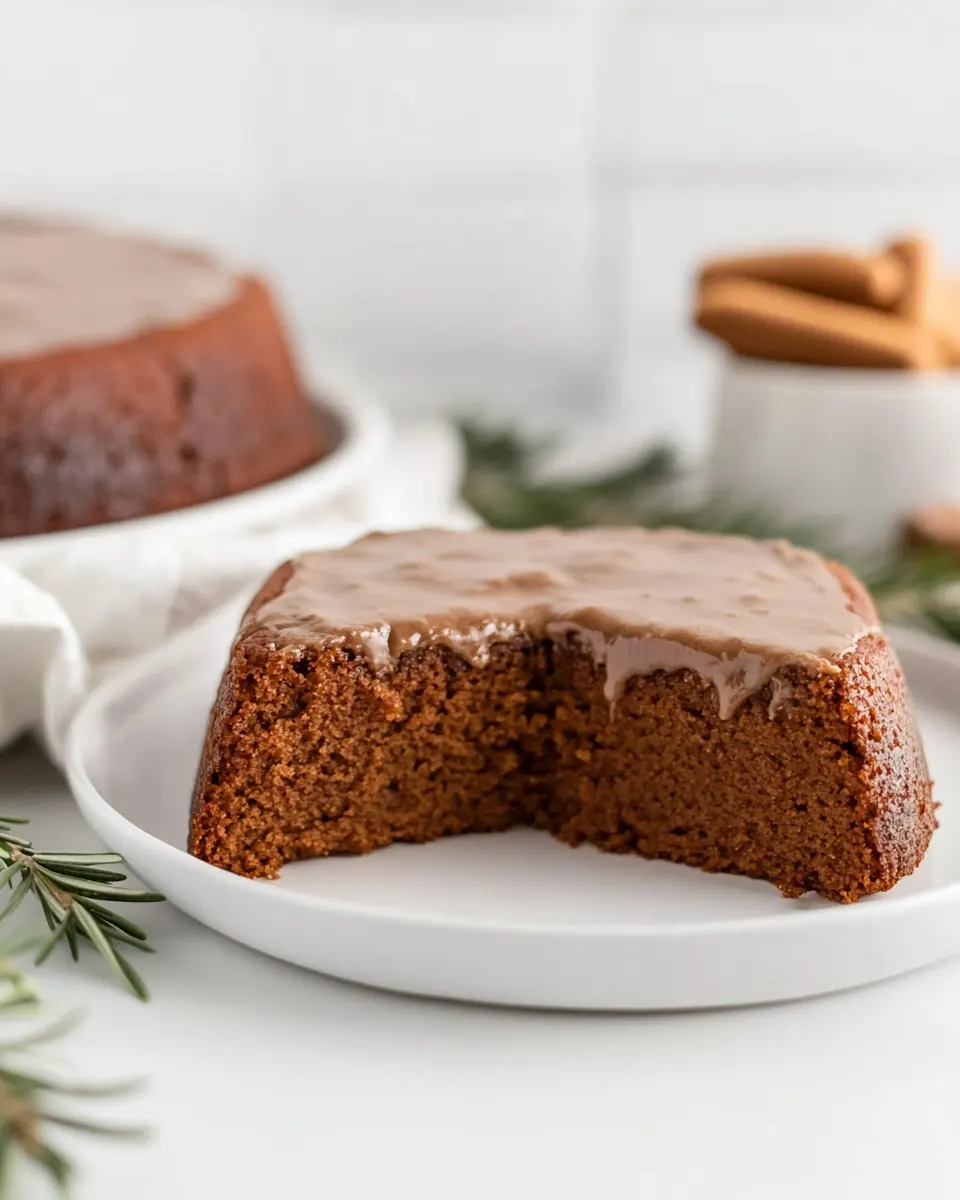
Frost and decorate: Once the cake has cooled, spread the frosting evenly and enjoy! You can garnish with sugared cranberries and rosemary for a festive touch if desired!: Once the cake is cooled, spreading the frosting should feel smooth under your spatula and create a creamy contrast to the dense spice cake. The finished look is tidy with soft peaks and a satin finish; you can add decorations if you like for a festive touch. Cutting the first slice reveals the tender crumb and the clean frosting line, which is satisfying and reliable. If you press too hard while cutting you can smear the frosting, so use a sharp knife warmed under hot water and wiped dry for clean slices.