Acorn Squash Soup
Acorn Squash Soup has been my cozy go to when the days get crisp and I want something both soothing and honest. The very first time I roasted acorn squash, I remember the caramelized edges and that warm, slightly sweet aroma filling my kitchen, and I knew this was a soup I would return to again and again.
Over the years I’ve tweaked this recipe so it feels like a warm blanket on busy weeknights and an elegant starter for guests. I usually roast the squash until its flesh is buttery soft, and I always roast a few garlic cloves alongside to add a mellow, sweet backbone. When I blend everything, the texture becomes unbelievably silky, and a splash of lemon and a touch of maple syrup round out the flavors in a way that keeps people asking for the recipe.
What I love most about Acorn Squash Soup is how forgiving it is. I’ll sometimes make a double batch and freeze portions for rushed evenings, or serve it with pepitas and microgreens when I want to dress it up. The ingredients are straightforward yet harmonious, and the method is simple enough that you can listen to music or chat while it roasts and simmers. This soup always makes my kitchen smell like fall, and it brings a quiet satisfaction to the table that I deeply enjoy.
Recipe Snapshot
1 hr 30 mins
15 mins
75 mins
Medium
220 kcal
American
Vegan, Gluten-Free
Soups
Vitamix Blender
What’s Great About This Acorn Squash Soup
Roasted depth from simple steps
I adore how roasting the acorn squash and the garlic builds deep caramelized notes that a raw cook method can never match. That nuttiness and slight sweetness become the backbone of the soup, and it makes a humble list of ingredients feel luxurious.
Creamy texture without heavy cream
Because the roasted acorn squash purees into a naturally velvety base, I don’t need to add dairy to get that rich mouthfeel. The texture is lush, but the soup stays light enough for an easy weeknight dinner or a first course for guests.
Balance of sweet, bright, and warm spices
The combination of maple syrup, a squeeze of lemon juice, a whisper of nutmeg, and a touch of cayenne pepper is what keeps this dish interesting. I like the dance between sweet and bright, and the gentle heat that lifts the flavors without overpowering them.
Versatile serving options
I often serve this soup simply with a drizzle of olive oil, or I’ll add pepitas and microgreens to provide contrasting texture and color. It handles both casual dinners and more refined occasions with ease.
Make ahead friendly and freezer resilient
This recipe reheats beautifully. I’ll make a large batch, freeze portions, and pull them out when I want an effortless meal. That convenience is a huge reason I keep this recipe in my regular rotation.
What to Buy for Acorn Squash Soup

These ingredients are chosen to create a balanced bowl where roasted sweetness meets aromatic warmth. The key players are the acorn squash for its creamy body, the garlic and onion for savory depth, and the vegetable broth to lift the flavors. Small accents like lemon juice and maple syrup provide bright and sweet notes that keep the soup from feeling one dimensional.
- 2 medium acorn squash, about 3 pounds: Roasted to deepen sweetness and add a creamy base to the soup; scoop out the flesh after roasting to puree into a velvety texture that defines the dish. Provides natural sugars and body while contributing a subtly nutty flavor and smooth mouthfeel when blended. Pairing with warming spices enhances its autumnal character and balances savory elements.
- 3 garlic cloves, unpeeled: Slow-roasted to mellow sharpness and develop a sweeter, nuttier garlic flavor that blends seamlessly into the puree. Squeezing the soft cloves into the soup adds rounded umami and aromatic depth without harsh raw bite. Keeps the soup balanced and enhances savory complexity when combined with the squash.
- 2 tablespoons extra-virgin olive oil, plus more for drizzling: Drizzled on squash and used for sautéing aromatics to add fruitiness and healthy fats while promoting caramelization. Helps carry flavors of herbs and spices throughout the soup and creates a glossy finish when drizzled before serving. Offers a subtle peppery note that complements roasted vegetables.
- 1 large yellow onion, chopped: Sautéed with carrots and seasonings to build the flavorful aromatic base, contributing sweetness and savory depth when softened. Adds texture and a mild, oniony backbone that enhances the overall savory profile of the soup. Releases sugars during cooking that help balance the squash's natural sweetness.
- 2 medium carrots, chopped: Cooked with onions to add natural sweetness, texture, and earthy flavor while bolstering the soup's vegetable foundation. When softened, carrots contribute body and help thicken the final puree while adding color and nutrients. Their natural sugars help balance savory and spiced elements.
- 1 teaspoon ea salt, plus more for sprinkling: Seasoned into the soup to enhance overall flavor and bring out natural sweetness from the vegetables; use as a baseline seasoning during cooking and adjust to taste. Helps lift other flavors and is essential for achieving a well-rounded savory profile without overpowering delicate ingredients. Can be added gradually to prevent oversalting.
- 1/4 teaspoon nutmeg: Sprinkled into the soup to add warm, earthy sweetness that complements roasted squash and autumn spices. Enhances the aromatic profile and pairs well with nutty, creamy textures while adding subtle complexity. Use sparingly to avoid overwhelming the delicate squash flavor.
- 1/8 teaspoon cayenne pepper: Added sparingly to introduce gentle heat and a touch of warmth beneath other spices; balances sweetness without dominating the palate. Provides a subtle, lingering spice that enhances other flavors and brings brightness to the finish. Adjust quantity to match desired heat level.
- 4 cups vegetable broth: Poured in as the cooking liquid to simmer the vegetables and form the soup’s base while contributing savory depth. Supports the puree consistency and helps control the thickness of the final soup; vegetable broth keeps the dish vegetarian-friendly. Choose a well-flavored broth for the best results.
- 1 tablespoon fresh thyme leaves, plus more for garnish: Stirred in to provide herbal brightness and a slightly floral, savory note that lifts the soup’s flavor profile. Adds fresh green aromatics that complement roasted squash and balance sweetness while enhancing complexity. Reserve a few leaves for garnish to echo the interior flavor.
- 2 tablespoons fresh lemon juice: Squeezed into the finished soup to add bright acidity that balances sweetness and rounds the overall flavor. Enhances freshness and lifts the palate, preventing the soup from tasting cloying; small amounts go a long way. Adds a subtle citrusy note that pairs well with thyme and nutmeg.
- 1 teaspoon maple syrup: Mixed in to introduce mellow sweetness with a hint of caramel that complements roasted squash and rounds flavors. Helps balance acidity from lemon and cuts through savory notes while contributing a gentle, natural sweet finish. Use sparingly to avoid making the soup overly sweet.
- Freshly ground black pepper: Ground into the soup to season and finish with pungent aromatic notes while allowing diners to adjust pepper to taste. Adds subtle heat and complexity without altering texture, and pairs well with both sweet and savory elements. Freshly ground pepper offers more vibrant flavor than pre-ground.
- Pepitas, for garnish (optional): Toasted and sprinkled over the soup as an optional garnish to add crunch, nutty flavor, and visual contrast. Provides textural interest against the smooth puree and reinforces the squash’s nutty qualities. Adds a pleasant toasty bite when roasted briefly before serving.
- Microgreens, for garnish (optional): Scattered on top as an optional finishing touch to add fresh, peppery brightness and delicate visual appeal. Brings a lively herbal note and light texture contrast that complements creamy soup and rich garnishes. Use sparingly to avoid overpowering the dish’s subtle flavors.
Cooking Instructions for Acorn Squash Soup
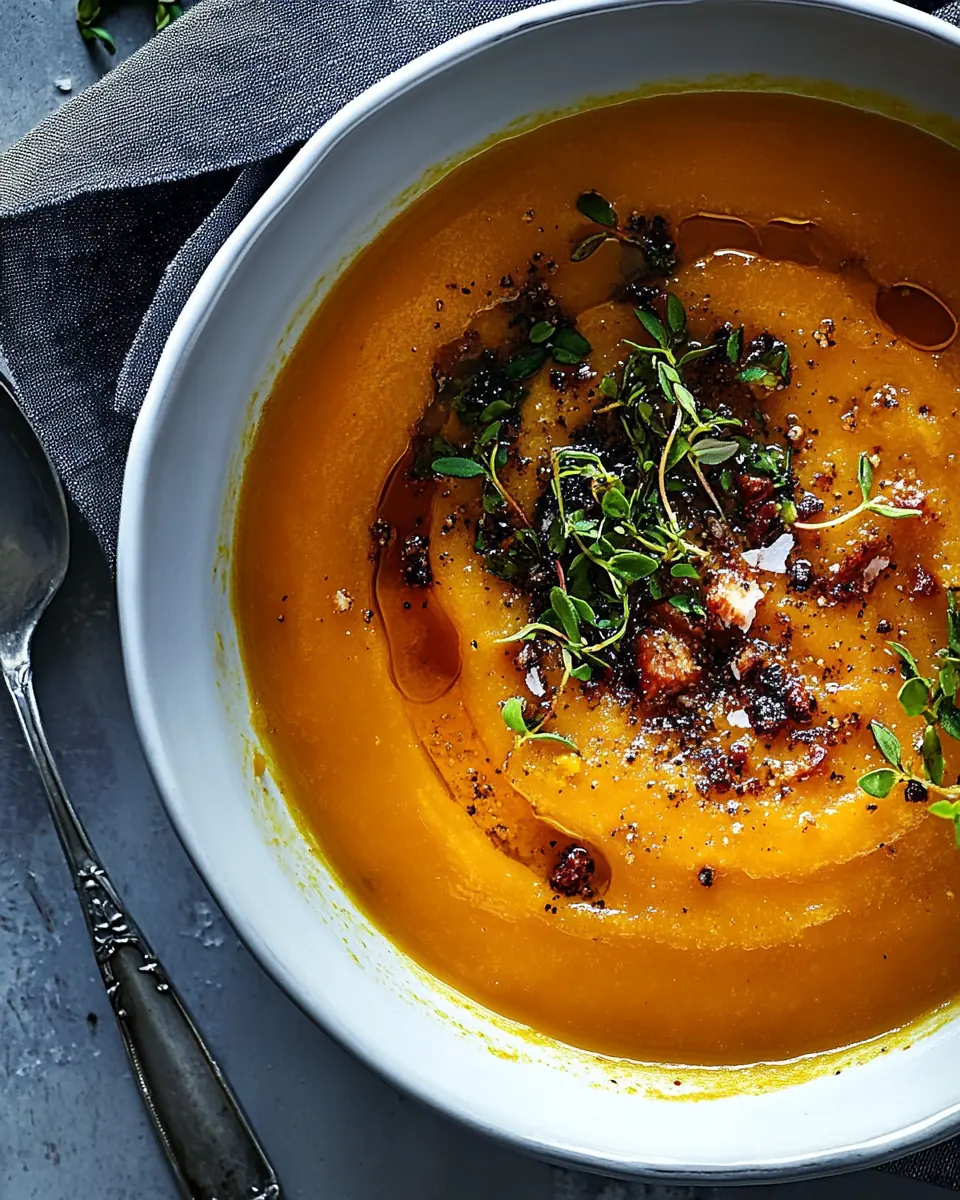
These instructions guide you from roasting to blending so you end up with a silky, flavorful soup. Work methodically and pay attention to sensory cues like aroma, color, and texture for the best results.
- Preheat the oven to 400°F and line a baking sheet with parchment paper.: When you preheat the oven to 400°F , you create an environment that encourages caramelization on the acorn squash surfaces, producing those richer, toasted flavors we love. You should feel the kitchen warm as the oven comes up to temp, and you may notice a faint scent of heated metal from the racks. Lining the sheet with parchment helps prevent sticking and makes cleanup easier. A common mistake is not waiting for the oven to reach full temperature, which can lead to undercaramelized squash. If your oven runs hot, use an oven thermometer to confirm the exact temperature so the squash roasts evenly.
- Slice the squash in half lengthwise and scoop out the seeds. Drizzle the squash halves with olive oil and sprinkle with salt and pepper. Place cut side down on the baking sheet. Wrap the garlic cloves in a piece of foil with a drizzle of oil and a pinch of salt and place on the baking sheet. Roast for 35 to 45 minutes, or until the squash is tender when pierced with a fork. Remove from the oven and set aside to cool.: As the acorn squash roasts, you will see its edges darken and the flesh soften, and the kitchen will fill with a toasty, sweet aroma. The foil packet lets the garlic steam and caramelize without burning, turning it into a creamy, spreadable texture. Place the squash cut side down to concentrate heat on the skin side and help the flesh steam against the pan, which keeps it moist. Avoid opening the oven too often, since that lowers the temperature and extends cooking time. Test doneness by inserting a fork into the thickest part; it should slide in with little resistance.
- When cool enough to handle, peel the garlic cloves and discard the papers. Scoop the soft squash flesh out of the skin and measure 2 1/2 cups. Discard the squash skins and save the remaining flesh for another use.: The roasted garlic should mash easily between your fingers and smell sweet rather than sharp. Scooping the acorn squash will reveal butter soft flesh that holds a deep golden hue. Measuring 2 1/2 cups ensures you have the right balance of squash to broth for a creamy texture. A frequent slip is trying to blend hot solids and overfilling the blender; let the squash cool slightly to prevent steam forced eruptions. If you have extra flesh beyond the 2 1/2 cups, tossing it into a salad or saving it for smoothies is a great second life.
- Heat the olive oil in a large pot or Dutch oven over medium heat. Add the onion, carrots, and salt and cook, stirring occasionally, for 5 to 8 minutes, or until softened. Stir in the nutmeg, cayenne, and several grinds of pepper, then add the 2 1/2 cups roasted squash, the garlic, broth, and thyme leaves. Simmer, stirring occasionally, for 20 minutes.: As the onion and carrots soften in the warm olive oil , they will become translucent and release a gentle, sweet aroma, signaling that the base flavors are developing. Adding the spices at this point allows their oils to bloom, deepening the aromatic profile. When you add the roasted acorn squash , garlic , and vegetable broth , the mixture will steam and begin to meld; you may see small simmering bubbles and hear a soft, rhythmic whisper as it cooks. Simmering for the allotted time lets flavors marry and ensures the carrots are tender enough to blend smoothly. Avoid boiling vigorously, which can break down flavors and create a starchy foam. Stir occasionally to prevent sticking on the pot bottom.
- Allow the soup to cool slightly, then transfer to a blender with the lemon juice and maple syrup and blend until smooth. Work in batches if necessary. Season to taste.: Slight cooling is essential to prevent pressure buildup in the blender, and you will notice a fragrant steam when you begin pouring the soup in. The lemon juice will brighten the bowl, and the maple syrup will knit into the roasted sweetness, creating a layered profile. As you blend, listen for the motor's steady hum and watch for a glossy, uniform texture; if it looks grainy, blend a bit longer. A common error is overfilling the blender, which can cause messy spills or uneven blending, so always work in manageable batches. Taste and adjust salt and pepper, because the broth's sodium and the sweetness may need balancing.
- Portion into bowls and serve with a drizzle of olive oil, fresh thyme leaves, pepitas, and microgreens for garnish.: When ladling the soup, you should see a smooth, velvety surface that catches the light, and the aroma of roasted squash and thyme should be front and center. A final drizzle of olive oil adds a silky sheen, while the pepitas and microgreens give a contrast of texture and freshness, popping visually against the golden soup. Avoid overcrowding the bowl with too many garnishes, which can overwhelm the flavor balance. Serve immediately so the garnishes remain crisp and the soup is at its most aromatic.
Recipe Variations about Acorn Squash Soup
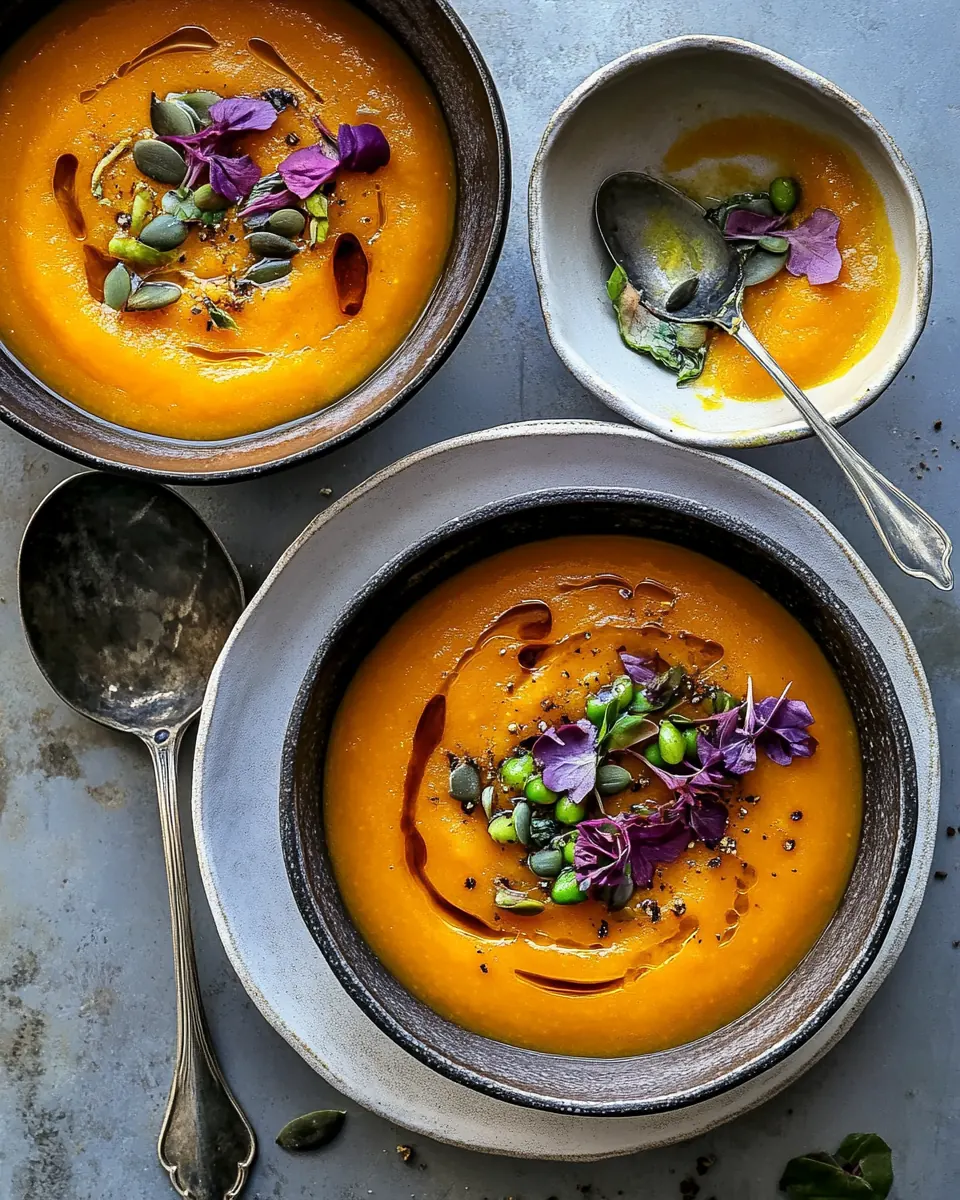
This soup adapts well to small changes that tailor it to your pantry and tastes. Below are focused variations and enhancements that keep the spirit of the recipe while offering new textures or flavor accents for different occasions.
- Roast with aromatics Try tossing the acorn squash with extra herbs like fresh thyme before roasting to infuse more herbal notes directly into the flesh.
- Swap the sweetener Use a touch more or less maple syrup to calibrate sweetness, or omit it for a more savory profile while keeping the lemon for brightness.
- Broth concentration If your vegetable broth is very flavorful, reduce it slightly for a thicker puree, and add water back as needed when serving.
- Make it nutty Stir in a spoonful of nut butter after blending for extra silkiness and a deeper, roasted note while keeping the recipe plant based.
- Garnish boldly Emphasize texture by topping with toasted pepitas and a scatter of microgreens to contrast the smoothness of the soup.
Great Combinations for Acorn Squash Soup
This soup pairs beautifully with a range of sides, occasions, and serving styles. Below are thoughtful suggestions to help you create a complete meal, whether for weeknight comfort or a seasonal gathering.
- Simple crusty bread Serve with a warm slice of crusty bread to mop up the silky soup, turning it into a satisfying light lunch.
- Green salad A crisp green salad with a bright vinaigrette provides a refreshing contrast in texture and acidity for dinner service.
- Seasonal occasion This soup is ideal for autumn gatherings and cozy dinners as it highlights fall produce and warm spices.
- Storage tips Refrigerate leftovers in airtight containers for up to four days. For longer storage, freeze in portioned containers for up to three months.
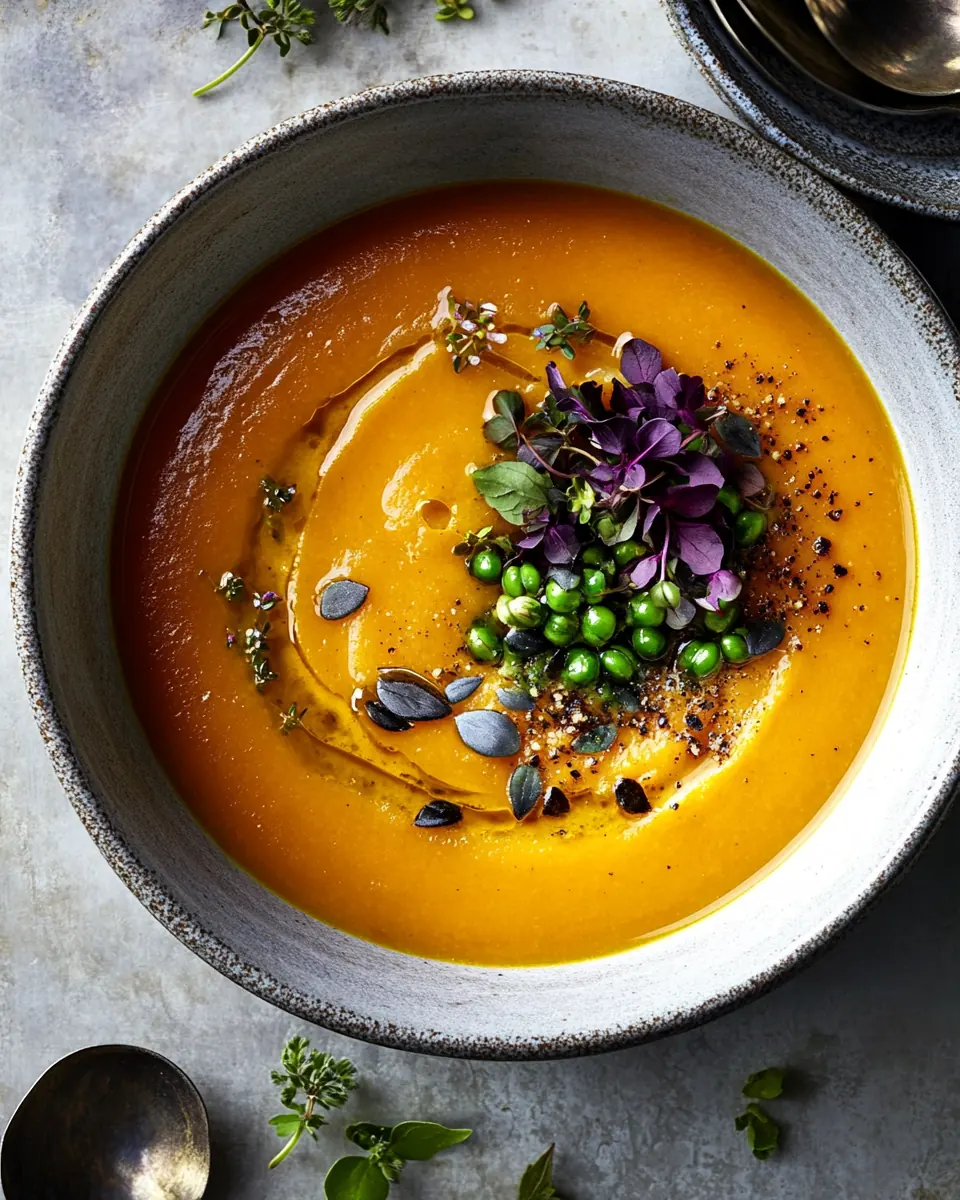
- Serving style For a more polished presentation, ladle into warmed bowls and finish with a delicate drizzle of olive oil, a few pepitas, and a scatter of fresh thyme or microgreens.
- Meal occasions Serve as a cozy weeknight dinner starter or as a welcoming first course for holiday meals and seasonal entertaining.
FAQ
Conclusion
This Acorn Squash Soup stands out because it balances roasted sweetness, aromatic spices, and bright citrus into a silky, comforting bowl. Give it a try when you want something both simple and a little special, whether for a cozy dinner or a starter at a seasonal gathering. It’s forgiving to make, stores well, and rewards small finishing touches like a drizzle of olive oil or a scattering of pepitas. I hope this recipe becomes one you return to when the weather turns cool and you crave a warm, nourishing meal.
Acorn Squash Soup
Ingredients
Equipment
Method
- Preheat the oven to 400°F and line a baking sheet with parchment paper.: When you preheat the oven to 400°F , you create an environment that encourages caramelization on the acorn squash surfaces, producing those richer, toasted flavors we love. You should feel the kitchen warm as the oven comes up to temp, and you may notice a faint scent of heated metal from the racks. Lining the sheet with parchment helps prevent sticking and makes cleanup easier. A common mistake is not waiting for the oven to reach full temperature, which can lead to undercaramelized squash. If your oven runs hot, use an oven thermometer to confirm the exact temperature so the squash roasts evenly.
- Slice the squash in half lengthwise and scoop out the seeds. Drizzle the squash halves with olive oil and sprinkle with salt and pepper. Place cut side down on the baking sheet. Wrap the garlic cloves in a piece of foil with a drizzle of oil and a pinch of salt and place on the baking sheet. Roast for 35 to 45 minutes, or until the squash is tender when pierced with a fork. Remove from the oven and set aside to cool.: As the acorn squash roasts, you will see its edges darken and the flesh soften, and the kitchen will fill with a toasty, sweet aroma. The foil packet lets the garlic steam and caramelize without burning, turning it into a creamy, spreadable texture. Place the squash cut side down to concentrate heat on the skin side and help the flesh steam against the pan, which keeps it moist. Avoid opening the oven too often, since that lowers the temperature and extends cooking time. Test doneness by inserting a fork into the thickest part; it should slide in with little resistance.
- When cool enough to handle, peel the garlic cloves and discard the papers. Scoop the soft squash flesh out of the skin and measure 2 1/2 cups. Discard the squash skins and save the remaining flesh for another use.: The roasted garlic should mash easily between your fingers and smell sweet rather than sharp. Scooping the acorn squash will reveal butter soft flesh that holds a deep golden hue. Measuring 2 1/2 cups ensures you have the right balance of squash to broth for a creamy texture. A frequent slip is trying to blend hot solids and overfilling the blender; let the squash cool slightly to prevent steam forced eruptions. If you have extra flesh beyond the 2 1/2 cups, tossing it into a salad or saving it for smoothies is a great second life.
- Heat the olive oil in a large pot or Dutch oven over medium heat. Add the onion, carrots, and salt and cook, stirring occasionally, for 5 to 8 minutes, or until softened. Stir in the nutmeg, cayenne, and several grinds of pepper, then add the 2 1/2 cups roasted squash, the garlic, broth, and thyme leaves. Simmer, stirring occasionally, for 20 minutes.: As the onion and carrots soften in the warm olive oil , they will become translucent and release a gentle, sweet aroma, signaling that the base flavors are developing. Adding the spices at this point allows their oils to bloom, deepening the aromatic profile. When you add the roasted acorn squash , garlic , and vegetable broth , the mixture will steam and begin to meld; you may see small simmering bubbles and hear a soft, rhythmic whisper as it cooks. Simmering for the allotted time lets flavors marry and ensures the carrots are tender enough to blend smoothly. Avoid boiling vigorously, which can break down flavors and create a starchy foam. Stir occasionally to prevent sticking on the pot bottom.
- Allow the soup to cool slightly, then transfer to a blender with the lemon juice and maple syrup and blend until smooth. Work in batches if necessary. Season to taste.: Slight cooling is essential to prevent pressure buildup in the blender, and you will notice a fragrant steam when you begin pouring the soup in. The lemon juice will brighten the bowl, and the maple syrup will knit into the roasted sweetness, creating a layered profile. As you blend, listen for the motor's steady hum and watch for a glossy, uniform texture; if it looks grainy, blend a bit longer. A common error is overfilling the blender, which can cause messy spills or uneven blending, so always work in manageable batches. Taste and adjust salt and pepper, because the broth's sodium and the sweetness may need balancing.
- Portion into bowls and serve with a drizzle of olive oil, fresh thyme leaves, pepitas, and microgreens for garnish.: When ladling the soup, you should see a smooth, velvety surface that catches the light, and the aroma of roasted squash and thyme should be front and center. A final drizzle of olive oil adds a silky sheen, while the pepitas and microgreens give a contrast of texture and freshness, popping visually against the golden soup. Avoid overcrowding the bowl with too many garnishes, which can overwhelm the flavor balance. Serve immediately so the garnishes remain crisp and the soup is at its most aromatic.
Notes
- Roast with aromatics Try tossing the acorn squash with extra herbs like fresh thyme before roasting to infuse more herbal notes directly into the flesh.
- Swap the sweetener Use a touch more or less maple syrup to calibrate sweetness, or omit it for a more savory profile while keeping the lemon for brightness.
- Broth concentration If your vegetable broth is very flavorful, reduce it slightly for a thicker puree, and add water back as needed when serving.
- Make it nutty Stir in a spoonful of nut butter after blending for extra silkiness and a deeper, roasted note while keeping the recipe plant based.
- Garnish boldly Emphasize texture by topping with toasted pepitas and a scatter of microgreens to contrast the smoothness of the soup.