Zaatar Baked Chicken Bowls with Cucumber Salad and Kefir Raita
Zaatar Baked Chicken Bowls with Cucumber Salad and Kefir Raita is the kind of weeknight meal I reach for when I want something bright, herbal, and satisfying without fuss.
It began for me on a hot summer evening when I had leftover cooked brown rice and a bag of herbs that smelled like sunshine. I wanted a bowl that felt composed, like a little composed lunch plate I could eat with a spoon. The interplay of toasty zaatar spice blend, tender roasted chicken, crisp cucumber salad, and tangy kefir raita brought that exact harmony. I remember the first bite, how the nutty sesame from the blend met the gentle brine of the feta and the cooling pop of the kefir, and thought, yes, this is dinner.
Since then I’ve adapted the elements for different stores and seasons. Sometimes I let the chicken marinate all day for deeper flavor and other times I quickly coat it and roast, knowing the oven’s heat will still render juicy results. I like that these bowls are forgiving, and they travel well for lunches too. When friends come over, the components sit separately, and everyone assembles to their taste, which always sparks conversation.
Recipe Snapshot
40 mins
20 mins
20 mins
Easy
450 kcal
Mediterranean
Gluten-Free, Low FODMAP
Dinner
Oven, Casserole dish, Mixing bowl, Zip lock bag or sealable container, Cutting board, Instant read thermometer
What We Adore About This Zaatar Baked Chicken Bowls with Cucumber Salad and Kefir Raita
Vibrant Flavor Balance
I love how the Zaatar Baked Chicken Bowls with Cucumber Salad and Kefir Raita layers vibrant tastes. The zaatar spice blend brings herbaceous, lemony notes while toasted sesame seeds and ground sumac add depth. Each bite sings with contrast, and I find that contrast keeps meals interesting night after night.
Speed and Simplicity
We often need fast dinners. This recipe moves quickly because the chicken can marinate briefly and roast in a hot oven, and the salads and raita come together in minutes. I rely on that practicality when my afternoon is full and I still want a homecooked dinner without stress.
Texture Play
I adore the texture play in these bowls. The tender roasted chicken sits against the fluffy brown rice, while crisp diced cucumber and juicy heirloom tomatoes add a fresh crunch. The creamy kefir raita ties everything together, making it feel luxurious yet light.
Flexible and Friendly
One of the reasons I keep making this dish is how flexible it is. The amounts are forgiving, and the elements can be prepped ahead. I often make extra raita and store it for lunches, and the leftovers reheat beautifully. That reliability makes it a staple in my rotation.
Bright, Healthy Ingredients
There is a wholesome quality here, with whole grain brown rice, lean chicken, fresh herbs, and cultured kefir. It feels nourishing without being heavy, and that lightness is why I reach for it during warm months and whenever I want to eat well without any drama.
Ingredient List for Zaatar Baked Chicken Bowls with Cucumber Salad and Kefir Raita
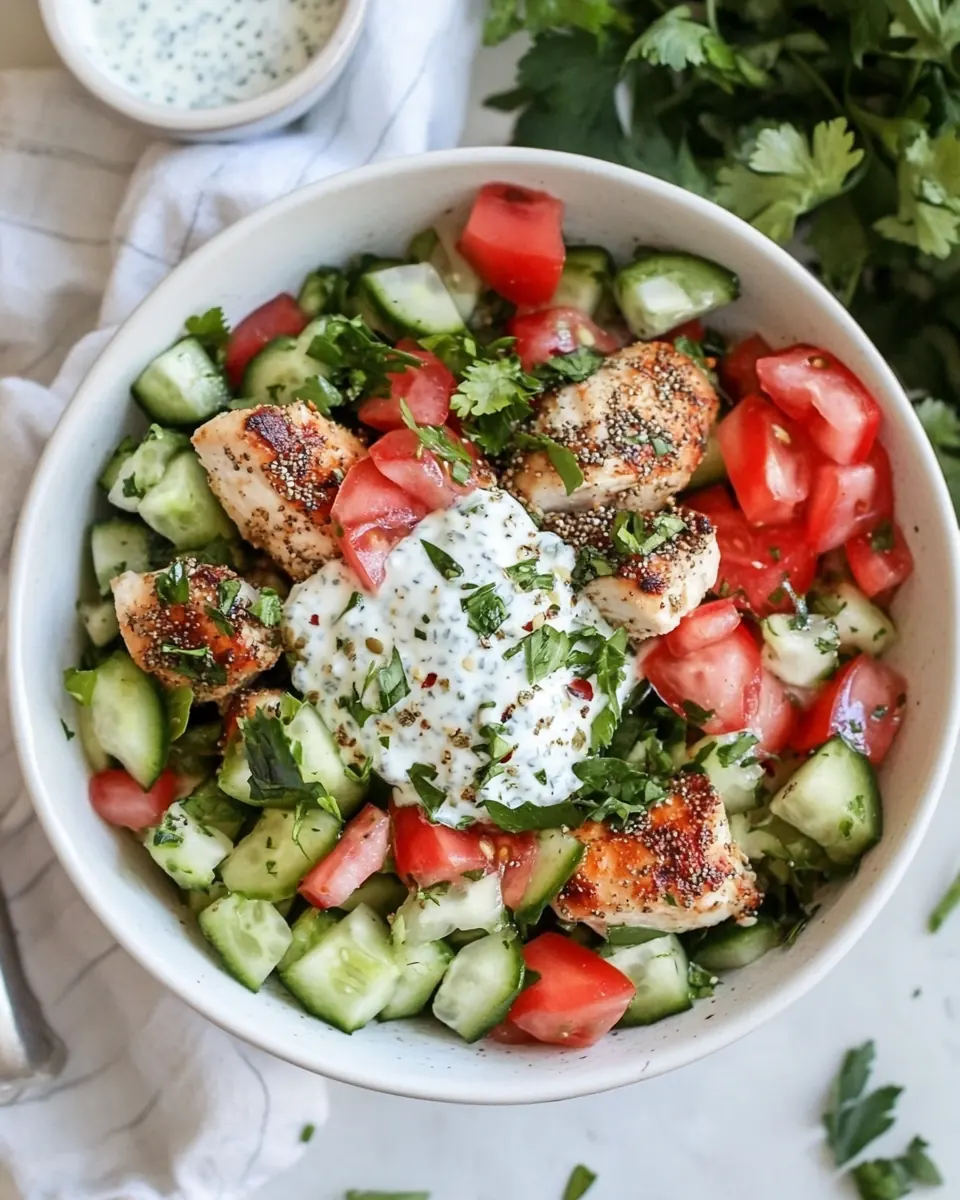
These ingredients are built to play off one another. The key players are the aromatic zaatar spice blend, the protein rich chicken, the cooling cucumber components, and the tangy cultured kefir. Together they create balance, texture, and aroma that turn simple staples into a composed bowl you’ll want again and again.
- 2 tablespoons fresh thyme minced: Mince finely to release aromatic oils and provide fresh herbal brightness that complements the za'atar and chicken.
- 2 tablespoons sesame seeds toasted: Toast lightly to deepen nutty flavor and add crunchy texture that contrasts the tender chicken and rice.
- 2 teaspoons ground sumac: Sprinkle evenly to contribute tangy, lemony brightness that lifts the savory za'atar and balances richness.
- 1 teaspoon ground cumin: Add ground warmth and earthiness that layers with the za'atar and enhances the chicken's savory profile.
- 1/2 teaspoons ea salt: Season sparingly to enhance overall flavor balance and help the za'atar seasoning adhere to the chicken.
- 1 pound boneless skinless chicken breasts: Cook thoroughly and slice or cube to provide lean protein and absorb the za'atar marinade for the bowls.
- 2 tablespoons olive oil: Use to coat the chicken for roasting, helping spices adhere and promoting browning for richer flavor.
- 2 tablespoons za'atar spice blend recipe above: Blend into the olive oil before rubbing on chicken to deliver the distinctive herby, toasty za'atar character.
- 1/4 teaspoons ea salt: Reserve for seasoning the chicken or finished bowl, allowing precise control over saltiness in the dish.
- 1.5 cups cucumber peeled and diced: Peel and dice uniformly to add cool, crisp texture and hydrating freshness to the cucumber salad.
- 1.5 cups heirloom tomatoes seeded and diced: Seed and dice to introduce juicy sweetness and vibrant color that balances the herb-forward elements of the bowl.
- 1 tablespoon fresh lemon juice: Squeeze over the cucumber-tomato salad to add bright acidity that ties together the vegetables and herbs.
- 2 tablespoons fresh dill chopped: Chop and fold into the salad to contribute anise-like freshness and enhance the Mediterranean flavor profile.
- 1/4 teaspoons ea salt to taste: Season lightly to tailor the salad's salt level and ensure the vegetables and herbs sing without overpowering.
- 1 cup whole milk kefir I use goat milk kefir: Stir together with raita ingredients to create a tangy, probiotic-rich base that complements spicy and herby components.
- 1/2 cup feta cheese I used goat milk feta: Crumble into the raita or sprinkle over the bowls to add creamy, salty tang and pleasant mouthfeel.
- 1 cup cucumber peeled, seeded, and finely chopped: Finely chop to create a cool, crisp element in the raita that echoes the cucumber salad and refreshes the palate.
- 1 tablespoon fresh mint finely chopped: Finely chop to provide a bright, cooling herbaceous note that balances the tangy kefir and salty feta.
- 1 tablespoon fresh dill finely chopped: Finely chop to layer delicate, feathery herbal flavor into the raita for additional depth and freshness.
- 1/4 teaspoons ea salt to taste: Season sparingly to adjust the raita's saltiness and harmonize the dairy, herbs, and cucumber without overwhelming them.
- 3 to 4 cups cooked brown rice: Pile into bowls as a hearty, nutty-grain base that soaks up juices, herbs, and raita for a satisfying meal.
Preparation Steps for Zaatar Baked Chicken Bowls with Cucumber Salad and Kefir Raita
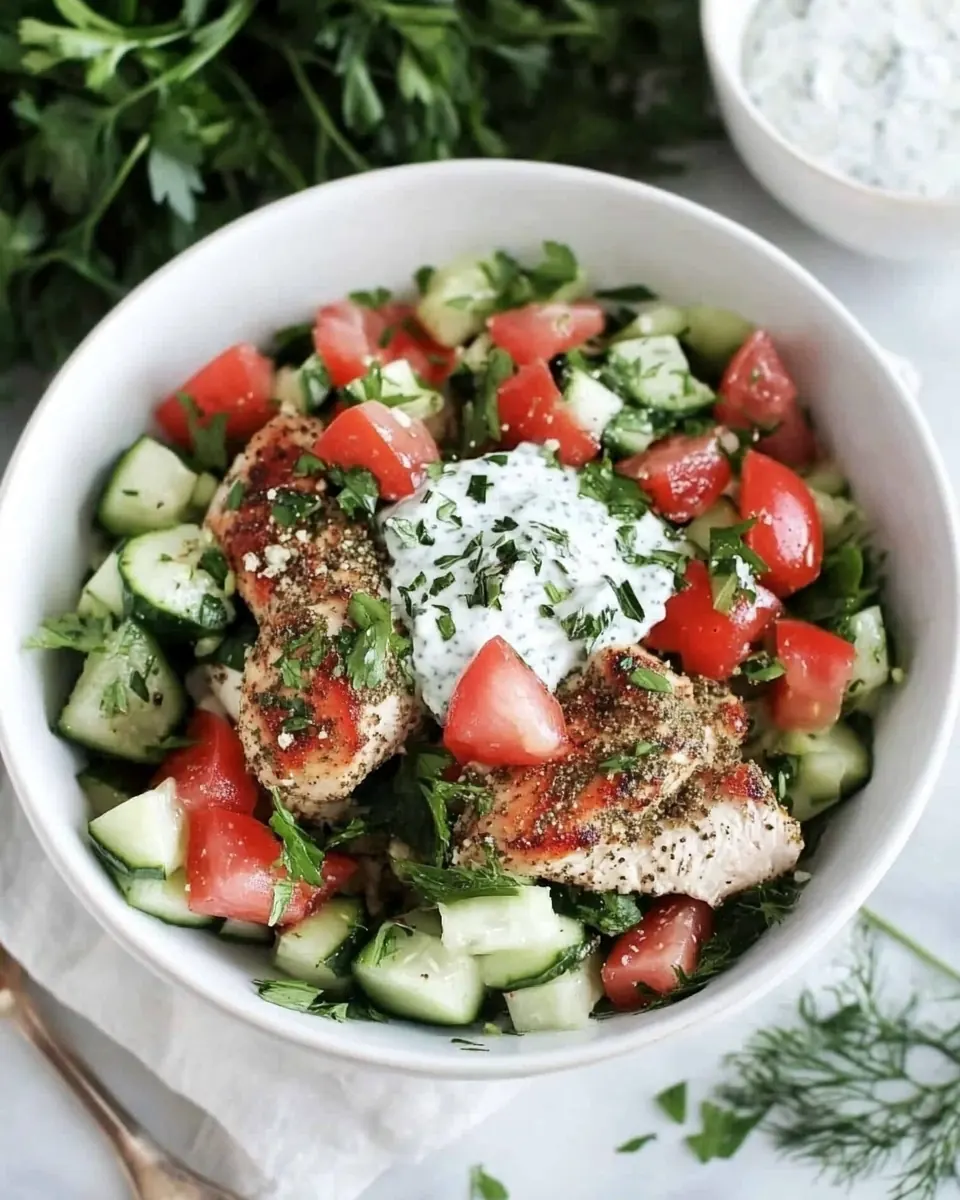
These directions guide you step by step with sensory cues and troubleshooting so your bowls come together confidently. I like to prep all the small components first, then roast the chicken, and finally assemble while everything is still warm and fragrant.
- Stir together the ingredients for the za’atar spice blend in a small bowl.: The aroma will change immediately, releasing toasted sesame nuttiness and lemony sumac . You will notice the texture shift as the dried herbs and spices form a cohesive, slightly coarse blend. This matters because a uniform blend coats the chicken evenly, ensuring every bite tastes balanced. One common mistake is skimping on toasting the sesame, which leaves the blend flat. If any spice smells stale, replace it, because fresh spices make the biggest difference here.
- Place the chicken in a zip lock bag or sealable container and drizzle with olive oil. Sprinkle with 2 tablespoons (or more) of the za’atar spice blend and sea salt. Seal the bag and shake/rotate the bag until the chicken is well-coated in spices and oil. Allow chicken to marinate at least 15 minutes, up to 12 hours.: As you toss the chicken with the oil and spice, the meat will begin to glisten, and the oil helps the spices adhere and promotes browning. The tactile cue is when the chicken is evenly coated and you can see the speckled herb mix. Why it matters: proper coating locks in moisture during roasting and builds a crust. Avoid overfilling the bag because crowded pieces will steam instead of roast, leading to pale, less flavorful meat.
- Preheat the oven to 450 degrees F. Place chicken in a casserole dish in a single layer, allowing space between each breast for even cooking. Bake chicken 20 minutes, or until the internal temperature reaches 160 degrees F. Transfer chicken to a cutting board and allow it to rest 5 to 10 minutes before slicing.: The salt dissolves slightly on the surface and helps the chicken form a seasoned crust. When you press the spices into the chicken , you should see them adhere rather than fall off. This step is key for layering flavor from the inside out. A common error is adding too much salt up front without tasting the assembled bowl later, so I recommend conservative salting here and adjusting after tasting.
- Form bowls by dividing rice, chicken, and cucumber salad among 3 to 4 bowls. Drizzle with kefir raita and serve.: The sound of the pieces shifting in the bag is reassuring, and visually you want uniform speckling of the blend across each breast. This mechanical motion replicates the effect of massaging, ensuring every surface is seasoned. It matters because uneven coating leads to inconsistent browning and flavor. Do not leave raw chicken at room temperature for more than a short time while you finish other prep tasks, to stay food safe.
- Stir together the ingredients for the raita in a bowl until combined. Taste for flavor and add sea salt to taste. Refrigerate until ready to use.: As the chicken rests, the flavors penetrate the muscle, and the meat relaxes, making it juicier after cooking. You will notice a subtle change in scent, with the herbs becoming more pronounced. Marinating longer deepens flavor, but overly long in acidic mixtures can make textures slightly mealy, so adhere to the timing. Temperature control is important, so always marinate in the refrigerator if overnight.
- Combine the ingredients for the salad in a mixing bowl and toss together to combine. Set aside until ready to use.: When the oven reaches temperature, the heat will sear the exterior of the chicken , creating a golden crust while sealing juices inside. You should hear a faint sizzle when the meat first hits the hot dish, and the oven's steady roar means consistent heat. This high temperature shortens cooking time and keeps the meat tender. A common mistake is placing cold chicken into a not fully preheated oven, which can lengthen cook time and dry the meat.
- Place chicken in a casserole dish in a single layer, allowing space between each breast for even cooking: Spacing is crucial because air needs to circulate to brown the surfaces. Visually the pieces should sit with small gaps so heat reaches each side. This produces even doneness and prevents steaming. Crowding leads to pale, unevenly cooked meat, so use two pans if necessary rather than stacking.
- Bake chicken 20 minutes, or until the internal temperature reaches 160 degrees F: The oven transforms the exterior to a bronzed finish and the aroma shifts to roasted herbs and caramelized sesame. Listen for the quiet settling of juices and watch the juices run clear at the surface. The internal temperature is the reliable cue for doneness, and removing at 160 degrees F allows carryover to reach a safe finish without overcooking. Avoid relying on time alone, as ovens vary; use an instant read thermometer for accuracy.
- Transfer chicken to a cutting board and allow it to rest 5 to 10 minutes before slicing: Resting redistributes juices so that slices are moist rather than leaking on the board. You will notice the meat firm slightly and the aroma intensify. This pause is essential for texture. A frequent error is slicing immediately, which causes the juices to escape and yields dry bites.
- Form bowls by dividing rice, chicken, and cucumber salad among 3 to 4 bowls: The visual contrast of warm brown rice , roasted chicken , and bright cucumber salad is delightful. Assemble while the chicken is still slightly warm to meld flavors, then scatter crumbled feta cheese and herbs on top. This arrangement helps balance temperatures and textures in each spoonful. Avoid overloading a single bowl, as it makes mixing and tasting each element harder.
- Drizzle with kefir raita and serve: The creamy kefir will cool and bind the bowl, and a generous drizzle creates pockets of tang that harmonize with the herbs. You should see streaks of white against the colorful bowl and smell the fresh mint and dill. This final touch softens bold spices and rounds the palate. A mistake to avoid is making the raita too thin; if so, strain the kefir briefly to thicken before serving.
- Stir together the ingredients for the raita in a bowl until combined: The texture should be smooth and slightly thick, dotted with flecks of chopped cucumber , mint , and dill . Taste and adjust salt, because balanced acidity and salt are what make raita sing. If it tastes flat, a touch more lemon juice or salt will brighten it. Overwhipping can make the raita watery, so mix gently.
- Taste for flavor and add sea salt to taste: The tasting step is where you calibrate the balance of tang, salt, and herb. The raita should be lively but not overpowering, serving as a cooling foil. Season incrementally, because it's easy to over-salt. If you overdo it, a spoonful of plain kefir can mellow the mix.
- Refrigerate until ready to use: Chilling lets flavors marry and the raita thicken slightly. You will notice the aroma mellow and the consistency firm up. Keep it covered to preserve freshness and prevent absorption of other fridge scents. Do not leave dairy based raita at room temperature for extended periods to avoid spoilage.
- Combine the ingredients for the salad in a mixing bowl and toss together to combine: As you toss, the juices from the tomatoes and the lemon juice will coat the diced cucumber and herbs, creating a bright, moist salad. The sound of the tomatoes releasing juices is a good cue the salad is ready. Toss gently to avoid breaking the tomatoes into mush. If the salad seems watery, drain briefly before assembling bowls.
- Set aside until ready to use: Letting the salad sit for a short time allows flavors to meld, but long sitting can make the vegetables soft. I usually rest it while the chicken roasts. If you need to hold it longer, keep it chilled and toss again before serving to refresh the texture.
Make It Your Own
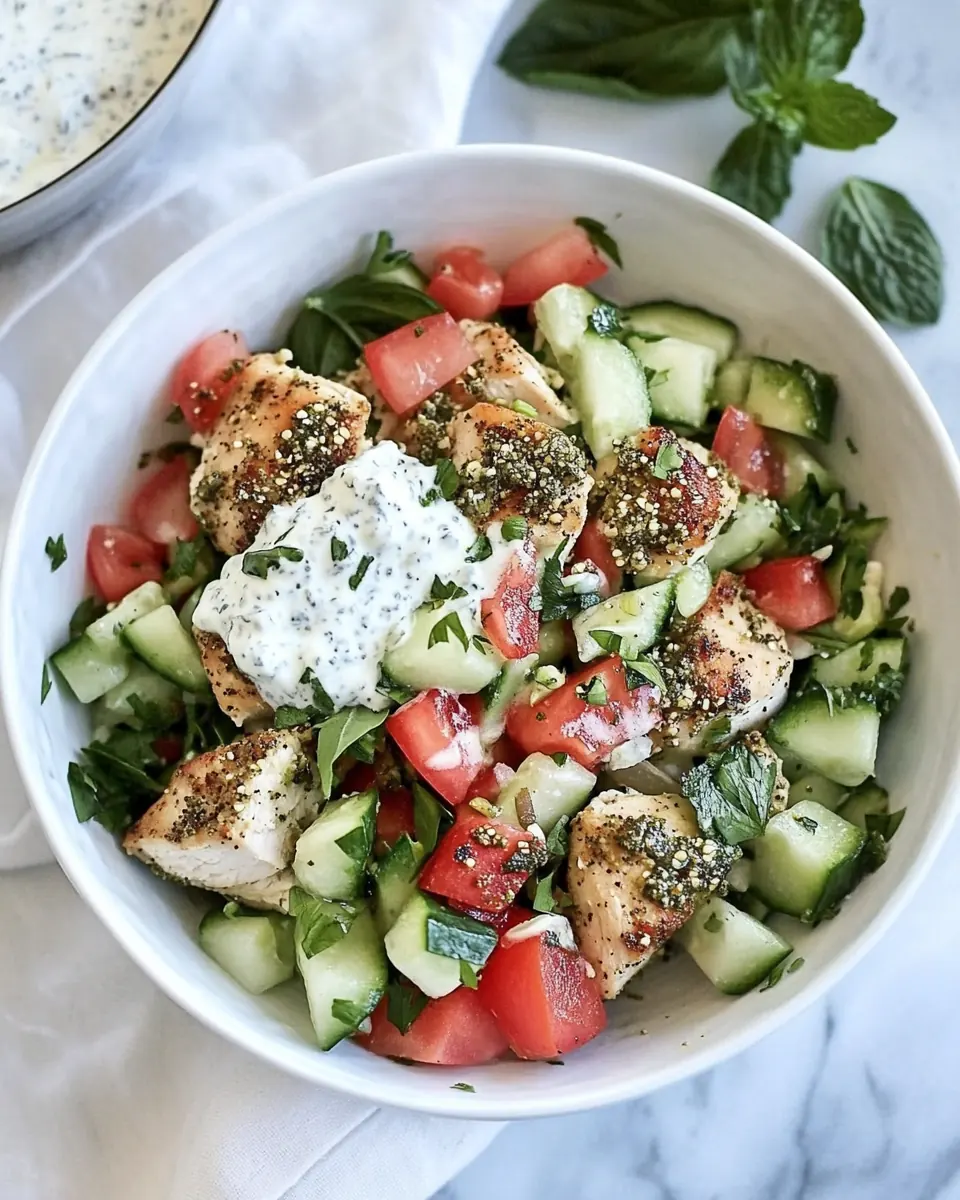
These ideas help you personalize the bowls while keeping the core flavor profile intact. Below are practical tips I use to tweak texture, flavor, and convenience.
- Swap dairy style: You can use whole milk Greek yogurt instead of whole milk kefir for a thicker raita, which is in line with the original notes and gives a creamier mouthfeel.
- Advance prep: Roast the chicken earlier in the day and refrigerate. Rewarm gently in a 350 degree F oven to preserve juiciness when ready to serve.
- Rice texture: Cook the brown rice with 10 percent extra water and let it steam off the heat to keep it fluffy and separate for bowl assembly.
- Herb timing: Add delicate herbs like mint at the end of the raita assembly to preserve their bright flavor and color.
- Raita thickness: If your kefir is thin, line a fine mesh strainer with cheesecloth and strain for 30 to 60 minutes for a thicker, creamier texture.
- Salt control: Use conservative salt in individual components and adjust at the end after assembling, since feta cheese contributes saltiness.
- Marinating length: Short marinate for 15 to 30 minutes for weeknights, overnight for deeper flavor, but avoid more than 12 hours to prevent texture changes.
What to Serve With Zaatar Baked Chicken Bowls with Cucumber Salad and Kefir Raita
These bowls are versatile and pair well with simple sides and occasions. Below are serving suggestions, occasions, and storage notes to help you plan meals.
- Light green salad for freshness: A simple mixed green salad dressed with lemon and olive oil complements the bowls for a lighter dinner option.
- Warm pita or flatbread: Serve warmed flatbread on the side for scooping, which is great for casual lunches or gatherings where people like to assemble bites by hand.
- Meal prep lunches: Portion into containers with the raita in a separate small cup to keep components fresh, ideal for easy workweek lunches.
- Family dinners: These bowls work well for family night because components can be plated buffet style and everyone customizes their bowl, making it kid friendly.
- Ramadan or fasting meals: The balance of protein, grains, and hydrating cucumber makes this a solid iftar option, with the kefir offering soothing, easily digestible dairy.
- Seasonal pairings: In summer serve with extra fresh herbs and ripe tomatoes, while in cooler months add warm roasted vegetables on the side to extend the dish through the year.
- Storage tips: Refrigerate components separately for up to three days. Store the raita in an airtight container and give it a stir before serving. Reheat the chicken gently to avoid drying.
- Occasion styling: For casual entertaining set components in bowls for a build your own station so guests can customize spice and herb amounts.
- Serving temperature: Serve the chicken warm over warm brown rice with chilled cucumber salad and cool kefir raita for the most pleasing contrast.
- Portioning: Aim for 3 to 4 bowls depending on appetite, and provide extra raita for those who like a creamier finish.
FAQ
Conclusion
This recipe stands out for its lively pairing of herbaceous zaatar seasoned chicken, crisp cucumber salad, and cooling kefir raita that together create a satisfying, balanced bowl. Give it a try because it delivers bright, layered flavors with minimal fuss and is adaptable for weeknights or make ahead meals. I hope it becomes one of your go to recipes for easy entertaining and nourishing dinners.
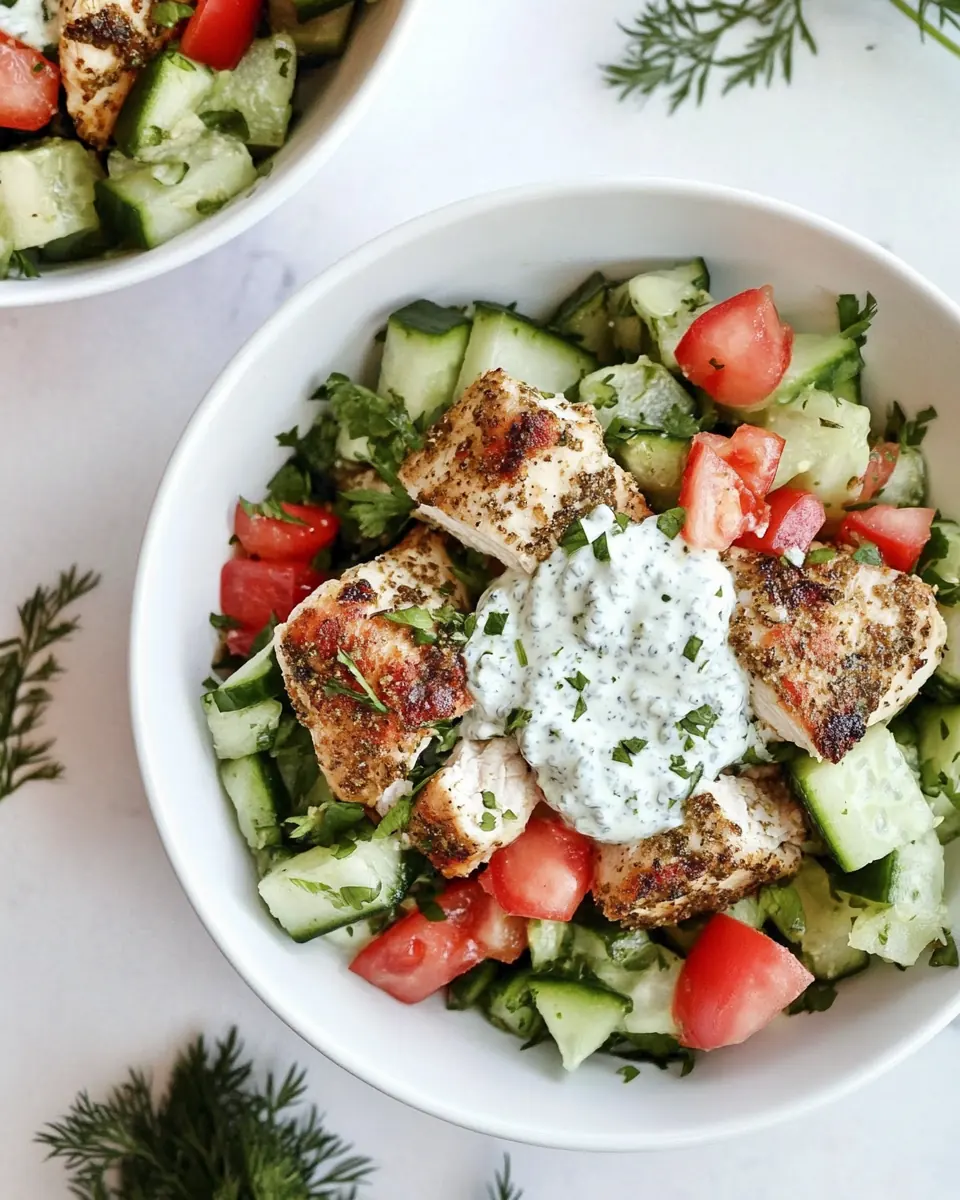
Zaatar Baked Chicken Bowls with Cucumber Salad and Kefir Raita
Ingredients
Equipment
Method
- Stir together the ingredients for the za’atar spice blend in a small bowl.: The aroma will change immediately, releasing toasted sesame nuttiness and lemony sumac . You will notice the texture shift as the dried herbs and spices form a cohesive, slightly coarse blend. This matters because a uniform blend coats the chicken evenly, ensuring every bite tastes balanced. One common mistake is skimping on toasting the sesame, which leaves the blend flat. If any spice smells stale, replace it, because fresh spices make the biggest difference here.
- Place the chicken in a zip lock bag or sealable container and drizzle with olive oil. Sprinkle with 2 tablespoons (or more) of the za’atar spice blend and sea salt. Seal the bag and shake/rotate the bag until the chicken is well-coated in spices and oil. Allow chicken to marinate at least 15 minutes, up to 12 hours.: As you toss the chicken with the oil and spice, the meat will begin to glisten, and the oil helps the spices adhere and promotes browning. The tactile cue is when the chicken is evenly coated and you can see the speckled herb mix. Why it matters: proper coating locks in moisture during roasting and builds a crust. Avoid overfilling the bag because crowded pieces will steam instead of roast, leading to pale, less flavorful meat.
- Preheat the oven to 450 degrees F. Place chicken in a casserole dish in a single layer, allowing space between each breast for even cooking. Bake chicken 20 minutes, or until the internal temperature reaches 160 degrees F. Transfer chicken to a cutting board and allow it to rest 5 to 10 minutes before slicing.: The salt dissolves slightly on the surface and helps the chicken form a seasoned crust. When you press the spices into the chicken , you should see them adhere rather than fall off. This step is key for layering flavor from the inside out. A common error is adding too much salt up front without tasting the assembled bowl later, so I recommend conservative salting here and adjusting after tasting.
- Form bowls by dividing rice, chicken, and cucumber salad among 3 to 4 bowls. Drizzle with kefir raita and serve.: The sound of the pieces shifting in the bag is reassuring, and visually you want uniform speckling of the blend across each breast. This mechanical motion replicates the effect of massaging, ensuring every surface is seasoned. It matters because uneven coating leads to inconsistent browning and flavor. Do not leave raw chicken at room temperature for more than a short time while you finish other prep tasks, to stay food safe.
- Stir together the ingredients for the raita in a bowl until combined. Taste for flavor and add sea salt to taste. Refrigerate until ready to use.: As the chicken rests, the flavors penetrate the muscle, and the meat relaxes, making it juicier after cooking. You will notice a subtle change in scent, with the herbs becoming more pronounced. Marinating longer deepens flavor, but overly long in acidic mixtures can make textures slightly mealy, so adhere to the timing. Temperature control is important, so always marinate in the refrigerator if overnight.
- Combine the ingredients for the salad in a mixing bowl and toss together to combine. Set aside until ready to use.: When the oven reaches temperature, the heat will sear the exterior of the chicken , creating a golden crust while sealing juices inside. You should hear a faint sizzle when the meat first hits the hot dish, and the oven's steady roar means consistent heat. This high temperature shortens cooking time and keeps the meat tender. A common mistake is placing cold chicken into a not fully preheated oven, which can lengthen cook time and dry the meat.
- Place chicken in a casserole dish in a single layer, allowing space between each breast for even cooking: Spacing is crucial because air needs to circulate to brown the surfaces. Visually the pieces should sit with small gaps so heat reaches each side. This produces even doneness and prevents steaming. Crowding leads to pale, unevenly cooked meat, so use two pans if necessary rather than stacking.
- Bake chicken 20 minutes, or until the internal temperature reaches 160 degrees F: The oven transforms the exterior to a bronzed finish and the aroma shifts to roasted herbs and caramelized sesame. Listen for the quiet settling of juices and watch the juices run clear at the surface. The internal temperature is the reliable cue for doneness, and removing at 160 degrees F allows carryover to reach a safe finish without overcooking. Avoid relying on time alone, as ovens vary; use an instant read thermometer for accuracy.
- Transfer chicken to a cutting board and allow it to rest 5 to 10 minutes before slicing: Resting redistributes juices so that slices are moist rather than leaking on the board. You will notice the meat firm slightly and the aroma intensify. This pause is essential for texture. A frequent error is slicing immediately, which causes the juices to escape and yields dry bites.
- Form bowls by dividing rice, chicken, and cucumber salad among 3 to 4 bowls: The visual contrast of warm brown rice , roasted chicken , and bright cucumber salad is delightful. Assemble while the chicken is still slightly warm to meld flavors, then scatter crumbled feta cheese and herbs on top. This arrangement helps balance temperatures and textures in each spoonful. Avoid overloading a single bowl, as it makes mixing and tasting each element harder.
- Drizzle with kefir raita and serve: The creamy kefir will cool and bind the bowl, and a generous drizzle creates pockets of tang that harmonize with the herbs. You should see streaks of white against the colorful bowl and smell the fresh mint and dill. This final touch softens bold spices and rounds the palate. A mistake to avoid is making the raita too thin; if so, strain the kefir briefly to thicken before serving.
- Stir together the ingredients for the raita in a bowl until combined: The texture should be smooth and slightly thick, dotted with flecks of chopped cucumber , mint , and dill . Taste and adjust salt, because balanced acidity and salt are what make raita sing. If it tastes flat, a touch more lemon juice or salt will brighten it. Overwhipping can make the raita watery, so mix gently.
- Taste for flavor and add sea salt to taste: The tasting step is where you calibrate the balance of tang, salt, and herb. The raita should be lively but not overpowering, serving as a cooling foil. Season incrementally, because it's easy to over-salt. If you overdo it, a spoonful of plain kefir can mellow the mix.
- Refrigerate until ready to use: Chilling lets flavors marry and the raita thicken slightly. You will notice the aroma mellow and the consistency firm up. Keep it covered to preserve freshness and prevent absorption of other fridge scents. Do not leave dairy based raita at room temperature for extended periods to avoid spoilage.
- Combine the ingredients for the salad in a mixing bowl and toss together to combine: As you toss, the juices from the tomatoes and the lemon juice will coat the diced cucumber and herbs, creating a bright, moist salad. The sound of the tomatoes releasing juices is a good cue the salad is ready. Toss gently to avoid breaking the tomatoes into mush. If the salad seems watery, drain briefly before assembling bowls.
- Set aside until ready to use: Letting the salad sit for a short time allows flavors to meld, but long sitting can make the vegetables soft. I usually rest it while the chicken roasts. If you need to hold it longer, keep it chilled and toss again before serving to refresh the texture.
Notes
- Swap dairy style: You can use whole milk Greek yogurt instead of whole milk kefir for a thicker raita, which is in line with the original notes and gives a creamier mouthfeel.
- Advance prep: Roast the chicken earlier in the day and refrigerate. Rewarm gently in a 350 degree F oven to preserve juiciness when ready to serve.
- Rice texture: Cook the brown rice with 10 percent extra water and let it steam off the heat to keep it fluffy and separate for bowl assembly.
- Herb timing: Add delicate herbs like mint at the end of the raita assembly to preserve their bright flavor and color.
- Raita thickness: If your kefir is thin, line a fine mesh strainer with cheesecloth and strain for 30 to 60 minutes for a thicker, creamier texture.
- Salt control: Use conservative salt in individual components and adjust at the end after assembling, since feta cheese contributes saltiness.
- Marinating length: Short marinate for 15 to 30 minutes for weeknights, overnight for deeper flavor, but avoid more than 12 hours to prevent texture changes.