Funeral Potatoes
Funeral Potatoes have been my comfort on long evenings when family gathers and someone else is taking care of the main dish, leaving casseroles to carry the heart of the meal.
I remember the first time I tasted this version, spooning warm, creamy potatoes onto a paper plate at a church potluck, and how that crunchy, buttery top made everyone reach for seconds. Over the years I have tweaked small details to match how my relatives like them, and each change tells a story about who showed up that day and what we needed: extra cheese for the kids, more salt for the aunt who likes bold flavors, or a little less cream when we have a lighter mains.
When I bring Funeral Potatoes to a weekend gathering, people comment on the golden crust and the silky interior, and I always smile because it is exactly what I grew up with, yet easy enough to throw together after work. I enjoy the ritual of crushing cereal by hand until it has the right texture, and I still hum an old hymn while the kitchen fills with that warm, buttery scent. That smell alone guarantees that someone will ask for the recipe, and I tell them about the simple combination of thawed potatoes, condensed soup, and cheese that makes it so reliably comforting.
There is something honest about a dish built from pantry staples that becomes memorable through small technique choices, and Funeral Potatoes is a perfect example. Whether you are feeding a holiday crowd or bringing a dish to console a neighbor, this casserole lands soft, rich, and familiar, making it a dependable favorite in my rotation.
Recipe Snapshot
40 mins
10 mins
30 mins
Medium
300 kcal
American
Gluten-Free, Low FODMAP
Side Dishes
Skillet, 9 x 13 baking dish, Mixing bowl
Why You Need This Funeral Potatoes
Comforting Familiarity
I love Funeral Potatoes because it tastes like a warm invitation. The texture contrast between the creamy interior and the crunchy top makes every bite satisfying, and the flavors are reassuringly simple, so people of all ages enjoy it.
Effortless Crowd Pleaser
We often need dishes that scale easily, and this recipe serves a crowd without drama. I can double or halve the quantities and it still bakes up with the same comforting profile, which is why I reach for it when I host larger groups.
Pantry Friendly
This casserole leans on staples, so it’s rare that I have to run to the store. Using canned condensed soup and frozen potatoes keeps prep fast, and that convenience does not come at the cost of taste.
Customizable Crunch
I like that the topping is flexible. The corn flakes provide a flaky, buttery crunch, but you can swap in other dry toppings and get a similar effect. That adaptability lets me tailor the final texture depending on the crowd.
Kid Approved and Nostalgic
There is a nostalgic quality to Funeral Potatoes that makes it a hit with kids and adults alike. It feels like home, and serving it always sparks conversation about family traditions, which is a gift in itself.
Essential Ingredients for Funeral Potatoes
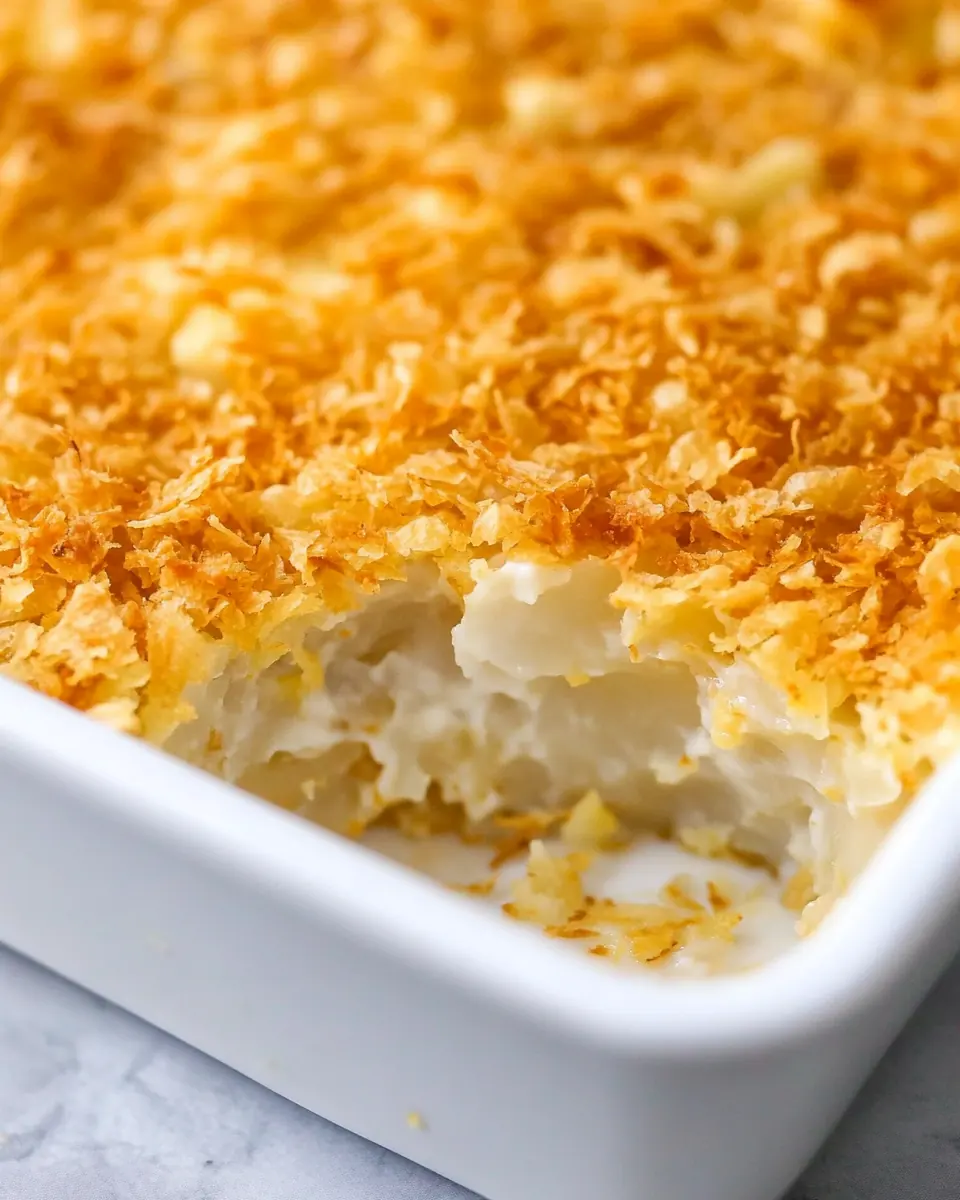
These ingredients form a simple, comforting casserole base. Starchy potatoes provide body, creamy elements bind the mixture, while cheese brings savory depth and the crunchy cereal topping adds contrasting texture. Each component is a key player, working together to create a balanced dish that is both rich and approachable.
- 30 ounces frozen diced hash browns thawed: Provide the starchy base that gives texture and structure to the casserole; thawed diced hash browns absorb flavors and create a creamy interior when baked. Offer a tender, slightly crispy bite on the edges and help bind the other components together for a comforting, hearty dish.
- 5 tablespoons salted butter divided: Melt into the mixture to add rich, savory fat that promotes browning and smooth mouthfeel; dividing allows some to incorporate into the potato base and some to coat the topping for crispness. Contribute a buttery flavor that rounds out salty and creamy elements throughout the casserole.
- 1 small onion diced: Sauté until translucent to introduce a mild sweet and aromatic note that balances richness; diced onion adds subtle texture and layers of flavor. Provide a gentle onion backbone that complements the creamy soup and cheese without overpowering the dish.
- 10.5 ounces condensed cream of chicken soup: Thicken the casserole and deliver concentrated savory, creamy flavor while adding a silky binder for the potatoes and cheese. Bring a comforting, umami-rich component that helps create the familiar creamy consistency of funeral potatoes.
- 1/2 cup heavy cream: Enrich the sauce with additional creaminess and mouth-coating fat to ensure a smooth, luscious texture; heavy cream loosens condensed soup to a pourable consistency. Enhance richness and help carry flavors like mustard and garlic throughout the casserole.
- 1 cup cheddar cheese shredded: Melt into the hot mixture to provide sharp, tangy, and savory dairy notes that enhance overall flavor; shredded cheddar contributes cheesiness and helps create a cohesive, melty interior. Add color and depth while pairing well with the soup and crunchy topping.
- 1 teaspoon ground mustard: Introduce a bright, slightly pungent heat that cuts through the richness and lifts the overall flavor profile; ground mustard adds subtle depth without overpowering. Blend into the creamy base to provide mild tang and complexity to the casserole.
- 1/2 teaspoon garlic powder: Impart a warm, savory background note that enhances other seasonings; garlic powder offers mellow garlic aroma without adding moisture from fresh garlic. Distribute evenly throughout the mixture to complement cheese and soup flavors.
- 1/2 teaspoon salt: Balance the dish by enhancing savory notes and controlling overall taste; salt highlights other flavors and ensures the casserole is seasoned through. Use measuredly to prevent overpowering the delicate cream and cheese components.
- 1/2 teaspoon black pepper: Add mild heat and aromatic warmth to brighten flavors; freshly measured black pepper offers subtle spiciness that contrasts the creamy elements. Sprinkle into the mixture to provide a finishing layer of seasoning and complexity.
- 1 1/2 cups corn flakes cereal crushed: Create a crunchy, golden topping that contrasts the creamy interior; crushed corn flakes toast in butter to form a crisp, slightly sweet crust. Provide visual appeal and textural balance while absorbing some of the buttery flavors for a satisfying finish.
Preparation Steps for Funeral Potatoes
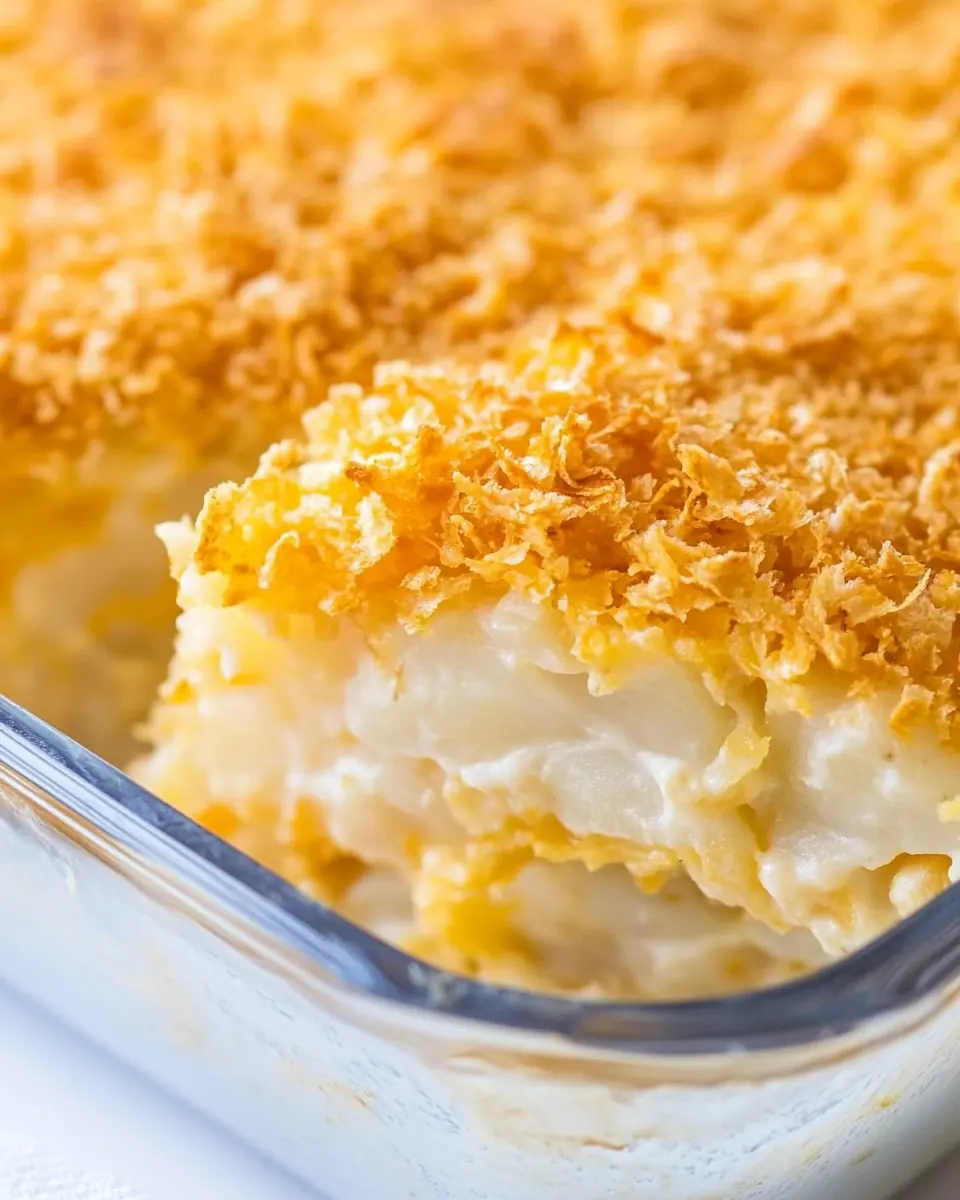
I like to approach assembly as a relaxed, sensory process where small steps build toward a comforting result. Start with properly thawed potatoes and warm butter so that textures and temperatures harmonize when mixed, then move steadily through combining, topping, and baking.
- Thaw bag of hash browns.: The potatoes should be soft to the touch and cold but not frozen, giving a neutral, slightly earthy scent; this ensures they blend smoothly into the creamy matrix without large ice pockets that can make the casserole watery. If the hash browns feel very wet after thawing, gently press them in a colander or between paper towels to remove excess moisture, because too much water prevents the filling from setting. A common mistake is trying to bake frozen potatoes directly, which leads to uneven cooking and a soggy interior. When thawed properly, the pieces separate easily and incorporate uniformly with the other ingredients.
- Preheat the oven to 350 degrees F and lightly grease a 9 x 13-inch baking dish.: As the oven warms, you will notice a neutral heat that readies the environment for even browning; greasing the dish adds a subtle buttery aroma and prevents sticking along the edges. Ensuring an accurate oven temperature is important because too hot can brown the top before the center is warmed through, while too cool yields limp topping. One trap is skipping the preheat, which extends bake time and can dry out the edges; wait until the oven reaches the correct temperature before inserting the casserole.
- Melt 2 tablespoons of butter in a small skillet over medium heat.: The butter will foam and release a warm, nutty fragrance as the milk solids toast slightly, providing a flavor base for the onion; medium heat gives gentle, even melting without burning. Watch the butter closely, because it can go from browned to burnt quickly, which would introduce bitter notes; if you see brown specks, reduce heat or remove from the pan. This step matters because the butter carries aromatic compounds into the onion, enhancing the overall savory profile.
- Add the onion. Sauté for 3-5 minutes until translucent and fork tender.: As the onion softens, it releases sweet, caramel like aromas and loses its sharp edge, producing small, glossy pieces that blend into the potatoes. Stir occasionally so the pieces cook evenly and pick up a faint golden tint; uneven sautéing leaves some raw, crunchy bits. Avoid rushing this step at high heat, because the outsides might brown before the interior softens, giving inconsistent texture and flavor.
- Transfer onion to a bowl with the thawed hash browns, soup, cream, shredded cheese, dry mustard powder, garlic powder, salt, and black pepper and stir.: At this point you will notice a creamy, savory mixture coming together, the aromas of cheese and mustard mingling with the softened onion; stirring ensures each potato piece is coated and seasoned. The reason for combining in a bowl is to create an even distribution so the casserole sets uniformly during baking. A frequent error is under stirring, which leaves pockets of unseasoned potatoes or clumps of cheese; mix until the ingredients form a cohesive, slightly glossy mixture that holds together when scooped.
- Transfer potatoes to 9×13 dish and spread in an even layer.: Gently pressing the filling into the dish creates contact with the bottom for steady heat transfer, and an even top ensures uniform browning and bubbling; the surface should look smooth but not overly compacted. Avoid piling too high in the center, which can slow cooking and leave the middle softer than the edges. If the layer is uneven, rotate the dish during baking to promote consistent heat exposure and an even finish.
- Melt the remaining 3 tablespoons butter. Mix with the corn flakes cereal and sprinkle on top of the potatoes in an even layer.: When the cereal meets warm butter, it soaks up the fat and starts toasting, creating an irresistible toasty scent and a crunchy finish after baking. Toss until each flake is lightly coated and then scatter across the surface so every serving gets some crisp texture. A mistake is adding dry cereal, which will not brown or adhere; ensure the flakes are uniformly moistened to achieve a golden, cohesive crust.
- Bake for 30-40 minutes or until golden brown and bubbly.: You will watch the casserole transform, with juices beginning to bubble at the edges and the topping turning a warm golden color; the oven will fill with a rich, savory aroma that signals readiness. Baking long enough allows the filling to thicken and the cheese to melt evenly, producing a creamy interior. Avoid opening the oven frequently, which lowers the temperature and can extend bake time; instead check visually near the end, aiming for an evenly browned top and bubbling sides as cues of doneness.
- Best when served warm.: Serving right from the oven offers the ideal contrast between the crisp topping and silky inside, releasing the most aroma and yielding the best mouthfeel as cheese pools gently in each scoop. Let the casserole rest for a few minutes to set slightly, which aids slicing and serving without collapsing. A common oversight is cutting and serving immediately, which can cause the filling to run; a short rest preserves structure while still providing that warm, comforting experience.
Change It Up
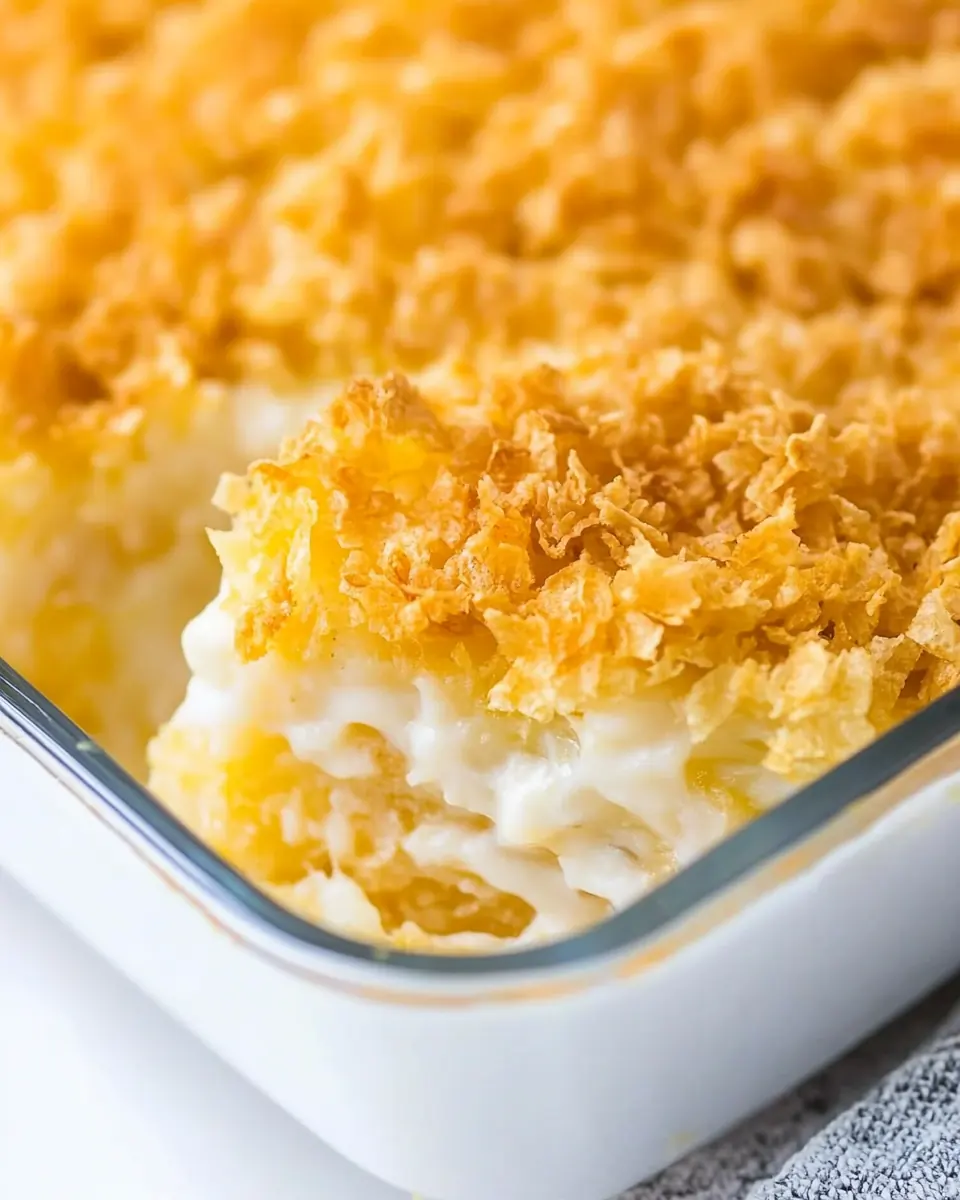
These tips will help you personalize Funeral Potatoes while keeping the comforting core intact. Small adjustments in technique and topping choices can change texture and presentation without altering the heart of the dish.
- Keep potatoes well drained: Press thawed hash browns between paper towels to remove extra liquid so the casserole sets properly and does not turn out watery.
- Toast cereal briefly: Give the butter coated corn flakes a quick minute in a warm skillet to deepen flavor before topping for a nuttier, crunchier finish.
- Freshly shred cheese: Use a block of cheddar and shred it yourself for smoother melting and creamier pockets throughout the casserole.
- Adjust seasoning after mixing: Taste a small spoonful of the uncooked mixture and tweak salt and pepper carefully, remembering the condensed soup adds sodium.
- Let it rest: Allow the casserole to rest for 5 to 10 minutes after baking so the filling firms slightly and slices hold shape when served.
- Mix toppings for variety: Combine crushed cereal with breadcrumbs or crackers for a multi textured crust without altering the base recipe significantly.
What to Pair With Funeral Potatoes
These serving ideas will help you plan meals around Funeral Potatoes. The casserole works well with simple proteins and fresh sides that cut through its richness, and it is versatile enough for casual potlucks or holiday spreads.
- Weeknight dinners: Serve alongside a roasted chicken breast or pan seared fish to balance richness with lean protein.
- Holiday gatherings: Pair with green vegetable dishes like steamed green beans or a bright salad to provide freshness against the creamy casserole.
- Potluck style: Bring the casserole as the starchy centerpiece and coordinate with others providing sliced meats and bright relish trays for balance.
- Serving temperature: Keep the casserole warm in a low oven until serving so the topping retains crunch and the interior stays creamy.
- Leftovers storage: Store in an airtight container in the refrigerator for up to 3 days, and reheat in a 350 degree F oven to restore crunch and warmth.
- Portioning: Cut into generous squares for hearty portions, or smaller pieces for buffet style serving to accommodate more guests.
- Seasonal pairings: In winter, complement it with roasted root vegetables; in spring, serve with bright citrus dressed greens for contrast.
FAQ
Conclusion
Funeral Potatoes stand out for their comforting creaminess and crunchy, buttery topping, making them a dependable favorite for gatherings and weeknight meals alike. Try this casserole when you want a satisfying side that is easy to assemble yet delivers nostalgic flavor and texture. It brings people together around a warm dish without requiring complicated ingredients or techniques. Once you bake it, you will understand why this simple combination becomes a fast favorite, and you may find yourself reaching for it anytime you want reliable, crowd pleasing comfort.
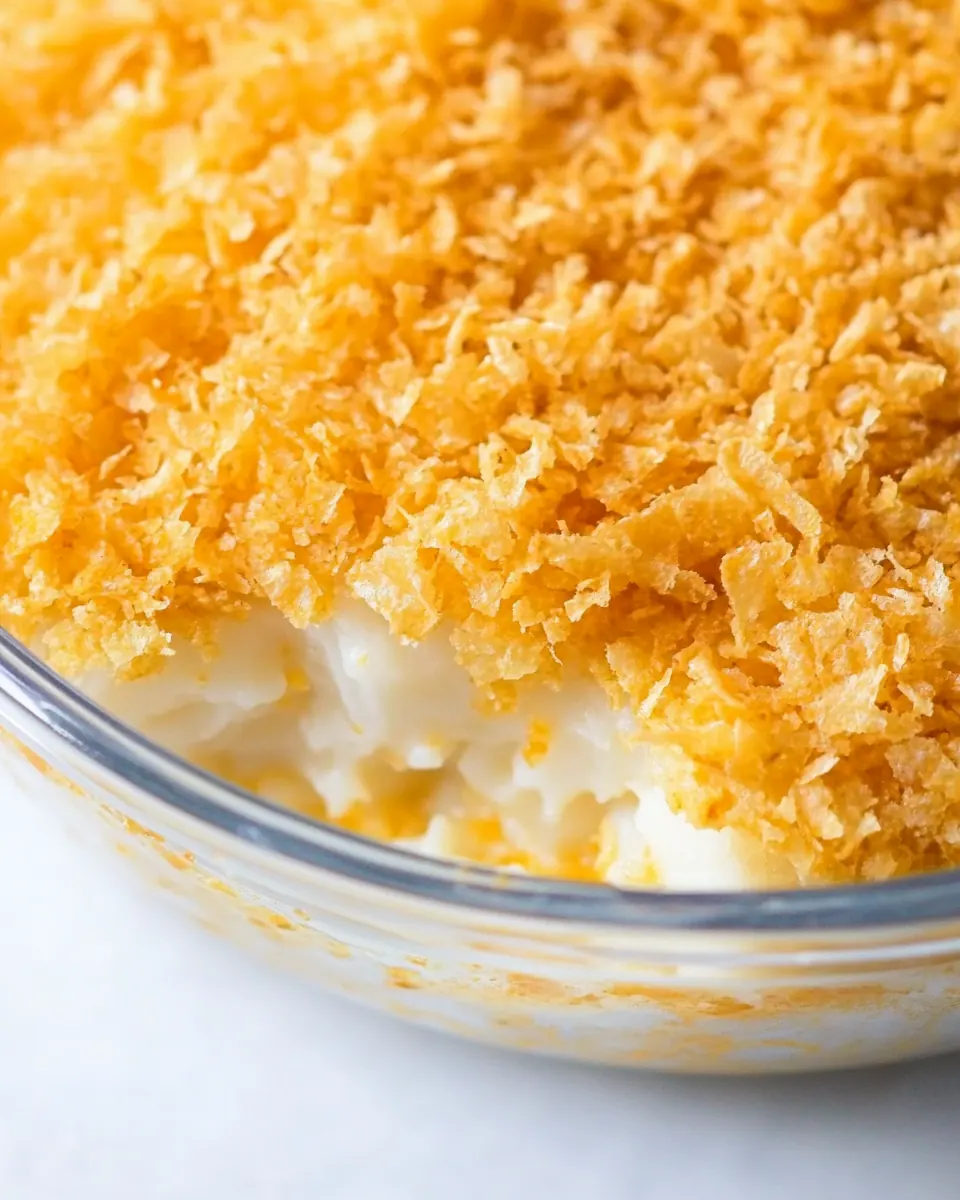
Funeral Potatoes
Ingredients
Equipment
Method
- Thaw bag of hash browns.: The potatoes should be soft to the touch and cold but not frozen, giving a neutral, slightly earthy scent; this ensures they blend smoothly into the creamy matrix without large ice pockets that can make the casserole watery. If the hash browns feel very wet after thawing, gently press them in a colander or between paper towels to remove excess moisture, because too much water prevents the filling from setting. A common mistake is trying to bake frozen potatoes directly, which leads to uneven cooking and a soggy interior. When thawed properly, the pieces separate easily and incorporate uniformly with the other ingredients.
- Preheat the oven to 350 degrees F and lightly grease a 9 x 13-inch baking dish.: As the oven warms, you will notice a neutral heat that readies the environment for even browning; greasing the dish adds a subtle buttery aroma and prevents sticking along the edges. Ensuring an accurate oven temperature is important because too hot can brown the top before the center is warmed through, while too cool yields limp topping. One trap is skipping the preheat, which extends bake time and can dry out the edges; wait until the oven reaches the correct temperature before inserting the casserole.
- Melt 2 tablespoons of butter in a small skillet over medium heat.: The butter will foam and release a warm, nutty fragrance as the milk solids toast slightly, providing a flavor base for the onion; medium heat gives gentle, even melting without burning. Watch the butter closely, because it can go from browned to burnt quickly, which would introduce bitter notes; if you see brown specks, reduce heat or remove from the pan. This step matters because the butter carries aromatic compounds into the onion, enhancing the overall savory profile.
- Add the onion. Sauté for 3-5 minutes until translucent and fork tender.: As the onion softens, it releases sweet, caramel like aromas and loses its sharp edge, producing small, glossy pieces that blend into the potatoes. Stir occasionally so the pieces cook evenly and pick up a faint golden tint; uneven sautéing leaves some raw, crunchy bits. Avoid rushing this step at high heat, because the outsides might brown before the interior softens, giving inconsistent texture and flavor.
- Transfer onion to a bowl with the thawed hash browns, soup, cream, shredded cheese, dry mustard powder, garlic powder, salt, and black pepper and stir.: At this point you will notice a creamy, savory mixture coming together, the aromas of cheese and mustard mingling with the softened onion; stirring ensures each potato piece is coated and seasoned. The reason for combining in a bowl is to create an even distribution so the casserole sets uniformly during baking. A frequent error is under stirring, which leaves pockets of unseasoned potatoes or clumps of cheese; mix until the ingredients form a cohesive, slightly glossy mixture that holds together when scooped.
- Transfer potatoes to 9×13 dish and spread in an even layer.: Gently pressing the filling into the dish creates contact with the bottom for steady heat transfer, and an even top ensures uniform browning and bubbling; the surface should look smooth but not overly compacted. Avoid piling too high in the center, which can slow cooking and leave the middle softer than the edges. If the layer is uneven, rotate the dish during baking to promote consistent heat exposure and an even finish.
- Melt the remaining 3 tablespoons butter. Mix with the corn flakes cereal and sprinkle on top of the potatoes in an even layer.: When the cereal meets warm butter, it soaks up the fat and starts toasting, creating an irresistible toasty scent and a crunchy finish after baking. Toss until each flake is lightly coated and then scatter across the surface so every serving gets some crisp texture. A mistake is adding dry cereal, which will not brown or adhere; ensure the flakes are uniformly moistened to achieve a golden, cohesive crust.
- Bake for 30-40 minutes or until golden brown and bubbly.: You will watch the casserole transform, with juices beginning to bubble at the edges and the topping turning a warm golden color; the oven will fill with a rich, savory aroma that signals readiness. Baking long enough allows the filling to thicken and the cheese to melt evenly, producing a creamy interior. Avoid opening the oven frequently, which lowers the temperature and can extend bake time; instead check visually near the end, aiming for an evenly browned top and bubbling sides as cues of doneness.
- Best when served warm.: Serving right from the oven offers the ideal contrast between the crisp topping and silky inside, releasing the most aroma and yielding the best mouthfeel as cheese pools gently in each scoop. Let the casserole rest for a few minutes to set slightly, which aids slicing and serving without collapsing. A common oversight is cutting and serving immediately, which can cause the filling to run; a short rest preserves structure while still providing that warm, comforting experience.
Notes
- Keep potatoes well drained: Press thawed hash browns between paper towels to remove extra liquid so the casserole sets properly and does not turn out watery.
- Toast cereal briefly: Give the butter coated corn flakes a quick minute in a warm skillet to deepen flavor before topping for a nuttier, crunchier finish.
- Freshly shred cheese: Use a block of cheddar and shred it yourself for smoother melting and creamier pockets throughout the casserole.
- Adjust seasoning after mixing: Taste a small spoonful of the uncooked mixture and tweak salt and pepper carefully, remembering the condensed soup adds sodium.
- Let it rest: Allow the casserole to rest for 5 to 10 minutes after baking so the filling firms slightly and slices hold shape when served.
- Mix toppings for variety: Combine crushed cereal with breadcrumbs or crackers for a multi textured crust without altering the base recipe significantly.