Easy Homemade White Gravy
Easy Homemade White Gravy is a recipe I reach for when I want comfort on a spoon and a sauce that ties a plate together. The first time I made this, I was trying to stretch a simple roast into a weekend feast, and the warm, creamy sauce turned leftovers into something worth writing home about. I remember standing over the stove, stirring slowly, listening to the gentle sputter as the mixture transformed, and feeling oddly proud of how such humble ingredients could taste so rich.
Over the years I have tweaked the balance between creaminess and seasoning, and this version is what I now call my go to. It is forgiving, which I love, so if you are a bit rushed or a bit exacting, the technique still rewards you. I often serve it with flaky biscuits or spoon it over mashed potatoes when guests arrive unexpectedly, and I like that it feels both homey and properly indulgent.
Recipe Snapshot
10 mins
2 mins
8 mins
Easy
200 kcal
American
Gluten-Free, Low FODMAP
Side Dishes
Small saucepan, Whisk, Measuring cups and spoons
Why You Need This Easy Homemade White Gravy
Comfort in simplicity
I adore how Easy Homemade White Gravy turns pantry staples into something silky and satisfying. The texture is creamy without being heavy, and that balance makes it ideal for weeknight meals when you want richness without fuss. I say this from experience, because a small pot of this on the table always draws compliments.
Fast but impressive
This gravy comes together quickly, which means you can create a dish that feels thoughtful even on busy nights. I like that the timing is predictable, so I can multitask and still deliver a sauce that looks restaurant worthy. The quick turnaround is one reason I recommend it, especially for easy weeknight dinner plans.
Versatility at its best
We use this sauce in so many ways, from spooning it over soft biscuits to pairing it with roasted vegetables. Because the recipe is straightforward, you can scale it, thin it, or enrich it, and the core flavor remains comforting. I often adjust seasoning at the end, letting the final taste guide me, which keeps the gravy adaptable.
Technique that teaches
Making a roux and gradually adding milk is a small cooking lesson that pays dividends. Once you master the tactile cues, you will always know when the gravy is done. I enjoy watching friends learn this, because the sensory signals are gratifying: the smell, the sheen, the gentle thickening.
Reliable results
There is something reassuring about a recipe that behaves, and this one does. I have made it in different pans and with different milks and it still delivers a glossy finish and round flavor. That consistency is why I reach for it when feeding family or hosting a casual meal.
Main Ingredients for Easy Homemade White Gravy
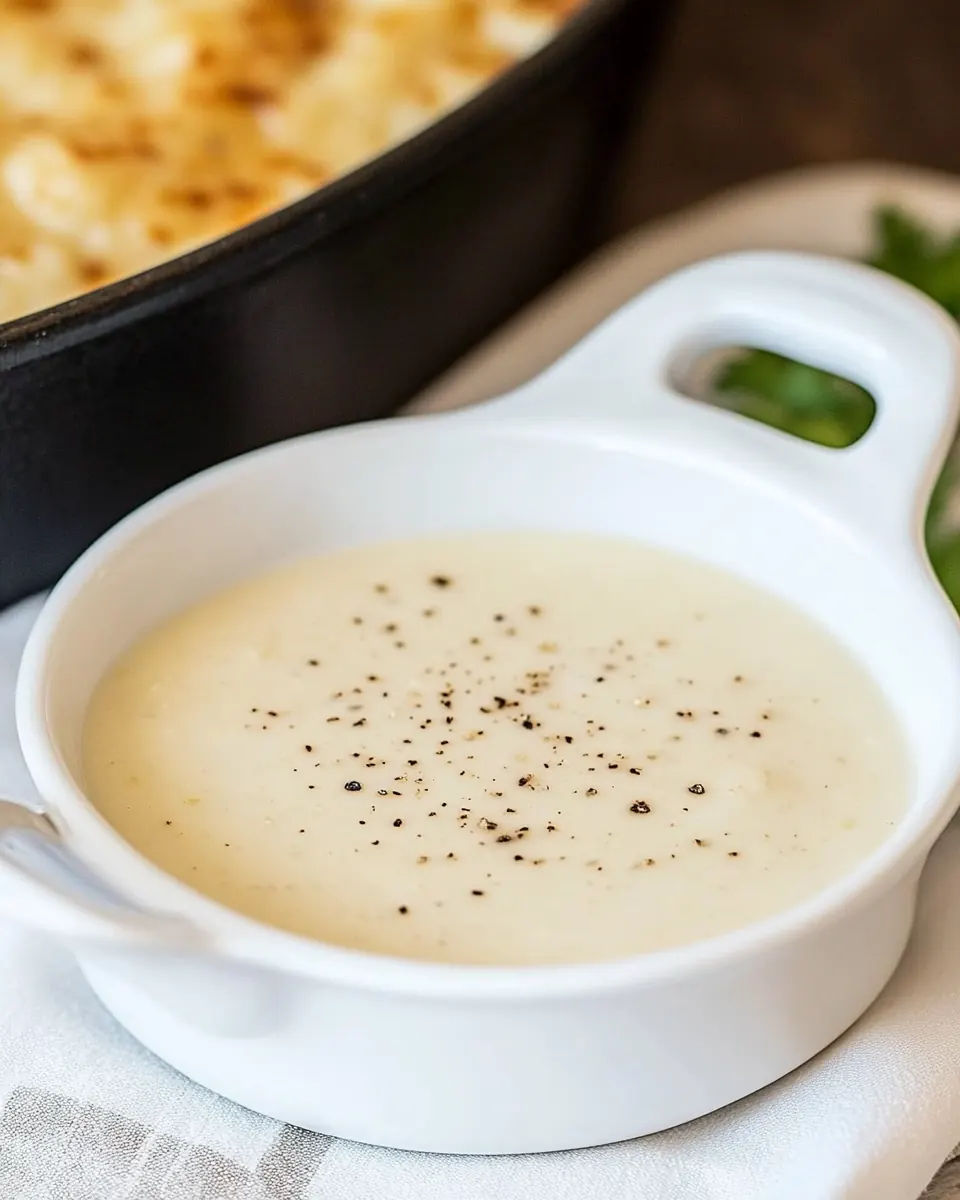
This small list of ingredients follows a classic white gravy philosophy: a fat and flour create a stable base that tames the liquid into a silky sauce, while milk and cream bring body and a gentle sweetness. Each item plays a precise role, and together they create a comforting mouthfeel and glossy finish that clings to biscuits and potatoes alike.
- 2 tablespoon butter- or fat from cooking your meat: Melted or rendered fat provides a flavorful cooking medium and helps create the roux by coating the flour particles for even cooking. Adds richness and can use butter or meat drippings to complement the gravy's savory profile.
- 2 tablespoon AP flour: Toasted and combined with fat, flour acts as the thickening agent that gives the gravy its body and smooth texture. Properly cooked flour removes raw taste and allows gradual whisking with liquid to prevent lumps.
- 1 1/2 cup milk: Gently warmed milk supplies the liquid base that dissolves the roux and forms the creamy consistency of the gravy. Using whole or reduced-fat milk impacts richness and mouthfeel, so heat gradually while whisking to avoid scorching.
- 1 teaspoon black pepper- see note 1: Freshly ground black pepper contributes warm, pungent heat and subtle complexity that balances the creamy sauce. Adjust quantity to taste and add gradually to build flavor without overpowering.
- 1/2 teaspoons salt- see note 1: Measured salt enhances and elevates the overall flavor, helping to bring out savory notes in the gravy. Sprinkle incrementally and taste as you go, since other components may contribute sodium.
- 2 tablespoon heavy cream: Rich heavy cream enriches the gravy with extra silkiness and a fuller mouthfeel, finishing the sauce with a luxurious texture. Stir in near the end of cooking to preserve creaminess without breaking.
- additional salt and pepper to taste: Additional seasoning with salt and pepper allows final tuning of the gravy's flavor profile to personal preference. Taste before serving and adjust in small increments for balanced seasoning.
Cooking Instructions for Easy Homemade White Gravy

These steps are straightforward but benefit from attention and a relaxed pace. I talk you through what to listen for, what to smell, and what to look at, so you can achieve a glossy, lump free gravy every time. Keep your whisk handy and be patient as the sauce comes together.
- Melt the butter in a small saucepan over low heat.: The moment the butter settles into a steady pool and begins to foam gently, you will smell a warm dairy note, which tells you the fat is ready. Cook over low heat so the butter does not brown, because that would change the flavor profile. If your pan gets too hot, remove it briefly from the burner to cool, then continue. A common error is rushing with high heat, which can burn the fat and impart bitterness, so maintain a gentle temperature and watch for even melting.
- Stir in the flour and cook for 3-4 minutes until well combined and a good golden brown.: As you stir the flour into the butter, the mixture will thicken into a paste and begin to give off a toasty, biscuity aroma as it cooks. Continue stirring to avoid scorching, and look for a pale golden color that signals the raw flour taste has cooked out. This step is the foundation for a smooth gravy, and undercooking the roux often leaves a raw flour flavor, while overcooking makes it too dark for a white gravy, so aim for that pale brown stage.
- Whisk in 1/4 cup of the milk, the mixture will become a very thick paste. Gradually whisk in 1/4 cup more milk. Once the mixture has thinned slightly you can gradually whisk in the remaining 1 cup of milk. (see note 2): When you add the first small amount of milk, you will notice a thick glue like consistency and a sputtering as steam meets the roux. This initial addition helps loosen the paste slowly, and whisking vigorously prevents lumps from forming. If you pour too much cold milk at once, you risk clumps, so add a little and whisk until smooth. Patience here creates a silky base that will accept the rest of the liquid.
- Add the salt and pepper.: The second slow addition should thin the paste further and the aroma will shift toward a faintly cooked cream smell. Keep whisking until the mixture becomes glossy and homogeneous before proceeding. Inexperience often leads to rushing this stage, which causes small flour pockets to persist; steady whisking and small additions avoid that problem and yield a velvety result.
- Bring to a low simmer and cook for 2-3 minutes until thickened and glossy.: As you incorporate the bulk of the milk, the sauce will lighten in color and start to flow more freely. The sound will change to a soft simmer and you will see the gravy smooth out and take on a subtle sheen. Maintaining a steady whisk and adding milk in increments prevents sudden temperature shocks that create lumps, so go slowly and stop to smooth any little lumps immediately with vigorous whisking.
- Add the heavy cream, taste and season with additional salt and pepper as needed.: At this point the flavors begin to coalesce, and adding the initial seasoning allows the salt and pepper to meld with the dairy. Stir and taste after a minute of gentle heating so you can judge whether to increase either element. A frequent mistake is adding too much salt too early, especially if the fat used was salty, so start modestly and refine the seasoning as the sauce finishes.
- Bring to a low simmer and cook for 2 to 3 minutes until thickened and glossy.: During this finishing simmer the gravy will develop a shiny surface and coat the back of a spoon, which is your visual cue that it is ready. The gentle bubbling releases a comforting dairy scent and the texture will tighten slightly as moisture cooks off. Avoid a rolling boil, because high heat can break the emulsion and create a grainy texture; maintain a low simmer and stir occasionally to keep everything even.
- Add the heavy cream, taste and season with additional salt and pepper as needed.: The final stir of heavy cream enriches the mouthfeel and adds a luxurious sheen, smoothing any residual grittiness. After folding in the cream, taste carefully and make small seasoning adjustments until the flavor sings for you. One mistake is to skip this tasting step, but finishing seasoning is essential because the cream can soften the perceived saltiness, so adjust gradually until the balance is right.
Helpful Hints
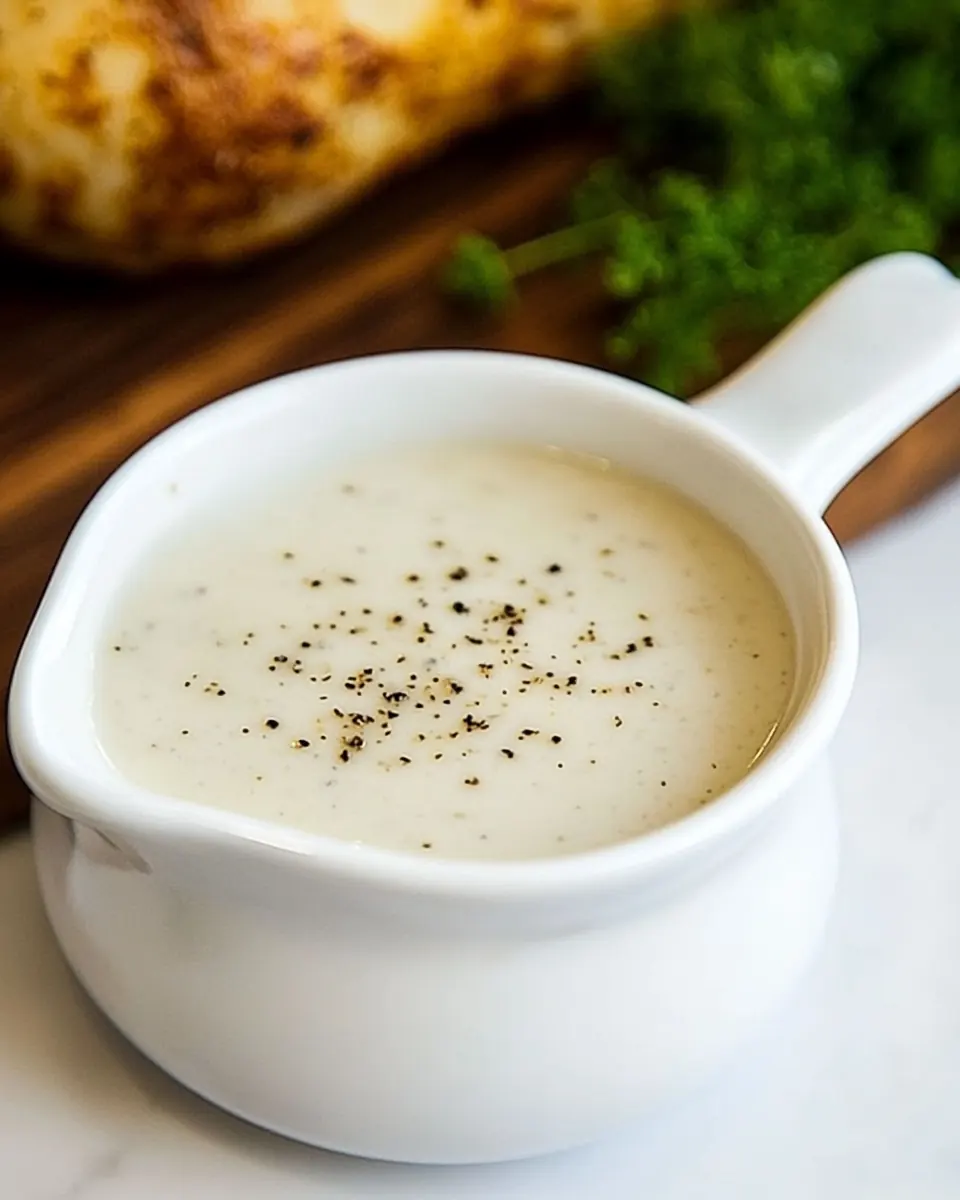
I like to keep these tips nearby when making Easy Homemade White Gravy, because small adjustments make a big difference in texture and flavor. Below are practical pointers I return to often, expanded into useful, bite sized notes that you can use while cooking.
- Warm your milk: Slightly warming the milk before adding prevents temperature shock to the roux and reduces lumps, which saves time spent whisking out clumps later.
- Measure precisely: Accurate amounts of AP flour and fat matter for a predictable thickness, so level your spoons for consistent results.
- Control heat: Keep the saucepan on low to medium low heat so the roux does not brown, maintaining the pale color and mellow flavor expected in white gravy.
- Finish with cream: Adding the heavy cream at the end enriches the texture and gives a glossy finish without making the gravy overly heavy.
- Adjust at the end: Taste after simmering and adjust salt and black pepper incrementally, because the perceived seasoning changes as the gravy cools slightly.
Pairing Suggestions for Easy Homemade White Gravy
This gravy is a natural companion to many comfort foods, and thinking about texture and temperature helps with pairing. Here are ideas for serving occasions, side dishes, and storage strategies that make the gravy feel like a complete plan, not just a sauce.
- Biscuits and breakfast: Spoon warm gravy over flaky biscuits for a classic morning treat, serving it while both elements are hot so the gravy soaks in slightly and creates that beloved tender crumb contrast.
- Mashed potatoes and dinner: Pour over a mound of creamy mashed potatoes at dinner, letting the gravy pool and add richness, perfect for family meals or a cozy dinner.
- Roasted vegetables: Drizzle over roasted root vegetables to add a creamy counterpoint to caramelized edges, making a vegetarian friendly main or side.
- Occasions and gatherings: Use this sauce for casual gatherings and holiday plates where you want a comforting element that appeals to many palates.
- Storage tips: Cool the gravy, then refrigerate in an airtight container for up to three days; reheat gently on low heat while whisking and add a splash of warm milk if it thickens too much.
- Seasonal pairings: In colder months like winter, this rich gravy complements heartier mains and warming sides, making it ideal for cozy menus.
FAQ
Conclusion
What makes this recipe special is how it transforms a few basic pantry ingredients into a glossy, comforting sauce that elevates simple dishes. I encourage you to give it a try, because the technique is forgiving and the results are reliably satisfying. Whether you are feeding family on a weeknight or adding a cozy touch to a meal, this gravy delivers warm, rich flavor with minimal fuss. Enjoy the process of stirring and tasting, and let this easy sauce become one of your dependable kitchen go tos.
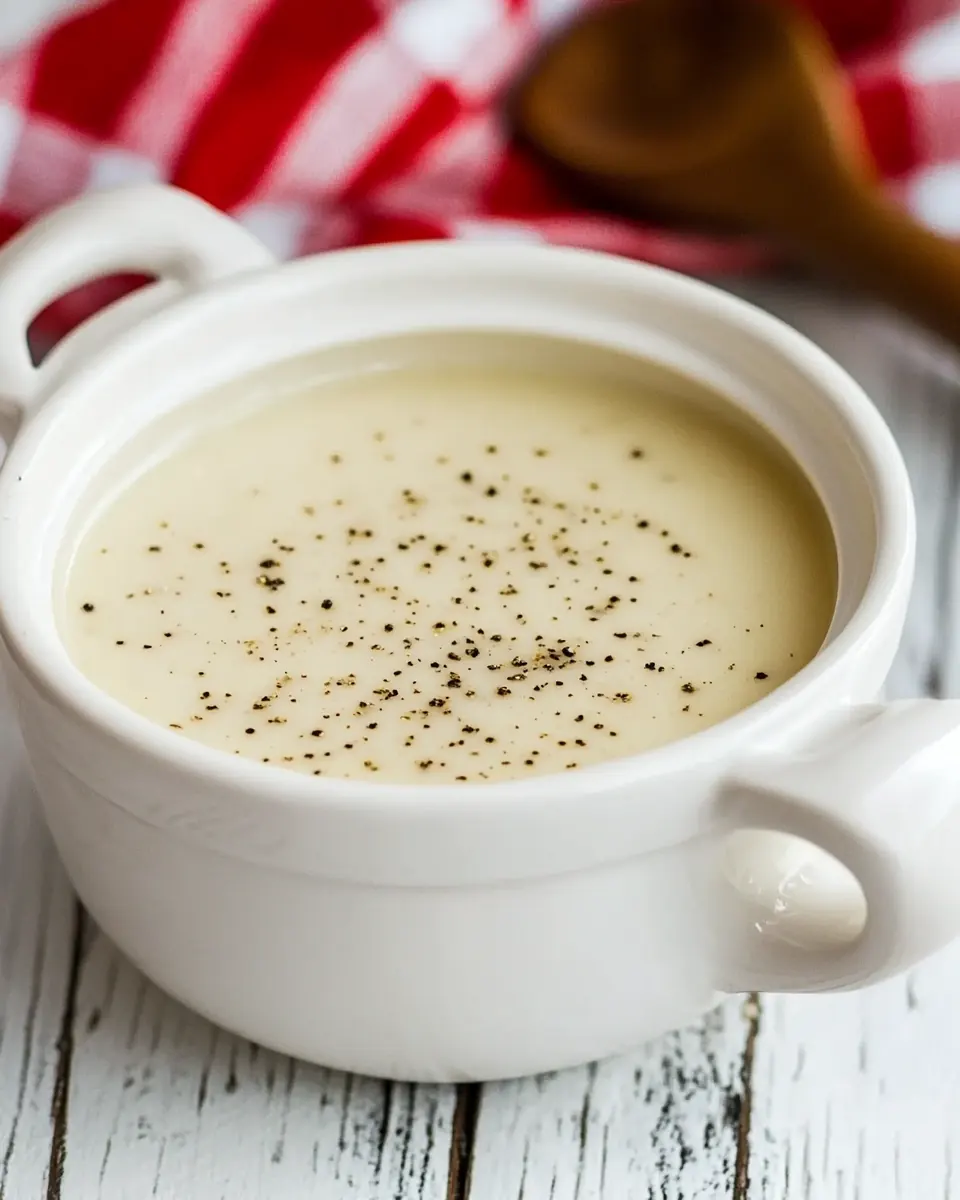
Easy Homemade White Gravy
Ingredients
Equipment
Method
- Melt the butter in a small saucepan over low heat.: The moment the butter settles into a steady pool and begins to foam gently, you will smell a warm dairy note, which tells you the fat is ready. Cook over low heat so the butter does not brown, because that would change the flavor profile. If your pan gets too hot, remove it briefly from the burner to cool, then continue. A common error is rushing with high heat, which can burn the fat and impart bitterness, so maintain a gentle temperature and watch for even melting.
- Stir in the flour and cook for 3-4 minutes until well combined and a good golden brown.: As you stir the flour into the butter, the mixture will thicken into a paste and begin to give off a toasty, biscuity aroma as it cooks. Continue stirring to avoid scorching, and look for a pale golden color that signals the raw flour taste has cooked out. This step is the foundation for a smooth gravy, and undercooking the roux often leaves a raw flour flavor, while overcooking makes it too dark for a white gravy, so aim for that pale brown stage.
- Whisk in 1/4 cup of the milk, the mixture will become a very thick paste. Gradually whisk in 1/4 cup more milk. Once the mixture has thinned slightly you can gradually whisk in the remaining 1 cup of milk. (see note 2): When you add the first small amount of milk, you will notice a thick glue like consistency and a sputtering as steam meets the roux. This initial addition helps loosen the paste slowly, and whisking vigorously prevents lumps from forming. If you pour too much cold milk at once, you risk clumps, so add a little and whisk until smooth. Patience here creates a silky base that will accept the rest of the liquid.
- Add the salt and pepper.: The second slow addition should thin the paste further and the aroma will shift toward a faintly cooked cream smell. Keep whisking until the mixture becomes glossy and homogeneous before proceeding. Inexperience often leads to rushing this stage, which causes small flour pockets to persist; steady whisking and small additions avoid that problem and yield a velvety result.
- Bring to a low simmer and cook for 2-3 minutes until thickened and glossy.: As you incorporate the bulk of the milk, the sauce will lighten in color and start to flow more freely. The sound will change to a soft simmer and you will see the gravy smooth out and take on a subtle sheen. Maintaining a steady whisk and adding milk in increments prevents sudden temperature shocks that create lumps, so go slowly and stop to smooth any little lumps immediately with vigorous whisking.
- Add the heavy cream, taste and season with additional salt and pepper as needed.: At this point the flavors begin to coalesce, and adding the initial seasoning allows the salt and pepper to meld with the dairy. Stir and taste after a minute of gentle heating so you can judge whether to increase either element. A frequent mistake is adding too much salt too early, especially if the fat used was salty, so start modestly and refine the seasoning as the sauce finishes.
- Bring to a low simmer and cook for 2 to 3 minutes until thickened and glossy.: During this finishing simmer the gravy will develop a shiny surface and coat the back of a spoon, which is your visual cue that it is ready. The gentle bubbling releases a comforting dairy scent and the texture will tighten slightly as moisture cooks off. Avoid a rolling boil, because high heat can break the emulsion and create a grainy texture; maintain a low simmer and stir occasionally to keep everything even.
- Add the heavy cream, taste and season with additional salt and pepper as needed.: The final stir of heavy cream enriches the mouthfeel and adds a luxurious sheen, smoothing any residual grittiness. After folding in the cream, taste carefully and make small seasoning adjustments until the flavor sings for you. One mistake is to skip this tasting step, but finishing seasoning is essential because the cream can soften the perceived saltiness, so adjust gradually until the balance is right.
Notes
- Warm your milk: Slightly warming the milk before adding prevents temperature shock to the roux and reduces lumps, which saves time spent whisking out clumps later.
- Measure precisely: Accurate amounts of AP flour and fat matter for a predictable thickness, so level your spoons for consistent results.
- Control heat: Keep the saucepan on low to medium low heat so the roux does not brown, maintaining the pale color and mellow flavor expected in white gravy.
- Finish with cream: Adding the heavy cream at the end enriches the texture and gives a glossy finish without making the gravy overly heavy.
- Adjust at the end: Taste after simmering and adjust salt and black pepper incrementally, because the perceived seasoning changes as the gravy cools slightly.