2 Ingredient Cream Biscuits
2 Ingredient Cream Biscuits came into my kitchen on a frantic weeknight when I needed warm, comforting bread without a long list of ingredients or extra fuss. I remember the first time I mixed just two pantry staples and ended up with flaky, tender biscuits that made everyone at the table pause, fork in hand, and grin. I was skeptical at first, but as the aroma of baking self rising flour and heavy whipping cream filled the house, doubts melted away and I started planning every meal around them.
That night I learned a few things that stuck with me. These little biscuits reward gentle handling, a hot oven, and not overworking the dough. I like to tell friends that they are simple enough for a hurried morning, elegant enough for a casual dinner, and predictable enough to rely on when you are feeding a crowd. Over time, I refined the method so the texture is consistently soft inside and slightly crusty on top, and now I make them whenever I want something quick and satisfying.
Recipe Snapshot
17 mins
5 mins
12 mins
Medium
150 kcal
American
Gluten-Free, Low FODMAP
Appetizers
Biscuit Cutter, Cookie Sheet, Parchment Paper
The Charm of This 2 Ingredient Cream Biscuits
Ridiculously Simple Ingredients
I adore how 2 Ingredient Cream Biscuits use only self rising flour and heavy whipping cream, which means you can make them without a special shopping trip. When I am racing the clock, having a recipe this pared down feels like a gift. The result is always impressive, and I often hear, you made those with just two things?
Speedy to the Table
One of the best parts is how quickly these come together. From the first stir to hot biscuits takes minutes, which is invaluable on busy evenings. I can mix, pat, cut, and pop them in the oven while finishing a pot on the stove, and that convenience keeps me coming back.
Versatile and Trustworthy
I reach for 2 Ingredient Cream Biscuits for breakfast with jam, as a side for soups, and for informal gatherings. The texture is dependable, and with a gentle touch they stay tender. I often tweak serving styles, but never stray from the basic formula because it consistently performs.
Textural Magic
The combination of self rising flour and heavy whipping cream creates steam as the biscuits bake, which lifts the layers and gives a tender crumb. I like describing the interior as pillowy, while the exterior gains just enough color to be satisfying. Once you feel that first flake of crust and the soft crumb beneath, you understand why this method endures.
Low Stress, High Reward
There is a calm confidence I get making these, because they are forgiving. If you overwork them a touch, they still turn out pleasant. If you under-knead, they may be more rustic, but still delicious. That forgiving nature makes them my go to when I want fresh baked comfort without an intimidating process.
Everything You Need for 2 Ingredient Cream Biscuits
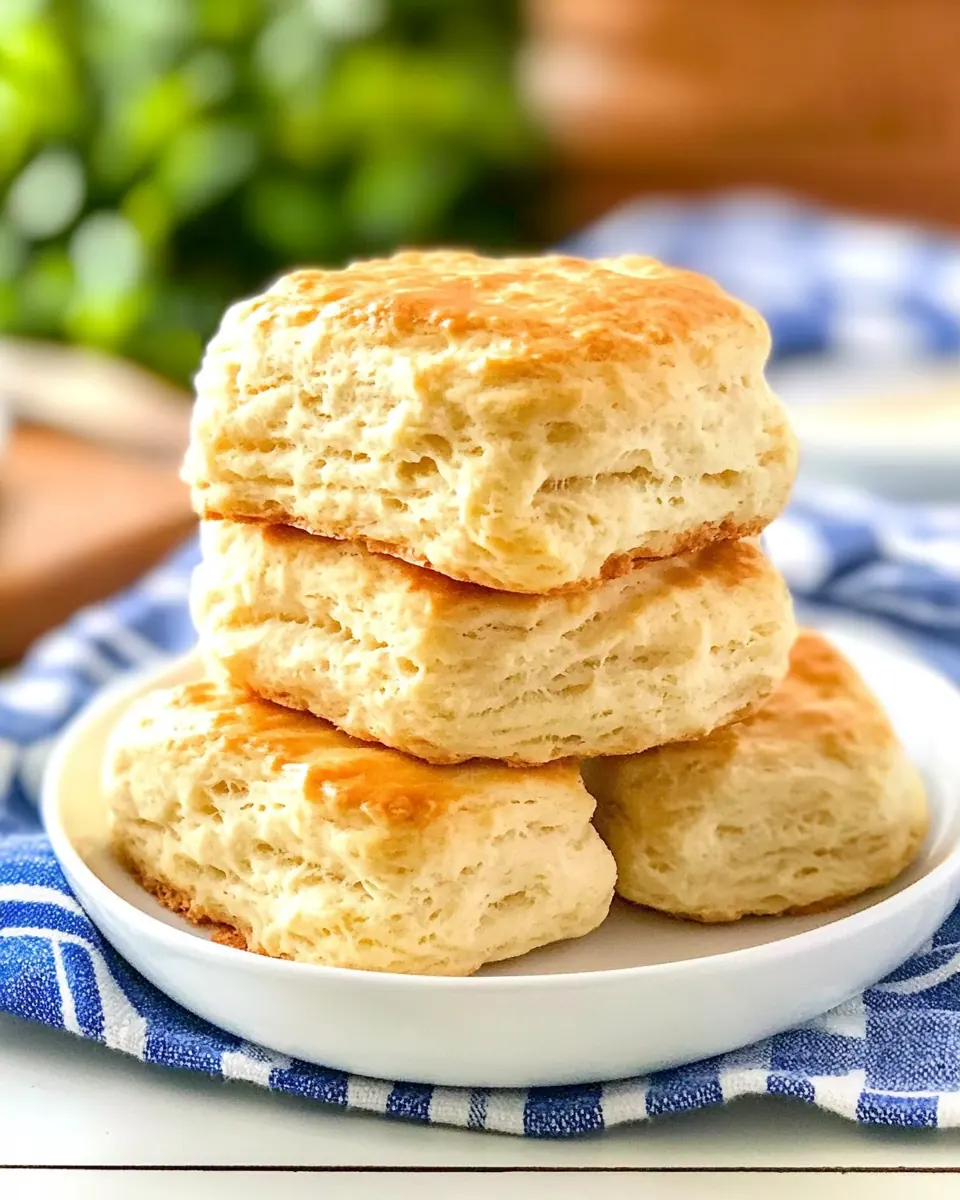
These ingredients are intentionally minimal and work in harmony. The self rising flour brings structure and leavening in one, while the heavy whipping cream supplies fat and moisture that turn into steam and tender crumbs in the oven. Together they produce biscuits that are airy yet rich, and the simplicity means each component plays a vital role.
- 2 cups self-rising flour: Provides structure and lightness to the biscuits by containing leavening agents and finely milled wheat that creates a tender crumb; sifts easily into the mixing bowl and helps determine final texture when combined gently with cream. Enhances browning and creates a delicate exterior when baked at high heat, while its self–rising formulation eliminates the need for separate baking powder or salt. Allows straightforward measuring and predictable results for consistent biscuit height and uniform crumb.
- 1 1/2 cups heavy whipping cream: Adds rich moisture and fat that tenderize the dough and promote flakiness, contributing to a creamy, tender interior and golden crust when baked. Whips slightly under gentle stirring to incorporate air and bind the dry flour into a cohesive dough without overworking, yielding light biscuits. Imparts a subtle dairy flavor and contributes to browning through milk solids during baking.
Directions for 2 Ingredient Cream Biscuits
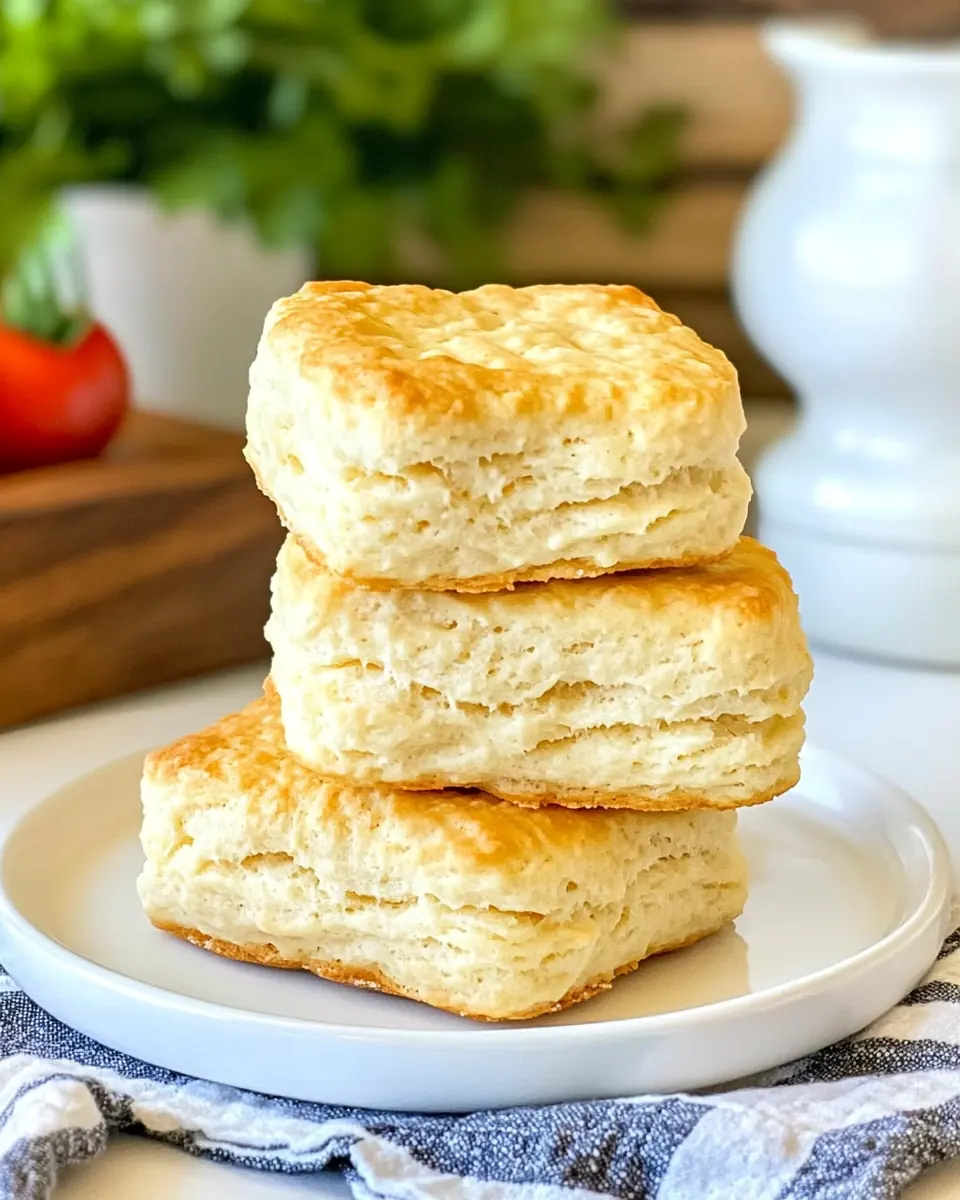
These directions are straightforward, but I always recommend reading through once before starting. Keep your hands light, watch the dough, and preheat the oven first so the biscuits get the immediate heat they need to rise well.
- Preheat oven to 500ºF degrees. Line a cookie sheet with parchment paper and set aside.: The moment you open the oven and smell the intense, dry heat, you know it is ready to work for you. A roaring oven jump starts steam formation in the biscuits, producing that sought after lift and flaky texture. You will notice the air in the oven feels almost crackling hot, and that intense environment encourages rapid browning, which adds a toasty aroma. A common mistake here is skipping the preheat or underestimating how long your oven takes to reach 500ºF, which can yield pale, flat biscuits. To avoid that, set the oven early and allow the sheet to warm slightly on the rack so the bottoms start crisping immediately.
- Place flour in a large bowl. Gradually stir in cream, adding just enough to moisten flour to a sticky dough. (You may have a little leftover).: When you first stir, you will see pockets of dry flour giving way to glossy streaks of cream, and the mixture smells faintly sweet and milky. The tactile cue is important, you want a tacky, cohesive dough that still feels slightly shaggy. This balance ensures the biscuits are tender rather than gummy. Stir slowly so you do not over hydrate some areas while leaving others dry. A frequent misstep is pouring all the cream in at once, which can create an overly wet mess that is hard to handle. If that happens, sprinkle a touch more flour, but avoid adding too much which would dry them out.
- Pour biscuit dough onto a lightly floured surface (use the self-rising flour).: As you turn the dough out, you will notice its weight and slight stickiness, and the surface will pick up a dusting of flour that prevents clinging. The act of moving it to the board shifts the dough from bowl to work space and gives you room to shape. At this stage, handle gently because excessive pressure will compress air pockets you want to keep. People often press too hard when transferring, which tightens the gluten and yields denser results.
- Gently pat, knead, and roll the dough to about a 1/2-inch thickness. Dust with flour on top of biscuit dough and fold over.: The tactile process here is calming, the dough giving slightly yet staying cohesive. When you pat and gently fold, you create layers that will separate during baking, giving the interior a light texture. After a few folds, the top will feel smoother and the dough slightly springy. Beware of over kneading, which develops gluten and makes biscuits chewy. I usually limit myself to just a few gentle folds to preserve tenderness.
- Pat or roll dough gently to a 1/2-inch thickness – approximately a 7-inch square.: You will see the dough spread to an even square, and the thinness is key to consistent baking. The 1/2-inch thickness provides enough height for soft interior layers but allows the heat to cook through quickly. Visually, the dough should look uniform and slightly matte from the dusted flour. A common error is rolling too thinly so biscuits bake too quickly and dry out, or too thickly so centers remain doughy. Aim for that balanced half inch.
- Cut dough with a 2-inch biscuit cutter. Rerolling dough as needed.: As you press the cutter, you will hear a gentle click when it breaks through, and the raw edges show a soft, tender crumb. Cutting straight down without twisting helps keep the layers intact, which improves lift. Collect scraps and give the dough only a brief turn to avoid overworking. Many people twist the cutter, sealing edges and preventing rise, so press straight down and lift carefully.
- Place biscuits on the baking sheet. Bake for 10 to 12 minutes.: When the biscuits go into the oven, the heat quickly coagulates the outside while steam forms inside, and in minutes you will smell warm, toasty dairy and baked flour. Watch for the tops to turn a light golden brown and the sides to set, that visual cue signals they are ready. Avoid opening the oven repeatedly, which lets out heat and steam, slowing rise. If you under bake, interiors will be doughy, so trust the color and give them the full time needed for a tender, fully cooked center.
Substitutions and Tips
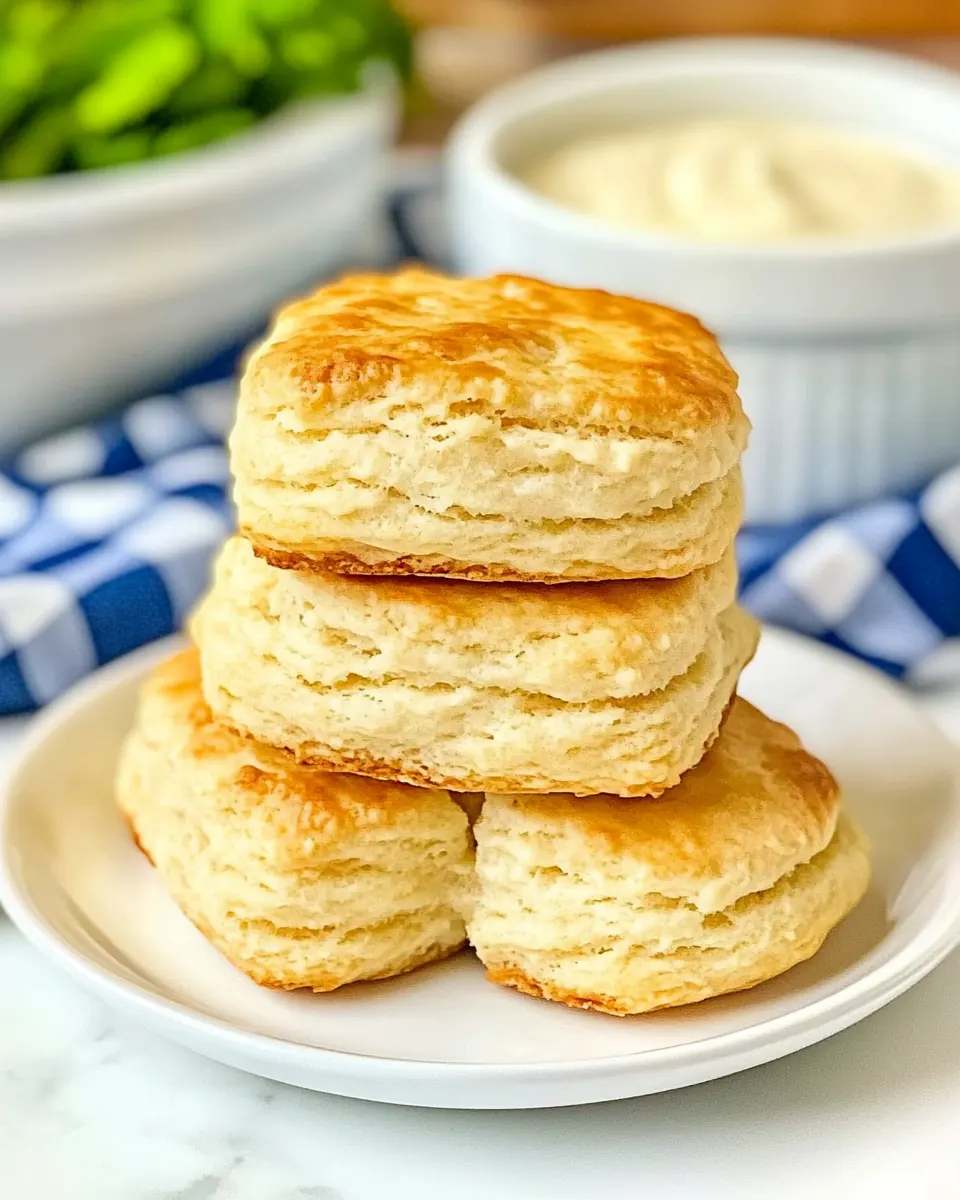
These tips will help you get predictable results and troubleshoot common issues with 2 Ingredient Cream Biscuits. I include practical pointers I use in my kitchen, so you can bake with confidence and adapt if you need to.
- Use proper measuring, spoon and level your 2 cups self rising flour rather than scooping to avoid compacting the flour and producing dense biscuits.
- Cold cream for better lift, use chilled 1 1/2 cups heavy whipping cream straight from the refrigerator for a slightly flakier texture because the fat will melt slower in the oven and create steam pockets.
- Minimal handling, handle the dough gently and limit folds to preserve air pockets, overworking will develop gluten and toughen the crumb.
- Straight down cutting, press the 2-inch biscuit cutter straight down without twisting to avoid sealing edges and inhibiting rise.
- Warm baking sheet, if you want crisper bottoms, place the cookie sheet in the oven while it preheats so the dough meets a hot surface and begins browning right away.
- Reroll sparingly, when rerolling scraps, do it briefly to avoid tightening the dough and losing tenderness in subsequent biscuits.
What Goes Well With This 2 Ingredient Cream Biscuits
These biscuits are wonderfully adaptable and pair well with a range of dishes and occasions. Whether as a breakfast side or part of a casual dinner, they can anchor a meal or be a simple accompaniment. Below I list serving ideas, storage guidance, and occasion pairings so you can make the most of each batch.
- Breakfast pairing, serve warm biscuits with jam or honey, they make an effortless morning treat and are perfect for a relaxed weekend brunch.
- Soup companion, these biscuits are excellent alongside a bowl of soup, offering a soft, absorbent bite that complements brothy or creamy soups during cooler months.
- Casual dinners, use them as a side for weeknight meals, they complement roasted vegetables and simple mains and are great for family style dining.
- Gatherings and occasions, bring them to potlucks or informal celebrations, they are easy to scale and please a crowd without complicated prep.
- Storage tips, keep leftover biscuits in an airtight container at room temperature for a day or two, or freeze cooled biscuits wrapped tightly for up to a month, then reheat gently to restore softness.
- Seasonal notes, they work anytime of year, from cozy winter suppers to spring brunches, and adapt well to both savory and sweet accompaniments.
FAQ
Conclusion
These biscuits stand out because they deliver warm, tender, bakery style results with only two simple ingredients. They are quick, forgiving, and perfect for many meals, whether you serve them with jam at breakfast or alongside a cozy soup. Give them a try the next time you want fresh baked goodness without a long ingredient list, and enjoy how something so simple can taste so satisfying.
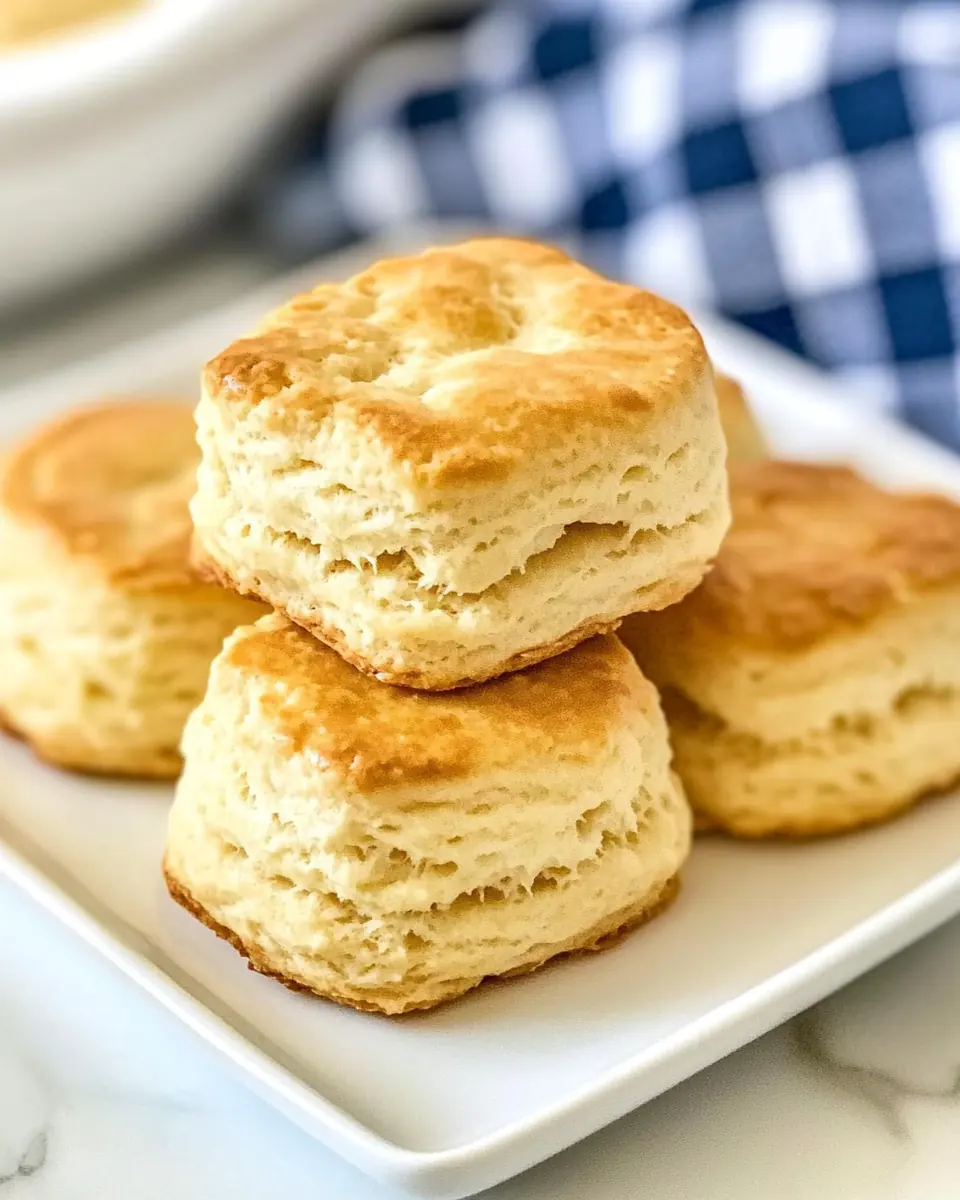
2 Ingredient Cream Biscuits
Ingredients
Equipment
Method
- Preheat oven to 500ºF degrees. Line a cookie sheet with parchment paper and set aside.: The moment you open the oven and smell the intense, dry heat, you know it is ready to work for you. A roaring oven jump starts steam formation in the biscuits, producing that sought after lift and flaky texture. You will notice the air in the oven feels almost crackling hot, and that intense environment encourages rapid browning, which adds a toasty aroma. A common mistake here is skipping the preheat or underestimating how long your oven takes to reach 500ºF, which can yield pale, flat biscuits. To avoid that, set the oven early and allow the sheet to warm slightly on the rack so the bottoms start crisping immediately.
- Place flour in a large bowl. Gradually stir in cream, adding just enough to moisten flour to a sticky dough. (You may have a little leftover).: When you first stir, you will see pockets of dry flour giving way to glossy streaks of cream, and the mixture smells faintly sweet and milky. The tactile cue is important, you want a tacky, cohesive dough that still feels slightly shaggy. This balance ensures the biscuits are tender rather than gummy. Stir slowly so you do not over hydrate some areas while leaving others dry. A frequent misstep is pouring all the cream in at once, which can create an overly wet mess that is hard to handle. If that happens, sprinkle a touch more flour, but avoid adding too much which would dry them out.
- Pour biscuit dough onto a lightly floured surface (use the self-rising flour).: As you turn the dough out, you will notice its weight and slight stickiness, and the surface will pick up a dusting of flour that prevents clinging. The act of moving it to the board shifts the dough from bowl to work space and gives you room to shape. At this stage, handle gently because excessive pressure will compress air pockets you want to keep. People often press too hard when transferring, which tightens the gluten and yields denser results.
- Gently pat, knead, and roll the dough to about a 1/2-inch thickness. Dust with flour on top of biscuit dough and fold over.: The tactile process here is calming, the dough giving slightly yet staying cohesive. When you pat and gently fold, you create layers that will separate during baking, giving the interior a light texture. After a few folds, the top will feel smoother and the dough slightly springy. Beware of over kneading, which develops gluten and makes biscuits chewy. I usually limit myself to just a few gentle folds to preserve tenderness.
- Pat or roll dough gently to a 1/2-inch thickness – approximately a 7-inch square.: You will see the dough spread to an even square, and the thinness is key to consistent baking. The 1/2-inch thickness provides enough height for soft interior layers but allows the heat to cook through quickly. Visually, the dough should look uniform and slightly matte from the dusted flour. A common error is rolling too thinly so biscuits bake too quickly and dry out, or too thickly so centers remain doughy. Aim for that balanced half inch.
- Cut dough with a 2-inch biscuit cutter. Rerolling dough as needed.: As you press the cutter, you will hear a gentle click when it breaks through, and the raw edges show a soft, tender crumb. Cutting straight down without twisting helps keep the layers intact, which improves lift. Collect scraps and give the dough only a brief turn to avoid overworking. Many people twist the cutter, sealing edges and preventing rise, so press straight down and lift carefully.
- Place biscuits on the baking sheet. Bake for 10 to 12 minutes.: When the biscuits go into the oven, the heat quickly coagulates the outside while steam forms inside, and in minutes you will smell warm, toasty dairy and baked flour. Watch for the tops to turn a light golden brown and the sides to set, that visual cue signals they are ready. Avoid opening the oven repeatedly, which lets out heat and steam, slowing rise. If you under bake, interiors will be doughy, so trust the color and give them the full time needed for a tender, fully cooked center.
Notes
- Use proper measuring, spoon and level your 2 cups self rising flour rather than scooping to avoid compacting the flour and producing dense biscuits.
- Cold cream for better lift, use chilled 1 1/2 cups heavy whipping cream straight from the refrigerator for a slightly flakier texture because the fat will melt slower in the oven and create steam pockets.
- Minimal handling, handle the dough gently and limit folds to preserve air pockets, overworking will develop gluten and toughen the crumb.
- Straight down cutting, press the 2-inch biscuit cutter straight down without twisting to avoid sealing edges and inhibiting rise.
- Warm baking sheet, if you want crisper bottoms, place the cookie sheet in the oven while it preheats so the dough meets a hot surface and begins browning right away.
- Reroll sparingly, when rerolling scraps, do it briefly to avoid tightening the dough and losing tenderness in subsequent biscuits.