Greek Omelette Casserole
Greek Omelette Casserole is one of those dishes I turn to when I want something comforting, bright, and reliably crowd pleasing.
I first made this after a hurried spring farmers market trip, carrying a bag of leafy spinach and bargain artichokes, thinking I had only minutes to assemble breakfast for a house full of friends. I remember the kitchen filling with the warm aroma of sautéed garlic and olive oil, the sound of the skillet as the leaves collapsed into glossy, fragrant ribbons. That day the casserole came out golden, the edges puffed and just set, studded with bits of tangy feta and bright pockets of chopped artichoke salad. Everyone ate seconds, and I filed the recipe away as perfect for weekend brunches and easy weekday dinners.
What I love most about Greek Omelette Casserole is how forgiving it is, yet how specific the flavors feel. The lemon pepper and oregano give a Mediterranean lift that sings against the creamy custard created by the whisked eggs and whole milk. The texture is custardy in the center, with slightly crisped edges and a savory crumb from the feta. I hope you find this one as useful as I have, whether you are feeding a group, meal prepping, or simply craving a dish that tastes like spring on a plate.
Recipe Snapshot
45 mins
10 mins
35 mins
Medium
300 kcal
Mediterranean
Keto, Gluten-Free
Breakfast
Skillet, 9×13 baking dish, Mixing bowl, Whisk
Why This Greek Omelette Casserole Works
Reliable for feeding a crowd
I always reach for Greek Omelette Casserole when I need to feed several people without fuss. It scales well, reheats beautifully, and the flavors hold up if you make it a few hours ahead. I like dishes that let me be social instead of chained to the stove, and this casserole delivers exactly that.
Bold, balanced Mediterranean flavors
This recipe balances tangy feta, briny artichoke salad, and bright herbs like dill and oregano. The lemon pepper adds a hint of citrus lift that keeps the richness of the custard from feeling heavy. I appreciate how each bite has a little contrast, the salty, the creamy, and the herby working together.
Textural harmony
The contrast of tender, wilted spinach and the creamy interior is one reason I keep coming back to this dish. The feta melts slightly on top, giving a salty crumble, while the edges get gently browned in the oven. I find that this variety of textures makes the casserole feel more composed than a simple scrambled egg bake.
Flexible and forgiving
I value recipes that survive real life, and Greek Omelette Casserole is forgiving about timing and small substitutions. You can prep components in advance, and the custard is tolerant of minor measurement shifts. When life is busy, a recipe that adapts is a keeper.
Great for different occasions
This casserole suits casual brunches, a hearty breakfast-for-dinner, or a potluck contribution. I especially like serving it in spring when fresh greens are abundant, but it feels at home any time you want a simple, flavorful centerpiece.
What Goes Into Greek Omelette Casserole
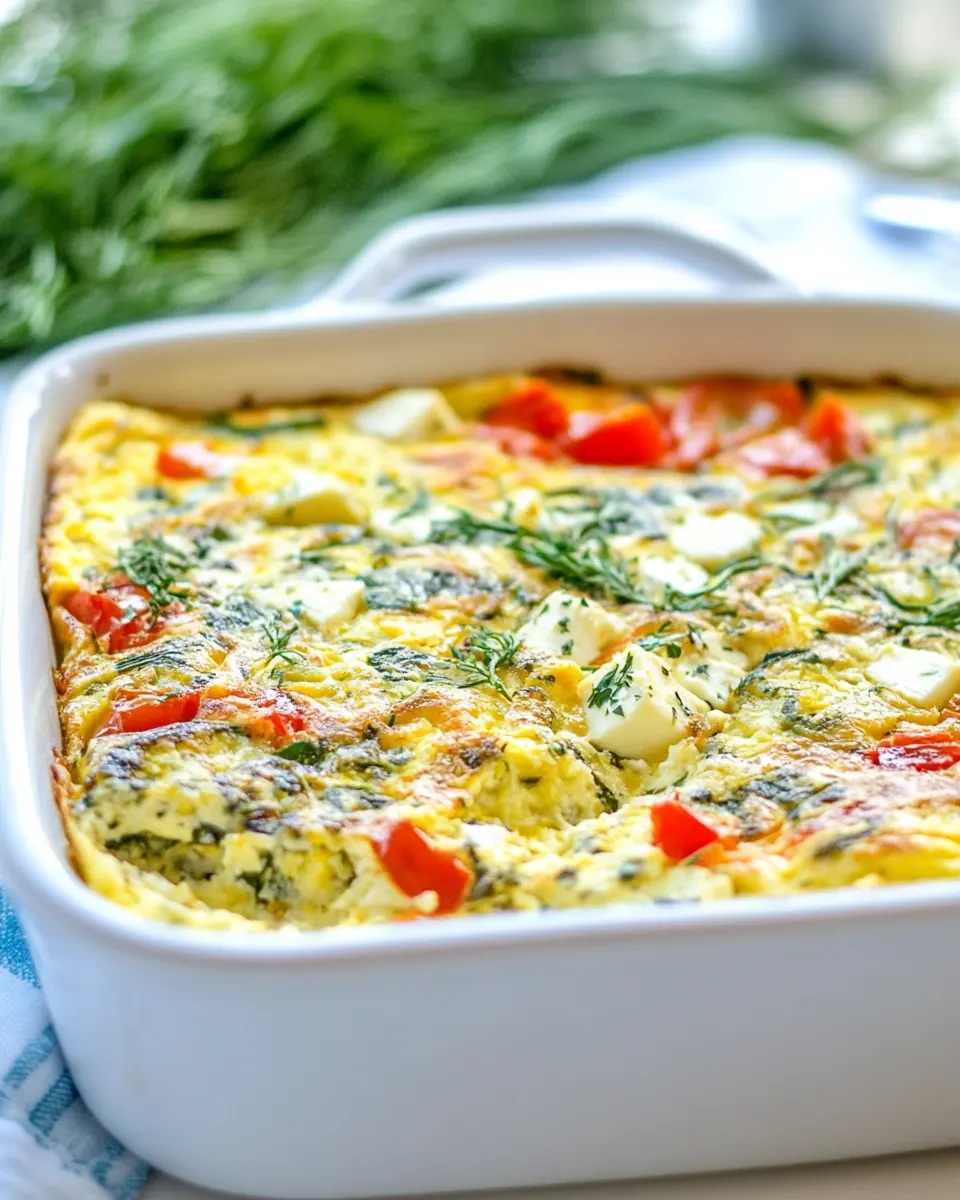
These ingredients create a straightforward, Mediterranean inspired egg casserole. The dish leans on a creamy egg and milk custard base, while the vegetables and cheeses contribute brightness, texture, and savory depth. Each component has a clear role, from the aromatic lift of garlic to the salty pop of feta, so together they form a balanced, satisfying bake.
- 12 large eggs: Whisk together to provide structure and rich protein; binds the casserole while creating a fluffy, custard-like texture when baked. Add gradually for even incorporation with the milk and seasonings to ensure a uniform set.
- 2 cups whole milk: Enrich the egg mixture to create a creamy custard; contributes fat and moisture that prevent the casserole from drying out. Temper with eggs for smooth consistency and to help carry the flavors of herbs and cheese.
- 8 ounces fresh spinach: Wilt down to add vibrant color, earthy flavor, and a tender, slightly crisp texture; releases moisture that melds with the custard. Sauté or squeeze excess water before adding to avoid a soggy casserole.
- 2 cloves garlic, minced: Sauté briefly to release aromatic oils and infuse the dish with savory depth; minced form ensures even distribution throughout the casserole. Combine with spinach and olive oil to enhance overall flavor without overpowering delicate ingredients.
- 12 ounces artichoke salad (with olives and peppers), drained and chopped: Provide briny, tangy, and slightly sweet bites with a mix of textures from chopped hearts, olives, and peppers; adds Mediterranean complexity. Drain and chop to prevent excess liquid and distribute flavorful pockets throughout the casserole.
- 5 ounces sun dried tomato feta cheese, crumbled: Crumble over the mixture to deliver creamy, tangy, and slightly salty notes; pairs well with sun-dried tomatoes for a concentrated sweet-tart contrast. Scatter evenly to ensure every serving benefits from bursts of savory, herby cheese.
- 1 tablespoon fresh chopped dill (1 teaspoon dried dill): Sprinkle or chop in to add a bright, slightly sweet, and anise-like freshness that lifts the casserole's flavors; can be substituted with dried at a lower quantity. Use fresh for garnish and flavor depth, incorporating into the egg base for even aroma.
- 1 teaspoon dried oregano: Season to introduce warm, slightly minty and lemony herbal notes that complement the Mediterranean profile; dried form offers concentrated flavor. Add to the egg mixture early so it rehydrates and permeates the casserole.
- 1 teaspoon lemon pepper: Season to provide a citrusy, peppery kick that enhances other spices and brightens the overall flavor; balances richness from eggs and cheese. Adjust to taste to avoid overpowering delicate ingredients like spinach or dill.
- 1 teaspoon salt: Season to enhance and balance all other flavors, contributing basic saltiness necessary for proper taste perception; measure carefully. Mix thoroughly into the custard so the seasoning distributes evenly throughout the bake.
- 4 teaspoons olive oil, divided: Use for sautéing and drizzling to introduce fruity, slightly peppery fat that helps cook aromatics and wilt greens; dividing ensures some oil is used for cooking and some for finishing. Choose good-quality extra-virgin olive oil for best flavor.
Making This Greek Omelette Casserole
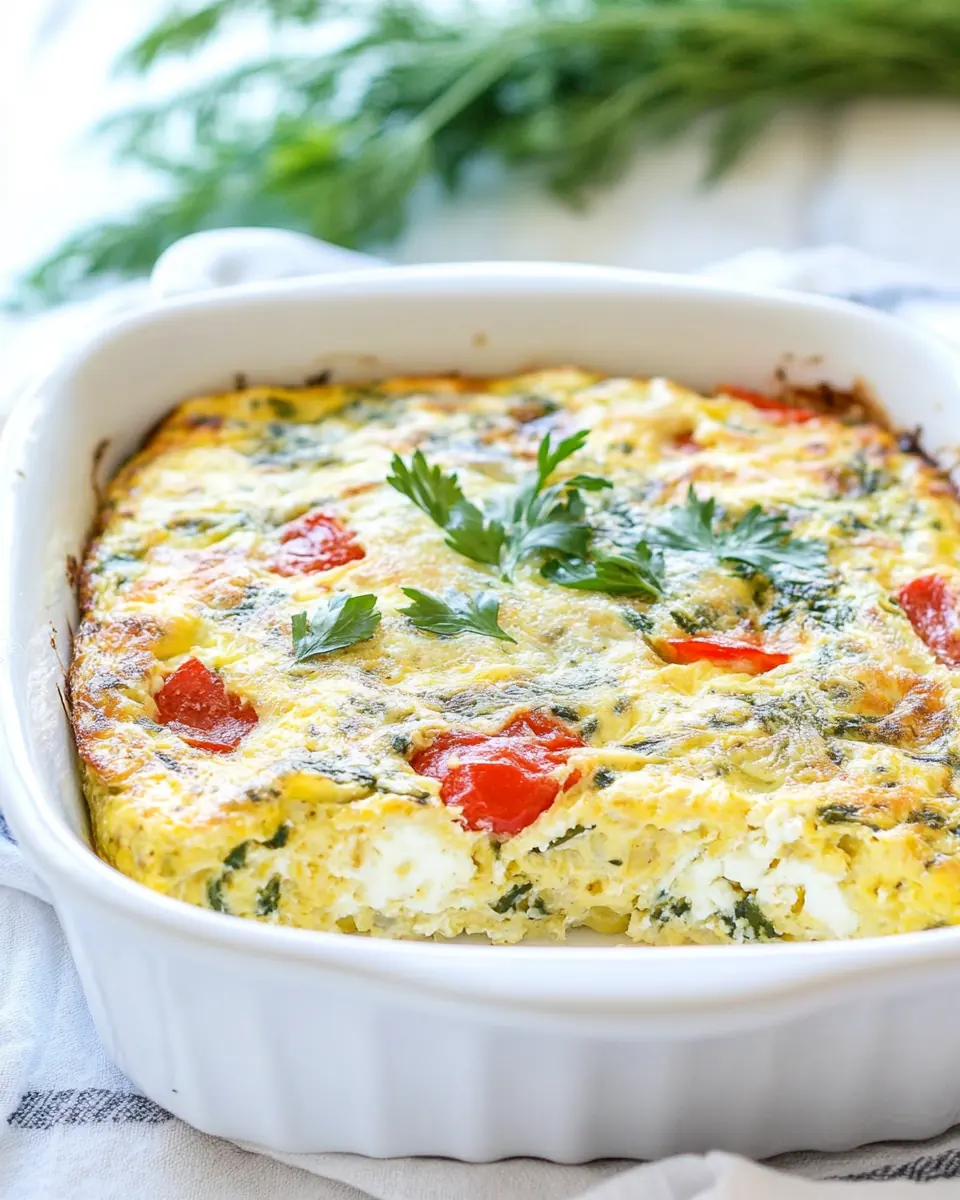
This casserole comes together simply, but there are a few technique points that make a big difference in the final texture and flavor. Follow the sequence and pay attention to moisture management and even distribution of ingredients for the best results.
- Preheat oven to 375 degrees F. Chop the fresh herbs and artichoke salad.: You'll notice a warm, dry heat build in the oven that ensures even cooking, creating a gently puffed top and set center. Preheating matters because placing the dish into a fully heated environment promotes consistent rising and browning; otherwise the edges may overcook before the center firms. A common mistake is under preheating, which can lengthen bake time and lead to a soggy middle. When the oven reaches temperature, it should feel uniformly hot when you briefly hold your hand near the closed door, not blistering but noticeably warm.
- Set a skillet over medium heat and add 1 tablespoon olive oil. Sauté the spinach and garlic until wilted, about 3 minutes.: Freshly chopping releases the aromas of the dill and breaks the artichoke salad into bite sized pieces that distribute evenly. The scent will be herbaceous and slightly briny from the artichoke and olive components, signaling freshness. Finely chopping helps prevent large pockets that could cause an uneven texture in the casserole. Avoid leaving pieces too large, which can concentrate wetness and create dense spots.
- Oil a 9×13 inch baking dish and layer the spinach and artichoke salad evenly in the dish.: As the oil warms, it will shimmer slightly, releasing a soft fruity perfume from the oil. This gentle heat prepares the pan to quickly wilt the spinach and bloom the minced garlic flavor. If your pan is too hot, the garlic can brown too fast and taste bitter, so aim for a medium heat where you'll hear a light sizzle but not vigorous spattering.
- In a medium bowl, whisk together the eggs, milk, herbs, salt and lemon pepper.: The sound will change from a pronounced sizzle to a softer, steady whisper as the leaves release moisture. Visually, the spinach will collapse and turn glossy deep green, while the garlic turns translucent. This step concentrates the green flavor and removes excess water that could make the casserole runny. Overcooking until the leaves are dry and brown is the usual mistake, so remove from heat while still tender and moist.
- Pour the egg mixture over vegetables and sprinkle with feta cheese. Bake in the center of the oven for 35-40 minutes until firm in the center.: Coating the dish helps prevent sticking and promotes gentle browning at the edges. Layering the wilted spinach first and then the chopped artichoke salad ensures an even distribution of textures. As you spread the mixture, you should see a mosaic of green and briny bits. If you skip oiling, bits can cling and overbrown, making cleaning harder and affecting presentation.
- In a medium bowl, whisk together the eggs, milk, herbs, salt and lemon pepper: As you whisk, the mixture becomes homogenous and slightly glossy, smelling faintly of herb and citrus from the lemon pepper. The milk lightens the eggs and creates a silky custard once baked. Whisk just until combined to avoid adding too much air which could produce large holes in the finished casserole. A common misstep is overwhisking, resulting in an airy texture rather than a smooth set.
- Pour the egg mixture over vegetables and sprinkle with feta cheese: When poured, the custard will settle and seep into crevices, coating the spinach and artichoke pieces. The crumbled feta on top will show as white islands that soften and slightly melt, releasing salty, tangy pockets of flavor. Ensure an even pour to avoid clumps of custard in certain spots. If the dish looks overly wet, it often evens out during baking, but be mindful of excess liquid from under drained artichoke salad.
- Bake in the center of the oven for 35 to 40 minutes until firm in the center: During baking you will see the edges take on a faint golden color and the middle will set, changing from glossy to matte. A gentle jiggle should show only minimal movement when it is done, and a toothpick inserted near the center will come out mostly clean. The aroma will be savory and herby with a hint of browned cheese. Pulling it out too early yields a runny center, while overbaking leads to dryness, so aim for that tender set described above.
Customization Ideas
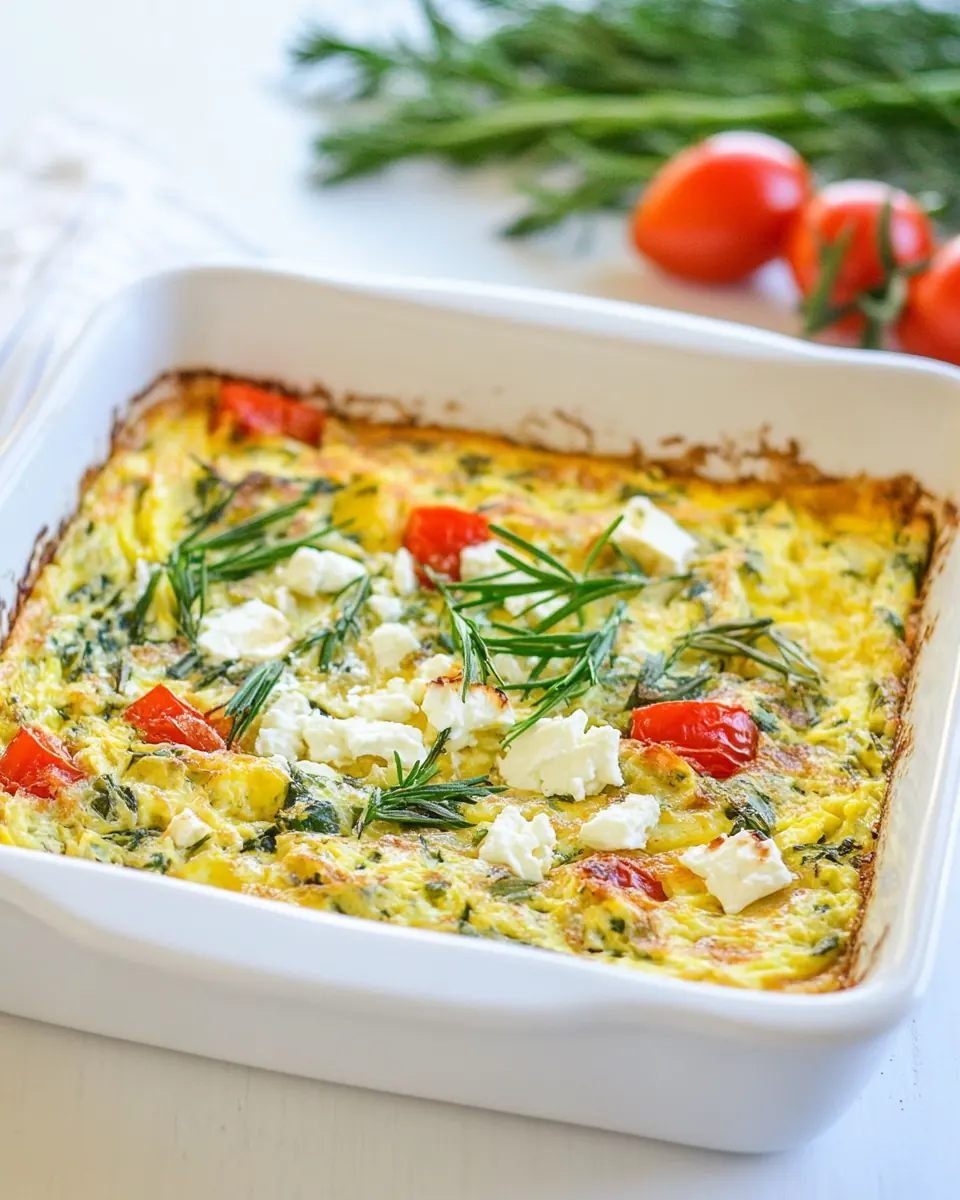
This casserole is adaptable, and small tweaks let you tailor it to your taste without changing the core profile. Below are detailed ideas for customizing texture, herbs, and presentation while respecting the original ingredient list and flavors.
- Layer for presentation Insert the wilted spinach evenly so that each slice showcases green and artichoke pieces, creating a visually appealing cross section when served.
- Herb emphasis If you want a brighter herbal note, increase fresh chopped dill slightly and add a tiny sprinkle on top after baking for a fresh aromatic finish.
- Cheese distribution Scatter the crumbled sun dried tomato feta both on top and lightly folded into the custard so every bite has pockets of tangy, savory flavor.
- Control moisture Make sure the artichoke salad is well drained and the sautéed spinach is not watery, pressing out excess fluid to maintain a set, not runny, casserole.
- Make ahead Assemble in the baking dish and refrigerate for a few hours before baking; bring back to room temperature briefly before placing in a fully heated oven for even cooking.
How to Enjoy Greek Omelette Casserole
This casserole works for many occasions and serving approaches. Below are practical serving ideas, storage notes, and pairing suggestions formatted as a list so you can pick what suits your meal.
- Brunch centerpiece Serve warm with sliced tomatoes and crusty bread for a relaxed, communal brunch.
- Weeknight dinner Pair with a simple green salad tossed in lemon and olive oil for a balanced, quick evening meal.
- Potluck friendly Slice into squares and transport in the baking dish, reheating gently so the texture stays custardy.
- Spring seasonal pairing Highlight spring vegetables and serve alongside roasted asparagus or new potatoes for a seasonal menu.
- Storage tip Refrigerate leftovers in an airtight container for up to four days, reheating gently in the oven to avoid drying out.
- Occasion flexibility Works well for family gatherings, casual buffets, or a holiday brunch where make ahead options are welcome.
FAQ
Conclusion
This Greek Omelette Casserole stands out for its combination of creamy custard, briny artichoke salad, and bright herbs that deliver a memorable Mediterranean flavored bake. It is approachable enough for weeknight cooking yet polished enough for a brunch gathering, and its forgiving nature makes it a reliable recipe to keep in your repertoire. Give it a try this spring or any time you want a dish that is both simple and full of personality, and see how quickly it becomes a favorite at your table.
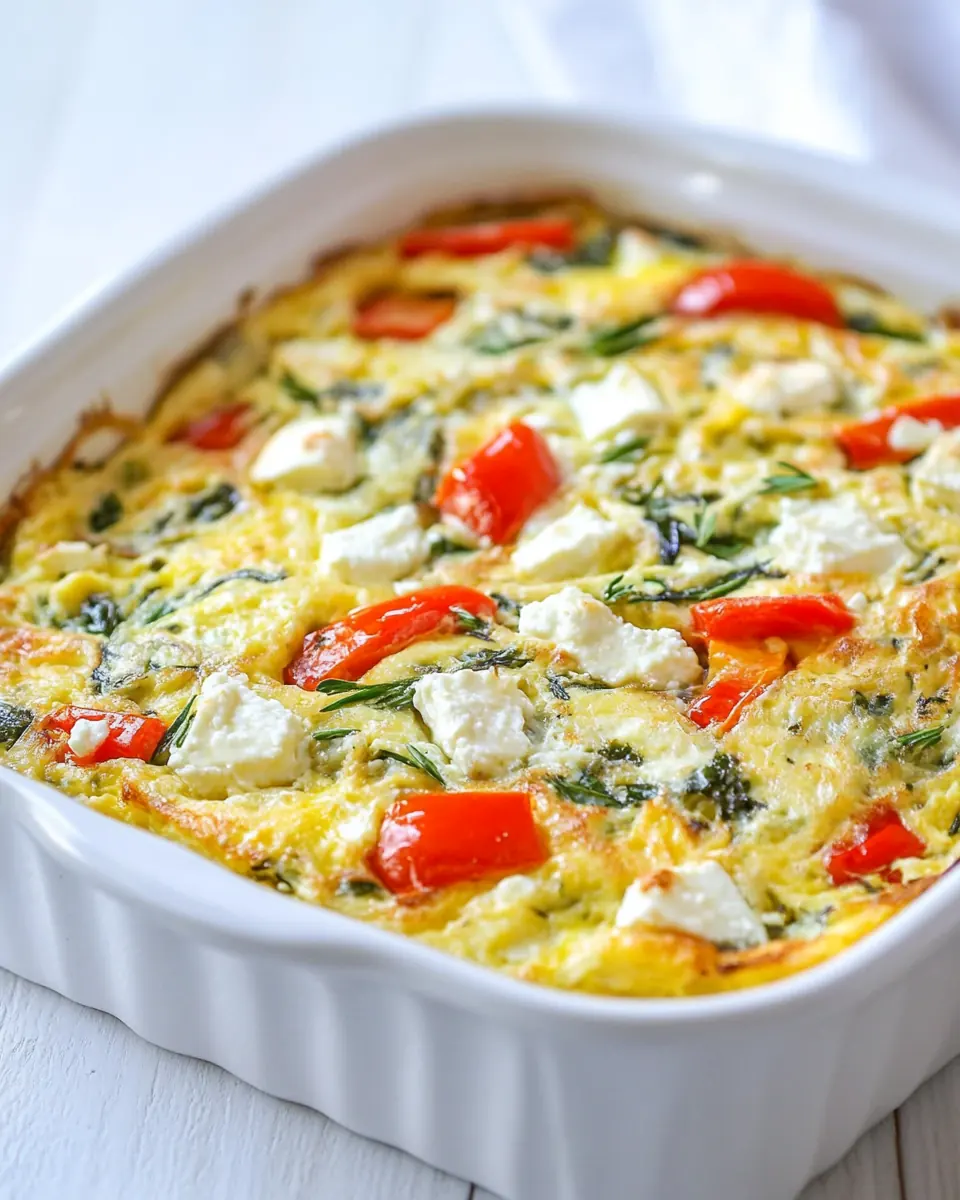
Greek Omelette Casserole
Ingredients
Equipment
Method
- Preheat oven to 375 degrees F. Chop the fresh herbs and artichoke salad.: You'll notice a warm, dry heat build in the oven that ensures even cooking, creating a gently puffed top and set center. Preheating matters because placing the dish into a fully heated environment promotes consistent rising and browning; otherwise the edges may overcook before the center firms. A common mistake is under preheating, which can lengthen bake time and lead to a soggy middle. When the oven reaches temperature, it should feel uniformly hot when you briefly hold your hand near the closed door, not blistering but noticeably warm.
- Set a skillet over medium heat and add 1 tablespoon olive oil. Sauté the spinach and garlic until wilted, about 3 minutes.: Freshly chopping releases the aromas of the dill and breaks the artichoke salad into bite sized pieces that distribute evenly. The scent will be herbaceous and slightly briny from the artichoke and olive components, signaling freshness. Finely chopping helps prevent large pockets that could cause an uneven texture in the casserole. Avoid leaving pieces too large, which can concentrate wetness and create dense spots.
- Oil a 9×13 inch baking dish and layer the spinach and artichoke salad evenly in the dish.: As the oil warms, it will shimmer slightly, releasing a soft fruity perfume from the oil. This gentle heat prepares the pan to quickly wilt the spinach and bloom the minced garlic flavor. If your pan is too hot, the garlic can brown too fast and taste bitter, so aim for a medium heat where you'll hear a light sizzle but not vigorous spattering.
- In a medium bowl, whisk together the eggs, milk, herbs, salt and lemon pepper.: The sound will change from a pronounced sizzle to a softer, steady whisper as the leaves release moisture. Visually, the spinach will collapse and turn glossy deep green, while the garlic turns translucent. This step concentrates the green flavor and removes excess water that could make the casserole runny. Overcooking until the leaves are dry and brown is the usual mistake, so remove from heat while still tender and moist.
- Pour the egg mixture over vegetables and sprinkle with feta cheese. Bake in the center of the oven for 35-40 minutes until firm in the center.: Coating the dish helps prevent sticking and promotes gentle browning at the edges. Layering the wilted spinach first and then the chopped artichoke salad ensures an even distribution of textures. As you spread the mixture, you should see a mosaic of green and briny bits. If you skip oiling, bits can cling and overbrown, making cleaning harder and affecting presentation.
- In a medium bowl, whisk together the eggs, milk, herbs, salt and lemon pepper: As you whisk, the mixture becomes homogenous and slightly glossy, smelling faintly of herb and citrus from the lemon pepper. The milk lightens the eggs and creates a silky custard once baked. Whisk just until combined to avoid adding too much air which could produce large holes in the finished casserole. A common misstep is overwhisking, resulting in an airy texture rather than a smooth set.
- Pour the egg mixture over vegetables and sprinkle with feta cheese: When poured, the custard will settle and seep into crevices, coating the spinach and artichoke pieces. The crumbled feta on top will show as white islands that soften and slightly melt, releasing salty, tangy pockets of flavor. Ensure an even pour to avoid clumps of custard in certain spots. If the dish looks overly wet, it often evens out during baking, but be mindful of excess liquid from under drained artichoke salad.
- Bake in the center of the oven for 35 to 40 minutes until firm in the center: During baking you will see the edges take on a faint golden color and the middle will set, changing from glossy to matte. A gentle jiggle should show only minimal movement when it is done, and a toothpick inserted near the center will come out mostly clean. The aroma will be savory and herby with a hint of browned cheese. Pulling it out too early yields a runny center, while overbaking leads to dryness, so aim for that tender set described above.
Notes
- Layer for presentation Insert the wilted spinach evenly so that each slice showcases green and artichoke pieces, creating a visually appealing cross section when served.
- Herb emphasis If you want a brighter herbal note, increase fresh chopped dill slightly and add a tiny sprinkle on top after baking for a fresh aromatic finish.
- Cheese distribution Scatter the crumbled sun dried tomato feta both on top and lightly folded into the custard so every bite has pockets of tangy, savory flavor.
- Control moisture Make sure the artichoke salad is well drained and the sautéed spinach is not watery, pressing out excess fluid to maintain a set, not runny, casserole.
- Make ahead Assemble in the baking dish and refrigerate for a few hours before baking; bring back to room temperature briefly before placing in a fully heated oven for even cooking.