Pumpkin Dream Cake
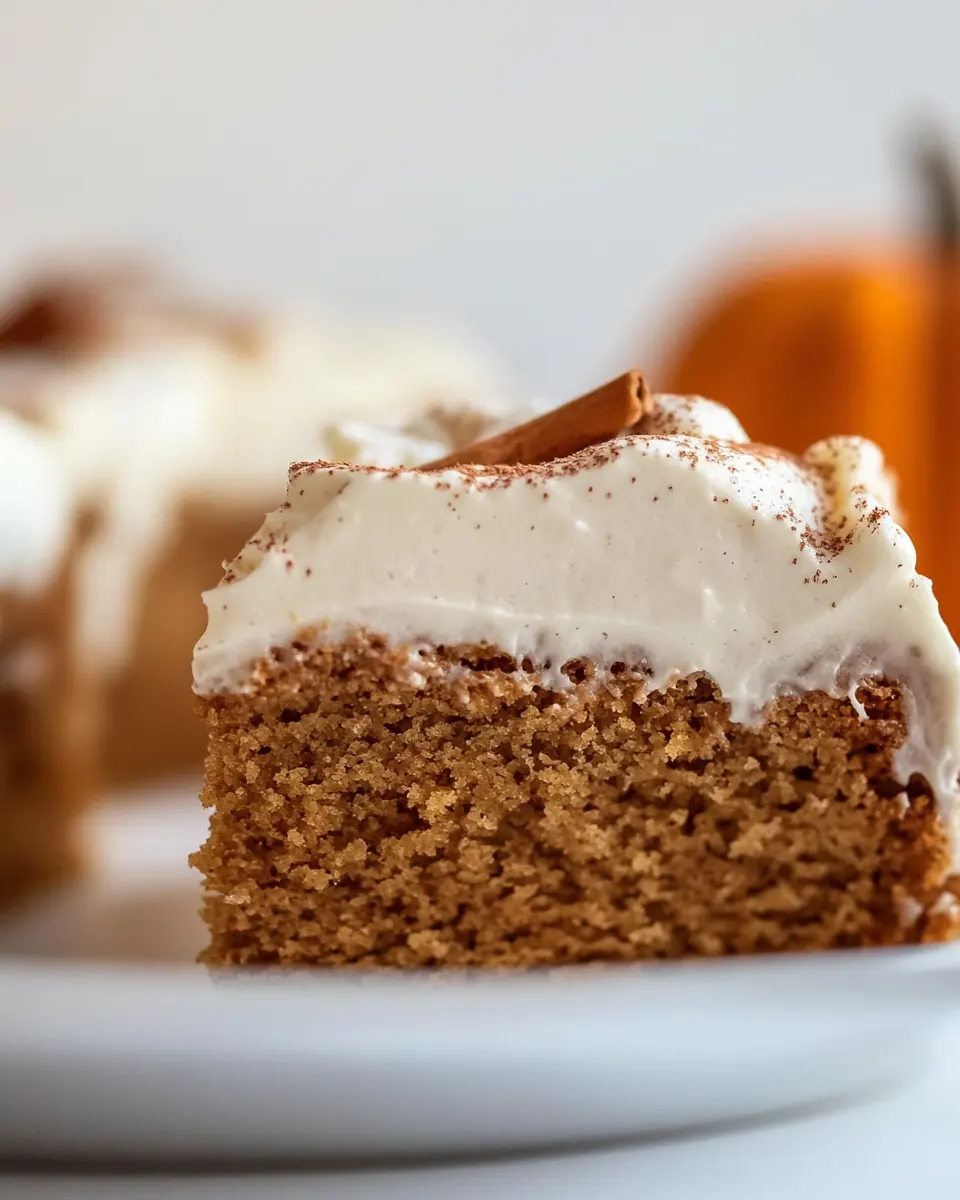
Pumpkin Dream Cake has been my autumn comfort since the first time I swapped my usual apple loaf for something silkier and more spiced, and the memory of that first warm slice still lingers in my kitchen. The scent of pumpkin, cinnamon, and nutmeg folding together while it bakes felt like an invitation to slow down, so I started making it for small gatherings and late night cravings. It became the thing I bring to potlucks when I want people to pause, chat, and ask for the recipe.
There are afternoons when I pull this out because I need a small ritual, brushing the pan and listening to the oven hum as the batter turns into cake. I remember a rainy November when I made it for neighbors, and their surprised faces when they tasted the cream cheese frosting were everything I wanted from a recipe. Over the years I nudged the texture to a more tender crumb and adjusted the frosting so it sits cool on top, adding a little tang from cream cheese.
Recipe Snapshot
60 mins
30 mins
30 mins
Medium
350 kcal
American
Gluten-Free, Low FODMAP
Desserts
9 x 13 inch baking dish, Oven, Mixing bowls, Whisk, Hand mixer or stand mixer
The Appeal of This Pumpkin Dream Cake
Irresistible autumn flavors that feel nostalgic
When I bite into Pumpkin Dream Cake, I always notice the cozy blend of pumpkin and warm spices first. The combination is seasonal yet familiar, and I love that it evokes slow afternoons without being heavy. I recommend this for anyone who wants a cake that tastes like the season, but does not overwhelm the palate.
Texture that balances moistness and structure
I adore how the cake crumb stays moist from the pumpkin and vegetable oil, while the all purpose flour and small amount of baking soda keep it from collapsing. This balance means you can slice it cleanly for serving, and it still holds up under a generous layer of cream cheese frosting.
Simple ingredients with big impact
One reason I reach for this recipe is the accessible pantry staples it uses. There is a kind of joy in making something decadent from a can of pumpkin puree, a few eggs, and basic baking staples. It is approachable for new bakers and forgiving for those who like to improvise gently.
Versatile for gatherings and quiet nights
We serve this at celebrations, and I also keep a chilled slice in the fridge for late night treats. The cream cheese frosting keeps it feeling special, while the cake itself is sturdy enough to travel, which makes it a favorite to bring to friends and family events.
Frosting that adds tang and sweetness
The frosting for Pumpkin Dream Cake brightens the overall flavor, thanks to the creamy, slightly tangy cream cheese and a hint of cinnamon. That contrast is exactly why I frost it thickly, and why leftovers are even better the next day after the flavors settle.
What to Gather for Pumpkin Dream Cake
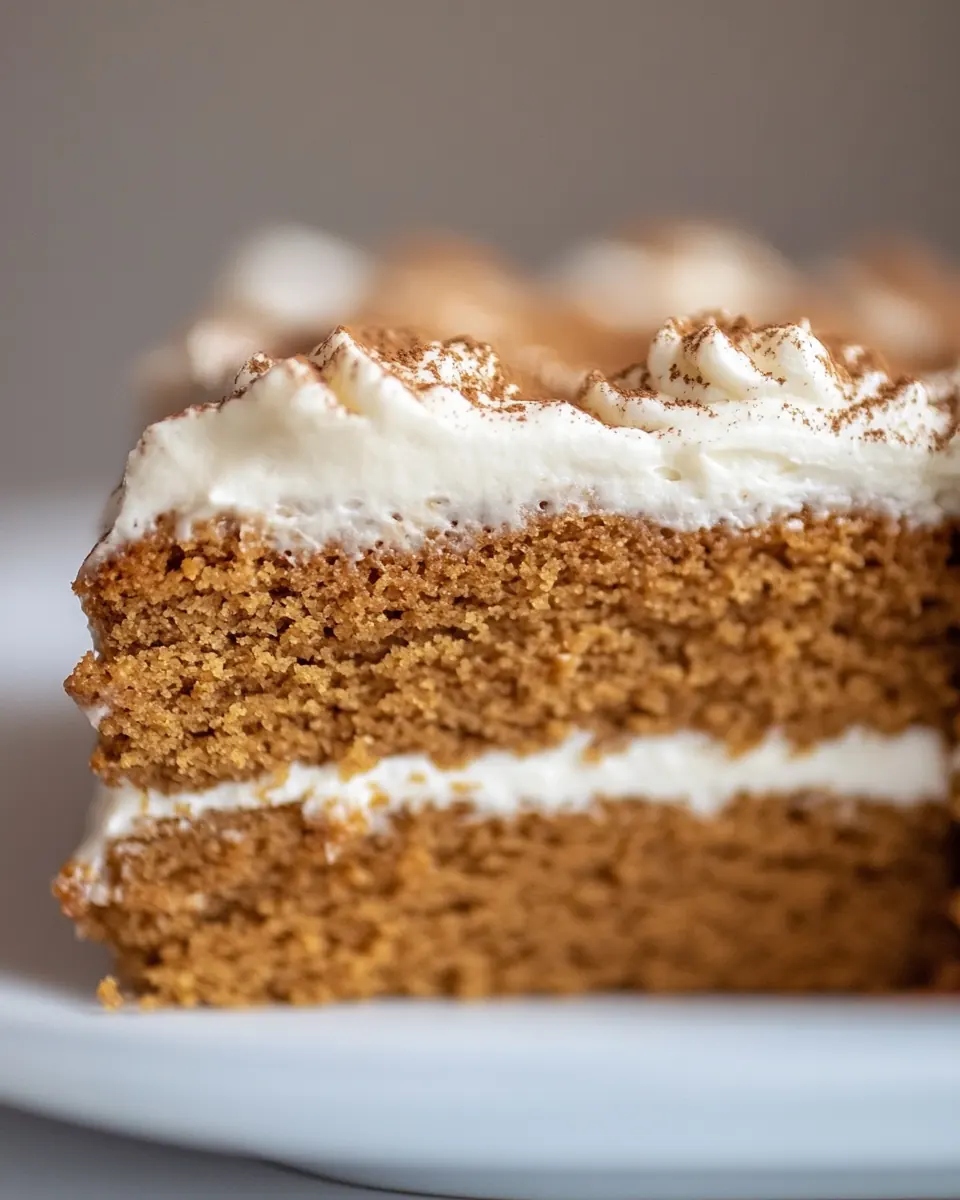
These ingredients are built around a single idea: a moist spiced cake foundation with a cool, tangy frosting. The players here are straightforward, each one contributing texture or lift. The dry ingredients create the structure, the pumpkin and yogurt bring moisture, and the frosting components finish with richness and balance.
- 2 cups all-purpose flour: Provide structure and bulk to the cake batter, contributing gluten for stability and a tender crumb when properly mixed and not overworked. Combine with the leavening agents to create the cake's framework and absorb moisture for balanced texture.
- 2 teaspoons baking soda: Leaven the cake by producing carbon dioxide when activated, helping the batter rise and become light. Distribute evenly through the dry ingredients to prevent dense pockets and ensure uniform lift.
- 1 1/4 teaspoons ground cinnamon: Impart warm, aromatic spice that complements pumpkin, enhancing overall flavor complexity and adding subtle sweetness. Use in moderation to avoid overpowering the other spices and to keep a balanced spice profile.
- 1/2 teaspoons salt: Regulate flavor by enhancing sweetness and controlling bitterness, while also slightly strengthening gluten formation for texture. Dissolve fully within the batter to avoid salty pockets and to balance the sweetness.
- 1/4 teaspoon freshly grated nutmeg: Add warm, nutty spice notes with a slightly sweet finish that heighten the pumpkin's natural flavor. Freshly grate to preserve volatile oils and maximize aroma and taste in the cake.
- 1 (15 ounce) can pumpkin puree: Provide moistness, body, and intense pumpkin flavor while contributing to the cake's color and density. Puree also adds some natural sugars and fiber, helping create a tender, flavorful crumb.
- 1 3/4 cups brown sugar: Sweeten the batter with deep, molasses-like flavor that adds moisture and chewiness to the cake. Pack firmly when measuring to ensure consistent sweetness and texture throughout the bake.
- 1/2 cup plain greek yogurt: Contribute acidity and creaminess that tenderize the gluten and add moisture for a soft crumb. Use as a partial substitute for other dairy to keep the cake moist and slightly tangy.
- 1/2 cup vegetable oil: Add fat for richness and moistness without altering flavor significantly, helping to create a tender texture and extend shelf life. Emulsify within the batter to distribute moisture evenly and improve mouthfeel.
- 4 large eggs: Bind the ingredients, provide structure through coagulation when heated, and add richness and color to the cake. Beat properly to incorporate air for additional lift and a lighter crumb.
- 2 teaspoons vanilla extract: Enhance and round out flavors with sweet, floral notes while highlighting the pumpkin and spices. Add to the wet ingredients to evenly distribute aroma throughout the batter.
- 2 8-ounce blocks cream cheese: Create a smooth, tangy frosting base with rich dairy fat that complements the cake's sweetness and spices. Soften before beating to achieve a creamy texture and to prevent lumps in the frosting.
- 1/2 cup unsalted butter: Contribute rich, creamy fat to the frosting for smoothness, stability, and a luxurious mouthfeel. Soften to room temperature for easier incorporation and to create a stable emulsion with cream cheese.
- 2 1/2 cups powdered sugar: Sweeten and thicken the frosting to a pipeable consistency while adding melt-in-your-mouth texture. Sift if needed to remove lumps and adjust quantity for desired sweetness and firmness.
- 1/2 teaspoon cinnamon: Add a subtle warm spice note to the frosting that echoes the cake's cinnamon, creating continuity of flavor. Sprinkle or incorporate gently to maintain a balanced, not overpowering, spice presence.
- 1 teaspoon vanilla extract: Provide additional aromatic sweetness to the frosting, rounding out flavors with a familiar vanilla aroma. Use a small amount to enhance other ingredients without masking the cream cheese tang.
Putting Together Pumpkin Dream Cake
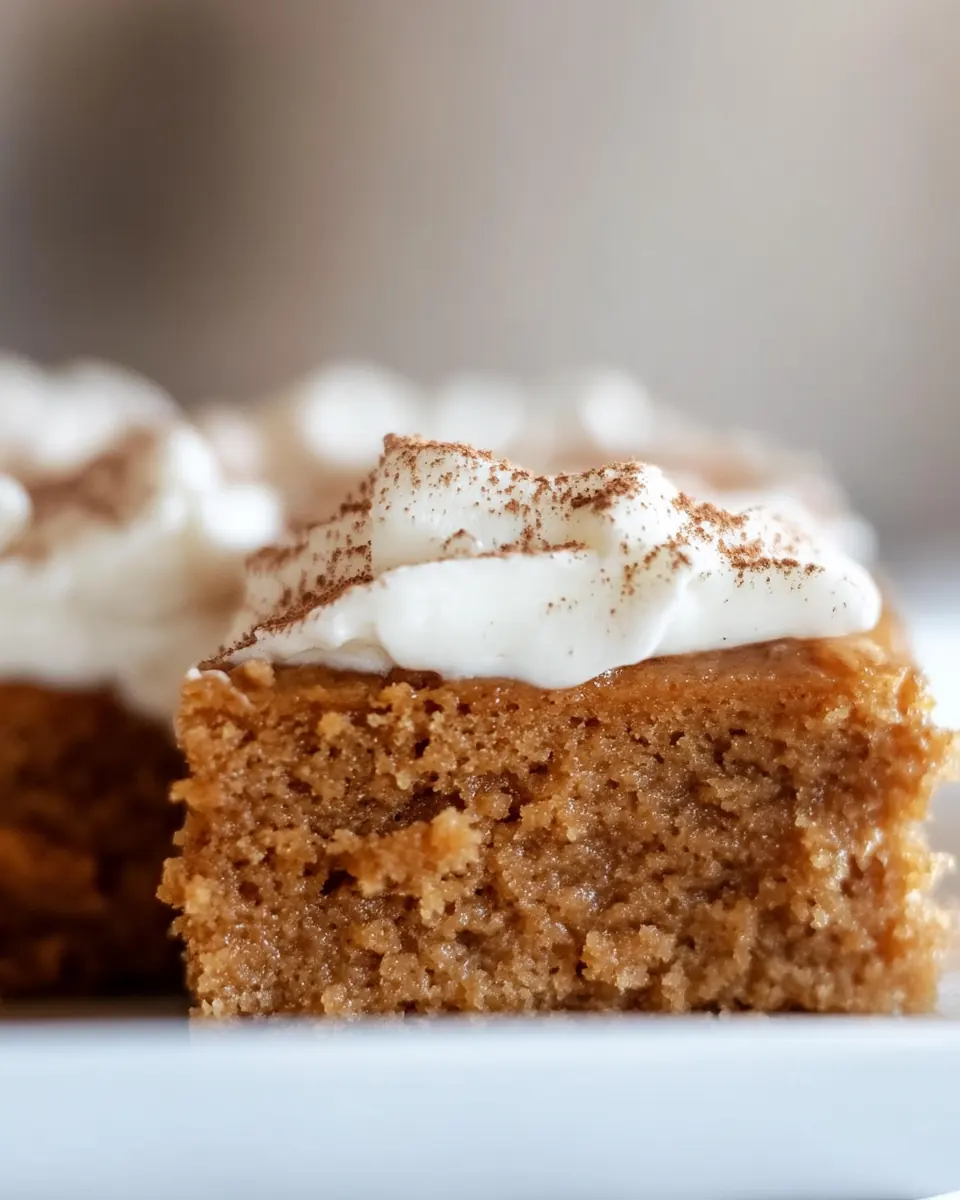
Bringing this cake together is a comforting, rhythmic process. I like to move step by step, enjoying how the batter transforms and how the kitchen fills with warmth. Below are the core directions rewritten into detailed, sensory steps to help you through each moment.
- Preheat the oven to 350 degrees F. Spray a 9 x 13 inch baking dish with nonstick baking spray.: The oven will begin to fill the room with a faint dry warmth that promises browning, and preheating ensures the batter starts rising immediately when it hits the heat. You should hear a quiet hum from the oven and feel steady heat if you hold your hand nearby, without touching. Preparing the pan with nonstick spray creates a thin protective layer so the cake releases cleanly, saving you a lot of frustration later. A common mistake is putting the batter in before the oven reaches temperature, which can make the cake dense and uneven. If your oven runs hot or cool, use an oven thermometer to confirm accuracy.
- In a bowl, whisk together the flour, baking soda, cinnamon, salt and nutmeg. Note: If you LOVE spice, feel free to add some extra spice in here (pumpkin! allspice! more cinnamon! – you can add another 1/2 to 1 teaspoon if you'd like) as this isn't overly spiced.: As you whisk the dry mix, you will see the pale all purpose flour take on warm flecks of cinnamon and nutmeg , and the mixture smells subtly spicy and dry. Combining the baking soda uniformly with the flour prevents pockets of chemical leavener that can create odd flavor or texture. Whisk briskly until evenly blended so the batter will rise consistently. Avoid over-handling the mixture, which can develop gluten and toughen the cake. I often sift the flour and spices together to ensure the spices are evenly distributed throughout every bite.
- In a large bowl, whisk together the pumpkin, sugar, yogurt and oil. Once smooth and combined, whisk in each egg one at a time. Whisk in the vanilla extract.: The wet ingredients will transform visually as you whisk, starting as a thick orange puree and turning glossy as the vegetable oil and yogurt emulsify. Adding the eggs one at a time helps the batter stay smooth and prevents curdling, and you will notice a silkier sheen with each addition. When the vanilla extract goes in, the aroma blossoms and smells more bakery like. A frequent error here is adding cold eggs to the mix, which can cause the batter to seize and look lumpy, so bring ingredients to room temperature when possible. The texture should finish velvety and pourable, not grainy.
- Add the dry ingredients to the wet, mixing until combined and no large lumps remain.: As you incorporate the dry mix, the batter will thicken and take on a uniform, speckled color. Use gentle folding or slow mixing to combine, watching for any streaks of flour which mean under mixing. The goal is a smooth batter with small air pockets that will expand in the oven. Overmixing at this stage creates gluten and yields a denser cake, so stop once you no longer see large dry patches. If you notice the batter is too stiff, a tablespoon of milk can loosen it slightly, but usually the balance here is just right.
- Pour the batter into the greased baking dish. Bake for 30 to 40 minutes, or until a tester inserted in the center of the cake comes out clean.: When the batter goes into the pan, it will settle into a glossy, even surface. During baking you will smell the spices intensify and the kitchen will warm nicely, with faint caramel notes appearing as the sugars brown. Tap the pan gently to see whether it trembles in the center, and use a toothpick or tester to check doneness; it should come out clean or with a few moist crumbs. A typical pitfall is opening the oven too early which causes the cake to sink in the middle, so try to resist peeking until near the lower end of the time range. The cake edges will pull away slightly from the pan and develop a light golden hue when ready.
- Note: every time I’ve made this cake, it has smelled “eggy” in the oven which has scared me. No worries – once the cake comes out and cools, it does not taste eggy!: That temporary scent is normal and will dissipate as the cake cools, leaving a rounded, spiced aroma. Cooling lets excess steam escape so the crumb sets properly; the first few minutes after removal are crucial because the cake continues to cook slightly from residual heat. Avoid slicing while the cake is very warm as you may get a gummy texture and messy slices, so patience here rewards you with clean pieces. If you detect a persistent eggy flavor after cooling, it usually means the eggs used were overly dominant in the batter or the oven was too hot, so double check measurements and oven calibration next time.
- Cool the cake completely. Once the cake has cooled, frost with the cream cheese frosting. Slice and serve!: Cooling transforms the texture from fragile to sliceable, and the surface will become matte and stable under the frosting. The cream cheese frosting spreads smoothly onto a cool cake, and the contrast between the chilled frosting and the slightly warmer cake is delightful. If you frost prematurely, the frosting will melt and slide, so always wait. A common mistake is leaving the frosted cake at room temperature too long if it will be kept more than a day, since the cream cheese benefits from refrigeration for safety and texture.
- Beat the cream cheese and butter together until creamy. Beat in the sugar and cinnamon until combined. Beat in the vanilla extract. Frost the cooled cake! I like to keep the cake in the fridge because of the cream cheese frosting, plus we love cold cake!: The frosting should be whipped until airy and pale, with the cream cheese and unsalted butter blending into a silky base. As you beat in the powdered sugar , the mixture thickens into a spreadable frosting that holds peaks but is still soft enough to smooth. The cinnamon and vanilla extract round the flavor, and the aroma is rich and inviting. Overbeating once the sugar is added can whip too much air and create a fluffy, unstable frosting that weeps, so stop once it is smooth and homogenous. Chill the frosted cake for at least an hour for a firmer slice, and store covered in the refrigerator for freshness and food safety.
Recipe Notes about Pumpkin Dream Cake
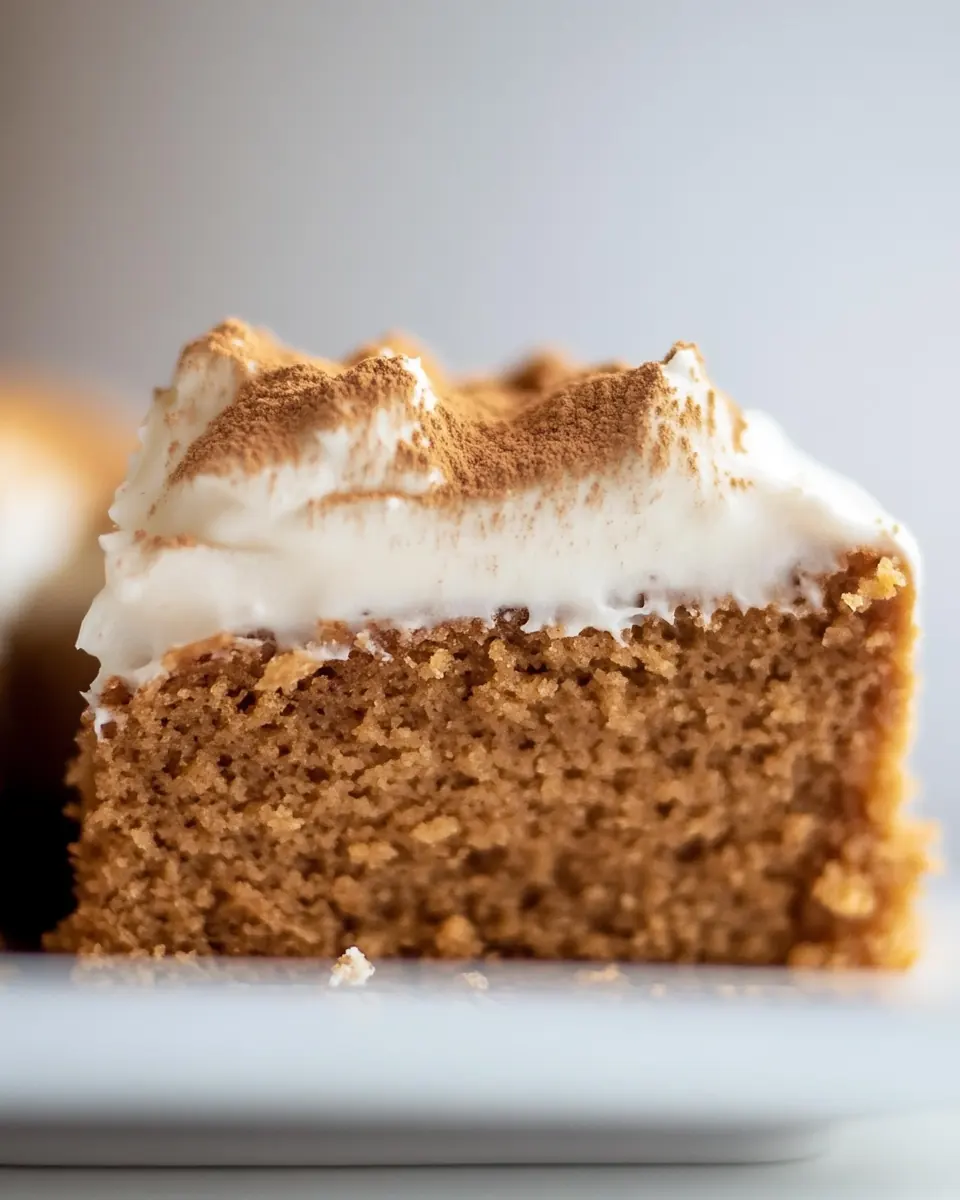
This cake rewards attention to small details, from measuring the flour correctly to chilling the frosted cake. These notes will help you avoid pitfalls and get the texture and flavor I love.
- Room temperature ingredients: Bringing the eggs, cream cheese, and butter to room temperature helps them combine into a smooth batter and frosting without lumps.
- Fresh leavening: Verify your baking soda is fresh by testing a pinch in vinegar, it should bubble briskly, ensuring a proper rise.
- Spice adjustments: If you adore warm spice, increase the cinnamon or add a pinch of allspice, but adjust gradually to avoid overpowering the pumpkin.
- Frosting consistency: If the frosting is too loose chill briefly and then rewhip gently, this firms it up for spreading and prevents sliding.
- Storage: Keep the cake refrigerated because of the cream cheese frosting, and serve chilled for a clean, refreshing texture that we prefer.
What to Serve With Pumpkin Dream Cake
This cake suits a range of occasions from cozy family dessert after dinner to a contribution at holiday gatherings. I like pairing it with beverages and small accoutrements that complement the spiced profile without competing.
- Warm tea or coffee: A lightly brewed cup balances the sweetness and lets the spices shine, ideal for an afternoon treat or a post dinner slice.
- Whipped cream on the side: For those who want less frosting per slice, a small dollop of lightly sweetened whipped cream adds airiness without changing the cake flavor drastically.
- Fresh fruit platter: Pears or sliced apples provide a crisp contrast to the soft crumb, and their acidity cuts through the richness of the cream cheese frosting.
- Holiday gatherings: This cake is a natural for Thanksgiving or autumn gatherings, where its seasonal notes feel appropriate alongside savory mains and warm sides.
- Storage tips: Wrap leftovers tightly and refrigerate, as the cream cheese frosting needs cool storage; slices keep well for three to four days chilled.
- Occasion recommendations: Serve this for brunch, dessert after a family meal, or during Ramadan evenings when you want a comforting, shareable sweet that pairs nicely with tea.
FAQ
Conclusion
Pumpkin Dream Cake stands out because it balances moist, spiced cake with a cool, tangy cream cheese frosting, creating a dessert that feels both comforting and celebratory. Give it a try this season whether you are feeding guests or treating yourself to a quiet slice after dinner. The approachable ingredient list and forgiving technique make it a reliable recipe to return to, and I hope it becomes a staple in your autumn baking rotation.
Pumpkin Dream Cake
Ingredients
Equipment
Method
- Preheat the oven to 350 degrees F. Spray a 9 x 13 inch baking dish with nonstick baking spray.: The oven will begin to fill the room with a faint dry warmth that promises browning, and preheating ensures the batter starts rising immediately when it hits the heat. You should hear a quiet hum from the oven and feel steady heat if you hold your hand nearby, without touching. Preparing the pan with nonstick spray creates a thin protective layer so the cake releases cleanly, saving you a lot of frustration later. A common mistake is putting the batter in before the oven reaches temperature, which can make the cake dense and uneven. If your oven runs hot or cool, use an oven thermometer to confirm accuracy.
- In a bowl, whisk together the flour, baking soda, cinnamon, salt and nutmeg. Note: If you LOVE spice, feel free to add some extra spice in here (pumpkin! allspice! more cinnamon! - you can add another 1/2 to 1 teaspoon if you'd like) as this isn't overly spiced.: As you whisk the dry mix, you will see the pale all purpose flour take on warm flecks of cinnamon and nutmeg , and the mixture smells subtly spicy and dry. Combining the baking soda uniformly with the flour prevents pockets of chemical leavener that can create odd flavor or texture. Whisk briskly until evenly blended so the batter will rise consistently. Avoid over-handling the mixture, which can develop gluten and toughen the cake. I often sift the flour and spices together to ensure the spices are evenly distributed throughout every bite.
- In a large bowl, whisk together the pumpkin, sugar, yogurt and oil. Once smooth and combined, whisk in each egg one at a time. Whisk in the vanilla extract.: The wet ingredients will transform visually as you whisk, starting as a thick orange puree and turning glossy as the vegetable oil and yogurt emulsify. Adding the eggs one at a time helps the batter stay smooth and prevents curdling, and you will notice a silkier sheen with each addition. When the vanilla extract goes in, the aroma blossoms and smells more bakery like. A frequent error here is adding cold eggs to the mix, which can cause the batter to seize and look lumpy, so bring ingredients to room temperature when possible. The texture should finish velvety and pourable, not grainy.
- Add the dry ingredients to the wet, mixing until combined and no large lumps remain.: As you incorporate the dry mix, the batter will thicken and take on a uniform, speckled color. Use gentle folding or slow mixing to combine, watching for any streaks of flour which mean under mixing. The goal is a smooth batter with small air pockets that will expand in the oven. Overmixing at this stage creates gluten and yields a denser cake, so stop once you no longer see large dry patches. If you notice the batter is too stiff, a tablespoon of milk can loosen it slightly, but usually the balance here is just right.
- Pour the batter into the greased baking dish. Bake for 30 to 40 minutes, or until a tester inserted in the center of the cake comes out clean.: When the batter goes into the pan, it will settle into a glossy, even surface. During baking you will smell the spices intensify and the kitchen will warm nicely, with faint caramel notes appearing as the sugars brown. Tap the pan gently to see whether it trembles in the center, and use a toothpick or tester to check doneness; it should come out clean or with a few moist crumbs. A typical pitfall is opening the oven too early which causes the cake to sink in the middle, so try to resist peeking until near the lower end of the time range. The cake edges will pull away slightly from the pan and develop a light golden hue when ready.
- Note: every time I’ve made this cake, it has smelled “eggy” in the oven which has scared me. No worries - once the cake comes out and cools, it does not taste eggy!: That temporary scent is normal and will dissipate as the cake cools, leaving a rounded, spiced aroma. Cooling lets excess steam escape so the crumb sets properly; the first few minutes after removal are crucial because the cake continues to cook slightly from residual heat. Avoid slicing while the cake is very warm as you may get a gummy texture and messy slices, so patience here rewards you with clean pieces. If you detect a persistent eggy flavor after cooling, it usually means the eggs used were overly dominant in the batter or the oven was too hot, so double check measurements and oven calibration next time.
- Cool the cake completely. Once the cake has cooled, frost with the cream cheese frosting. Slice and serve!: Cooling transforms the texture from fragile to sliceable, and the surface will become matte and stable under the frosting. The cream cheese frosting spreads smoothly onto a cool cake, and the contrast between the chilled frosting and the slightly warmer cake is delightful. If you frost prematurely, the frosting will melt and slide, so always wait. A common mistake is leaving the frosted cake at room temperature too long if it will be kept more than a day, since the cream cheese benefits from refrigeration for safety and texture.
- Beat the cream cheese and butter together until creamy. Beat in the sugar and cinnamon until combined. Beat in the vanilla extract. Frost the cooled cake! I like to keep the cake in the fridge because of the cream cheese frosting, plus we love cold cake!: The frosting should be whipped until airy and pale, with the cream cheese and unsalted butter blending into a silky base. As you beat in the powdered sugar , the mixture thickens into a spreadable frosting that holds peaks but is still soft enough to smooth. The cinnamon and vanilla extract round the flavor, and the aroma is rich and inviting. Overbeating once the sugar is added can whip too much air and create a fluffy, unstable frosting that weeps, so stop once it is smooth and homogenous. Chill the frosted cake for at least an hour for a firmer slice, and store covered in the refrigerator for freshness and food safety.
Notes
- Room temperature ingredients: Bringing the eggs, cream cheese, and butter to room temperature helps them combine into a smooth batter and frosting without lumps.
- Fresh leavening: Verify your baking soda is fresh by testing a pinch in vinegar, it should bubble briskly, ensuring a proper rise.
- Spice adjustments: If you adore warm spice, increase the cinnamon or add a pinch of allspice, but adjust gradually to avoid overpowering the pumpkin.
- Frosting consistency: If the frosting is too loose chill briefly and then rewhip gently, this firms it up for spreading and prevents sliding.
- Storage: Keep the cake refrigerated because of the cream cheese frosting, and serve chilled for a clean, refreshing texture that we prefer.