Baked Onion Rings
Baked Onion Rings have been my go to when I want something crispy without a long clean up, and the very first time I made them I remember the house filling with a warm, savory scent that felt like an instant comfort hug. I was rushing between work and a late practice, and a crunchy snack that did not demand frying seemed almost too good to be true. I sliced into a big, sweet onion, and as the rings baked they caramelized slightly at the edges, giving a golden rim that tasted far richer than the method suggested.
I learned a few small tricks on that evening that changed everything about how I make Baked Onion Rings now. One detail was taking the time to beat the eggs until they were frothy, which helps the coating cling and puff in a way that mimics frying. Another was pressing the breadcrumb mix so each ring wore an even crust. That first batch was gone before I could set the table, and that taught me the real lesson, which is that simple ingredients, treated with a little patience, can feel like a treat.
Recipe Snapshot
35 mins
15 mins
20 mins
Easy
200 kcal
American
Paleo, Gluten-Free
Appetizers
Baking sheet, Mixing bowl, Whisk, Knife
Why We Love This Baked Onion Rings
They are satisfyingly crunchy, without deep frying
I love how Baked Onion Rings deliver that classic crunchy bite while skipping the pool of hot oil, so you get the texture you want with less fuss and less mess. The breadcrumb coating toasts nicely in the oven, giving a golden, slightly nutty flavor that makes you reach for another one.
Minimal ingredients, maximum payoff
We only need a few pantry items like bread crumbs, seasoned salt, and garlic powder, and they come together fast. It is calming to know you can pull these together when the fridge is mostly bare, yet still impress guests who expect something crisp and well seasoned.
Flexible and approachable for cooks of all levels
I tell friends that if you can beat eggs and slice an onion, you can make these. There is little risk, and the method is forgiving, which makes it great for weeknight cooks or anyone building confidence in the kitchen.
Great for snacking or as a crunchy side
We often serve Baked Onion Rings alongside sandwiches, salads, or as a party finger food. They add a satisfying textural contrast, and because they bake evenly, you can scale the batch up without losing crispness.
Healthy minded without sacrificing flavor
Because these rings bake, they use less added fat compared to frying, but retain that toasty, savory profile. I appreciate that balance when I want something indulgent yet still reasonably light.
Key Ingredients for Baked Onion Rings
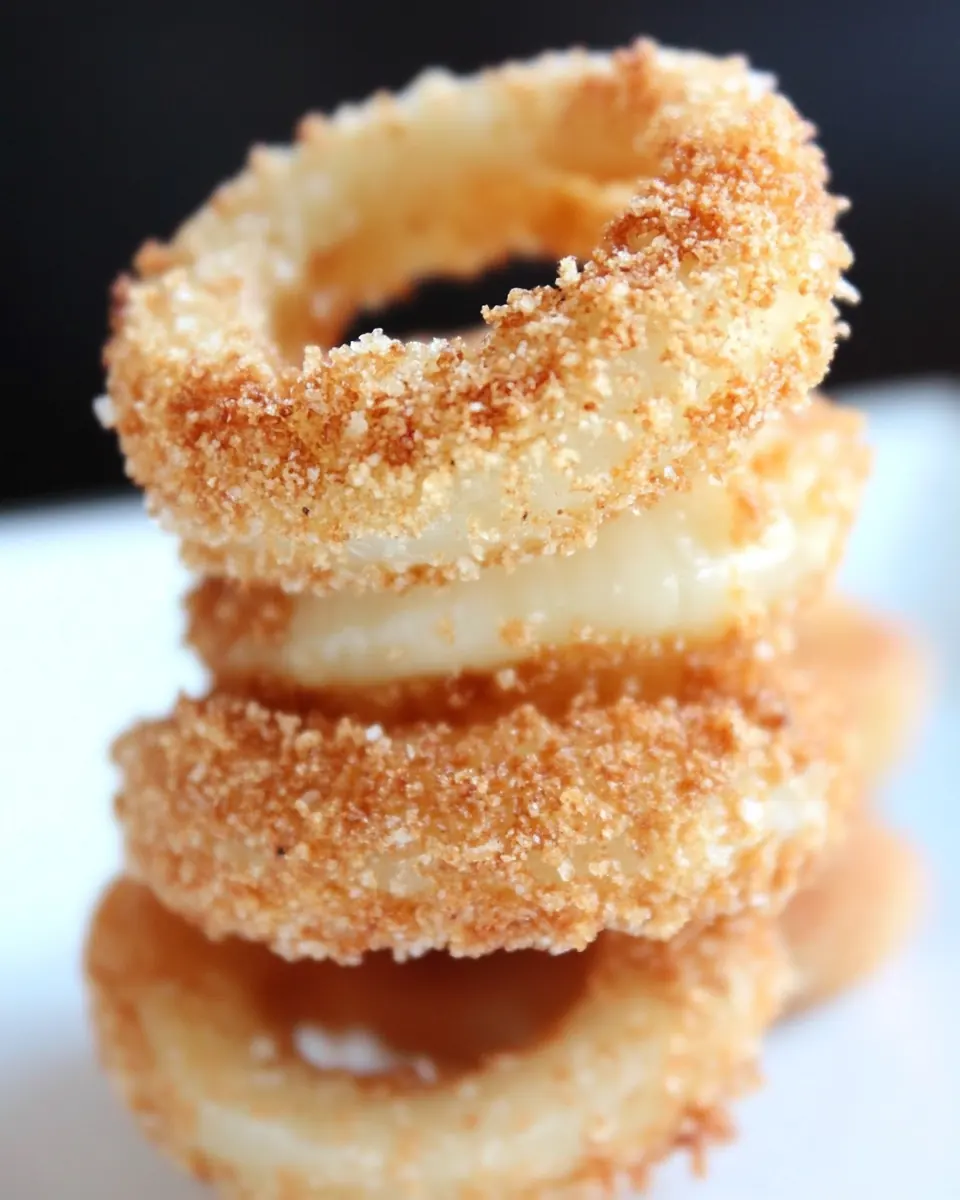
These few components are the bones of the recipe, each playing a clear role. The crunchy coating gives structure and texture, the seasonings build savory depth, the onion provides moisture and sweetness, and the eggs act as the glue that binds everything together. Together they form a simple system that reliably produces crisp, golden rings straight from the oven.
- 1 1/2 cup s bread crumbs: Coating the rings with crisping breadcrumbs provides a crunchy texture and golden-brown finish when baked; season breadcrumbs well to enhance flavor and avoid blandness.
- 1/2 teaspoon seasoned salt: Seasoning with seasoned salt brings balanced savory and umami notes; sprinkle evenly into the breading mixture to ensure consistent taste across all rings.
- 1/4 teaspoon garlic powder: Flavoring with garlic powder contributes a subtle aromatic depth without adding moisture; incorporate into the breadcrumb mix for a mild, evenly distributed garlic presence.
- 2 large onions: Slicing onions into rings supplies the tender, slightly sweet interior that contrasts with the crunchy coating; choose large onions for uniform ring size and consistent baking time.
- 2 eggs, beaten: Binding with beaten eggs helps the breadcrumbs adhere to the onion rings and creates a firm coating; dip rings into the egg wash before dredging for best coverage and even browning.
Recipe Steps for Baked Onion Rings
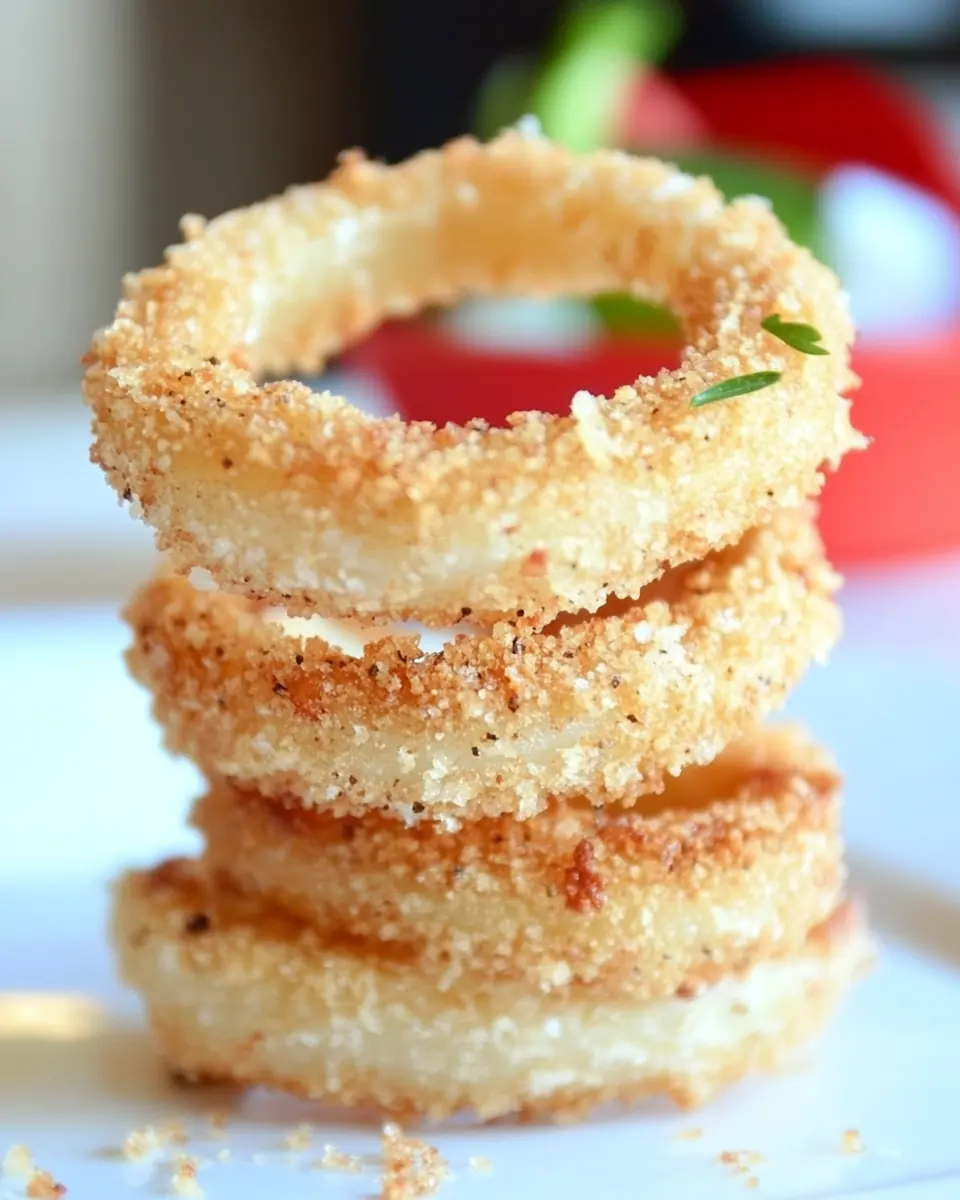
These steps are straightforward and forgiving, but attention to sensory cues will make a big difference. Follow the sequence to ensure the coating adheres, the rings brown evenly, and the interior becomes tender. Pay attention to the aroma, color, and texture at each stage to know when you are on the right track.
- Combine bread crumbs, seasoned salt, and garlic powder, and set aside.: Your nose will tell you when the crumb mix is right, it should smell mildly toasty and seasoned rather than flat. Mixing evenly distributes the seasoned salt and garlic powder , which prevents hot spots of flavor and ensures each ring gets a balanced coating. A common mistake is not breaking up clumps in the crumbs, which leads to uneven browning; use a fork to fluff the mixture and let it sit so the flavors marry before you use it.
- Combine eggs, and beat till frothy.: As you whisk the eggs , you will notice the texture change to light and slightly foamy, which aids adhesion. The frothiness helps the crumbs cling in a more uniform layer, resulting in a lighter crust once baked. If you underbeat, the coating can slide off during handling, so whisk until you see a consistent froth across the surface.
- Slice onions into rings.: Listen for the clean sound of the knife as you slice through the onion , and aim for consistent thickness so each ring cooks at the same rate. Too thin and they can become limp before the crust browns, too thick and the center may stay undercooked. A steady, even slice will give you rings that finish at the same moment, producing a uniform batch.
- Dip onion rings into egg mixture, and then into bread crumbs.: You will feel the wet egg coat the ring first, then the dry crumbs cling; this two step method creates a robust shell. Press the crumbs lightly onto the ring so they adhere well and create a seamless crust. A frequent error is letting the rings sit too long before transferring to the pan, which can make the coating soggy; work in small batches for the best results.
- Arrange in single layer on a baking sheet (sprayed with cooking spray).: Laying the rings in a single layer ensures hot air circulates around each one so they crisp evenly, and the sprayed surface minimizes sticking. Crowding the pan causes steaming, which undermines crispness, so use two sheets if needed. If an onion ring is browned on one side but pale on the other, rotate the pan part way through baking to promote even color.
- Bake in oven at 375 for 20 minutes.: Listen for a faint toasting sound and watch for a golden brown color developing on the crumb surface, that is your cue to check for doneness. Baking at 375 degrees yields a balance between crisping and tenderizing the center; lower temperatures may dry the rings without browning, while much higher heat risks burning the crumbs before the onion softens. A typical pitfall is opening the oven too frequently, which drops temperature and slows browning, so check visually near the end and use a single quick peek.
Variations to Try
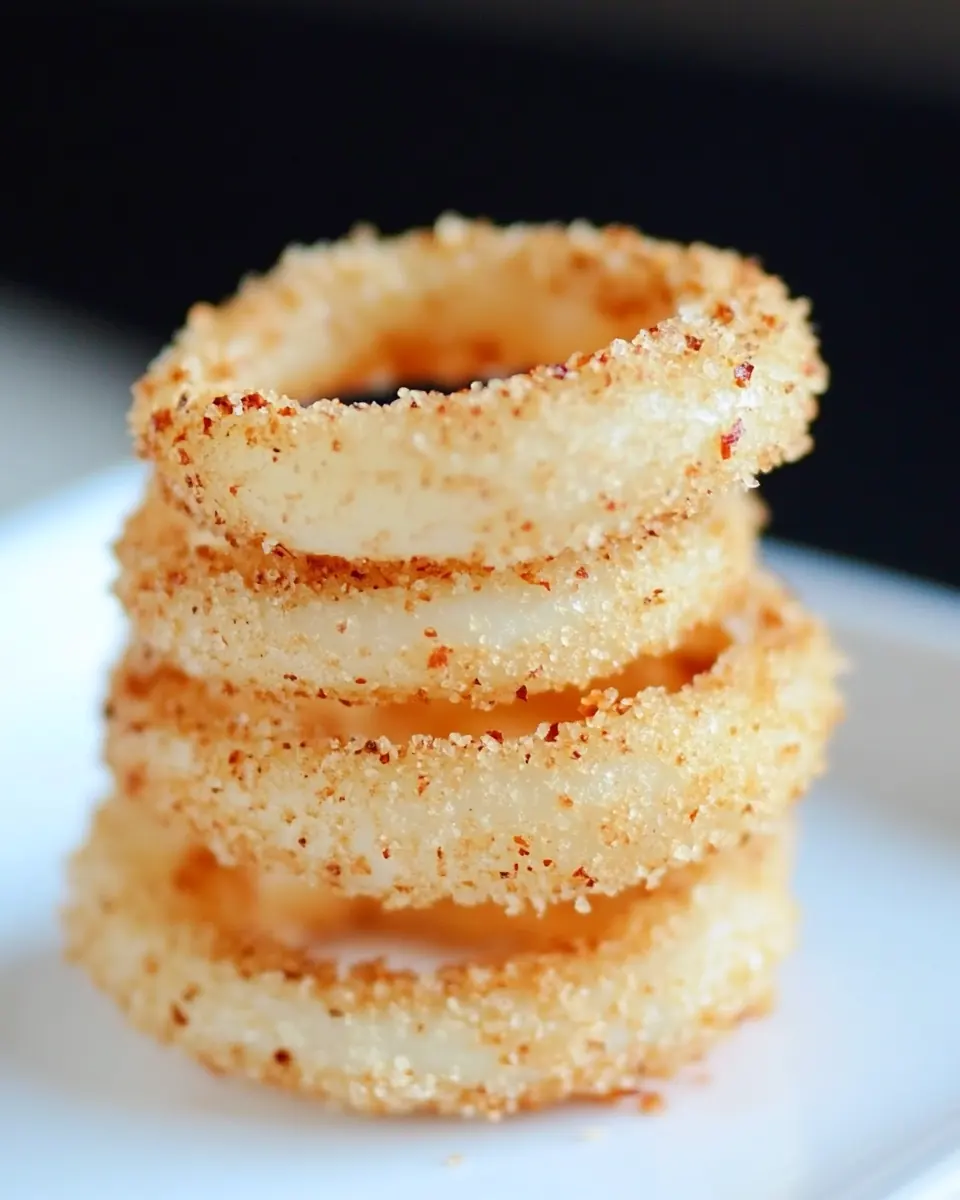
Here are a few ways to tweak the flavor and texture while staying true to the simple method. Each tip highlights a focused change that alters the final profile without complicating the process, so you can experiment confidently.
- Use panko for extra crunch Try substituting some or all of the bread crumbs with panko to create a noticeably lighter, airier crust that toasts beautifully in the oven.
- Add herbs to the crumbs Fold in finely chopped fresh or dried herbs to the crumb mixture for a fragrant lift that pairs nicely with the natural sweetness of the onion.
- Double dip for a thicker coating After the first crumb layer, dip the ring briefly back into the egg then into crumbs again to form a sturdier exterior that stays crisp longer.
- Season more boldly Increase the amount of seasoned salt or add a pinch more garlic powder if you prefer a punchier, more savory taste.
- Try different crumb textures Mix fine and coarse crumbs to manipulate how the crust shatters and to alter the mouthfeel of each bite.
Best Served With
These suggestions focus on pairing and serving scenarios that highlight the crunchy texture and savory profile. Consider the occasion and accompaniments that will complement the warm, toasty notes of the rings.
- As a snack with dipping sauces Serve the rings with a trio of sauces such as a tangy ketchup style dip, a creamy mayonnaise based dip, or a herb yogurt dip to offer contrasting textures and flavors.
- Alongside sandwiches Pair the rings with hearty sandwiches to add a crunchy element that offsets soft bread and melty fillings, perfect for casual lunches.
- For game day or gatherings Present the rings on a platter with toothpicks and small bowls of sauce, they make an easy shareable finger food for parties and casual entertaining.
- Storage tips Keep leftover rings in an airtight container and reheat in a hot oven to revive the crispness, avoid microwaving which makes them soggy.
- Seasonal pairings These rings work well year round, but they feel particularly cozy alongside autumn and winter comfort dishes that benefit from crunchy texture contrasts.
FAQ
Conclusion
Baked Onion Rings stand out because they deliver that craveable crunch with minimal fuss, using simple pantry staples for big flavor. Give them a try next time you want a hands off snack that still feels indulgent, you may be surprised how quickly they become a house favorite. Share them warm straight from the oven, and enjoy how such an easy technique can transform humble onion rings into something special.
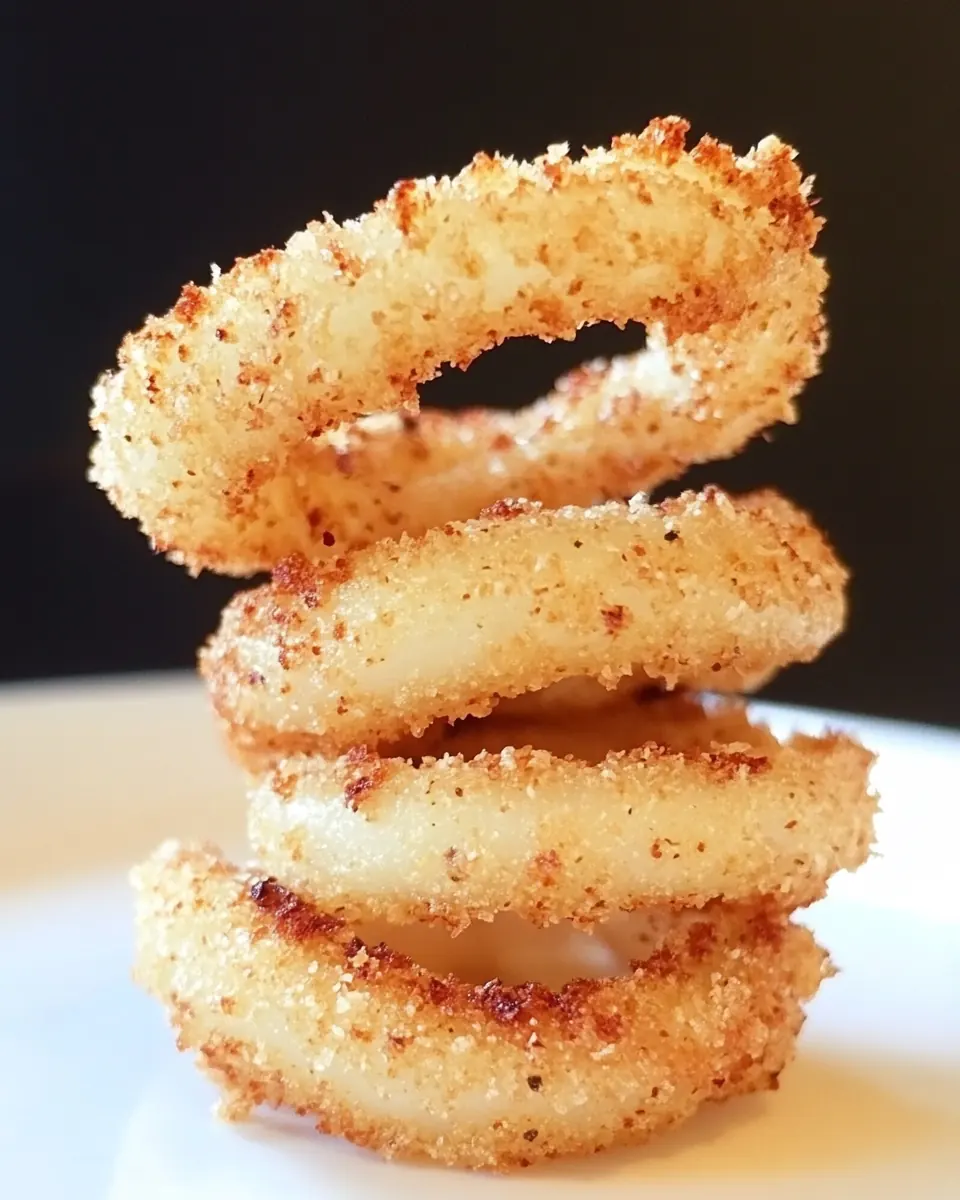
Baked Onion Rings
Ingredients
Equipment
Method
- Combine bread crumbs, seasoned salt, and garlic powder, and set aside.: Your nose will tell you when the crumb mix is right, it should smell mildly toasty and seasoned rather than flat. Mixing evenly distributes the seasoned salt and garlic powder , which prevents hot spots of flavor and ensures each ring gets a balanced coating. A common mistake is not breaking up clumps in the crumbs, which leads to uneven browning; use a fork to fluff the mixture and let it sit so the flavors marry before you use it.
- Combine eggs, and beat till frothy.: As you whisk the eggs , you will notice the texture change to light and slightly foamy, which aids adhesion. The frothiness helps the crumbs cling in a more uniform layer, resulting in a lighter crust once baked. If you underbeat, the coating can slide off during handling, so whisk until you see a consistent froth across the surface.
- Slice onions into rings.: Listen for the clean sound of the knife as you slice through the onion , and aim for consistent thickness so each ring cooks at the same rate. Too thin and they can become limp before the crust browns, too thick and the center may stay undercooked. A steady, even slice will give you rings that finish at the same moment, producing a uniform batch.
- Dip onion rings into egg mixture, and then into bread crumbs.: You will feel the wet egg coat the ring first, then the dry crumbs cling; this two step method creates a robust shell. Press the crumbs lightly onto the ring so they adhere well and create a seamless crust. A frequent error is letting the rings sit too long before transferring to the pan, which can make the coating soggy; work in small batches for the best results.
- Arrange in single layer on a baking sheet (sprayed with cooking spray).: Laying the rings in a single layer ensures hot air circulates around each one so they crisp evenly, and the sprayed surface minimizes sticking. Crowding the pan causes steaming, which undermines crispness, so use two sheets if needed. If an onion ring is browned on one side but pale on the other, rotate the pan part way through baking to promote even color.
- Bake in oven at 375 for 20 minutes.: Listen for a faint toasting sound and watch for a golden brown color developing on the crumb surface, that is your cue to check for doneness. Baking at 375 degrees yields a balance between crisping and tenderizing the center; lower temperatures may dry the rings without browning, while much higher heat risks burning the crumbs before the onion softens. A typical pitfall is opening the oven too frequently, which drops temperature and slows browning, so check visually near the end and use a single quick peek.
Notes
- Use panko for extra crunch Try substituting some or all of the bread crumbs with panko to create a noticeably lighter, airier crust that toasts beautifully in the oven.
- Add herbs to the crumbs Fold in finely chopped fresh or dried herbs to the crumb mixture for a fragrant lift that pairs nicely with the natural sweetness of the onion.
- Double dip for a thicker coating After the first crumb layer, dip the ring briefly back into the egg then into crumbs again to form a sturdier exterior that stays crisp longer.
- Season more boldly Increase the amount of seasoned salt or add a pinch more garlic powder if you prefer a punchier, more savory taste.
- Try different crumb textures Mix fine and coarse crumbs to manipulate how the crust shatters and to alter the mouthfeel of each bite.