Easy Fluffy Eggnog Cinnamon Rolls
Easy Fluffy Eggnog Cinnamon Rolls have been my go to winter weekend treat ever since I first swapped milk for rich eggnog in a simple cinnamon roll recipe. The very first time I pulled a tray of these from the oven I remember the warm aroma that filled the kitchen, the slightly sweet, nutmeg kissed scent that seemed to hug everyone nearby. I was alone that afternoon, but the house felt cozy and full of company because the smell itself invited neighbors over for a cup of coffee and a warm roll.
I tend to make these when I want something a little festive without the fuss. There are memories tied to the sticky glaze and tender swirls, small rituals like warming the eggnog until it just lifts steam and creaming the butter until it feels pillowy beneath the spoon. Each step gives you a tiny reward, whether it is the soft tug of the dough or the glossy sheen of the frosting as it drips into the spirals. Over time I found ways to coax more lift and more flavor from the dough, and these tweaks are what make these rolls feel both indulgent and approachable.
Recipe Snapshot
45 mins
20 mins
25 mins
Medium
250 kcal
American
Gluten-Free, Low FODMAP
Breakfast
Stand mixer, Dough hook, 9×13 inch baking dish, Mixing bowls, Sharp knife
The Magic of This Easy Fluffy Eggnog Cinnamon Rolls
1. Comfort That Feels Elevated
I love how Easy Fluffy Eggnog Cinnamon Rolls take a familiar breakfast classic and make it feel like a holiday moment. The use of eggnog brings in a richer, creamier base, so each bite tastes a touch more luxurious than a plain milk dough. When friends stop by, they always comment on how the flavor is familiar but somehow special, which is exactly the reaction I want.
2. Texture with a Soft, Tender Crumb
The dough develops a cloudlike texture that pulls apart easily. Because I let the dough rest and rise until it doubles, the crumb becomes open and pillowy. That airy structure gives the rolls a melt in the mouth moment, while the cinnamon sugar pockets stay moist and gooey. I like that you can feel the difference between a rushed roll and one that had proper time to relax.
3. Versatile and Crowd Friendly
One of the things I value is how well this recipe scales. Twelve rolls bake up in a single 9 by 13 dish, which makes it a great choice for brunch, potlucks, or holiday mornings. People can grab a warm roll and enjoy it without any fuss, making it perfect for a busy morning when you still want to serve something that feels homemade and generous.
4. Bright, Balanced Frosting
The eggnog and melted white chocolate frosting adds a silky finish that is not overpowering. It balances the brown sugar and cinnamon filling with a sweet, creamy top note that sets these apart from ordinary cinnamon rolls. When you spread the frosting while the rolls are still warm, it creates ribbons that sink into the swirls and keep every bite moist.
5. Simple Techniques, Big Payoff
Although the end result feels ornate, the techniques are straightforward and forgiving. Mixing in a stand mixer, allowing a proper rise, rolling, and slicing are steps anyone can follow. I find that a little patience and careful handling of the dough produce the most dramatic improvements, and those small investments return the most flavor and texture for your time.
Ingredients to Make Easy Fluffy Eggnog Cinnamon Rolls
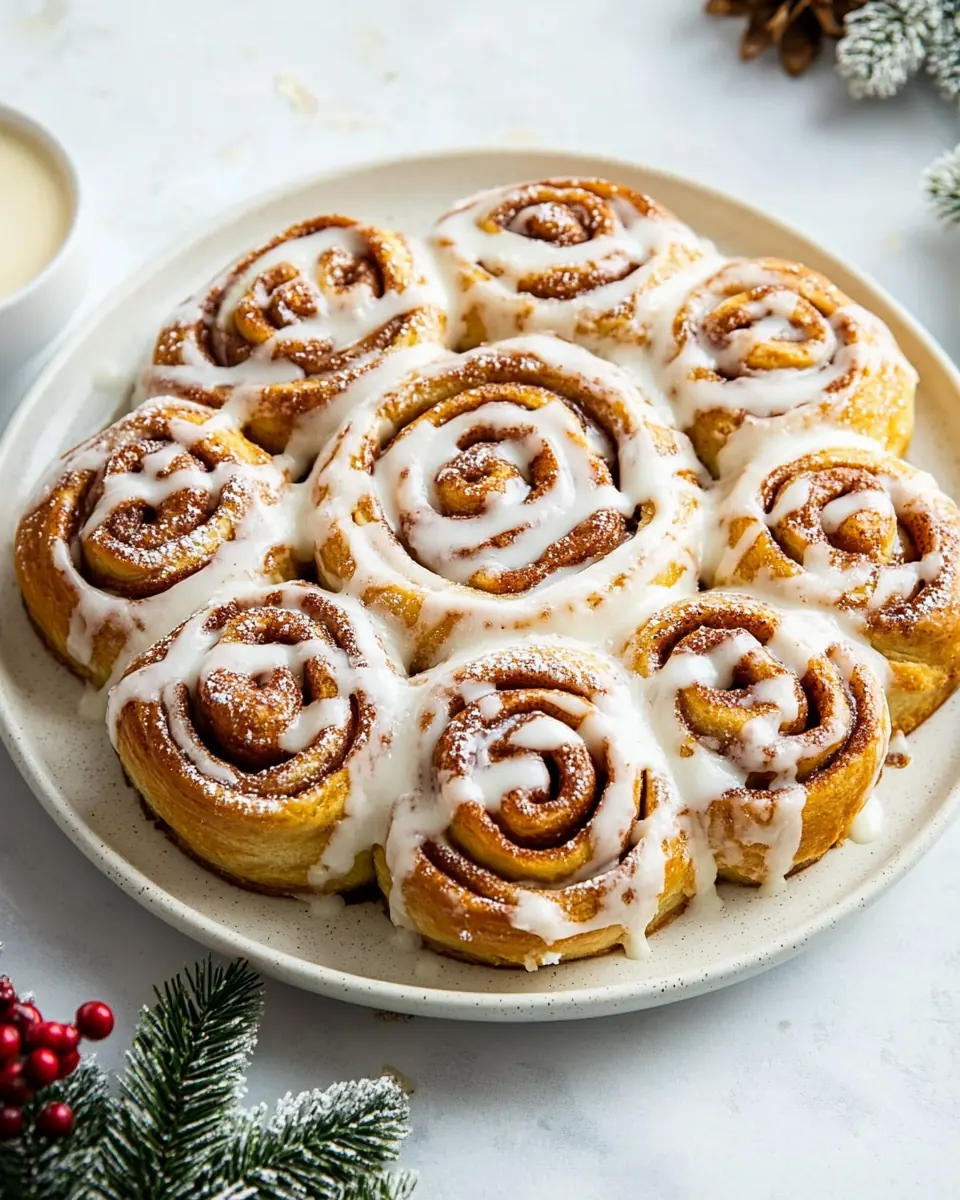
These ingredients are chosen to build a soft, buttery dough and a sweet, spicy filling that sings with holiday warmth. The key players are the all-purpose flour for structure, yeast to give the rolls lift, and the festive touch of eggnog to add richness. Butter and sugars create tender layers and syrupy pockets of flavor, while the frosting ties everything together with a creamy finish.
- 3 1/2 – 4 cups all-purpose flour, plus more for dusting: Provide structure and bulk to the dough, creating the gluten network that gives rolls their chew and rise; sift or measure carefully and adjust between 3 1/2 to 4 cups depending on dough stickiness. Dust additional flour for rolling and shaping to prevent sticking while maintaining a soft crumb in the finished rolls.
- 1 packet Fleischmann’s® Rapid Rise Yeast: Activate the dough by providing fast-acting yeast that ferments sugars, producing carbon dioxide for quick rise; sprinkle into warm liquid and allow to bloom briefly for best results. Use the packet amount specified to ensure consistent leavening and an even, airy texture throughout the rolls.
- 2 tablespoons brown sugar: Sweeten and feed the yeast slightly while adding depth of flavor with molasses notes that caramelize during baking; measure the two tablespoons for the dough mix. Help balance the overall sweetness and contribute to browning on the crust of the rolls.
- 1/4 teaspoon kosher salt: Enhance overall flavor and strengthen gluten development slightly by balancing sweetness; add precisely 1/4 teaspoon to avoid over-salting which can inhibit yeast activity. Provide a subtle seasoning contrast that makes the other flavors in the dough more pronounced.
- 3/4 cup high quality eggnog, warmed (you can also use whole milk): Add richness, moisture, and eggnog flavor to the dough while contributing liquid for proper hydration; warm before use to help activate the yeast and integrate smoothly. Offer a creamy, spiced note that complements the cinnamon and enhances the holiday profile of the rolls.
- 3 large eggs: Enrich the dough with protein, fat, and structure from eggs that help with tenderness, color, and binding; beat or whisk before combining for even distribution. Contribute to an airy crumb and improved shelf life while supporting a rich, custard-like dough texture.
- 1 teaspoon vanilla extract: Introduce aromatic vanilla to round out flavors and enhance sweetness perception; stir into the wet ingredients for even aroma throughout the dough. Provide a warm, familiar note that complements the eggnog and cinnamon components.
- 1 stick (1/2 cup) salted butter, at room temperature: Tenderize and enrich the dough by adding fat and flavor; soften to room temperature for easy incorporation and consistent dough texture. Promote a soft, flaky crumb and help achieve a rich mouthfeel in the baked rolls.
- 1/2 3/4 cup brown sugar: Sweeten the filling and provide moist caramel-like pockets when baked; measure between 1/2 to 3/4 cup based on desired sweetness. Combine with cinnamon and butter to create the classic swirled filling that melts into the layers during baking.
- 2 tablespoons ground cinnamon: Provide warm, spicy flavor to the filling and create the signature taste of cinnamon rolls; use two tablespoons blended evenly with sugar for consistent swirls. Pair with butter to release oils and deepen the aroma when baked.
- 1 stick (1/2 cup) salted butter, at room temperature: Provide a creamy spreadable fat for the filling that helps dissolve sugar and bloom spices; keep at room temperature to spread easily over the rolled dough. Ensure even layering and tender laminated layers in the finished rolls.
- 1/2 cup white chocolate chips () (optional): Add optional pockets of sweetness and creamy texture that soften and melt slightly during baking for added interest; sprinkle evenly over the filling if using. Offer a contrasting white chocolate flavor that complements the eggnog and cinnamon notes.
- 1/4 cup high quality eggnog, warmed: Contribute additional eggnog flavor and liquid to thin the glaze or adjust filling moisture; warm slightly to help dissolve sugar and incorporate smoothly. Help create a cohesive, glossy icing or add slight extra moisture to the filling as desired.
- 2 ounces white chocolate chips melted: Provide a smooth, intensely sweet, and creamy component when melted for the glaze; stir into the warm eggnog and powdered sugar mixture for a shiny finish. Add white chocolate flavor to the icing that enhances sweetness and creates a dessert-like finish.
- 2 teaspoons vanilla extract: Enhance the glaze with deep vanilla aroma that rounds out the sugar and white chocolate flavors; mix into the warm liquid to distribute evenly. Elevate the overall flavor profile of the icing with a familiar, warming note.
- 1 1/2 cups powdered sugar: Sweeten and thicken the glaze to a pipeable consistency while adding a smooth finish that sets slightly on cooled rolls; sift and mix to avoid lumps for a glossy topping. Balance sweetness with the eggnog and white chocolate for a harmonious finishing touch.
Cooking Instructions for Easy Fluffy Eggnog Cinnamon Rolls
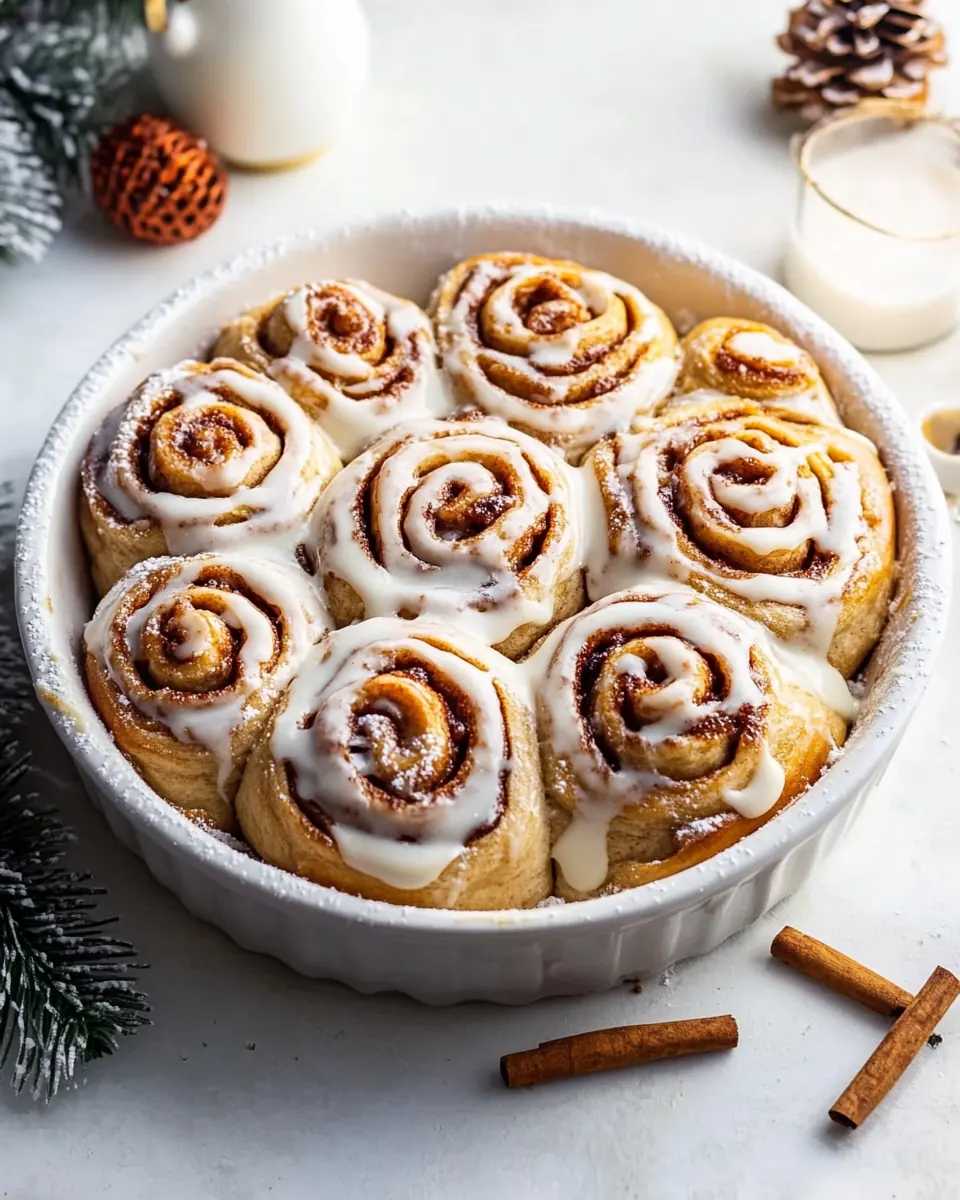
These instructions will walk you through the entire process from mixing the dough to frosting the warm rolls. I like to stay organized: measure first, then proceed step by step. Keep a damp towel nearby, and preheat the oven toward the end of the second rise so everything flows smoothly.
- To make the dough. In the bowl of a stand mixer, combine 3 1/2 cups flour, the yeast, brown sugar, and salt. Add the eggnog, eggs, vanilla, and butter. Using the dough hook, mix until the flour is completely incorporated, about 4-5 minutes. If the dough seems sticky, add the remaining 1/2 cup of flour a little at a time. It's better to have a stickier dough rather than a dry dough, so add flour 1 tablespoon at a time. Cover the bowl with plastic wrap and let sit at room temperature for 1 hour or until the dough has doubled in size. Meanwhile, make the filling. In a small bowl, combine the brown sugar, and cinnamon. Line a 9×13 inch baking dish with parchment. Lightly dust your work surface with flour. Turn out the dough, punch it down, and roll it into a rectangle about 10 x 16 inches. Spread the softened butter evenly over the dough. Sprinkle the cinnamon sugar, and then the white chocolate chips, evenly over the butter and lightly push into the butter. Starting with the long edge closest to you, carefully roll the dough into a log, keeping it fairly tight as you go. When you reach the edge, pinch along the edge to seal. Using a sharp knife, cut into 12-15 rolls. Place the rolls into the prepared baking dish. Cover with plastic wrap and let rise 20-30 minutes. Preheat the oven to 350 degrees F. Bake the rolls for 25 to 30 minutes, or until golden brown. Meanwhile, make the frosting. In a medium bowl, whisk together the eggnog, melted white chocolate, and vanilla until combined. Add the powdered sugar and mix well. Spread the frosting onto the warm rolls. Serve and enjoy!: The first sensory cue you notice is the soft, warm aroma of the eggnog as it mixes with the yeast and brown sugar . You should hear a gentle whir from the mixer and see the ingredients coalesce into a shaggy mass before forming a smoother ball. This stage matters because proper incorporation ensures even fermentation and lift. If the dough feels too sticky, resist the temptation to dump a lot of extra flour at once, instead add small splashes so you keep the dough tender. A common mistake here is overworking the dough which can make it tight and chewy, so stop once the flour disappears and the texture is slightly tacky but pulls away from the bowl.
- In the bowl of a stand mixer, combine 3 1/2 cups flour, the yeast, brown sugar, and salt: At this point you'll notice the dry ingredients look uniform and the salt sparkles against the flour. Mixing them first helps distribute the yeast and salt so the dough develops evenly. Use your fingertips to lightly fluff the mixture before adding liquids, so nothing clumps and your dough proof will be consistent. A trap to avoid is adding the liquids before the dry mix is uniform; that can create pockets of over hydrated dough that proof unevenly.
- Add the eggnog, eggs, vanilla, and butter: Pouring warmed eggnog in releases a comforting sweet perfume that signals the dough is coming to life. The butter should be at room temperature so it blends smoothly without leaving lumps. Eggs add sheen and elasticity, while vanilla deepens the aroma. If any chunks of cold butter remain, the dough will be uneven, so ensure it is softened. If your eggnog is too hot, it can shock the yeast , so test it on your wrist until it feels comfortably warm.
- Using the dough hook, mix until the flour is completely incorporated, about 4 to 5 minutes: You will see the dough transform from shaggy to a slightly glossy ball that climbs the hook and pulls away from the bowl. This visual cue means gluten has developed enough for good structure. Texture here should be springy and soft, not dry. Avoid running the mixer excessively long because over development can make the dough resilient and tough rather than tender.
- If the dough seems sticky, add the remaining 1/2 cup of flour a little at a time: When you touch the dough it should be tacky but not sticky enough to cling to your fingers heavily. Adding flour slowly preserves moisture while giving you control over final texture. Do this in tablespoon increments; too much flour leads to dry rolls that lack that irresistible pull. A common error is adding a large additional portion all at once, which results in dense, heavy rolls.
- It's better to have a stickier dough rather than a dry dough, so add flour 1 tablespoon at a time: The gentle tackiness is what yields soft, tender crumb after baking. As the dough rests, it relaxes and becomes easier to handle, so a slightly sticky dough will finish beautifully. Resist the urge to aggressively flour the work surface as that can grind extra flour into the dough and change texture. If you must dust your board, do it lightly and use a bench scraper to lift the dough cleanly.
- Cover the bowl with plastic wrap and let sit at room temperature for 1 hour or until the dough has doubled in size: During this rise you will notice the dough swell and develop a domed surface with tiny bubbles beneath the skin, producing a yeasty, mildly sweet scent. This fermentation creates air pockets that give the rolls lift. It matters to wait for the full rise because that timing dictates the final tenderness. Don't rush by using overly warm spots because uneven heat can cause the dough to overproof and then collapse.
- Meanwhile, make the filling: Mixing brown sugar and cinnamon releases a heady spice aroma, and you should aim for a cohesive sandy texture that will press into softened butter . This mixture melts slightly when spread over the dough, creating lush pockets of flavor. If the filling is too wet it will leak; too dry and it will not caramelize properly. Keep the filling balanced and use room temperature butter for easy spreading.
- Line a 9×13 inch baking dish with parchment: The parchment prevents sticking and helps lift the finished rolls out for serving. The clean edges also make cleanup simple and protect the pan from sugary drips. Make sure the paper lies flat to avoid uneven positioning of the rolls. A mistake is skipping the parchment, which can cause the bottoms to stick and tear when you try to serve.
- Lightly dust your work surface with flour: When you turn out the dough you want enough traction to roll smoothly without pulling or tearing. The dusting should be minimal so you do not incorporate excess flour into the dough. A bench scraper helps manage excess flour and keeps the workspace tidy. Overflouring leads to dry edges in the rolls, so apply sparingly.
- Turn out the dough, punch it down, and roll it into a rectangle about 10 x 16 inches: As you press the dough, you will hear a soft sigh as trapped air releases and the dough flattens. Rolling to the correct thickness is key for even spirals and consistent bake. The rectangle should feel supple and stretch slightly without springing back. If the dough resists, let it rest for a few minutes to relax the gluten before continuing; trying to force it will create irregular spirals.
- Spread the softened butter evenly over the dough: The act of spreading melts the butter just enough to create a glossy layer, which helps the sugar adhere and form distinct layers when rolled. Be generous but even so each bite has buttery richness. Cold spots here can tear the dough, so ensure the butter is pliable and spreadable.
- Sprinkle the cinnamon sugar, and then the white chocolate chips, evenly over the butter and lightly push into the butter: You should see an even dusting of sugar and cinnamon forming stripes across the dough, with little nuggets of white chocolate peeking through. Pressing the chips lightly ensures they stay put when rolling. Avoid piling the filling thickly at the edges or it will ooze during baking.
- Starting with the long edge closest to you, carefully roll the dough into a log, keeping it fairly tight as you go: Rolling gives the classic spiral look; you will feel resistance as you keep it snug, and that tension helps form defined swirls. A tight roll prevents large air gaps but avoid compressing the log too firmly, which could squeeze out the filling. If the roll bulges, adjust pressure so it remains even along the length.
- When you reach the edge, pinch along the edge to seal: The seal keeps the log from unrolling and helps each piece hold its shape while baking. Use the heel of your hand to press firmly along the seam until it adheres. You should not see the filling escaping; if it leaks, press more securely and trim imperfect ends before slicing.
- Using a sharp knife, cut into 12 to 15 rolls: A sharp knife yields clean cuts and neat spirals that hold together in the pan. You may see some filling smear at the cut surfaces, which is fine, it becomes molten and luscious while baking. If your knife drags, chill the log briefly to firm the butter, then slice to preserve shape.
- Place the rolls into the prepared baking dish: Arrange them snugly so they support one another and rise upward rather than spread flat. The close placement encourages taller, soft-sided rolls with tender interiors. If you space them too far apart you lose that cozy pull apart effect, so nestle them so they touch lightly.
- Cover with plastic wrap and let rise 20 to 30 minutes: During this short proof you will notice gentle puffing and a pillowlike texture returning to the dough, signaling readiness for the oven. This final rise adds loft and ensures the centers stay soft. Overproofing at this point can cause the rolls to collapse, so watch for that gentle puff and not dramatic enlargement.
- Preheat the oven to 350 degrees F: As the oven warms you will smell a faint toasty note in the air; the correct temperature produces a golden exterior while keeping the interior tender. Make sure the oven reaches temperature before baking so the rolls set properly. A common mistake is putting them into a cold oven which leads to a denser bake.
- Bake the rolls for 25 to 30 minutes, or until golden brown: You should hear a faint crackle as sugary edges caramelize and see a warm amber color forming on the tops. The internal centers will feel springy to the touch and a thin skewer inserted into the middle comes out clean. Avoid overbaking, which dries the rolls; remove them when they are a deep golden but still soft to the touch.
- Meanwhile, make the frosting: Whisking eggnog , melted white chocolate, and vanilla produces a glossy, fragrant base for the icing. As you add powdered sugar the mixture thickens and the glossy sheen becomes velvety. The smell will be sweet and slightly nutmeg tinged, and the texture should flow slowly off a spoon so it drips into the spirals without pooling excessively.
- In a medium bowl, whisk together the eggnog, melted white chocolate, and vanilla until combined: The melted white chocolate gives the glaze body while the eggnog lends warmth and spice. Whisk until perfectly smooth so there are no streaks of chocolate. If the chocolate begins to seize, warm gently and whisk to smooth it out, as a grainy glaze will not coat evenly.
- Add the powdered sugar and mix well: Powdered sugar thickens and sweetens the glaze, turning it into a spreadable frosting that clings to the warm rolls. Mix until no lumps remain and the consistency coats the back of a spoon. If it becomes too thick add a splash of eggnog , if too thin add a bit more powdered sugar.
- Spread the frosting onto the warm rolls: The warm rolls will pull the glaze into their spirals, creating glossy ribbons that settle into crevices and soak the interiors. Use a spatula to coax the glaze across the tops so each roll receives a generous coating. If the glaze slides right off, it may be too thin, so let it rest briefly until it thickens to a clingy texture.
- Serve and enjoy: Serve slightly warm so the frosting is still soft and pockets of white chocolate are melty. You will notice an inviting steam rising and a mingling of cinnamon and sweet cream on each bite. Let the rolls cool a touch if you prefer firmer slices, but they are at their most irresistible when warm.
Change It Up
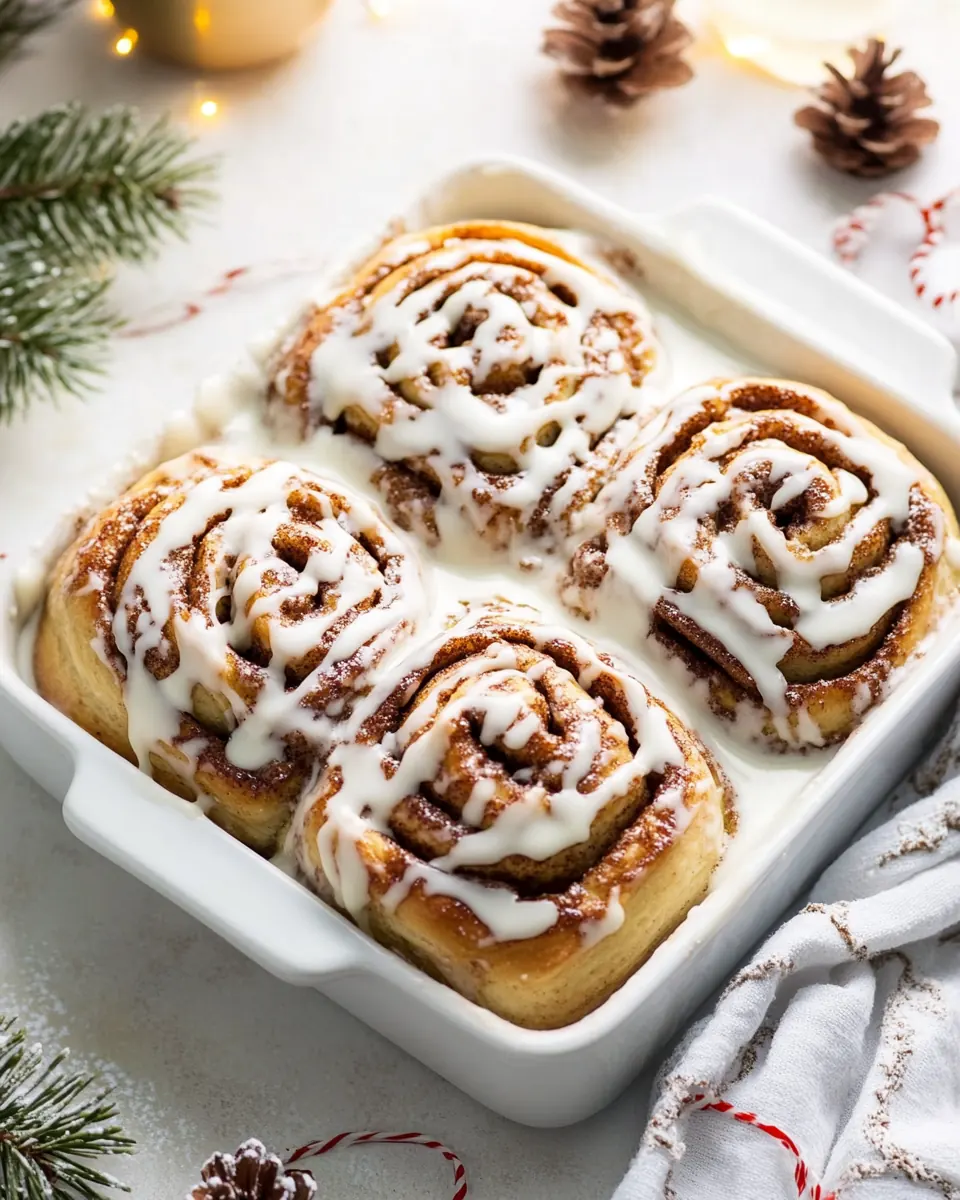
I like to offer a few ways to tweak these rolls for different moods and schedules. Whether you want to make them ahead, swap a filling element, or adjust the frosting intensity, small changes can make a big difference. Below are practical ideas that respect the original flavor while letting you personalize the bake.
- Make ahead fridge rise Use the fridge to slow the second rise overnight: assemble the rolls through the pan stage, cover tightly, and refrigerate. When ready, bring them to room temperature for about 30 minutes before baking to allow a gentle finish to the proof, then bake as directed for fresh morning rolls.
- Freeze unbaked After assembling, wrap the pan well and freeze for up to three months. Thaw in the fridge overnight and allow a brief bench rest before baking. This is excellent for planning ahead for holiday mornings with minimal active time required.
- Swap white chocolate If you prefer fewer pockets of sweetness, omit the white chocolate chips or reduce the amount. They add a creamy pop, but the rolls remain delicious without them and the cinnamon flavor becomes more pronounced.
- Adjust filling sweetness Tweak the 1/2 to 3/4 cup brown sugar range to control gooeyness. Use the lower end for a milder interior and the higher end for a stickier, caramelized center. Taste preferences vary, so adjust gradually.
- Gently warm eggnog Always warm the eggnog to lukewarm, never hot, before combining with the yeast. This preserves yeast activity and prevents any cooked egg flavors from developing, ensuring a clean, milky richness in both dough and glaze.
How to Enjoy Easy Fluffy Eggnog Cinnamon Rolls
These rolls work wonderfully for brunch gatherings, holiday breakfasts, or as a warm treat at any cozy winter moment. Serve them fresh and slightly warm so each swirl reveals melty filling and soft, tender crumb. They pair well with coffee or spiced tea and bring a festive note to any table.
- Serving style Place the Easy Fluffy Eggnog Cinnamon Rolls on a warmed platter so they stay soft, and let guests pull them apart for a casual family style presentation.
- Occasions Ideal for Christmas morning or winter brunch, these rolls provide a holiday aroma that complements festive gatherings and slow mornings alike.
- Storage Store leftover rolls in an airtight container at room temperature for up to two days, or refrigerate up to five days. Rewarm gently in a low oven until slightly warmed through before serving.
- Freezing Freeze baked and cooled rolls for up to three months. Thaw in the fridge overnight and reheat in a low oven, then refresh with frosting before serving.
- Presentation tip Garnish with a light dusting of powdered sugar or a few extra white chocolate shavings if you want a polished look for guests.
FAQ
Conclusion
What makes these rolls special is the way the eggnog elevates a classic cinnamon roll into something rich and gently spiced. The tender, fluffy dough, gooey cinnamon pockets, and velvety white chocolate eggnog frosting create layers of texture and flavor that feel festive yet familiar. I encourage you to try this recipe when you want a showstopping brunch centerpiece or a cozy winter treat. It rewards a bit of patience with comforting aromas, impressive texture, and a crowd pleasing finish.
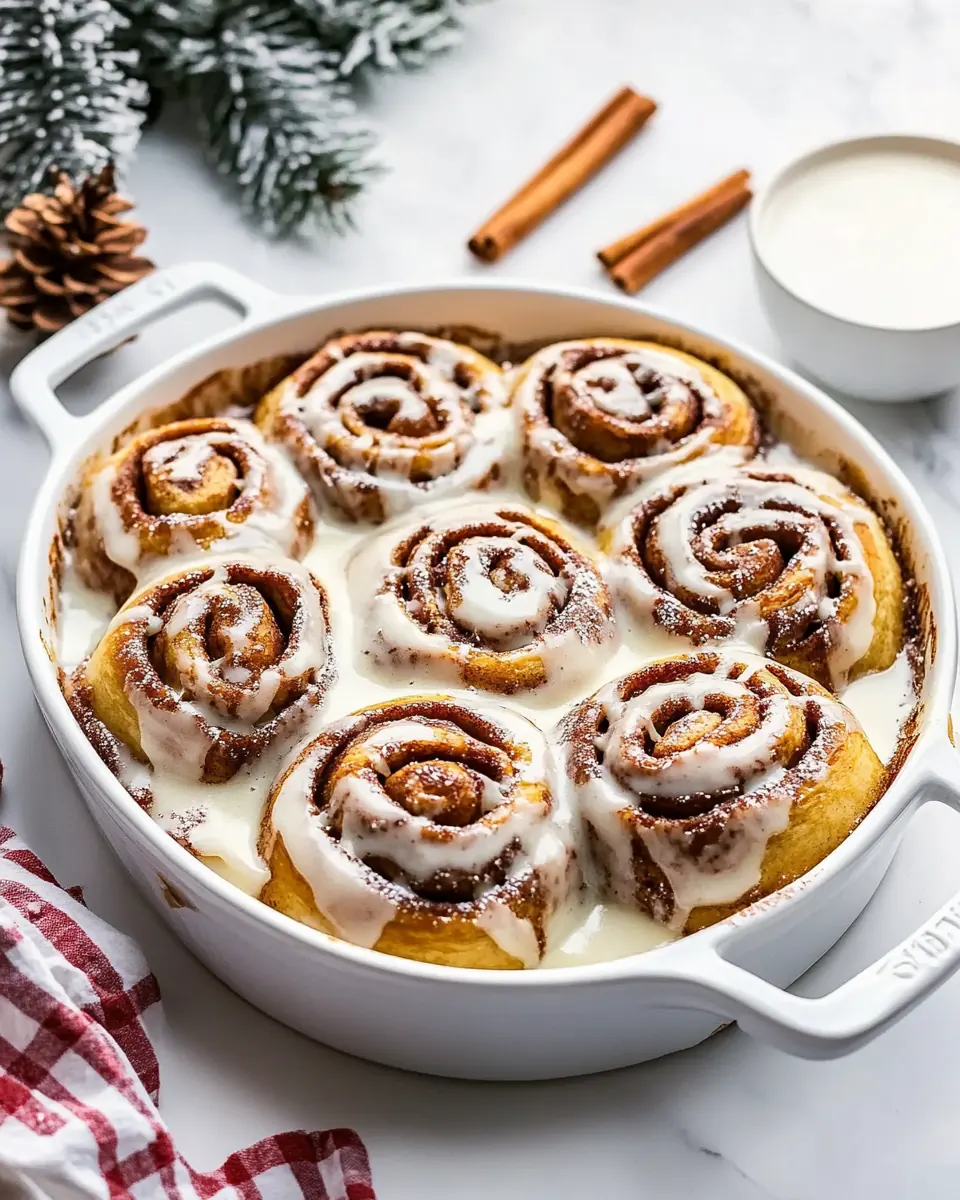
Easy Fluffy Eggnog Cinnamon Rolls
Ingredients
Equipment
Method
- To make the dough. In the bowl of a stand mixer, combine 3 1/2 cups flour, the yeast, brown sugar, and salt. Add the eggnog, eggs, vanilla, and butter. Using the dough hook, mix until the flour is completely incorporated, about 4-5 minutes. If the dough seems sticky, add the remaining 1/2 cup of flour a little at a time. It's better to have a stickier dough rather than a dry dough, so add flour 1 tablespoon at a time. Cover the bowl with plastic wrap and let sit at room temperature for 1 hour or until the dough has doubled in size. Meanwhile, make the filling. In a small bowl, combine the brown sugar, and cinnamon. Line a 9×13 inch baking dish with parchment. Lightly dust your work surface with flour. Turn out the dough, punch it down, and roll it into a rectangle about 10 x 16 inches. Spread the softened butter evenly over the dough. Sprinkle the cinnamon sugar, and then the white chocolate chips, evenly over the butter and lightly push into the butter. Starting with the long edge closest to you, carefully roll the dough into a log, keeping it fairly tight as you go. When you reach the edge, pinch along the edge to seal. Using a sharp knife, cut into 12-15 rolls. Place the rolls into the prepared baking dish. Cover with plastic wrap and let rise 20-30 minutes. Preheat the oven to 350 degrees F. Bake the rolls for 25 to 30 minutes, or until golden brown. Meanwhile, make the frosting. In a medium bowl, whisk together the eggnog, melted white chocolate, and vanilla until combined. Add the powdered sugar and mix well. Spread the frosting onto the warm rolls. Serve and enjoy!: The first sensory cue you notice is the soft, warm aroma of the eggnog as it mixes with the yeast and brown sugar . You should hear a gentle whir from the mixer and see the ingredients coalesce into a shaggy mass before forming a smoother ball. This stage matters because proper incorporation ensures even fermentation and lift. If the dough feels too sticky, resist the temptation to dump a lot of extra flour at once, instead add small splashes so you keep the dough tender. A common mistake here is overworking the dough which can make it tight and chewy, so stop once the flour disappears and the texture is slightly tacky but pulls away from the bowl.
- In the bowl of a stand mixer, combine 3 1/2 cups flour, the yeast, brown sugar, and salt: At this point you'll notice the dry ingredients look uniform and the salt sparkles against the flour. Mixing them first helps distribute the yeast and salt so the dough develops evenly. Use your fingertips to lightly fluff the mixture before adding liquids, so nothing clumps and your dough proof will be consistent. A trap to avoid is adding the liquids before the dry mix is uniform; that can create pockets of over hydrated dough that proof unevenly.
- Add the eggnog, eggs, vanilla, and butter: Pouring warmed eggnog in releases a comforting sweet perfume that signals the dough is coming to life. The butter should be at room temperature so it blends smoothly without leaving lumps. Eggs add sheen and elasticity, while vanilla deepens the aroma. If any chunks of cold butter remain, the dough will be uneven, so ensure it is softened. If your eggnog is too hot, it can shock the yeast , so test it on your wrist until it feels comfortably warm.
- Using the dough hook, mix until the flour is completely incorporated, about 4 to 5 minutes: You will see the dough transform from shaggy to a slightly glossy ball that climbs the hook and pulls away from the bowl. This visual cue means gluten has developed enough for good structure. Texture here should be springy and soft, not dry. Avoid running the mixer excessively long because over development can make the dough resilient and tough rather than tender.
- If the dough seems sticky, add the remaining 1/2 cup of flour a little at a time: When you touch the dough it should be tacky but not sticky enough to cling to your fingers heavily. Adding flour slowly preserves moisture while giving you control over final texture. Do this in tablespoon increments; too much flour leads to dry rolls that lack that irresistible pull. A common error is adding a large additional portion all at once, which results in dense, heavy rolls.
- It's better to have a stickier dough rather than a dry dough, so add flour 1 tablespoon at a time: The gentle tackiness is what yields soft, tender crumb after baking. As the dough rests, it relaxes and becomes easier to handle, so a slightly sticky dough will finish beautifully. Resist the urge to aggressively flour the work surface as that can grind extra flour into the dough and change texture. If you must dust your board, do it lightly and use a bench scraper to lift the dough cleanly.
- Cover the bowl with plastic wrap and let sit at room temperature for 1 hour or until the dough has doubled in size: During this rise you will notice the dough swell and develop a domed surface with tiny bubbles beneath the skin, producing a yeasty, mildly sweet scent. This fermentation creates air pockets that give the rolls lift. It matters to wait for the full rise because that timing dictates the final tenderness. Don't rush by using overly warm spots because uneven heat can cause the dough to overproof and then collapse.
- Meanwhile, make the filling: Mixing brown sugar and cinnamon releases a heady spice aroma, and you should aim for a cohesive sandy texture that will press into softened butter . This mixture melts slightly when spread over the dough, creating lush pockets of flavor. If the filling is too wet it will leak; too dry and it will not caramelize properly. Keep the filling balanced and use room temperature butter for easy spreading.
- Line a 9×13 inch baking dish with parchment: The parchment prevents sticking and helps lift the finished rolls out for serving. The clean edges also make cleanup simple and protect the pan from sugary drips. Make sure the paper lies flat to avoid uneven positioning of the rolls. A mistake is skipping the parchment, which can cause the bottoms to stick and tear when you try to serve.
- Lightly dust your work surface with flour: When you turn out the dough you want enough traction to roll smoothly without pulling or tearing. The dusting should be minimal so you do not incorporate excess flour into the dough. A bench scraper helps manage excess flour and keeps the workspace tidy. Overflouring leads to dry edges in the rolls, so apply sparingly.
- Turn out the dough, punch it down, and roll it into a rectangle about 10 x 16 inches: As you press the dough, you will hear a soft sigh as trapped air releases and the dough flattens. Rolling to the correct thickness is key for even spirals and consistent bake. The rectangle should feel supple and stretch slightly without springing back. If the dough resists, let it rest for a few minutes to relax the gluten before continuing; trying to force it will create irregular spirals.
- Spread the softened butter evenly over the dough: The act of spreading melts the butter just enough to create a glossy layer, which helps the sugar adhere and form distinct layers when rolled. Be generous but even so each bite has buttery richness. Cold spots here can tear the dough, so ensure the butter is pliable and spreadable.
- Sprinkle the cinnamon sugar, and then the white chocolate chips, evenly over the butter and lightly push into the butter: You should see an even dusting of sugar and cinnamon forming stripes across the dough, with little nuggets of white chocolate peeking through. Pressing the chips lightly ensures they stay put when rolling. Avoid piling the filling thickly at the edges or it will ooze during baking.
- Starting with the long edge closest to you, carefully roll the dough into a log, keeping it fairly tight as you go: Rolling gives the classic spiral look; you will feel resistance as you keep it snug, and that tension helps form defined swirls. A tight roll prevents large air gaps but avoid compressing the log too firmly, which could squeeze out the filling. If the roll bulges, adjust pressure so it remains even along the length.
- When you reach the edge, pinch along the edge to seal: The seal keeps the log from unrolling and helps each piece hold its shape while baking. Use the heel of your hand to press firmly along the seam until it adheres. You should not see the filling escaping; if it leaks, press more securely and trim imperfect ends before slicing.
- Using a sharp knife, cut into 12 to 15 rolls: A sharp knife yields clean cuts and neat spirals that hold together in the pan. You may see some filling smear at the cut surfaces, which is fine, it becomes molten and luscious while baking. If your knife drags, chill the log briefly to firm the butter, then slice to preserve shape.
- Place the rolls into the prepared baking dish: Arrange them snugly so they support one another and rise upward rather than spread flat. The close placement encourages taller, soft-sided rolls with tender interiors. If you space them too far apart you lose that cozy pull apart effect, so nestle them so they touch lightly.
- Cover with plastic wrap and let rise 20 to 30 minutes: During this short proof you will notice gentle puffing and a pillowlike texture returning to the dough, signaling readiness for the oven. This final rise adds loft and ensures the centers stay soft. Overproofing at this point can cause the rolls to collapse, so watch for that gentle puff and not dramatic enlargement.
- Preheat the oven to 350 degrees F: As the oven warms you will smell a faint toasty note in the air; the correct temperature produces a golden exterior while keeping the interior tender. Make sure the oven reaches temperature before baking so the rolls set properly. A common mistake is putting them into a cold oven which leads to a denser bake.
- Bake the rolls for 25 to 30 minutes, or until golden brown: You should hear a faint crackle as sugary edges caramelize and see a warm amber color forming on the tops. The internal centers will feel springy to the touch and a thin skewer inserted into the middle comes out clean. Avoid overbaking, which dries the rolls; remove them when they are a deep golden but still soft to the touch.
- Meanwhile, make the frosting: Whisking eggnog , melted white chocolate, and vanilla produces a glossy, fragrant base for the icing. As you add powdered sugar the mixture thickens and the glossy sheen becomes velvety. The smell will be sweet and slightly nutmeg tinged, and the texture should flow slowly off a spoon so it drips into the spirals without pooling excessively.
- In a medium bowl, whisk together the eggnog, melted white chocolate, and vanilla until combined: The melted white chocolate gives the glaze body while the eggnog lends warmth and spice. Whisk until perfectly smooth so there are no streaks of chocolate. If the chocolate begins to seize, warm gently and whisk to smooth it out, as a grainy glaze will not coat evenly.
- Add the powdered sugar and mix well: Powdered sugar thickens and sweetens the glaze, turning it into a spreadable frosting that clings to the warm rolls. Mix until no lumps remain and the consistency coats the back of a spoon. If it becomes too thick add a splash of eggnog , if too thin add a bit more powdered sugar.
- Spread the frosting onto the warm rolls: The warm rolls will pull the glaze into their spirals, creating glossy ribbons that settle into crevices and soak the interiors. Use a spatula to coax the glaze across the tops so each roll receives a generous coating. If the glaze slides right off, it may be too thin, so let it rest briefly until it thickens to a clingy texture.
- Serve and enjoy: Serve slightly warm so the frosting is still soft and pockets of white chocolate are melty. You will notice an inviting steam rising and a mingling of cinnamon and sweet cream on each bite. Let the rolls cool a touch if you prefer firmer slices, but they are at their most irresistible when warm.
Notes
- Make ahead fridge rise Use the fridge to slow the second rise overnight: assemble the rolls through the pan stage, cover tightly, and refrigerate. When ready, bring them to room temperature for about 30 minutes before baking to allow a gentle finish to the proof, then bake as directed for fresh morning rolls.
- Freeze unbaked After assembling, wrap the pan well and freeze for up to three months. Thaw in the fridge overnight and allow a brief bench rest before baking. This is excellent for planning ahead for holiday mornings with minimal active time required.
- Swap white chocolate If you prefer fewer pockets of sweetness, omit the white chocolate chips or reduce the amount. They add a creamy pop, but the rolls remain delicious without them and the cinnamon flavor becomes more pronounced.
- Adjust filling sweetness Tweak the 1/2 to 3/4 cup brown sugar range to control gooeyness. Use the lower end for a milder interior and the higher end for a stickier, caramelized center. Taste preferences vary, so adjust gradually.
- Gently warm eggnog Always warm the eggnog to lukewarm, never hot, before combining with the yeast. This preserves yeast activity and prevents any cooked egg flavors from developing, ensuring a clean, milky richness in both dough and glaze.