Hamburger Labskaus
Hamburger Labskaus is one of those dishes that hooked me the first time I tried it, a salt kissed, earthy mash that feels both hearty and humble.
I remember standing in a tiny kitchen in Hamburg, watching a friend fold tender chunks of canned corned beef into steaming mashed potatoes while the scent of butter and fried onion filled the air. We traded stories over a plate piled high, each bite balancing tangy pickled beetroot and sweet fried egg. That evening stuck with me, not because it was fancy, but because it felt like a warm, comforting recipe born from thrift and flavor.
Since then, I’ve made my own version many times, learning little tricks along the way that keep the texture just right and the flavors true. I love how the modest list of ingredients—potatoes, canned corned beef, pickled beets, and a few pantry staples—come together to make a dish that’s greater than the sum of its parts. There is a satisfying contrast between creamy mash and the bright acidic hits from pickle juices, which always makes guests ask for the recipe.
Over the years, I’ve adapted timing and plating so it’s easy enough for a weeknight but impressive enough for company. You’ll find small choices, like using a touch of beef broth to loosen the mash, make a big difference. Whether you are revisiting a childhood flavor or trying something new, this rendition of Hamburger Labskaus will feel familiar and fresh at once.
Recipe Snapshot
40 mins
15 mins
25 mins
Medium
550 kcal
German
Gluten-Free, Low FODMAP
Dinner
Pot, Frying pan, Potato masher, Knife
Why You Need This Hamburger Labskaus
Rustic, honest flavors
I love how Hamburger Labskaus celebrates straightforward ingredients. The core trio of potatoes, canned corned beef, and pickled beetroot sings together, and I often tell friends that simplicity can be the most flavorful path.
Textural contrast that keeps you coming back
The creamy mashed potatoes contrasted with the tender shredded corned beef and the punchy, slightly crunchy pickled elements gives the dish a layered mouthfeel. I find that contrast makes every forkful interesting.
Comfort food with a bright twist
Unlike many heavy comfort dishes, this plate balances richness and acidity. The splash of pickled beet juice and the briny rollmops bring brightness, which is why I serve it when I want something cozy but not cloying.
Easy to scale and flexible
This recipe stretches well for a small gathering or a family meal. I’ve doubled it for casual dinner parties, and it still holds up. The components are pantry friendly, so I can assemble a satisfying meal without a big shopping list.
Nostalgic but approachable
There is a nostalgia to Hamburger Labskaus, but it does not feel fussy. I like sharing it because it sparks conversation about regional food traditions while remaining very approachable for home cooks.
Main Ingredients for Hamburger Labskaus
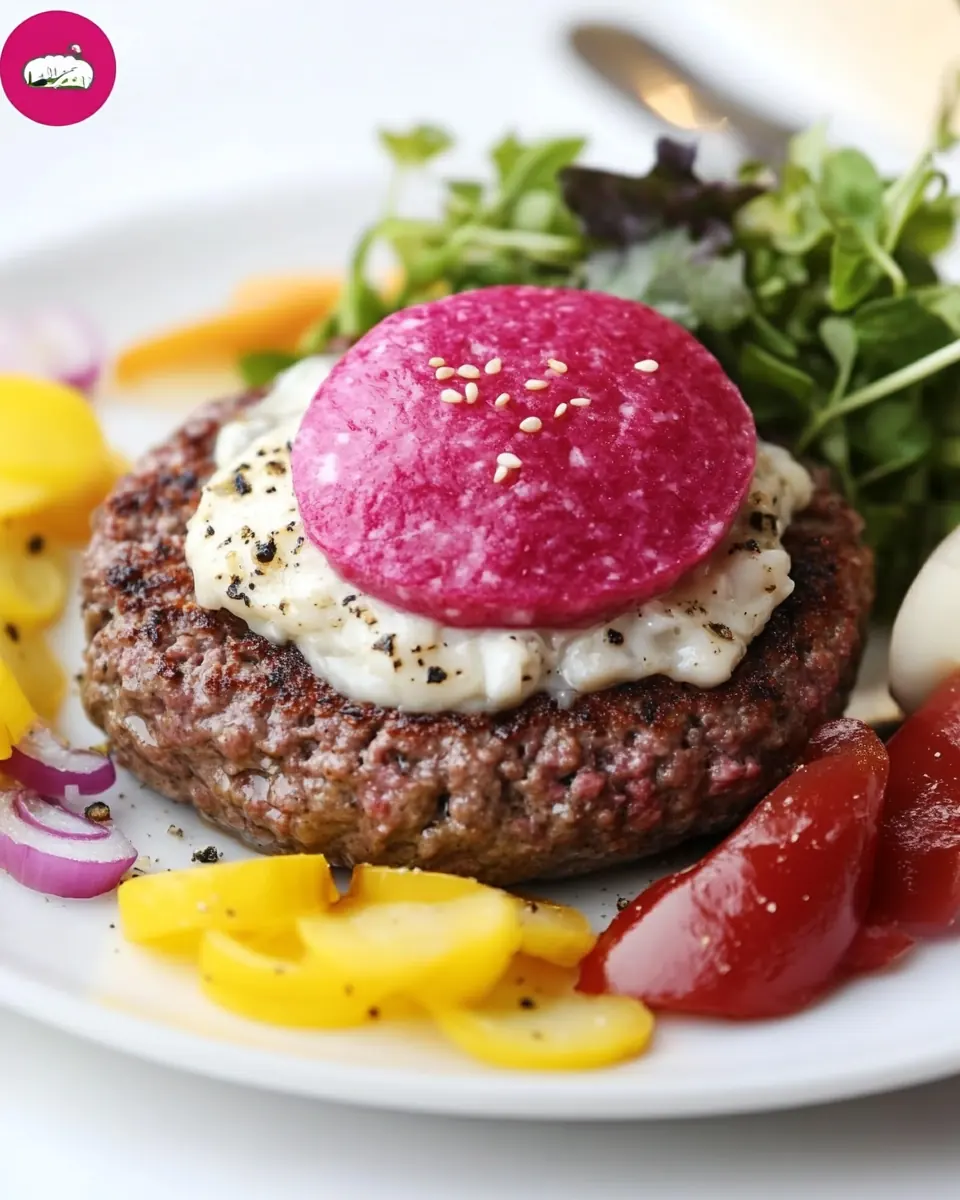
These ingredients form a harmonious, no nonsense ensemble. The starch provides the canvas, the canned corned beef brings meaty savor, and the pickled items add the acidic lift that prevents the dish from feeling heavy. Each component plays a clear role, and together they deliver a balanced bowl that feels both satisfying and lively.
- 1 small onion: Chopped finely to provide a sweet, aromatic base that softens and caramelizes during sautéing, contributing depth to the dish. Adds mild sharpness that balances the rich corned beef and creamy potatoes.
- 10 oz corned beef (canned beef) chopped: Shredded or chopped and stirred in to contribute savory, salty umami and a tender, meaty texture that defines the dish. Releases flavorful juices when heated that meld with potatoes and broth for classic Labskaus character.
- 4 tsp butter: Melted in the pan to sauté aromatics and enrich the mashed potatoes with a glossy, creamy mouthfeel. Helps carry fat-soluble flavors and gives the final dish a smooth, rounded richness.
- 1 lb potatoes 4 potatoes, peeled and quartered: Boiled until tender and mashed to create a creamy, starchy base that binds the mixture and provides hearty volume. Acts as the neutral, comforting component that absorbs flavors from beef, broth, and pickled elements.
- 1/2 cup milk: Warmed and stirred into mashed potatoes to loosen texture and add gentle creaminess without overpowering other flavors. Helps achieve a smooth, spreadable consistency while contributing subtle dairy richness.
- 1 cup beef broth: Simmered with the mixture to infuse savory depth and adjust consistency; adds meaty notes and salt balance to the potatoes and corned beef. Can be reduced slightly to concentrate flavor and harmonize the dish.
- 1 small can pickled beetroot: Drained and chopped or sliced to introduce sweet-tart, earthy color and a bright contrast to the salty corned beef. Provides acidic balance and visual appeal that lightens the richness of the plate.
- 1 tbsp pickled beet juice: Added sparingly to boost the pickled beetroot’s acidity and tie flavors together with a bright, tangy note. Enhances the overall tang and helps cut through the fattiness of the corned beef and butter.
- 9 rollmops pickled herring wrapped around a gherkin pickle: Rinsed or drained and chopped to contribute a pronounced briny, vinegary bite with crunchy pickle inside the herring roll; offers a bold salty-sour contrast. Serves as a traditional garnish that intensifies the maritime and preserved flavors of Labskaus.
- 3 eggs: Soft-boiled or fried and placed atop the finished dish to provide a rich, runny yolk or set firmness that enriches each bite. Adds protein and silky texture that melds with the mashed components when broken.
- salt: Seasoned to taste to enhance and balance all components, bringing out natural flavors and controlling overall saltiness. Used judiciously due to existing salted ingredients like corned beef and pickled items.
- pepper: Ground freshly to add a warm, aromatic bite that complements the savory corned beef and creamy potatoes. Adjusted to taste to lift flavors without overwhelming the dish’s delicate pickled contrasts.
How to Prepare Hamburger Labskaus
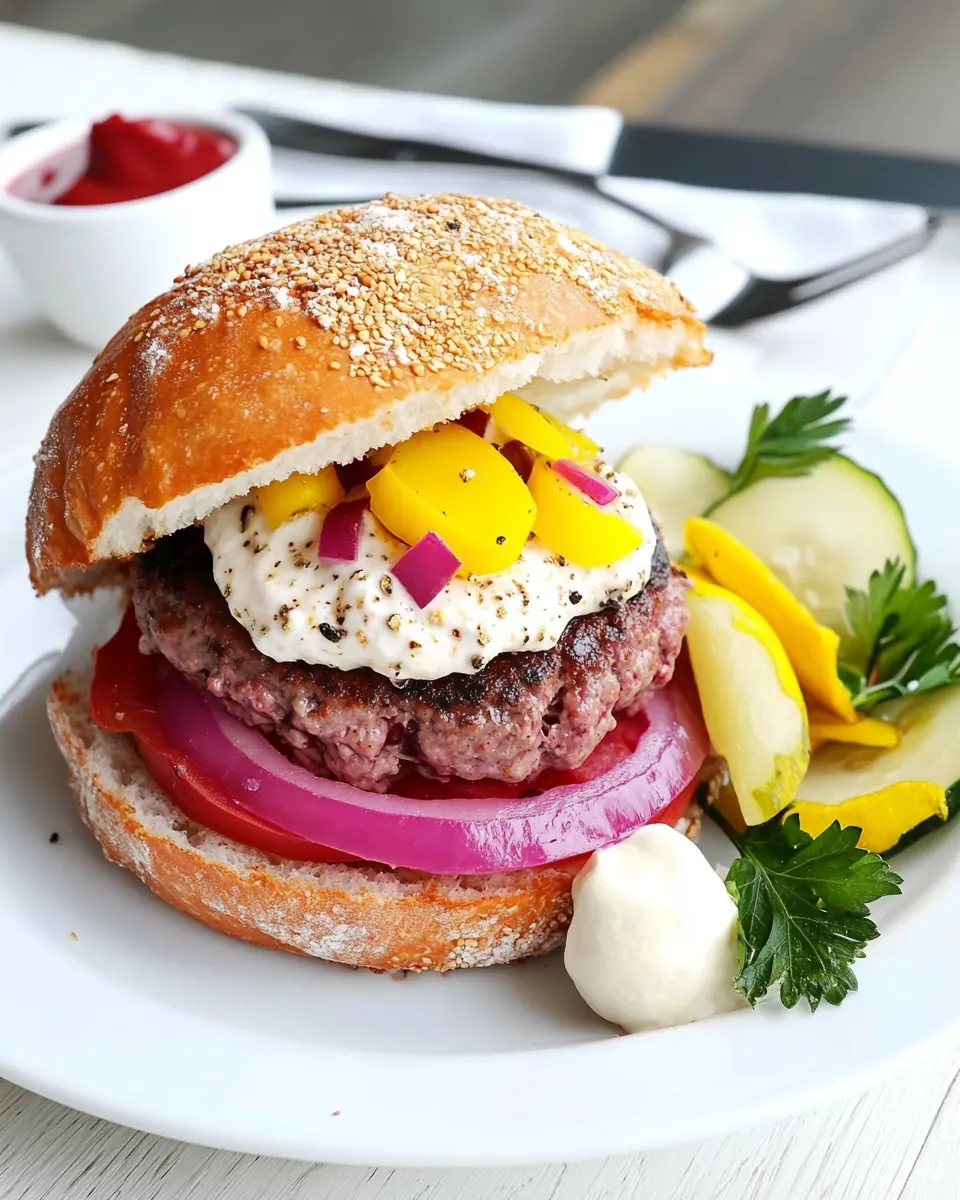
I like to approach the cooking as a series of sensory checkpoints, so the dish comes together smoothly. The steps below are conversational and detailed to help you replicate the smells and textures that signal success. Take your time with each stage and use the cues described to avoid common pitfalls.
- Cook the potatoes in salted water until soft.: Warm steam fills the kitchen as the potatoes simmer, and you should smell a mild earthy aroma rising. Use a fork to test tenderness, aiming for the fork to glide in without resistance, which ensures the mash will be lump free. Salting the water seasons the potatoes from the inside, improving overall flavor. A common mistake is undercooking, which results in a grainy mash; make sure to cut evenly sized chunks so they cook uniformly.
- Melt about 2 tablespoons of butter and fry the finely chopped onion until translucent. This should take about 3 minutes. Transfer the onion to a separate dish and then fry the beef cubes until nicely browned.: As the butter melts, it will hiss softly and the onion will release a sweet, savory scent. Stir frequently for even softening, aiming for a translucent, glossy look without brown edges. This gentle frying unlocks sugars that round the final taste. Avoid high heat which can scorch the onion and impart bitterness.
- Slice 5 slices from the beets and reserve the rest as they are for later.: The sound shifts to a satisfying sizzle as the pieces of canned corned beef hit the pan, releasing meaty aromas and caramelized notes. Browning enhances depth through the Maillard reaction, creating those craveable savory flavors. Keep your pan hot enough for color but not so hot that the exterior charred; overcrowding the pan can steam the meat instead of browning it.
- Turn off the heat, when the potatoes are done and drain away the water. Pour in the milk and mash thoroughly with a potato masher. The mash should be wet but make sure it doesn't turn out too runny, so adjust accordingly with some beef broth.: The vivid magenta of the pickled beetroot is a visual star, and slicing thinly keeps them tender and easy to plate. Reserving extra slices gives you garnish options and texture contrast. A slip of the knife can squash the slices, so use a steady hand or a mandoline for uniform pieces.
- Add the fried onion, chopped beets, corned beef, beet juice and season with salt and pepper.: After draining, return the drained potatoes to the warm pot to let excess moisture evaporate briefly, which prevents a watery mash. You will feel residual warmth and see steam rise, a cue that they are ready for mashing. Leaving water clinging to the potatoes is a frequent cause of a thin mash, so give them a moment to dry.
- Fry the eggs in 3 teaspoons of melted butter and season with salt and pepper to your liking.: As you add warm milk , the texture will transform, becoming silky and smooth under the masher. Aim for a slightly wet consistency but not runny, adjusting with beef broth if needed to maintain savory balance. Overworking while the potatoes are hot can make them gluey, so mash with gentle, confident strokes.
- Plate the labskaus onto 3 pre-heated plates by adding a mound of labskaus and an egg on top of each. Accompany with the pickled red beets, German pickles and rollmops and enjoy!: At this stage, aromas come together, and you will notice an interplay of sweet, salty, and tangy notes. Fold components evenly so you get a harmonious bite each time. Taste as you go to calibrate seasoning, since the corned beef and rollmops are briny and can push the salt level up if unchecked.
- Fry the eggs in 3 teaspoons of melted butter and season with salt and pepper to your liking.: The butter will foam gently and the eggs will sizzle, creating crisp edges and tender whites when cooked carefully. A softly set yolk lends a luxurious sauce when pierced over the mash, enriching each forkful. Cooking at too high a temperature risks rubbery whites, so keep the pan moderate and watch closely.
- Plate the labskaus onto 3 pre-heated plates by adding a mound of labskaus and an egg on top of each.: The heat of the plates helps keep the dish warm as you serve, and the presentation is rustic but intentional, with the golden egg perched atop the pink flecked mash. Garnish with the reserved pickled beetroot , German pickles, and rollmops for contrast. Assemble quickly to preserve warmth, as delays can cool the mash and affect texture.
- Accompany with the pickled red beets, German pickles and rollmops and enjoy!: The final impression is a chorus of flavors; the briny rollmops and crunchy gherkin punctuate the creamy mash, while the fried egg ties everything together. Encourage diners to break the yolk so it mingles into the mash, creating a silkier mouthfeel. A common misstep is over-salting at plating, so taste a small bite first before adding extra seasoning.
Making Adjustments
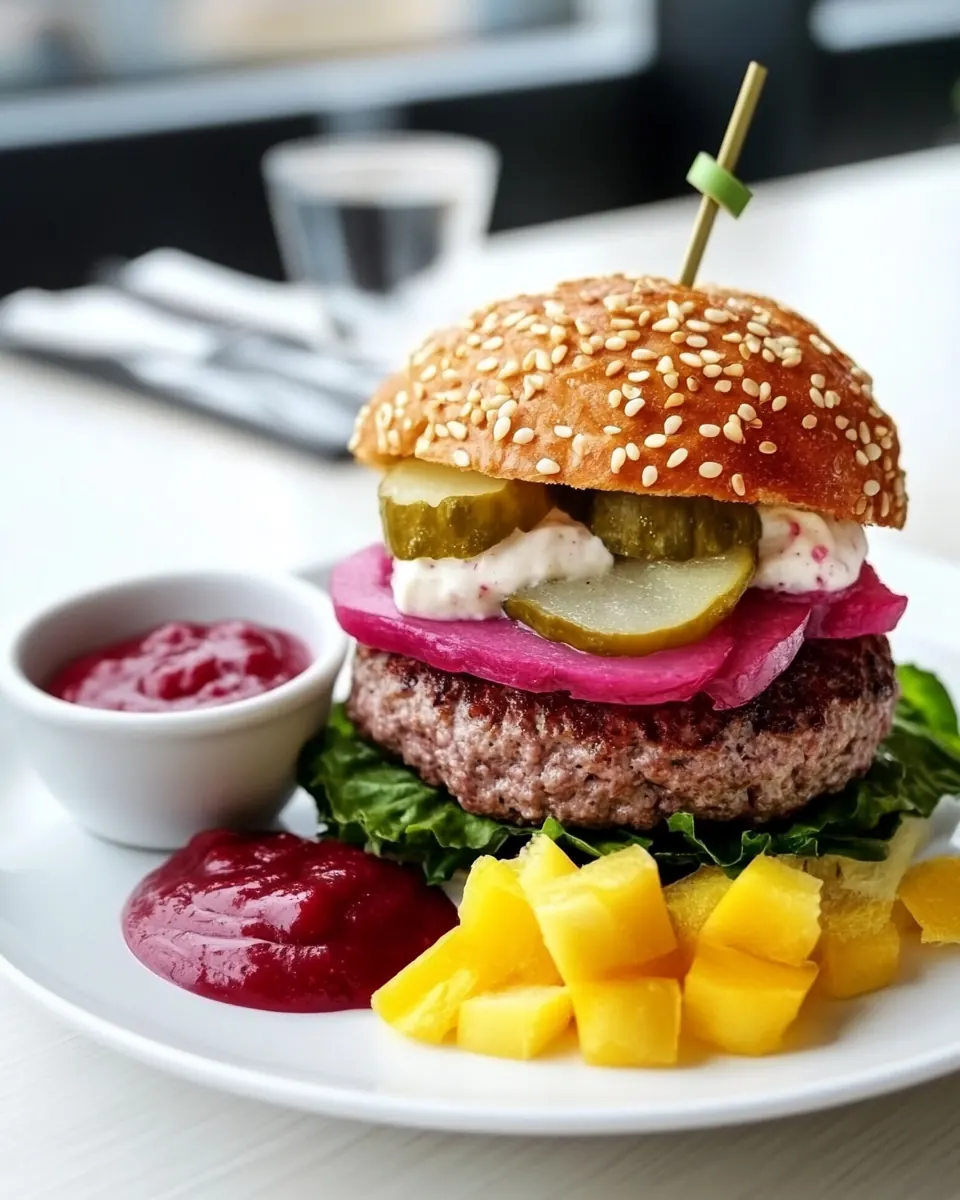
Small tweaks can dramatically change the final plate, so here are practical adjustments I use depending on mood and pantry. Each tip begins with a bold phrase to highlight the focus, followed by detailed guidance.
- Control salt carefully, taste as you mix since canned corned beef and rollmops bring salt; consider lower sodium broth if needed and adjust at the end.
- Adjust mash texture, add milk or beef broth a tablespoon at a time to find the balance between creamy and firm, stopping when the texture feels velvety but holds shape.
- Make it ahead, prepare the mash and fried onion earlier in the day and gently rewarm on the stove with a splash of milk to refresh the texture before serving.
- Enhance color, mix a little reserved pickled beetroot juice in the mash for a uniform rosy tint, adding more gradually to avoid overpowering acidity.
- Control egg doneness, use a moderate pan heat so the whites set while the yolks remain runny; cover briefly if you prefer slightly firmer yolks.
Perfect Pairings for Hamburger Labskaus
This dish pairs well with bright pickled accompaniments and simple sides that echo its rustic roots. Think casual meals, family dinners, or cold weather evenings when a warming plate is welcome. Below are detailed serving ideas, storage notes, and occasions to showcase the dish.
- Classic accompaniment, serve with extra pickled beetroot slices and rollmops to amplify the salty tang and provide textural contrast.
- Casual dinner, present as a hearty main for a weeknight meal, pairing with a crisp green salad to add freshness and balance the richness.
- Family gatherings, scale the recipe for sharing; place the mash in a communal bowl with bowls of pickles and eggs so guests can customize their plates.
- Cold weather comfort, this is an ideal winter meal because the warm, starchy mash and savory corned beef feel particularly satisfying on chilly nights.
- Storage tips, refrigerate leftovers in an airtight container for up to three days, and rewarm gently over low heat with a splash of milk or beef broth to restore creaminess.
- Serving style, preheat plates to keep the dish warm, and serve immediately after frying the eggs so the yolks remain runny and enhance the mash.
FAQ
Conclusion
What makes this recipe special is its ability to combine humble, pantry friendly ingredients into a dish with rich, layered flavor and satisfying texture. It balances creamy mashed potatoes with savory canned corned beef and bright, pickled accents for a memorable meal. Give it a try on a night when you want something cozy, straightforward, and full of character, and enjoy the comforting familiarity that emerges from each forkful.
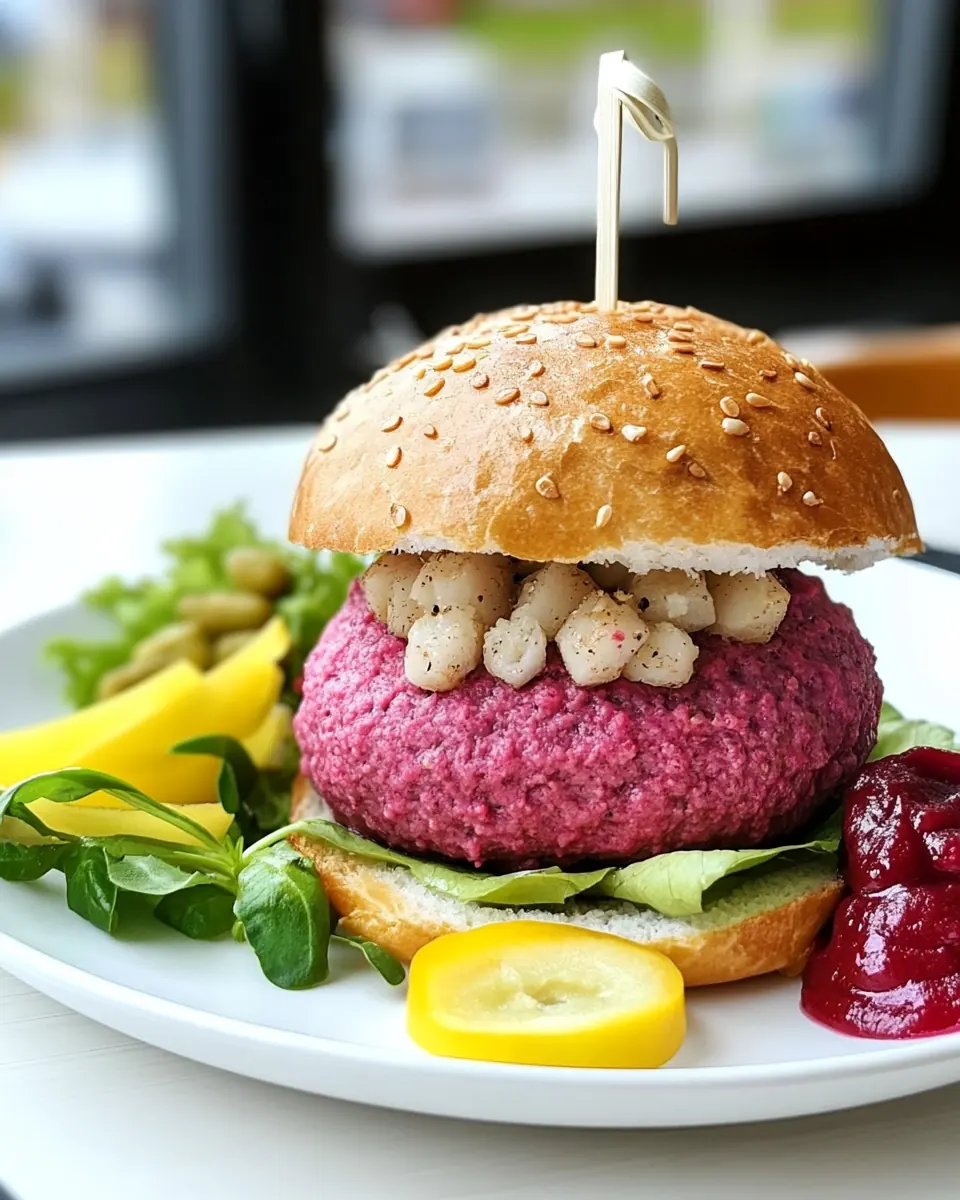
Hamburger Labskaus
Ingredients
Equipment
Method
- Cook the potatoes in salted water until soft.: Warm steam fills the kitchen as the potatoes simmer, and you should smell a mild earthy aroma rising. Use a fork to test tenderness, aiming for the fork to glide in without resistance, which ensures the mash will be lump free. Salting the water seasons the potatoes from the inside, improving overall flavor. A common mistake is undercooking, which results in a grainy mash; make sure to cut evenly sized chunks so they cook uniformly.
- Melt about 2 tablespoons of butter and fry the finely chopped onion until translucent. This should take about 3 minutes. Transfer the onion to a separate dish and then fry the beef cubes until nicely browned.: As the butter melts, it will hiss softly and the onion will release a sweet, savory scent. Stir frequently for even softening, aiming for a translucent, glossy look without brown edges. This gentle frying unlocks sugars that round the final taste. Avoid high heat which can scorch the onion and impart bitterness.
- Slice 5 slices from the beets and reserve the rest as they are for later.: The sound shifts to a satisfying sizzle as the pieces of canned corned beef hit the pan, releasing meaty aromas and caramelized notes. Browning enhances depth through the Maillard reaction, creating those craveable savory flavors. Keep your pan hot enough for color but not so hot that the exterior charred; overcrowding the pan can steam the meat instead of browning it.
- Turn off the heat, when the potatoes are done and drain away the water. Pour in the milk and mash thoroughly with a potato masher. The mash should be wet but make sure it doesn't turn out too runny, so adjust accordingly with some beef broth.: The vivid magenta of the pickled beetroot is a visual star, and slicing thinly keeps them tender and easy to plate. Reserving extra slices gives you garnish options and texture contrast. A slip of the knife can squash the slices, so use a steady hand or a mandoline for uniform pieces.
- Add the fried onion, chopped beets, corned beef, beet juice and season with salt and pepper.: After draining, return the drained potatoes to the warm pot to let excess moisture evaporate briefly, which prevents a watery mash. You will feel residual warmth and see steam rise, a cue that they are ready for mashing. Leaving water clinging to the potatoes is a frequent cause of a thin mash, so give them a moment to dry.
- Fry the eggs in 3 teaspoons of melted butter and season with salt and pepper to your liking.: As you add warm milk , the texture will transform, becoming silky and smooth under the masher. Aim for a slightly wet consistency but not runny, adjusting with beef broth if needed to maintain savory balance. Overworking while the potatoes are hot can make them gluey, so mash with gentle, confident strokes.
- Plate the labskaus onto 3 pre-heated plates by adding a mound of labskaus and an egg on top of each. Accompany with the pickled red beets, German pickles and rollmops and enjoy!: At this stage, aromas come together, and you will notice an interplay of sweet, salty, and tangy notes. Fold components evenly so you get a harmonious bite each time. Taste as you go to calibrate seasoning, since the corned beef and rollmops are briny and can push the salt level up if unchecked.
- Fry the eggs in 3 teaspoons of melted butter and season with salt and pepper to your liking.: The butter will foam gently and the eggs will sizzle, creating crisp edges and tender whites when cooked carefully. A softly set yolk lends a luxurious sauce when pierced over the mash, enriching each forkful. Cooking at too high a temperature risks rubbery whites, so keep the pan moderate and watch closely.
- Plate the labskaus onto 3 pre-heated plates by adding a mound of labskaus and an egg on top of each.: The heat of the plates helps keep the dish warm as you serve, and the presentation is rustic but intentional, with the golden egg perched atop the pink flecked mash. Garnish with the reserved pickled beetroot , German pickles, and rollmops for contrast. Assemble quickly to preserve warmth, as delays can cool the mash and affect texture.
- Accompany with the pickled red beets, German pickles and rollmops and enjoy!: The final impression is a chorus of flavors; the briny rollmops and crunchy gherkin punctuate the creamy mash, while the fried egg ties everything together. Encourage diners to break the yolk so it mingles into the mash, creating a silkier mouthfeel. A common misstep is over-salting at plating, so taste a small bite first before adding extra seasoning.
Notes
- Control salt carefully, taste as you mix since canned corned beef and rollmops bring salt; consider lower sodium broth if needed and adjust at the end.
- Adjust mash texture, add milk or beef broth a tablespoon at a time to find the balance between creamy and firm, stopping when the texture feels velvety but holds shape.
- Make it ahead, prepare the mash and fried onion earlier in the day and gently rewarm on the stove with a splash of milk to refresh the texture before serving.
- Enhance color, mix a little reserved pickled beetroot juice in the mash for a uniform rosy tint, adding more gradually to avoid overpowering acidity.
- Control egg doneness, use a moderate pan heat so the whites set while the yolks remain runny; cover briefly if you prefer slightly firmer yolks.