Cook the potatoes in salted water until soft.: Warm steam fills the kitchen as the potatoes simmer, and you should smell a mild earthy aroma rising. Use a fork to test tenderness, aiming for the fork to glide in without resistance, which ensures the mash will be lump free. Salting the water seasons the potatoes from the inside, improving overall flavor. A common mistake is undercooking, which results in a grainy mash; make sure to cut evenly sized chunks so they cook uniformly.
Melt about 2 tablespoons of butter and fry the finely chopped onion until translucent. This should take about 3 minutes. Transfer the onion to a separate dish and then fry the beef cubes until nicely browned.: As the butter melts, it will hiss softly and the onion will release a sweet, savory scent. Stir frequently for even softening, aiming for a translucent, glossy look without brown edges. This gentle frying unlocks sugars that round the final taste. Avoid high heat which can scorch the onion and impart bitterness.
Slice 5 slices from the beets and reserve the rest as they are for later.: The sound shifts to a satisfying sizzle as the pieces of canned corned beef hit the pan, releasing meaty aromas and caramelized notes. Browning enhances depth through the Maillard reaction, creating those craveable savory flavors. Keep your pan hot enough for color but not so hot that the exterior charred; overcrowding the pan can steam the meat instead of browning it.
Turn off the heat, when the potatoes are done and drain away the water. Pour in the milk and mash thoroughly with a potato masher. The mash should be wet but make sure it doesn't turn out too runny, so adjust accordingly with some beef broth.: The vivid magenta of the pickled beetroot is a visual star, and slicing thinly keeps them tender and easy to plate. Reserving extra slices gives you garnish options and texture contrast. A slip of the knife can squash the slices, so use a steady hand or a mandoline for uniform pieces.
Add the fried onion, chopped beets, corned beef, beet juice and season with salt and pepper.: After draining, return the drained potatoes to the warm pot to let excess moisture evaporate briefly, which prevents a watery mash. You will feel residual warmth and see steam rise, a cue that they are ready for mashing. Leaving water clinging to the potatoes is a frequent cause of a thin mash, so give them a moment to dry.
Fry the eggs in 3 teaspoons of melted butter and season with salt and pepper to your liking.: As you add warm milk , the texture will transform, becoming silky and smooth under the masher. Aim for a slightly wet consistency but not runny, adjusting with beef broth if needed to maintain savory balance. Overworking while the potatoes are hot can make them gluey, so mash with gentle, confident strokes.
Plate the labskaus onto 3 pre-heated plates by adding a mound of labskaus and an egg on top of each. Accompany with the pickled red beets, German pickles and rollmops and enjoy!: At this stage, aromas come together, and you will notice an interplay of sweet, salty, and tangy notes. Fold components evenly so you get a harmonious bite each time. Taste as you go to calibrate seasoning, since the corned beef and rollmops are briny and can push the salt level up if unchecked.
Fry the eggs in 3 teaspoons of melted butter and season with salt and pepper to your liking.: The butter will foam gently and the eggs will sizzle, creating crisp edges and tender whites when cooked carefully. A softly set yolk lends a luxurious sauce when pierced over the mash, enriching each forkful. Cooking at too high a temperature risks rubbery whites, so keep the pan moderate and watch closely.
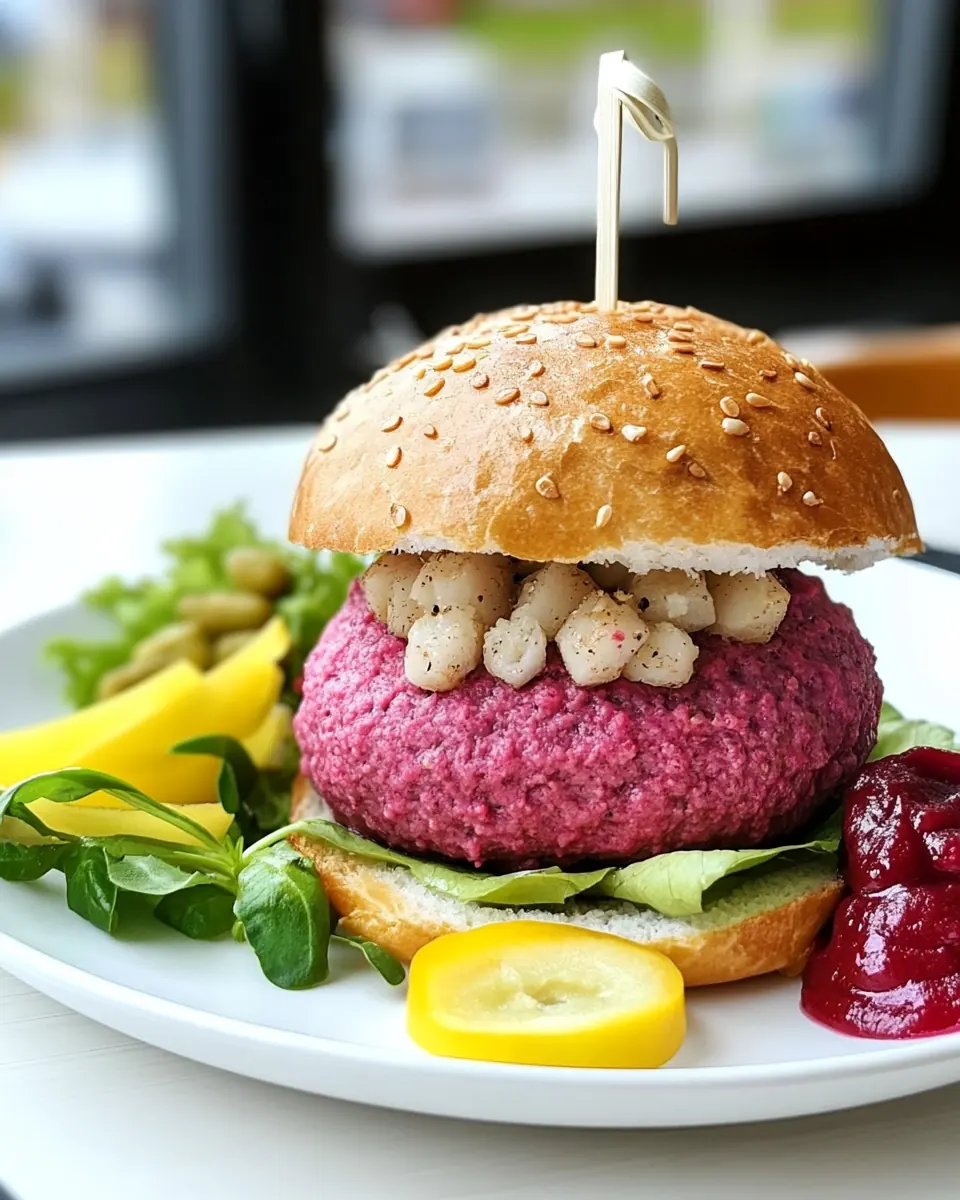
Plate the labskaus onto 3 pre-heated plates by adding a mound of labskaus and an egg on top of each.: The heat of the plates helps keep the dish warm as you serve, and the presentation is rustic but intentional, with the golden egg perched atop the pink flecked mash. Garnish with the reserved pickled beetroot , German pickles, and rollmops for contrast. Assemble quickly to preserve warmth, as delays can cool the mash and affect texture.
Accompany with the pickled red beets, German pickles and rollmops and enjoy!: The final impression is a chorus of flavors; the briny rollmops and crunchy gherkin punctuate the creamy mash, while the fried egg ties everything together. Encourage diners to break the yolk so it mingles into the mash, creating a silkier mouthfeel. A common misstep is over-salting at plating, so taste a small bite first before adding extra seasoning.