Easy Cheesy Rice
Easy Cheesy Rice has been my go to comfort bowl for fussy toddlers and rushed weeknights, a recipe I return to when I want something soothing, simple, and nourishing.
I first made Easy Cheesy Rice the week my eldest started solids and refused everything but soft textures. I remember standing over the stove, stirring a pot that smelled faintly of butter and warm grain, watching the rice turn glossy as the cheese melted in. That tiny moment of watching a picky eater take a tentative bite and then ask for more is what kept me refining this dish. Over time I learned little tricks like grating vegetables so they disappear into the rice, and using stock instead of plain water to deepen the flavor without adding salt for the kids.
When friends ask for a toddler friendly staple or a creamy side that doubles as a dinner, I hand them this recipe. It travels well to potlucks, freezes in single portions for grab and go meals, and stretches easily when you need to feed a small crowd. I love how flexible it is, because you can swap plant based milk or dairy alternatives and still end up with a comforting, creamy texture. For me, the real win is how this humble bowl feels both practical and a little indulgent, the kind of food you make when you want care in a single pot.
Recipe Snapshot
25 mins
10 mins
15 mins
Easy
250 kcal
American
Gluten-Free, Vegan
Side Dishes
Medium saucepan, Grater, Wooden spoon
The Best Thing About This Easy Cheesy Rice
Comforting Creaminess
I always reach for Easy Cheesy Rice when I want an instantly soothing dish. The combination of rice, milk, and cheddar cheese creates a velvety mouthfeel that warms from the inside out. I find it especially satisfying after a long day, because the textures are gentle and the finish is smooth without being heavy.
Kid Friendly but Grown Up Approved
One of the reasons I adore this recipe is how it bridges palates. The grated vegetables meld into the rice, adding nutrition without dramatic flavor shifts, so toddlers accept it easily. At the same time, adults can jazz it up at the table with a little extra seasoning for a more complex bite.
Speed and Simplicity
We all need recipes that respect limited time and tight attention spans. With a short cook time and straightforward steps, Easy Cheesy Rice fits into busy evenings. I value recipes where the technique is forgiving, and this one lets you rescue texture with a splash of extra milk if it tightens up.
Flexible Ingredients
I love how adaptable this recipe is. You can use different kinds of rice, swap in plant based milk, or change the melting cheese based on what you have. That kind of flexibility means it rarely fails me, whether I have pantry staples or a half packed fridge.
Make Ahead and Freeze Friendly
Finally, this dish stores and reheats beautifully. I often portion leftovers into small containers or silicone muffin trays for quick reheats. The texture returns nicely with a little warmth and a splash of milk, which makes it ideal for meal prep and small servings for toddlers.
What You’ll Need for Easy Cheesy Rice
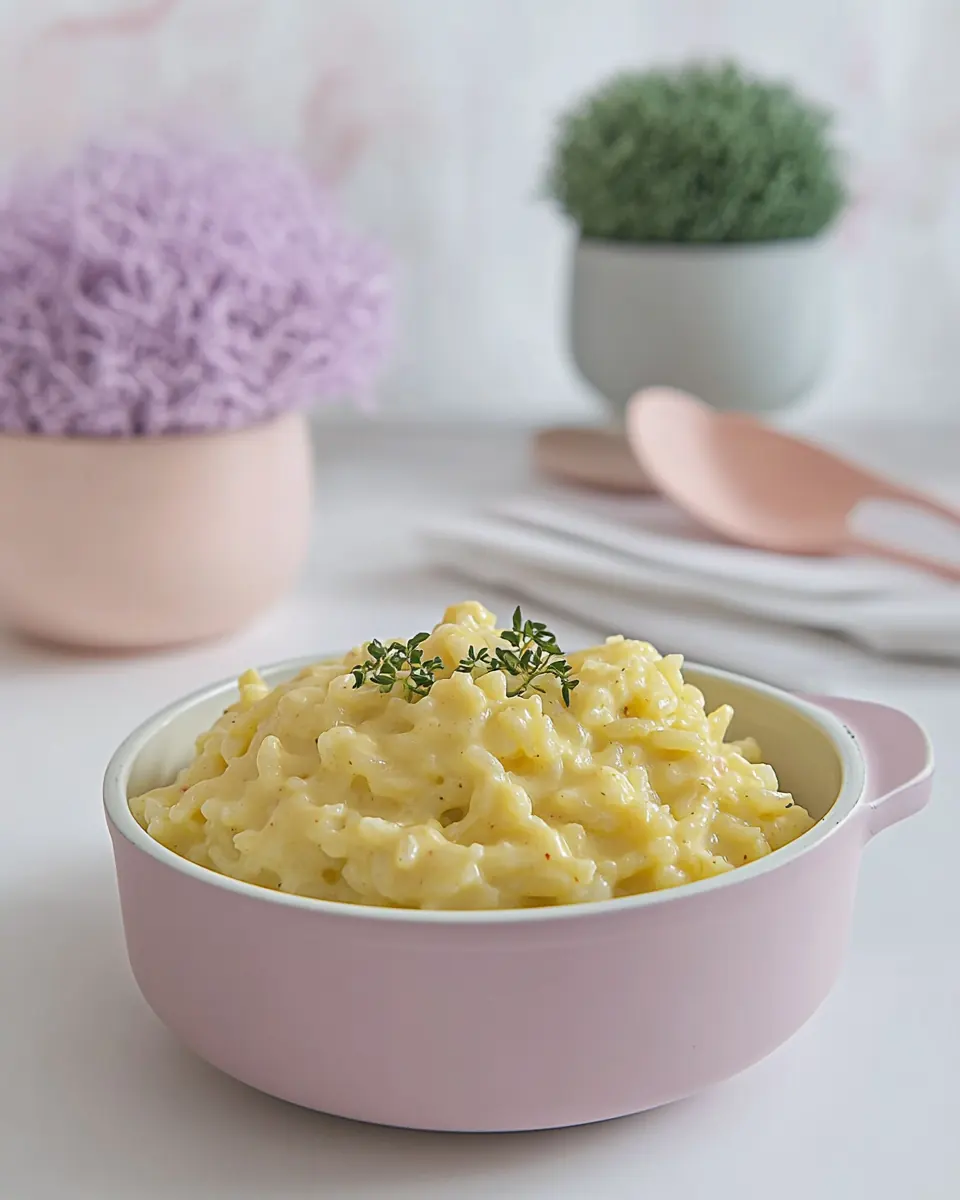
This ingredient list is intentionally short and thoughtfully balanced. Here the starch, dairy, and optional vegetables work together so the dish feels creamy, nutritious, and comforting. The stock builds background flavor while the cheese offers melt and richness. The grated vegetables provide texture and vitamins without altering the overall gentle profile, which is ideal for little eaters and busy adults alike.
- 1 cup white rice (uncooked) (short or medium grain): Provide a starchy base that absorbs liquid and becomes tender when cooked; use short or medium grain rice for a creamier, slightly sticky texture that pairs well with cheese. Rinse briefly to remove excess starch if desired, then simmer gently in stock until fully cooked.
- 2 cups stock/broth (low sodium): Add savory liquid to cook the rice and infuse flavor; choose low-sodium stock or broth to control salt levels and enhance overall taste. Warm the stock before adding to the rice for more even cooking and richer flavor development.
- 1/2 cup milk (full fat) (or plant based milk): Contribute creaminess and a richer mouthfeel to the finished dish; full-fat milk adds body and helps create a silky texture when combined with cheese. Stir in near the end of cooking to prevent curdling and to ensure smooth incorporation.
- 1 cup cheddar cheese (grated): Provide tangy, melty flavor that transforms the rice into a cheesy dish; grated cheddar melts evenly and brings depth and saltiness. Fold in off heat to maintain a glossy, creamy consistency and to avoid grainy separation.
- 1 tablespoon butter or oil: Offer richness and help prevent sticking while adding a subtle buttery flavor; use butter for classic taste or oil for a neutral option and dairy-free compatibility. Melt at the start or stir in near the end to enrich the rice and improve mouthfeel.
- 1/2 cup vegetables finely grated (zucchini, carrot, sweet potato, pumpkin, broccoli, cauliflower): Introduce moisture, subtle sweetness, and extra nutrients in finely grated form so they blend seamlessly into the rice; vegetables like zucchini, carrot, or sweet potato boost texture and color without overwhelming the dish. Squeeze out excess water from very juicy vegetables to avoid thinning the final mixture.
Cooking Instructions for Easy Cheesy Rice
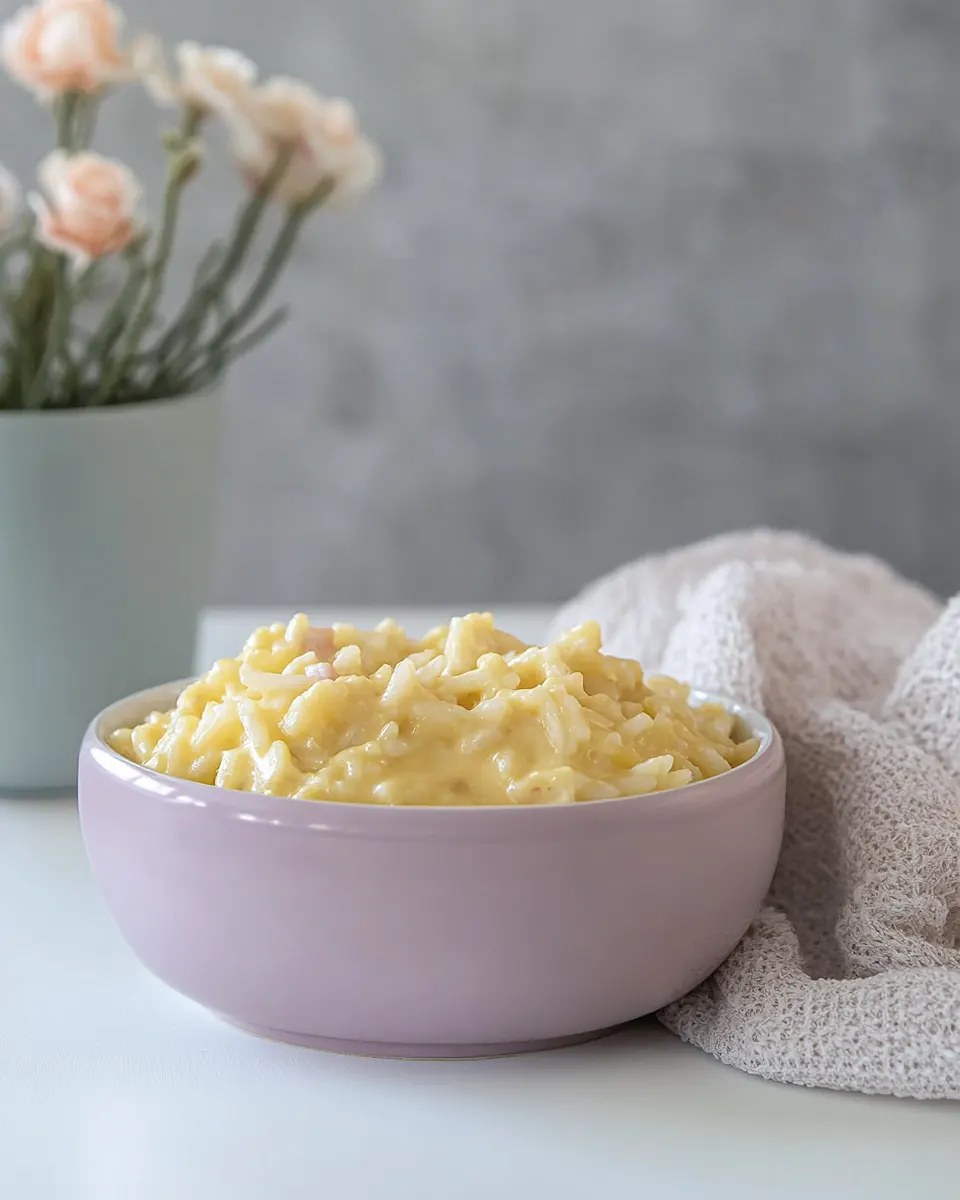
These instructions guide you through each stage with sensory cues and little troubleshooting notes I’ve learned over many batches. Read through once, then follow the sequence to achieve a creamy, comforting result. Keep a splash of extra milk nearby to adjust texture.
- Cook the rice In a medium saucepan, combine rice and water (or stock). Bring to a boil, then reduce heat to low. Cover and simmer on low for 12–15 minutes until the rice is tender and water is absorbed.: You should hear a gentle simmer, and soon the aroma of warmed stock will become noticeable. As the pot comes to a boil, watch for lively bubbling that then calms into smaller, steady simmering. This change means the heat is right for even cooking. If the pan is too hot the bottom will scorch, so lower the flame when the surface activity slows. A common mistake is lifting the lid too often, which lets steam escape and can leave grains undercooked; resist peeking until the indicated time has nearly passed.
- Add milk and butter Once the rice is cooked, stir in the milk and butter. Heat over low until warmed through.: The transition from vigorous boil to low simmer is auditory and visual the first few times you cook this way. Once you lower the heat, the surface will show occasional gentle bubbles rather than a rolling boil. This gentler simmer lets the grains absorb liquid gradually, yielding tender, intact kernels rather than a mushy mass. Avoid leaving the heat too high, otherwise the liquid will evaporate too quickly and the rice may stick to the pan.
- Stir in cheese Add the grated cheese and stir until melted and creamy. If it’s too thick, add a splash more milk.: You will know the rice is done when each grain is soft with a slight give and the pan’s surface looks dimpled rather than wet. The scent will shift toward a toasted grain note with a savory undercurrent from the stock . If you lift the lid and see that the rice is still firm but the liquid is gone, add a few tablespoons of hot water and continue cooking a bit longer. Overcooking will make the texture gluey, so begin checking at the lower end of the time range.
- Add extras (optional) Stir in any finely grated veggies or seasoning. Cook for another 1–2 minutes to soften.: After you uncover the pot, the steam will billow up warm and slightly sweet from the cooked rice . Stirring in the milk and butter softens the texture and introduces a luxurious sheen. You should see the surface become glossier and the grains more separated yet cohesive. If the mixture tightens, a small splash of additional milk will restore silkiness. A mistake here is adding cold milk straight from the fridge, which can cool the pot and delay melting; let it come near room temperature if possible.
- Serve warm Let cool slightly before serving to toddlers.: Keep the saucepan over a low flame so the dairy warms slowly without scorching. You want the heat to coax the butter into the grains and slightly thicken the milk, not to boil. Listen for a barely audible hiss of gentle simmering and watch for small, quick ripples at the edge. If the pot is too hot the dairy can separate, producing an oily surface rather than a creamy finish, so maintain low heat and stir frequently.
- Stir in cheese Add the grated cheese and stir until melted and creamy: When you add the grated cheddar cheese , the aroma becomes distinctly savory and inviting. The cheese will first soften, then melt into long, glossy ribbons before fully blending into the rice. Stir with a wooden spoon or silicone spatula to coax the cheese into every grain. If the texture seems too tight, add a splash more milk and keep stirring until the rice loosens. Avoid high heat which can make the cheese clump into oily pockets rather than integrating smoothly.
- If it’s too thick, add a splash more milk: A final adjustment is often necessary, and that extra splash of milk is your best friend. It will instantly loosen the texture and restore a creamy mouthfeel. The smell will become milkier and the rice surface will glisten again. Be careful not to add too much at once, as the rice will loosen quickly; add small amounts and taste as you go to achieve the perfect balance.
- Add extras (optional) Stir in any finely grated veggies or seasoning: As you fold in the grated vegetables , you’ll feel them vanish into the rice, creating tiny flecks of color and a faint vegetal sweetness. Cook them briefly with the hot rice so they soften, and the steam helps meld flavors. A common error is adding large, uneven pieces which remain chewy; grate finely for the best integration, especially for toddlers.
- Cook for another 1 to 2 minutes to soften: This short finishing step allows the grated vegetables to heat through and lose any raw edge. You should notice a subtle change in aroma as the veg sweetens and the mixture becomes uniformly warm. Overcooking at this stage can sap brightness, so stick to the brief minute or two and then remove from heat.
- Serve warm Let cool slightly before serving to toddlers: The final bowl will radiate gentle steam and have a glossy, cohesive surface. Letting it rest briefly reduces the risk of scalding little mouths and allows flavors to settle. If serving to adults, offer a little seasoning at the table. A common misstep is serving immediately when piping hot, so give it a few minutes to reach a safe temperature.
Making Adjustments
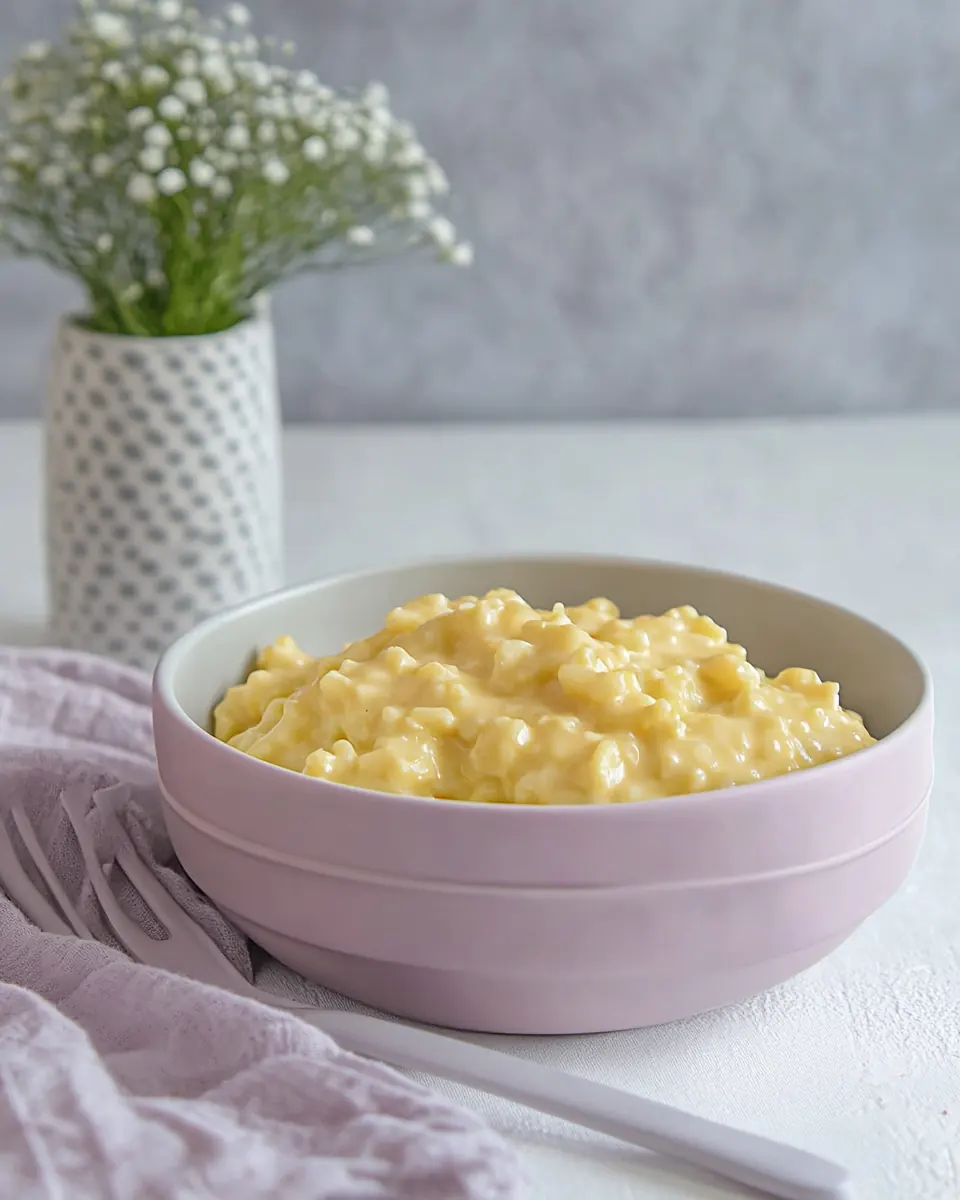
This section offers practical tweaks I use depending on what I have on hand or the eater’s age. Each tip starts with a bolded key phrase so you can scan quickly and find the right adjustment.
- Swap milk freely, use full fat dairy for the creamiest result, or choose oat or soy for a dairy free option. Each will alter mouthfeel slightly, but all maintain a smooth final texture when warmed gently.
- Vegetable embedding, finely grate zucchini or carrot to hide textures for picky toddlers; peel zucchini if green specks bother them, which I call naked zucchini to make it more appealing.
- Sauté for flavor, gently cook grated vegetables in the butter or oil before adding rice and stock to deepen sweetness and add complexity, especially useful if your stock is very mild.
- Freeze smartly, portion leftovers into silicone molds for single servings and reheat with a splash of warm milk, stirring to revive creaminess without drying out.
- Boost protein selectively, mix in mashed white beans or soft tofu for older toddlers to increase protein without adding strong flavors that might deter sensitive eaters.
- Cheese choices, swap cheddar for mozzarella or Colby if you prefer a milder melt, remembering that sharper cheeses will lend a bolder flavor profile that adults may enjoy more than children.
Serving Options for Easy Cheesy Rice
This recipe adapts to many settings and ages. Below are thoughtful serving ideas, storage notes, and occasions where Easy Cheesy Rice fits beautifully.
- Simple toddler bowl, serve warm in a small shallow dish so the texture is easy to scoop and cools quickly. Offer the plain version for little ones to enjoy the creamy mouthfeel.
- Family weeknight side, place the pot on the table and let adults season their portions at the table, which keeps toddler servings low in sodium while satisfying adult palates.
- Make ahead portions, freeze in silicone muffin trays for grab and go toddler sized meals, and reheat with a splash of warm milk to restore creaminess before serving.
- Occasions, perfect for cozy dinners, quick lunches, or as a nourishing addition during Ramadan if you need gentle, filling comfort after fasting.
- Seasonal pairings, in cooler months serve alongside roasted winter vegetables, while in warmer seasons keep it light with a simple salad for adults.
- Storage tips, refrigerate in an airtight container for up to three days, reheat gently on the stove with a tablespoon of warm milk to rejuvenate texture, do not overheat quickly which can dry it out.
- Serving sizes, this recipe yields toddler friendly portions, but can be scaled up for a family by multiplying ingredients proportionally; small reheats benefit from stirring in extra milk.
FAQ
Conclusion
This recipe’s gentle creaminess and flexible approach make it a dependable favorite for families and busy cooks alike. Give Easy Cheesy Rice a try when you need something both nourishing and quick, whether it is for a toddler’s dinner or a simple side at the table. I hope this bowl becomes one of your go to recipes, a small reliable comfort you turn to again and again when life needs something warm and easy.
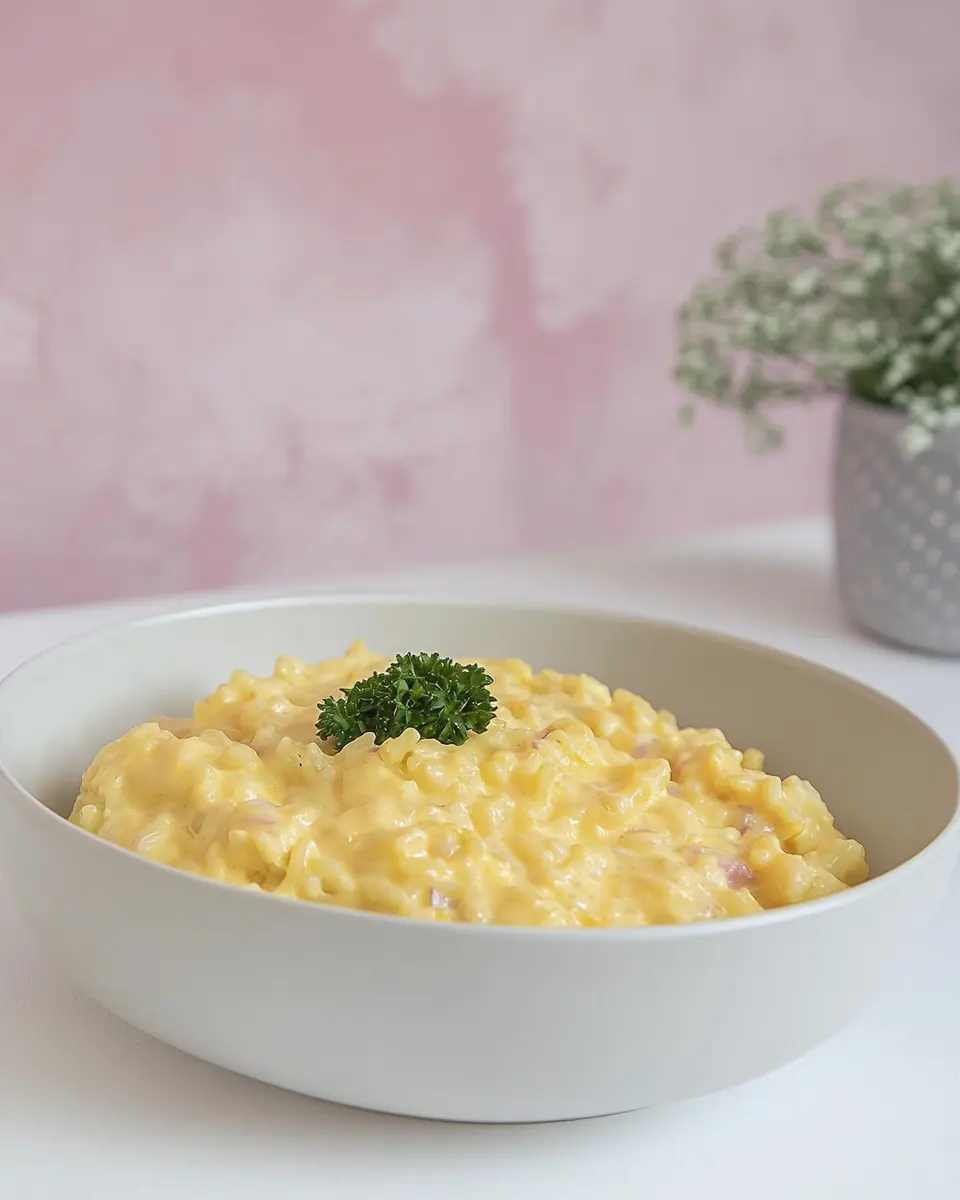
Easy Cheesy Rice
Ingredients
Equipment
Method
- Cook the rice In a medium saucepan, combine rice and water (or stock). Bring to a boil, then reduce heat to low. Cover and simmer on low for 12–15 minutes until the rice is tender and water is absorbed.: You should hear a gentle simmer, and soon the aroma of warmed stock will become noticeable. As the pot comes to a boil, watch for lively bubbling that then calms into smaller, steady simmering. This change means the heat is right for even cooking. If the pan is too hot the bottom will scorch, so lower the flame when the surface activity slows. A common mistake is lifting the lid too often, which lets steam escape and can leave grains undercooked; resist peeking until the indicated time has nearly passed.
- Add milk and butter Once the rice is cooked, stir in the milk and butter. Heat over low until warmed through.: The transition from vigorous boil to low simmer is auditory and visual the first few times you cook this way. Once you lower the heat, the surface will show occasional gentle bubbles rather than a rolling boil. This gentler simmer lets the grains absorb liquid gradually, yielding tender, intact kernels rather than a mushy mass. Avoid leaving the heat too high, otherwise the liquid will evaporate too quickly and the rice may stick to the pan.
- Stir in cheese Add the grated cheese and stir until melted and creamy. If it’s too thick, add a splash more milk.: You will know the rice is done when each grain is soft with a slight give and the pan’s surface looks dimpled rather than wet. The scent will shift toward a toasted grain note with a savory undercurrent from the stock . If you lift the lid and see that the rice is still firm but the liquid is gone, add a few tablespoons of hot water and continue cooking a bit longer. Overcooking will make the texture gluey, so begin checking at the lower end of the time range.
- Add extras (optional) Stir in any finely grated veggies or seasoning. Cook for another 1–2 minutes to soften.: After you uncover the pot, the steam will billow up warm and slightly sweet from the cooked rice . Stirring in the milk and butter softens the texture and introduces a luxurious sheen. You should see the surface become glossier and the grains more separated yet cohesive. If the mixture tightens, a small splash of additional milk will restore silkiness. A mistake here is adding cold milk straight from the fridge, which can cool the pot and delay melting; let it come near room temperature if possible.
- Serve warm Let cool slightly before serving to toddlers.: Keep the saucepan over a low flame so the dairy warms slowly without scorching. You want the heat to coax the butter into the grains and slightly thicken the milk, not to boil. Listen for a barely audible hiss of gentle simmering and watch for small, quick ripples at the edge. If the pot is too hot the dairy can separate, producing an oily surface rather than a creamy finish, so maintain low heat and stir frequently.
- Stir in cheese Add the grated cheese and stir until melted and creamy: When you add the grated cheddar cheese , the aroma becomes distinctly savory and inviting. The cheese will first soften, then melt into long, glossy ribbons before fully blending into the rice. Stir with a wooden spoon or silicone spatula to coax the cheese into every grain. If the texture seems too tight, add a splash more milk and keep stirring until the rice loosens. Avoid high heat which can make the cheese clump into oily pockets rather than integrating smoothly.
- If it’s too thick, add a splash more milk: A final adjustment is often necessary, and that extra splash of milk is your best friend. It will instantly loosen the texture and restore a creamy mouthfeel. The smell will become milkier and the rice surface will glisten again. Be careful not to add too much at once, as the rice will loosen quickly; add small amounts and taste as you go to achieve the perfect balance.
- Add extras (optional) Stir in any finely grated veggies or seasoning: As you fold in the grated vegetables , you’ll feel them vanish into the rice, creating tiny flecks of color and a faint vegetal sweetness. Cook them briefly with the hot rice so they soften, and the steam helps meld flavors. A common error is adding large, uneven pieces which remain chewy; grate finely for the best integration, especially for toddlers.
- Cook for another 1 to 2 minutes to soften: This short finishing step allows the grated vegetables to heat through and lose any raw edge. You should notice a subtle change in aroma as the veg sweetens and the mixture becomes uniformly warm. Overcooking at this stage can sap brightness, so stick to the brief minute or two and then remove from heat.
- Serve warm Let cool slightly before serving to toddlers: The final bowl will radiate gentle steam and have a glossy, cohesive surface. Letting it rest briefly reduces the risk of scalding little mouths and allows flavors to settle. If serving to adults, offer a little seasoning at the table. A common misstep is serving immediately when piping hot, so give it a few minutes to reach a safe temperature.
Notes
- Swap milk freely, use full fat dairy for the creamiest result, or choose oat or soy for a dairy free option. Each will alter mouthfeel slightly, but all maintain a smooth final texture when warmed gently.
- Vegetable embedding, finely grate zucchini or carrot to hide textures for picky toddlers; peel zucchini if green specks bother them, which I call naked zucchini to make it more appealing.
- Sauté for flavor, gently cook grated vegetables in the butter or oil before adding rice and stock to deepen sweetness and add complexity, especially useful if your stock is very mild.
- Freeze smartly, portion leftovers into silicone molds for single servings and reheat with a splash of warm milk, stirring to revive creaminess without drying out.
- Boost protein selectively, mix in mashed white beans or soft tofu for older toddlers to increase protein without adding strong flavors that might deter sensitive eaters.
- Cheese choices, swap cheddar for mozzarella or Colby if you prefer a milder melt, remembering that sharper cheeses will lend a bolder flavor profile that adults may enjoy more than children.