Roasted Rhubarb Scone Sandwiches with Vanilla Bean Glaze
Roasted Rhubarb Scone Sandwiches with Vanilla Bean Glaze became one of my favorite spring rituals the first time I tucked a warm, jammy wedge between two tender scone halves and drizzled it with glossy glaze. I remember the morning I roasted the rhubarb until it sighed and softened, the kitchen filling with a bright, tart aroma that cut through the sweetness, and how that contrast changed everything.
On a rainy afternoon, I baked a batch to cheer up a friend, and we lingered over coffee as the glazed scones cooled. The texture surprised us, tender and slightly flaky, not heavy like a dense biscuit. I loved how the lime zest lifted the rhubarb, making the filling sing, while the vanilla paste in the glaze added a warm, aromatic note that kept pulling us back for another bite.
Recipe Snapshot
40 mins
15 mins
25 mins
Easy
300 kcal
American
Gluten-Free, Low FODMAP
Desserts
Baking Sheet lined with parchment paper, chef knife, Medium bowls, Whisk, box grater
Why This Roasted Rhubarb Scone Sandwiches with Vanilla Bean Glaze Hits Different
Balanced Sweet and Tangy
I adore how Roasted Rhubarb Scone Sandwiches with Vanilla Bean Glaze pairs the bright tartness of rhubarb with a sweet, silky glaze. The roasting concentrates flavor, so you get deep fruitiness without overwhelming sugar. For me, that balance is the whole point, it keeps the scones lively instead of cloying.
Textural Contrast
The tender crumb of the all purpose flour and butter enriched dough contrasted with the soft, jammy filling makes every bite interesting. I like that the scone exterior gets a gentle golden top while the center stays delicate, which makes the sandwich format especially satisfying.
Simple Techniques, Big Flavor
This recipe relies on basic tools and a few clear moves, but the result tastes like something you might find at a neighborhood bakery. I love how grating cold butter into the flour and chilling the dough creates little pockets that melt during baking, giving lift and flakiness without fuss.
Spring Forward with Seasonal Produce
When rhubarb shows up in spring, these scones feel timely. Roasting the rhubarb with lime zest and a little sugar pulls out its best qualities, and that short, concentrated process preserves freshness and brightness in a way stewing cannot.
Versatile as Breakfast or Treat
I often serve Roasted Rhubarb Scone Sandwiches with Vanilla Bean Glaze for brunch or as an afternoon pick me up. They travel well, and the glaze keeps them feeling special. For me, they strike a sweet spot between approachable home baking and something a bit celebratory.
What Goes Into Roasted Rhubarb Scone Sandwiches with Vanilla Bean Glaze
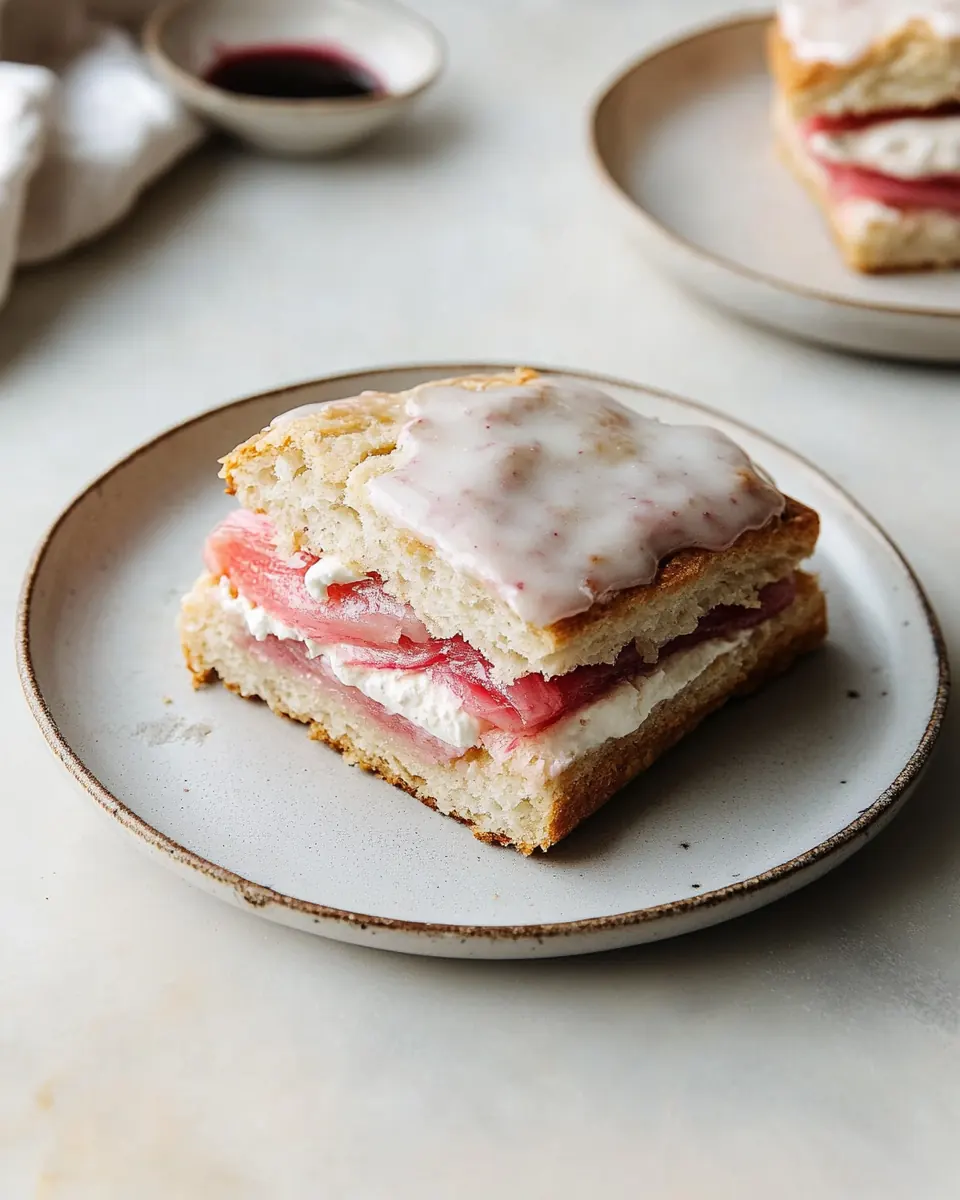
These ingredients are chosen to create a scone that’s both tender and structured, with a bright fruit filling and a glossy, aromatic glaze. The key players are the rhubarb for its tartness, the all purpose flour and cold butter for structure and flakiness, and the buttermilk to provide gentle acidity that reacts with the baking soda for lift. The glaze pulls everything together with silky sweetness and vanilla warmth.
- 2 cups diced rhubarb: Add to the filling to provide bright, tart flavor and a soft, cooked texture after roasting; diced for even roasting and balanced sweetness when combined with sugar. Roast until tender to concentrate flavors and avoid excess moisture in the scone assembly.
- 1/4 cup white granulated sugar: Sprinkle into the rhubarb before roasting to balance acidity and create a pleasant sweet-tart profile; dissolves and caramelizes slightly during cooking. Use measured sweetness to avoid overpowering the lime and rhubarb natural tang.
- Zest from 1 lime and juice from 1/2 lime: Zest to introduce fragrant citrus oils and juice to add acidity and brightness that accentuates the rhubarb; lime zest provides aromatic lift while the juice helps balance sweetness. Add juice sparingly to avoid making the mixture too wet for roasting.
- Pinch of salt: Include in the roasting mix to subtly enhance overall flavor by rounding out sweetness and accentuating the fruit; pinch-sized amount prevents the mixture from tasting flat. Salt also helps highlight natural rhubarb complexity without detectable saltiness.
- 3 cups all-purpose flour: Sift and measure as the structural base for the scones, providing gluten and bulk to create tender crumb; combine with leaveners and salt for proper rise. Handle gently when mixing to avoid over-developing gluten for flaky scones.
- 3 tablespoons white granulated sugar: Stir into the dry ingredients to add moderate sweetness to the dough and help brown the scone exterior during baking. Use the smaller sugar amount here to complement the rhubarb filling without making the scones overly sweet.
- 1 teaspoon baking soda: Whisk into the flour mixture to act as a leavening agent, producing lift and lightness in the scone crumb when it reacts during baking. Ensure even distribution with the dry ingredients to prevent uneven rising.
- 1/2 teaspoon sea salt: Blend into the dry mixture to season and strengthen flavor balance while controlling the dough's taste; works with baking soda to regulate rise and flavor. Measure accurately to avoid overly salty scones.
- 4 tablespoons unsalted butter, cold: Cut into the flour to create flaky layers and tender texture by coating flour particles with cold fat; small pieces of cold butter melt during baking to produce steam and lift. Keep butter cold and distribute evenly for optimal flakiness.
- 1 cup buttermilk, plus more for brushing the scones: Stir into the dough as the primary liquid to hydrate dry ingredients, react with leaveners, and contribute tangy tenderizing acidity for a soft crumb. Reserve extra for brushing to promote browning and a slightly glossy finish.
- 2 1/2 cups powdered sugar, sifted: Sift into the glaze mixture to create a smooth, lump-free icing that thickens and sweetens while carrying flavor. Sifting ensures a silky texture that can be thinned to the desired consistency with cream or buttermilk.
- 2 to 3 tablespoons heavy cream or buttermilk: Whisk in gradually to adjust glaze consistency and achieve a spreadable yet pipeable texture; adds richness and can slightly mellow the glaze sweetness. Choose amount based on desired thickness for sandwich application.
- 1 teaspoon vanilla paste: Stir into the glaze to impart warm, concentrated vanilla flavor without seeds falling through; paste provides both aroma and subtle flecks. Incorporate fully for consistent vanilla presence across the glaze.
- Teeny of salt: Sprinkle a very small pinch into the glaze to enhance flavor depth and balance sweetness; a teeny amount intensifies other flavors without making the glaze taste salty. Use sparingly to avoid altering glaze texture or sweetness.
Directions for Roasted Rhubarb Scone Sandwiches with Vanilla Bean Glaze
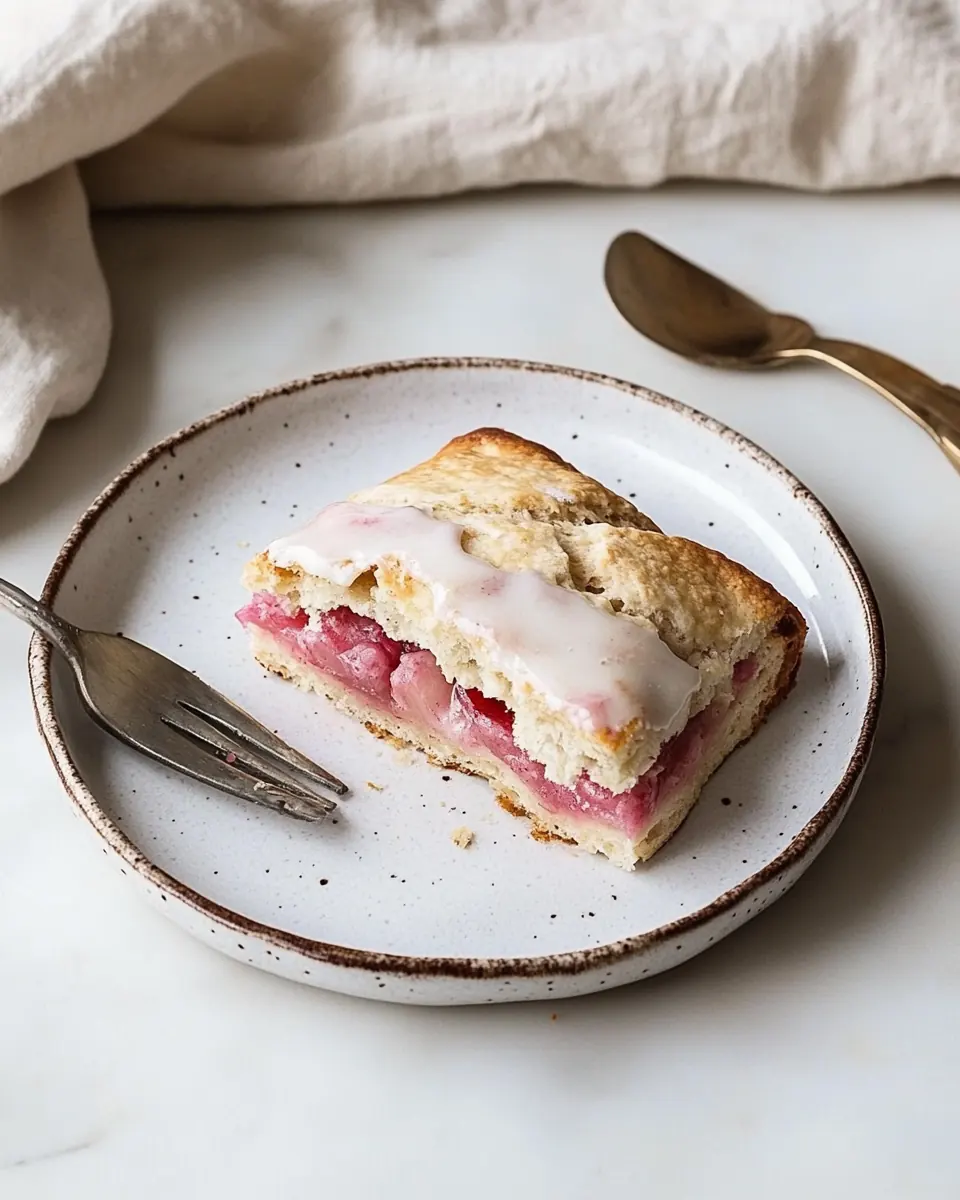
These directions will walk you step by step through roasting the filling, assembling a thin, tender scone dough, and finishing with a smooth vanilla glaze. Take your time with texture and temperature, and you will be rewarded with bakery worthy scone sandwiches.
- Preheat the oven to 425 degrees F. Line a baking sheet with parchment paper. Toss the rhubarb, sugar, lime zest and juice and salt together and then transfer to the oven to bake for 10 minutes, until the rhubarb has softened and starts to release its juices. Set aside to cool.: The air fills with an immediate, bright heat that helps the rhubarb soften quickly, releasing its juices. As it roasts the scent becomes a lively tart perfume, and you should see the pieces start to collapse and gloss. If the oven is not fully preheated the rhubarb will steam rather than roast, yielding less concentrated flavor. Avoid overcrowding the pan so the pieces brown rather than steam.
- In a medium bowl, whisk together the flour, sugar, baking soda and salt. Using a box grater, grate the butter atop the flour mixture and transfer to the freezer to chill for 5 minutes. Remove from the freezer and toss the butter with the flour until it’s evenly coated. Mix the butter throughout the flour, pressing the butter into the flour using your fingers.: The parchment prevents sticking and makes cleanup effortless, while ensuring the roasted rhubarb caramelizes at the edges. You will notice tiny browned bits where sugars have started to concentrate, which add to the complexity of the filling. Skipping parchment can lead to sticky bakeware and lost jammy bits; use it for best results.
- Create a well in the center of the flour mixture and pour in the buttermilk. Mix until it comes together. Dump out onto a lightly floured work surface and knead until it comes together (about 3 to 4 times). Press into a rectangle that’s about 1/4-inch thick (so much thinner than a normal scone). Spoon the rhubarb filling onto one half of the rectangle. Fold the dough over the rhubarb filling and trim the edges of the big rectangle. Cut 5 to 6 scones and transfer them to the prepared sheet pan. Transfer to the freezer to chill for 15 minutes.: Roasting transforms the texture from fibrous and stiff to soft and glossy, and the smell becomes vibrant with a pleasant tartness. Look for softened pieces and a syrupy pool of juice around them, that is your cue. If it is still raw, give it a couple more minutes; over roasting can make everything too mushy, so watch closely.
- Meanwhile, preheat your oven to 400 degrees F. Brush the scones with buttermilk and transfer to the oven to bake for 12 to 15 minutes, until the tops are medium-golden brown and the scones have risen. Remove and allow to cool.: Cooling lets the juices thicken slightly, concentrating flavor and preventing the dough from getting soggy when assembled. The filling becomes more cohesive and easier to spoon onto the dough. If you try to assemble while the filling is hot it will make the dough wet and difficult to handle, so be patient and let it come down to near room temperature.
- Whisk together the powdered sugar, heavy cream or buttermilk, vanilla bean paste and salt. Whisk until smooth, thick and barely pourable. This is a bit of a touch and go sort of recipe so if it’s too thick, add a teaspoon of liquid and if it’s too thin, add a few tablespoons of powdered sugar.: The dry mix should smell faintly of baking soda and salt and look evenly blended, which ensures uniform rise and seasoning. Whisking aerates the flour slightly, making a lighter dough. If you skip this step, you risk pockets of leavening that create uneven texture in the scones.
- Pour the glaze over the scones and serve.: Grating cold butter creates small shards that stay cold and discrete in the flour, which helps produce flakiness when baking. After chilling the texture should feel craggier, and the butter will be firm to the touch. If the butter softens at any point, return it to the freezer; warm butter will blend too thoroughly and lose the desired pockets.
- Remove from the freezer and toss the butter with the flour until it’s evenly coated: The flour should cling to the butter bits, creating a pebbled texture that looks almost like coarse crumbs. This coating helps the butter remain insulated so it steams during baking, adding lift. Overworking here can warm the butter, so use a light touch and stop once the coating is even.
- Mix the butter throughout the flour pressing the butter into the flour using your fingers: This tactile step ensures the butter is distributed while still remaining in small lumps. The dough should feel cool and slightly shaggy when you are done. The main mistake is pressing too much so the dough becomes uniform, losing those pockets that create a tender flaky crumb.
- Create a well in the center of the flour mixture and pour in the buttermilk: Pouring into a well helps bring the dough together with minimal handling, preserving the layered texture. You will see the mixture begin to cohere as you fold from the edges toward the center. If you add too much liquid, the dough will be sticky; add gradually and stop when the dough just comes together.
- Mix until it comes together: The dough should hold when pressed but still be slightly shaggy, not smooth like cookie dough. This somewhat rough texture yields tender scones once baked. Over mixing develops gluten and results in tough scones, so be gentle and deliberate.
- Dump out onto a lightly floured work surface and knead until it comes together about 3 to 4 times: A few turns bring the dough into a cohesive mass while keeping it airy, and you will feel the dough relax and smooth slightly. The surface will show faint seams where it came together, which is fine. Kneading excessively will toughen the final scones, so stop as soon as it holds.
- Press into a rectangle that’s about 1/4 inch thick so much thinner than a normal scone: Making a thin rectangle ensures the scones bake quickly and become sandwich ready, with a tender interior that pairs well with the filling. The thinness allows the rhubarb to sit inside without overwhelming the pastry. If the dough is too thick you lose the sandwich effect and risk undercooked centers.
- Spoon the rhubarb filling onto one half of the rectangle: The cooled filling should be glossy and spoonable, and as you spread it you will hear a slight tack as the juices meet the dough, signaling the right consistency. Leave a small border so the filling does not leak during baking. If the filling is too runny, chill it a bit longer; too dry and it will not meld with the dough.
- Fold the dough over the rhubarb filling and trim the edges of the big rectangle: Folding creates layers with the filling nested inside, and trimming gives neat edges that bake more evenly. You should see a seam and a tidy rectangle to cut from. Avoid over handling which can cause filling to squeeze out and make the dough tough.
- Cut 5 to 6 scones and transfer them to the prepared sheet pan: As you cut, press with a sharp edge to maintain clean lines, which helps the scones rise evenly. The surface should look slightly floured and neat. Dull cutters or sawing motions compress the dough and prevent proper lift, so use a steady, clean motion.
- Transfer to the freezer to chill for 15 minutes: Chilling firms the butter again and relaxes the dough, leading to a flakier rise and minimal spreading. You will notice the dough feel colder and more solid after chilling, which is ideal. Skipping this rest increases the chance of a flat, dense scone.
- Meanwhile preheat your oven to 400 degrees F: Preheating ensures the scones hit hot air immediately, promoting steam and lift from the cold butter pockets. You should feel the oven heat radiate when you open the door, and a steady temperature yields even browning. A cooler oven will extend bake time and change texture, so confirm the temperature with an oven thermometer if unsure.
- Brush the scones with buttermilk and transfer to the oven to bake for 12 to 15 minutes until the tops are medium-golden brown and the scones have risen: Brushing with buttermilk gives a soft, golden sheen and a slightly tangy crust. Listen for a quiet settling as they rise and check for medium gold on top, that is your visual cue. If tops brown too quickly, tent lightly with foil to finish baking without burning.
- Remove and allow to cool: Cooling stabilizes the crumb and prevents the glaze from melting into the scone. The scent will shift from hot baked dough to warm pastry, and the centers will set as they cool. Glazing too soon will cause the glaze to thin and run, so let them reach near room temperature first.
- Whisk together the powdered sugar heavy cream or buttermilk vanilla bean paste and salt: The glaze should be smooth and glossy with tiny flecks from the vanilla paste, and you will notice it thicken as the powdered sugar hydrates. Adjust the liquid to reach a barely pourable consistency that clings to the scones. If the glaze is lumpy, sift the powdered sugar and whisk vigorously to incorporate air and remove clumps.
- Whisk until smooth thick and barely pourable: The right texture is crucial it should drizzle in a slow ribbon and hold slightly on the surface. Sensory cues here include a satiny sheen and a light vanilla aroma. If it feels too runny it will slide off the scones, so thicken with more powdered sugar a tablespoon at a time.
- Pour the glaze over the scones and serve: The glaze should create glossy ribbons that settle and set slightly, and the contrast of warm scone and cool glaze is delightful. Serve on a platter where you can admire the shine, and enjoy immediately or within a day for best texture. If stored stacked while warm the glaze can stick, so cool fully before stacking in an airtight container.
Helpful Notes about Roasted Rhubarb Scone Sandwiches with Vanilla Bean Glaze
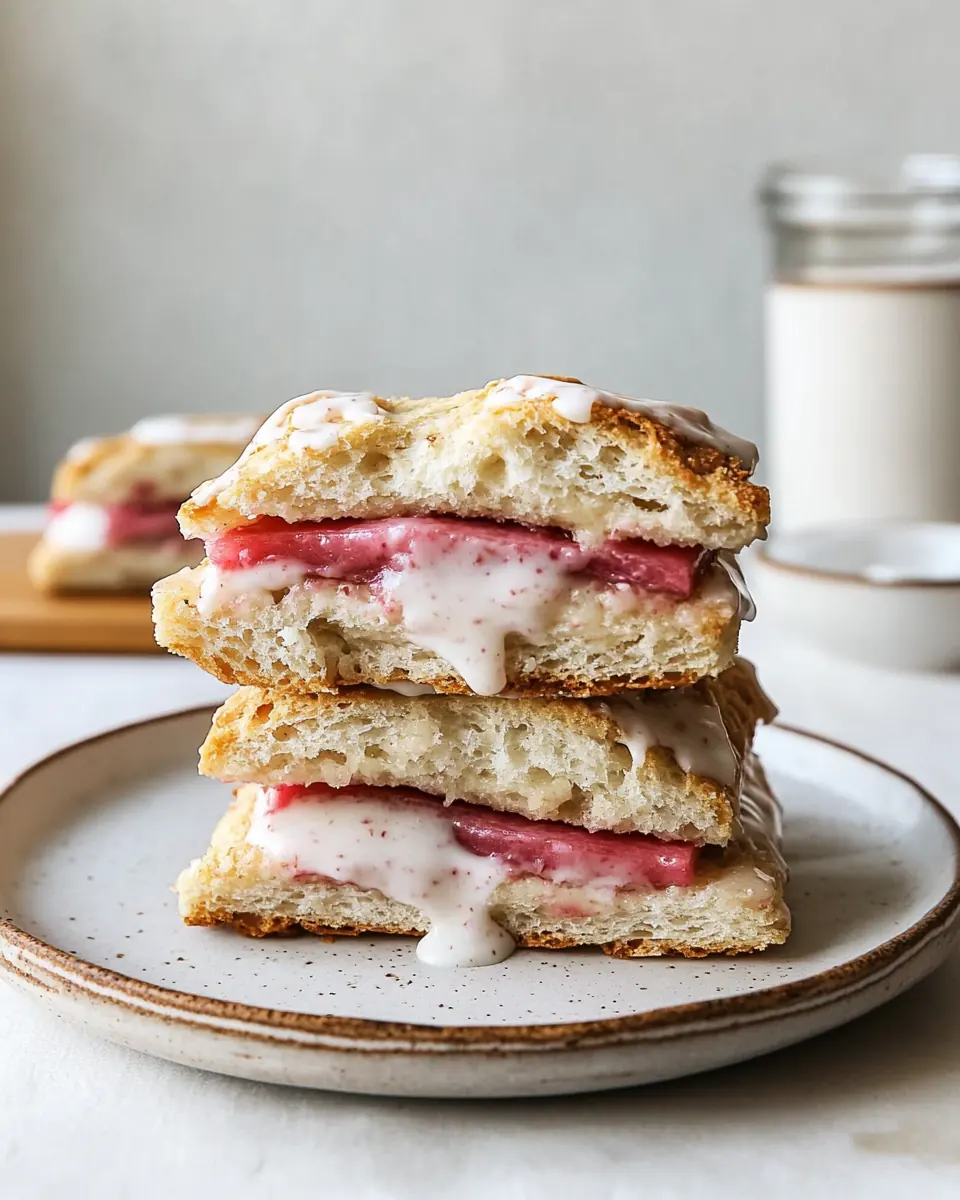
These tips will help you get consistent results and troubleshoot common issues. I share them from years of baking batches for friends, markets, and cozy brunches, so they reflect what actually makes a difference in the final scones.
- Measure the flour properly, spoon it into the cup and level off with a straight edge to avoid a heavy dry dough that resists tender crumb formation.
- Keep the butter cold by grating and briefly chilling it so those butter pockets remain distinct, producing flakiness as they steam in the oven.
- Chill between steps, especially after assembling and cutting, to ensure the scones bake tall instead of spreading flat across the pan.
- Control the filling moisture by allowing roasted rhubarb to cool and drain slightly; too wet a filling will make the dough soggy during baking.
- Adjust glaze viscosity gradually, adding one teaspoon of liquid at a time until it is barely pourable, so you do not over thin the glaze.
Side Dish Ideas for Roasted Rhubarb Scone Sandwiches with Vanilla Bean Glaze
These scone sandwiches work well across occasions and pair beautifully with simple complements. Below are serving ideas, seasonal pairings, and storage guidance to make the most of your batch.
- Breakfast spread: Serve alongside a pot of coffee, a fruit salad of sliced strawberries and oranges, and plain yogurt for a spring brunch that balances tart and creamy elements.
- Afternoon tea: Present with tea sandwiches, a small bowl of fresh berries, and a selection of herbal teas for a light and elegant service where the scones remain the star.
- Picnic friendly: Pack the scone sandwiches in a single layer in an airtight container with parchment between layers; they travel well for an outdoor spring outing.
- Seasonal pairing: In spring serve with other rhubarb or citrus-forward items, like a lime shortbread or a rhubarb compote, to echo the bright notes in the filling.
- Storage tips: Keep glazed scones in an airtight container at room temperature for up to two days, or refrigerate up to four days. Reheat briefly in a low oven if you prefer them warm before serving.
- Occasion ideas: These are lovely for Mother’s Day brunch, a springtime bridal shower, or as a weekend treat when rhubarb is at its peak and you want something special but not fussy.
FAQ
Conclusion
These scone sandwiches are special because they combine bright roasted rhubarb with a tender, flaky scone and a silky vanilla glaze for layered flavor and texture. I encourage you to try them when rhubarb is in season, because the freshness really elevates the profile and makes the baking worth it. They are forgiving, yet rewarding, perfect for a weekend breakfast or a small gathering when you want something memorable but not fussy.

Roasted Rhubarb Scone Sandwiches with Vanilla Bean Glaze
Ingredients
Equipment
Method
- Preheat the oven to 425 degrees F. Line a baking sheet with parchment paper. Toss the rhubarb, sugar, lime zest and juice and salt together and then transfer to the oven to bake for 10 minutes, until the rhubarb has softened and starts to release its juices. Set aside to cool.: The air fills with an immediate, bright heat that helps the rhubarb soften quickly, releasing its juices. As it roasts the scent becomes a lively tart perfume, and you should see the pieces start to collapse and gloss. If the oven is not fully preheated the rhubarb will steam rather than roast, yielding less concentrated flavor. Avoid overcrowding the pan so the pieces brown rather than steam.
- In a medium bowl, whisk together the flour, sugar, baking soda and salt. Using a box grater, grate the butter atop the flour mixture and transfer to the freezer to chill for 5 minutes. Remove from the freezer and toss the butter with the flour until it’s evenly coated. Mix the butter throughout the flour, pressing the butter into the flour using your fingers.: The parchment prevents sticking and makes cleanup effortless, while ensuring the roasted rhubarb caramelizes at the edges. You will notice tiny browned bits where sugars have started to concentrate, which add to the complexity of the filling. Skipping parchment can lead to sticky bakeware and lost jammy bits; use it for best results.
- Create a well in the center of the flour mixture and pour in the buttermilk. Mix until it comes together. Dump out onto a lightly floured work surface and knead until it comes together (about 3 to 4 times). Press into a rectangle that’s about 1/4-inch thick (so much thinner than a normal scone). Spoon the rhubarb filling onto one half of the rectangle. Fold the dough over the rhubarb filling and trim the edges of the big rectangle. Cut 5 to 6 scones and transfer them to the prepared sheet pan. Transfer to the freezer to chill for 15 minutes.: Roasting transforms the texture from fibrous and stiff to soft and glossy, and the smell becomes vibrant with a pleasant tartness. Look for softened pieces and a syrupy pool of juice around them, that is your cue. If it is still raw, give it a couple more minutes; over roasting can make everything too mushy, so watch closely.
- Meanwhile, preheat your oven to 400 degrees F. Brush the scones with buttermilk and transfer to the oven to bake for 12 to 15 minutes, until the tops are medium-golden brown and the scones have risen. Remove and allow to cool.: Cooling lets the juices thicken slightly, concentrating flavor and preventing the dough from getting soggy when assembled. The filling becomes more cohesive and easier to spoon onto the dough. If you try to assemble while the filling is hot it will make the dough wet and difficult to handle, so be patient and let it come down to near room temperature.
- Whisk together the powdered sugar, heavy cream or buttermilk, vanilla bean paste and salt. Whisk until smooth, thick and barely pourable. This is a bit of a touch and go sort of recipe so if it’s too thick, add a teaspoon of liquid and if it’s too thin, add a few tablespoons of powdered sugar.: The dry mix should smell faintly of baking soda and salt and look evenly blended, which ensures uniform rise and seasoning. Whisking aerates the flour slightly, making a lighter dough. If you skip this step, you risk pockets of leavening that create uneven texture in the scones.
- Pour the glaze over the scones and serve.: Grating cold butter creates small shards that stay cold and discrete in the flour, which helps produce flakiness when baking. After chilling the texture should feel craggier, and the butter will be firm to the touch. If the butter softens at any point, return it to the freezer; warm butter will blend too thoroughly and lose the desired pockets.
- Remove from the freezer and toss the butter with the flour until it’s evenly coated: The flour should cling to the butter bits, creating a pebbled texture that looks almost like coarse crumbs. This coating helps the butter remain insulated so it steams during baking, adding lift. Overworking here can warm the butter, so use a light touch and stop once the coating is even.
- Mix the butter throughout the flour pressing the butter into the flour using your fingers: This tactile step ensures the butter is distributed while still remaining in small lumps. The dough should feel cool and slightly shaggy when you are done. The main mistake is pressing too much so the dough becomes uniform, losing those pockets that create a tender flaky crumb.
- Create a well in the center of the flour mixture and pour in the buttermilk: Pouring into a well helps bring the dough together with minimal handling, preserving the layered texture. You will see the mixture begin to cohere as you fold from the edges toward the center. If you add too much liquid, the dough will be sticky; add gradually and stop when the dough just comes together.
- Mix until it comes together: The dough should hold when pressed but still be slightly shaggy, not smooth like cookie dough. This somewhat rough texture yields tender scones once baked. Over mixing develops gluten and results in tough scones, so be gentle and deliberate.
- Dump out onto a lightly floured work surface and knead until it comes together about 3 to 4 times: A few turns bring the dough into a cohesive mass while keeping it airy, and you will feel the dough relax and smooth slightly. The surface will show faint seams where it came together, which is fine. Kneading excessively will toughen the final scones, so stop as soon as it holds.
- Press into a rectangle that’s about 1/4 inch thick so much thinner than a normal scone: Making a thin rectangle ensures the scones bake quickly and become sandwich ready, with a tender interior that pairs well with the filling. The thinness allows the rhubarb to sit inside without overwhelming the pastry. If the dough is too thick you lose the sandwich effect and risk undercooked centers.
- Spoon the rhubarb filling onto one half of the rectangle: The cooled filling should be glossy and spoonable, and as you spread it you will hear a slight tack as the juices meet the dough, signaling the right consistency. Leave a small border so the filling does not leak during baking. If the filling is too runny, chill it a bit longer; too dry and it will not meld with the dough.
- Fold the dough over the rhubarb filling and trim the edges of the big rectangle: Folding creates layers with the filling nested inside, and trimming gives neat edges that bake more evenly. You should see a seam and a tidy rectangle to cut from. Avoid over handling which can cause filling to squeeze out and make the dough tough.
- Cut 5 to 6 scones and transfer them to the prepared sheet pan: As you cut, press with a sharp edge to maintain clean lines, which helps the scones rise evenly. The surface should look slightly floured and neat. Dull cutters or sawing motions compress the dough and prevent proper lift, so use a steady, clean motion.
- Transfer to the freezer to chill for 15 minutes: Chilling firms the butter again and relaxes the dough, leading to a flakier rise and minimal spreading. You will notice the dough feel colder and more solid after chilling, which is ideal. Skipping this rest increases the chance of a flat, dense scone.
- Meanwhile preheat your oven to 400 degrees F: Preheating ensures the scones hit hot air immediately, promoting steam and lift from the cold butter pockets. You should feel the oven heat radiate when you open the door, and a steady temperature yields even browning. A cooler oven will extend bake time and change texture, so confirm the temperature with an oven thermometer if unsure.
- Brush the scones with buttermilk and transfer to the oven to bake for 12 to 15 minutes until the tops are medium-golden brown and the scones have risen: Brushing with buttermilk gives a soft, golden sheen and a slightly tangy crust. Listen for a quiet settling as they rise and check for medium gold on top, that is your visual cue. If tops brown too quickly, tent lightly with foil to finish baking without burning.
- Remove and allow to cool: Cooling stabilizes the crumb and prevents the glaze from melting into the scone. The scent will shift from hot baked dough to warm pastry, and the centers will set as they cool. Glazing too soon will cause the glaze to thin and run, so let them reach near room temperature first.
- Whisk together the powdered sugar heavy cream or buttermilk vanilla bean paste and salt: The glaze should be smooth and glossy with tiny flecks from the vanilla paste, and you will notice it thicken as the powdered sugar hydrates. Adjust the liquid to reach a barely pourable consistency that clings to the scones. If the glaze is lumpy, sift the powdered sugar and whisk vigorously to incorporate air and remove clumps.
- Whisk until smooth thick and barely pourable: The right texture is crucial it should drizzle in a slow ribbon and hold slightly on the surface. Sensory cues here include a satiny sheen and a light vanilla aroma. If it feels too runny it will slide off the scones, so thicken with more powdered sugar a tablespoon at a time.
- Pour the glaze over the scones and serve: The glaze should create glossy ribbons that settle and set slightly, and the contrast of warm scone and cool glaze is delightful. Serve on a platter where you can admire the shine, and enjoy immediately or within a day for best texture. If stored stacked while warm the glaze can stick, so cool fully before stacking in an airtight container.
Notes
- Measure the flour properly, spoon it into the cup and level off with a straight edge to avoid a heavy dry dough that resists tender crumb formation.
- Keep the butter cold by grating and briefly chilling it so those butter pockets remain distinct, producing flakiness as they steam in the oven.
- Chill between steps, especially after assembling and cutting, to ensure the scones bake tall instead of spreading flat across the pan.
- Control the filling moisture by allowing roasted rhubarb to cool and drain slightly; too wet a filling will make the dough soggy during baking.
- Adjust glaze viscosity gradually, adding one teaspoon of liquid at a time until it is barely pourable, so you do not over thin the glaze.