Easy Tuna Casserole Recipe
Easy Tuna Casserole Recipe is the kind of dish I turn to when I want comfort food that feels homemade but comes together without drama. I remember the first time I made this, standing in a tiny kitchen with a radio on and a bowl of warm, bubbling casserole steaming on the counter, and how the scent of onion and mushrooms folded into creamy cheese made me sigh with relief. That evening, friends kept asking for seconds, and it felt like a small, delicious victory.
Over the years I’ve tweaked the recipe to lean into heartier, whole ingredients without losing the nostalgic creaminess. I like how the tender strands of whole wheat noodles hold sauce, and how a modest amount of extra virgin olive oil helps the onion and mushrooms caramelize instead of steam. This dish became my go to for cozy weeknights and busy potlucks because it travels well, reheats cleanly, and is forgiving when life gets hectic.
Recipe Snapshot
45 mins
20 mins
25 mins
Medium
360 kcal
American
Gluten-Free, Keto
Dinner
Skillet, Large pot, 3 quart casserole dish, Mixing bowl
Why You Need This Easy Tuna Casserole Recipe
Reliable Weeknight Comfort
I love that Easy Tuna Casserole Recipe is a real workhorse when weeknights feel chaotic. It uses pantry staples and comes together fast, yet delivers rich, creamy texture that feels indulgent. I usually have everything on hand so I can swing into action without a grocery run, which is a small freedom I really appreciate.
Balanced, Familiar Flavors
The combination of sautéed onion, earthy mushrooms, and flaky tuna creates a familiar flavor profile that comforts without being cloying. I like how the cheddar cheese adds a salty, tangy backbone while the cream cheese and milk make the sauce velvety. These components work together to keep every bite satisfying and cohesive.
Texture That Hits the Spot
What sells this casserole is texture. The tender whole wheat noodles give body, the peas add a pop of brightness, and the melted cheese top forms a slightly golden, bubbly finish. I appreciate recipes that think about mouthfeel as much as taste, and this one does just that.
Flexible and Forgiving
I often change the noodle type or swap the cheese based on what I have, and the recipe forgives small substitutions without falling apart. That flexibility makes it perfect for feeding a family or a crowd. If you need to stretch it, a little extra milk thins the sauce, while a touch more cheese tightens it back up.
Easy to Scale and Share
Because it bakes in a single dish, Easy Tuna Casserole Recipe is easy to double or halve. I love making it for potlucks because it reheats beautifully and still tastes fresh the next day. For me, that reliability makes it a recipe I reach for again and again.
Ingredients Overview for Easy Tuna Casserole Recipe
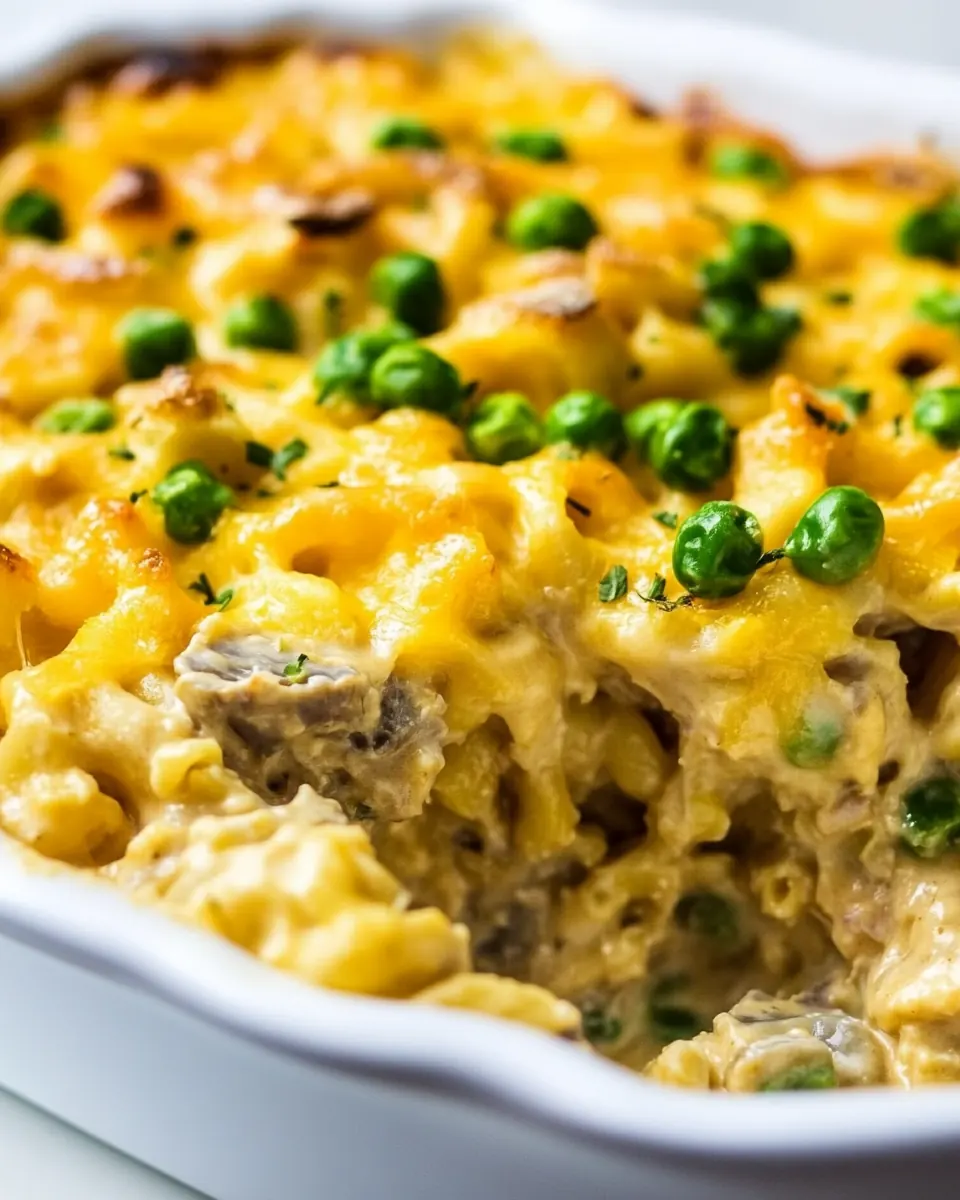
This ingredient list is built around harmony and practicality. The foundation here is the tender whole wheat noodles which carry the creamy sauce. The savory trio of onion, mushrooms, and tuna provides both umami and protein, while the dairy elements create that classic, clingy casserole sauce. Small bright notes from green peas balance richness and make every bite more interesting.
- 4 cups whole wheat noodles cooked, macaroni was used in this recipe, egg noodles also will work: Cooked whole wheat noodles provide a hearty base and absorb sauce while adding whole-grain fiber; macaroni or egg noodles work well to hold textures and flavors. Ensure noodles are drained and slightly undercooked so they finish cooking in the casserole, preventing sogginess.
- 2 tablespoons extra virgin olive oil: Extra virgin olive oil adds a light, fruity fat for sautéing aromatics and mushrooms while contributing healthy monounsaturated fats. Use moderate heat to bloom flavors without smoking, and evenly coat the pan to prevent sticking.
- 1 yellow onion small, diced: Diced small yellow onion brings sweet, savory depth and aromatic flavor that forms the casserole’s flavor foundation when softened. Sauté until translucent to release sugars and integrate with other savory components.
- 8 ounces mushrooms sliced, white or button (wipe clean): Sliced white or button mushrooms contribute earthy, umami-rich texture and moisture; wiping clean prevents waterlogging. Sauté until browned to concentrate flavor and reduce excess liquid before combining with the other fillings.
- 9 ounces solid white albacore tuna cans, in water, shredded (add tuna and water): Solid white albacore tuna in water supplies firm flaked protein and mild seafood flavor while keeping fat content lower than oil-packed varieties. Drain and break into pieces, reserving the canning liquid only if needed for extra moisture in the casserole.
- 1 cup green peas frozen: Frozen green peas add pops of sweetness, color, and a tender bite that contrast creamy elements; they also deliver plant-based nutrients and fiber. Thaw or briefly blanch before mixing to ensure even temperature and prevent cooling the casserole.
- 8 ounces cream cheese low-fat, softened: Low-fat softened cream cheese creates a creamy, tangy binder that thickens the sauce without excess fat; softening ensures smooth incorporation. Beat until lump-free so it blends seamlessly with milk and cheese for a cohesive texture.
- 1 cup milk low-fat: Low-fat milk lightens the sauce and adjusts consistency, making the casserole creamy while keeping calories lower than whole milk. Warm slightly before adding to prevent curdling and whisk with cream cheese for a smooth sauce.
- 1 1/2 cups cheddar cheese reduced-fat, shredded (recommend block cheese): Reduced-fat shredded cheddar cheese provides melty, savory topping and internal flavor while contributing calcium and a classic cheesy profile. Prefer shredding block cheese for better melting and less anti-caking agents, then reserve some for a golden finish.
Making This Easy Tuna Casserole Recipe
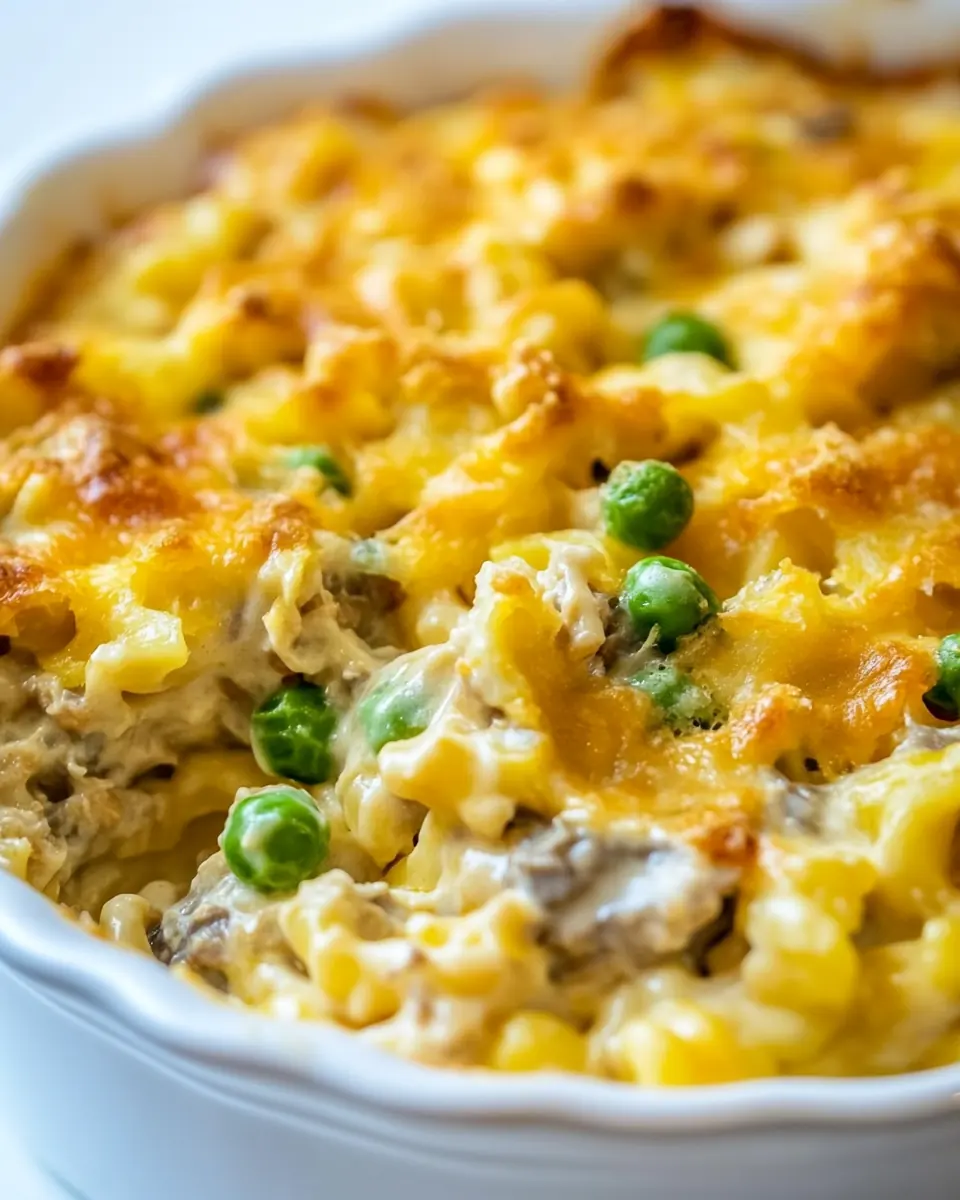
I like to keep the mood relaxed while making this casserole, putting on music and prepping mise en place so nothing feels frantic. The recipe flows from simple stovetop work into an oven finish that rewards patience with bubbling, golden cheese. Below I expand each direction into detailed steps so you’ll know what to look for and how to avoid common missteps.
- Preheat oven to 375 degrees.: You will smell a faint warmth as the oven cycles and the heat evens out, which sets the stage for a uniformly baked casserole. Preheating ensures the casserole begins to cook immediately and helps the top brown properly in the allotted time. A common mistake is skipping this step, which can lead to uneven baking and a soggy center. If your oven runs hot or cool, use an oven thermometer to confirm accuracy, and place the rack in the center for even heat distribution. The sound is minimal, just a low hum as the element engages, and visually the oven should reach a steady temperature before the dish goes in.
- Note: If desired, add additional cheese to the top of the casserole before baking.: If desired, add additional cheese to the top of the casserole before baking : Expect a richer, more golden top if you add extra cheddar cheese . Extra cheese creates a thicker, crispier crust and amplifies the savory aroma while baking, filling the kitchen with toasty dairy notes. Avoid overloading the top too heavily in a small dish or the cheese may melt unevenly and slide off when serving. If you prefer a lighter finish, reserve less for the top and fold more inside. The sight of bubbling edges and a lightly browned surface is your visual cue to watch closely during the final minutes.
- Cook noodles according to instructions on the package or al dente.: As the pot simmers, you'll hear a gentle rolling boil and smell the faint starch scent. Cooking to al dente gives the noodles enough structure to withstand oven time without turning mushy, which preserves bite in the finished casserole. Rinse only if directed by the pasta type, but draining promptly prevents excess water from thinning the sauce. A common error is overcooking, which leads to a gummy casserole. Taste a noodle a minute or two before the shortest suggested time to gauge doneness, and rinse briefly if you need to stop the cooking process.
- In a medium skillet add oil and sauté onions and mushrooms over medium-low heat until mushrooms begin to release moisture, about 10 minutes. In a large mixing bowl, combine sautéed onions and mushrooms and all remaining ingredients, reserving 1/2 cup cheddar cheese for the top.: When you add the extra virgin olive oil to the skillet, it warms and becomes glossy, and the onion will soften and turn translucent while the mushrooms release their juices, which evaporate and concentrate flavor. The smell shifts from sharp onion to sweet, savory depth as caramelization begins, and you may hear a soft sizzle. This slow sauté helps develop umami and prevents watery texture. Combine these aromatics with the shredded tuna , softened cream cheese , milk , cooked noodles , and green peas in a large bowl, mixing until the sauce is smooth and glossy, with bits of cheddar cheese folded in. A frequent mistake is rushing the sauté on high heat which chars the edges and leaves raw centers; medium-low heat gives even cooking and deeper flavor. The bowl should feel warm to the touch, and the mixture should cling together without pooling excess liquid.
- Add the tuna mixture to a 3 quart casserole dish or 9" baking pan, top with the 1/2 cup of remaining cheddar cheese. Bake 15 minutes covered and 10 minutes uncovered, or until cheese is hot and bubbly.: As you spread the mixture into the dish, press lightly so the surface is even; you'll notice steam rising gently. Covering for the first 15 minutes traps moisture and heats everything through, ensuring the middle is hot and creamy. Uncovering for the final 10 minutes encourages the top to brown and bubble, creating those delightful toasted notes and a slight crisp at the edges. Watch for visual cues: bubbling around the sides, a glossy, melted surface, and a gentle golden blush on the cheese. A common problem is underbaking while trying to protect the top from browning, which leaves the center cooler than desired. If the top browns too quickly, tent foil loosely to allow internal temperature to continue rising without burning the crust. When done, let the casserole rest briefly so the sauce firms slightly for cleaner serving, and enjoy the chorus of warm dairy aroma and savory tuna notes.
Tips and Tricks about Easy Tuna Casserole Recipe
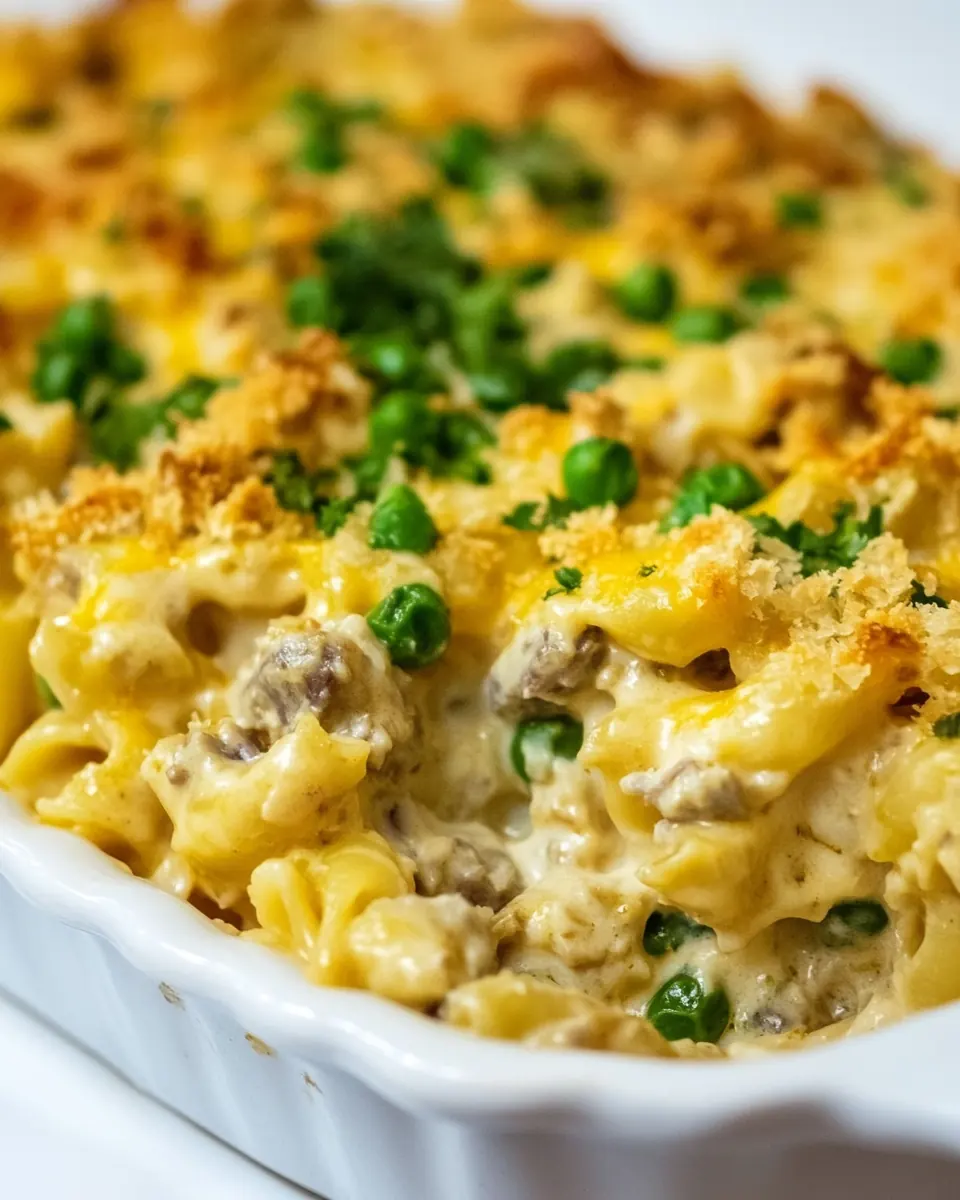
I like to think of these tips as quick chef notes that elevate ease into excellence. Below are practical pointers that will help you control texture, timing, and flavor so every bake comes out just right.
- Cheese Quality Matters Grating cheddar cheese from a block melts better and tastes fresher than pre shredded blends, which often contain anti caking agents that affect texture.
- Sauté Slowly Cook the onion and mushrooms on medium low to extract sweetness and avoid excess moisture that could water down the sauce.
- Pasta Timing Stop the noodles just shy of tender to keep them from turning mushy after baking; a firm bite will soften to perfect doneness in the oven.
- Tuna Handling Flake the tuna gently and fold it in with any can liquid for even distribution and moistness, rather than stirring forcefully which can make large dry chunks.
- Top Layer Control Reserve some cheese for the top so you get a bubbly, slightly browned crust; if it browns too fast, tent with foil during the last minutes.
- Rest Before Serving Allow the casserole to cool for 5 to 10 minutes after baking so the sauce sets and portions hold their shape when plated.
Perfect Pairings for Easy Tuna Casserole Recipe
This casserole pairs well with simple, fresh sides that brighten the creamy richness. Below are serving ideas, occasions, and storage notes to help you present and preserve this dish with ease.
- Fresh Green Salad A crisp salad with a light vinaigrette offsets the creaminess and adds a crunchy contrast, making it ideal for a balanced weeknight dinner.
- Steamed Vegetables Lightly steamed broccoli or green beans keep the meal wholesome and add color and texture to the plate, fitting casual family dinners.
- Crusty Bread Warm bread or rolls are great for mopping up any remaining sauce and make the meal feel more substantial for cooler nights.
- Potluck Friendly Because it reheats well and serves many, this casserole is perfect for gatherings or community meals where you want a crowd pleasing option.
- Storage Tips Refrigerate leftovers in an airtight container for up to three days, and reheat covered at moderate oven temperature until warmed through to preserve moisture.
- Seasonal Note This is especially comforting in winter, when warm, cheesy dishes feel satisfying and restorative.
FAQ
Conclusion
This Easy Tuna Casserole Recipe stands out because it balances creamy comfort with simple, pantry friendly ingredients that come together quickly. It’s a forgiving, crowd friendly dish that reheats well and offers satisfying texture from tender whole wheat noodles, sautéed onion and mushrooms, and a bubbly cheddar cheese top. Give it a try on a busy weeknight or bring it to your next potluck, you might find it becomes one of your go to comfort dishes. I hope it warms your kitchen and prompts that easy, contented feeling that makes home cooking so rewarding.
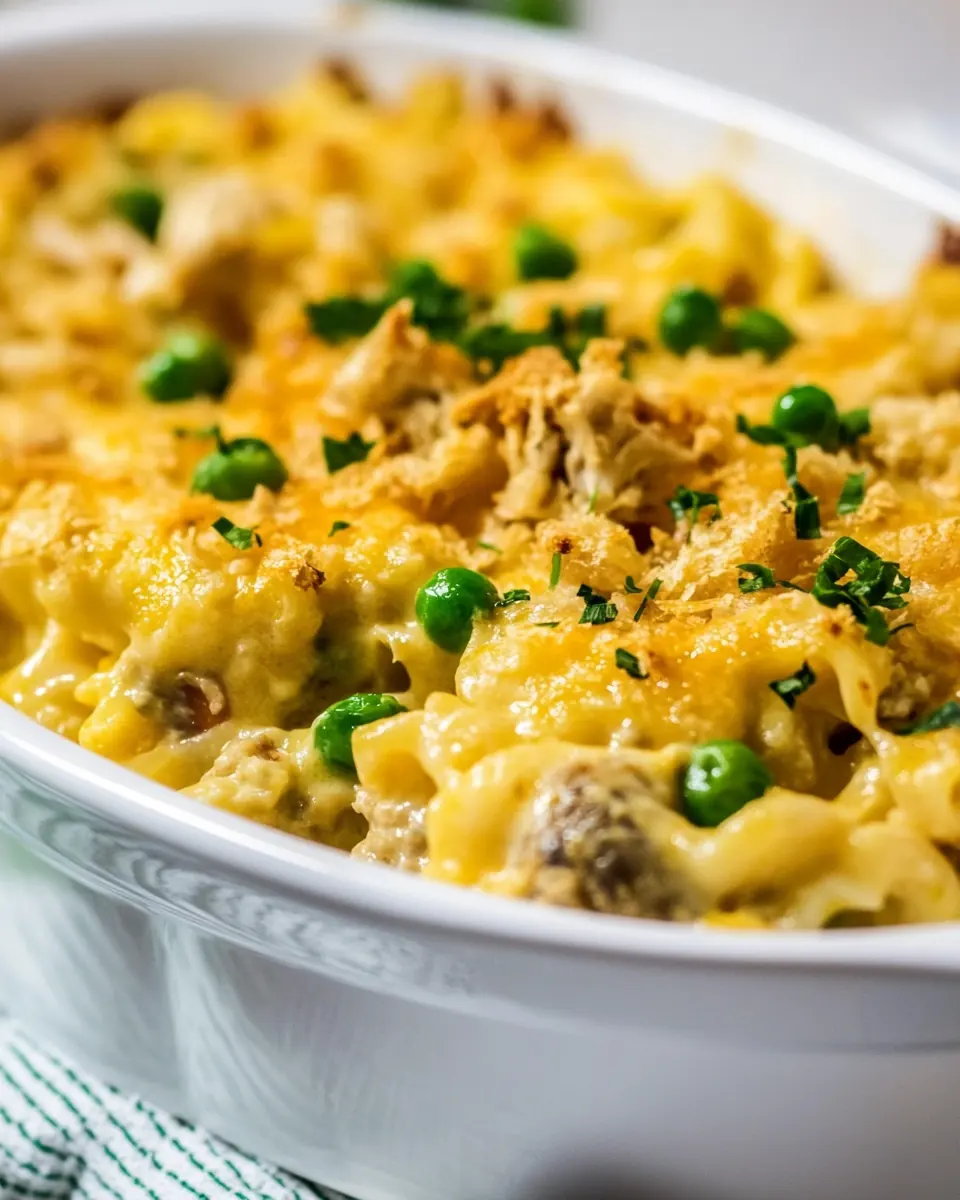
Easy Tuna Casserole Recipe
Ingredients
Equipment
Method
- Preheat oven to 375 degrees.: You will smell a faint warmth as the oven cycles and the heat evens out, which sets the stage for a uniformly baked casserole. Preheating ensures the casserole begins to cook immediately and helps the top brown properly in the allotted time. A common mistake is skipping this step, which can lead to uneven baking and a soggy center. If your oven runs hot or cool, use an oven thermometer to confirm accuracy, and place the rack in the center for even heat distribution. The sound is minimal, just a low hum as the element engages, and visually the oven should reach a steady temperature before the dish goes in.
- Note: If desired, add additional cheese to the top of the casserole before baking.: If desired, add additional cheese to the top of the casserole before baking : Expect a richer, more golden top if you add extra cheddar cheese . Extra cheese creates a thicker, crispier crust and amplifies the savory aroma while baking, filling the kitchen with toasty dairy notes. Avoid overloading the top too heavily in a small dish or the cheese may melt unevenly and slide off when serving. If you prefer a lighter finish, reserve less for the top and fold more inside. The sight of bubbling edges and a lightly browned surface is your visual cue to watch closely during the final minutes.
- Cook noodles according to instructions on the package or al dente.: As the pot simmers, you'll hear a gentle rolling boil and smell the faint starch scent. Cooking to al dente gives the noodles enough structure to withstand oven time without turning mushy, which preserves bite in the finished casserole. Rinse only if directed by the pasta type, but draining promptly prevents excess water from thinning the sauce. A common error is overcooking, which leads to a gummy casserole. Taste a noodle a minute or two before the shortest suggested time to gauge doneness, and rinse briefly if you need to stop the cooking process.
- In a medium skillet add oil and sauté onions and mushrooms over medium-low heat until mushrooms begin to release moisture, about 10 minutes. In a large mixing bowl, combine sautéed onions and mushrooms and all remaining ingredients, reserving 1/2 cup cheddar cheese for the top.: When you add the extra virgin olive oil to the skillet, it warms and becomes glossy, and the onion will soften and turn translucent while the mushrooms release their juices, which evaporate and concentrate flavor. The smell shifts from sharp onion to sweet, savory depth as caramelization begins, and you may hear a soft sizzle. This slow sauté helps develop umami and prevents watery texture. Combine these aromatics with the shredded tuna , softened cream cheese , milk , cooked noodles , and green peas in a large bowl, mixing until the sauce is smooth and glossy, with bits of cheddar cheese folded in. A frequent mistake is rushing the sauté on high heat which chars the edges and leaves raw centers; medium-low heat gives even cooking and deeper flavor. The bowl should feel warm to the touch, and the mixture should cling together without pooling excess liquid.
- Add the tuna mixture to a 3 quart casserole dish or 9" baking pan, top with the 1/2 cup of remaining cheddar cheese. Bake 15 minutes covered and 10 minutes uncovered, or until cheese is hot and bubbly.: As you spread the mixture into the dish, press lightly so the surface is even; you'll notice steam rising gently. Covering for the first 15 minutes traps moisture and heats everything through, ensuring the middle is hot and creamy. Uncovering for the final 10 minutes encourages the top to brown and bubble, creating those delightful toasted notes and a slight crisp at the edges. Watch for visual cues: bubbling around the sides, a glossy, melted surface, and a gentle golden blush on the cheese. A common problem is underbaking while trying to protect the top from browning, which leaves the center cooler than desired. If the top browns too quickly, tent foil loosely to allow internal temperature to continue rising without burning the crust. When done, let the casserole rest briefly so the sauce firms slightly for cleaner serving, and enjoy the chorus of warm dairy aroma and savory tuna notes.
Notes
- Cheese Quality Matters Grating cheddar cheese from a block melts better and tastes fresher than pre shredded blends, which often contain anti caking agents that affect texture.
- Sauté Slowly Cook the onion and mushrooms on medium low to extract sweetness and avoid excess moisture that could water down the sauce.
- Pasta Timing Stop the noodles just shy of tender to keep them from turning mushy after baking; a firm bite will soften to perfect doneness in the oven.
- Tuna Handling Flake the tuna gently and fold it in with any can liquid for even distribution and moistness, rather than stirring forcefully which can make large dry chunks.
- Top Layer Control Reserve some cheese for the top so you get a bubbly, slightly browned crust; if it browns too fast, tent with foil during the last minutes.
- Rest Before Serving Allow the casserole to cool for 5 to 10 minutes after baking so the sauce sets and portions hold their shape when plated.