Chocolate Cinnamon Sugar Pull Apart Wreath
Chocolate Cinnamon Sugar Pull Apart Wreath is one of those recipes I reach for when I want a warm, cozy centerpiece that doubles as dessert and conversation starter. The first time I made it I remember the kitchen filling with the warm scent of cinnamon and brown sugar while the kids argued over who would get the first gooey, chocolatey piece. It felt like a small holiday miracle, turning simple pantry staples into something festive and shareable. Over the years I learned tiny tricks, like warming the milk just so the yeast blooms perfectly, which makes the crumb tender and the texture pillowy.
Every batch tells a little story about timing and patience. I love the ritual of rolling and stacking the little squares, pressing the mini chocolate chips gently into the dough so they peek out as the wreath bakes. It is therapeutic, and by the time it comes out golden and fragrant, the house feels like a bakery. Guests always lean in, eyes bright, asking for the recipe. I usually slice it right from the pan while it is still warm, and the chocolate is wonderfully melty, contrasting with the crisp, cinnamon sugar edges.
Recipe Snapshot
1 hr 10 mins
30 mins
40 mins
Medium
250 kcal
American
Gluten-Free, Low FODMAP
Desserts
Stand mixer, Dough hook, Tube pan, Mixing bowls, Rolling pin
What We Adore About This Chocolate Cinnamon Sugar Pull Apart Wreath
It Brings Warmth and Aroma
I adore how the scent of cinnamon and caramelizing brown sugar fills the room as the wreath bakes. That smell sets a mood, it makes people slow down and gather around. I find this almost therapeutic, because the aroma signals comfort and celebration, and that first pull apart is always met with applause.
Shareable and Festive
This recipe is naturally built for sharing. The wreath format invites people to pull pieces apart, making it perfect for casual gatherings or a holiday brunch. I love how it looks on the table, a simple yet impressive centerpiece that says you cared without hours of fuss.
Textural Contrast
The recipe balances soft, tender bread with crunchy cinnamon sugar edges and pockets of melted chocolate. That contrast is what keeps me coming back, because every bite offers something slightly different. I always aim for that golden exterior while maintaining a moist interior, and when you get it right the texture is memorable.
Accessible Ingredients and Technique
It uses pantry-friendly items like all purpose flour, eggs, and butter, so you rarely need a special trip to the store. The technique relies on straightforward dough handling rather than complicated laminations, which makes it approachable even if you are new to baking. I appreciate recipes that teach useful skills while delivering a delicious result.
Flexible and Approachable
I like that you can make this for a weekday treat or scale it up for holiday hosting. Whether I am improvising a cozy weekend breakfast or designing a festive dessert spread, this wreath adapts with ease. It rewards attention to small details, and it is forgiving enough that a slight timing slip will still yield something lovely.
What You’ll Need for Chocolate Cinnamon Sugar Pull Apart Wreath
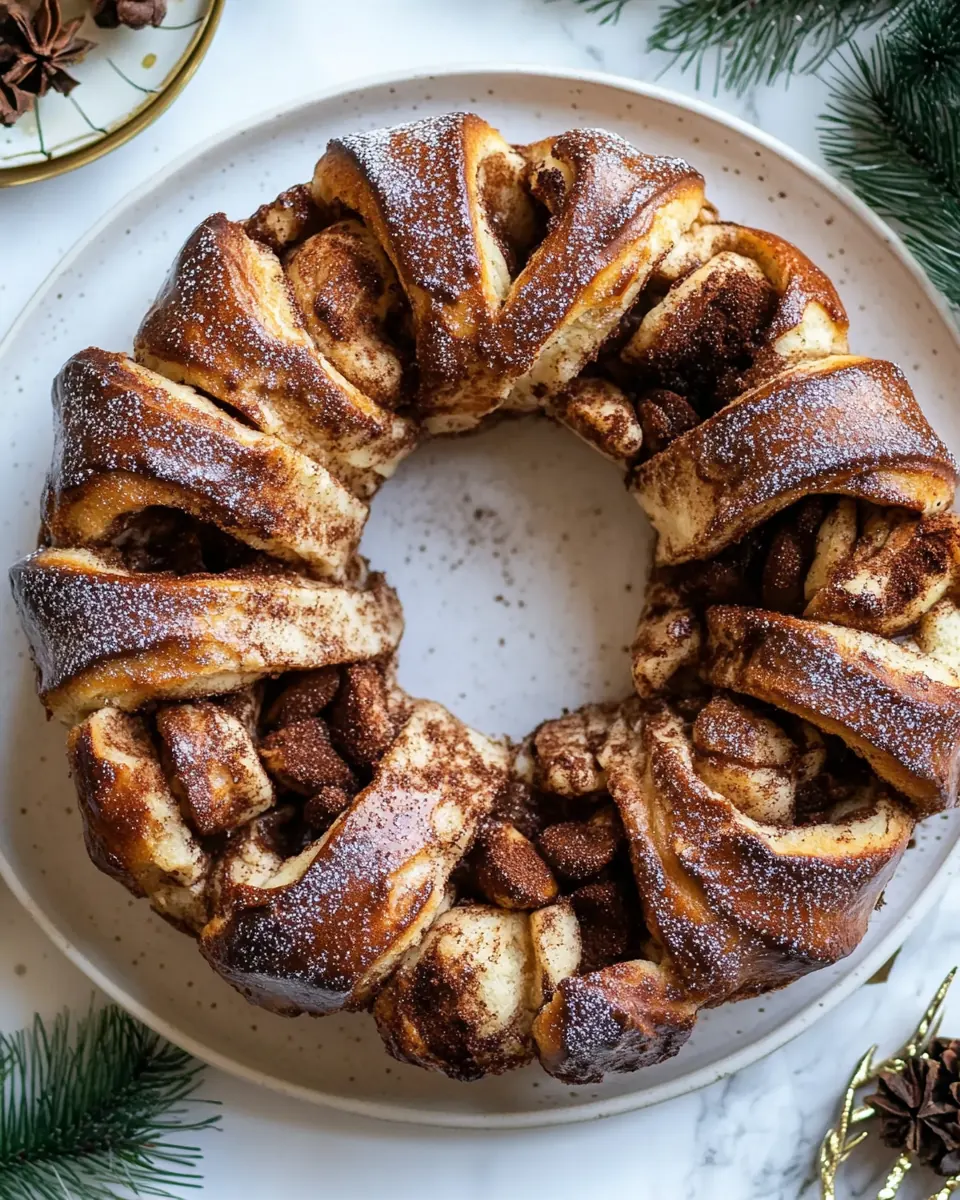
These ingredients are the essence of the recipe, each playing a specific role. The liquid and yeast build the structure of the dough, the butter and eggs enrich it for tenderness, and the sugar and cinnamon create the signature sweet layers. The mini chocolate chips add pockets of molten chocolate that contrast with the crumb, and kosher salt balances the sweetness for a more complex, satisfying bite.
- 3/4 cup warm milk: Warm and comforting, used to activate yeast and help dissolve sugars; provides liquid for dough development and contributes to a soft crumb when incorporated into the batter.
- 2 1/4 teaspoons active dry yeast: Active and leavening, used to ferment the dough and produce carbon dioxide for rise; ensures a light, airy texture when proofed properly at warm temperature.
- 1 tablespoon honey: Sweet and hygroscopic, used to feed yeast and add subtle floral sweetness; helps tenderize the dough and balances savory components.
- 4 tablespoons salted butter, at room temperature: Soft and creamy, used to enrich the dough with fat for tenderness and flavor; contributes to a richer mouthfeel and helps with browning during baking.
- 3 large eggs: Large and binding, used to add structure, richness, and moisture to the dough; contributes proteins that strengthen the gluten network and improve texture.
- 3 1/2 4 cups all-purpose flour: Flexible and starch-rich, used to provide bulk and structure to the dough; amount adjusted for humidity to achieve a soft, non-sticky consistency.
- 1/2 teaspoon kosher salt: Clean and briny, used to enhance and balance sweetness while strengthening gluten; small quantity improves overall flavor depth.
- 1 1/4 cups light or dark brown sugar: Molasses-rich and sweet, used to add deep caramel notes and moisture to the filling and dough; contributes chewiness and complex sweetness.
- 2 tablespoons ground cinnamon: Warm and aromatic, used to flavor the sugar filling and lend characteristic spice; enhances perceived sweetness and pairs beautifully with chocolate.
- 1 stick (8 tablespoons) salted butter, at room temperature: Creamy and rich, used to create the buttery filling and layer between dough pieces; contributes flavor, moisture, and helps achieve a tender, laminated texture.
- 1 cup mini chocolate chips: Small and melty, used to add bursts of chocolate throughout the wreath; provides pockets of sweet, semi-sweet flavor that complement cinnamon and sugar.
Cooking Method for Chocolate Cinnamon Sugar Pull Apart Wreath
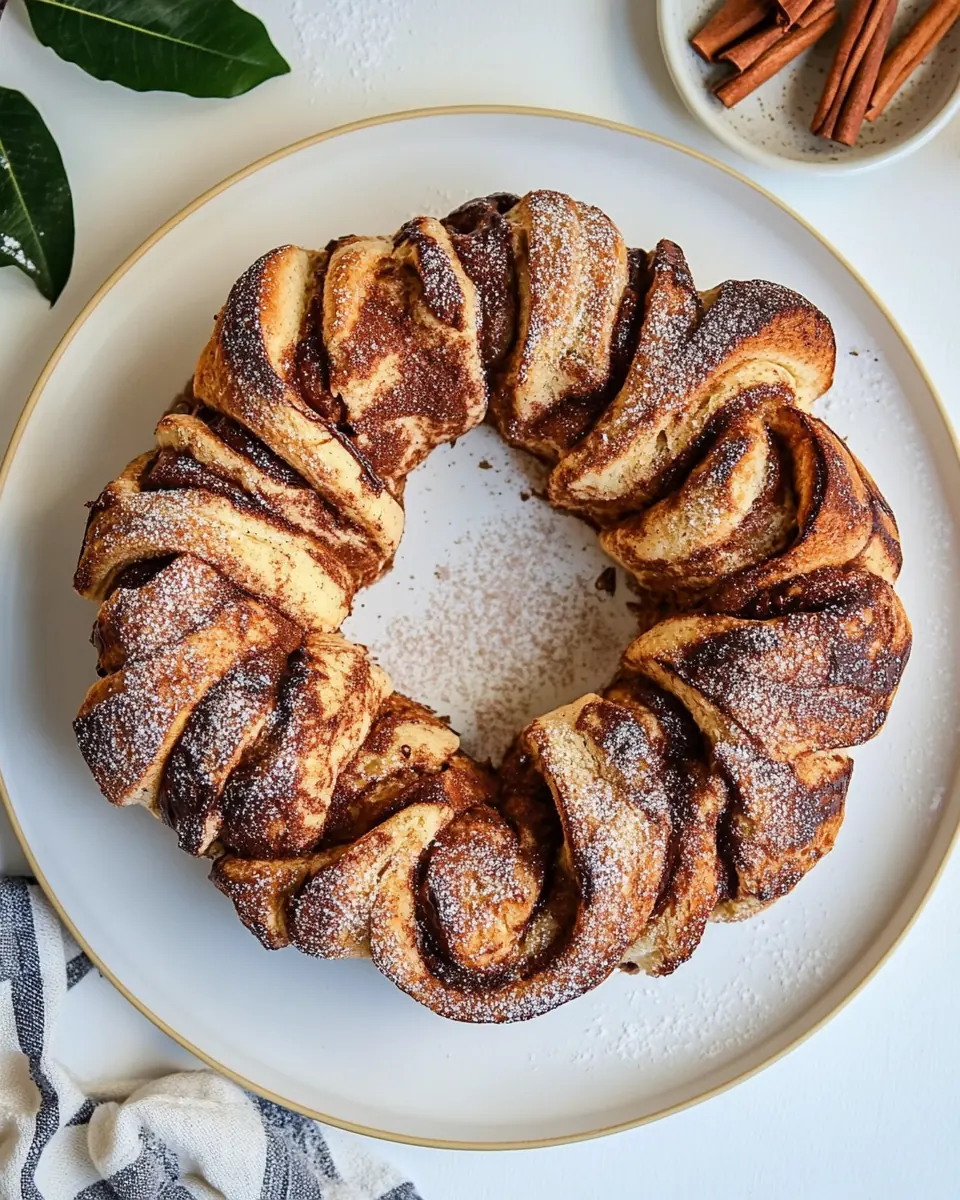
I like to walk through the process with a calm, steady pace because this dough rewards attention. The following steps expand the original directions into rich sensory cues, troubleshooting tips, and the reasoning behind each technique. Take your time and enjoy the tactile, aromatic journey.
- In the bowl of a stand mixer fitted with the dough hook, combine the milk, yeast, and honey. Let sit 5-10 minutes, until bubbly on top. Add 4 tablespoons butter, eggs, 3 1/2 cups flour, and salt. Using the dough hook, mix until the flour is completely incorporated, about 4-5 minutes. If the dough is still sticky, add the additional 1/2 cup flour, adding more as needed until the dough is smooth to touch. Cover the bowl with plastic wrap and let sit at room temperature for 1 hour or until doubled in size. Meanwhile, mix the filling. In a bowl, combine the brown sugar and cinnamon. Butter a tube pan. Transfer the dough to a work surface and cut into 4 equal pieces. Working with 1 dough piece at a time, on a lightly floured surface, roll the dough into a large rectangle (roughly 14×10 inches). Spread 2 tablespoons butter over the dough, then sprinkle with 1/4 cup cinnamon sugar and 2-4 tablespoons chocolate chips. Gently press the chips into the dough. Cut the dough lengthwise into 3 strips. Cut the strips crosswise into 4 strips each, making 12 squares (see above photo). Stack all 12 dough squares, 1 on top of the other. Repeat with the remaining 3 dough pieces and remaining butter. Arrange stacks in the buttered tube pan, standing up like little books, allowing gaps between dough pieces (see above photo). Cover the pan with plastic wrap, and let rise in a warm place until the dough almost reaches the top, about 1 hour. Preheat oven to 350° F. Bake until the bread is golden brown, 30 to 40 minutes. Let stand in the pan 5 minutes, then carefully remove. Serve warm.: You will notice the mixture first smell lightly floral and sweet as the honey dissolves into the warm milk . Within minutes tiny bubbles form, which is the yeast waking up, and that foamy cap smells faintly yeasty and alive, a reliable indicator that fermentation is starting. If the milk felt too hot it might have smelled sharp or alcohol like, a sign the yeast was killed. Avoid that by testing temperature on your wrist and aiming for comfortably warm, not hot.
- Let sit 5 to 10 minutes, until bubbly on top: As the minutes pass you should see the surface transform from smooth to frothy, and the scent will shift to a gentle, yeasty sweetness. This step is crucial because it confirms active yeast; skipping or rushing it risks a dense, under risen wreath. A common pitfall is to assume bubbles will appear instantly; if they do not after ten minutes, your yeast may be old and should be replaced.
- Add 4 tablespoons butter, eggs, 3 1/2 cups flour, and salt: When you add softened butter and eggs , the bowl takes on a creamier texture and the aroma becomes richer. The initial mix will look shaggy as flour hydrates. Salt helps round the flavors and slightly tightens the gluten, which you can often sense in the way the dough pulls together. If the mixture resists gathering, check that your butter was room temperature and not melted.
- Using the dough hook, mix until the flour is completely incorporated, about 4 to 5 minutes: During mixing you will hear a change in sound from clumpy to a quieter, steady knead, and the dough will start to climb the hook slightly, then settle into a smooth, elastic ball. This texture means gluten development is progressing, which ensures the dough will hold gas for a fluffy crumb. Overmixing can make the dough tough, so stop once it feels smooth and slightly tacky.
- If the dough is still sticky, add the additional 1/2 cup flour, adding more as needed until the dough is smooth to touch: Touching the dough gives you the best feedback, feeling the slight tack without it leaving a heavy residue on your fingers. Add flour sparingly, because too much will dry the crumb. A sticky dough that is manageable will give you a softer, moister bread, while a dry dough yields a dense result.
- Cover the bowl with plastic wrap and let sit at room temperature for 1 hour or until doubled in size: This resting period lets fermentation expand the dough, and you will notice the volume swell and the surface smooth. The aroma becomes mildly fermented and nutty. If your kitchen is cool, find a warm corner for a faster rise; a slow rise might make the flavor more complex, but too fast and the texture could be irregular.
- Meanwhile, mix the filling. In a bowl, combine the brown sugar and cinnamon: Stirring these dry ingredients releases the deep, molasses like scent of brown sugar and the warm spice of cinnamon . The mixture should look uniformly speckled and smell fragrant. If lumps appear, break them up so they distribute evenly when sprinkled, otherwise you will get pockets that are overly sweet or overly spiced.
- Butter a tube pan: Greasing the pan with softened butter ensures the finished wreath releases cleanly and gives a little extra flavor to the outer edges. Use your fingers or a brush to get into crevices. If you skip this step you risk sticking, making removal messy and potentially collapsing the structure.
- Transfer the dough to a work surface and cut into 4 equal pieces: As you divide the dough, it should feel pillowy and resilient under your palms. Equal portions make for even layers and a balanced rise during the second proof. Uneven pieces bake inconsistently, with smaller sections browning faster than larger ones.
- Working with 1 dough piece at a time, on a lightly floured surface, roll the dough into a large rectangle roughly 14×10 inches: Rolling it out releases a faint wheaty aroma, and the dough should spread without snapping back excessively. The size ensures you have enough surface for layers and filling. If the dough resists, let it rest a few minutes to relax the gluten, otherwise it will retract while you work.
- Spread 2 tablespoons butter over the dough, then sprinkle with 1/4 cup cinnamon sugar and 2 to 4 tablespoons chocolate chips: The glossy sheen of melted butter helps the cinnamon sugar adhere, and the mini chocolate chips should be gently pressed so they nestle into the dough. You will smell warm butter and sweet spice together, and the chocolate will add that enticing chocolate note even before baking. Too many chips can weigh down the layer, so distribute evenly to avoid dense pockets.
- Gently press the chips into the dough: Pressing makes sure the chips stay in place when you cut and stack, which prevents them from spilling during the second rise. You want them embedded but not squashed flat, so they will melt into small molten bits while the dough puffs. Overpressing flattens the texture and can cause them to bleed out too much.
- Cut the dough lengthwise into 3 strips: These long strips form the basis for the smaller squares, and they'll reveal layered edges once stacked. The cuts should be clean to maintain structure. Jagged edges from tearing will produce irregular stacks that can collapse or bake unevenly.
- Cut the strips crosswise into 4 strips each, making 12 squares: Each square should be similar in size so stacks are consistent; when you place them upright in the tube pan the variation will affect how evenly they rise. If pieces are wildly uneven you may end up with sections that are underbaked or overly browned.
- Stack all 12 dough squares, 1 on top of the other: As you stack, you will feel the layers compress slightly and the scent of cinnamon intensify. The stacked books create the pull apart effect once baked, so neat, centered stacking is important. If stacks lean, arrange them straighter to prevent collapsing during baking.
- Repeat with the remaining 3 dough pieces and remaining butter: Repeating the process builds multiple identical stacks; the rhythm of rolling, spreading, and cutting becomes comforting. Ensure you use the remaining butter so each section is properly filled, because any dry stacks will bake differently and create texture inconsistencies.
- Arrange stacks in the buttered tube pan, standing up like little books, allowing gaps between dough pieces: The gaps let the dough expand and brown between stacks, creating the visual pull apart effect. You should be able to see small channels between stacks. Overcrowding will prevent even expansion and can lead to dense interiors.
- Cover the pan with plastic wrap, and let rise in a warm place until the dough almost reaches the top, about 1 hour: This second proof puffs each stack and blends flavors; the aroma becomes deeper and slightly yeasty. Watch for the dough to nearly touch the pan rim but not overflow, which signals readiness. If you let it overproof the structure can weaken, causing collapse when baked.
- Preheat oven to 350° F: Preheating ensures the oven is at the right temperature for immediate oven spring, which helps the wreath set and brown properly. You will see the dough slowly expand and take on a light tan, then deepen to golden in the final phase. An oven that is too cool will yield a pale, dense result.
- Bake until the bread is golden brown, 30 to 40 minutes: During baking the aroma transforms into a rich, toasty note and you will hear a gentle crackle as the crust sets. The top should be golden and firm; if it becomes too dark, tent with foil to prevent burning while the interior finishes. Undercooked centers will feel doughy, so use visual cues and, if needed, a skewer to check for doneness.
- Let stand in the pan 5 minutes, then carefully remove: Resting lets the bread stabilize and makes extraction smoother, preserving the shape of the stacks. The residual heat finishes the interior. If you try to remove it immediately you risk tearing the structure, so patience here pays off.
- Serve warm: Warm slices offer the best contrast of molten chocolate and crisped cinnamon sugar edges, and the aroma is most inviting right out of the oven. If you cool it fully the chocolate pockets will set, which some prefer, but for maximum indulgence serve while still warm.
Customization Ideas
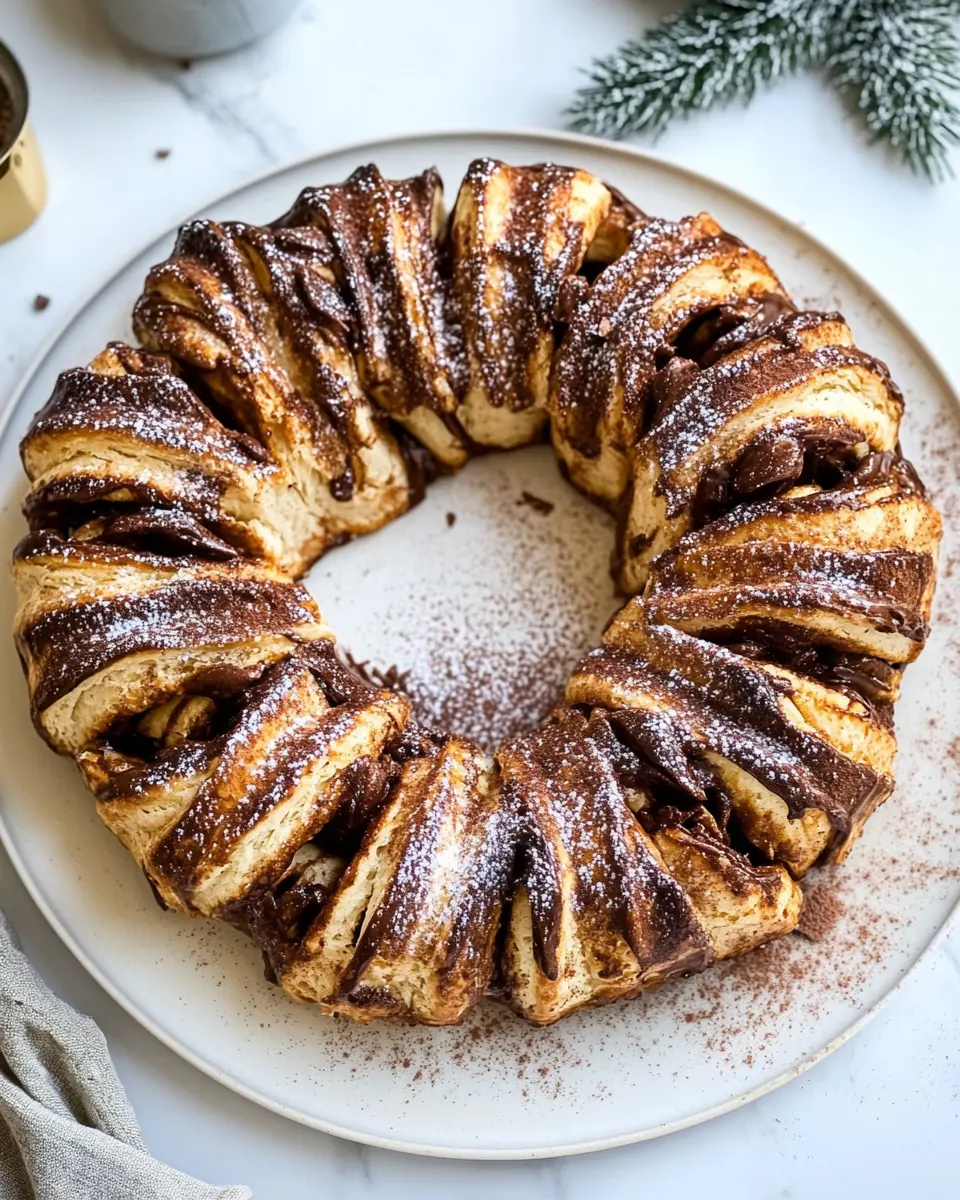
I like to offer tweaks so the recipe fits your taste and schedule. Below are focused, practical suggestions that help you vary texture, flavor, and presentation while keeping the method intact.
- Adjust chocolate amount — Gently increase or decrease the mini chocolate chips per layer for a more or less chocolate forward wreath, watching that too many chips can weigh layers down.
- Use dark brown sugar — Choosing dark rather than light brown sugar adds deeper molasses notes that complement the cinnamon and produce a richer caramelization.
- Make ahead the dough — After the first rise, refrigerate the dough overnight for a slow ferment which develops flavor; allow it to come back to room temperature before shaping.
- Control sweetness — Reduce the filling brown sugar slightly if you prefer a less sweet finish, and compensate by ensuring the butter layer is even to maintain moisture and mouthfeel.
- Swap pan for bundt — If you do not have a tube pan, adapt to a bundt, though you may need to alter stacking to ensure even baking and easy removal.
Pairing Suggestions for Chocolate Cinnamon Sugar Pull Apart Wreath
This wreath is incredibly versatile at the table. I often serve it for brunch, holiday mornings, or as a casual dessert, and it pairs well with beverages and simple sides. Below are detailed serving ideas and storage guidance to help you present it beautifully and keep leftovers tasting fresh.
- Serve with warm beverages — Pair slices with hot coffee or spiced tea to echo the cinnamon notes, creating a comforting combination for breakfast or a mid afternoon treat.
- Holiday brunch centerpiece — Place the wreath in the center of a brunch spread with small plates and forks, letting guests pull pieces as they wish for an interactive, festive presentation.
- Casual dessert — Offer slices after dinner with a scoop of vanilla ice cream or a drizzle of warmed chocolate for a decadent contrast between warm bread and cool cream.
- Storage tips — Wrap leftover slices tightly and store at room temperature for up to two days, or freeze portions wrapped in plastic then foil for up to one month, reheating gently to restore the chocolate melt.
- Seasonal serving ideas — For fall and winter gatherings, pair with spiced ciders or a simple fruit compote to balance the richness; for lighter occasions keep the accompaniments minimal so the wreath takes center stage.
FAQ
Conclusion
This Chocolate Cinnamon Sugar Pull Apart Wreath shines because it turns simple ingredients into an inviting, shareable centerpiece with layered texture and pockets of molten chocolate. Give it a try the next time you want a festive brunch item or a cozy dessert; the ritual of shaping and the aroma as it bakes make the effort feel special. I hope you enjoy pulling apart those warm, cinnamon scented pieces with family or friends, and that it becomes a comforting repeat for your gatherings.
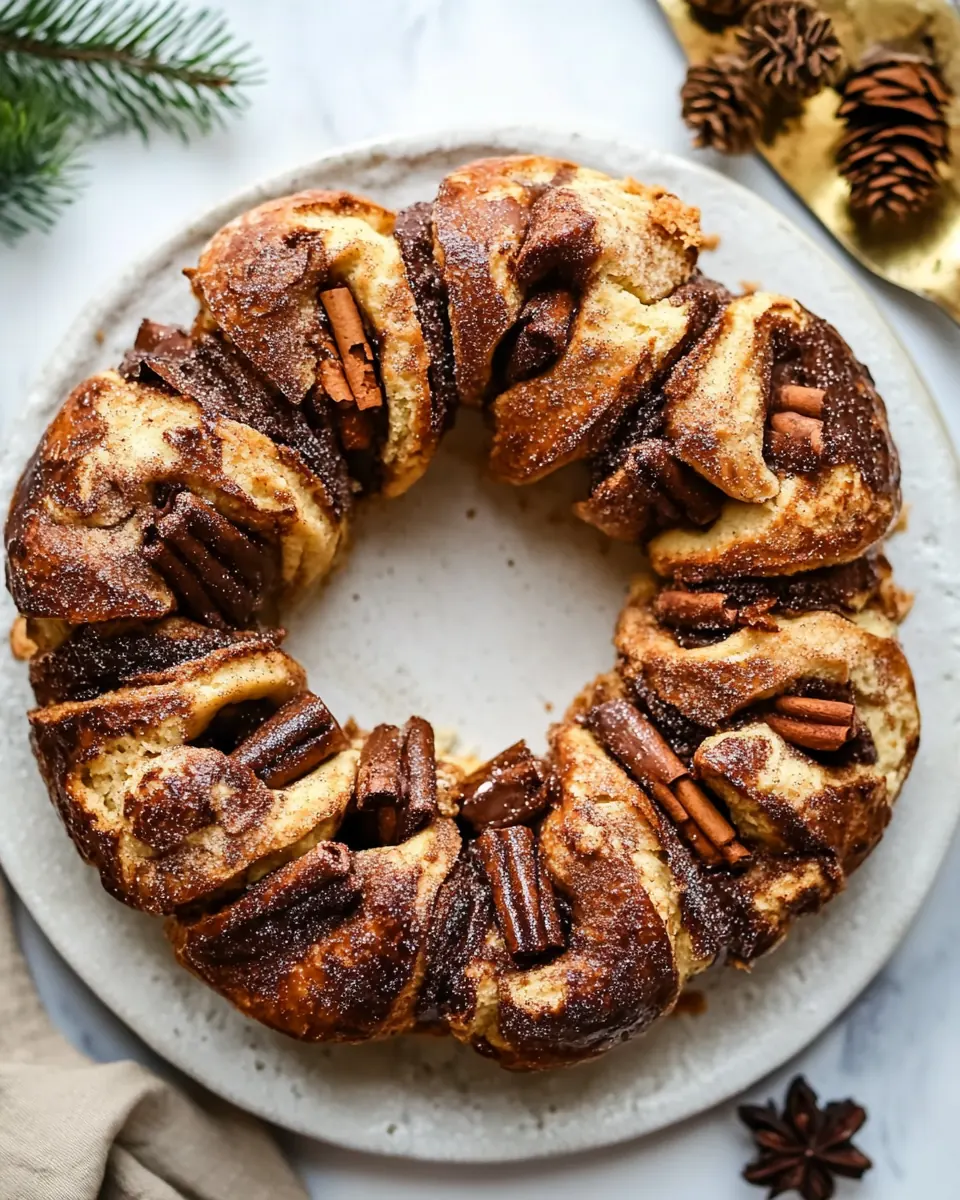
Chocolate Cinnamon Sugar Pull Apart Wreath
Ingredients
Equipment
Method
- In the bowl of a stand mixer fitted with the dough hook, combine the milk, yeast, and honey. Let sit 5-10 minutes, until bubbly on top. Add 4 tablespoons butter, eggs, 3 1/2 cups flour, and salt. Using the dough hook, mix until the flour is completely incorporated, about 4-5 minutes. If the dough is still sticky, add the additional 1/2 cup flour, adding more as needed until the dough is smooth to touch. Cover the bowl with plastic wrap and let sit at room temperature for 1 hour or until doubled in size. Meanwhile, mix the filling. In a bowl, combine the brown sugar and cinnamon. Butter a tube pan. Transfer the dough to a work surface and cut into 4 equal pieces. Working with 1 dough piece at a time, on a lightly floured surface, roll the dough into a large rectangle (roughly 14×10 inches). Spread 2 tablespoons butter over the dough, then sprinkle with 1/4 cup cinnamon sugar and 2-4 tablespoons chocolate chips. Gently press the chips into the dough. Cut the dough lengthwise into 3 strips. Cut the strips crosswise into 4 strips each, making 12 squares (see above photo). Stack all 12 dough squares, 1 on top of the other. Repeat with the remaining 3 dough pieces and remaining butter. Arrange stacks in the buttered tube pan, standing up like little books, allowing gaps between dough pieces (see above photo). Cover the pan with plastic wrap, and let rise in a warm place until the dough almost reaches the top, about 1 hour. Preheat oven to 350° F. Bake until the bread is golden brown, 30 to 40 minutes. Let stand in the pan 5 minutes, then carefully remove. Serve warm.: You will notice the mixture first smell lightly floral and sweet as the honey dissolves into the warm milk . Within minutes tiny bubbles form, which is the yeast waking up, and that foamy cap smells faintly yeasty and alive, a reliable indicator that fermentation is starting. If the milk felt too hot it might have smelled sharp or alcohol like, a sign the yeast was killed. Avoid that by testing temperature on your wrist and aiming for comfortably warm, not hot.
- Let sit 5 to 10 minutes, until bubbly on top: As the minutes pass you should see the surface transform from smooth to frothy, and the scent will shift to a gentle, yeasty sweetness. This step is crucial because it confirms active yeast; skipping or rushing it risks a dense, under risen wreath. A common pitfall is to assume bubbles will appear instantly; if they do not after ten minutes, your yeast may be old and should be replaced.
- Add 4 tablespoons butter, eggs, 3 1/2 cups flour, and salt: When you add softened butter and eggs , the bowl takes on a creamier texture and the aroma becomes richer. The initial mix will look shaggy as flour hydrates. Salt helps round the flavors and slightly tightens the gluten, which you can often sense in the way the dough pulls together. If the mixture resists gathering, check that your butter was room temperature and not melted.
- Using the dough hook, mix until the flour is completely incorporated, about 4 to 5 minutes: During mixing you will hear a change in sound from clumpy to a quieter, steady knead, and the dough will start to climb the hook slightly, then settle into a smooth, elastic ball. This texture means gluten development is progressing, which ensures the dough will hold gas for a fluffy crumb. Overmixing can make the dough tough, so stop once it feels smooth and slightly tacky.
- If the dough is still sticky, add the additional 1/2 cup flour, adding more as needed until the dough is smooth to touch: Touching the dough gives you the best feedback, feeling the slight tack without it leaving a heavy residue on your fingers. Add flour sparingly, because too much will dry the crumb. A sticky dough that is manageable will give you a softer, moister bread, while a dry dough yields a dense result.
- Cover the bowl with plastic wrap and let sit at room temperature for 1 hour or until doubled in size: This resting period lets fermentation expand the dough, and you will notice the volume swell and the surface smooth. The aroma becomes mildly fermented and nutty. If your kitchen is cool, find a warm corner for a faster rise; a slow rise might make the flavor more complex, but too fast and the texture could be irregular.
- Meanwhile, mix the filling. In a bowl, combine the brown sugar and cinnamon: Stirring these dry ingredients releases the deep, molasses like scent of brown sugar and the warm spice of cinnamon . The mixture should look uniformly speckled and smell fragrant. If lumps appear, break them up so they distribute evenly when sprinkled, otherwise you will get pockets that are overly sweet or overly spiced.
- Butter a tube pan: Greasing the pan with softened butter ensures the finished wreath releases cleanly and gives a little extra flavor to the outer edges. Use your fingers or a brush to get into crevices. If you skip this step you risk sticking, making removal messy and potentially collapsing the structure.
- Transfer the dough to a work surface and cut into 4 equal pieces: As you divide the dough, it should feel pillowy and resilient under your palms. Equal portions make for even layers and a balanced rise during the second proof. Uneven pieces bake inconsistently, with smaller sections browning faster than larger ones.
- Working with 1 dough piece at a time, on a lightly floured surface, roll the dough into a large rectangle roughly 14×10 inches: Rolling it out releases a faint wheaty aroma, and the dough should spread without snapping back excessively. The size ensures you have enough surface for layers and filling. If the dough resists, let it rest a few minutes to relax the gluten, otherwise it will retract while you work.
- Spread 2 tablespoons butter over the dough, then sprinkle with 1/4 cup cinnamon sugar and 2 to 4 tablespoons chocolate chips: The glossy sheen of melted butter helps the cinnamon sugar adhere, and the mini chocolate chips should be gently pressed so they nestle into the dough. You will smell warm butter and sweet spice together, and the chocolate will add that enticing chocolate note even before baking. Too many chips can weigh down the layer, so distribute evenly to avoid dense pockets.
- Gently press the chips into the dough: Pressing makes sure the chips stay in place when you cut and stack, which prevents them from spilling during the second rise. You want them embedded but not squashed flat, so they will melt into small molten bits while the dough puffs. Overpressing flattens the texture and can cause them to bleed out too much.
- Cut the dough lengthwise into 3 strips: These long strips form the basis for the smaller squares, and they'll reveal layered edges once stacked. The cuts should be clean to maintain structure. Jagged edges from tearing will produce irregular stacks that can collapse or bake unevenly.
- Cut the strips crosswise into 4 strips each, making 12 squares: Each square should be similar in size so stacks are consistent; when you place them upright in the tube pan the variation will affect how evenly they rise. If pieces are wildly uneven you may end up with sections that are underbaked or overly browned.
- Stack all 12 dough squares, 1 on top of the other: As you stack, you will feel the layers compress slightly and the scent of cinnamon intensify. The stacked books create the pull apart effect once baked, so neat, centered stacking is important. If stacks lean, arrange them straighter to prevent collapsing during baking.
- Repeat with the remaining 3 dough pieces and remaining butter: Repeating the process builds multiple identical stacks; the rhythm of rolling, spreading, and cutting becomes comforting. Ensure you use the remaining butter so each section is properly filled, because any dry stacks will bake differently and create texture inconsistencies.
- Arrange stacks in the buttered tube pan, standing up like little books, allowing gaps between dough pieces: The gaps let the dough expand and brown between stacks, creating the visual pull apart effect. You should be able to see small channels between stacks. Overcrowding will prevent even expansion and can lead to dense interiors.
- Cover the pan with plastic wrap, and let rise in a warm place until the dough almost reaches the top, about 1 hour: This second proof puffs each stack and blends flavors; the aroma becomes deeper and slightly yeasty. Watch for the dough to nearly touch the pan rim but not overflow, which signals readiness. If you let it overproof the structure can weaken, causing collapse when baked.
- Preheat oven to 350° F: Preheating ensures the oven is at the right temperature for immediate oven spring, which helps the wreath set and brown properly. You will see the dough slowly expand and take on a light tan, then deepen to golden in the final phase. An oven that is too cool will yield a pale, dense result.
- Bake until the bread is golden brown, 30 to 40 minutes: During baking the aroma transforms into a rich, toasty note and you will hear a gentle crackle as the crust sets. The top should be golden and firm; if it becomes too dark, tent with foil to prevent burning while the interior finishes. Undercooked centers will feel doughy, so use visual cues and, if needed, a skewer to check for doneness.
- Let stand in the pan 5 minutes, then carefully remove: Resting lets the bread stabilize and makes extraction smoother, preserving the shape of the stacks. The residual heat finishes the interior. If you try to remove it immediately you risk tearing the structure, so patience here pays off.
- Serve warm: Warm slices offer the best contrast of molten chocolate and crisped cinnamon sugar edges, and the aroma is most inviting right out of the oven. If you cool it fully the chocolate pockets will set, which some prefer, but for maximum indulgence serve while still warm.
Notes
- Adjust chocolate amount — Gently increase or decrease the mini chocolate chips per layer for a more or less chocolate forward wreath, watching that too many chips can weigh layers down.
- Use dark brown sugar — Choosing dark rather than light brown sugar adds deeper molasses notes that complement the cinnamon and produce a richer caramelization.
- Make ahead the dough — After the first rise, refrigerate the dough overnight for a slow ferment which develops flavor; allow it to come back to room temperature before shaping.
- Control sweetness — Reduce the filling brown sugar slightly if you prefer a less sweet finish, and compensate by ensuring the butter layer is even to maintain moisture and mouthfeel.
- Swap pan for bundt — If you do not have a tube pan, adapt to a bundt, though you may need to alter stacking to ensure even baking and easy removal.