Browned Butter Roasted Asparagus with Almonds
Browned Butter Roasted Asparagus with Almonds is one of those simple vegetable dishes that makes me feel like a better cook every time I put it on the table.
I first learned to love this combo on a narrow apartment balcony where I roasted asparagus on a tiny sheet pan and pan browned butter until the kitchen smelled like warm nuts and caramel. The texture contrast between crisp tender asparagus and crunchy Marcona almonds felt grown up, and the bright hit of lemon kept the whole thing lively. Over the years I swapped regular almonds for buttery Marconas and added fresh tarragon to lift the flavors.
When friends come over for a casual dinner I often rely on this dish because it looks elegant without fuss, and it pairs with so many mains. I like to tell people that good timing and a careful watch on the pan make all the difference, because butter can flip from nutty to burnt in a heartbeat. Serving it straight from the pan, still warm, always gets the same pleased reaction.
Recipe Snapshot
30 mins
10 mins
20 mins
Easy
250 kcal
Mediterranean
Keto, Gluten-Free
Side Dishes
Sheet pan, Aluminum foil, Skillet, Tongs
Why This Browned Butter Roasted Asparagus with Almonds Stands Out
1. Bright, layered flavors
I love how the combination of Browned Butter Roasted Asparagus with Almonds balances richness and brightness. The butter develops deep toasted notes that play against the zesty lemon, while chopped Marcona almonds add a crunchy counterpoint. Each bite feels composed, not one note shouting over the others.
2. Speed with impact
This recipe is an excellent example of high reward for little time. From prep to plate it’s fast, yet the techniques create complex flavors. I appreciate recipes that let me do more with less, and this dish delivers on that promise every spring evening I make it.
3. Versatile side that elevates a meal
I often serve Browned Butter Roasted Asparagus with Almonds alongside simple proteins or as part of a festive spread. It plays well at casual weeknight dinners and also looks refined enough for holiday tables. The texture and temperature work with roasted meats, fish, or a composed grain bowl.
4. Reliable technique that teaches
Learning to brown butter properly is a teachable moment, and this recipe gives you that lesson without risking the whole meal. Once you hear the change in aroma and see the golden flecks, you’ll understand why this tiny step transforms the dish.
5. Seasonal and fresh
Because the main player is asparagus, this recipe shines in spring. The vegetable’s natural sweetness and crispness are perfect when paired with nutty butter and citrus. I find it’s one of the first dishes each year that truly tastes like the season.
Ingredients You’ll Need for Browned Butter Roasted Asparagus with Almonds
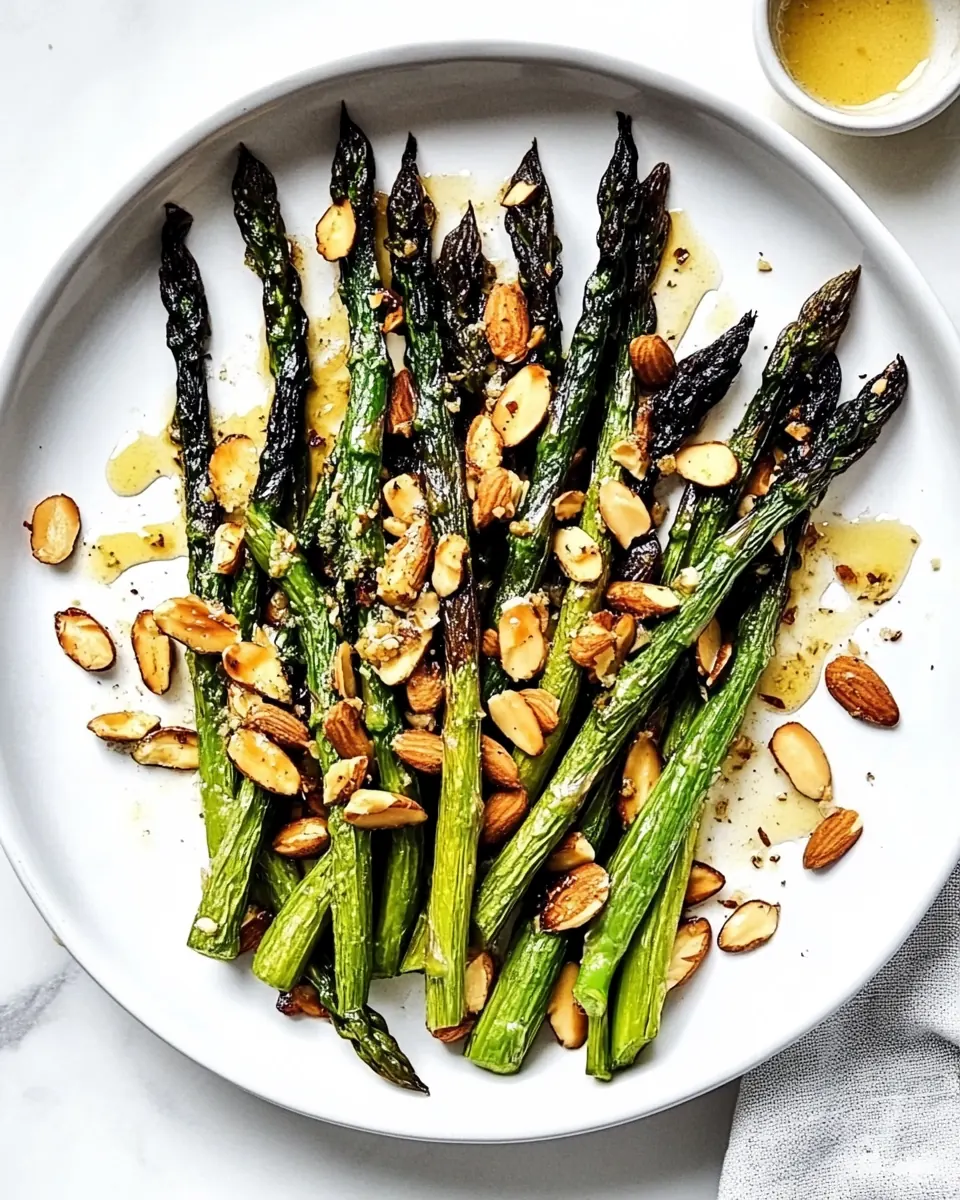
These components work together to create a focused, elegant side. The asparagus delivers fresh green flavor and a crisp tender texture when roasted. Olive oil helps the spears roast evenly while butter develops a nutty, caramelized note when browned. Marcona almonds bring a soft, buttery crunch, and lemon adds brightness. Fresh tarragon lifts the dish with subtle anise notes, while salt and pepper round it out.
- 1 pound fresh asparagus, trimmed: Trimmed and tender, provides the primary vegetable body and bright green flavor when roasted; offers a crisp-tender texture that pairs with browned butter and almonds. Adds a slightly grassy, vegetal note that balances the richness of the dish and takes on caramelized edges under high heat. Holds seasoning well and serves as the visual centerpiece when arranged on the roasting pan.
- 1 tablespoon extra-virgin olive oil: Coats the asparagus to aid in even roasting and promote gentle browning; contributes a light fruity background fat that helps carry flavors. Prevents sticking and enhances mouthfeel without overpowering the browned butter taste. Works with salt and pepper to distribute seasoning across the spears.
- 3 tablespoons butter: Browns to develop nutty, caramelized flavor that defines the recipe’s signature taste; melts to baste the asparagus and crisp the tips slightly. Produces aromatic brown butter solids that complement the almonds and add depth and richness. Provides a toasted butter finish that elevates the overall savory profile.
- 1/4 cup Marcona almonds, chopped: Adds crunchy texture and a rich, buttery almond flavor when toasted; contributes a luxurious contrast to the tender asparagus. Chopping increases surface area for toasting and ensures even distribution throughout the dish. Enhances nuttiness that echoes the browned butter while adding visual interest.
- juice of half of a lemon: Brightens the dish with fresh acidity that cuts through the richness of butter and almonds; adds a lively, citrusy tang when squeezed over finished asparagus. Balances flavors by lifting the palate and providing a refreshing counterpoint to savory elements. Helps preserve the green color and adds a subtle aromatic citrus note.
- 1 tablespoon lemon zest: Imparts concentrated citrus aroma and intensified lemon flavor to complement the juice and cut through the butter’s richness. Zest provides essential oils that offer fragrance and brightness without additional acidity. Enhances overall brightness and ties together the lemon component with tarragon and almonds.
- 1 tablespoon fresh tarragon, chopped: Contributes a fresh, anise-like herbal note that complements lemon and butter; chopped tarragon distributes its delicate flavor evenly across the asparagus. Adds aromatic complexity and a subtle peppery-sweet edge that pairs well with the nuts and browned butter. Provides a refined herbal finish when sprinkled just before serving.
- 1/2 teaspoon kosher salt: Enhances overall flavor by accentuating natural tastes and controlling seasoning; dissolves into the asparagus and butter to elevate savory notes. Brings out sweetness in the roasted vegetables and balances the acidity from lemon. Ensures each bite is well-seasoned without overwhelming delicate flavors.
- 1/2 teaspoon freshly ground black pepper: Adds mild heat and aromatic bite to round out seasoning; freshly ground black pepper brightens the dish and complements the nutty and herbal components. Releases volatile oils when ground, contributing a warm, pungent finish that contrasts the sweetness of browned butter. Helps achieve a balanced seasoning profile when combined with kosher salt.
Step by Step Guide for Browned Butter Roasted Asparagus with Almonds
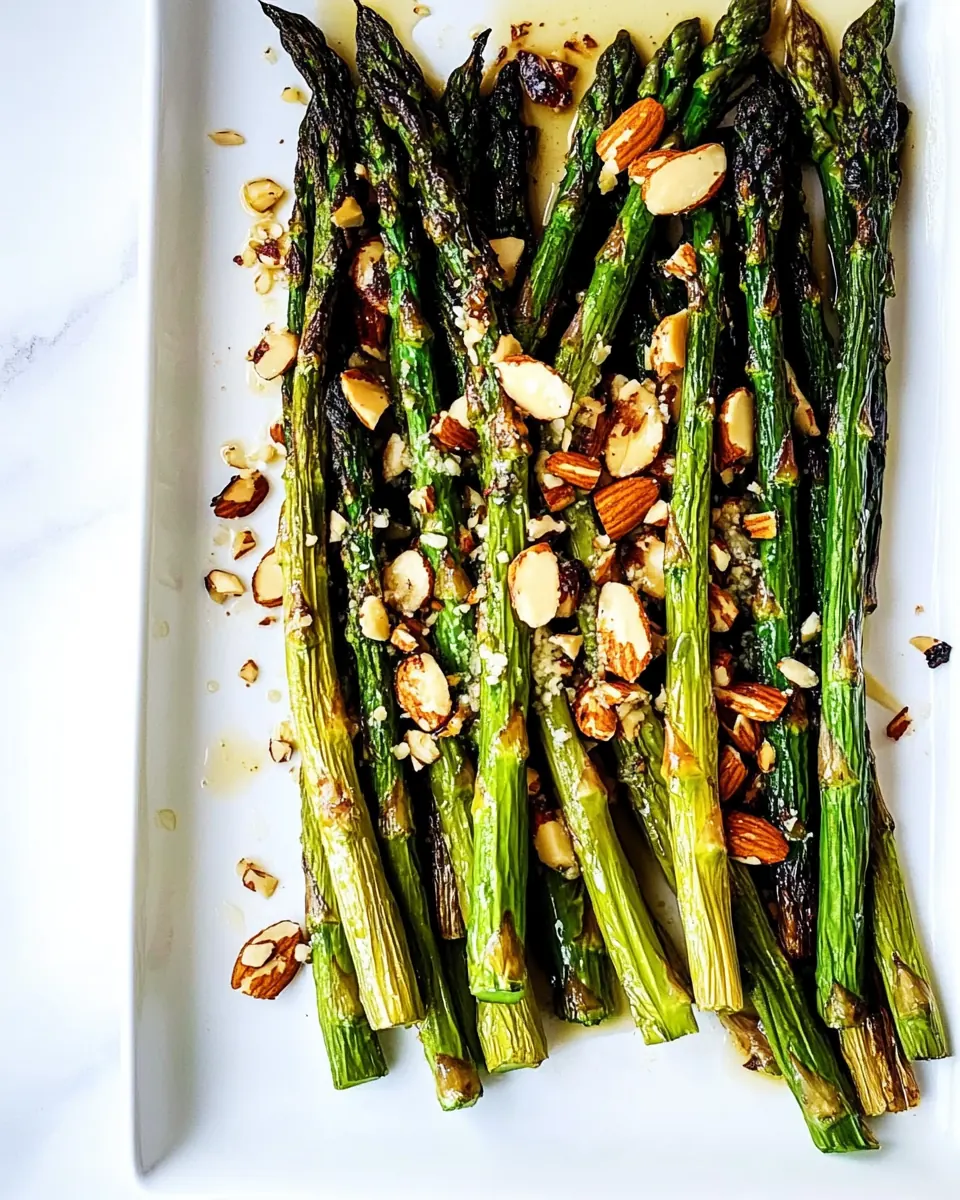
These directions are meant to guide you through quick roasting and a careful browning of butter. Take your time with the pan when the butter is turning color, and keep the asparagus in a single layer so each spear roasts evenly.
- Preheat the oven to 450°F. Place asparagus in a single layer on a baking sheet lined with aluminum foil. Drizzle with olive oil, coating spears evenly, and sprinkle with salt and pepper. Toss to coat. Roast for 8-10 minutes—depending on thickness of spears—or until tender.: As you hear the oven hum, you should expect a rising dry heat that will brown the surface of the asparagus quickly. The smell of warm metal replaces the cool kitchen scent, and when the oven reaches temperature the pan will crisp the spears instead of stewing them. This high heat is crucial because it creates lightly charred tips and tender stalks; lower temperatures will leave the vegetable soft and pale. A common mistake is overcrowding the sheet pan, which causes steaming rather than roasting, so arrange the spears with space between them.
- While the asparagus cooks, melt the butter in a skillet over medium heat. Add the almonds and stir frequently until the butter begins to turn light brown, about 3 minutes. Remove from the heat and add lemon juice and tarragon.: When you lay the asparagus in one layer, each spear meets direct heat and browns along its edges. The foil reflects heat and helps with cleanup, and the visual cue you want is small spots of golden color on the tips and sides. If the spears are piled up the ones underneath will steam, producing a limp texture instead of the desirable snap; avoid that by using an appropriately sized pan.
- Toss the asparagus with butter and almonds and serve.: As you drizzle olive oil , watch the glossy sheen develop along each spear, which helps with browning and prevents sticking. The salt draws out a little moisture so caramelization happens faster, and the black pepper adds aromatic warmth. A common mistake is over seasoning too early; season lightly so you can adjust after roasting if needed.
- Toss to coat: Tossing distributes the olive oil and seasoning so you get consistent color and flavor across all spears. Use tongs or gently shake the pan so oil and salt cling evenly, producing uniform sizzling in the oven. If some spears look dry after tossing, they will roast unevenly, so take a moment to ensure each spear is lightly glossy.
- Roast for 8 to 10 minutes depending on thickness of spears or until tender: In the oven you will hear the subtle sizzle and then almost silence as moisture evaporates. Visually, the tips will darken and the stalks will shift from bright green to a slightly deeper hue, bending just a little when tested. This timing delivers tender but still slightly snappy asparagus; thicker spears need a touch more time, thinner ones less. Avoid leaving them until totally soft and floppy, which indicates overcooking and loss of sweet vegetable flavor.
- While the asparagus cooks, melt the butter in a skillet over medium heat: As the butter melts, listen for a gentle foam forming, and watch it go from pale yellow to a deeper gold. That subtle color change signals that milk solids are toasting, and you will smell increasingly nutty notes. Keep the heat controlled because once the butter reaches the next stage it can turn from fragrant to burnt rapidly. A typical error is to crank the heat, which speeds through the browning and risks a bitter result.
- Add the almonds and stir frequently until the butter begins to turn light brown about 3 minutes: When you add the chopped Marcona almonds , the skillet will sing with soft sizzling as the nuts release oils and soak up the toasty butter . Stirring constantly encourages even browning and prevents hot spots. You want to see small golden flecks form in the melted butter and smell a toasted, caramel like aroma. If you step away, the almonds can quickly go from golden to overly dark, so stay attentive.
- Remove from the heat and add lemon juice and tarragon: Taking the skillet off the flame stops further browning and lets you add the bright, fresh elements without cooking them into dullness. When you pour in the lemon juice, you will hear a brief hiss and smell sharp citrus that cuts through the richness. Folding in the chopped tarragon releases herbal fragrance that complements the nutty notes. Adding these off heat preserves their vibrancy; if you left the pan on high the lemon could become muted and the herb wilted.
- Toss the asparagus with butter and almonds and serve: Tossing the hot roasted asparagus with the browned butter and crunchy Marcona almonds creates a glossy coating that clings to each spear. You will notice the steam rise and the citrus scent mingle with toasted butter immediately. Serve warm so the contrast of textures is most pronounced. A frequent slip is letting it sit too long before serving, which softens the crunch and dulls the bright finish, so plate and present promptly.
Tips and Tricks about Browned Butter Roasted Asparagus with Almonds
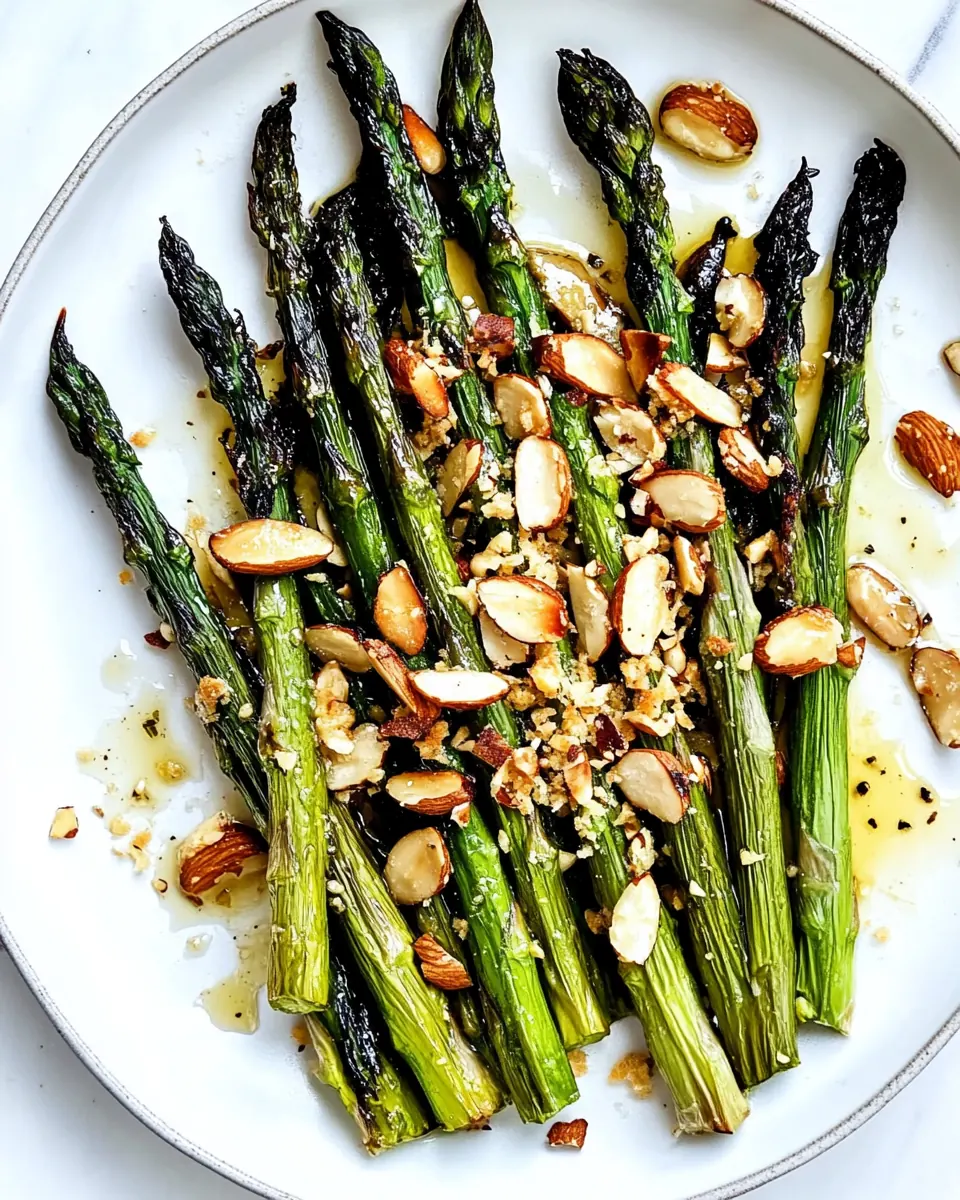
Below are focused tips that expand on the recipe notes and help you get consistent results. I wrote each to be practical, so you can apply them while cooking.
- Choose similar thickness Select asparagus spears that are close in diameter to ensure even roasting, which prevents some pieces from turning limp while others remain undercooked.
- Control the heat when browning butter Keep the skillet at medium heat and remove it from the flame as soon as the browned bits appear to avoid a burnt, bitter flavor.
- Toast almonds gently When adding the chopped Marcona almonds, stir constantly and watch for a light golden color so they release their oils without burning.
- Zest before juicing Always zest the lemon before you cut and squeeze it, because zesting a whole lemon is easier and you get more aromatic oils.
- Use foil for easier cleanup Lining the baking sheet with aluminum foil protects the pan from sticky browned butter splatters and speeds cleanup after roasting.
How to Enjoy Browned Butter Roasted Asparagus with Almonds
This section explains serving ideas, pairings, and storage so you can make the most of the dish in different settings.
- Serve warm as a side Present the Browned Butter Roasted Asparagus with Almonds hot from the oven alongside roasted chicken or grilled fish for a classic spring dinner pairing.
- Make it part of a holiday spread Use this dish on festive tables to add a bright vegetable option that looks elegant and pairs well with richer mains served during family gatherings.
- Light lunch plate Combine cooled spears with a grain salad and a drizzle of the leftover browned butter for an easy picnic or lunch box option.
- Storage and reheating Store leftovers in an airtight container in the refrigerator for up to two days; reheat gently in a warm oven to retain texture and prevent the almonds from softening too much.
- Seasonal pairing Highlight this recipe in spring menus when asparagus is at peak freshness, pairing it with early season greens, fresh herbs, and citrus forward sides.
FAQ
Conclusion
What makes this recipe special is the elegant transformation of simple ingredients into a complex tasting side, where browned butter and crunchy almonds elevate bright roasted asparagus. Give it a try when you want a fast, impressive vegetable that feels both sophisticated and comforting. Serve it warm, enjoy the nutty aroma, and watch how quickly it becomes a repeat favorite at your table.
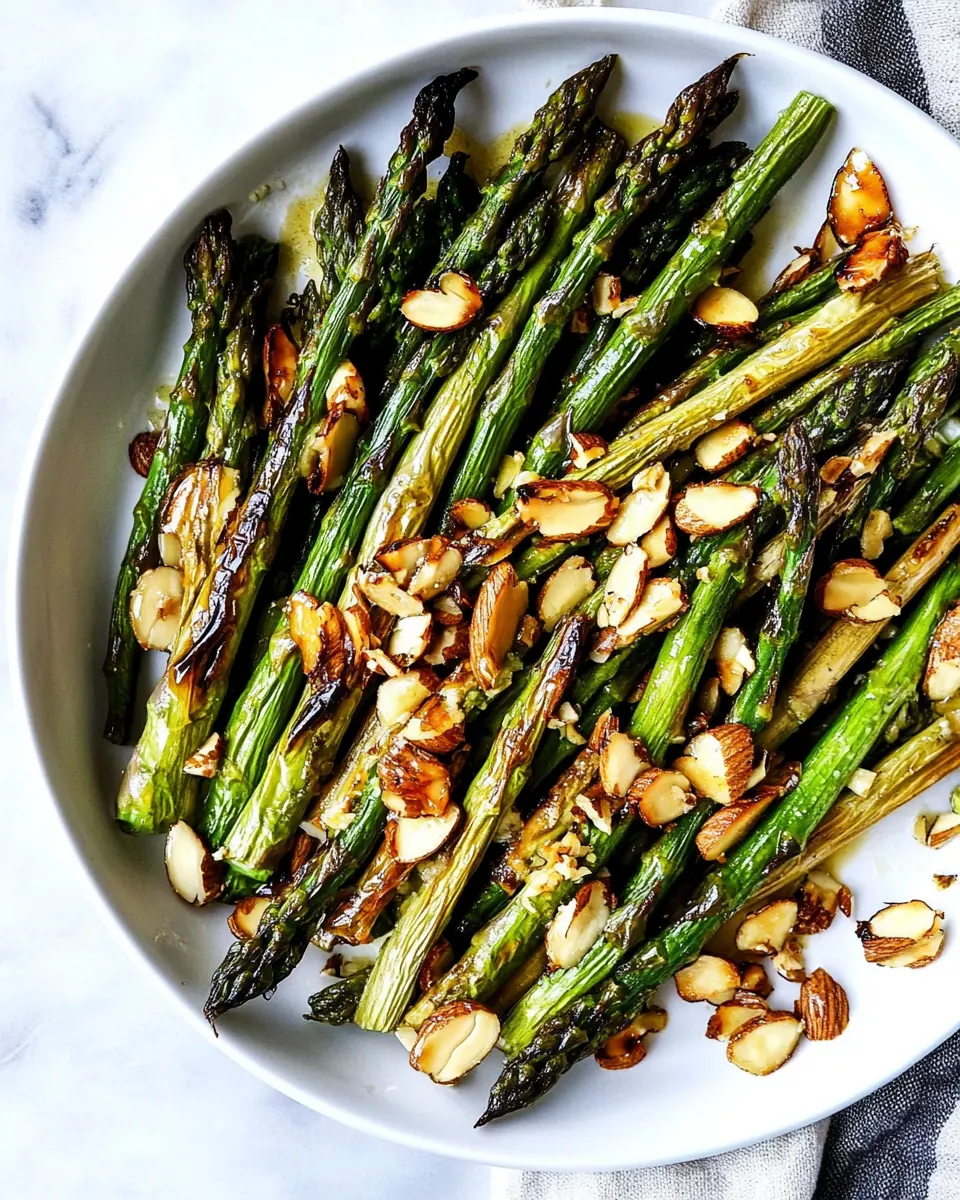
Browned Butter Roasted Asparagus with Almonds
Ingredients
Equipment
Method
- Preheat the oven to 450°F. Place asparagus in a single layer on a baking sheet lined with aluminum foil. Drizzle with olive oil, coating spears evenly, and sprinkle with salt and pepper. Toss to coat. Roast for 8-10 minutes—depending on thickness of spears—or until tender.: As you hear the oven hum, you should expect a rising dry heat that will brown the surface of the asparagus quickly. The smell of warm metal replaces the cool kitchen scent, and when the oven reaches temperature the pan will crisp the spears instead of stewing them. This high heat is crucial because it creates lightly charred tips and tender stalks; lower temperatures will leave the vegetable soft and pale. A common mistake is overcrowding the sheet pan, which causes steaming rather than roasting, so arrange the spears with space between them.
- While the asparagus cooks, melt the butter in a skillet over medium heat. Add the almonds and stir frequently until the butter begins to turn light brown, about 3 minutes. Remove from the heat and add lemon juice and tarragon.: When you lay the asparagus in one layer, each spear meets direct heat and browns along its edges. The foil reflects heat and helps with cleanup, and the visual cue you want is small spots of golden color on the tips and sides. If the spears are piled up the ones underneath will steam, producing a limp texture instead of the desirable snap; avoid that by using an appropriately sized pan.
- Toss the asparagus with butter and almonds and serve.: As you drizzle olive oil , watch the glossy sheen develop along each spear, which helps with browning and prevents sticking. The salt draws out a little moisture so caramelization happens faster, and the black pepper adds aromatic warmth. A common mistake is over seasoning too early; season lightly so you can adjust after roasting if needed.
- Toss to coat: Tossing distributes the olive oil and seasoning so you get consistent color and flavor across all spears. Use tongs or gently shake the pan so oil and salt cling evenly, producing uniform sizzling in the oven. If some spears look dry after tossing, they will roast unevenly, so take a moment to ensure each spear is lightly glossy.
- Roast for 8 to 10 minutes depending on thickness of spears or until tender: In the oven you will hear the subtle sizzle and then almost silence as moisture evaporates. Visually, the tips will darken and the stalks will shift from bright green to a slightly deeper hue, bending just a little when tested. This timing delivers tender but still slightly snappy asparagus; thicker spears need a touch more time, thinner ones less. Avoid leaving them until totally soft and floppy, which indicates overcooking and loss of sweet vegetable flavor.
- While the asparagus cooks, melt the butter in a skillet over medium heat: As the butter melts, listen for a gentle foam forming, and watch it go from pale yellow to a deeper gold. That subtle color change signals that milk solids are toasting, and you will smell increasingly nutty notes. Keep the heat controlled because once the butter reaches the next stage it can turn from fragrant to burnt rapidly. A typical error is to crank the heat, which speeds through the browning and risks a bitter result.
- Add the almonds and stir frequently until the butter begins to turn light brown about 3 minutes: When you add the chopped Marcona almonds , the skillet will sing with soft sizzling as the nuts release oils and soak up the toasty butter . Stirring constantly encourages even browning and prevents hot spots. You want to see small golden flecks form in the melted butter and smell a toasted, caramel like aroma. If you step away, the almonds can quickly go from golden to overly dark, so stay attentive.
- Remove from the heat and add lemon juice and tarragon: Taking the skillet off the flame stops further browning and lets you add the bright, fresh elements without cooking them into dullness. When you pour in the lemon juice, you will hear a brief hiss and smell sharp citrus that cuts through the richness. Folding in the chopped tarragon releases herbal fragrance that complements the nutty notes. Adding these off heat preserves their vibrancy; if you left the pan on high the lemon could become muted and the herb wilted.
- Toss the asparagus with butter and almonds and serve: Tossing the hot roasted asparagus with the browned butter and crunchy Marcona almonds creates a glossy coating that clings to each spear. You will notice the steam rise and the citrus scent mingle with toasted butter immediately. Serve warm so the contrast of textures is most pronounced. A frequent slip is letting it sit too long before serving, which softens the crunch and dulls the bright finish, so plate and present promptly.
Notes
- Choose similar thickness Select asparagus spears that are close in diameter to ensure even roasting, which prevents some pieces from turning limp while others remain undercooked.
- Control the heat when browning butter Keep the skillet at medium heat and remove it from the flame as soon as the browned bits appear to avoid a burnt, bitter flavor.
- Toast almonds gently When adding the chopped Marcona almonds, stir constantly and watch for a light golden color so they release their oils without burning.
- Zest before juicing Always zest the lemon before you cut and squeeze it, because zesting a whole lemon is easier and you get more aromatic oils.
- Use foil for easier cleanup Lining the baking sheet with aluminum foil protects the pan from sticky browned butter splatters and speeds cleanup after roasting.