Baked Root Chips with Buttermilk Parsley Dipping Sauce
Baked Root Chips with Buttermilk Parsley Dipping Sauce began as a weeknight rescue for me when the fridge held nothing but an odd assortment of roots and a jar of yogurt that would not last the weekend.
I remember the evening light slicing through the kitchen window as I peeled a turnip, a parsnip, and two beets, humming to myself while the oven warmed. There is something quietly satisfying about transforming humble, earthy root vegetables into shards of crispness that crackle beneath your fingers. I wanted a dipping sauce that felt bright and cool, something with tang and herbiness to balance the toasted sweetness of the chips, so I combined whole milk Greek yogurt with buttermilk and parsley for a sauce that mirrors the roots rather than overwhelms them.
Over time this recipe became my go to for crowd friendly snacks, improvisational appetizers, and the nights when I want something crunchy yet a little virtuous. When friends come over, I set out a few wire racks of golden discs, the air smelling faintly of caramelized beet sugars and toasted thyme. We nibble, we talk, and the dipping sauce disappears almost as fast as the chips. I love how versatile these chips are, they pair equally well with a casual movie night or a more deliberate tasting spread. The recipe is forgiving if you slice a few chips thicker, and it rewards patience as the oven teases out sweetness from each root. Try to use a mandoline if you have one, but if you don’t, a steady hand and a sharp knife will do.
Recipe Snapshot
40 mins
20 mins
20 mins
Medium
180 kcal
American
Gluten-Free, Low FODMAP
Appetizers
Oven, Mandoline or sharp knife, Wire rack, Baking sheet, Small bowl, Brush
The Appeal of This Baked Root Chips with Buttermilk Parsley Dipping Sauce
I love the contrast of textures
The glassy crunch of a perfectly baked root chip against the smooth, tangy buttermilk and Greek yogurt dip is irresistible. I always notice how the thinly sliced roots develop pockets of toasted flavor that you simply do not get with raw snacking. This contrast makes every bite moreish and satisfying.
They highlight seasonal produce
Using turnip, parsnip, and beet lets the natural sweetness and earthiness of fall roots shine. I appreciate how roasting intensifies their personality, and the recipe is a gentle way to celebrate produce that is often overlooked.
Simple pantry friendly seasoning
A quick mix of avocado oil, dried thyme, a touch of ground cumin, and salt is all you need. I like recipes that rely on nuance rather than heavy handed sauces, and this one uses modest aromatics to amplify the roots without masking them.
The dipping sauce pulls everything together
The combo of whole milk Greek yogurt, buttermilk, parsley, garlic, and a hint of lemon zest creates a cooling counterpoint. I find the sauce’s gentle acidity balances the roasted sugars in the beets and the toasted spices on the chips.
Great for gatherings and weeknights
Whether I am entertaining or making a quick snack, these chips scale easily. You can make them all at once on multiple racks, or work in batches. I often find myself doubling the sauce because it disappears fast, which is always a nice problem to have.
Ingredients Overview for Baked Root Chips with Buttermilk Parsley Dipping Sauce

These ingredients are a study in balance, pairing creamy dairy with earthy roots and warm spices. The key players include the cooling whole milk Greek yogurt and buttermilk that form the sauce, while the array of roots supply natural sweetness and texture. Oils and dried herbs help coax out caramelized edges without masking the vegetables.
- 1 cup whole milk Greek yogurt: Provide creamy body and tangy richness to the sauce, balancing acidity and lending a smooth, spoonable texture that binds other sauce ingredients together.
- 1/3 cup buttermilk: Add a thin, tangy dairy note that thins the yogurt slightly for a pourable consistency while contributing subtle lactic acidity to brighten flavors.
- 2 tablespoons fresh parsley finely chopped: Contribute fresh herbal brightness and a clean, slightly peppery flavor when finely chopped, lifting the sauce and complementing earthy root vegetables.
- 2 cloves garlic minced: Impart pungent savory depth and a sharp aromatic kick when minced, enhancing the overall savory profile of the dipping sauce.
- 1 teaspoon lemon zest: Offer concentrated citrus fragrance and bright, zesty lift that cuts through richness and adds a lively top-note to the sauce.
- 1 teaspoon pure maple syrup: Bring gentle sweetness that balances acidity and savory elements, rounding flavor and adding a subtle complexity to the sauce.
- 1/4 teaspoons ea salt to taste: Season gently to enhance overall flavor balance, ensuring the sauce and chips are properly salted to taste without overwhelming other notes.
- 1 large turnip peeled and thinly sliced: Serve as one of the root vegetable bases for the chips, providing crisp texture and a mildly peppery, slightly sweet flavor when baked thin.
- 1 large parsnip peeled and thinly sliced: Function as a sweet, earthy root chip option that crisps well when sliced thin and roasted, adding variety to the vegetable mix.
- 1 large golden beet peeled and thinly sliced: Provide a golden, mildly sweet and earthy chip with attractive color and a tender-crisp texture that contrasts other roots.
- 1 large red beet peeled and thinly sliced: Introduce deep color and earthy sweetness to the chip assortment, offering a slightly denser texture and rich visual appeal when baked.
- 2 tablespoons avocado oil or grapeseed oil: Act as the neutral oil for tossing the sliced roots, promoting even browning and crisping while preventing sticking on the baking sheet.
- 1 teaspoon dried thyme: Add aromatic, woodsy, slightly floral notes to the seasoning blend, complementing the earthy roots and enhancing savory depth.
- 1/2 teaspoon garlic powder: Contribute a concentrated garlic flavor that boosts savory character and harmonizes with fresh garlic without overpowering the chips.
- 1/4 teaspoon ground cumin: Introduce warm, earthy undertones and a hint of smokiness to the spice mix, pairing well with roasted root vegetables.
- 1/4 teaspoons ea salt plus more for sprinkling: Provide baseline seasoning for the chips and allow for finishing salt; ensures balanced flavor while letting diners adjust to preference.
Cooking Instructions for Baked Root Chips with Buttermilk Parsley Dipping Sauce

These instructions guide you from sauce prep through baking to serving, and they are written to help you sense when each step is done right. I like to stay nearby while the chips bake since small differences in thickness or oven hotspots affect the final crisp. Keep a timer and trust your eyes.
- In a small bowl, whisk all ingredients for the dipping sauce together until combined. Cover and refrigerate until ready to use. Note: the sauce will thicken as it sits in the refrigerator.: The aroma of freshly minced garlic and bright lemon zest will lift as you whisk the whole milk Greek yogurt and buttermilk , producing a glossy sauce that smells herbal and tangy. This resting step lets flavors meld and the sauce thicken slightly, creating a satisfying clinginess for the chips. One common mistake is over thinning the sauce, which makes it slide off instead of coating; resist adding extra liquid until you see the texture after chilling.
- Preheat the oven to 400 degrees F.: As the sauce cools, the herbs release their oils and the overall flavor rounds out, becoming pleasantly mellow rather than sharp. Refrigeration also firms the texture, improving the mouthfeel when you dip a hot chip into it. Avoid leaving it at room temperature for too long, because dairy tastes freshest when cold and safe when kept chilled.
- Whisk together the oil, dried thyme, garlic powder, ground cumin and salt in a small bowl.: You will notice the kitchen slowly warming as the oven reaches 400 degrees F, an ideal temperature for driving moisture out of thin slices while encouraging golden browning. Preheating ensures the chips begin crisping immediately, which helps prevent soggy textures. A frequent error is putting the trays in before the oven is fully hot, resulting in longer cook times and uneven crunch.
- Peel all of the root vegetables and use a mandoline slicer to slice them 1/8-inch thick. (You can also slice them thinly using a sharp knife, but be very careful, as roots tend to be difficult to cut.): The scent of dried thyme and cumin blooming in warm oil is subtle but important, creating a fragrant coating that toasts as the chips bake. Whisking suspends the dried powders so they distribute evenly, avoiding spots of concentrated seasoning. If you skip thorough mixing, some chips will be over salted or overly spiced, which can throw off the balance.
- Use a brush to lightly coat both sides of each chip with oil, then place the slices on an oven-safe wire rack, making sure the slices do not overlap. Place the wire racks on 2 baking sheets. (If you don’t have enough wire racks or baking sheets, you can make the chips in 2 batches.): Hearing the soft rasp of the mandoline and seeing uniform translucent slices predicts even baking and consistent crisp. The thinness is key for rapid moisture evaporation; thicker slices will stay chewy rather than crispy. A dangerous mistake is rushing with a mandoline without a guard, so take care or use a sharp knife with slow controlled cuts if needed.
- Place the baking sheets in the oven and bake the roots until golden-brown and crispy. Check on the roots every few minutes once they have been baking for 20 minutes; remove any chips that are brown and crisp and return the rest to the oven until they’re all done baking.: Brushing lets you control oil application, so each slice glistens but is not saturated. Placing on a wire rack allows hot air to circulate underneath, promoting uniform browning on both faces. Overlapping traps steam and yields limp centers, which is the most common issue here, so space them generously or bake in batches.
- Serve fresh out of the oven with buttermilk-parsley dipping sauce. Store any leftovers in a sealed bag or container – note that chips will not stay crispy after they have sat for a while.: The trays make it easy to slide everything into the oven and catch any drips. You will hear a faint hiss as the liquid in the slices starts to evaporate and notice edges curl slightly as sugars concentrate. If you crowd the trays, chips will steam instead of crisping, so use enough baking sheets or do multiple rounds.
- Place the baking sheets in the oven and bake the roots until golden-brown and crispy: As they roast, expect rising sweet aromas from the beets and a toasty note from the parsnip, with occasional flashes of deeper brown at the edges. Start checking after about 20 minutes and remove any chips that are already deeply golden; the rest may need additional minutes. A typical pitfall is assuming they need one fixed time; thickness and oven variance matter, so rely on color and texture rather than the clock alone.
- Check on the roots every few minutes once they have been baking for 20 minutes: Attentive checking ensures you pull chips at their peak of crispness, when they are brittle but not burnt. Listen for a very light crackling sound and look for uniformly golden edges. Leaving chips in too long will cause them to darken and taste bitter, which is easily avoided with frequent checks.
- Remove any chips that are brown and crisp and return the rest to the oven until they’re all done baking: This staged removal strategy prevents overcooking the sheets while still finishing slower pieces, and it keeps a consistent batch for serving. Place finished chips on a cooling rack where they will firm up; stacking them while still warm traps steam and softens them, which is the most common error to avoid.
- Serve fresh out of the oven with buttermilk-parsley dipping sauce: Freshness is everything here, the contrast of the warm crunchy chips with the cool creamy sauce is most compelling immediately after baking. Arrange them on a platter with the sauce in a shallow bowl for easy dipping. Note that leftovers will lose crispness after time, so if you plan to save some, reheat briefly in a hot oven to revive crunch.
- Store any leftovers in a sealed bag or container: While the chips will not stay perfectly crisp indefinitely, sealing them after cooling slows moisture pickup. If they soften, a short reheat at high heat will help recrisp them. Avoid storing while still warm, which creates condensation and ruins the texture.
Tips and Tricks about Baked Root Chips with Buttermilk Parsley Dipping Sauce
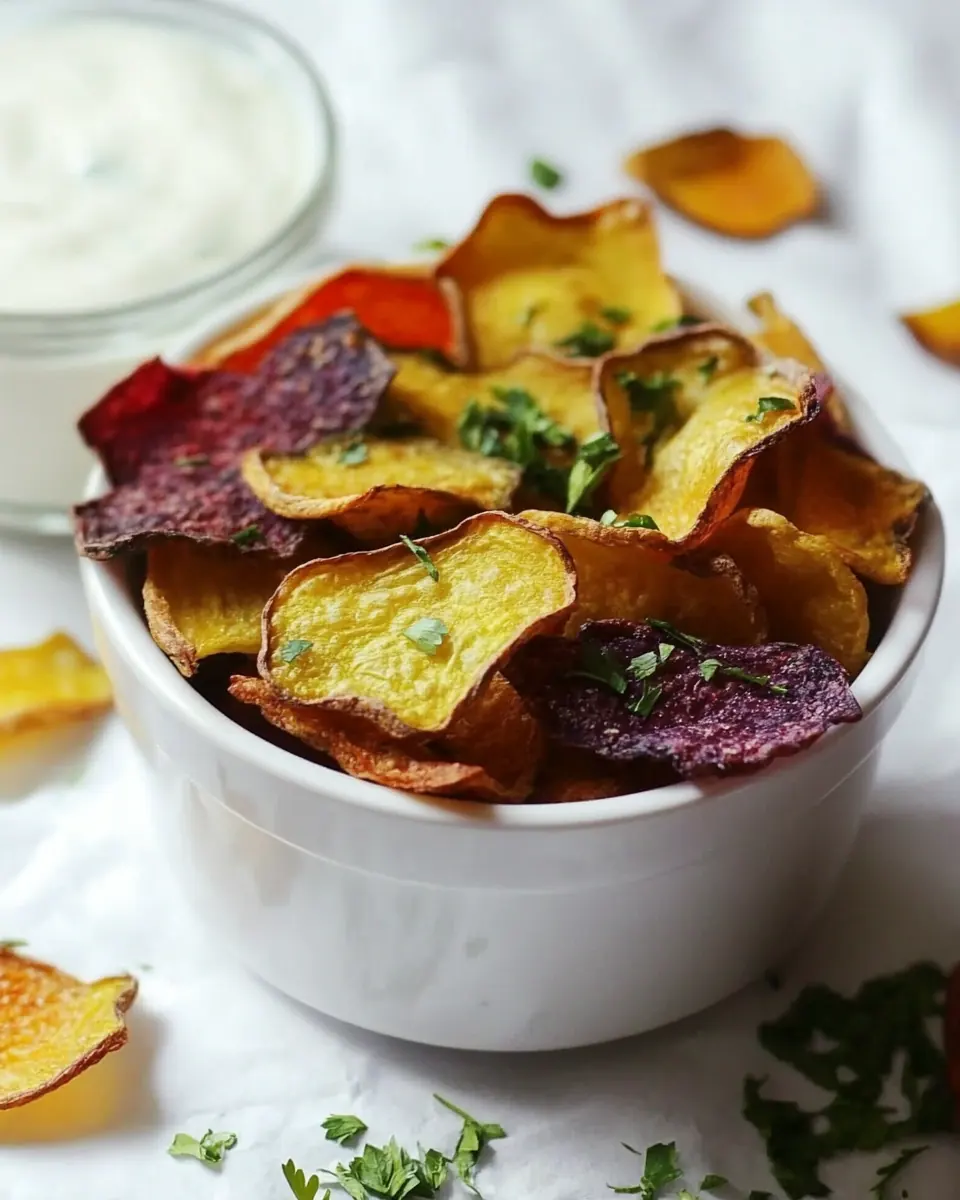
I like to think of these tips as little hacks I have learned over many batches. They help you get more uniform chips, better flavor balance, and easier prep. Keep a small bowl of salt nearby for finishing, and trust visual cues instead of the clock.
- Prep in stages — Peel and slice all roots first, then season in a single sweep. This keeps the process efficient and helps you compare slice thickness visually so the batches finish more uniformly.
- Protect your hands — When using a mandoline, use the safety guard or a cut resistant glove. It’s tempting to multitask, but accidents happen fast with sharp tools.
- Adjust for sweetness — If your beets are very sweet, reduce the maple syrup in the sauce slightly to keep the dip from becoming cloying. Balancing sweet and tang is key to harmony.
- Use high smoke point oil — Avocado or grapeseed oil tolerates the oven heat and helps the slices brown without smoking, preserving a clean flavor.
- Reserve a bit of sauce — Keep some dip aside for immediate serving and chill the rest. Cold sauce is more refreshing and maintains a firmer texture, which clings to the chips better.
- Finish with flaky salt — A light sprinkle of flaky finishing salt after baking elevates the experience by adding bursts of briny contrast to the roasted sweetness.
Great Combinations for Baked Root Chips with Buttermilk Parsley Dipping Sauce
These chips are versatile for many occasions, from casual snacking to thoughtful entertaining. They pair well with light cheeses, seasonal salads, and complement both relaxed and festive menus. Think about texture contrasts and temperature differences when planning a spread.
- Casual appetizer platter — Arrange the chips with a few small bowls of other cold dips and pickles for a relaxed appetizer that encourages grazing.
- Light lunch sides — Pair with a crisp green salad for a balanced lunch, using the chips as the crunchy element that provides heft without heaviness.
- Autumnal gatherings — These chips showcase fall roots perfectly, so they work well for seasonal get togethers or holiday casual bites, where rustic, rooted flavors are welcome.
- Storage and make ahead — Make the dipping sauce up to two days ahead; store the chips at room temperature in an airtight container, then briefly reheat to restore crunch before serving.
- Seasonal pairing — Serve with other roasted fall vegetables, warm soups, or a simple grain bowl where the chips add textural excitement and the sauce offers a cooling counterpoint.
- Serving style — Present the chips on a wide platter with the sauce in a shallow bowl in the center, encouraging sharing and easy dipping for guests.
FAQ
Conclusion
These Baked Root Chips with Buttermilk Parsley Dipping Sauce celebrate humble roots by turning them into crisp, flavor forward snacks. The combination of toasted, caramelized vegetables and a cool, tangy yogurt based dip creates a delightful balance that works for casual nibbling or more curated spreads. Give them a try the next time you have a basket of roots on hand; the process is forgiving and the payoff is a crunchy, herbaceous treat that disappears fast. I hope this recipe encourages you to enjoy roots in a new, snackable way and becomes a favorite for gatherings and quiet evenings alike.
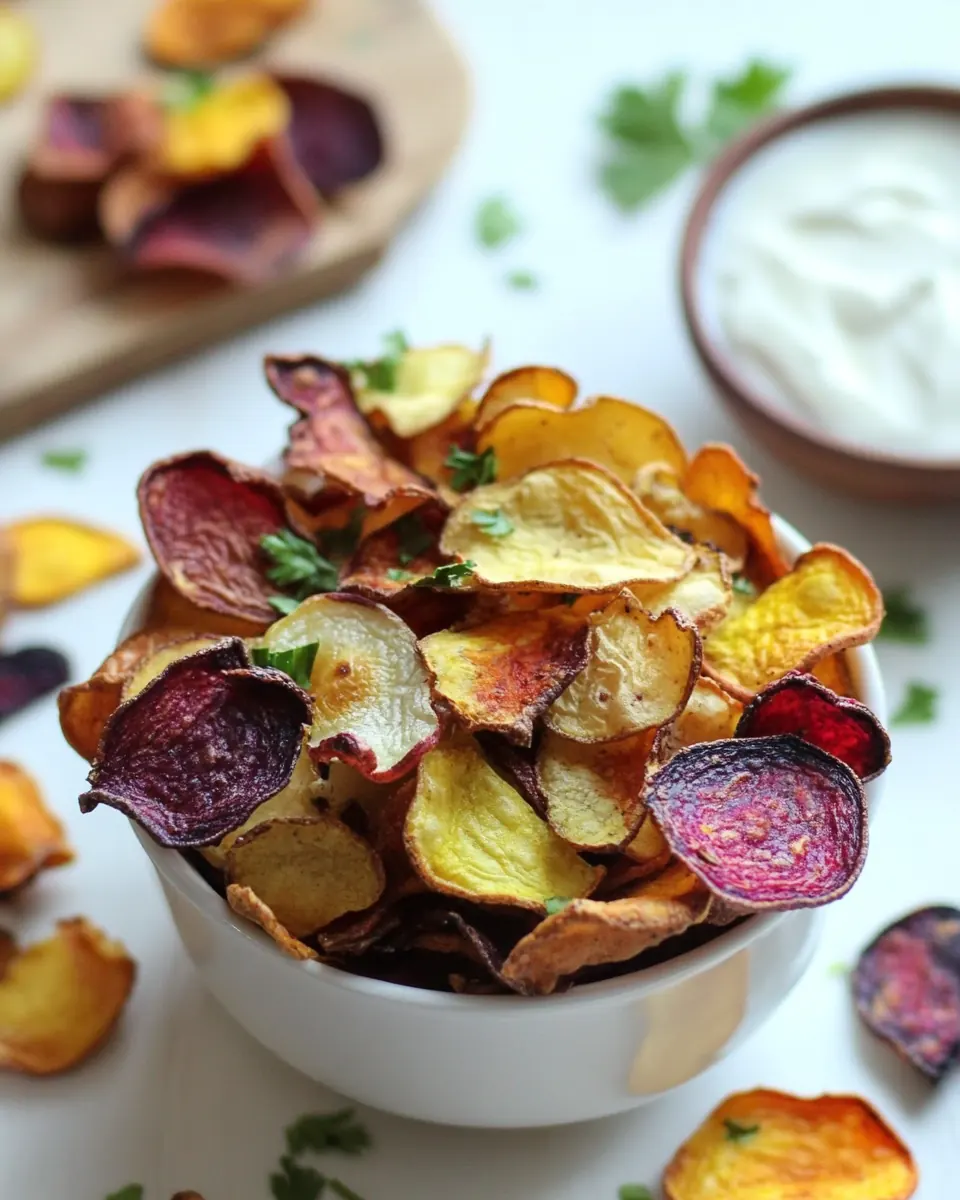
Baked Root Chips with Buttermilk Parsley Dipping Sauce
Ingredients
Equipment
Method
- In a small bowl, whisk all ingredients for the dipping sauce together until combined. Cover and refrigerate until ready to use. Note: the sauce will thicken as it sits in the refrigerator.: The aroma of freshly minced garlic and bright lemon zest will lift as you whisk the whole milk Greek yogurt and buttermilk , producing a glossy sauce that smells herbal and tangy. This resting step lets flavors meld and the sauce thicken slightly, creating a satisfying clinginess for the chips. One common mistake is over thinning the sauce, which makes it slide off instead of coating; resist adding extra liquid until you see the texture after chilling.
- Preheat the oven to 400 degrees F.: As the sauce cools, the herbs release their oils and the overall flavor rounds out, becoming pleasantly mellow rather than sharp. Refrigeration also firms the texture, improving the mouthfeel when you dip a hot chip into it. Avoid leaving it at room temperature for too long, because dairy tastes freshest when cold and safe when kept chilled.
- Whisk together the oil, dried thyme, garlic powder, ground cumin and salt in a small bowl.: You will notice the kitchen slowly warming as the oven reaches 400 degrees F, an ideal temperature for driving moisture out of thin slices while encouraging golden browning. Preheating ensures the chips begin crisping immediately, which helps prevent soggy textures. A frequent error is putting the trays in before the oven is fully hot, resulting in longer cook times and uneven crunch.
- Peel all of the root vegetables and use a mandoline slicer to slice them 1/8-inch thick. (You can also slice them thinly using a sharp knife, but be very careful, as roots tend to be difficult to cut.): The scent of dried thyme and cumin blooming in warm oil is subtle but important, creating a fragrant coating that toasts as the chips bake. Whisking suspends the dried powders so they distribute evenly, avoiding spots of concentrated seasoning. If you skip thorough mixing, some chips will be over salted or overly spiced, which can throw off the balance.
- Use a brush to lightly coat both sides of each chip with oil, then place the slices on an oven-safe wire rack, making sure the slices do not overlap. Place the wire racks on 2 baking sheets. (If you don’t have enough wire racks or baking sheets, you can make the chips in 2 batches.): Hearing the soft rasp of the mandoline and seeing uniform translucent slices predicts even baking and consistent crisp. The thinness is key for rapid moisture evaporation; thicker slices will stay chewy rather than crispy. A dangerous mistake is rushing with a mandoline without a guard, so take care or use a sharp knife with slow controlled cuts if needed.
- Place the baking sheets in the oven and bake the roots until golden-brown and crispy. Check on the roots every few minutes once they have been baking for 20 minutes; remove any chips that are brown and crisp and return the rest to the oven until they’re all done baking.: Brushing lets you control oil application, so each slice glistens but is not saturated. Placing on a wire rack allows hot air to circulate underneath, promoting uniform browning on both faces. Overlapping traps steam and yields limp centers, which is the most common issue here, so space them generously or bake in batches.
- Serve fresh out of the oven with buttermilk-parsley dipping sauce. Store any leftovers in a sealed bag or container - note that chips will not stay crispy after they have sat for a while.: The trays make it easy to slide everything into the oven and catch any drips. You will hear a faint hiss as the liquid in the slices starts to evaporate and notice edges curl slightly as sugars concentrate. If you crowd the trays, chips will steam instead of crisping, so use enough baking sheets or do multiple rounds.
- Place the baking sheets in the oven and bake the roots until golden-brown and crispy: As they roast, expect rising sweet aromas from the beets and a toasty note from the parsnip, with occasional flashes of deeper brown at the edges. Start checking after about 20 minutes and remove any chips that are already deeply golden; the rest may need additional minutes. A typical pitfall is assuming they need one fixed time; thickness and oven variance matter, so rely on color and texture rather than the clock alone.
- Check on the roots every few minutes once they have been baking for 20 minutes: Attentive checking ensures you pull chips at their peak of crispness, when they are brittle but not burnt. Listen for a very light crackling sound and look for uniformly golden edges. Leaving chips in too long will cause them to darken and taste bitter, which is easily avoided with frequent checks.
- Remove any chips that are brown and crisp and return the rest to the oven until they’re all done baking: This staged removal strategy prevents overcooking the sheets while still finishing slower pieces, and it keeps a consistent batch for serving. Place finished chips on a cooling rack where they will firm up; stacking them while still warm traps steam and softens them, which is the most common error to avoid.
- Serve fresh out of the oven with buttermilk-parsley dipping sauce: Freshness is everything here, the contrast of the warm crunchy chips with the cool creamy sauce is most compelling immediately after baking. Arrange them on a platter with the sauce in a shallow bowl for easy dipping. Note that leftovers will lose crispness after time, so if you plan to save some, reheat briefly in a hot oven to revive crunch.
- Store any leftovers in a sealed bag or container: While the chips will not stay perfectly crisp indefinitely, sealing them after cooling slows moisture pickup. If they soften, a short reheat at high heat will help recrisp them. Avoid storing while still warm, which creates condensation and ruins the texture.
Notes
- Prep in stages — Peel and slice all roots first, then season in a single sweep. This keeps the process efficient and helps you compare slice thickness visually so the batches finish more uniformly.
- Protect your hands — When using a mandoline, use the safety guard or a cut resistant glove. It’s tempting to multitask, but accidents happen fast with sharp tools.
- Adjust for sweetness — If your beets are very sweet, reduce the maple syrup in the sauce slightly to keep the dip from becoming cloying. Balancing sweet and tang is key to harmony.
- Use high smoke point oil — Avocado or grapeseed oil tolerates the oven heat and helps the slices brown without smoking, preserving a clean flavor.
- Reserve a bit of sauce — Keep some dip aside for immediate serving and chill the rest. Cold sauce is more refreshing and maintains a firmer texture, which clings to the chips better.
- Finish with flaky salt — A light sprinkle of flaky finishing salt after baking elevates the experience by adding bursts of briny contrast to the roasted sweetness.