Tuna Salad Recipe
Tuna Salad Recipe has been my go to when I want something bright, satisfying, and quick on a weeknight that still feels a little special.
Years ago I tossed together a bowl of crunchy greens and pantry tuna between errands, and that humble plate taught me how a few fresh touches can transform a simple sandwich filling into a revelatory meal. I remember the first time I added chilled pasta for texture and an avocado for silk, the way the fork slid through each bite and the mix of clean, briny tuna with creamy oil made me grin. That playful experiment is the heart of this Tuna Salad Recipe.
Now I make this same combination when friends pop by, when I crave a light lunch, or when I need a salad that travels well. I love that every element plays a clear role: the crunchy Romaine, the pops of bell pepper, the soft avocado, and the lemony vinaigrette that sings across the whole bowl. Over time I’ve learned little moves, like shocking pasta in ice water to lock in bite, and pulsing the vinaigrette until it is silky, that turn an ordinary mix into a meal that feels composed.
Recipe Snapshot
25 mins
15 mins
10 mins
Easy
350 kcal
American
Paleo, Gluten-Free
Salads
Pot, Colander, Food processor or small blender, Large bowl
Why You Need This Tuna Salad Recipe
Bright, Fresh Flavor Balance
I love how Tuna Salad Recipe balances clean, citrusy notes with creamy textures. The lemon juice and white balsamic lift the natural savor of the tuna, while the olive oil smooths everything out. That contrast makes each forkful interesting, and I always find myself reaching for more.
Speed without Sacrificing Quality
I often need something fast, and this dish answers that call. With a short hands on time, you’re still getting a composed plate that tastes like you spent more time on it. I appreciate recipes that let me finish other tasks while the pasta cools, then come back to a salad that feels assembled with care.
Textural Delight
I adore the mix of textures here. The crisp Romaine heart, tender pasta, creamy avocado, and crunchy bell peppers make every bite layered. I think about texture first when I plan a salad, and this one delivers on multiple levels.
Flexible and Crowd Friendly
This recipe is a terrific choice when hosting because it scales well and holds up on a buffet. You can make the vinaigrette ahead, chill the components separately, and toss at the last minute. I find that guests always compliment the dressing and the bright pop from the lemon.
Pantry Friendly and Reliable
I keep the basics on hand so I can assemble this on short notice. A can or pouch of tuna plus olive oil, mustard, and a few fresh veggies are all it takes to make a satisfying meal. That reliability is why this salad has become one of my staples.
Shopping List for Tuna Salad Recipe
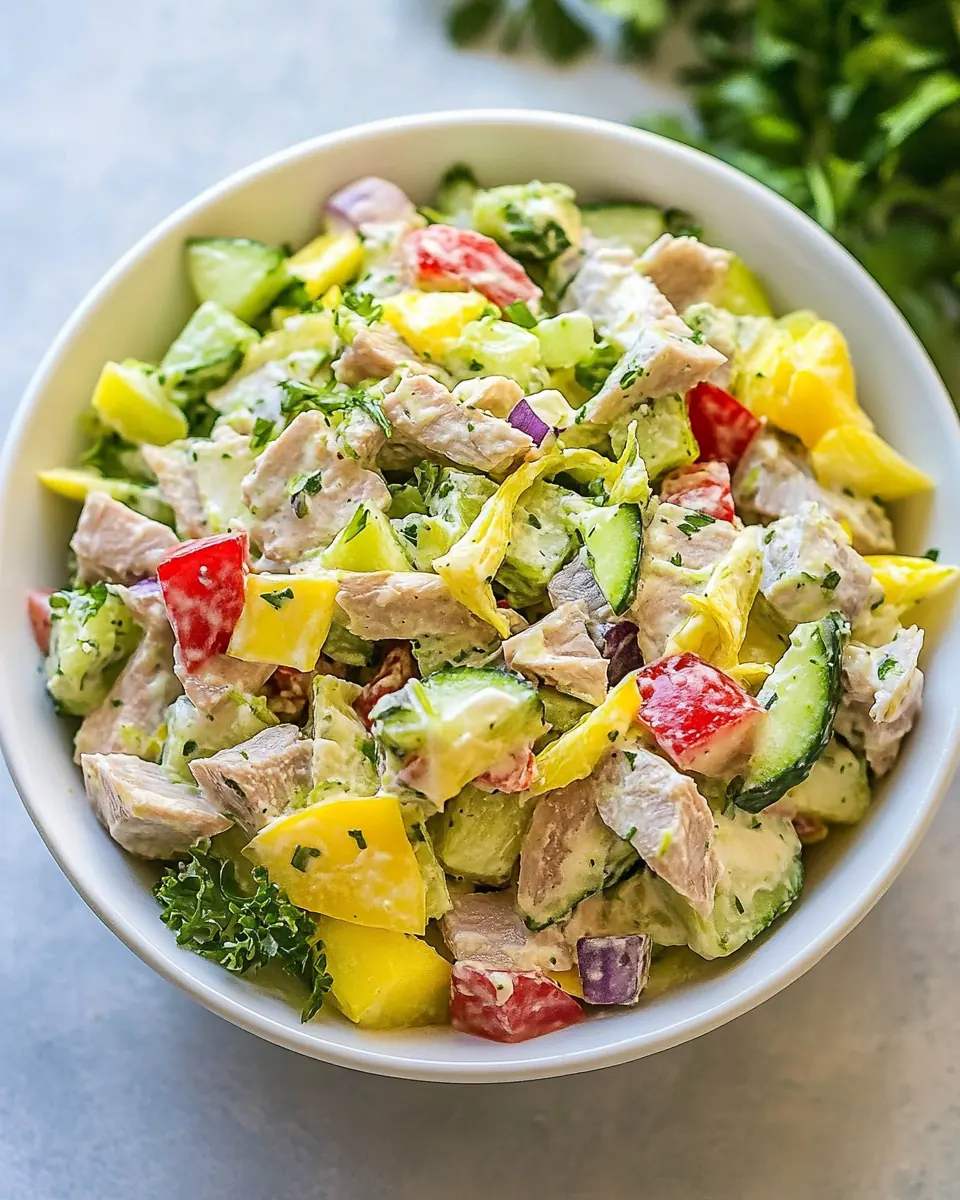
I build this salad around ingredients that speak to freshness and texture. The core players are crisp leafy Romaine, creamy avocado, flaky tuna, and tender pasta. The dressing is simple but smart, balancing oil, acid, and a touch of sweetness so each forkful feels cohesive.
- 2 heads Romaine heart chopped: Provide crisp, sturdy leaves that form the salad base and offer a refreshing, slightly bitter crunch; chop into bite-sized pieces to ensure even distribution and easy tossing with dressing. Pair well with creamy and acidic components to balance textures and flavors for each bite.
- 1 avocado diced: Add creamy, buttery texture and mild, nutty flavor when diced; incorporate at the end to avoid browning and to maintain visual appeal. Use ripe avocado to contribute healthy fats and a smooth mouthfeel that complements the tuna and dressing.
- 7 ounces white albacore tuna flaked with fork: Supply lean, flaky protein with a savory, oceanic flavor when flaked with a fork; distribute evenly through the salad to create satisfying bites. Choose white albacore for its firm texture and mild taste that melds well with light vinaigrettes and vegetables.
- 1 cucumber quartered: Contribute cool, crisp hydration and a mild vegetal flavor when quartered and sliced or diced as preferred; add for a refreshing contrast to richer ingredients. Retain some seeds and skin for texture and visual brightness in the salad.
- 1 red bell pepper diced: Provide sweet, slightly tangy crunch and bright color when diced; include to add a crisp, juicy element that enhances visual appeal. Use red bell pepper for its vitamin content and to offer a pleasant counterpoint to savory tuna.
- 1 yellow bell pepper diced: Bring a sweet, mellow crunch and vibrant yellow hue when diced; add for color contrast and a milder pepper flavor that balances the red pepper. Ensure uniform dice for consistent texture throughout the salad.
- 1/4 red onion sliced: Add a sharp, pungent bite and subtle sweetness when thinly sliced; use sparingly to avoid overpowering other flavors. Rinse or soak if desired to mellow intensity and create a more balanced overall taste.
- 1 cup dry pasta: Provide tender, starchy body when cooked and cooled; add as a hearty element to make the salad more filling and texturally varied. Choose a short pasta shape for easy mixing and fork-friendly bites that hold dressing.
- 1/3 cup olive oil: Serve as the primary fat in the dressing, offering fruity, peppery undertones and silky mouthfeel; whisk with acidic components for emulsification. Use good-quality olive oil to carry flavors and coat salad ingredients evenly.
- 2 tablespoons lemon juice: Introduce bright acidity and citrus aroma to the dressing with fresh juice; balance richness and enhance freshness. Add gradually and taste to achieve desired tang without overwhelming other components.
- 2 teaspoons shallot minced: Contribute a delicate onion-like flavor and subtle sweetness when minced; incorporate into the dressing for depth and savory complexity. Use finely minced shallot to ensure it dissolves into the vinaigrette and disperses flavor evenly.
- 1 1/2 teaspoons Dijon mustard: Provide a sharp, slightly pungent tang to help bind the dressing and add piquancy; emulsify with oil and mix thoroughly. Use measured Dijon to avoid overpowering while contributing characteristic mustardy heat.
- 1/2 teaspoon lemon zest: Add concentrated citrus fragrance and bright lemony notes; use sparingly to lift flavors without adding extra liquid. Zest provides aromatic oils that enhance freshness and complement the lemon juice in the dressing.
- 1/2 teaspoon sugar or honey: Offer a touch of sweetness to round out acidity and mellow sharp flavors; dissolve into the dressing to achieve balanced taste. Substitute honey or sugar to personal preference for sweetness level and texture.
- 2 tablespoons white balsamic vinegar: Introduce nuanced, mellow acidity with fruity sweetness as an alternative to other vinegars; whisk into the dressing to deepen flavor. Use white balsamic to provide gentler tang and a subtle, rounded finish that ties the vinaigrette together.
How to Prepare Tuna Salad Recipe
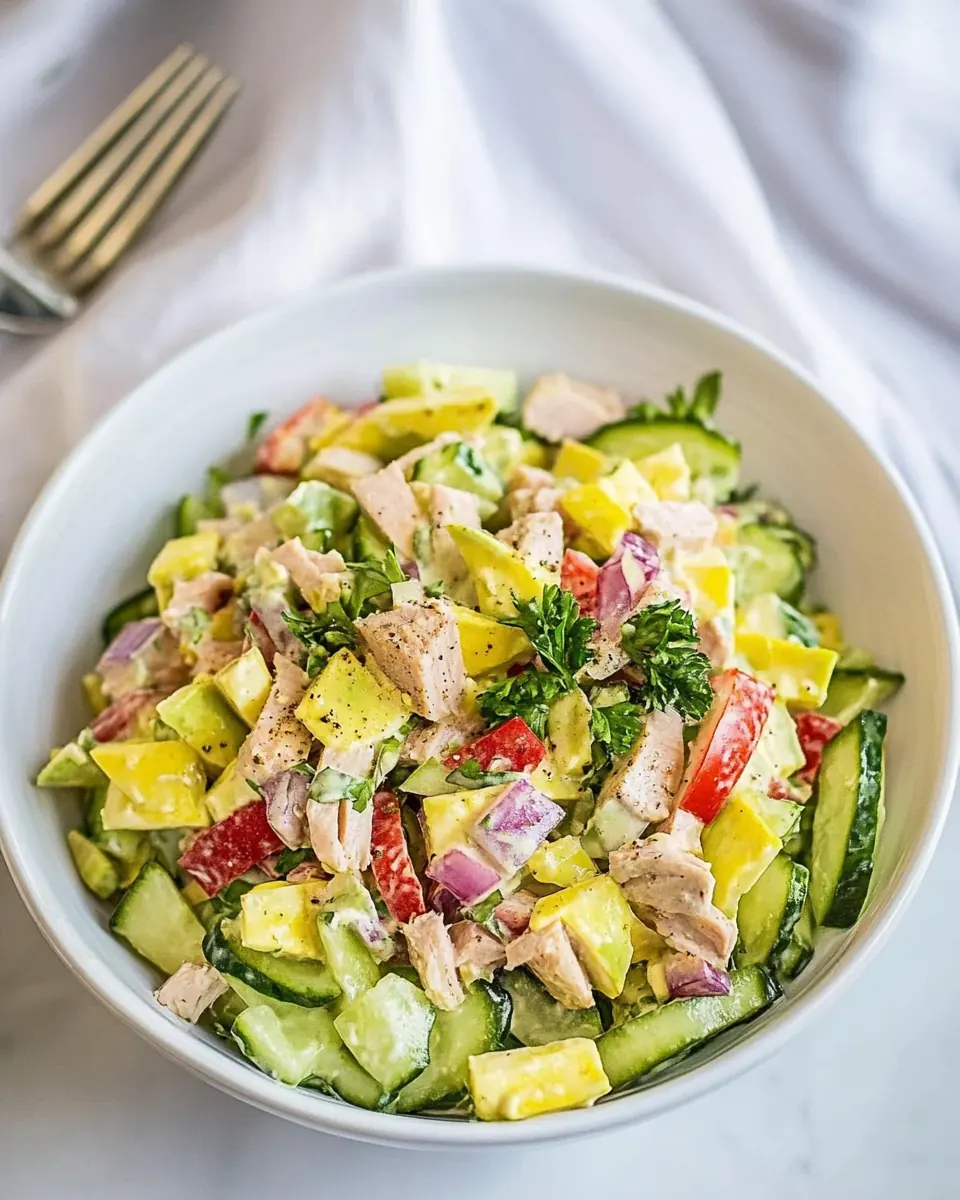
This recipe comes together in a few deliberate moves, from cooking and chilling the pasta to pulsing the vinaigrette until silky. Follow each step attentively and you will be rewarded with lively flavors and satisfying textures.
- Cook the pasta according to direction on package. Drain and place in a bowl of ice cold water. Drain again.: As the pasta finishes cooking you will notice a tender yet slightly resistant bite, the hallmark of al dente, and cooling it in a bowl of ice cold water halts residual heat so the pasta does not continue to soften. This technique preserves the plump, slightly chewy texture that makes it pleasant with the crunchy vegetables. Listen for the water as it swirls during draining, and observe the pasta change from cloudy to translucent as it cools. One common mistake is overcooking, which leads to a mushy texture that will soak up too much dressing. If pasta turns limp, rinse it thoroughly under cold running water to stop cooking and then chill until it firms back up. Using a fine mesh colander helps you drain quickly, and spreading the pasta on a tray for a minute can release trapped water before it hits the bowl. The ice water also tightens surface starches, preventing the pieces from clumping in the salad. Avoid skipping the ice bath, especially in warm kitchens, because warm pasta will wilt the greens and make the final dish soggy.
- Place all vegetables in a bowl along with the cooled and drained pasta. Drizzle with dressing and toss.: When you combine the crisp Romaine , diced peppers, sliced onion, quartered cucumber , and the chilled pasta , you will see a colorful mosaic form in the bowl. The initial toss should be gentle so the avocado and flaked tuna remain intact rather than becoming a crushed paste. Smell the bright citrus and herbaceous olive oil as you fold the ingredients together, and watch the dressing visually cling to the surfaces, giving them a glossy sheen. A frequent oversight is overdressing, which masks individual flavors and makes the salad watery; pour modestly, toss, then add more if needed. To avoid bruising the greens, use tongs or two large spoons and lift through the mix rather than stirring vigorously. If the salad will sit for a while, keep the dressing light and add a final drizzle just before serving so leaves stay crisp.
- Place vinaigrette ingredients in a food processor or small blender and pulse until smooth.: You will notice the aroma of minced shallot and freshly zested lemon as the machine emulsifies the olive oil with the tang of white balsamic and Dijon mustard. The pulsing action transforms the dressing from a separated mix to a unified, silky emulsion that clings to the salad components, creating an even flavor distribution. Texture is key here, as a smooth dressing coats the pasta and greens without pooling at the bottom of the bowl. A common mistake is overblending, which can warm the oil slightly and flatten the brightness, so pulse in short bursts and taste as you go. If your dressing splits, add a teaspoon of warm water while blending to coax it back together. For a finer texture, scrape the sides and pulse again briefly; this also ensures the minced shallot is fully integrated. Keep the dressing chilled until you are ready to toss to preserve crispness in the salad.
Tips and Tricks about Tuna Salad Recipe
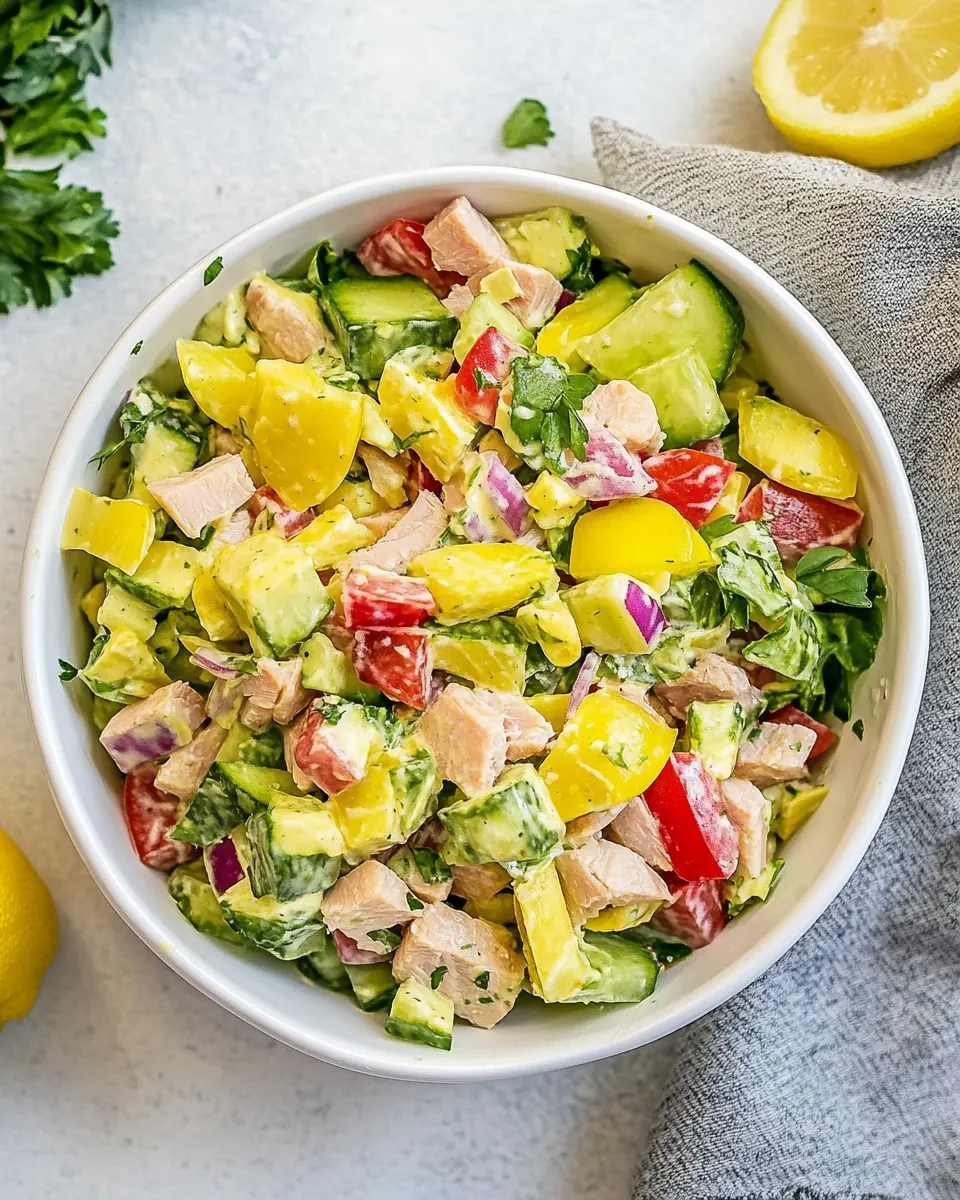
I like to keep a few tips in mind so every batch of this salad hits the right notes. The following suggestions help with texture, timing, and flavor balance, and they are written to be practical whether you are making a single serving or feeding a group.
- Chill the pasta: Cooling the pasta in ice water preserves its al dente bite and prevents the salad from getting mushy when mixed with the dressing.
- Pulse, do not overblend: Brief pulses in the food processor create a silky vinaigrette while keeping the shallot texture subtle and aromatic.
- Protect the avocado: Dice your avocado just before serving and add it gently so it stays visually appealing and retains creamy texture.
- Emulsify the dressing: Use Dijon mustard to help the oil and acid bind together, which ensures the dressing clings evenly to the ingredients.
- Scale gracefully: If serving a crowd, keep components separate until just before serving to maintain freshness and crispness.
What to Pair With Tuna Salad Recipe
This salad works beautifully across many occasions from casual lunches to light dinners. It pairs well with items that echo its freshness and texture, and it stores decently for next day meals if components are kept separate.
- Light breads: A crusty baguette or whole grain rolls complement the salad and provide a satisfying chew without overpowering the delicate flavors.
- Simple sides: Steamed green beans or a platter of raw vegetables keep the meal bright and balanced for a summer lunch.
- Occasions: This is great for lunch gatherings, picnic spreads, or a relaxed weeknight dinner when you want something quick yet composed.
- Storage tips: Store the dressing separately in a sealed jar and refrigerate; keep the salad components chilled and combine within 24 hours for best texture.
- Seasonal pairings: In summer, serve with ripe tomatoes and fresh herbs; in cooler months, add heartier grains alongside for extra body.
FAQ
Conclusion
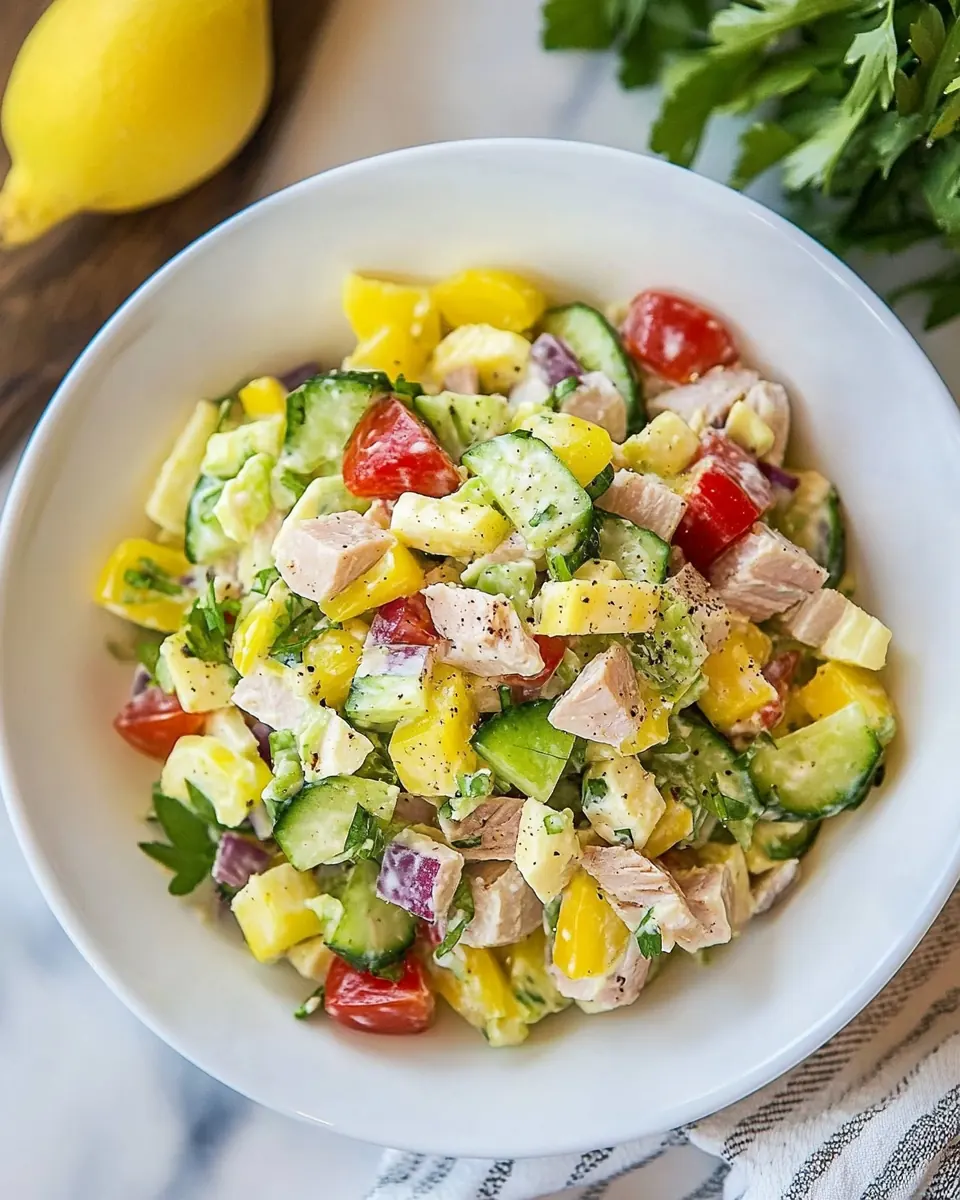
This Tuna Salad Recipe stands out for its balance of bright citrus, silky dressing, flaky tuna, and layered textures. Give it a try the next time you want a quick, composed meal that feels thoughtful and satisfying. I hope it becomes one of your reliable lunches or light dinners, something you reach for when you need flavor without fuss.
Tuna Salad Recipe
Ingredients
Equipment
Method
- Cook the pasta according to direction on package. Drain and place in a bowl of ice cold water. Drain again.: As the pasta finishes cooking you will notice a tender yet slightly resistant bite, the hallmark of al dente, and cooling it in a bowl of ice cold water halts residual heat so the pasta does not continue to soften. This technique preserves the plump, slightly chewy texture that makes it pleasant with the crunchy vegetables. Listen for the water as it swirls during draining, and observe the pasta change from cloudy to translucent as it cools. One common mistake is overcooking, which leads to a mushy texture that will soak up too much dressing. If pasta turns limp, rinse it thoroughly under cold running water to stop cooking and then chill until it firms back up. Using a fine mesh colander helps you drain quickly, and spreading the pasta on a tray for a minute can release trapped water before it hits the bowl. The ice water also tightens surface starches, preventing the pieces from clumping in the salad. Avoid skipping the ice bath, especially in warm kitchens, because warm pasta will wilt the greens and make the final dish soggy.
- Place all vegetables in a bowl along with the cooled and drained pasta. Drizzle with dressing and toss.: When you combine the crisp Romaine , diced peppers, sliced onion, quartered cucumber , and the chilled pasta , you will see a colorful mosaic form in the bowl. The initial toss should be gentle so the avocado and flaked tuna remain intact rather than becoming a crushed paste. Smell the bright citrus and herbaceous olive oil as you fold the ingredients together, and watch the dressing visually cling to the surfaces, giving them a glossy sheen. A frequent oversight is overdressing, which masks individual flavors and makes the salad watery; pour modestly, toss, then add more if needed. To avoid bruising the greens, use tongs or two large spoons and lift through the mix rather than stirring vigorously. If the salad will sit for a while, keep the dressing light and add a final drizzle just before serving so leaves stay crisp.
- Place vinaigrette ingredients in a food processor or small blender and pulse until smooth.: You will notice the aroma of minced shallot and freshly zested lemon as the machine emulsifies the olive oil with the tang of white balsamic and Dijon mustard. The pulsing action transforms the dressing from a separated mix to a unified, silky emulsion that clings to the salad components, creating an even flavor distribution. Texture is key here, as a smooth dressing coats the pasta and greens without pooling at the bottom of the bowl. A common mistake is overblending, which can warm the oil slightly and flatten the brightness, so pulse in short bursts and taste as you go. If your dressing splits, add a teaspoon of warm water while blending to coax it back together. For a finer texture, scrape the sides and pulse again briefly; this also ensures the minced shallot is fully integrated. Keep the dressing chilled until you are ready to toss to preserve crispness in the salad.
Notes
- Chill the pasta: Cooling the pasta in ice water preserves its al dente bite and prevents the salad from getting mushy when mixed with the dressing.
- Pulse, do not overblend: Brief pulses in the food processor create a silky vinaigrette while keeping the shallot texture subtle and aromatic.
- Protect the avocado: Dice your avocado just before serving and add it gently so it stays visually appealing and retains creamy texture.
- Emulsify the dressing: Use Dijon mustard to help the oil and acid bind together, which ensures the dressing clings evenly to the ingredients.
- Scale gracefully: If serving a crowd, keep components separate until just before serving to maintain freshness and crispness.