Cheesy Broccoli Casserole
Cheesy Broccoli Casserole has always been my comfort from weeknight chaos, a dish that turns a pile of humble broccoli into something indulgent and spoon worthy. The first time I made this, I was juggling a fussy toddler and a late meeting, and a bubbling tray that smelled of warm cheddar cheese and browned crumbs felt like a tiny victory. That night we ate late, laughed loud, and everyone scraped their plates clean, which made me fall for this recipe hard.
Over the years, I learned little tricks that keep the casserole creamy but never soggy. I like to prep everything in advance, so the actual assembly feels fast and satisfying. There is a rhythm to cooking this recipe, from the quick blanch of the broccoli to stirring the glossy sauce until it clings to the florets. Each step tells you what will happen next, and the result always feeds more than hunger, it soothes the evening.
Recipe Snapshot
45 mins
20 mins
25 mins
Medium
350 kcal
American
Gluten-Free, Keto
Dinner
Pot, Colander, 9×13 casserole dish, Skillet or medium saucepan, Oven
The Beauty of This Cheesy Broccoli Casserole
Reliable family favorite
I reach for Cheesy Broccoli Casserole when I want a dish that pleases both kids and grown ups. The mix of creamy sauce and crunchy topping hits multiple textures, so picky eaters are more likely to try a forkful. I have served this at birthday dinners and casual potlucks, and it vanishes first.
Comforting yet vegetable forward
What I love is that it centers the broccoli, turning it into the star rather than hiding it. The lush sauce wraps each floret with savory richness, making the vegetable feel indulgent. I often tell friends this is the easiest way to make people love their greens.
Quick to pull together
Between prepping and baking, the whole process moves briskly. I appreciate that the active stove time is short, and most of the wait is passive while the oven does the work. For busy nights, this is a big reason I return to the recipe again and again.
Textural contrast
The crunchy buttery topping provides a satisfying contrast to the silky interior. I always coat the crumbs thoroughly so they bake into golden shards that snap when you dig in. That crunch is the small detail that elevates the whole dish.
Flexible and forgiving
I value recipes that adapt to what I have on hand. This casserole is forgiving with slight variations in cheese amounts, or using crackers versus breadcrumbs. I often tweak things on the fly, and it still comes out comforting and flavorful.
Everything You Need for Cheesy Broccoli Casserole
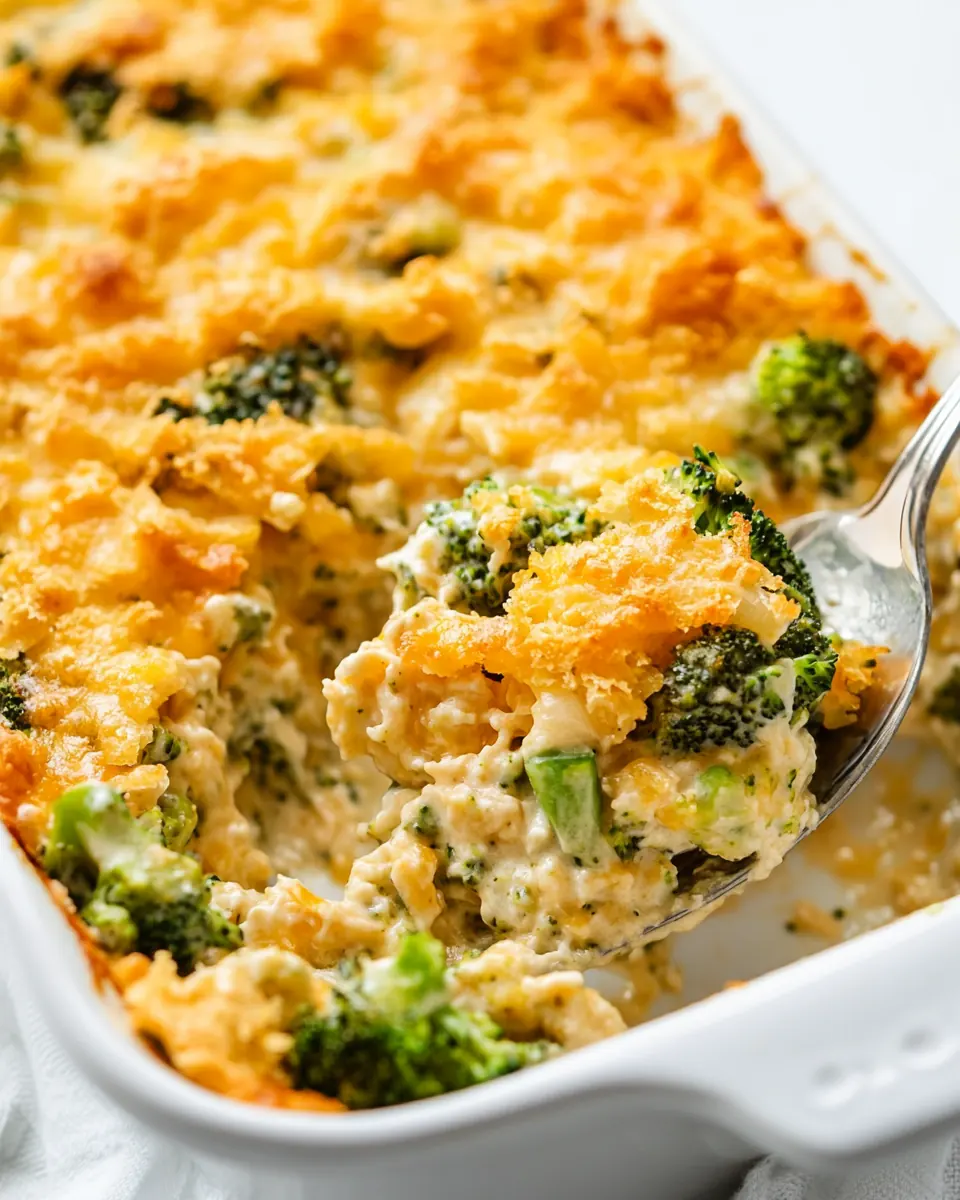
The philosophy here is simple, creamy, and textural. Each ingredient plays a clear role: the broccoli provides structure and freshness, the creamy components build a luscious sauce, and the cheeses add depth and savory lift. The buttery cracker topping brings heat tolerant crunch that contrasts the tender florets. Together these ingredients create a balanced casserole that is rich without feeling heavy.
- 6 cups broccoli florets see note: Steam or blanch until tender-crisp and provide the fresh vegetable base that adds texture, color, and nutrients to the casserole. Hold excess water after cooking to prevent a soggy dish and arrange evenly in the baking dish for consistent heating.
- 8 ounces cream cheese (1 block Philly) softened, see note: Soften at room temperature and create a rich, creamy binder that helps emulsify the sauce and hold the casserole together. Beat until smooth to avoid lumps and combine thoroughly with the cream for a velvety consistency.
- 1 cup heavy/whipping cream: Warm gently with the cream cheese to thin the mixture and contribute a silky, rich sauce that coats the broccoli and carries flavor. Adjust amount to reach desired creaminess while maintaining structure during baking.
- 1/2 teaspoon onion powder: Season with a mild savory note that enhances onion-like aroma without adding moisture; sprinkle into the cheese mixture for background flavor. Use measured amounts to balance other seasonings and avoid overpowering the dish.
- 1/2 teaspoon garlic powder: Add a gentle, savory depth with a warm garlic aroma that complements the cheeses; integrate into the sauce for even distribution. Use powdered form to avoid texture issues and to blend seamlessly into the cream base.
- 1 teaspoon Dijon mustard: Introduce a tangy, slightly sharp undertone that brightens the creamy sauce and balances the richness of the cheeses. Whisk in small amounts to accentuate flavors without making the mixture overly acidic.
- 1 teaspoon Worcestershire sauce: Provide a deep, savory umami boost that rounds out the sauce and intensifies the overall flavor profile; stir into the cream mixture evenly. Use sparingly to keep salt balance steady while enhancing complexity.
- Salt & pepper to taste: Adjust seasoning to personal taste and ensure the casserole is properly seasoned; taste the sauce before baking and add as needed. Remember that cheeses contribute salt, so season conservatively and recheck after mixing.
- 2 cups grated cheddar cheese divided: Melt into the sauce for a pronounced cheesy flavor and reserve some to sprinkle on top for a golden, bubbly finish. Grate finely for quick melting and divide to layer within and on top of the casserole.
- 1/2 cup freshly grated parmesan cheese: Sprinkle into the mixture to add a nutty, salty finish that deepens cheese flavor and contributes to browning on the surface. Finely grate for even melting and to blend seamlessly with other cheeses.
- 1/4 cup butter melted: Melt and drizzle to add richness and help bind the breadcrumb topping while promoting browning and crispness. Pour evenly over crumbs to create a golden crust that contrasts the creamy interior.
- 1 cup crushed Ritz crackers or panko breadcrumbs: Crumble or sprinkle over the top to create a crunchy, buttery crust that provides texture contrast to the creamy filling. Mix with melted butter before spreading to ensure even coverage and crisp, golden results.
How to Assemble Cheesy Broccoli Casserole
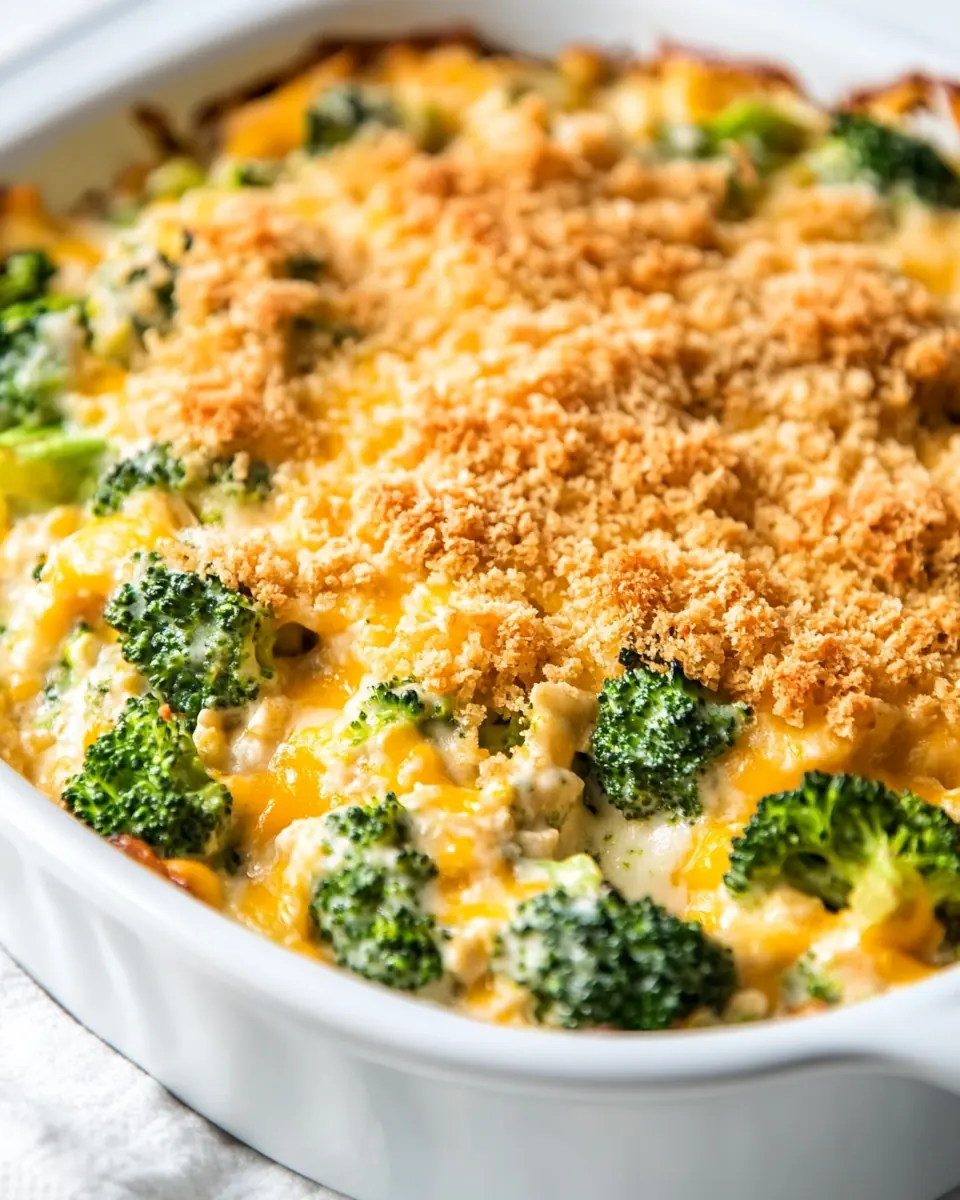
This casserole comes together with simple techniques that reward attention to small details. Move methodically from blanching the broccoli to building the sauce, then topping and baking. The oven does the heavy lifting, so focus on creating a cohesive, well drained mixture before it goes in.
- Boil a pot of water for the broccoli. While you're waiting for it to boil, start prepping all the recipe ingredients (ensure they're ready to go before starting the sauce). For the melted butter, I recommend microwaving it in a small bowl and setting it aside until needed.: The kitchen fills with a faint metallic hum as the burner warms up, and you can almost feel the rhythm of prep start to sync with your breathing. I like to assemble everything on the counter so nothing becomes a scramble when the sauce needs attention. The aroma at this stage is mostly neutral, maybe a hint of butter if you melt it early, but the real sensory payoff comes later. This organization prevents last minute panic, which can otherwise lead to overcooking the broccoli or burning the sauce. A common mistake is waiting to measure until the pot boils, which creates chaos; prepping first keeps control. Keep the melted butter nearby but not piping hot, so it does not separate or make the crumbs greasy too quickly.
- Preheat your oven to 375 F and move the rack to the top third of the oven.: You will notice a warm, dry scent begin to fill the oven as it reaches temperature, an essential background to achieving even browning on the topping. Placing the rack in the top third encourages the crumbs to toast and the cheese to color without overcooking the middle. This positioning is important for a golden finish, otherwise the top may not brown well or the top might crisp too fast while the casserole remains tepid below. A frequent oversight is skipping preheating, which extends bake time unpredictably. Give the oven time to stabilize at a full 375 F for consistent results.
- Once the water is boiling, add the broccoli and cook it for 2-3 minutes, then drain well and add it to a 9×13 casserole dish.: The brief blanch leaves the florets vivid green and slightly tender, with a gentle snap when you bite into them; overcook and the color dulls and the texture turns limp. After 2 to 3 minutes, plunge the broccoli into a colander and let it steam dry, or pat it carefully with a towel to remove excess moisture. Getting it dry is essential because water is the enemy of a creamy casserole, it can make the final dish watery rather than silky. A common mistake is leaving the broccoli wet and assuming the oven will evaporate it, which often leads to a looser sauce. Spread the florets evenly in the dish so the sauce can coat them uniformly.
- To a skillet or medium saucepan, add the cream cheese, cream, onion powder, garlic powder, Dijon, Worcestershire sauce, and some salt & pepper. Cook it over medium-high heat, stirring/whisking nearly constantly until the cream cheese has melted into the sauce (this should take about 5-6 minutes). The sauce consistency should be similar to (or a little thicker than) Alfredo sauce.: As the mixture warms, you will see the cream cheese soften and the heavy cream begin to steam, the mixture becoming glossy under your whisk. The sound is subtle, a low simmering whisper, and the aroma turns savory with the umami of the Worcestershire sauce . Stirring steadily prevents the fats from separating and avoids scorching on the pan bottom, which can impart a burnt note. The visual cue to watch for is a smooth, silk like sauce that coats the spoon, slightly thicker than pourable cream. If the sauce breaks or becomes grainy, it likely heated too fast; reduce the heat and whisk vigorously to bring it back. Avoid walking away during this step because the sauce transforms quickly.
- Take the skillet off the heat and stir in half of the cheddar cheese (stir until smooth).: Off the heat, the mixture cools slightly and becomes more manageable, allowing the cheddar cheese to melt evenly without clumping. You will feel the sauce thicken gently as the cheese incorporates, and the aroma becomes cheesier, more inviting. The reason for removing from heat is to control the melt of the cheddar , preventing it from becoming stringy or oily. A typical pitfall here is adding cheese while still at a vigorous boil, which can cause separation. Stir patiently until the texture is seamless and velvety, tasting to adjust salt and pepper if needed.
- Pour the sauce over the broccoli, then toss and spread it in an even layer.: The act of pouring releases a warm, creamy scent as the sauce glides over the bright broccoli . Tossing ensures every floret gets a coating, creating pockets of saucy goodness rather than dry bits. Use a gentle folding motion, so the florets do not break apart; you want them intact but well covered. Visual cues include a uniform sheen on the broccoli and an even distribution of sauce across the dish. A familiar mistake is dumping the sauce in one spot and not spreading it, which creates uneven baking where some pieces remain bare while others are overwhelmed.
- Top the casserole with the remaining cheddar, followed by the parmesan.: Layering cheeses in this order gives you a molten base of cheddar melting into the sauce, with parmesan on top that bakes into a savory, slightly crisp crust. The top will start to bubble at the edges and form golden patches as it approaches the oven, signaling that it is ready to color. Spreading the cheeses evenly prevents hot spots of overbrowning. A mistake to avoid is piling too much cheese in the center, which can melt into a heavy pool instead of creating a balanced top crust.
- Add the crushed Ritz crackers to the bowl that has the melted butter and stir until they're evenly coated in butter.: When you toss the Ritz crackers in the melted butter , you will smell a warm toasted scent and see the crumbs glisten as they absorb the fat. This ensures the crumbs brown uniformly and fuse into a cohesive crunchy layer. Work quickly so the crumbs do not become soggy from overexposure to the butter. A common slip is using piping hot butter, which can over saturate the crumbs and leave them greasy; let the butter cool slightly before combining.
- Top the casserole with the buttery Ritz pieces. Bake, uncovered, for 20-25 minutes.: Sliding the casserole into the oven releases a comforting waft of dairy and toasty crumbs. During baking you will hear a gentle bubbling from the sauce and see the top transition from pale to golden brown, with the crumbs crisping and the edges bubbling. The visual endpoint is a uniformly browned crumb layer and bubbling cheese around the edges. Leaving the dish covered or baking too long can dry out the interior, while underbaking leaves the center cool and the sauce loose. Watch the top closely after 18 minutes to avoid overbrowning.
- Let the casserole sit for 5 minutes prior to serving.: Resting allows the sauce to settle and thicken slightly, making the casserole easier to portion and avoiding molten spills that can scald. The steam softens, and the flavors mingle more deeply, so the first bites are harmonious rather than hot and disjointed. A common error is cutting into it immediately, which causes the sauce to run and the portions to lose shape. Five minutes provides a good balance of warmth and structure, so the casserole slices neatly.
How to Switch It Up
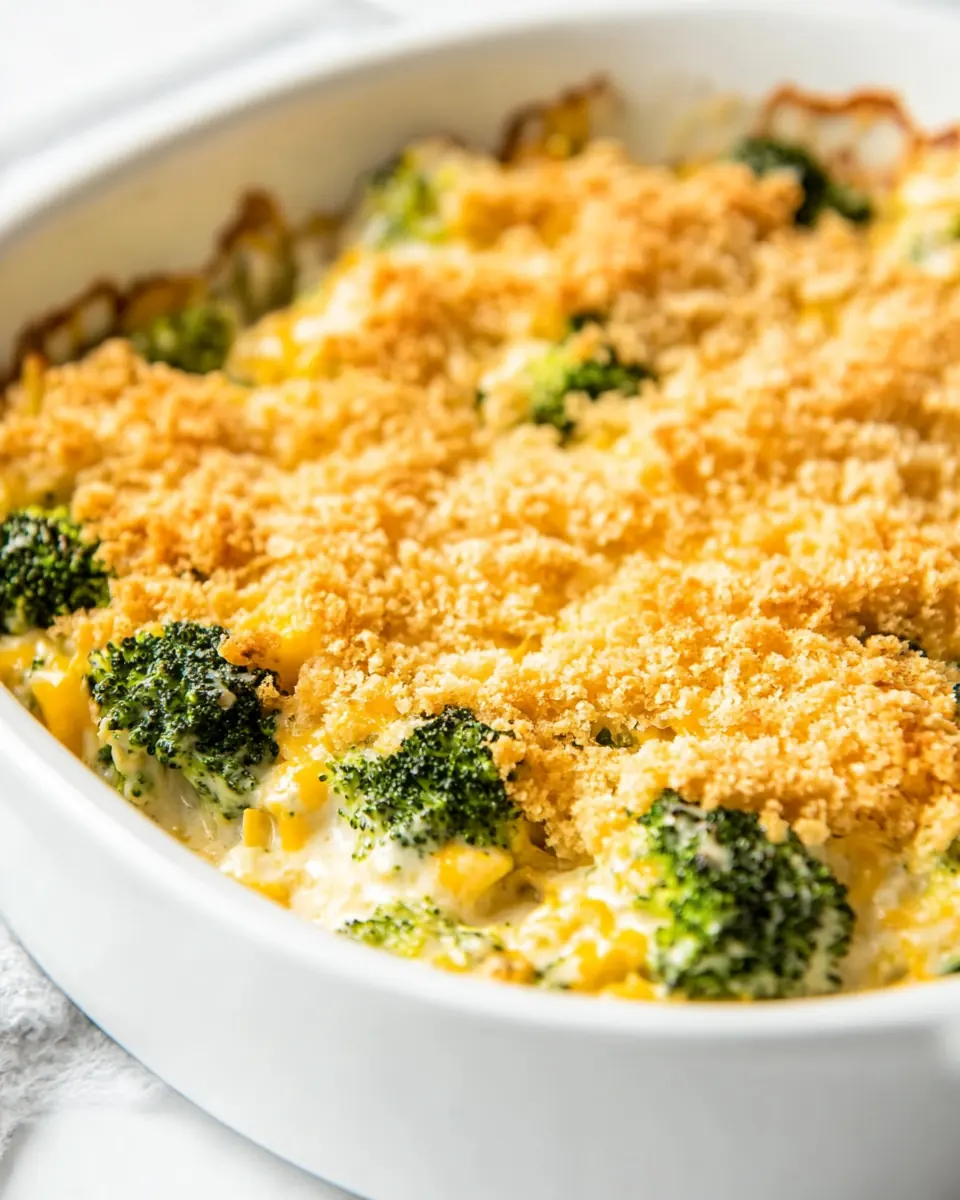
I like to offer a few variations and small swaps that keep the dish interesting while staying true to its creamy, crunchy heart. Below are practical tips and alternatives that I have tried and tested over many bakes.
- Use panko for extra crunch Swap the crushed Ritz for panko breadcrumbs if you prefer an airier, flakier topping that browns quickly without getting greasy.
- Adjust the cheese ratio If you want a sharper finish, increase the amount of cheddar cheese slightly; if you prefer subtler savor, reduce it a hair and keep the parmesan for salty lift.
- Room temperature dairy Bringing the cream cheese and heavy cream closer to room temperature helps them combine into a silkier sauce and reduces chance of separation while heating.
- Make ahead and reheat Assemble the casserole and refrigerate for up to 24 hours before baking, adding a few extra minutes to the bake time; cover with foil for the first part of baking to keep moisture in.
- Toast crumbs separately Toasting the crumbs briefly in a skillet before topping can add an extra layer of nutty flavor and guarantee crispness.
How to Enjoy Cheesy Broccoli Casserole
This casserole is versatile at the table and suits many occasions, from weeknight dinners to holiday spreads. Serve it warm, and plan a few complementing sides that play with texture and temperature.
- Serve warm straight from the oven Offer the casserole while it is still bubbling at the edges for maximum comfort value.
- Pair with roasted proteins It complements roasted or grilled main dishes and provides a creamy vegetable option for holiday meals.
- Make it for special gatherings Bring it to potlucks or family dinners where a crowd pleasing side is needed, this recipe scales well.
- Storage tips Refrigerate leftovers in an airtight container for up to 3 days; reheat covered in a 350 F oven until warmed through to preserve moisture.
- Portion suggestions For a main plus side balance, plan on one to one and a half cups per person; for a side dish, smaller portions work well.
- Seasonal pairing Works beautifully in colder months as a cozy accompaniment to soups and roasted mains, ideal for winter family dinners.
FAQ
Conclusion
This Cheesy Broccoli Casserole stands out because it combines creamy, cheesy comfort with bright, tender broccoli and a crunchy, buttery topping. It’s a dependable crowd pleaser that I turn to when I want something both cozy and vegetable driven. Give it a try on your next weeknight or holiday table, you may be surprised how quickly it becomes a requested repeat. Share it with friends, savor the mix of textures, and enjoy the simple satisfaction of a dish that brings people together.
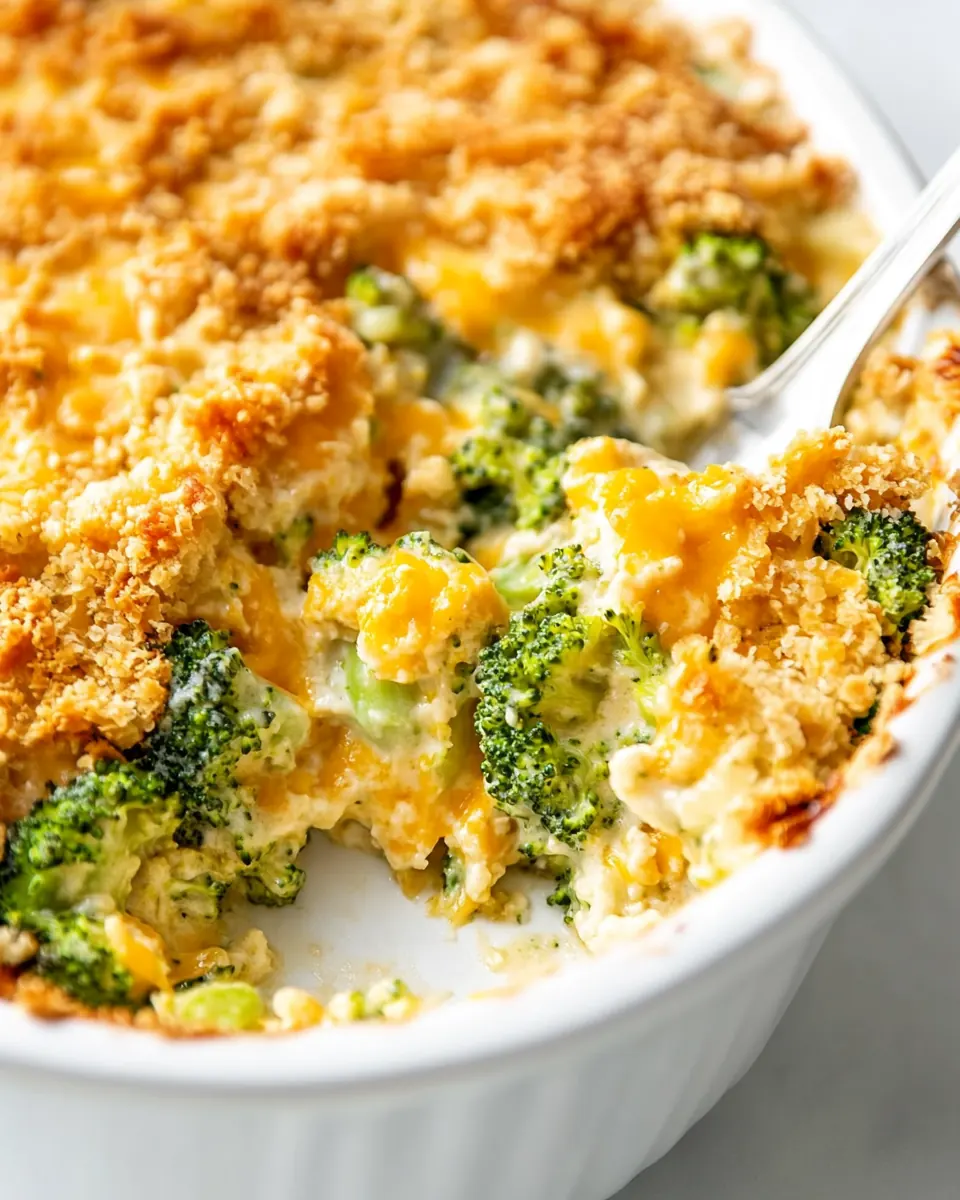
Cheesy Broccoli Casserole
Ingredients
Equipment
Method
- Boil a pot of water for the broccoli. While you're waiting for it to boil, start prepping all the recipe ingredients (ensure they're ready to go before starting the sauce). For the melted butter, I recommend microwaving it in a small bowl and setting it aside until needed.: The kitchen fills with a faint metallic hum as the burner warms up, and you can almost feel the rhythm of prep start to sync with your breathing. I like to assemble everything on the counter so nothing becomes a scramble when the sauce needs attention. The aroma at this stage is mostly neutral, maybe a hint of butter if you melt it early, but the real sensory payoff comes later. This organization prevents last minute panic, which can otherwise lead to overcooking the broccoli or burning the sauce. A common mistake is waiting to measure until the pot boils, which creates chaos; prepping first keeps control. Keep the melted butter nearby but not piping hot, so it does not separate or make the crumbs greasy too quickly.
- Preheat your oven to 375 F and move the rack to the top third of the oven.: You will notice a warm, dry scent begin to fill the oven as it reaches temperature, an essential background to achieving even browning on the topping. Placing the rack in the top third encourages the crumbs to toast and the cheese to color without overcooking the middle. This positioning is important for a golden finish, otherwise the top may not brown well or the top might crisp too fast while the casserole remains tepid below. A frequent oversight is skipping preheating, which extends bake time unpredictably. Give the oven time to stabilize at a full 375 F for consistent results.
- Once the water is boiling, add the broccoli and cook it for 2-3 minutes, then drain well and add it to a 9×13 casserole dish.: The brief blanch leaves the florets vivid green and slightly tender, with a gentle snap when you bite into them; overcook and the color dulls and the texture turns limp. After 2 to 3 minutes, plunge the broccoli into a colander and let it steam dry, or pat it carefully with a towel to remove excess moisture. Getting it dry is essential because water is the enemy of a creamy casserole, it can make the final dish watery rather than silky. A common mistake is leaving the broccoli wet and assuming the oven will evaporate it, which often leads to a looser sauce. Spread the florets evenly in the dish so the sauce can coat them uniformly.
- To a skillet or medium saucepan, add the cream cheese, cream, onion powder, garlic powder, Dijon, Worcestershire sauce, and some salt & pepper. Cook it over medium-high heat, stirring/whisking nearly constantly until the cream cheese has melted into the sauce (this should take about 5-6 minutes). The sauce consistency should be similar to (or a little thicker than) Alfredo sauce.: As the mixture warms, you will see the cream cheese soften and the heavy cream begin to steam, the mixture becoming glossy under your whisk. The sound is subtle, a low simmering whisper, and the aroma turns savory with the umami of the Worcestershire sauce . Stirring steadily prevents the fats from separating and avoids scorching on the pan bottom, which can impart a burnt note. The visual cue to watch for is a smooth, silk like sauce that coats the spoon, slightly thicker than pourable cream. If the sauce breaks or becomes grainy, it likely heated too fast; reduce the heat and whisk vigorously to bring it back. Avoid walking away during this step because the sauce transforms quickly.
- Take the skillet off the heat and stir in half of the cheddar cheese (stir until smooth).: Off the heat, the mixture cools slightly and becomes more manageable, allowing the cheddar cheese to melt evenly without clumping. You will feel the sauce thicken gently as the cheese incorporates, and the aroma becomes cheesier, more inviting. The reason for removing from heat is to control the melt of the cheddar , preventing it from becoming stringy or oily. A typical pitfall here is adding cheese while still at a vigorous boil, which can cause separation. Stir patiently until the texture is seamless and velvety, tasting to adjust salt and pepper if needed.
- Pour the sauce over the broccoli, then toss and spread it in an even layer.: The act of pouring releases a warm, creamy scent as the sauce glides over the bright broccoli . Tossing ensures every floret gets a coating, creating pockets of saucy goodness rather than dry bits. Use a gentle folding motion, so the florets do not break apart; you want them intact but well covered. Visual cues include a uniform sheen on the broccoli and an even distribution of sauce across the dish. A familiar mistake is dumping the sauce in one spot and not spreading it, which creates uneven baking where some pieces remain bare while others are overwhelmed.
- Top the casserole with the remaining cheddar, followed by the parmesan.: Layering cheeses in this order gives you a molten base of cheddar melting into the sauce, with parmesan on top that bakes into a savory, slightly crisp crust. The top will start to bubble at the edges and form golden patches as it approaches the oven, signaling that it is ready to color. Spreading the cheeses evenly prevents hot spots of overbrowning. A mistake to avoid is piling too much cheese in the center, which can melt into a heavy pool instead of creating a balanced top crust.
- Add the crushed Ritz crackers to the bowl that has the melted butter and stir until they're evenly coated in butter.: When you toss the Ritz crackers in the melted butter , you will smell a warm toasted scent and see the crumbs glisten as they absorb the fat. This ensures the crumbs brown uniformly and fuse into a cohesive crunchy layer. Work quickly so the crumbs do not become soggy from overexposure to the butter. A common slip is using piping hot butter, which can over saturate the crumbs and leave them greasy; let the butter cool slightly before combining.
- Top the casserole with the buttery Ritz pieces. Bake, uncovered, for 20-25 minutes.: Sliding the casserole into the oven releases a comforting waft of dairy and toasty crumbs. During baking you will hear a gentle bubbling from the sauce and see the top transition from pale to golden brown, with the crumbs crisping and the edges bubbling. The visual endpoint is a uniformly browned crumb layer and bubbling cheese around the edges. Leaving the dish covered or baking too long can dry out the interior, while underbaking leaves the center cool and the sauce loose. Watch the top closely after 18 minutes to avoid overbrowning.
- Let the casserole sit for 5 minutes prior to serving.: Resting allows the sauce to settle and thicken slightly, making the casserole easier to portion and avoiding molten spills that can scald. The steam softens, and the flavors mingle more deeply, so the first bites are harmonious rather than hot and disjointed. A common error is cutting into it immediately, which causes the sauce to run and the portions to lose shape. Five minutes provides a good balance of warmth and structure, so the casserole slices neatly.
Notes
- Use panko for extra crunch Swap the crushed Ritz for panko breadcrumbs if you prefer an airier, flakier topping that browns quickly without getting greasy.
- Adjust the cheese ratio If you want a sharper finish, increase the amount of cheddar cheese slightly; if you prefer subtler savor, reduce it a hair and keep the parmesan for salty lift.
- Room temperature dairy Bringing the cream cheese and heavy cream closer to room temperature helps them combine into a silkier sauce and reduces chance of separation while heating.
- Make ahead and reheat Assemble the casserole and refrigerate for up to 24 hours before baking, adding a few extra minutes to the bake time; cover with foil for the first part of baking to keep moisture in.
- Toast crumbs separately Toasting the crumbs briefly in a skillet before topping can add an extra layer of nutty flavor and guarantee crispness.