Buttermilk Drop Biscuits
Buttermilk Drop Biscuits are the small, comforting rounds I reach for when I want something warm, tender, and a little nostalgic in the kitchen. The first time I made these I was running late for a weekend brunch and needed something that would not demand fussy rolling or precise cutters, and these biscuits delivered exactly that kind of forgiving, golden comfort. I still remember the steam rising as I brushed the tops with melted butter, and the way the crumb stayed soft even after cooling for a few minutes.
These biscuits have become my go to for busy mornings and last minute dinners when I want to add a homemade touch without a long list of steps. I love how the combination of chilled shortening and a little very cold butter creates little pockets of richness, while the mix of buttermilk and whole milk keeps the interior tender and slightly tangy. The technique is simple enough to make with kids or on an afternoon when you need something reliably good.
Recipe Snapshot
17 mins
5 mins
12 mins
Easy
150 kcal
American
Gluten-Free, Low FODMAP
Side Dishes
Mixing bowl, Baking sheet, Pastry cutter, Scoop or large spoon
Why Try This Buttermilk Drop Biscuits
Quick and Reliable
I adore how Buttermilk Drop Biscuits come together in minutes, not hours. When the oven is preheating you can have the dough mixed and scooped, which makes this recipe perfect for rushed mornings or impromptu guests. The short list of pantry friendly ingredients means you rarely need a special shopping trip, and that simplicity is what keeps me making them again and again.
Texture that Feels Homemade
The mix of chilled shortening and very cold butter gives a layered, tender crumb with small pockets of butter that melt into the dough. You get a golden exterior that yields to a soft, slightly flaky interior. For me, that contrast between a lightly crisp top and a pillowy center is pure comfort, and it stands out next to store bought options.
Flexible and Friendly
I love that these biscuits are forgiving. The drop method skips rolling and cutting, so you can scoop with a spoon or an ice cream scoop and still get great results. That flexibility means less fuss, and more room to adapt the recipe to what you have on hand. I often double the batch because they freeze beautifully for quick reheating later.
Perfect with Butter
Brushing the warm tops with melted butter is a tiny finishing move that makes a big difference. It adds sheen, aroma, and that irresistible first bite. I always find guests reach for another one when they catch that buttery scent drifting from the oven.
Everyday Comfort
Finally, these biscuits are approachable enough for a weekday dinner and charming enough for weekend entertaining. The technique and ingredients are straightforward, but the result feels special. When I want to serve something that feels like home, I make these, and they rarely disappoint.
Ingredients You’ll Need for Buttermilk Drop Biscuits
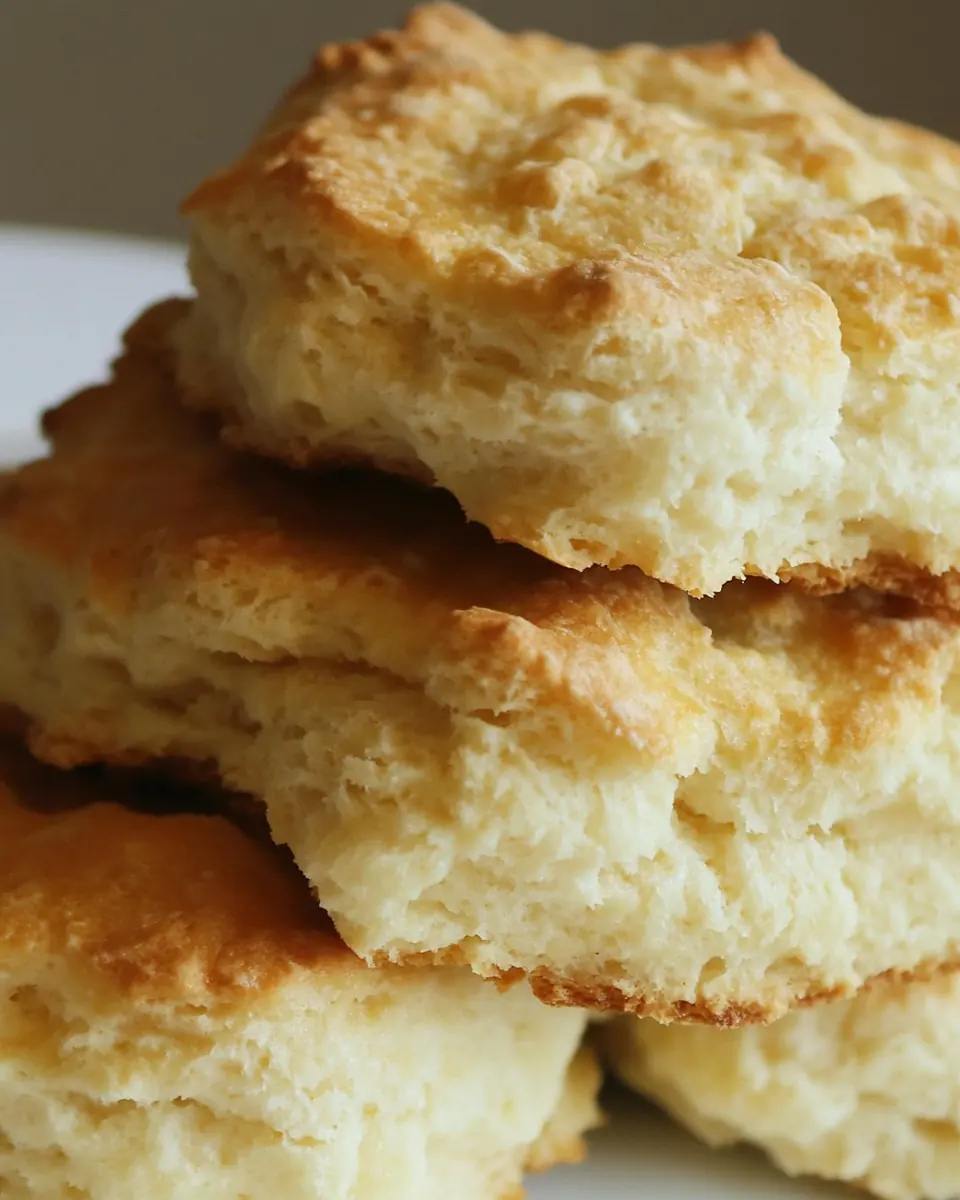
These ingredients are purposeful and humble, built around a small set of players that create texture, lift, and flavor. The powdered leavening in self rising flour does double duty as both flour and rising agent, while the chilled fats create tender layers. The milks hydrate the dough and add richness, and a final brush of butter gives a glossy, savory finish.
- 2 cup s(226g)self-rising flour: Provides the base structure and bulk for the biscuits, supplying gluten and starch to create a tender crumb; self–rising flour also contributes leavening and additional salt, helping the biscuits to rise without separate baking powder.
- 2 pinch es(1g)kosher salt: Adds a bright, clean saltiness that enhances overall flavor balance; kosher salt's larger crystals are easy to pinch and distribute evenly through the dough for controlled seasoning.
- 1 pinch (0.5g)sugar: Contributes a subtle touch of sweetness to balance savory elements and enhance browning; sugar also helps tenderize the dough slightly and promotes a light golden crust during baking.
- 3 tablespoon s(35g)shortening: Creates flakiness and tenderness by coating flour proteins and limiting gluten development; shortening's solid fat provides structure and lift, producing distinct layers in the biscuits.
- 1 tablespoon (14g)butter,very cold: Adds rich, buttery flavor and small pockets of steam when very cold, aiding flakiness; incorporating cold butter in pieces helps create tender, layered texture as it melts during baking.
- 1/2 cup (123g)buttermilk: Delivers acidity and moisture that react with leavening agents to produce lift while adding a tangy flavor; buttermilk also contributes to a tender crumb and slightly softer texture.
- 1/2 cup (113.5g)whole milk: Provides additional liquid to hydrate the dough and balance the tanginess of buttermilk; whole milk contributes fat for richness and helps create a moist, tender biscuit interior.
- 1 tablespoon (14g)butter,melted: Imparts a glossy finish and extra buttery flavor when brushed on warm biscuits; melted butter also adds richness and encourages appealing browning on the exterior.
Cooking Instructions for Buttermilk Drop Biscuits
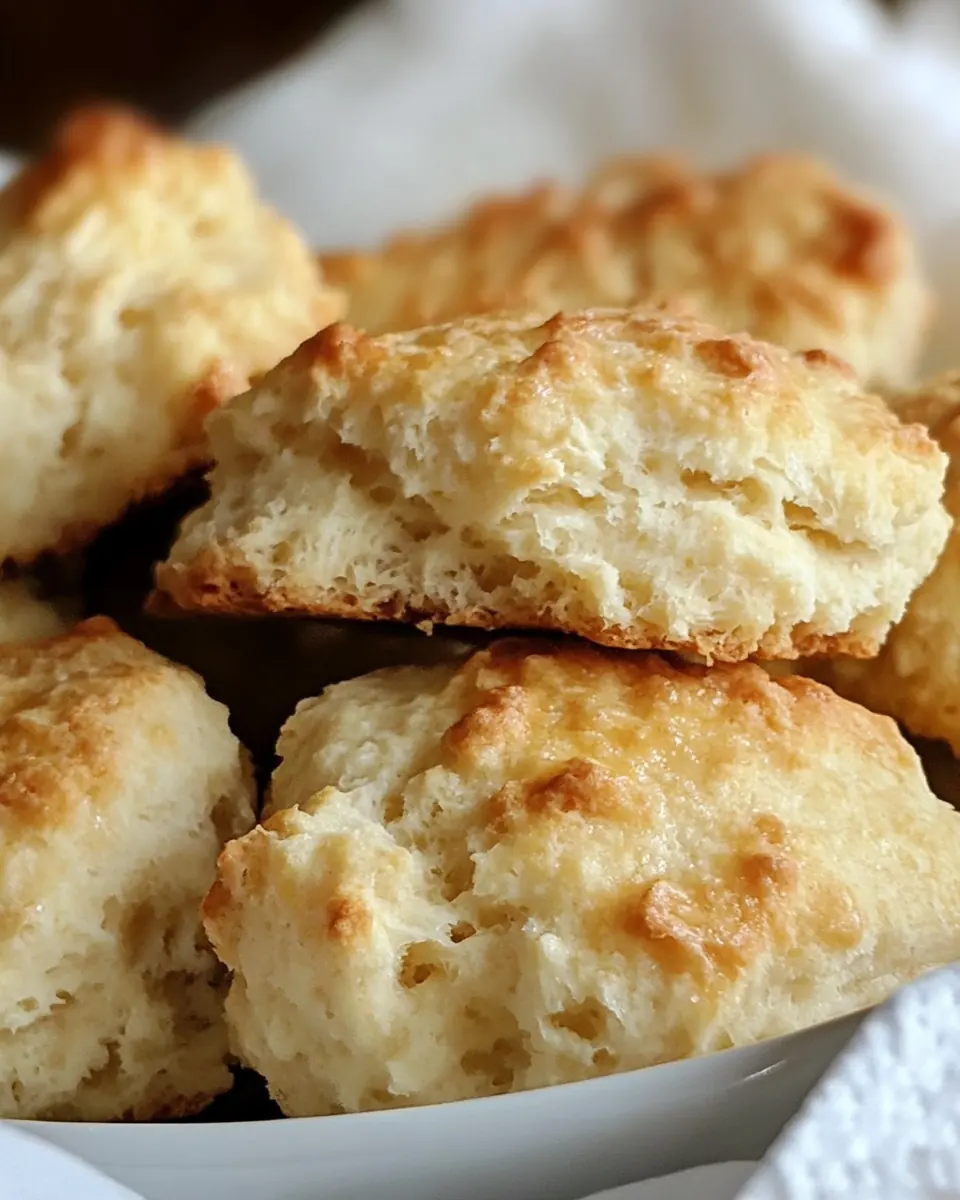
These instructions are straightforward and conversational, aimed at helping you sense when the dough is right and when the biscuits are perfectly baked. Follow the steps and pay attention to the sensory cues I describe so you can reproduce the same soft interior and golden exterior each time.
- Preheat oven to 475º F. Prepare baking sheet pan with shortening, butter, or a nonstick cooking mat.: When the oven warms, you should feel steady heat around the rack area if you carefully place your hand near the closed oven door for a moment, the air will feel dry and intense which ensures quick rise and oven spring when the biscuits go in. The high temperature helps create a golden, slightly crisp exterior while keeping the center tender, and a common mistake is not waiting for the oven to fully preheat which can leave biscuits pale and dense. Ensure the rack sits in the middle of the oven so heat circulates evenly, and avoid opening the door during the first half of baking to maintain consistent heat.
- Add flour, salt and sugar to a large mixing bowl. Cut shortening and very cold butter into dry ingredients of flour, salt and sugar.: The surface you use should feel slick enough to prevent sticking yet stable for the dough to spread, a light smear of shortening or a thin layer of room temperature butter will create that reassuring barrier. You'll smell a faint fat aroma as the pan warms in the oven for a minute, and this fat helps the bottoms brown evenly. A common oversight is using too much fat which can cause the bottoms to fry rather than bake, so use a light coating and transfer the sheet pan carefully to avoid sloshing.
- Slowly pour milks into your dry ingredients. Mix lightly.: As you combine the dry self rising flour , kosher salt , and the small amount of sugar , take note of the texture it forms it's light and powdery with tiny granules of sugar catching the light. This dry mix creates an even base so the fats distribute uniformly, which is critical for consistent texture. Avoid compressing the flour in the bowl and do not overwork at this stage to keep the final biscuits tender, as overmixing can develop gluten and make the crumb tough.
- Using a large scoop or spoon, scoop dough and place onto prepared baking sheet pan about 2-inches apart.: The cold fats should be worked in until you see pea sized bits and some smaller flakes, and visually this looks like coarse crumbs with tiny cold pockets of butter scattered through. These pockets are what create steam pockets as the fat melts, giving flakiness and lift. A frequent misstep is letting the butter soften too much which will blend in instead of creating layers, so work quickly and use a pastry cutter or two knives if needed to keep the pieces distinct.
- Place into hot oven and bake for 10-12 minutes. Remove from oven and brush lightly with the melted butter.: When you add the buttermilk and whole milk , pour in gradually while stirring just until the dough comes together; the mixture should look slightly shaggy and moist rather than wet and gluey. You will notice a subtle tang and increased moisture as the liquids incorporate, and that acidity helps with tenderness. A common error is adding all the liquid at once and overmixing; aim for barely combined dough to preserve the flaky pockets formed by the fats.
- Mix lightly: The dough should feel soft and slightly sticky to the touch, with visible pieces of fat throughout, and you should avoid kneading aggressively which can tighten the structure. Light mixing ensures an airy result and avoids gummy texture. If it seems too dry, you can sprinkle a teaspoon of extra buttermilk at a time, but be cautious because too wet a dough will spread excessively when baked.
- Using a large scoop or spoon, scoop dough and place onto prepared baking sheet pan about 2 inches apart: Each mound should sit proud and look round rather than flattened, and when they hit the hot pan you might hear a faint thump as dough meets metal. Leaving roughly 2 inches between them allows air to circulate and prevents edges from fusing into one large mass. A typical mistake is crowding the pan which yields uneven baking, so use a second sheet if needed for spacing and even browning.
- Place into hot oven and bake for 10 to 12 minutes: As they bake you will see the tops go from pale to warm golden and the aroma will shift to rich, toasty butter notes, indicating the Maillard reaction at work. The biscuits should sound hollow if you tap the bottom lightly with a spatula, and the edges will be lightly browned. Avoid overbaking as that dries the crumb, remove them at the first sign of golden color and check one by splitting to confirm a soft, steamy interior.
- Remove from oven and brush lightly with the melted butter: The final brush of warm butter adds sheen and a fragrant finish, and it also helps keep the tops tender by sealing in moisture. You will notice a glossy, warm surface that encourages a richer first bite and a lingering buttery scent. A misstep here would be using cold butter which will not spread evenly, so ensure it is melted and warm but not smoking before brushing quickly and serving while still hot.
Change It Up
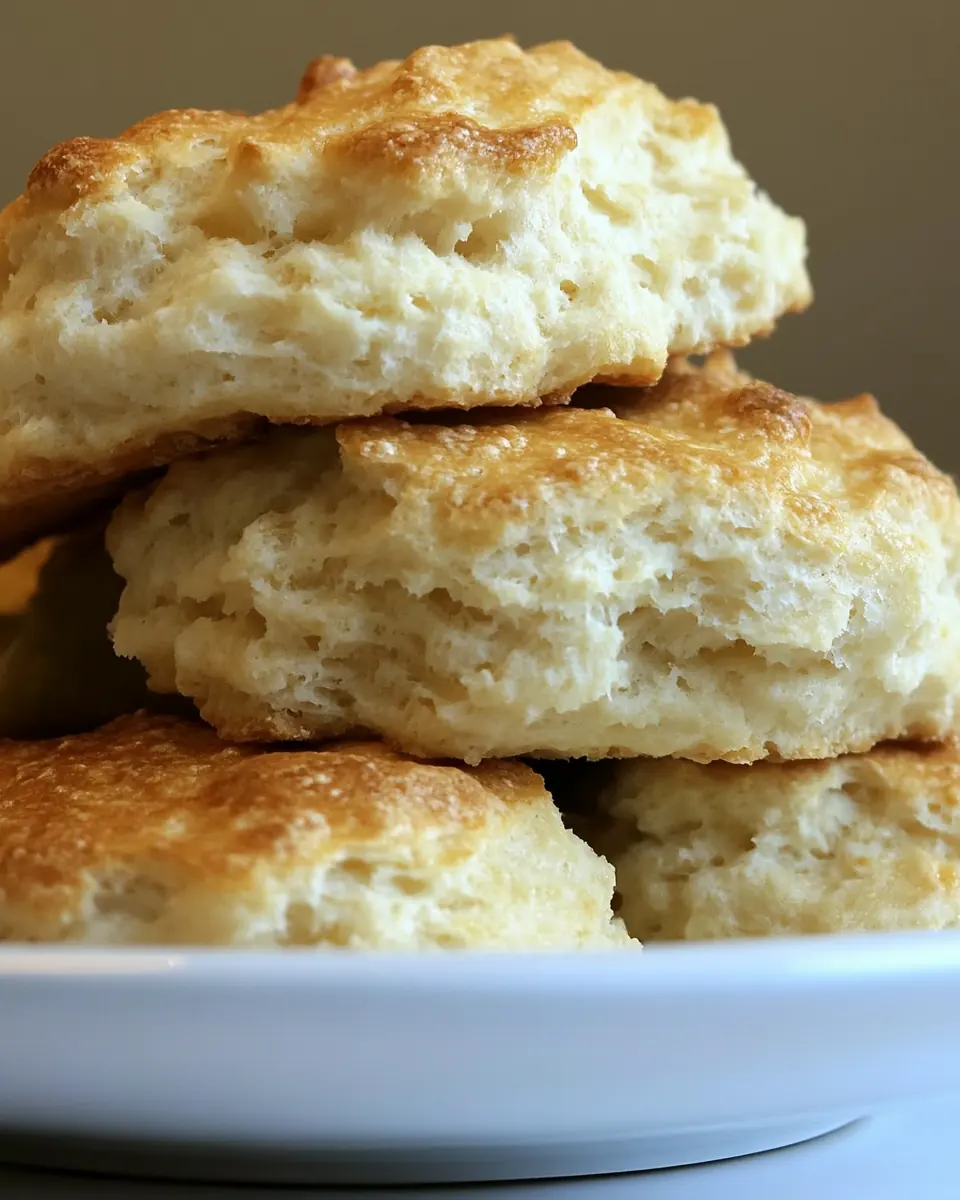
These tips will help you vary, store, and serve your batches of Buttermilk Drop Biscuits with confidence. I share techniques I use regularly to keep them fresh, to transform them for meals, and to troubleshoot common problems.
- Freeze for later — Scoop the raw dough onto a tray and freeze until solid, then transfer to a bag. When you need fresh biscuits, bake from frozen with an extra 3 to 5 minutes in the oven; this keeps the texture remarkably close to freshly made.
- Use an ice cream scoop — For uniform results and predictable baking times, a generous scoop makes consistent sizes and helps you avoid under or overbaking smaller or larger portions.
- Keep fats cold — Chill the butter and shortening until you cut them in, the cold bits vaporize in the oven to create flaky layers rather than melding into the dough.
- Brush with butter — Brushing the tops while hot gives shine and aroma; use melted butter warmed but not smoking so it disperses evenly without burning.
- Adjust spacing — Place biscuits about 2 inches apart for individual rounds, or closer if you prefer softer sides for pull apart biscuits; spacing affects crust development.
- Warm the milk — If your kitchen is very cold, slightly warm the milks so the dough comes together more easily, but ensure your butter remains cold so it still creates pockets as it bakes.
How to Enjoy Buttermilk Drop Biscuits
These biscuits are versatile and can anchor many meals, from cozy breakfasts to simple dinners. Below are serving ideas, storage guidance, and seasonal pairings to make the most of every batch.
- Breakfast companion — Serve warm with jam or a smear of softened butter and a cup of coffee for a quick morning treat, the tender crumb soaks up spreads beautifully.
- Comfort dinner side — Pair with soups or stews for a soothing weeknight meal, using the biscuits to mop up brothy sauces and add a homemade touch.
- Brunch star — Arrange them on a platter alongside scrambled eggs and cooked vegetables for an easy brunch, guests will appreciate the buttery aroma and soft centers.
- Storage tips — Store cooled biscuits in an airtight container for up to two days at room temperature, or freeze baked biscuits wrapped tightly for up to three months and reheat in a warm oven.
- Spring or fall pairing — These biscuits fit seasonal produce, they are lovely with roasted vegetables in the fall and lighter spreads or fresh herb butter in the spring.
- Serving style — Warm and brush with melted butter just before serving for the best texture and presentation, and keep extras wrapped in foil to maintain softness.
FAQ
Conclusion
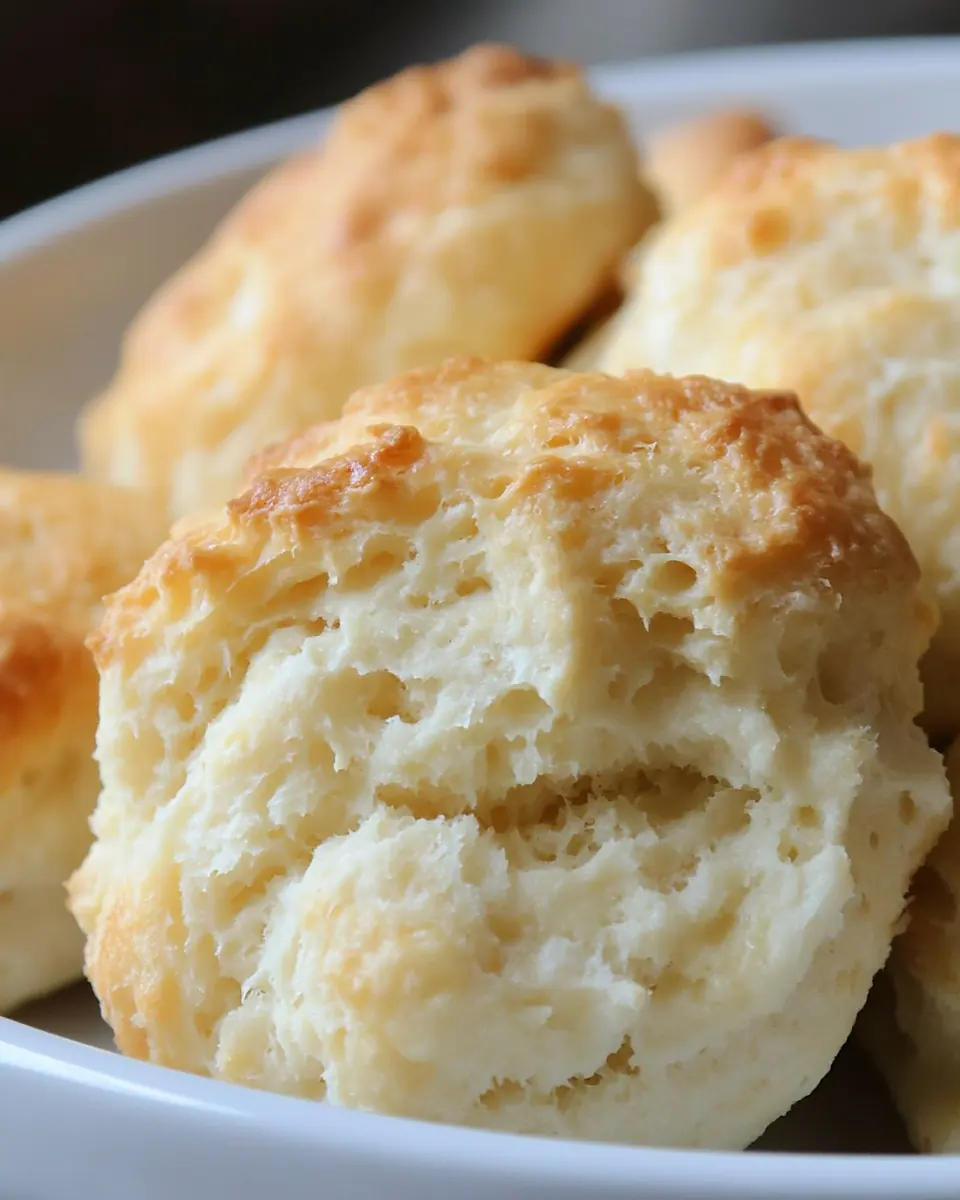
These Buttermilk Drop Biscuits stand out for their simple technique and reliably tender texture. They deliver a golden exterior and a soft, slightly tangy interior with minimal fuss, making them ideal for quick breakfasts or as a comforting side. Give them a try the next time you want a homemade bread that comes together fast and pleases a crowd, and remember that keeping the fats cold and handling the dough gently are the small details that make a big difference.
Buttermilk Drop Biscuits
Ingredients
Equipment
Method
- Preheat oven to 475º F. Prepare baking sheet pan with shortening, butter, or a nonstick cooking mat.: When the oven warms, you should feel steady heat around the rack area if you carefully place your hand near the closed oven door for a moment, the air will feel dry and intense which ensures quick rise and oven spring when the biscuits go in. The high temperature helps create a golden, slightly crisp exterior while keeping the center tender, and a common mistake is not waiting for the oven to fully preheat which can leave biscuits pale and dense. Ensure the rack sits in the middle of the oven so heat circulates evenly, and avoid opening the door during the first half of baking to maintain consistent heat.
- Add flour, salt and sugar to a large mixing bowl. Cut shortening and very cold butter into dry ingredients of flour, salt and sugar.: The surface you use should feel slick enough to prevent sticking yet stable for the dough to spread, a light smear of shortening or a thin layer of room temperature butter will create that reassuring barrier. You'll smell a faint fat aroma as the pan warms in the oven for a minute, and this fat helps the bottoms brown evenly. A common oversight is using too much fat which can cause the bottoms to fry rather than bake, so use a light coating and transfer the sheet pan carefully to avoid sloshing.
- Slowly pour milks into your dry ingredients. Mix lightly.: As you combine the dry self rising flour , kosher salt , and the small amount of sugar , take note of the texture it forms it's light and powdery with tiny granules of sugar catching the light. This dry mix creates an even base so the fats distribute uniformly, which is critical for consistent texture. Avoid compressing the flour in the bowl and do not overwork at this stage to keep the final biscuits tender, as overmixing can develop gluten and make the crumb tough.
- Using a large scoop or spoon, scoop dough and place onto prepared baking sheet pan about 2-inches apart.: The cold fats should be worked in until you see pea sized bits and some smaller flakes, and visually this looks like coarse crumbs with tiny cold pockets of butter scattered through. These pockets are what create steam pockets as the fat melts, giving flakiness and lift. A frequent misstep is letting the butter soften too much which will blend in instead of creating layers, so work quickly and use a pastry cutter or two knives if needed to keep the pieces distinct.
- Place into hot oven and bake for 10-12 minutes. Remove from oven and brush lightly with the melted butter.: When you add the buttermilk and whole milk , pour in gradually while stirring just until the dough comes together; the mixture should look slightly shaggy and moist rather than wet and gluey. You will notice a subtle tang and increased moisture as the liquids incorporate, and that acidity helps with tenderness. A common error is adding all the liquid at once and overmixing; aim for barely combined dough to preserve the flaky pockets formed by the fats.
- Mix lightly: The dough should feel soft and slightly sticky to the touch, with visible pieces of fat throughout, and you should avoid kneading aggressively which can tighten the structure. Light mixing ensures an airy result and avoids gummy texture. If it seems too dry, you can sprinkle a teaspoon of extra buttermilk at a time, but be cautious because too wet a dough will spread excessively when baked.
- Using a large scoop or spoon, scoop dough and place onto prepared baking sheet pan about 2 inches apart: Each mound should sit proud and look round rather than flattened, and when they hit the hot pan you might hear a faint thump as dough meets metal. Leaving roughly 2 inches between them allows air to circulate and prevents edges from fusing into one large mass. A typical mistake is crowding the pan which yields uneven baking, so use a second sheet if needed for spacing and even browning.
- Place into hot oven and bake for 10 to 12 minutes: As they bake you will see the tops go from pale to warm golden and the aroma will shift to rich, toasty butter notes, indicating the Maillard reaction at work. The biscuits should sound hollow if you tap the bottom lightly with a spatula, and the edges will be lightly browned. Avoid overbaking as that dries the crumb, remove them at the first sign of golden color and check one by splitting to confirm a soft, steamy interior.
- Remove from oven and brush lightly with the melted butter: The final brush of warm butter adds sheen and a fragrant finish, and it also helps keep the tops tender by sealing in moisture. You will notice a glossy, warm surface that encourages a richer first bite and a lingering buttery scent. A misstep here would be using cold butter which will not spread evenly, so ensure it is melted and warm but not smoking before brushing quickly and serving while still hot.
Notes
- Freeze for later — Scoop the raw dough onto a tray and freeze until solid, then transfer to a bag. When you need fresh biscuits, bake from frozen with an extra 3 to 5 minutes in the oven; this keeps the texture remarkably close to freshly made.
- Use an ice cream scoop — For uniform results and predictable baking times, a generous scoop makes consistent sizes and helps you avoid under or overbaking smaller or larger portions.
- Keep fats cold — Chill the butter and shortening until you cut them in, the cold bits vaporize in the oven to create flaky layers rather than melding into the dough.
- Brush with butter — Brushing the tops while hot gives shine and aroma; use melted butter warmed but not smoking so it disperses evenly without burning.
- Adjust spacing — Place biscuits about 2 inches apart for individual rounds, or closer if you prefer softer sides for pull apart biscuits; spacing affects crust development.
- Warm the milk — If your kitchen is very cold, slightly warm the milks so the dough comes together more easily, but ensure your butter remains cold so it still creates pockets as it bakes.