Benedictine
Benedictine is one of those comforting spreads I reach for when I want something fresh, cool, and a little nostalgic on my plate.
I remember the first time I tasted Benedictine at a family picnic, passed around on a platter of soft sandwich bread and crisp vegetables. The flavor was impossibly light, yet creamy, and the texture felt like a secret between the cucumber and the cream cheese. Ever since then, I keep the components on hand for a quick snack or an elegant tea sandwich when guests drop by.
On a rainy afternoon I once reworked the proportions, using a touch more Yellow Onion for brightness, and it transformed the spread into something bright enough to balance a hearty main. I love how versatile Benedictine is, from a simple open faced bite to a layered finger sandwich for gatherings. It travels well, too, making it perfect for a picnic or packed lunch.
When I make it now, I think about textures more than anything, how the peeled, seeded cucumber should yield silkiness without watering down the mixture. There is a small ritual in drying the cucumber puree, and that tiny step rewards you with spreadable richness that clings to sandwich bread instead of sliding off. This version stays true to the classic charm, and it always brings a smile at the table.
Recipe Snapshot
10 mins
10 mins
0 mins
Easy
150 kcal
American
Gluten-Free, Low FODMAP
Appetizers
Food processor, Spoon, Fine mesh strainer
What Sets This Benedictine Apart
Bright, fresh flavor
I love that Benedictine manages to be bright without being acidic. The combination of cool, peeled cucumber and a whisper of Yellow Onion cuts through the richness of the cream cheese. Every bite feels like a gentle wake up for the palate, especially when spread on soft sandwich bread.
Textural magic
The texture is where this recipe truly shines. Pureeing and then draining the cucumber gives you silk instead of a watery mess. When I press that smoothness into the cream cheese, the result clings to the bread and offers a luxurious mouthfeel without heaviness.
Extremely quick and approachable
I value recipes that come together fast, and Benedictine is ready in minutes. If you have a food processor, it becomes almost effortless. I often keep the ingredients on hand for an easy-to-assemble snack that still feels thoughtful.
Versatile for occasions
This spread fits many roles, from an afternoon tea finger sandwich to a light starter at a casual dinner. I enjoy serving Benedictine when friends stop by unannounced because it looks elegant with minimal fuss. It also pairs well with raw vegetables or thinly sliced bread for a simple appetizer.
Built on pantry-friendly ingredients
The ingredient list is short and familiar, which I appreciate. With just cucumber, Yellow Onion, cream cheese, salt, and sandwich bread, you get a polished result. That simplicity makes it reliable, and I find that the quality of each item directly elevates the final spread.
Shopping List for Benedictine

These ingredients play distinct roles: the watery, crisp character of the cucumber brings freshness, the Yellow Onion adds a subtle bite, and the cream cheese supplies creamy body. Together they form a balanced spread that clings to sandwich bread and tastes both light and satisfying.
- 1 Medium Cucumber, peeled (use english or seedless cucumbers if you can find them): Provide a crisp, refreshing base with mild flavor and high water content; peeled for smooth texture and to avoid bitterness. Use English or seedless cucumbers when possible to reduce seeds and improve spread consistency. Slice or finely grate to integrate evenly into the creamy mixture without adding excess moisture.
- 2 tablespoons Yellow Onion (about 1/4 of a small onion): Add a sharp, aromatic bite that balances the creaminess and freshness; finely minced to disperse flavor throughout. Use a small amount to avoid overpowering the spread while contributing savory depth and a slight crunch when not fully softened. Cook or rinse briefly if a milder onion presence is desired.
- 8 oz cream cheese: Create a rich, smooth, and tangy foundation that binds other elements into a spreadable consistency. Soften at room temperature for easier mixing and to achieve a silky texture that carries the cucumber and onion flavors. Choose full-fat cream cheese for best mouthfeel and stability in the final sandwich filling.
- 1/2 teaspoon kosher salt: Season the mixture to enhance and balance flavors, controlling saltiness and bringing out the cream cheese's tang. Use kosher salt for easy pinch control and even distribution; taste and adjust carefully to avoid oversalting. Dissolve into the soft cheese to ensure consistent seasoning throughout.
- sandwich bread: Provide a neutral, absorbent vehicle for serving the spread; choose fresh sandwich bread for a classic presentation. Toast lightly if desired to add structure and prevent sogginess from the moist filling. Cut or trim crusts according to preference for a neat, traditional sandwich.
How to Assemble Benedictine
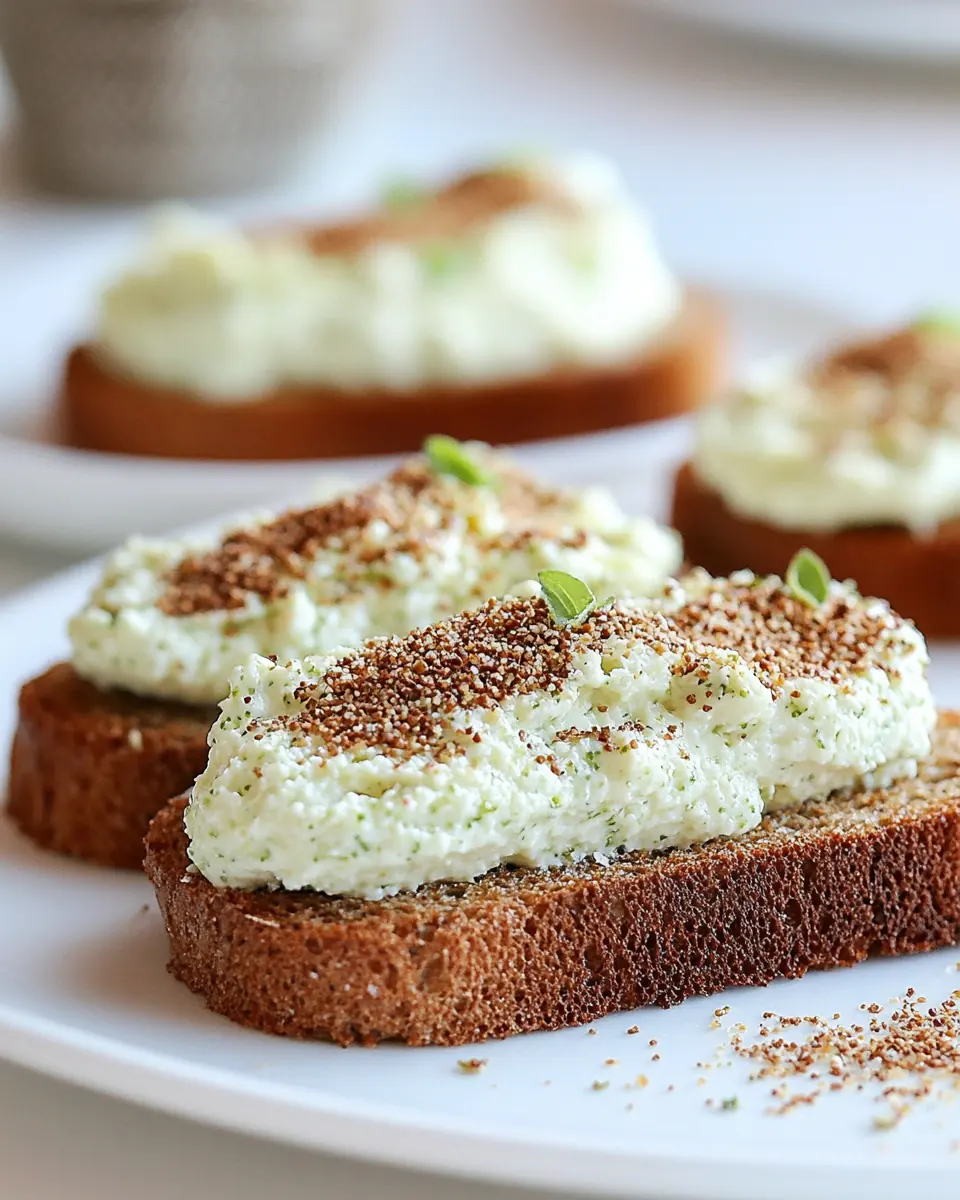
This is a relaxed, step oriented process where a food processor does most of the work. Focus on drying the cucumber puree and gently combining it with the cream cheese so the final spread is silky. Work mindfully, and your sandwiches will hold together beautifully.
- Cut cucumber in half and remove the seeds with a spoon.: The bowl of aromas at this stage is notably fresh, like a lightly misted summer garden. Removing the seeds prevents watery dilution, which helps the spread maintain body. When you scrape out the seeds, you should feel slightly resistant membranes slipping away, leaving firm flesh. A common error is leaving seeds behind, which later releases water and makes the mixture runny.
- Place the cucumber and onion in a food processor and puree.: As you pulse, the sound will shift from distinct chunks to a steady hum, and the color becomes a pale uniform green. This step emulsifies the cucumber with the Yellow Onion , marrying their flavors. If you overprocess, heat can build subtly and make the puree too loose, so pulse in short bursts. Watch for a smooth, but not soupy consistency.
- Place the puree in a stainer to drain off excess liquid.: You will notice beads of clear liquid collecting, and giving the puree time to drain concentrates flavor. The drained puree feels denser and silkier under your spoon. This is essential so the spread does not slip off the sandwich bread . Avoid the mistake of skipping this, as trapped liquid ruins the texture.
- Place the cucumber mixture back in the food processor with the cream cheese and salt and puree until combined.: The moment the two meet you will get a soft, billowy texture. The cream cheese rounds the vegetal brightness into a harmonious cream, and the salt elevates the whole blend. Stop processing when the mixture is uniformly smooth and glossy. Overblending can introduce air and change the mouthfeel, so keep an eye on texture.
- Spread onto bread to make sandwiches.: As you spread, you should feel a velvety resistance from the mixture, not a slippery runoff. The contrast between soft sandwich bread and the creamy filling is satisfying. For neatly portioned finger sandwiches, use an offset spatula and apply gentle pressure. A common misstep is using too heavy a hand and compressing the bread.
- Serve.: The final presentation should be cool and inviting, with the pale green filling visible against the bread. Serving chilled enhances the refreshing qualities and the texture is at its best. If left out too long, the spread warms and softens, so keep it refrigerated until just before serving.
Helpful Notes about Benedictine

This section expands practical points about preparing and serving Benedictine. I include tips on ingredient selection, texture control, and presentation so your spread is consistent every time.
- Choose the right cucumber Start with an English or Persian cucumber when possible, they are narrower and nearly seedless making them ideal for a silky spread.
- Drain thoroughly After pureeing, let the mixture drain in a fine sieve or cheesecloth for several minutes to avoid a watery final product.
- Temper the cream cheese Allow the cream cheese to soften slightly at room temperature for smoother blending and a creamier result.
- Adjust onion carefully Use the measured tablespoon quantity of Yellow Onion to keep the flavor balanced, and rinse if you prefer a milder note.
- Keep chilled until serving Refrigerate the assembled spread and bread until just before serving to maintain texture and freshness.
Accompaniments for Benedictine
Benedictine pairs beautifully with simple sides and fits casual and slightly formal occasions. Consider seasonal produce or light proteins to keep the meal balanced. It is especially suited to lunch gatherings, tea sandwiches, and springtime menus where fresh, cool flavors are desired.
- Classic finger sandwiches Slice sandwich bread into thin squares or rounds, spread a thin layer of Benedictine, and serve chilled for afternoon tea or bridal showers.
- Open faced toast For a casual lunch, spread generously on slightly thicker slices of toasted sandwich bread, garnish simply and serve with a crisp green salad.
- Vegetable platter Serve Benedictine as a dip alongside cucumber spears and other mild vegetables, making it a cool, creamy centerpiece for springtime gatherings.
- Picnic friendly Pack the spread in a small container and bread separately to assemble on site, keeping both chilled until serving for best texture.
- Seasonal pairing This spread shines in spring when fresh cucumbers are available, and it works well at brunches, light lunches, and holiday afternoon teas.
- Storage tip Keep any leftover spread refrigerated in an airtight container for up to three days, and avoid freezing because the texture will change.
FAQ
Conclusion
Benedictine stands out because it combines bright, fresh cucumber with smooth creaminess for a spread that is both simple and elegant. Try it because it comes together quickly, uses pantry friendly ingredients, and elevates any sandwich or snack with its silky texture. Make it for a relaxed afternoon gathering or a quick lunch, and enjoy how such a modest list of components can deliver a memorable bite.
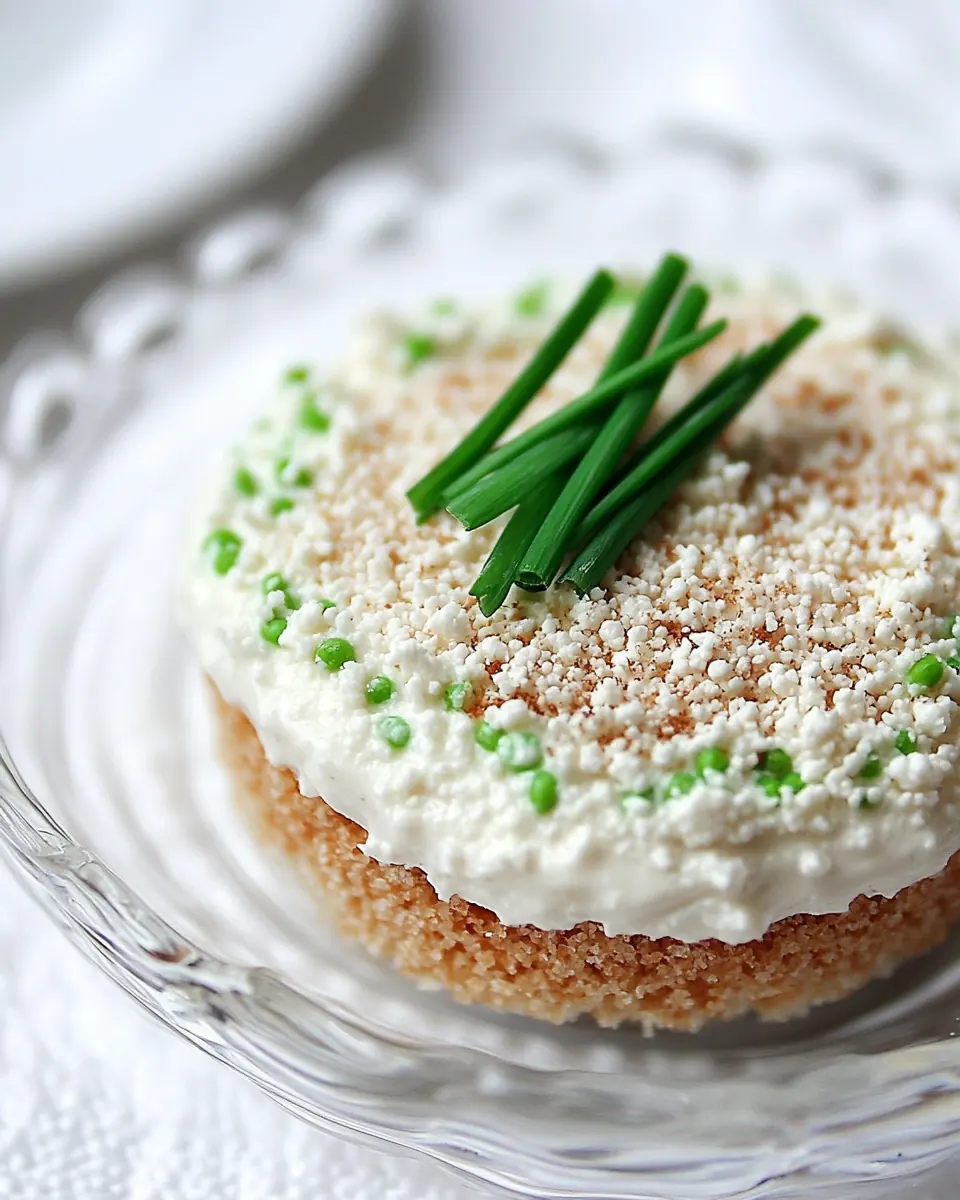
Benedictine
Ingredients
Equipment
Method
- Cut cucumber in half and remove the seeds with a spoon.: The bowl of aromas at this stage is notably fresh, like a lightly misted summer garden. Removing the seeds prevents watery dilution, which helps the spread maintain body. When you scrape out the seeds, you should feel slightly resistant membranes slipping away, leaving firm flesh. A common error is leaving seeds behind, which later releases water and makes the mixture runny.
- Place the cucumber and onion in a food processor and puree.: As you pulse, the sound will shift from distinct chunks to a steady hum, and the color becomes a pale uniform green. This step emulsifies the cucumber with the Yellow Onion , marrying their flavors. If you overprocess, heat can build subtly and make the puree too loose, so pulse in short bursts. Watch for a smooth, but not soupy consistency.
- Place the puree in a stainer to drain off excess liquid.: You will notice beads of clear liquid collecting, and giving the puree time to drain concentrates flavor. The drained puree feels denser and silkier under your spoon. This is essential so the spread does not slip off the sandwich bread . Avoid the mistake of skipping this, as trapped liquid ruins the texture.
- Place the cucumber mixture back in the food processor with the cream cheese and salt and puree until combined.: The moment the two meet you will get a soft, billowy texture. The cream cheese rounds the vegetal brightness into a harmonious cream, and the salt elevates the whole blend. Stop processing when the mixture is uniformly smooth and glossy. Overblending can introduce air and change the mouthfeel, so keep an eye on texture.
- Spread onto bread to make sandwiches.: As you spread, you should feel a velvety resistance from the mixture, not a slippery runoff. The contrast between soft sandwich bread and the creamy filling is satisfying. For neatly portioned finger sandwiches, use an offset spatula and apply gentle pressure. A common misstep is using too heavy a hand and compressing the bread.
- Serve.: The final presentation should be cool and inviting, with the pale green filling visible against the bread. Serving chilled enhances the refreshing qualities and the texture is at its best. If left out too long, the spread warms and softens, so keep it refrigerated until just before serving.
Notes
- Choose the right cucumber Start with an English or Persian cucumber when possible, they are narrower and nearly seedless making them ideal for a silky spread.
- Drain thoroughly After pureeing, let the mixture drain in a fine sieve or cheesecloth for several minutes to avoid a watery final product.
- Temper the cream cheese Allow the cream cheese to soften slightly at room temperature for smoother blending and a creamier result.
- Adjust onion carefully Use the measured tablespoon quantity of Yellow Onion to keep the flavor balanced, and rinse if you prefer a milder note.
- Keep chilled until serving Refrigerate the assembled spread and bread until just before serving to maintain texture and freshness.