Almond Flour Pumpkin Cake
Almond Flour Pumpkin Cake is the cozy, lightly spiced cake I turn to when I want autumn flavors without heavy fuss. The first time I baked it I remember the warm scent of pumpkin and spice filling my small kitchen, and how the texture surprised me: tender and moist yet a little denser than a typical wheat cake, which made every forkful feel comforting and substantial. I kept a mug of tea close by and found myself savoring the subtle nuttiness that comes from using almond flour instead of wheat, and how the pure maple syrup lends a natural, rounded sweetness.
There are nights when I crave a dessert that feels like a hug, and this recipe reliably delivers. I like to bake it when leaves begin to turn, because the aroma drifting through the house makes the season feel complete. I will admit, the first trial cracked a little at the top, but I learned that a gentle hand with the batter and a calm oven temperature make all the difference. Now I know the tiny cues to look for, like a slightly golden edge and a center that registers warm but not runny when I use my digital thermometer.
Recipe Snapshot
55 mins
15 mins
40 mins
Medium
300 kcal
American
Paleo, Gluten-Free
Desserts
8-inch Springform Cake Pan, Parchment Paper, Digital Thermometer
What Makes This Almond Flour Pumpkin Cake Special
It’s naturally gluten friendly without skimping on texture
I love that Almond Flour Pumpkin Cake delivers a tender crumb using almond flour, which keeps the cake satisfying and moist. The finely ground almond flour provides a rich mouthfeel, and when balanced with the moisture from canned pumpkin puree, it avoids that dry, gritty bite some grain free bakes get.
Seasonal flavors that feel homey and familiar
The combination of pumpkin pie spice, fresh ginger, and pure maple syrup layers warmth and sweetness in a natural way. I tend to reach for this cake in fall because the spices make the whole house feel like a seasonal celebration without needing elaborate decorations.
Simple pantry ingredients, big impact
This recipe is honest about its components, and that’s part of the appeal. With staples like eggs, almond flour, and maple syrup, you can whip it up on short notice. I appreciate recipes that respect good ingredients, and this one rewards small investments like quality avocado oil and real vanilla with a clearer, cleaner flavor.
Reliably forgiving for home bakers
I often recommend this cake to friends who are newer to baking, because the method is straightforward and the results are consistent. The cake bakes evenly when you line an 8-inch springform cake pan with parchment paper, and the internal temperature check removes the guesswork. That small tool saves many imperfect outcomes, so I always keep my digital thermometer handy.
Versatile for occasions
Whether I’m serving this at a small dinner, bringing it to a Thanksgiving gathering, or enjoying a quiet slice with tea, the cake fits many moments. Its flavor profile is gentle enough for vast audiences yet interesting enough to feel special. I’ve found it pairs remarkably well with lightly spiced whipped tops or a scattering of toasted nuts for texture, keeping the star flavors intact.
Ingredients to Make Almond Flour Pumpkin Cake
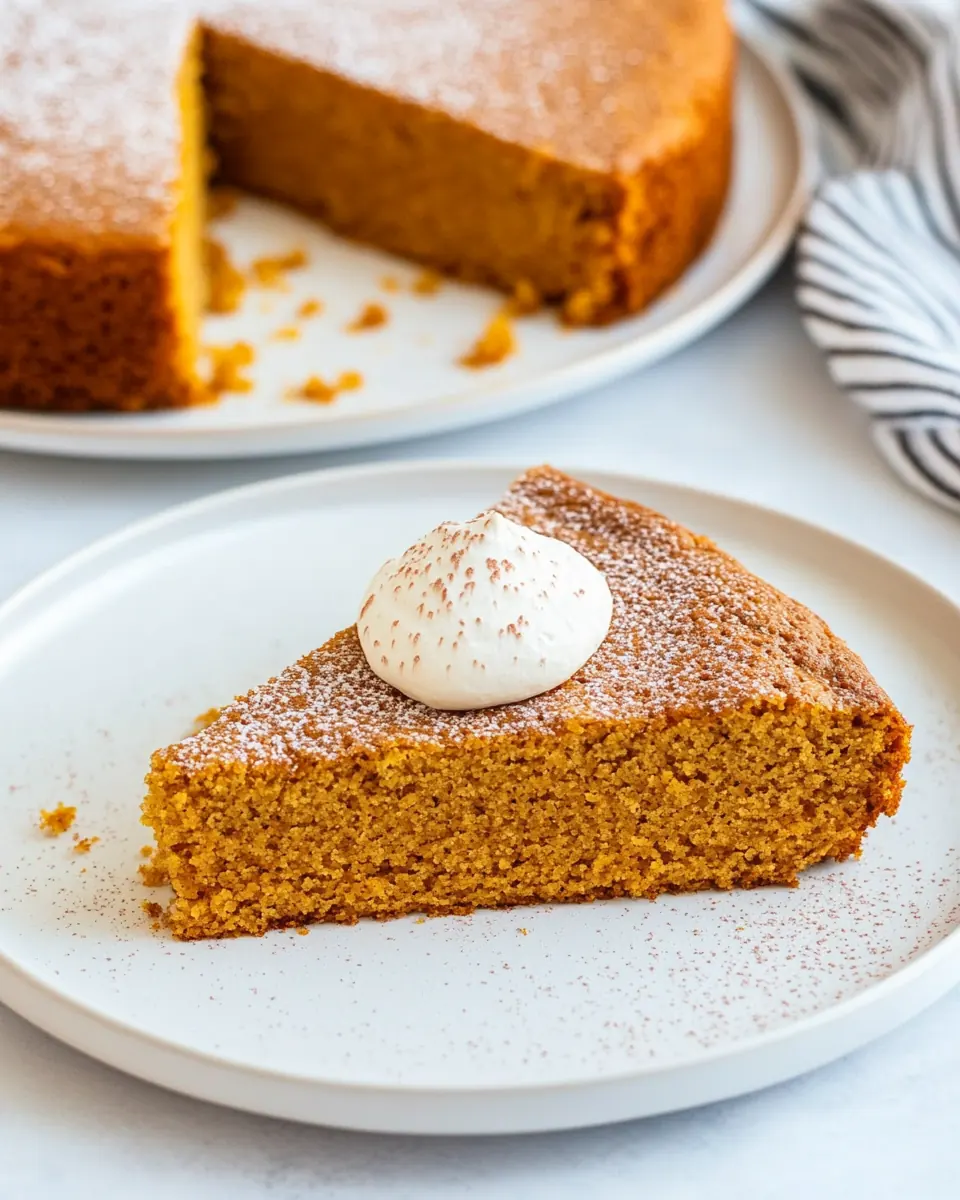
This collection of ingredients is built around balance. The two main players are almond flour for body and texture, and canned pumpkin puree for moisture and that unmistakable autumn character. The eggs bind and lift the batter, while pure maple syrup and avocado oil provide sweet fat that keeps the crumb tender. Spices and leavening are calibrated to highlight the pumpkin and nutty notes without overpowering them.
- 2 large eggs: Whisk vigorously to provide structure and lift to the cake; eggs bind the batter and help create a tender crumb while also aiding in moisture and richness.
- 1/2 cup canned pumpkin puree: Add creamy moisture and concentrated pumpkin flavor; pumpkin puree contributes natural sweetness, a smooth texture, and seasonal color to the cake.
- 1/2 cup pure maple syrup: Sweeten naturally while keeping the batter moist; maple syrup adds depth of flavor and contributes to the cake's tender crumb and caramel notes.
- 2 tbsp avocado oil: Drizzle smoothly to increase moisture and tenderness; avocado oil keeps the cake rich without overpowering flavors and helps with a soft mouthfeel.
- 2 tsp pure vanilla extract: Enhance overall aroma and complement spices; vanilla extract rounds flavor profiles and brings warm, sweet notes that accentuate pumpkin.
- 2 tsp fresh ginger peeled and grated or finely minced: Grate finely to introduce bright, spicy freshness; fresh ginger brings a zesty warmth that lifts the sweetness and adds subtle heat to each bite.
- 2 1/2 cups finely ground almond flour: Provide the primary structure and nutty texture; finely ground almond flour creates density, rich flavor, and contributes to moisture retention in the cake.
- 1 tsp baking powder: Leaven mildly to encourage rise and lightness; baking powder helps the batter expand during baking, producing a softer, airier crumb.
- 2 tsp pumpkin pie spice: Season warmly to define pumpkin character; pumpkin pie spice blends cinnamon, nutmeg, cloves, and other spices to infuse classic autumn flavor.
- 1 tsp sea salt: Balance and enhance all flavors while controlling sweetness; sea salt heightens taste perception and rounds the overall flavor profile.
Step by Step Instructions for Almond Flour Pumpkin Cake
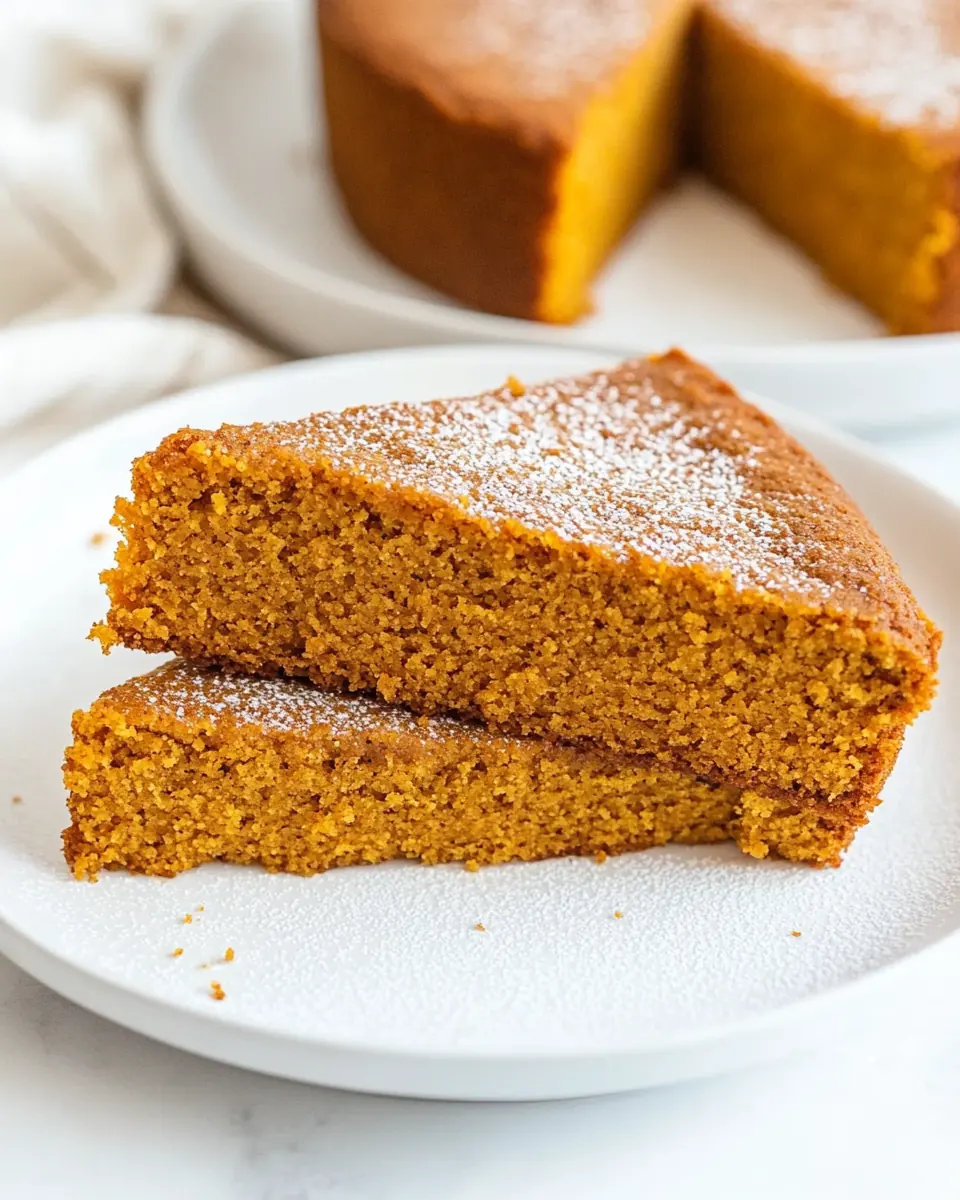
These directions are straightforward, but I like to approach each step with attention to sensory cues and small technique notes. Read them through once, then work with a calm rhythm to layer flavors and textures properly. Keep your tools ready, and trust the cues described below to know when each stage is complete.
- Preheat the oven to 350 degrees Fahrenheit and line a 8-inch spring form cake pan with a circle of parchment paper. Spray the sides of the cake pan with cooking oil.: As the oven warms, you will notice the air take on a faint dry heat, and the warm metal of the rack will feel pleasantly hot when you slide a hand near it, but keep safety in mind. This step sets the stage, because a properly preheated oven ensures even rise and predictable browning. If the oven is cooler than intended, the cake can sink in the center as it finishes baking, so always verify the temperature with an oven thermometer if you suspect inconsistency. Ensure the parchment fits snugly so the batter spreads uniformly.
- Mix the eggs, pumpkin puree, pure maple syrup, avocado oil, grated ginger, and pure vanilla extract (wet ingredients) in a large mixing bowl until well combined.: The bowl will smell bright from the ginger and warm from the maple syrup once the wet ingredients are combined, and the mixture should look glossy and slightly viscous. Combining liquids first encourages an even distribution of flavors and helps the almond flour hydrate more predictably later. Overmixing can incorporate too much air or create a spongy texture, so whisk just until homogeneous and smooth. If the wet mix separates or looks curdled, a brief gentle whisk will usually bring it back together.
- In a separate bowl, stir together the almond flour, baking powder, pumpkin pie spice, and sea salt (the dry ingredients). Mix the dry ingredients into the bowl with the wet ingredients until a thick batter forms.: Running your fingers or a whisk through the dry mix should feel light and fluffy, and you should be able to smell the warm spices rising from the bowl. Combining dry ingredients first ensures the baking powder and pumpkin pie spice distribute evenly so each bite rises consistently and tastes balanced. A common error is not breaking up clumps in the almond flour, which can lead to dense pockets; gently fluff and press through a sieve if needed.
- Spread the cake batter into the prepared pan into an even layer. Cover the pan with aluminum foil. Bake on the center rack of the preheated oven for 40-45 minutes, or until the cake is fully baked.: At this point, you will see the batter thicken and take on a matte, slightly grainy sheen from the almond flour . Use a gentle folding motion to integrate everything, which helps maintain the tender crumb. The batter should hold together and not appear overly runny. If it seems too loose, letting it sit for a few minutes lets the almond flour absorb liquids, while an overly stiff batter may need a tiny splash of extra avocado oil or maple syrup , but add sparingly. Avoid vigorous stirring, which can make the cake dense.
- Insert a digital thermometer into the center of the cake to check its internal temperature. It is ready if it is 190 degrees Fahrenheit or higher.: As the cake bakes, the kitchen will fill with a warm spice aroma and the edges will start to pull slightly away from the pan. Covering with foil tames the top browning so the cake cooks through evenly, especially for almond based batters that brown quickly. If you notice the top cracking excessively, your oven may be too hot or placed too close to the heat source. Rotate the pan halfway through if your oven has hot spots, but avoid opening the door frequently, which causes temperature swings and can make the cake slump.
- Allow the cake cool completely to room temperature before slicing and serving.: The instant read will give you confidence, and the cake should feel set when you gently press the top, with a light spring back. The thermometer eliminates guesswork, since visual cues alone can be misleading with almond based bakes. If the temperature reads lower, return the cake to the oven and continue to check every few minutes. A common mistake is removing the cake too early, which yields a gummy center; trust the thermometer rather than timing alone.
- Allow the cake cool completely to room temperature before slicing and serving.: Cooling lets steam escape and the crumb stabilize, which improves sliceability and flavor. The aroma will settle into a deeper, rounded profile as it cools. Cutting too soon can make the cake crumble or appear underdone, so patience pays off. If you need it sooner, chill briefly to set the structure, but note this may slightly mute the spices and make the cake firmer.
Making Adjustments
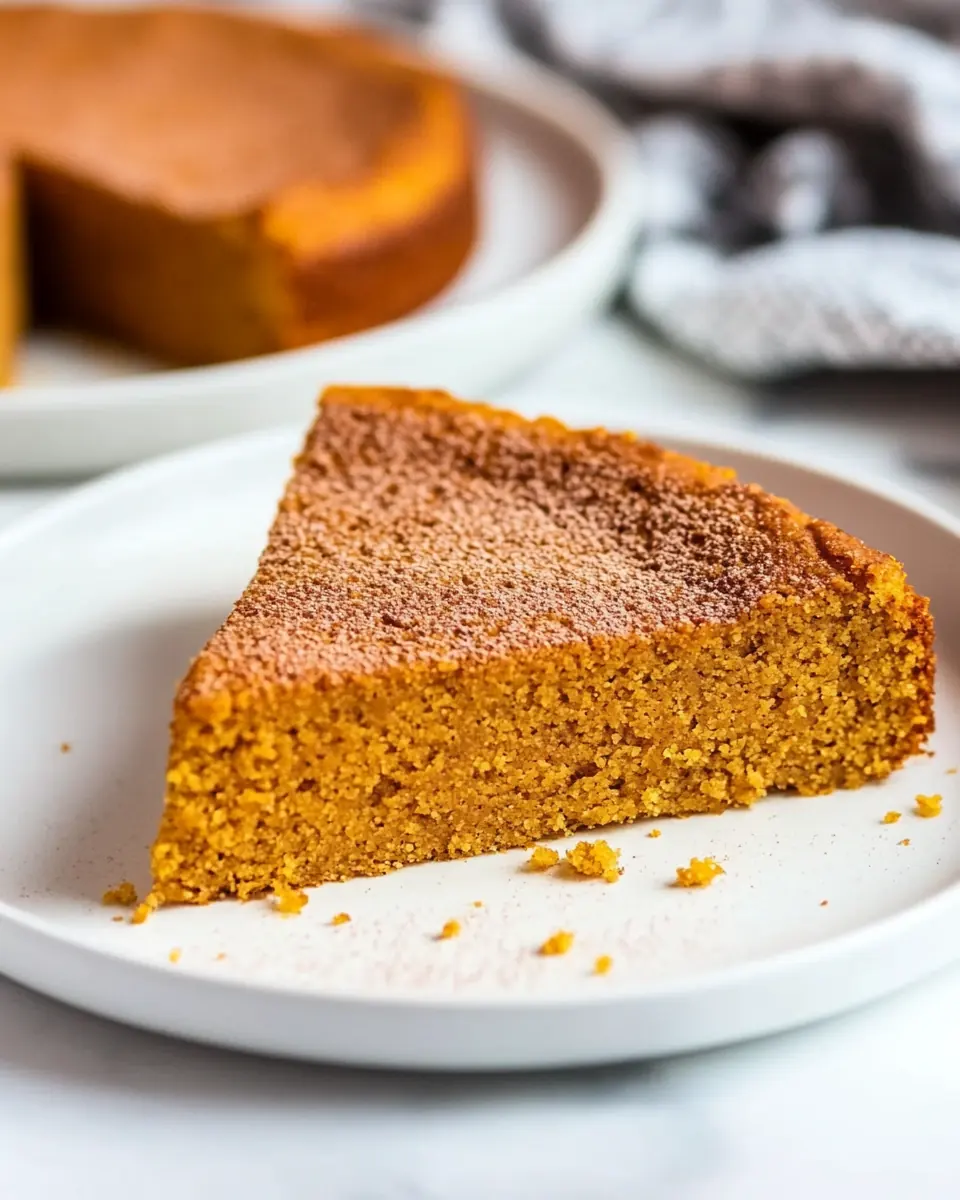
If you want to tweak the profile of Almond Flour Pumpkin Cake, there are small edits that make meaningful differences. Below are helpful, tested adjustments that preserve the cake’s character while letting you personalize texture, sweetness, and spice level.
- Reduce sweetness: If you prefer less sugar, lower the pure maple syrup by up to one quarter and taste the batter; the pumpkin puree already provides mild sweetness, so small cuts work well.
- Boost spice intensity: Increase the pumpkin pie spice by up to one half teaspoon if you want a bolder autumn profile, but add gradually to avoid overpowering the nutty base.
- Adjust moisture: If the baked cake seems dry, add a tablespoon more avocado oil or a splash of nondairy milk to the batter next time, mixing gently to avoid loosening the crumb too much.
- Improve rise: Ensure your baking powder is fresh, and fold the dry ingredients in with minimal strokes to retain the air you incorporated in the wet mix.
- Flavor layering: Toast the almond flour lightly in a skillet for a few minutes to deepen the nutty flavor, cooling it completely before using to prevent prematurely binding the batter.
- Make ahead: The cake keeps well stored at room temperature for one day in an airtight container, or refrigerate for up to four days; bring to room temperature before serving for best flavor.
Great Combinations for Almond Flour Pumpkin Cake
This cake pairs beautifully with simple accompaniments and fits many occasions. Below are serving ideas, storage notes, and seasonal suggestions that highlight how to present and enjoy the cake across contexts.
- Lightly spiced whipped cream: Serve a small dollop to add creamy contrast without overwhelming the cake.
- Warm tea or coffee: A hot beverage balances the cake’s density and draws out the nutty almond notes, ideal for an afternoon break.
- Holiday centerpiece: Bring the cake to a Thanksgiving table as a more restrained dessert option that complements heavier pies and puddings.
- Seasonal gifting: Wrap a slice or a whole cake in parchment and a ribbon for a thoughtful fall present for neighbors or hosts.
- Storage for freshness: Keep in an airtight container at room temperature for up to 24 hours, or refrigerate for up to four days; rewarm gently before serving if chilled.
- Occasion flexibility: This cake works well for weekday dessert, weekend brunch, or intimate gatherings, offering a comforting slice that feels both casual and refined.
FAQ
Conclusion
This Almond Flour Pumpkin Cake stands out for its balanced textures and honest flavors. It marries nutty almond flour with moist pumpkin and warm spices to create a comforting dessert that feels both simple and special. I encourage you to give it a try on a crisp afternoon or for a holiday table, because it bakes reliably and rewards patience with a deeply satisfying slice. Share it with friends or keep it all to yourself, and enjoy how a few good ingredients can make a memorable treat.
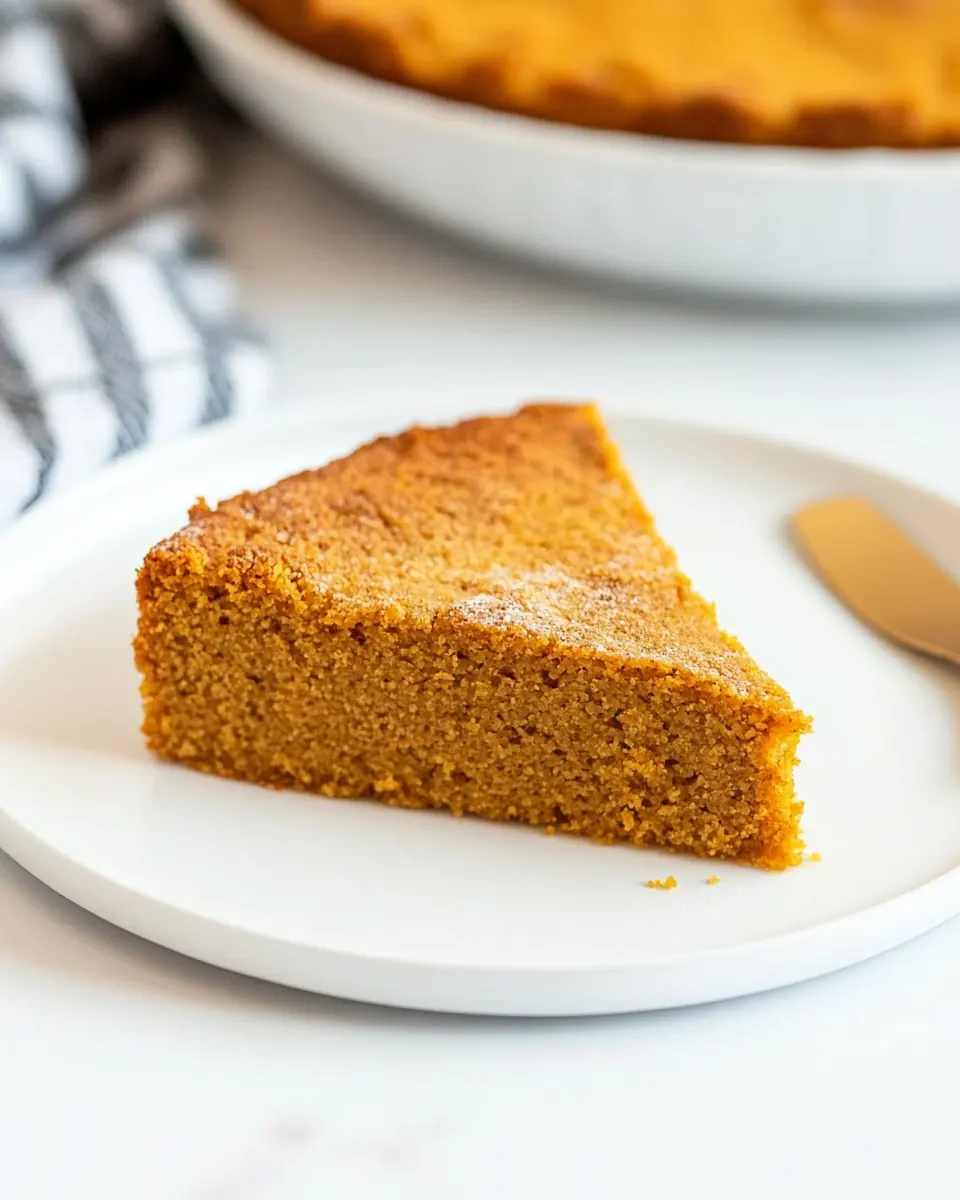
Almond Flour Pumpkin Cake
Ingredients
Equipment
Method
- Preheat the oven to 350 degrees Fahrenheit and line a 8-inch spring form cake pan with a circle of parchment paper. Spray the sides of the cake pan with cooking oil.: As the oven warms, you will notice the air take on a faint dry heat, and the warm metal of the rack will feel pleasantly hot when you slide a hand near it, but keep safety in mind. This step sets the stage, because a properly preheated oven ensures even rise and predictable browning. If the oven is cooler than intended, the cake can sink in the center as it finishes baking, so always verify the temperature with an oven thermometer if you suspect inconsistency. Ensure the parchment fits snugly so the batter spreads uniformly.
- Mix the eggs, pumpkin puree, pure maple syrup, avocado oil, grated ginger, and pure vanilla extract (wet ingredients) in a large mixing bowl until well combined.: The bowl will smell bright from the ginger and warm from the maple syrup once the wet ingredients are combined, and the mixture should look glossy and slightly viscous. Combining liquids first encourages an even distribution of flavors and helps the almond flour hydrate more predictably later. Overmixing can incorporate too much air or create a spongy texture, so whisk just until homogeneous and smooth. If the wet mix separates or looks curdled, a brief gentle whisk will usually bring it back together.
- In a separate bowl, stir together the almond flour, baking powder, pumpkin pie spice, and sea salt (the dry ingredients). Mix the dry ingredients into the bowl with the wet ingredients until a thick batter forms.: Running your fingers or a whisk through the dry mix should feel light and fluffy, and you should be able to smell the warm spices rising from the bowl. Combining dry ingredients first ensures the baking powder and pumpkin pie spice distribute evenly so each bite rises consistently and tastes balanced. A common error is not breaking up clumps in the almond flour, which can lead to dense pockets; gently fluff and press through a sieve if needed.
- Spread the cake batter into the prepared pan into an even layer. Cover the pan with aluminum foil. Bake on the center rack of the preheated oven for 40-45 minutes, or until the cake is fully baked.: At this point, you will see the batter thicken and take on a matte, slightly grainy sheen from the almond flour . Use a gentle folding motion to integrate everything, which helps maintain the tender crumb. The batter should hold together and not appear overly runny. If it seems too loose, letting it sit for a few minutes lets the almond flour absorb liquids, while an overly stiff batter may need a tiny splash of extra avocado oil or maple syrup , but add sparingly. Avoid vigorous stirring, which can make the cake dense.
- Insert a digital thermometer into the center of the cake to check its internal temperature. It is ready if it is 190 degrees Fahrenheit or higher.: As the cake bakes, the kitchen will fill with a warm spice aroma and the edges will start to pull slightly away from the pan. Covering with foil tames the top browning so the cake cooks through evenly, especially for almond based batters that brown quickly. If you notice the top cracking excessively, your oven may be too hot or placed too close to the heat source. Rotate the pan halfway through if your oven has hot spots, but avoid opening the door frequently, which causes temperature swings and can make the cake slump.
- Allow the cake cool completely to room temperature before slicing and serving.: The instant read will give you confidence, and the cake should feel set when you gently press the top, with a light spring back. The thermometer eliminates guesswork, since visual cues alone can be misleading with almond based bakes. If the temperature reads lower, return the cake to the oven and continue to check every few minutes. A common mistake is removing the cake too early, which yields a gummy center; trust the thermometer rather than timing alone.
- Allow the cake cool completely to room temperature before slicing and serving.: Cooling lets steam escape and the crumb stabilize, which improves sliceability and flavor. The aroma will settle into a deeper, rounded profile as it cools. Cutting too soon can make the cake crumble or appear underdone, so patience pays off. If you need it sooner, chill briefly to set the structure, but note this may slightly mute the spices and make the cake firmer.
Notes
- Reduce sweetness: If you prefer less sugar, lower the pure maple syrup by up to one quarter and taste the batter; the pumpkin puree already provides mild sweetness, so small cuts work well.
- Boost spice intensity: Increase the pumpkin pie spice by up to one half teaspoon if you want a bolder autumn profile, but add gradually to avoid overpowering the nutty base.
- Adjust moisture: If the baked cake seems dry, add a tablespoon more avocado oil or a splash of nondairy milk to the batter next time, mixing gently to avoid loosening the crumb too much.
- Improve rise: Ensure your baking powder is fresh, and fold the dry ingredients in with minimal strokes to retain the air you incorporated in the wet mix.
- Flavor layering: Toast the almond flour lightly in a skillet for a few minutes to deepen the nutty flavor, cooling it completely before using to prevent prematurely binding the batter.
- Make ahead: The cake keeps well stored at room temperature for one day in an airtight container, or refrigerate for up to four days; bring to room temperature before serving for best flavor.