Preheat the oven to 350 degrees Fahrenheit and line a 8-inch spring form cake pan with a circle of parchment paper. Spray the sides of the cake pan with cooking oil.: As the oven warms, you will notice the air take on a faint dry heat, and the warm metal of the rack will feel pleasantly hot when you slide a hand near it, but keep safety in mind. This step sets the stage, because a properly preheated oven ensures even rise and predictable browning. If the oven is cooler than intended, the cake can sink in the center as it finishes baking, so always verify the temperature with an oven thermometer if you suspect inconsistency. Ensure the parchment fits snugly so the batter spreads uniformly.
Mix the eggs, pumpkin puree, pure maple syrup, avocado oil, grated ginger, and pure vanilla extract (wet ingredients) in a large mixing bowl until well combined.: The bowl will smell bright from the ginger and warm from the maple syrup once the wet ingredients are combined, and the mixture should look glossy and slightly viscous. Combining liquids first encourages an even distribution of flavors and helps the almond flour hydrate more predictably later. Overmixing can incorporate too much air or create a spongy texture, so whisk just until homogeneous and smooth. If the wet mix separates or looks curdled, a brief gentle whisk will usually bring it back together.
In a separate bowl, stir together the almond flour, baking powder, pumpkin pie spice, and sea salt (the dry ingredients). Mix the dry ingredients into the bowl with the wet ingredients until a thick batter forms.: Running your fingers or a whisk through the dry mix should feel light and fluffy, and you should be able to smell the warm spices rising from the bowl. Combining dry ingredients first ensures the baking powder and pumpkin pie spice distribute evenly so each bite rises consistently and tastes balanced. A common error is not breaking up clumps in the almond flour, which can lead to dense pockets; gently fluff and press through a sieve if needed.
Spread the cake batter into the prepared pan into an even layer. Cover the pan with aluminum foil. Bake on the center rack of the preheated oven for 40-45 minutes, or until the cake is fully baked.: At this point, you will see the batter thicken and take on a matte, slightly grainy sheen from the almond flour . Use a gentle folding motion to integrate everything, which helps maintain the tender crumb. The batter should hold together and not appear overly runny. If it seems too loose, letting it sit for a few minutes lets the almond flour absorb liquids, while an overly stiff batter may need a tiny splash of extra avocado oil or maple syrup , but add sparingly. Avoid vigorous stirring, which can make the cake dense.
Insert a digital thermometer into the center of the cake to check its internal temperature. It is ready if it is 190 degrees Fahrenheit or higher.: As the cake bakes, the kitchen will fill with a warm spice aroma and the edges will start to pull slightly away from the pan. Covering with foil tames the top browning so the cake cooks through evenly, especially for almond based batters that brown quickly. If you notice the top cracking excessively, your oven may be too hot or placed too close to the heat source. Rotate the pan halfway through if your oven has hot spots, but avoid opening the door frequently, which causes temperature swings and can make the cake slump.
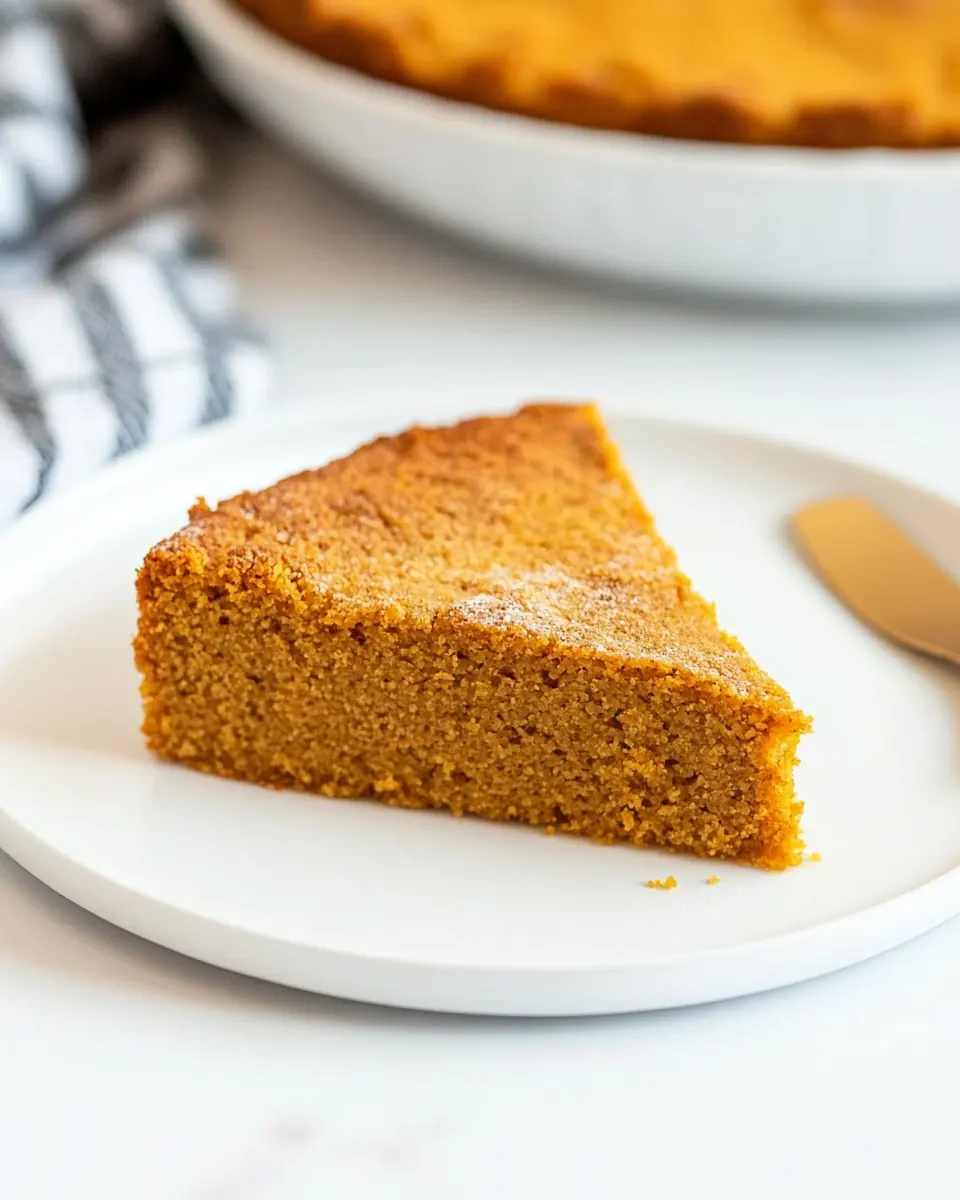
Allow the cake cool completely to room temperature before slicing and serving.: The instant read will give you confidence, and the cake should feel set when you gently press the top, with a light spring back. The thermometer eliminates guesswork, since visual cues alone can be misleading with almond based bakes. If the temperature reads lower, return the cake to the oven and continue to check every few minutes. A common mistake is removing the cake too early, which yields a gummy center; trust the thermometer rather than timing alone.
Allow the cake cool completely to room temperature before slicing and serving.: Cooling lets steam escape and the crumb stabilize, which improves sliceability and flavor. The aroma will settle into a deeper, rounded profile as it cools. Cutting too soon can make the cake crumble or appear underdone, so patience pays off. If you need it sooner, chill briefly to set the structure, but note this may slightly mute the spices and make the cake firmer.