Chocolate Paska Bread
Chocolate Paska Bread is the kind of loaf that carries memory in its crumb, and the minute I pull one from the oven I feel like I have family gathered around even if I am alone in my kitchen. The first time I baked this I was chasing the comfort of a sweet, custardy center tucked inside tender enriched dough, and the chocolate ribbon made the whole thing feel celebratory. I remember rubbing my flour dusted palms together as the scent of warm butter and orange zest drifted from the loaf, and that moment made me swear I would bake it whenever I wanted to mark something small but important.
Years later I still reach for this recipe when I want to slow down and make something with intention. The dough is soft but substantial, and working it by hand always calms me. While the filling is rich and lush, the balance between the tang of the cream cheese and the bittersweet chocolate keeps each bite interesting. Friends who visit always ask for the recipe, and I love telling them that the secret is patient rising and honest ingredients.
Recipe Snapshot
1 hr 30 mins
45 mins
45 mins
Hard
300 kcal
American
Gluten-Free, Low FODMAP
Desserts
Mixing bowl, Spatula, Saucepan, Springform pan, Oven
The Beauty of This Chocolate Paska Bread
1. A festive heirloom with everyday appeal
I love how Chocolate Paska Bread reads like a celebration loaf, yet it is relaxed enough for a slow weekend morning. The braided, rustic look or simple pan bake both feel special, and I often make it when I want to impress without fuss. It travels well to brunches, and it slices beautifully for gifting. For me, making this always feels like passing forward something comforting.
2. Texture and contrast that keep you coming back
The tender enriched flour-based dough yields a soft, pillowy crumb that contrasts with the dense, creamy filling. The interplay of light dough, silky cheese mixture, and molten dark chocolate is why I return to this recipe. Each mouthful offers a little chew, a little melt, and just enough sweetness to be satisfying without being cloying.
3. Ingredient-driven, not gimmick-driven
I appreciate that this recipe leans on technique rather than clever shortcuts. The leavening step, warm milk, and careful kneading are the backbone of success here. When I follow those small rituals the result is reliably superior. You can taste the difference when the dough has been nurtured and the butter and eggs are given time to integrate into the structure.
4. Flexible for home bakers of many levels
Whether you are confident with enriched doughs or trying one for the first time, this loaf is forgiving. I often coach friends to watch for tactile cues rather than clock watching. If you pay attention to how the dough feels when it is elastic and not sticky, you will avoid overflouring. The filling is straightforward, and folding in the cooled chocolate is a satisfying step that even nervous bakers can manage.
5. A sensory baking experience
This recipe engages your senses from start to finish. I love the warm, yeasty smell during the first rise, the creamy sound when beating the eggs and cream cheese, and the visual payoff when the filling sets and the crust browns. For me, the ritual of baking becomes as meaningful as the end result.
Chocolate Paska Bread Shopping List
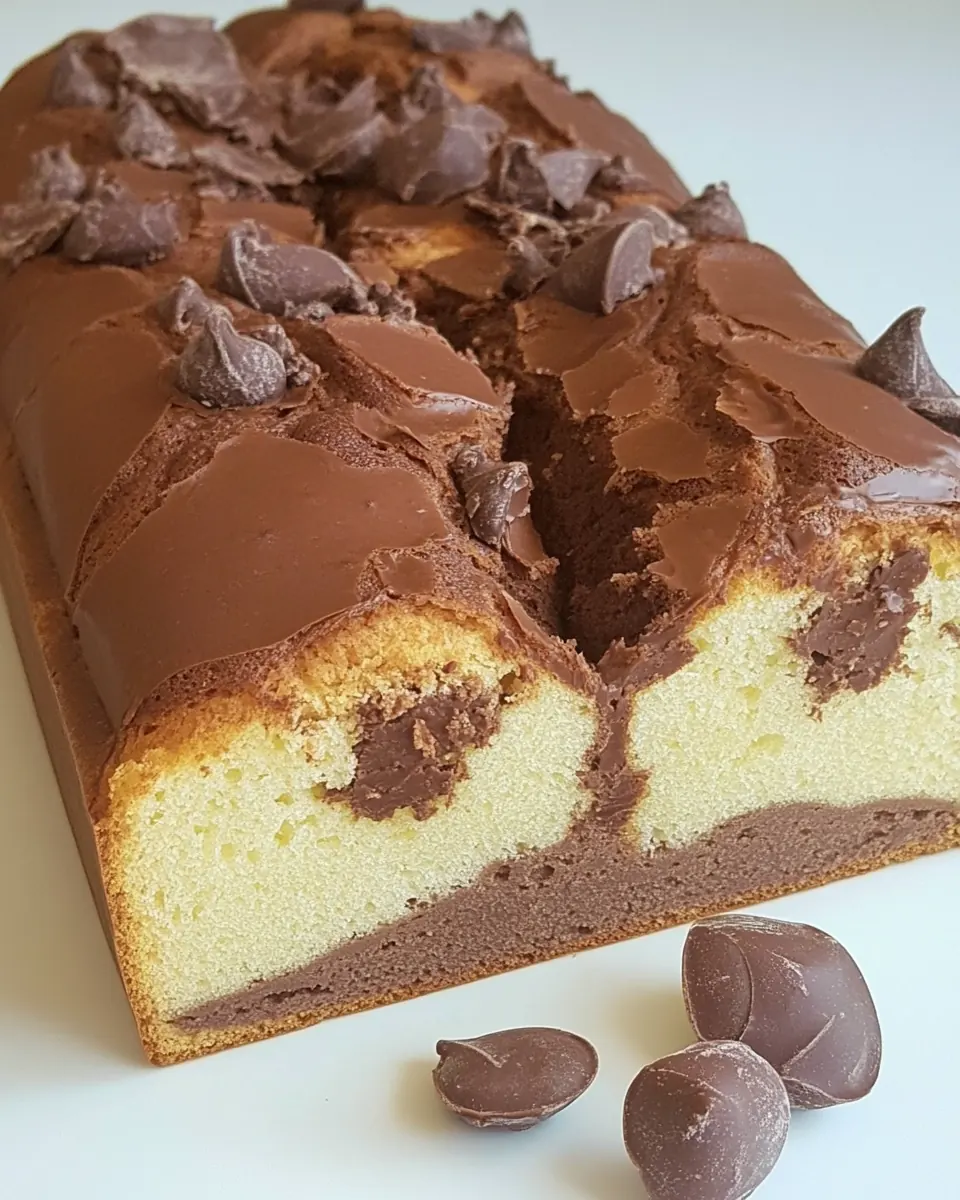
These ingredients are chosen for harmony. The dough relies on enriched elements like eggs, milk, and butter to create a tender crumb, while the filling pairs creamy, slightly tangy cheese cream with bold dark chocolate for contrast. Key players include the fresh yeast for lift, the duo of flours for structure and silkiness, and the little aromatics such as orange zest and vanilla sugar to brighten the overall profile.
- 50 g cake flour: Provide a light, tender structure to baked goods and help absorb liquids; sifted cake flour yields a soft crumb suitable for enriched doughs. Use measured amounts to maintain dough hydration and texture, especially when combined with other flours. Handle gently to avoid developing too much gluten which would toughen the bread.
- 50 ml full-fat milk: Warm slightly and activate yeast when mixed with a portion of flour and sugar; full-fat milk contributes richness and improves browning of the crust. Adjust temperature to around lukewarm to ensure yeast viability without killing it. Also adds lactose and fat which enhance flavor and tenderness.
- 1/2 tbsp sugar: Add sweetness and feed yeast during initial proofing; small amounts help kickstart fermentation and improve flavor complexity. Dissolve into liquids to ensure even distribution in the dough. Balances other savory elements and contributes to caramelization during baking.
- 12 g fresh yeast: Crumble and dissolve into warm liquid to activate fermentation; fresh yeast provides a fast, robust rise for enriched doughs. Keep refrigerated until use and proof in lukewarm milk or water before mixing to confirm activity. Use measured weight because fresh yeast is more potent by weight than dry yeast.
- 500 g cake flour: Form the main bulk of the dough and provide structure while keeping the crumb fine when using cake flour; large quantity dictates dough behavior. Combine with wet ingredients gradually to achieve the correct consistency for enriched breads. Ensure proper mixing to distribute ingredients evenly without overworking.
- 2 tbsp sugar: Sweeten the dough and provide food for yeast to aid fermentation; this amount yields a mildly sweet enriched bread. Dissolve sugar into milk or eggs for even sweetness distribution. Also contributes to crust browning through caramelization during baking.
- 150 ml milk: Warm and incorporate into the dough to hydrate flour and activate yeast; this volume of milk contributes to a soft, enriched crumb. Use at a controlled temperature to avoid harming yeast and to ensure proper fat emulsification. Milk also adds lactose and milk proteins that improve shelf life and mouthfeel.
- 1 tbsp vanilla sugar: Impart aromatic vanilla flavor and subtle sweetness; vanilla sugar can be folded into dry ingredients or creamed with butter and eggs. Enhance the overall flavor profile of the bread and complement sweet fillings. Use as a convenient infused sugar to distribute vanilla evenly.
- 2 egg yolks: Enrich the dough with fat and help create a tender, rich crumb; egg yolks add emulsifiers that improve dough cohesion and softness. Incorporate yolks gradually into the dough to ensure even coloring and richness. Also contribute to deeper crust color and a custard-like richness.
- 1/2 egg (white and egg yolk): Partially bind and add moisture and structure by contributing both white and yolk; using half an egg adjusts hydration and richness precisely when recipes require fractional egg amounts. Whisk before measuring to combine components evenly. Use to fine-tune dough consistency without impacting leavening significantly.
- 2 tbsp sour cream: Contribute tenderizing acidity and richness to the dough; sour cream adds moisture and a slight tang that balances sweetness. Incorporate to improve crumb softness and extend freshness due to its fat and acid content. Also helps stabilize the dough and can enhance browning.
- 50 g butter: Provide richness, flavor, and a tender crumb through fat content; butter melts during baking creating layers and a softer texture. Soften or melt as required by the recipe for even incorporation into dough or filling. Also promotes a glossy finish and richer mouthfeel.
- 1/2 salt: Enhance flavor balance and control overall taste; salt strengthens gluten structure and regulates yeast activity in dough. Measure precisely since small amounts significantly affect fermentation rate and final flavor. Sprinkle evenly into dry ingredients to avoid localized salt concentration.
- orange zest: Add bright citrus aroma and light acidity to cut through sweetness; orange zest contributes essential oils that elevate the flavor profile. Use finely grated zest to avoid bitter pith and distribute fragrance evenly. Works particularly well with chocolate and cheese components.
- 500 g cheese cream: Provide creamy texture and mild tang when used in fillings; cheese cream enriches the bread with moisture and structure. Combine with sugar and eggs for a smooth, stable filling or swirl into dough for pockets of creamy flavor. Keep refrigerated until use for food safety and optimal texture.
- 200 g dark chocolate: Contribute deep cocoa flavor and richness; dark chocolate provides structure to ganaches and fillings when melted and cooled. Chop or grate for even melting and tempering into creams or batters. Choose quality chocolate with a suitable cocoa percentage to balance sweetness.
- 100 ml sweet cream: Add body and smoothness to chocolate fillings or ganache; sweet cream helps create a luscious consistency and mellows bitterness. Heat gently with chocolate to form a stable emulsion for truffles or fillings. Also increases creaminess and mouthfeel when folded into mixtures.
- 150 g sugar: Sweeten fillings and balance tangy components; this quantity yields a pronounced sweetness appropriate for dessert breads. Dissolve into wet ingredients to ensure smooth texture and prevent graininess. Monitor overall sweetness when combined with other sugary components like chocolate and sugar-containing creams.
- 1 teaspoon vanilla sugar: Provide concentrated vanilla flavor and aroma; a teaspoon of vanilla sugar intensifies vanilla notes in fillings or dough. Use to complement other vanilla ingredients without adding extra liquid. Mix into dry or wet components for even flavor distribution.
- 1 tablespoon coffee: Introduce a subtle bitter and aromatic complexity; coffee adds depth when incorporated into chocolate elements or cream fillings. Dissolve in small amounts of hot liquid to release flavor and blend smoothly into batters or creams. Complements chocolate by enhancing its perceived intensity.
- 4 large eggs: Add richness, structure, and leavening support when whipped or beaten into batters; large eggs contribute both fat and protein for setting the crumb. Beat or temper as required for fillings or dough enrichment to ensure even incorporation. Also assist with binding and color of the final product.
- 1 pinch of salt: Provide a small amount of seasoning and control moisture; a pinch of salt intensifies flavors and balances sweetness in finishing touches or fillings. Add sparingly to avoid over-salting while bringing out other aromatics. Distribute evenly for consistent flavor across the product.
How to Make Chocolate Paska Bread
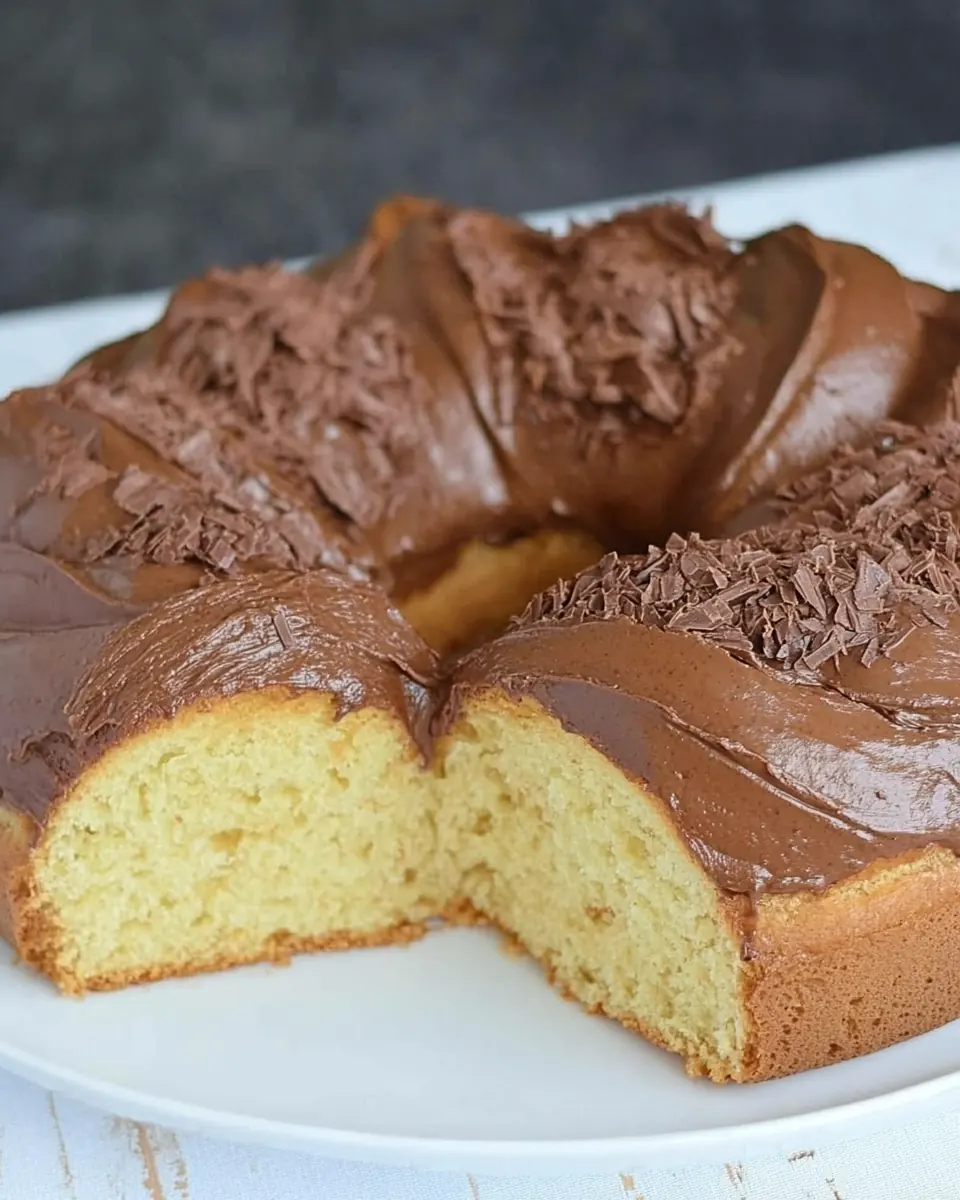
We will move from a small starter to a fully assembled loaf in stages, prioritizing tactile cues and temperature control. I like to work with warm, not hot, liquids to keep the yeast happy while encouraging a tender crumb. Follow each step patiently, paying attention to smell, texture, and visual signals as the dough and filling develop.
- We start with the leaven. Warm (not hot) milk is mixed with flour, sugar and crushed yeast. Leave to rest for 10-15 minutes.: The milk should feel comfortably warm against your wrist, not hot, and the aroma is faintly sweet once the sugar dissolves. After mixing, watch for small bubbles and surface puffing, which signal a lively leaven. This phase smells yeasty and inviting, almost like the start of bread. If nothing happens, the yeast may have been too cold or too hot, so always check the temperature and freshness. Avoid using boiling milk, because it will kill the yeast and stall fermentation.
- Sift the cake flour into a bowl and make a well. Add the two yolks, half of the whole egg, add the sour cream, sugar and mix well together.: The sifted flour should look light and even, and making a well allows you to gently incorporate wet ingredients without overworking gluten. As you mix, the batter will thicken and smell subtly sweet and creamy from the egg yolks and sour cream . This helps create a tender dough by distributing fats evenly. A common mistake is rushing and tearing the well open, which makes combining messier, so take a moment to create a shallow well and stir steadily.
- Heat the milk a bit until it becomes warm (not hot).: Warm milk reassures the yeast and dissolves remaining sugar. The temperature should be similar to warm bath water, mildly aromatic and cozy. Heating gently avoids scalding, which would change flavor and potentially affect the dough. If the milk becomes too hot it can cook the eggs when combined, resulting in lumps and a ruined texture; always test with a fingertip.
- Put the leaven in the flour well, then add the yolk mixture and finally the milk. Start kneading the dough until you get a fairly homogeneous composition.: As you bring the components together, you will notice the dough transforming from shaggy to cohesive, pulling away from the bowl. The feel shifts to slightly elastic and smooth. Kneading develops gluten so the loaf holds its shape while staying tender; the sound is a soft, rhythmic slapping when working on a surface. If the mixture resists, rest for a few minutes to hydrate the flour. Over-kneading can lead to a tight, less tender crumb, so stop when the dough feels springy.
- Add salt, grated orange peel and continue to knead until it is well homogenized.: The orange zest releases bright citrus oils as you fold it in, giving a fragrant lift against the enriched dough. You should smell a citrus perfume with each turn. Proper dispersal ensures no pockets of salt or zest concentrate, which would create uneven bites. If the zest seems to clump, knead a little longer; if you add too much zest it can become bitter, so zest sparingly.
- At the end, add the soft butter and continue to knead a little until you get an elastic dough that does not stick to your hands. If the dough is too sticky, add a spoonful of flour and knead again until homogeneous.: Incorporating butter at the end produces a glossy, supple dough that feels luxurious between your fingers. The dough will become smoother and slightly shinier, and the scent of butter will be noticeable. The correct feel is elastic and tacky but not clingy. If you reach for too much extra flour , the crumb will dry out, so add just enough to prevent sticking. A sticky dough often means it needs more time to hydrate, so resist over-flouring prematurely.
- We cover the dough with a clean kitchen towel, and leave it to rise for an hour, in a warm place – in the oven with the door closed.: During proofing the dough should swell and present a gentle dome, with a slightly yeasty aroma that fills the air. The surface will smooth and the dough will feel airy when pressed lightly. Proofing in a closed oven creates a stable, draft free environment. If the dough does not rise, the room may be too cool or the yeast was weak. Avoid overproofing because that can deflate the structure and yield a dense loaf when baked.
- Melt the dark chocolate over a low heat with the sweet cream and coffee.: This step creates a glossy, aromatic ganache like mixture, with the cocoa scent deepened by the coffee. Heat gently so the chocolate melts smoothly without seizing. Stir constantly so the texture remains silky and the mixture smells rich and slightly toasted. If the chocolate encounters water or steam it can seize into grainy clumps, so keep the pot dry and stir with a dry utensil.
- Mix the cream cheese with the sugar and vanilla sugar.: Beating the cheese cream with the sugars yields a smooth, slightly aerated base that will blend seamlessly with the eggs . The aroma becomes sweet and warm from the vanilla sugar, and the texture should be lump free. If the cheese cream is too cold, it can stay grainy, so bring it to room temperature first for a silkier result.
- Beat the eggs lightly with a pinch of salt.: Lightly whisking the eggs introduces air and disperses the salt, creating a uniform mixture. The eggs should look glossy and slightly thickened, and the smell is fresh and faintly sweet. This step helps the filling to set evenly when baked. Overbeating can incorporate too much air, which may cause the filling to puff and then crack, so stop once the eggs are homogenous.
- Add the eggs to the cream cheese and mix well until smooth.: Once combined, the filling takes on a silky consistency and a mild tang from the cheese cream . The texture should be creamy and pourable but substantial. Carefully mix to avoid lumps, and taste to check sweetness balance. If the filling feels runny, it may need more eggs or slightly less liquid; conversely, too firm could mean the cheese cream was overworked.
- Slowly dribble in the grated and melted chocolate. Mix well.: Dribbling warm chocolate into the filling while stirring ensures a glossy, marbled result rather than sudden pockets of heat. You will notice the aroma deepen to cocoa and coffee, and the filling will darken slightly. The texture should remain smooth and cohesive. If the chocolate is added too quickly while very hot, it can scramble the mixture or create streaks that do not incorporate, so temper it gently.
- Preheat the oven to 180 degrees.: Setting the oven to an even 180 degrees allows predictable browning and a steady bake for the custard filled loaf. As the oven approaches temperature you will hear a faint fan or hum and notice the warming air. An oven thermometer helps ensure accuracy because many ovens run hot or cold. Avoid putting the cake in too early, otherwise the rise and set may be inconsistent.
- Prepare a cake pan with removable sides.: A springform pan makes it easy to remove the loaf without damaging its sides. Grease the pan lightly or line the bottom for insurance. The pan choice influences how the crust forms; a dark metal pan will brown faster than a light one. If you skip greasing, the dough might cling and tear upon removal, so prepare the pan carefully.
- Roll out the cake dough into a round shape larger than the diameter of the pan.: Rolling creates an even sheet that will line the pan fully, and you should feel elasticity returning to the dough as it relaxes. Dust with a little flour to prevent sticking, and aim for consistent thickness so the crust bakes evenly. If the dough resists rolling, let it rest a few minutes to relax the gluten, otherwise it will spring back.
- Place the dough in the pan, covering the bottom and all the way up the sides.: Press the dough gently so it adheres to the pan edges and forms a neat crust cavity for the filling. The contact should be smooth without holes or thin spots. If small tears appear, patch them with a little fresh dough. A well lined pan supports the filling and prevents leakage during baking.
- Pour the cream cheese and chocolate into the pan. Level.: As you pour, the filling should flow into gaps and settle into an even layer, smelling richly of chocolate and sweetened cream. Use a spatula to smooth the surface, creating a uniform set when baked. If the filling pools unevenly, the bake will set with lopsided texture, so level carefully for an even custard center.
- Brush the dough with beaten egg.: An egg wash contributes a glossy, golden crust and helps the loaf look finished. Brush evenly so the surface develops consistent color; the aroma will turn toasty as the proteins and sugars brown. If you overbrush, the wash can pool and create darker spots, so apply a light, even coat.
- Place the pan in the heated oven.: You will hear the quiet settling as the heat meets the pan, and the kitchen will begin to smell of baked bread and melting chocolate. Position the pan in the center of the oven for even heat circulation. If you place it too close to the top or bottom, the crust may brown unevenly, so choose a middle rack.
- Bake for 40-45 minutes, until it is brown around the edges.: The outer crust should be a warm golden brown and the filling will be set at the edges but slightly tender near the center when tested. The aroma of butter, cinnamon free chocolate, and orange will be pronounced. If it browns too quickly, tent with foil to prevent overcoloring while the interior finishes. Underbaking can leave the filling undone, while overbaking dries the custard, so watch closely in the final minutes.
- Remove from the oven and leave on a cooling tray.: Cooling stabilizes the custard and makes slicing neater. The loaf will continue to set as it cools, and you will notice steam fade and the chocolate mellow. If you cut too soon, the filling can ooze and ruin the presentation, so patience pays dividends here.
- Divide up the cake as soon as it has cooled completely.: Once fully cooled, the loaf slices cleanly with defined layers of dough and filling. The aroma is softer but still inviting, and each slice should show marbled chocolate within creamy filling. Use a serrated knife and a steady hand for tidy pieces. Cutting warm will smear the filling and make serving messy.
- Serve it with a good appetite and good mood!: At the table the flavors sing together, with bright orange zest , rich dark chocolate , and tender bread providing contrast. I like to offer slightly warm slices, but this loaf is also excellent at room temperature. If you need to transport it, wrap gently to preserve shape and crumb.
Customization Ideas
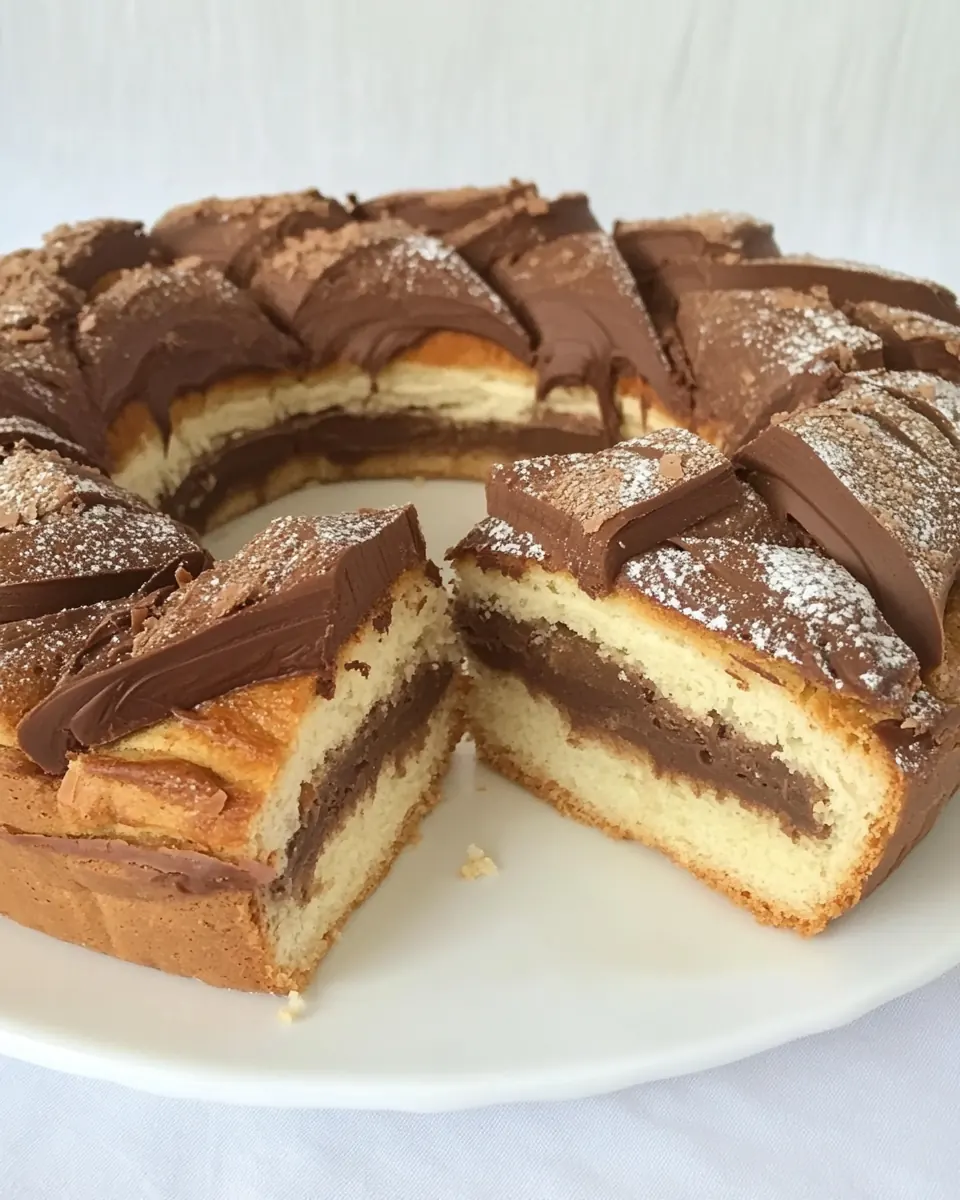
This section offers ways to make Chocolate Paska Bread your own, while keeping the essential structure intact. Below are practical, kitchen tested suggestions to adjust texture, flavor, and presentation. Each tip begins with a bold phrase for quick scanning.
- Use different chocolate ratios. If you want a milder chocolate presence, reduce the dark chocolate slightly and rely more on the creamy filling, or increase it for a deeper cocoa intensity. Tasting the melted chocolate mixture before adding to the filling helps you adjust sweetness.
- Adjust sweetness for preference. Reduce the filling sugar by up to 20 percent if you prefer less sweetness, especially if your dark chocolate is on the sweeter side. This keeps the balance between tangy cheese cream and chocolate intact.
- Make a decorative top. Reserve a little extra dough to create simple shapes to place on the crust, or brush with egg wash and sprinkle a little sugar for a sparkly finish. Small dough cutouts can add a homey, festive look.
- Infuse citrus carefully. Add a touch more orange zest if you want a brighter profile, but do not overdo it because the pith is bitter. Zest only the colored peel to maximize aromatic oils.
- Check dough temperature. Keep liquids warm but not hot to protect the yeast, and use an oven proof thermometer to maintain consistent proofing and baking environments.
- Make ahead and freeze. You can freeze the baked and cooled loaf wrapped tightly, then thaw overnight in the refrigerator before serving. This preserves texture and flavor, though day of baking is ideal.
How to Serve Chocolate Paska Bread
This loaf can be a centerpiece for gatherings or an indulgent breakfast treat. Present it sliced slightly warm or at room temperature, and consider small accompaniments that complement but do not overwhelm the filling. The following list details serving styles, occasions, and storage notes in depth.
- Brunch centerpiece: Slice the loaf and arrange on a wooden board with small bowls of fresh fruit for color and brightness, making it perfect for a late morning gathering where guests can help themselves.
- Holiday offering: For Easter or spring celebrations, serve the loaf alongside light salads and herbal teas, so the richness of the cheese cream and dark chocolate plays against fresher plates.
- Tea time treat: Pair slices with a pot of black or herbal tea to balance the sweetness, offering thin slices so guests can enjoy a taste without feeling overly full.
- Storage at home: Keep leftovers tightly wrapped at room temperature for up to two days, or refrigerate for up to five days to preserve the custard filling. Bring slices to room temperature before serving for better flavor and texture.
- Transport and gifting: Wrap the cooled loaf in parchment and a ribbon, and place in a shallow box to protect the crust; this makes a lovely edible gift that travels well for short distances.
- Occasion notes: This bread suits festive breakfasts, family brunches, or anytime you want a slightly elevated sweet bread. It is especially appropriate for spring gatherings and holiday tables where rich, shareable desserts are welcome.
FAQ
Conclusion
Chocolate Paska Bread stands out because it balances tender enriched dough with a silky, chocolate studded cheese filling that feels both celebratory and homey. Give it a go when you want a showstopping loaf that is worth the patience, because the ritual of making it yields a deeply satisfying result. Try one loaf for a family brunch or a holiday table, and enjoy the warm aromas and the way each slice brings people together.
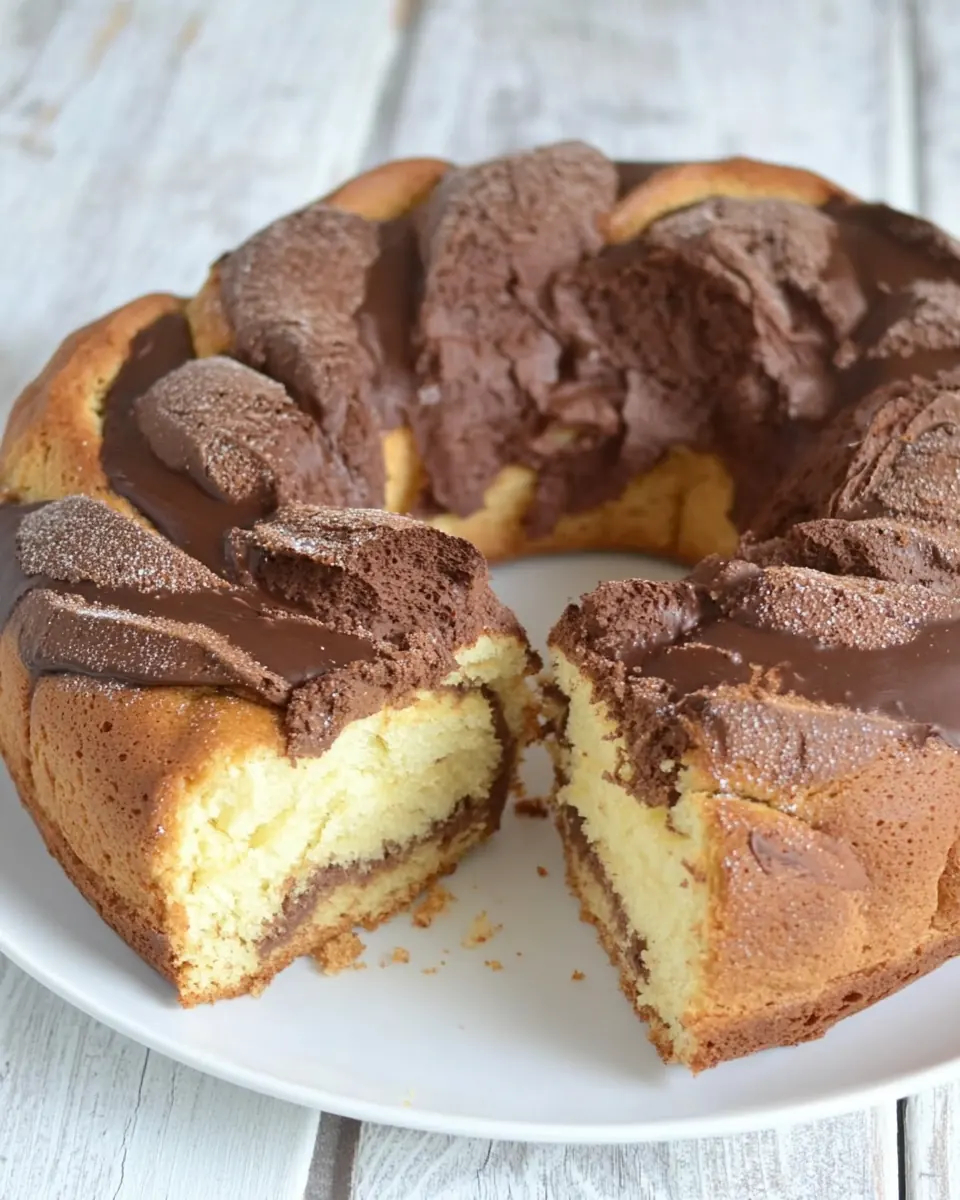
Chocolate Paska Bread
Ingredients
Equipment
Method
- We start with the leaven. Warm (not hot) milk is mixed with flour, sugar and crushed yeast. Leave to rest for 10-15 minutes.: The milk should feel comfortably warm against your wrist, not hot, and the aroma is faintly sweet once the sugar dissolves. After mixing, watch for small bubbles and surface puffing, which signal a lively leaven. This phase smells yeasty and inviting, almost like the start of bread. If nothing happens, the yeast may have been too cold or too hot, so always check the temperature and freshness. Avoid using boiling milk, because it will kill the yeast and stall fermentation.
- Sift the cake flour into a bowl and make a well. Add the two yolks, half of the whole egg, add the sour cream, sugar and mix well together.: The sifted flour should look light and even, and making a well allows you to gently incorporate wet ingredients without overworking gluten. As you mix, the batter will thicken and smell subtly sweet and creamy from the egg yolks and sour cream . This helps create a tender dough by distributing fats evenly. A common mistake is rushing and tearing the well open, which makes combining messier, so take a moment to create a shallow well and stir steadily.
- Heat the milk a bit until it becomes warm (not hot).: Warm milk reassures the yeast and dissolves remaining sugar. The temperature should be similar to warm bath water, mildly aromatic and cozy. Heating gently avoids scalding, which would change flavor and potentially affect the dough. If the milk becomes too hot it can cook the eggs when combined, resulting in lumps and a ruined texture; always test with a fingertip.
- Put the leaven in the flour well, then add the yolk mixture and finally the milk. Start kneading the dough until you get a fairly homogeneous composition.: As you bring the components together, you will notice the dough transforming from shaggy to cohesive, pulling away from the bowl. The feel shifts to slightly elastic and smooth. Kneading develops gluten so the loaf holds its shape while staying tender; the sound is a soft, rhythmic slapping when working on a surface. If the mixture resists, rest for a few minutes to hydrate the flour. Over-kneading can lead to a tight, less tender crumb, so stop when the dough feels springy.
- Add salt, grated orange peel and continue to knead until it is well homogenized.: The orange zest releases bright citrus oils as you fold it in, giving a fragrant lift against the enriched dough. You should smell a citrus perfume with each turn. Proper dispersal ensures no pockets of salt or zest concentrate, which would create uneven bites. If the zest seems to clump, knead a little longer; if you add too much zest it can become bitter, so zest sparingly.
- At the end, add the soft butter and continue to knead a little until you get an elastic dough that does not stick to your hands. If the dough is too sticky, add a spoonful of flour and knead again until homogeneous.: Incorporating butter at the end produces a glossy, supple dough that feels luxurious between your fingers. The dough will become smoother and slightly shinier, and the scent of butter will be noticeable. The correct feel is elastic and tacky but not clingy. If you reach for too much extra flour , the crumb will dry out, so add just enough to prevent sticking. A sticky dough often means it needs more time to hydrate, so resist over-flouring prematurely.
- We cover the dough with a clean kitchen towel, and leave it to rise for an hour, in a warm place – in the oven with the door closed.: During proofing the dough should swell and present a gentle dome, with a slightly yeasty aroma that fills the air. The surface will smooth and the dough will feel airy when pressed lightly. Proofing in a closed oven creates a stable, draft free environment. If the dough does not rise, the room may be too cool or the yeast was weak. Avoid overproofing because that can deflate the structure and yield a dense loaf when baked.
- Melt the dark chocolate over a low heat with the sweet cream and coffee.: This step creates a glossy, aromatic ganache like mixture, with the cocoa scent deepened by the coffee. Heat gently so the chocolate melts smoothly without seizing. Stir constantly so the texture remains silky and the mixture smells rich and slightly toasted. If the chocolate encounters water or steam it can seize into grainy clumps, so keep the pot dry and stir with a dry utensil.
- Mix the cream cheese with the sugar and vanilla sugar.: Beating the cheese cream with the sugars yields a smooth, slightly aerated base that will blend seamlessly with the eggs . The aroma becomes sweet and warm from the vanilla sugar, and the texture should be lump free. If the cheese cream is too cold, it can stay grainy, so bring it to room temperature first for a silkier result.
- Beat the eggs lightly with a pinch of salt.: Lightly whisking the eggs introduces air and disperses the salt, creating a uniform mixture. The eggs should look glossy and slightly thickened, and the smell is fresh and faintly sweet. This step helps the filling to set evenly when baked. Overbeating can incorporate too much air, which may cause the filling to puff and then crack, so stop once the eggs are homogenous.
- Add the eggs to the cream cheese and mix well until smooth.: Once combined, the filling takes on a silky consistency and a mild tang from the cheese cream . The texture should be creamy and pourable but substantial. Carefully mix to avoid lumps, and taste to check sweetness balance. If the filling feels runny, it may need more eggs or slightly less liquid; conversely, too firm could mean the cheese cream was overworked.
- Slowly dribble in the grated and melted chocolate. Mix well.: Dribbling warm chocolate into the filling while stirring ensures a glossy, marbled result rather than sudden pockets of heat. You will notice the aroma deepen to cocoa and coffee, and the filling will darken slightly. The texture should remain smooth and cohesive. If the chocolate is added too quickly while very hot, it can scramble the mixture or create streaks that do not incorporate, so temper it gently.
- Preheat the oven to 180 degrees.: Setting the oven to an even 180 degrees allows predictable browning and a steady bake for the custard filled loaf. As the oven approaches temperature you will hear a faint fan or hum and notice the warming air. An oven thermometer helps ensure accuracy because many ovens run hot or cold. Avoid putting the cake in too early, otherwise the rise and set may be inconsistent.
- Prepare a cake pan with removable sides.: A springform pan makes it easy to remove the loaf without damaging its sides. Grease the pan lightly or line the bottom for insurance. The pan choice influences how the crust forms; a dark metal pan will brown faster than a light one. If you skip greasing, the dough might cling and tear upon removal, so prepare the pan carefully.
- Roll out the cake dough into a round shape larger than the diameter of the pan.: Rolling creates an even sheet that will line the pan fully, and you should feel elasticity returning to the dough as it relaxes. Dust with a little flour to prevent sticking, and aim for consistent thickness so the crust bakes evenly. If the dough resists rolling, let it rest a few minutes to relax the gluten, otherwise it will spring back.
- Place the dough in the pan, covering the bottom and all the way up the sides.: Press the dough gently so it adheres to the pan edges and forms a neat crust cavity for the filling. The contact should be smooth without holes or thin spots. If small tears appear, patch them with a little fresh dough. A well lined pan supports the filling and prevents leakage during baking.
- Pour the cream cheese and chocolate into the pan. Level.: As you pour, the filling should flow into gaps and settle into an even layer, smelling richly of chocolate and sweetened cream. Use a spatula to smooth the surface, creating a uniform set when baked. If the filling pools unevenly, the bake will set with lopsided texture, so level carefully for an even custard center.
- Brush the dough with beaten egg.: An egg wash contributes a glossy, golden crust and helps the loaf look finished. Brush evenly so the surface develops consistent color; the aroma will turn toasty as the proteins and sugars brown. If you overbrush, the wash can pool and create darker spots, so apply a light, even coat.
- Place the pan in the heated oven.: You will hear the quiet settling as the heat meets the pan, and the kitchen will begin to smell of baked bread and melting chocolate. Position the pan in the center of the oven for even heat circulation. If you place it too close to the top or bottom, the crust may brown unevenly, so choose a middle rack.
- Bake for 40-45 minutes, until it is brown around the edges.: The outer crust should be a warm golden brown and the filling will be set at the edges but slightly tender near the center when tested. The aroma of butter, cinnamon free chocolate, and orange will be pronounced. If it browns too quickly, tent with foil to prevent overcoloring while the interior finishes. Underbaking can leave the filling undone, while overbaking dries the custard, so watch closely in the final minutes.
- Remove from the oven and leave on a cooling tray.: Cooling stabilizes the custard and makes slicing neater. The loaf will continue to set as it cools, and you will notice steam fade and the chocolate mellow. If you cut too soon, the filling can ooze and ruin the presentation, so patience pays dividends here.
- Divide up the cake as soon as it has cooled completely.: Once fully cooled, the loaf slices cleanly with defined layers of dough and filling. The aroma is softer but still inviting, and each slice should show marbled chocolate within creamy filling. Use a serrated knife and a steady hand for tidy pieces. Cutting warm will smear the filling and make serving messy.
- Serve it with a good appetite and good mood!: At the table the flavors sing together, with bright orange zest , rich dark chocolate , and tender bread providing contrast. I like to offer slightly warm slices, but this loaf is also excellent at room temperature. If you need to transport it, wrap gently to preserve shape and crumb.
Notes
- Use different chocolate ratios. If you want a milder chocolate presence, reduce the dark chocolate slightly and rely more on the creamy filling, or increase it for a deeper cocoa intensity. Tasting the melted chocolate mixture before adding to the filling helps you adjust sweetness.
- Adjust sweetness for preference. Reduce the filling sugar by up to 20 percent if you prefer less sweetness, especially if your dark chocolate is on the sweeter side. This keeps the balance between tangy cheese cream and chocolate intact.
- Make a decorative top. Reserve a little extra dough to create simple shapes to place on the crust, or brush with egg wash and sprinkle a little sugar for a sparkly finish. Small dough cutouts can add a homey, festive look.
- Infuse citrus carefully. Add a touch more orange zest if you want a brighter profile, but do not overdo it because the pith is bitter. Zest only the colored peel to maximize aromatic oils.
- Check dough temperature. Keep liquids warm but not hot to protect the yeast, and use an oven proof thermometer to maintain consistent proofing and baking environments.
- Make ahead and freeze. You can freeze the baked and cooled loaf wrapped tightly, then thaw overnight in the refrigerator before serving. This preserves texture and flavor, though day of baking is ideal.