Baja Bowls
Baja Bowls became my go to when I wanted something bright, juicy, and comforting all at once. The first time I made them I was juggling a hectic weekday evening, a hungry teenager, and a craving for bold flavors that did not require a ton of fuss. I remember standing over the counter as the citrus marinade filled the kitchen with a zesty air, and thinking that a single bowl could really fix a frazzled night.
Over the years I have tweaked the components, but the spirit stays the same: fresh lime, smoky spices, and creamy elements layered over warm rice. When friends visit, these bowls are what I reach for because they let everyone build their own perfect bite. I love watching people mix cilantro sauce with juicy chicken and scoop up a forkful with avocado or a sprinkle of cheese, and the chatter that follows always tells me I got the balance right.
Recipe Snapshot
30 mins
10 mins
20 mins
Medium
600 kcal
Mexican
Gluten-Free, Low FODMAP
Dinner
Skillet, Oven, Blender, Zip top bag, Knife
Why This Baja Bowls Is a Winner
Bright citrus forward flavor
The citrus marinade, with both lime and orange, gives the chicken a lively tang that wakes up the palate. I often say the marinade is the personality of the bowl, it tenderizes the chicken while adding aromatic top notes. The contrast between citrus and spices creates a clean finish that makes every bite feel fresh.
Layered textures that satisfy
I adore how the recipe balances textures. Warm, fluffy rice forms a soft base, while charred edges on the pan seared chicken add chew and the black bean and corn salsa brings a slight pop. Then the creamy avocado and tangy feta cheese finish each forkful, so you get silky, crisp, and crunchy moments in one mouthful.
Customizable for any appetite
These bowls are endlessly adaptable. I like that you can marinate the chicken longer for deeper flavor, or keep it quick for a weeknight meal. The sauce blends in minutes, and swapping the rice or salsa keeps the core idea intact. I’ve served them to picky eaters and adventurous friends with equal success, because each person can tailor their bowl.
Weeknight friendly but party worthy
Even though it feels restaurant level, the method is approachable. You can prep the marinade, slice the avocado, and blend the sauce ahead of time. When guests arrive you only need to sear and finish in the oven, which helps me stay relaxed and present rather than stuck in the kitchen.
Bright, creamy sauce ties everything together
The creamy cilantro sauce is the glue. It adds acidity, creaminess from greek yogurt, and herb freshness from cilantro. I always make a little extra, because the sauce can turn leftovers into a new meal the next day. It’s one of those simple touches that elevates humble components into a crave worthy bowl.
What to Buy for Baja Bowls
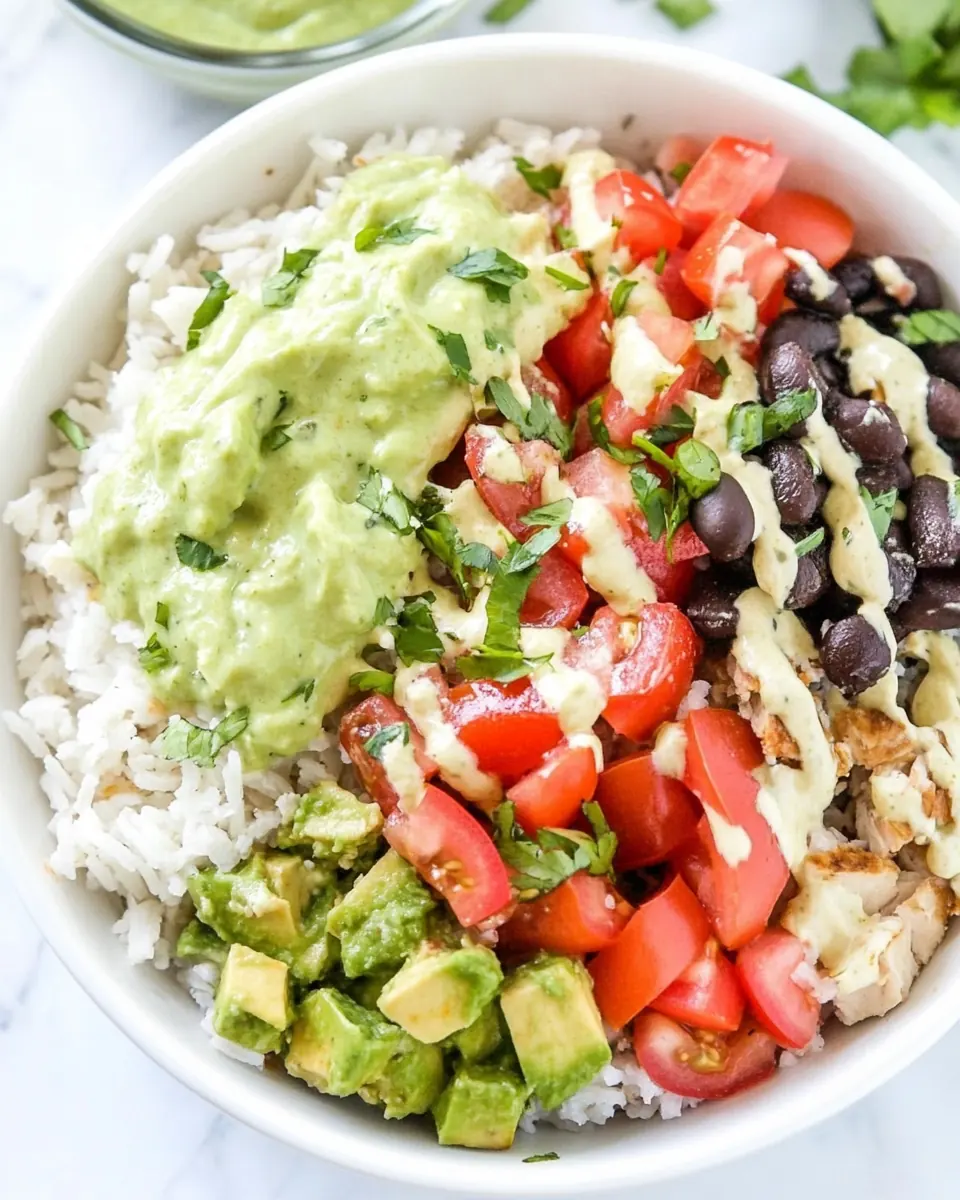
These ingredients are all about balance and synergy. The key players are the marinated chicken, the bright citrus, and the creamy sauce. Each element has a job; the acids tenderize, spices build savory depth, and the toppings bring texture and cooling contrast. Together they create a bowl that feels complete yet flexible.
Below I list each ingredient in the original order, with a short note on why it matters and how I use it in the recipe.
- 2 pounds boneless, skinless chicken breast: Provide lean, protein-rich cubes that form the hearty base of the bowls; marinate easily and cook quickly to retain moisture and flavor. Offer a neutral canvas that soaks up citrus and spice, balancing textures with tender bites. Pair well with rice and salsas for a satisfying meal.
- 2 tablespoons lime juice, juice of about 2 limes: Add bright acidity and citrus aroma to tenderize and flavor the chicken during marination, enhancing overall brightness. Help balance richer elements in the bowl and lift the dish with fresh, zesty notes. Integrate seamlessly into dressings and finishing touches.
- 1/4 cup orange juice, juice of about 1 orange: Contribute sweet citrus depth that complements lime while adding subtle fruitiness to the marinade for complex flavor layers. Help tenderize proteins and round out the spicy and savory components in the bowl. Provide a mellow counterpoint to sharper acidic elements.
- 2 jalapeños, sliced: Introduce moderate heat and vegetal brightness when sliced, lending a crisp texture and spicy kick to marinades and toppings. Offer control over spice level by adjusting quantity or removing seeds, and contribute fresh peppery notes throughout the dish. Pair especially well with citrus and garlic.
- 4 cloves garlic, minced: Deliver pungent, savory foundation notes when minced, building umami and aromatic complexity in marinades and sauces. Blend into both cooked and fresh components to enhance depth and mouthwatering appeal. Roast or sauté to mellow sharpness and develop sweetness.
- 2 teaspoons oregano: Provide warm herbal earthiness that complements citrus and garlic in the marinade, adding Mediterranean aroma and subtle savory nuance. Help tie together cumin and other spices for a cohesive seasoning profile. Work well in both fresh and dried forms.
- 2 teaspoons cumin: Add smoky, warm spice that grounds the seasoning with slightly bitter, aromatic tones and enhances the overall savory profile. Pair with oregano and lime to evoke Southwestern flavors and amplify umami in the chicken. Use sparingly to avoid overpowering delicate ingredients.
- 1 teaspoons salt: Season the dish with essential saltiness to heighten flavors and balance acidity and spice throughout the bowl. Improve texture perception by drawing out natural juices during marination and cooking. Adjust to taste for proper seasoning of proteins and sides.
- 1/2 teaspoon pepper: Contribute mild heat and a sharp finish that rounds out savory components and brightens flavors when used judiciously. Enhance perceived freshness and lift heavier elements like oil or yogurt with subtle peppery notes. Balance with salt and acidity.
- 3 tablespoons cooking oil, divided: Provide the cooking medium for sautéing and searing, distributing heat and helping develop a golden crust on proteins. Allow flavors from spices and aromatics to bloom while preventing sticking and drying. Divide usage between marinade searing and finishing to control richness.
- 1/2 cup greek yogurt: Offer creamy tang that adds moisture and coolness to counterbalance spicy and acidic elements in the bowl. Serve as a base for dressings or sauces to bind ingredients and lend silky mouthfeel. Help mellow bright or sharp flavors when mixed with herbs or lime.
- 1/2 cups salsa verde: Contribute zesty, herby-green heat and saucy moisture as a prepared condiment, enhancing the bowls with layered savory brightness. Act as a flavorful topping or mixing element to introduce acidity and spice, harmonizing with yogurt and cilantro. Compliment proteins and rice alike.
- 1/2 cup cilantro, (about 1/2 bunch): Provide fresh, aromatic herbiness that injects bright green flavor and fragrant lift into sauces, dressings, and garnishes. Chop and incorporate for a lively finish that balances heavier components like cheese and avocado. Add visual contrast and palate-cleansing notes.
- 1 tablespoon fresh lime juice, (juice of about 1 lime): Add concentrated citrus tang to brighten dressings, marinades, and finishing sauces while enhancing other flavors and cutting through richness. Layer on top for a fresh pop that complements both proteins and creamy elements. Use sparingly to avoid overpowering milder components.
- 1 clove garlic: Bring a sharp, aromatic bite when minced or pressed into dressings and salsas, intensifying savory depth and boosting overall umami. Pair with lime and cilantro for an assertive, classic flavor combination. Cook briefly to mellow intensity or use raw for punchier character.
- 4 cups cilantro lime rice, prepared: Provide a fluffy, citrus-kissed rice base that absorbs sauces and anchors bowls with comforting starch and subtle seasoning. Serve as the neutral yet flavorful platform that complements proteins, salsas, and creamy toppings. Maintain lightness to contrast denser toppings.
- 1 cup black bean and corn salsa, prepared: Add smoky-sweet, hearty bites of beans and corn that contribute fiber, texture, and color to the bowls; bring a satisfying, savory-sweet contrast. Serve as a ready-made topping that increases bulk and nutritional value while pairing well with fresh salsas. Enhance with lime or herbs if desired.
- 1 cup grape tomatoes, halved: Introduce juicy, acidic bursts and bright color when halved, balancing richer components and adding a fresh texture. Contribute natural sweetness and moisture that complements spicy and creamy elements. Work well tossed into bowls or used as a crisp garnish.
- 1 avocado, sliced: Provide creamy, buttery richness and smooth texture when sliced, offering healthy fats that mellow heat and acidity in each bite. Add visual appeal and a satisfying mouthfeel that complements grains, beans, and tangy cheeses. Ripeness ensures optimal flavor and spreadability.
- 1/4 cup feta cheese: Offer salty, tangy crumbles that lend sharpness and savory contrast to creamy and fresh components in the bowl. Sprinkle over finished bowls to add bold flavor pops and a pleasing crumbly texture. Pair especially well with cilantro, lime, and avocado.
Step by Step Guide for Baja Bowls
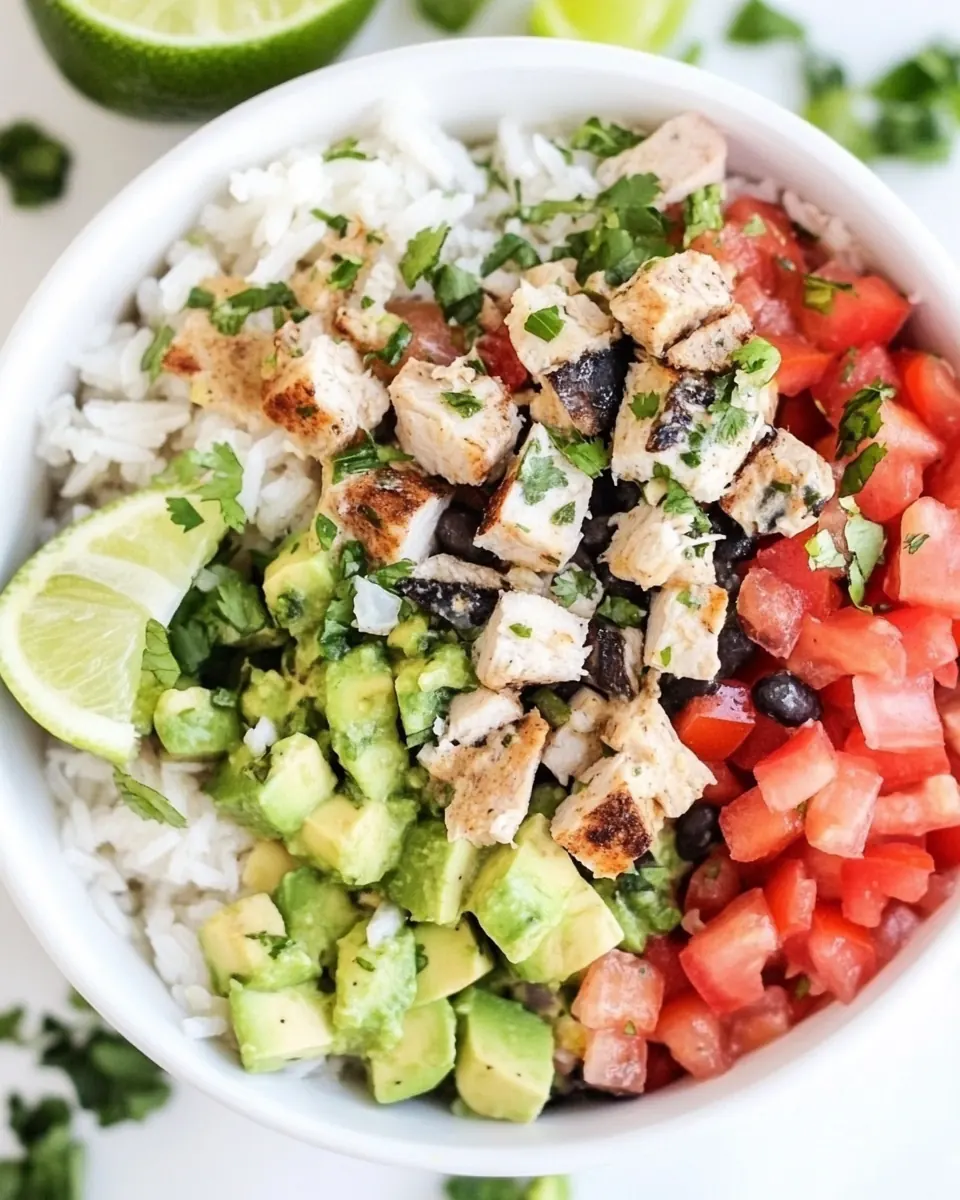
I like to walk through this method as a gentle flow from marinade to plating. The steps are designed so you can prep ahead, sear confidently, and assemble quickly. Below I expand each direction into sensory cues and practical troubleshooting so you can cook with intention.
- Preheat the oven to 350˚F.: As the oven warms you will notice a dry, warm convection moving through the kitchen, and this steady heat helps finish the chicken evenly after searing. Preheating ensures that residual heat from the skillet carries the pieces through to the proper internal temperature, avoiding overcooking on the stovetop. A common mistake is placing the skillet into a cold oven which lengthens cooking time and can dry the chicken . Make sure the oven reaches the set temperature before transferring the pan.
- Place the chicken breast in a zip top bag, or covered container. Add the lime juice, orange juice, jalapeno slices, garlic, oregano, cumin, salt, pepper, and half of the cooking oil.: When you combine the chicken and marinade you should hear the soft squish of liquid around the meat and smell the citrus and spices immediately. This acidic bath starts to break down proteins gently, which is why it tenderizes the meat while imparting flavor. If your marinade pools unevenly, massage the bag so every surface is coated. Avoid using too acidic a ratio for longer than three hours which can make the exterior mushy.
- Mix well until the chicken is evenly coated in the marinade. Let marinate in the refrigerator for at least 20 minutes, or up to 3 hours.: You will see the marinade cling to the chicken , and the flesh will take on a slightly glossy sheen. In the fridge the flavors meld and the meat firms slightly in a pleasant way. For best results avoid marinating much longer than three hours to prevent texture breakdown. If short on time, even a 20 minute marinade will impart a noticeable lift in flavor.
- Heat the remaining oil in a large oven-safe skillet over medium high heat. Once hot, add the chicken breast to the skillet and let sit on the first side 2-3 minutes without moving to sear. Once a nice golden brown sear has formed, flip the chicken and cook an additional 2-3 minutes.: As the chicken hits the hot oil you should hear a steady sizzle, and the aroma of seared spices will bloom. That initial stillness is crucial for developing a golden brown crust which locks juices inside. If you move the pieces too soon they will stick and tear instead of forming that desired sear. Keep the heat high enough to sizzle, but not smoke, to avoid bitter burnt flavors.
- Transfer the skillet to the oven and cook for an additional 10-15 minutes or until chicken reaches 165˚F internal temperature. Note: if you don't have an oven-proof skillet, you can transfer the chicken to a baking sheet or casserole dish, but it may take a couple of extra minutes to cook.: After flipping you will see the new side turn opaque and edges firm slightly, with a deepening golden hue. The seared crust adds Maillard richness that contrasts with the citrus tang. A common error is crowding the pan which lowers the temperature and prevents browning, so leave space between pieces for best color and texture.
- Note: if you don't have an oven-proof skillet, you can transfer the chicken to a baking sheet or casserole dish, but it may take a couple of extra minutes to cook.: The oven finishes the chicken gently, and you may notice a faint citrus steam rise when you open the oven. The internal temperature ensures safety while preserving juiciness. If you don't have an oven proof skillet, using a baking sheet will work but watch closely, as it can require a couple extra minutes. Avoid overshooting the temperature which will dry the meat.
- Let sit 5 minutes, then slice.: if you don't have an oven-proof skillet, you can transfer the chicken to a baking sheet or casserole dish, but it may take a couple of extra minutes to cook. : Using an alternate vessel can slightly change heat transfer, so expect a touch more cooking time and adjust by checking temperature. Visual cues such as juices running clear and flesh losing translucence are helpful. The common pitfall is forgetting to adjust time, which leads to undercooked centers; use a thermometer to be confident.
- Place all sauce ingredients in a blender or food processor and blend until smooth.: Resting allows the juices to redistribute so each slice remains moist, and you will notice the meat firms just enough to slice cleanly. Slicing too soon causes the juices to run out, leaving drier pieces. Use a sharp knife and slice against the grain for the most tender bites.
- Place one cup of rice in the base of each bowl, and set the sliced Baja chicken on top of the rice.: When you blend the greek yogurt , salsa verde , cilantro , lime juice , and the extra garlic , the aroma becomes herbaceous and bright. The texture should be silky and pourable so it drapes the bowl without being too thin. If the sauce is too thick add a teaspoon or two of water to reach the right consistency. Overblending can warm the sauce slightly and mute fresh herb notes, so pulse to keep it vibrant.
- Layer on the black bean and corn salsa, tomatoes, and avocado.: The warm cilantro lime rice creates a comforting base that contrasts with the chilled toppings. Spoon the rice gently so it forms a tidy bed, then fan the sliced chicken across for an attractive presentation. A common mistake is piling everything together which makes it hard to get balanced bites; arrange components so each scoop gets a little of everything.
- Drizzle the creamy cilantro sauce over the top of the bowl. Sprinkle feta and serve.: As you add the black bean and corn salsa , halved grape tomatoes , and sliced avocado , the bowl takes on color and texture. The salsa adds a sweet pop, tomatoes give juicy acidity, and avocado offers creamy relief. To avoid sogginess, place wetter components like salsa on top rather than directly against the rice for long storage.
- Drizzle the creamy cilantro sauce over the top of the bowl. Sprinkle feta and serve.: A ribbon of the cilantro sauce ties the bowl together with cooling, tangy creaminess, and the crumbled feta cheese adds salty brightness. The final plate should look layered and balanced, with pops of green, red, and creamy white. Resist the urge to drown the bowl in sauce, a light drizzle complements rather than overwhelms.
Tips and Tricks about Baja Bowls
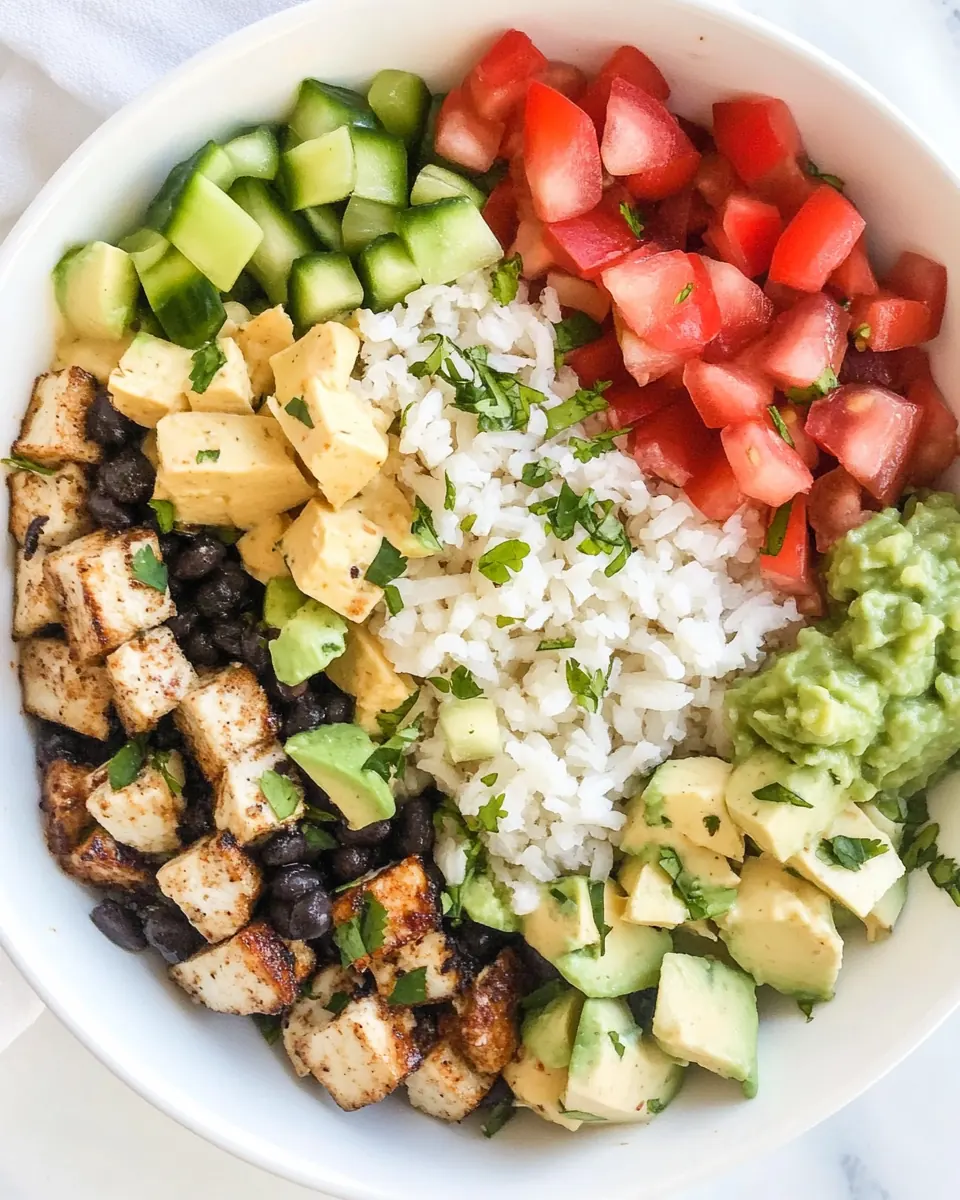
I like to think of these tips as small shifts that make a big difference. They help with timing, texture, and flavor layering so your bowls look and taste intentional. Below are practical ideas I use frequently to keep these bowls reliable and restaurant worthy.
- Marinate strategically: Reserve half of the cooking oil for the pan and marinate the chicken with the rest so it browns properly instead of steaming.
- Manage heat on searing: Start over medium high so you get a good sizzle but watch for smoking; adjust the heat to prevent burning the spices on the surface.
- Keep sauce bright: Use fresh lime juice and add herbs last when blending to preserve a vivid cilantro flavor, and chill slightly before serving for a refreshing contrast to warm components.
- Choose ripe but firm avocado: A slightly firm avocado slices cleanly and holds its shape, preventing mushy texture in the bowl.
- Prep ahead wisely: Marinate the chicken and make the sauce hours ahead, then refrigerate separately so you can quickly sear and assemble when ready.
Great Combinations for Baja Bowls
These serving ideas help you present the bowls with purpose, whether for casual family dinners or weekend gatherings. Think about temperature contrasts, textural complements, and simple sides that extend the meal without overpowering it.
- Family dinner style: Serve the bowls with extra cilantro lime rice on the side for those who want seconds, and let guests spoon more of the creamy cilantro sauce as they like.
- Casual gathering: Offer a small bar of toppings like extra feta cheese, sliced jalapeños, and a bowl of warm tortilla chips so people can customize their bites.
- Lunch meal prep: Pack components in separate containers, keeping the avocado and sauce aside until just before eating to preserve texture and color.
- Seasonal pairing: In summer serve with a crisp green salad or a light slaw to echo the citrus notes and keep the meal feeling fresh and bright.
- Storage tips: Store the chicken, rice, and salsa separately in airtight containers for up to three days, and add the avocado fresh to avoid browning.
- Occasion suggestion: These bowls work well for casual dinner, weekend lunches, or summer entertaining where guests appreciate a build your own approach.
FAQ
Conclusion
Baja Bowls stand out because they combine bright citrus, warm spices, and creamy elements into an instant favorite that is both satisfying and easy to assemble. Give this mix of marinated chicken, cilantro lime rice, and vivid toppings a try; it is the kind of meal that looks casual but tastes deliberate. Make it for a weeknight when you want simplicity with restaurant level flavor; you will be rewarded with bowls that feel fresh, balanced, and effortlessly enjoyable.
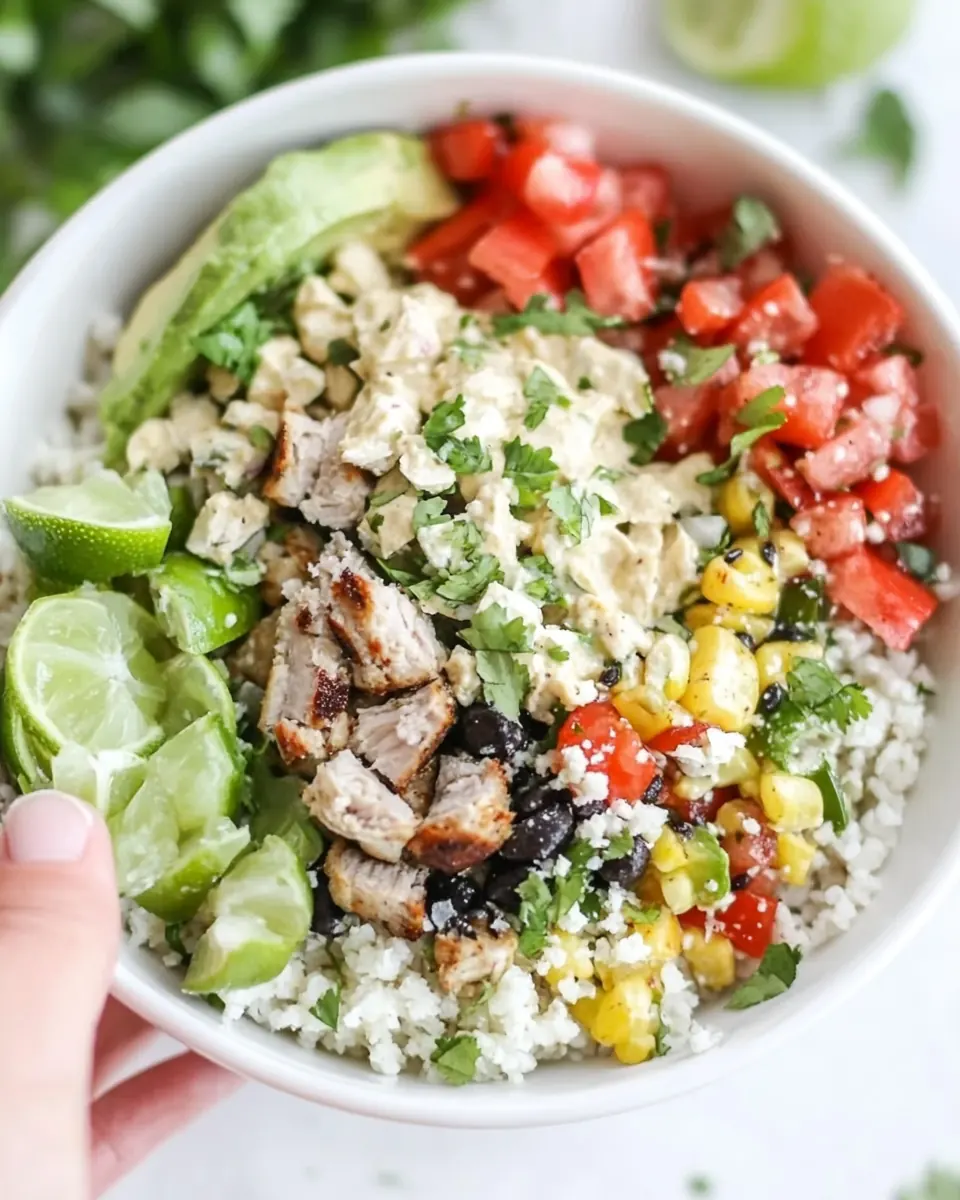
Baja Bowls
Ingredients
Equipment
Method
- Preheat the oven to 350˚F.: As the oven warms you will notice a dry, warm convection moving through the kitchen, and this steady heat helps finish the chicken evenly after searing. Preheating ensures that residual heat from the skillet carries the pieces through to the proper internal temperature, avoiding overcooking on the stovetop. A common mistake is placing the skillet into a cold oven which lengthens cooking time and can dry the chicken . Make sure the oven reaches the set temperature before transferring the pan.
- Place the chicken breast in a zip top bag, or covered container. Add the lime juice, orange juice, jalapeno slices, garlic, oregano, cumin, salt, pepper, and half of the cooking oil.: When you combine the chicken and marinade you should hear the soft squish of liquid around the meat and smell the citrus and spices immediately. This acidic bath starts to break down proteins gently, which is why it tenderizes the meat while imparting flavor. If your marinade pools unevenly, massage the bag so every surface is coated. Avoid using too acidic a ratio for longer than three hours which can make the exterior mushy.
- Mix well until the chicken is evenly coated in the marinade. Let marinate in the refrigerator for at least 20 minutes, or up to 3 hours.: You will see the marinade cling to the chicken , and the flesh will take on a slightly glossy sheen. In the fridge the flavors meld and the meat firms slightly in a pleasant way. For best results avoid marinating much longer than three hours to prevent texture breakdown. If short on time, even a 20 minute marinade will impart a noticeable lift in flavor.
- Heat the remaining oil in a large oven-safe skillet over medium high heat. Once hot, add the chicken breast to the skillet and let sit on the first side 2-3 minutes without moving to sear. Once a nice golden brown sear has formed, flip the chicken and cook an additional 2-3 minutes.: As the chicken hits the hot oil you should hear a steady sizzle, and the aroma of seared spices will bloom. That initial stillness is crucial for developing a golden brown crust which locks juices inside. If you move the pieces too soon they will stick and tear instead of forming that desired sear. Keep the heat high enough to sizzle, but not smoke, to avoid bitter burnt flavors.
- Transfer the skillet to the oven and cook for an additional 10-15 minutes or until chicken reaches 165˚F internal temperature. Note: if you don't have an oven-proof skillet, you can transfer the chicken to a baking sheet or casserole dish, but it may take a couple of extra minutes to cook.: After flipping you will see the new side turn opaque and edges firm slightly, with a deepening golden hue. The seared crust adds Maillard richness that contrasts with the citrus tang. A common error is crowding the pan which lowers the temperature and prevents browning, so leave space between pieces for best color and texture.
- Note: if you don't have an oven-proof skillet, you can transfer the chicken to a baking sheet or casserole dish, but it may take a couple of extra minutes to cook.: The oven finishes the chicken gently, and you may notice a faint citrus steam rise when you open the oven. The internal temperature ensures safety while preserving juiciness. If you don't have an oven proof skillet, using a baking sheet will work but watch closely, as it can require a couple extra minutes. Avoid overshooting the temperature which will dry the meat.
- Let sit 5 minutes, then slice.: if you don't have an oven-proof skillet, you can transfer the chicken to a baking sheet or casserole dish, but it may take a couple of extra minutes to cook. : Using an alternate vessel can slightly change heat transfer, so expect a touch more cooking time and adjust by checking temperature. Visual cues such as juices running clear and flesh losing translucence are helpful. The common pitfall is forgetting to adjust time, which leads to undercooked centers; use a thermometer to be confident.
- Place all sauce ingredients in a blender or food processor and blend until smooth.: Resting allows the juices to redistribute so each slice remains moist, and you will notice the meat firms just enough to slice cleanly. Slicing too soon causes the juices to run out, leaving drier pieces. Use a sharp knife and slice against the grain for the most tender bites.
- Place one cup of rice in the base of each bowl, and set the sliced Baja chicken on top of the rice.: When you blend the greek yogurt , salsa verde , cilantro , lime juice , and the extra garlic , the aroma becomes herbaceous and bright. The texture should be silky and pourable so it drapes the bowl without being too thin. If the sauce is too thick add a teaspoon or two of water to reach the right consistency. Overblending can warm the sauce slightly and mute fresh herb notes, so pulse to keep it vibrant.
- Layer on the black bean and corn salsa, tomatoes, and avocado.: The warm cilantro lime rice creates a comforting base that contrasts with the chilled toppings. Spoon the rice gently so it forms a tidy bed, then fan the sliced chicken across for an attractive presentation. A common mistake is piling everything together which makes it hard to get balanced bites; arrange components so each scoop gets a little of everything.
- Drizzle the creamy cilantro sauce over the top of the bowl. Sprinkle feta and serve.: As you add the black bean and corn salsa , halved grape tomatoes , and sliced avocado , the bowl takes on color and texture. The salsa adds a sweet pop, tomatoes give juicy acidity, and avocado offers creamy relief. To avoid sogginess, place wetter components like salsa on top rather than directly against the rice for long storage.
- Drizzle the creamy cilantro sauce over the top of the bowl. Sprinkle feta and serve.: A ribbon of the cilantro sauce ties the bowl together with cooling, tangy creaminess, and the crumbled feta cheese adds salty brightness. The final plate should look layered and balanced, with pops of green, red, and creamy white. Resist the urge to drown the bowl in sauce, a light drizzle complements rather than overwhelms.
Notes
- Marinate strategically: Reserve half of the cooking oil for the pan and marinate the chicken with the rest so it browns properly instead of steaming.
- Manage heat on searing: Start over medium high so you get a good sizzle but watch for smoking; adjust the heat to prevent burning the spices on the surface.
- Keep sauce bright: Use fresh lime juice and add herbs last when blending to preserve a vivid cilantro flavor, and chill slightly before serving for a refreshing contrast to warm components.
- Choose ripe but firm avocado: A slightly firm avocado slices cleanly and holds its shape, preventing mushy texture in the bowl.
- Prep ahead wisely: Marinate the chicken and make the sauce hours ahead, then refrigerate separately so you can quickly sear and assemble when ready.