Blackened Redfish
Blackened Redfish is the kind of dish that changed how I approach simple weeknight meals, turning a humble piece of fish into something smoky, spicy, and very memorable.
One summer evening I chased the last light down to the market and came home with firm, glistening filets. I wanted bold flavor without fuss, so I pulled together a spice rub and heated my cast iron until it was almost refusing to cool. The first sizzle as the fish hit the pan told me I was on the right track. The kitchen filled with paprika and pepper notes, and I felt that familiar chefly thrill when an idea works.
I like to keep things practical at home, so this version of Blackened Redfish focuses on technique and timing, not showy tricks. From melting butter to pressing the rub into the flesh, each small choice shapes the final bite. Over time I learned where to be bold, and where to be patient, and that balance is exactly what makes this dish sing.
The moment you lift a filet from the skillet and see the reddish charred crust, you know you have something special. Serve it simply, and the fish stays the star. I still reach for this recipe when friends drop by unexpectedly, because it’s fast, dramatic, and deeply satisfying.
Recipe Snapshot
30 mins
15 mins
15 mins
Medium
400 kcal
American
Keto, Gluten-Free
Dinner
1 Large (12″ ) cast-iron skillet, ThermoPro Instant-Read Thermometer
What’s Great About This Blackened Redfish
Bold, focused flavor every time
I love how Blackened Redfish uses a compact set of spices to create a punchy, well rounded crust. The paprika and cayenne layer warmth and color, while the pepper and herbs add complexity. When you press the rub into the redfish, those flavors melt into the flesh, giving you a concentrated bite that feels intentional, not overwhelming.
Quick to cook, impressive to serve
We all have nights when time is tight, and this recipe delivers on speed without sacrificing flavor. The high heat sear locks in juices and builds that signature char in minutes, so you get dinner on the table fast and with dramatic flair. I often serve this when I want a restaurant style plate but only a short window to cook.
Technique driven, forgiving results
What stands out to me is how forgiving the method is. A hot skillet, melted butter, and a confident press of the rub give consistent results even if timing is a little loose. If you watch the color and the internal temperature, the dish is very hard to mess up. That reliability makes it my go to for entertaining.
Versatile with sides and occasions
I like that Blackened Redfish fits many settings. Pair it with a bright salad for a light summer dinner, or serve it with a warm grain for a heartier meal. It’s special enough for guests, yet relaxed enough for a family weeknight. The browned spice crust stands up to bold sides without getting lost.
Simple ingredients, satisfying depth
There is a satisfaction in a short ingredient list delivering layered taste. The combination of paprika, pepper, garlic, and herbs creates savory depth while butter adds a glossy richness that carries the spices. For me, cooking is often about making the most of a few strong players, and this recipe does exactly that.
Shopping List for Blackened Redfish
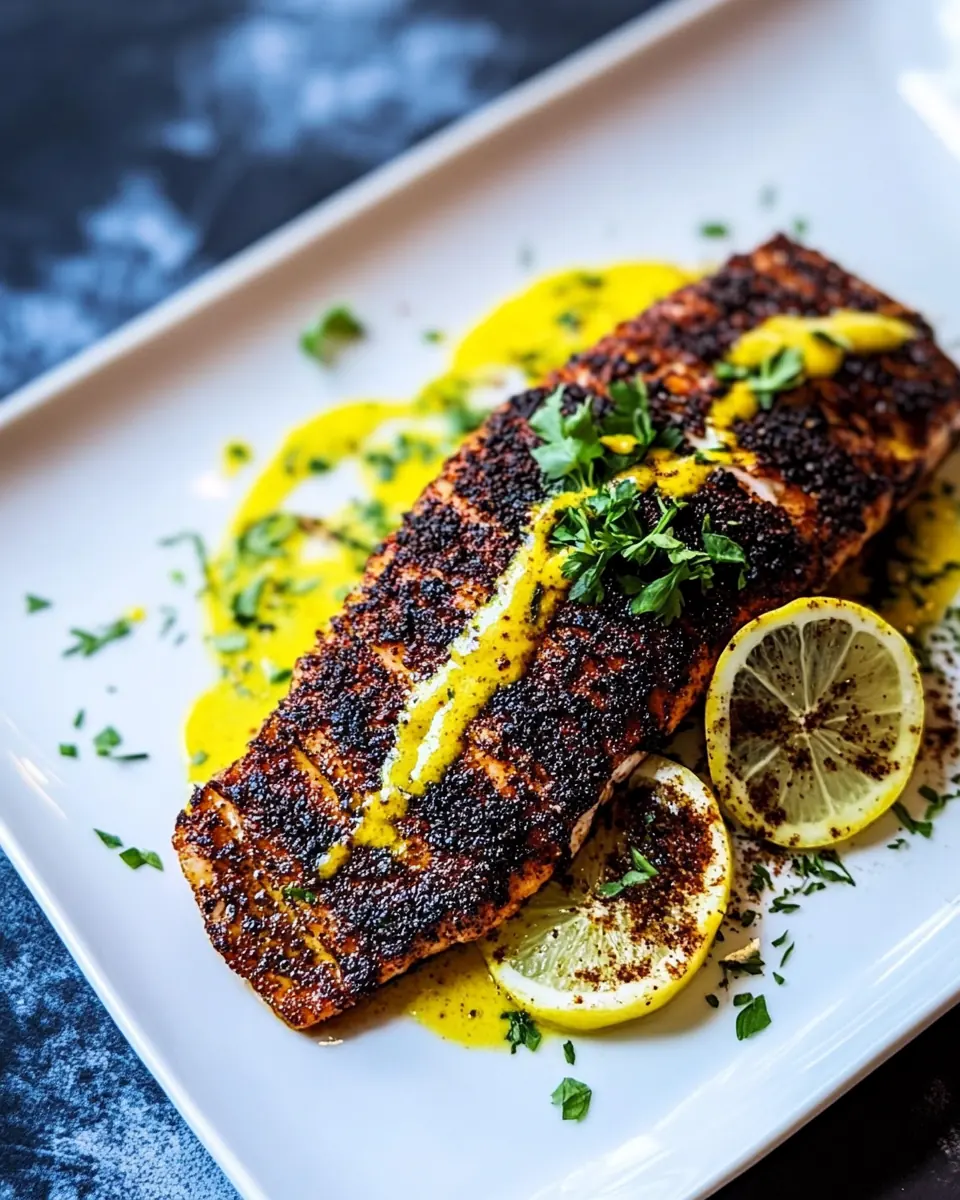
The philosophy behind these ingredients is clarity. Each item plays a clear role: the spice blend creates heat and color, the dried herbs add an aromatic backbone, and the butter brings fat and sheen that help the rub adhere and the fish to brown. The redfish is the star, with the rub working to amplify its natural sweetness and texture.
- 1 tablespoon paprika: Adds warm, smoky color and mild sweetness to the spice blend; helps create the characteristic dark crust when seared at high heat and binds other spices together for even distribution.
- 2 teaspoon Kosher salt: Provides clean salinity and enhances overall flavor balance; helps draw out moisture from the fish surface to improve crust formation during cooking.
- 1 teaspoon onion powder: Contributes gentle oniony depth and savory background notes; helps round out the seasoning mix without overpowering other spices.
- 1 teaspoon garlic powder: Delivers concentrated garlic savory aroma and umami; supports the savory profile and pairs well with butter and paprika in the rub.
- 1 teaspoon cayenne powder more for extra heat: Imparts concentrated heat and bright chili flavor; adjustable amount offers control over the rub’s spiciness and highlights the blackening effect.
- 1 teaspoon black pepper: Adds sharp, pungent bite and savory warmth; pairs with white pepper to give complexity and boosts the rub’s seasoning impact.
- 1 teaspoon white pepper: Provides sharper, slightly floral heat and peppery aroma; complements black pepper to create layered peppery notes in the crust.
- 1/2 teaspoon thyme dried: Offers earthy, slightly lemony herbal notes from dried thyme; contributes subtle aromatic complexity to the spice mix.
- 1/2 teaspoon oregano dried: Adds savory, slightly bitter Mediterranean herb character; helps balance the heat and adds aromatic nuance to the rub.
- 12 tablespoon unsalted butter melted, divided: Supplies rich, creamy fat for cooking and flavor; melted and divided usage helps coat the fish for browning and keeps fillets moist while searing.
- 48 oz redfish aka: red drum: Serves as the main protein foundation with firm, mild-flavored flesh; portion size accommodates multiple servings and benefits from the bold blackening seasoning.
- 2 tablespoon parsley fresh, chopped, for garnish () (optional): Provides bright, fresh herbal finish and visual contrast when sprinkled; optional garnish adds freshness to cut through the richness of the butter and spices.
Recipe Directions for Blackened Redfish
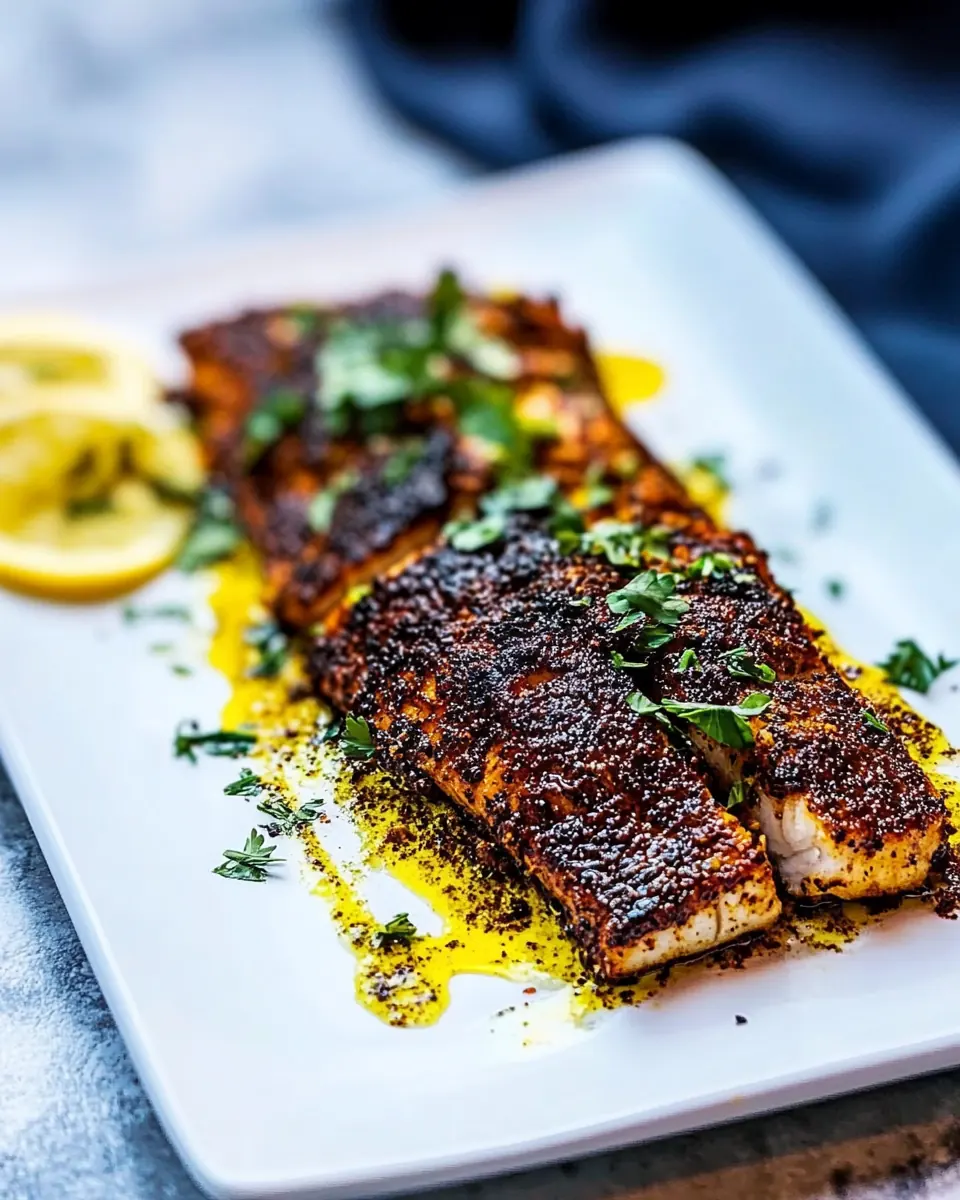
These directions are written so you can move confidently from prep to plate. You will build a rub, coat the redfish with melted butter, sear in a screaming hot cast iron, then finish gently in a warm oven. Read through once and keep your tools close for a smooth flow.
- Place your cast-iron skillet over medium-high heat on the stove for 8 to 10 minutes while you prep the rub and fish. Preheat oven to 200°F.: As soon as the skillet starts to give off a faint dry heat, you will notice the metal warming visually and by touch from a safe distance. The pan should be very hot so that when the fish hits it, you hear an immediate, lively sizzle that signals the Maillard crust is forming. This sizzling sound is critical, it means the surface proteins are browning and locking in juices, producing aroma and complexity. A common mistake is not heating the skillet long enough, which leads to a pale sear and sticking. If your skillet smokes heavily right away, it may be too hot, reduce heat slightly and let it stabilize for a minute so you avoid burning the rub.
- Add all of the blackening rub ingredients to a small bowl and stir together with a fork until fully combined. 1 tablespoon paprika, 2 teaspoon Kosher salt, 1 teaspoon onion powder, 1 teaspoon garlic powder, 1 teaspoon cayenne powder, 1 teaspoon black pepper, 1 teaspoon white pepper, 1/2 teaspoon thyme, 1/2 teaspoon oregano: Right away you will sense the paprika's color and the cayenne's sharp aroma as they mingle with the dried herbs. Mix until the spices look evenly distributed, with no clumps of paprika or pockets of salt, because even distribution ensures each bite tastes balanced. The visual cue of a uniformly colored blend is your confirmation. Avoid grinding aggressively or adding liquid, which would alter the intended dry texture of the rub and make it harder to press into the fish evenly.
- Pour 8 tbsps (1 stick) of the melted butter into a 9 x 13" dish. Place the fish filets in the butter and turn them over until fully coated. 12 tablespoon unsalted butter, 4 8 oz redfish: As you lay the redfish into the shallow butter bath, the melted fat will coat the flesh, creating a glossy sheen and helping the spices adhere. The butter will pick up warmed aromas and make the surface pliable for pressing in the rub. You should see the flesh glisten, signaling it’s ready for seasoning. Do not let the butter pool cold on the fish, warm butter spreads and absorbs better. A frequent error is skipping this step, which makes the rub less likely to stick and reduces the crust development during searing.
- Use your fingers to press the rub into the flesh of the fish. If the skin has been removed, add the rub all over. If the skin is in place, no need to add rub to it.: Pressing the dry rub into the flesh ensures the spices form a compact crust when seared. You will feel the texture transition from loose granules to a packed coating that stays in place when lifted. The pressure helps the flavors marry with the surface proteins for better adhesion and a more uniform char. If you skip firm pressure, the rub may simply fall off during cooking. Be careful to avoid pressing so hard that you compress the fillet excessively, which can alter the final texture.
- Turn on your oven ventilation system and if possible, open a window or door to the outside (you may need to briefly disable your smoke alarm). Working in batches, add two of the filets, flesh-side down, on the very hot skillet.: As the filets meet the hot iron you will hear an assertive sizzle and smell the spices toasting into a deep, fragrant aroma. Doing this in batches prevents overcrowding, which would steam the fish instead of searing it and reduce crust formation. Keep a short distance between pieces so air circulates around each filet. A common oversight is crowding the pan, which causes uneven browning and a soggy surface. Ventilation mitigates smoke, and being mindful of smoke detectors keeps the kitchen calmer.
- Use a metal spatula to press the fish into the hot skillet (the edges may curl up a little, just use your spatula to press them back down). After a couple of minutes, use a pair of tongs to lift up the end of one of the filets. The color should be charred and reddish in places. Flip onto the skin side. Drizzle 1 to 2 tablespoons of melted butter over the tops of the blackened filets.: When you press the filet, you will feel resistance then hear an intensified sizzle as the spice crust contacts the iron. After a short sear, lift an edge to inspect the color and look for a deep reddish black char, which is the hallmark of successful blackening. Flipping should be decisive to keep the crust intact. Adding a little melted butter on top boosts browning and keeps the fish moist, imparting a glossy finish. Beware of flipping too soon, which can tear the crust, or too late, which can overchar and become bitter.
- Continue cooking until the internal temperature ranges from 140 to 150°F. Place on a baking sheet, loosely cover with foil, and place in the preheated oven. Continue cooking the remaining fish.: Now focus on the warming, controlled carry over of heat. The sizzling quiets as the surface sets, and the internal temperature climbs steadily, creating a tender interior beneath the crust. Use an instant-read thermometer inserted into the thickest part for accuracy, aiming for that sweet spot which keeps the fish juicy but fully cooked. Tent with foil to avoid drying while the other batches finish. A frequent mistake is overcooking past 150°F which yields dry, flakey fish; remove early and rest to let carry over bring it to perfect doneness.
- Meanwhile, divide the remaining melted butter into small serving vessels.: Pouring melted butter into small ramekins while the fish rests is both practical and indulgent. The warm butter will be glossy and fragrant, and serving it on the side allows guests to add richness as they wish. This step lets the butter cool slightly so it does not scorch the palate when drizzled. Avoid letting the butter sit uncovered near high heat, where it can darken and develop burnt notes that would distract from the dish.
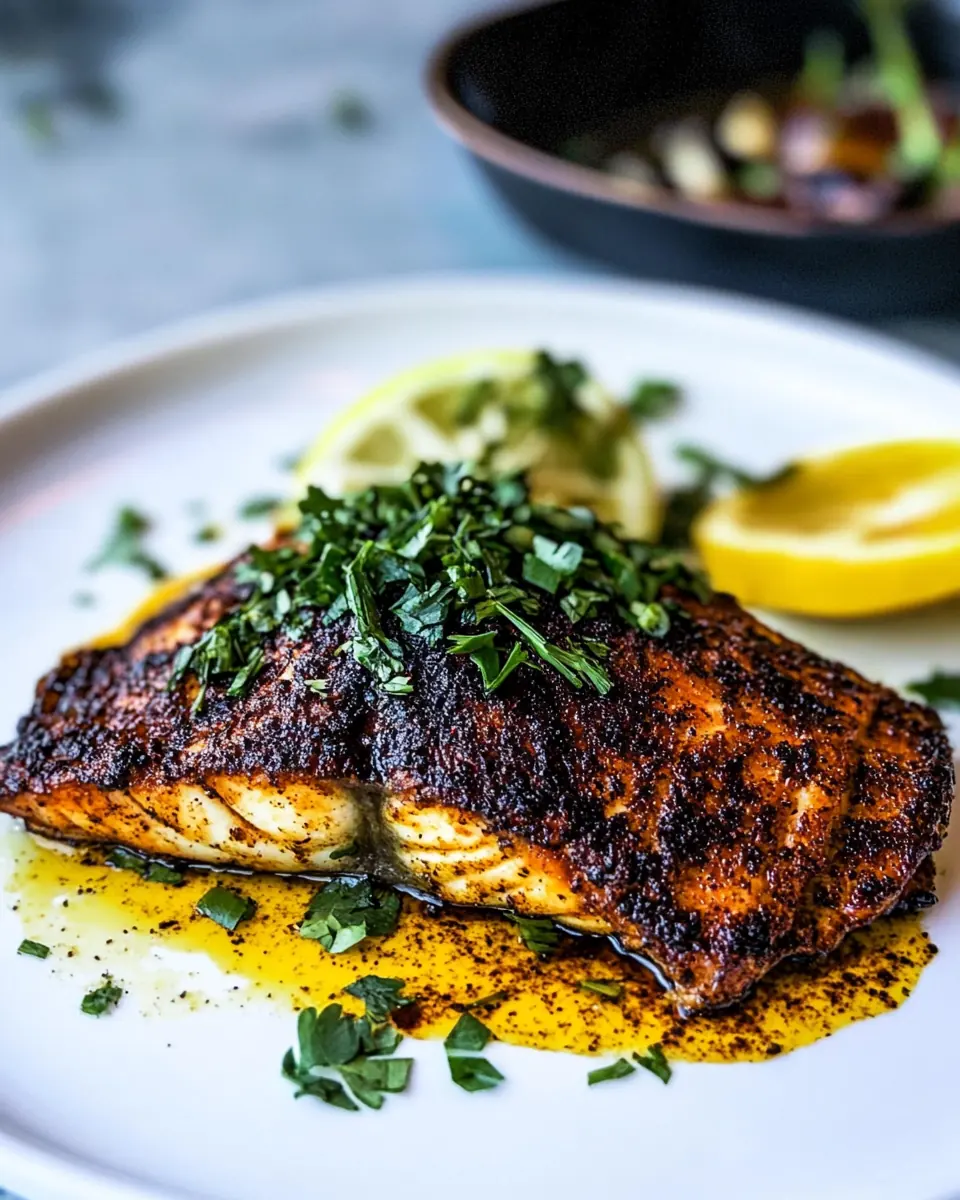
- Plate the blackened fish along with the melted butter. If desired, drizzle a little more melted butter over the filets and then garnish with chopped parsley, if desired. Serve at once.: On the plate you will see a contrast of the darkened crust and the pale, tender interior. Drizzling a touch more warm butter heightens aroma and gives the fish a luxurious mouthfeel, while a sprinkle of chopped parsley adds a fresh green flash. Serve immediately to preserve the contrast between the crisp crust and moist center. A common error is letting the plated fish sit, which dulls textures and cools the butter, diminishing the overall impact.
Making Adjustments
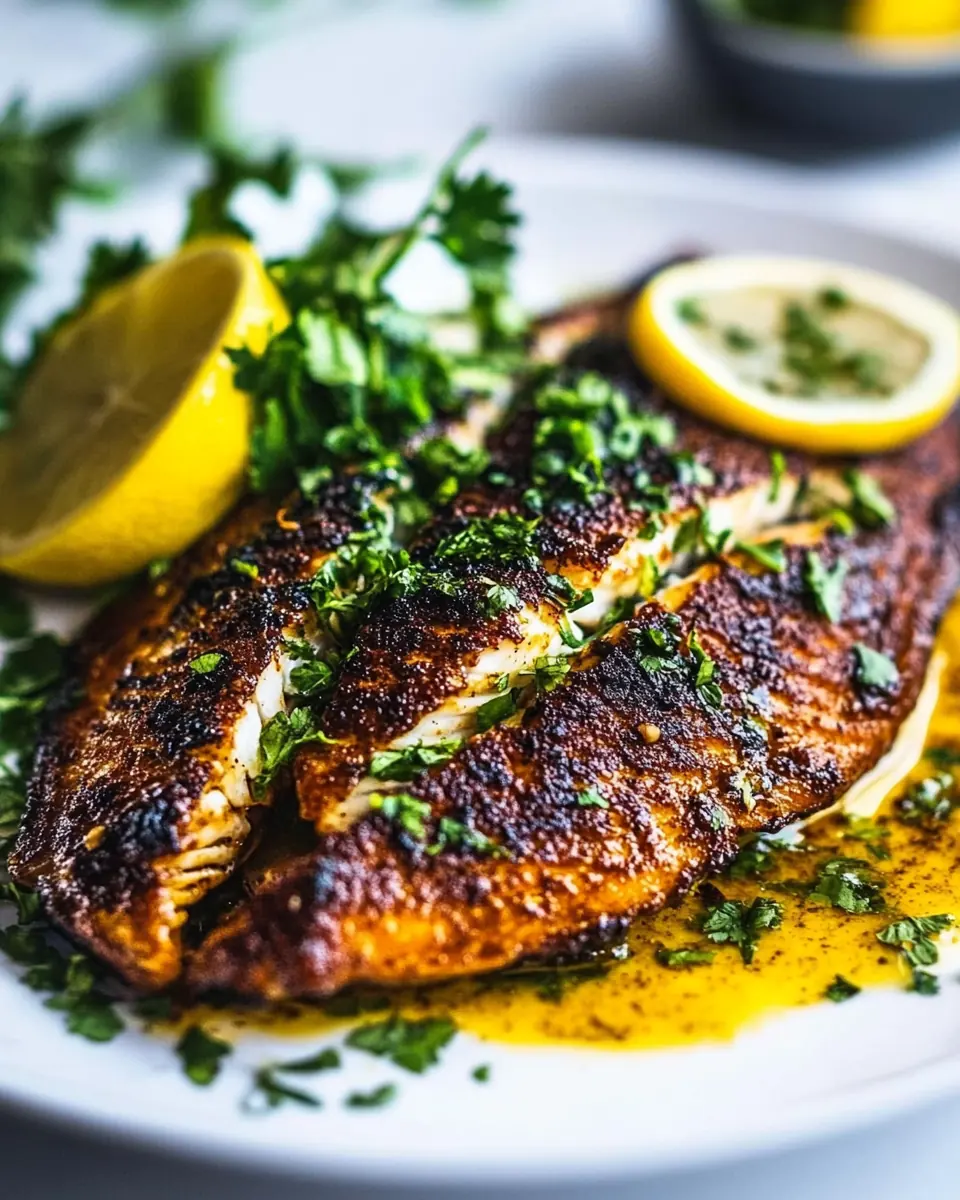
If you want to tweak this recipe, small changes can shift the heat level, richness, and serving style without changing the method. Below are practical, detailed tips that respect the original ingredient list and help you adapt the dish to your taste and kitchen setup.
- Adjust the heat: If you prefer milder spice, reduce the cayenne by half and taste the dry blend before pressing it into the redfish. This preserves the rub’s character while lowering the kick.
- Butter allocation: Keep one portion of melted butter for coating and another for finishing and serving, ensuring the fish both sears well and remains glossy when plated.
- Pan versus grill: While this method uses a cast iron skillet for maximum crust, you can adapt by searing on a very hot grill griddle, keeping the same timing cues and finishing in the oven.
- Batch pacing: If cooking for a crowd, keep cooked filets in a low oven at 200°F, loosely tented with foil, to maintain warmth without losing texture while you finish remaining batches.
- Parsley garnish: Use parsley sparingly as a fresh contrast, chopping it fine so its brightness complements rather than competes with the blackened spices.
What Complements This Blackened Redfish
This Blackened Redfish pairs beautifully with bright, simple sides and suits many occasions, from casual weeknights to festive dinners. The smoky, spicy crust calls for accompaniments that offer contrast in texture and temperature, and the list below outlines pairing ideas and storage notes to keep meals delightful.
- Herbed rice pilaf: Serve with warm rice tossed with herbs to absorb butter and balance spice. The rice soaks up pan juices and makes the meal heartier for dinner.
- Light salad: A crisp green salad with a lemon vinaigrette offers acidity that cuts through the richness of the butter and refreshes the palate for each bite.
- Roasted vegetables: Oven roasted seasonal vegetables provide a caramelized counterpoint and can be roasted ahead, making this dish ideal for entertaining.
- Occasions: Great for summer dinners, casual gatherings, or holiday meals when you want something impressive yet quick to execute. It fits Ramadan if served for Iftar as a satisfying protein.
- Storage tips: Cool leftover fillets quickly, store in an airtight container, and refrigerate for up to two days. Reheat gently in a low oven to preserve texture and avoid overcooking.
- Seasonal pairings: In summer, pair with bright citrus salads and grilled corn. In cooler months, serve with warm grains and roasted root vegetables to add comfort.
FAQ
Conclusion
Blackened Redfish stands out for its bold spice crust, quick cook time, and satisfying contrasts between a charred exterior and tender interior. I encourage you to try it when you want a dramatic, flavorful meal without hours of prep. The method is straightforward, the ingredients are simple, and the results are impressive, making it a reliable choice for both weeknights and casual entertaining where big flavor matters.
Blackened Redfish
Ingredients
Equipment
Method
- Place your cast-iron skillet over medium-high heat on the stove for 8 to 10 minutes while you prep the rub and fish. Preheat oven to 200°F.: As soon as the skillet starts to give off a faint dry heat, you will notice the metal warming visually and by touch from a safe distance. The pan should be very hot so that when the fish hits it, you hear an immediate, lively sizzle that signals the Maillard crust is forming. This sizzling sound is critical, it means the surface proteins are browning and locking in juices, producing aroma and complexity. A common mistake is not heating the skillet long enough, which leads to a pale sear and sticking. If your skillet smokes heavily right away, it may be too hot, reduce heat slightly and let it stabilize for a minute so you avoid burning the rub.
- Add all of the blackening rub ingredients to a small bowl and stir together with a fork until fully combined. 1 tablespoon paprika, 2 teaspoon Kosher salt, 1 teaspoon onion powder, 1 teaspoon garlic powder, 1 teaspoon cayenne powder, 1 teaspoon black pepper, 1 teaspoon white pepper, 1/2 teaspoon thyme, 1/2 teaspoon oregano: Right away you will sense the paprika's color and the cayenne's sharp aroma as they mingle with the dried herbs. Mix until the spices look evenly distributed, with no clumps of paprika or pockets of salt, because even distribution ensures each bite tastes balanced. The visual cue of a uniformly colored blend is your confirmation. Avoid grinding aggressively or adding liquid, which would alter the intended dry texture of the rub and make it harder to press into the fish evenly.
- Pour 8 tbsps (1 stick) of the melted butter into a 9 x 13" dish. Place the fish filets in the butter and turn them over until fully coated. 12 tablespoon unsalted butter, 4 8 oz redfish: As you lay the redfish into the shallow butter bath, the melted fat will coat the flesh, creating a glossy sheen and helping the spices adhere. The butter will pick up warmed aromas and make the surface pliable for pressing in the rub. You should see the flesh glisten, signaling it’s ready for seasoning. Do not let the butter pool cold on the fish, warm butter spreads and absorbs better. A frequent error is skipping this step, which makes the rub less likely to stick and reduces the crust development during searing.
- Use your fingers to press the rub into the flesh of the fish. If the skin has been removed, add the rub all over. If the skin is in place, no need to add rub to it.: Pressing the dry rub into the flesh ensures the spices form a compact crust when seared. You will feel the texture transition from loose granules to a packed coating that stays in place when lifted. The pressure helps the flavors marry with the surface proteins for better adhesion and a more uniform char. If you skip firm pressure, the rub may simply fall off during cooking. Be careful to avoid pressing so hard that you compress the fillet excessively, which can alter the final texture.
- Turn on your oven ventilation system and if possible, open a window or door to the outside (you may need to briefly disable your smoke alarm). Working in batches, add two of the filets, flesh-side down, on the very hot skillet.: As the filets meet the hot iron you will hear an assertive sizzle and smell the spices toasting into a deep, fragrant aroma. Doing this in batches prevents overcrowding, which would steam the fish instead of searing it and reduce crust formation. Keep a short distance between pieces so air circulates around each filet. A common oversight is crowding the pan, which causes uneven browning and a soggy surface. Ventilation mitigates smoke, and being mindful of smoke detectors keeps the kitchen calmer.
- Use a metal spatula to press the fish into the hot skillet (the edges may curl up a little, just use your spatula to press them back down). After a couple of minutes, use a pair of tongs to lift up the end of one of the filets. The color should be charred and reddish in places. Flip onto the skin side. Drizzle 1 to 2 tablespoons of melted butter over the tops of the blackened filets.: When you press the filet, you will feel resistance then hear an intensified sizzle as the spice crust contacts the iron. After a short sear, lift an edge to inspect the color and look for a deep reddish black char, which is the hallmark of successful blackening. Flipping should be decisive to keep the crust intact. Adding a little melted butter on top boosts browning and keeps the fish moist, imparting a glossy finish. Beware of flipping too soon, which can tear the crust, or too late, which can overchar and become bitter.
- Continue cooking until the internal temperature ranges from 140 to 150°F. Place on a baking sheet, loosely cover with foil, and place in the preheated oven. Continue cooking the remaining fish.: Now focus on the warming, controlled carry over of heat. The sizzling quiets as the surface sets, and the internal temperature climbs steadily, creating a tender interior beneath the crust. Use an instant-read thermometer inserted into the thickest part for accuracy, aiming for that sweet spot which keeps the fish juicy but fully cooked. Tent with foil to avoid drying while the other batches finish. A frequent mistake is overcooking past 150°F which yields dry, flakey fish; remove early and rest to let carry over bring it to perfect doneness.
- Meanwhile, divide the remaining melted butter into small serving vessels.: Pouring melted butter into small ramekins while the fish rests is both practical and indulgent. The warm butter will be glossy and fragrant, and serving it on the side allows guests to add richness as they wish. This step lets the butter cool slightly so it does not scorch the palate when drizzled. Avoid letting the butter sit uncovered near high heat, where it can darken and develop burnt notes that would distract from the dish.
- Plate the blackened fish along with the melted butter. If desired, drizzle a little more melted butter over the filets and then garnish with chopped parsley, if desired. Serve at once.: On the plate you will see a contrast of the darkened crust and the pale, tender interior. Drizzling a touch more warm butter heightens aroma and gives the fish a luxurious mouthfeel, while a sprinkle of chopped parsley adds a fresh green flash. Serve immediately to preserve the contrast between the crisp crust and moist center. A common error is letting the plated fish sit, which dulls textures and cools the butter, diminishing the overall impact.
Notes
- Adjust the heat: If you prefer milder spice, reduce the cayenne by half and taste the dry blend before pressing it into the redfish. This preserves the rub’s character while lowering the kick.
- Butter allocation: Keep one portion of melted butter for coating and another for finishing and serving, ensuring the fish both sears well and remains glossy when plated.
- Pan versus grill: While this method uses a cast iron skillet for maximum crust, you can adapt by searing on a very hot grill griddle, keeping the same timing cues and finishing in the oven.
- Batch pacing: If cooking for a crowd, keep cooked filets in a low oven at 200°F, loosely tented with foil, to maintain warmth without losing texture while you finish remaining batches.
- Parsley garnish: Use parsley sparingly as a fresh contrast, chopping it fine so its brightness complements rather than competes with the blackened spices.