Honey Balsamic Roasted Carrots
Honey Balsamic Roasted Carrots have a way of showing up whenever I want a side that tastes like comfort, but looks dinner party worthy.
I first made Honey Balsamic Roasted Carrots on a brisk autumn evening when the oven’s warmth felt like a hug. I remember rinsing the bright orange batch and thinking how simple ingredients often do the heaviest lifting. As the carrots roasted, the kitchen filled with a sticky sweet scent that balanced against the tart balsamic, and I found myself stealing tastes right from the baking dish. That first bite taught me that a small drizzle of honey at the end makes the exterior sing, creating caramelized edges that play off the tender interior. Over time I adjusted little things, like stirring once mid roast and using just enough oil to encourage browning, and those tweaks turned it into a dish I reach for again and again.
When friends come over, I like to mention how these carrots began as a quick weekday side and graduated into something special for holiday tables. They pair with roasted mains or can stand alone as a snack if you’re feeling indulgent. I love how the parsley at the finish brightens each forkful, and how the glossy finish makes them look as good as they taste. In short, every time I make Honey Balsamic Roasted Carrots it reminds me that small rituals in the kitchen can transform humble carrot into something memorable.
Recipe Snapshot
45 mins
5 mins
40 mins
Medium
120 kcal
American
Paleo, Gluten-Free
Side Dishes
Oven, Baking dish, Mixing bowl, Whisk
What Makes This Honey Balsamic Roasted Carrots Special
Bright, concentrated flavor
I adore how roasting concentrates the natural sugars in carrot, and when you add balsamic vinegar and honey the flavor becomes layered and complex. The vinegar adds a pleasant tang that keeps the sweetness from becoming cloying, so each bite is balanced and interesting.
Effortless, weeknight friendly
One reason I reach for this recipe often is how little active time it needs. A quick toss in a bowl, a single baking dish, and the oven does most of the work. If you want an easy weeknight side, this delivers maximum payoff for minimal effort.
Versatile for menus
I love serving these with roasted mains, grain bowls, or as part of a holiday spread. The sweet glaze and herb garnish make them feel festive, yet they remain casual enough for weekday dinners. I often double the batch and let leftovers star in salads the next day.
Textural delight
There is something deeply satisfying about the contrast between the tender interior and the caramelized exterior. The roast time yields soft centers with edges that catch the light and a little crisp. That texture keeps people coming back for another forkful.
Simple, reliable ingredients
I appreciate how each ingredient plays a clear role. Olive oil helps with caramelization, balsamic vinegar brings acidity, and honey supplies glossy sweetness. With this small list, the recipe stays approachable and dependable.
What’s In This Honey Balsamic Roasted Carrots
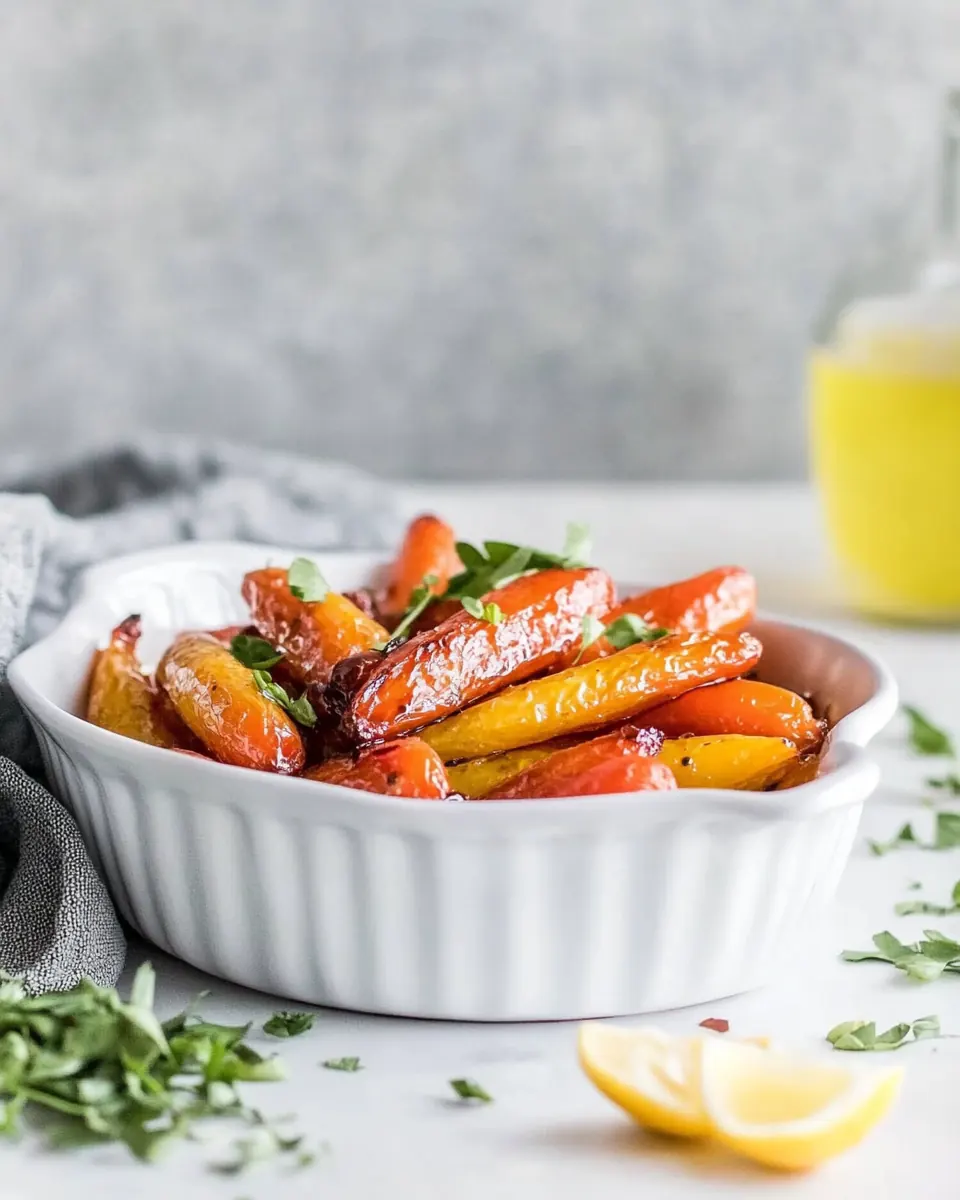
The philosophy behind these ingredients is straightforward: highlight the natural sweetness of the carrot while adding a few bold accents to elevate flavor and texture. The key players are the balsamic vinegar and honey, which create glossy caramelization, and the olive oil that encourages even browning. A finishing sprinkle of parsley, plus salt and pepper, keeps the dish bright and balanced.
- 1.5 lbs baby carrots rinsed: Rinsed and ready for cooking, provides tender texture and natural sweetness when roasted; toss with oil and seasonings to caramelize edges. Absorbs glaze and flavors, making each carrot a flavorful bite ideal for a side dish.
- 2 tablespoons good quality balsamic vinegar: Good quality balsamic vinegar adds bright acidity and rich, slightly sweet complexity to balance the carrots' natural sugars. Use it to deglaze the pan or whisk into the glaze so the flavors concentrate during roasting.
- 1 tablespoon honey plus more for garnish: Sweet honey contributes glossy shine and helps create a sticky, caramelized coating on the carrots when roasted; offers depth and mellow floral notes. Add a little extra for garnish to enhance sweetness and visual appeal.
- 2 tablespoons olive oil: Olive oil acts as the cooking fat to promote even roasting and browning while carrying the vinegar and honey flavors across the carrots. Choose a medium-bodied oil to coat and protect the carrots from drying out in the oven.
- salt pepper, and fresh parsley to taste: Salt, pepper, and fresh parsley season and finish the dish by enhancing natural flavors, adding mild heat, and providing a bright herbal contrast. Adjust to taste and sprinkle parsley at the end to preserve its fresh color and aroma.
Preparation Steps for Honey Balsamic Roasted Carrots
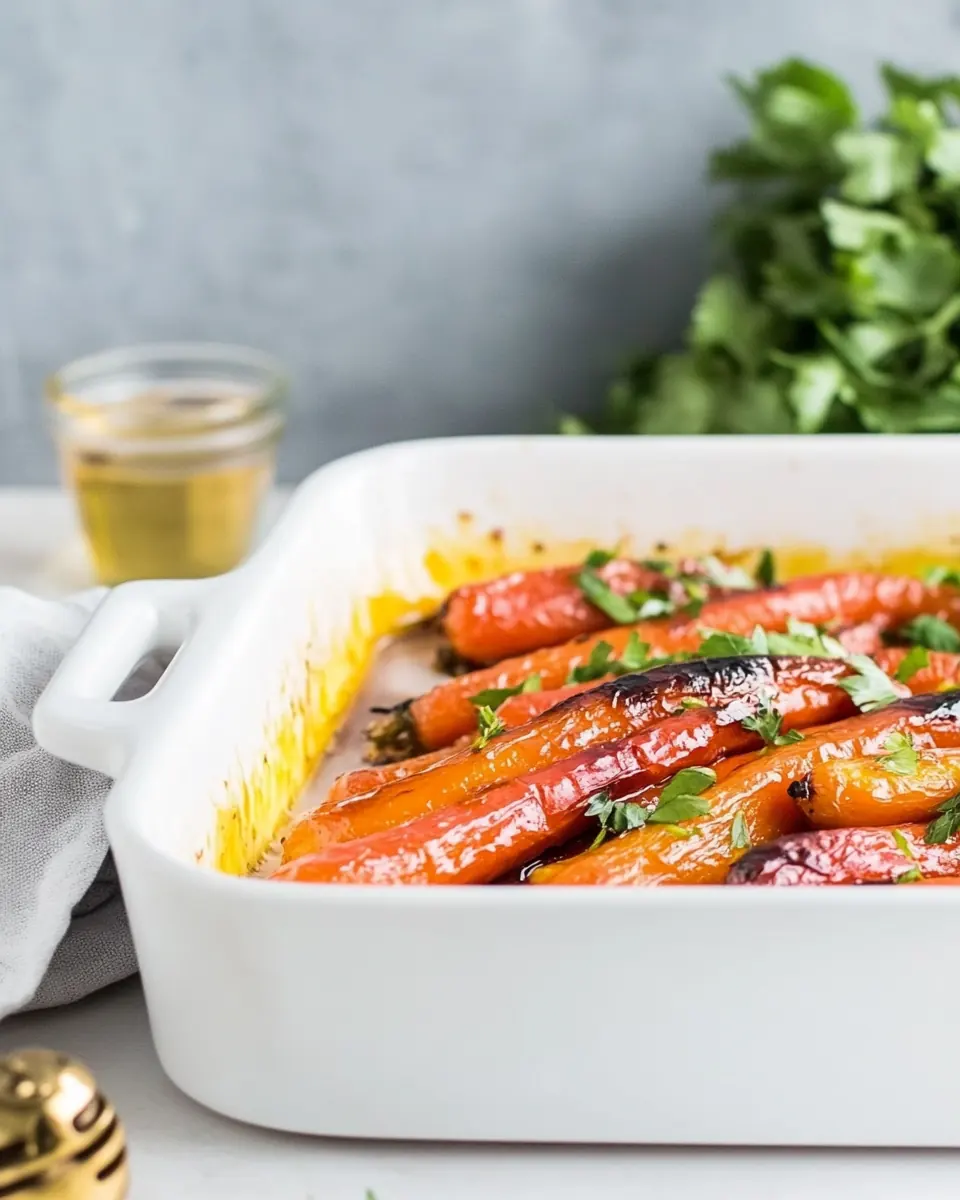
These steps are friendly and conversational, guiding you through the roast from preheating to finishing drizzle. Read each carefully so you recognize the visual and aromatic cues that indicate success. I like to keep a timer close, but my instincts tell me when the edges are just right.
- Preheat oven to 400 F. Spray a small/medium baking dish with nonstick spray.: The moment you put the carrot in the oven you will notice the kitchen warming and a faint toasty aroma beginning to build, which is essential for browning. A properly preheated oven ensures the exterior starts to caramelize on contact rather than slowly steaming, which preserves texture. One thing to avoid is slipping the carrot into an oven that is still heating, that will lengthen cook time and reduce crispness. Visually, the oven air should feel hot, and within minutes you may sense a slightly nutty scent as the oven reaches temperature. If your oven runs cool, increase the heat slightly and rotate the dish halfway to encourage even browning. When done correctly the carrot will develop small dark flecks at the edges without burning.
- In a medium sized bowl, whisk together the honey, balsamic vinegar, and olive oil.: Spraying the baking dish helps prevent any sticky glaze from clinging and makes serving easier, which preserves the caramelized coating. You want the dish surface to be slick but not overly oily, so a light, even mist is best. One common mistake is using too small a dish, which crowds the carrot and causes steaming, so choose a dish where the pieces lie mostly in a single layer. The sound difference is subtle, but as the dish heats you'll hear less sizzle if the carrots are jammed together. Proper spacing results in browning and a glossy exterior rather than limp texture.
- Toss the carrots in the balsamic mixture and coat well.: As you whisk the trio, notice how the thick honey loosens and the balsamic vinegar creates a slightly shiny emulsion with the olive oil . This mixture will cling to the carrot and concentrate during roasting, so achieving a smooth blend matters. If the mixture sits too long it can separate, so whisk until homogeneous and use promptly. A frequent error is not tasting the dressing, so adjust for acidity or sweetness now rather than after roasting. The aroma at this stage is sweet and tangy, a promise of the caramelized finish to come.
- Place carrots in baking dish and pour any remaining sauce over the carrots.: When you toss, pay attention to the way the sauce clings and coats each carrot surface; you want a thin, even layer. The tactile feedback is important, you should feel the slick glaze but not pooling liquid. Overcoating will cause the carrots to roast in excess sauce rather than develop direct caramelization, so toss gently until evenly dressed. Avoid leaving puddles in the bowl when transferring to the dish, because those accumulate and can burn. Visual cues include a glossy sheen on every piece and slightly darkened edges where the glaze has concentrated.
- Bake for 40 minutes, stirring once, until tender and caramelized.: Arrange the carrot mostly in a single layer so hot air circulates and promotes even browning, then pour any leftover mixture to catch spots that need extra flavor. The pooled sauce will reduce and stick to the surfaces, intensifying taste, so distribute it consciously. A typical pitfall is overcrowding the pan which leads to steaming, so if needed use a larger pan or two. As the dish heats you will see the sauce start to bubble gently and smell the first notes of caramelization, a clear sign things are progressing well.
- Remove from oven and drizzle with more honey.: During the long roast the kitchen fills with a warm, sweet, slightly tangy aroma as the sugars concentrate and the edges darken to a deep golden brown. Stirring once around the halfway mark encourages even browning and exposes all sides to the hot air, crucial for uniform texture. When the carrot are done they will give slightly when pierced and show browned spots where the glaze has caramelized. Avoid constant stirring which prevents the exterior from forming those coveted edges, but also avoid leaving them untouched if one side is overbrowning. If the carrots are soft but lack color, increase the oven temperature briefly for a few minutes while watching closely to develop more caramelization.
- Garnish with salt, pepper, and parsley to taste.: After removing the dish, a final drizzle of honey adds shine and a fresh burst of sweetness that contrasts the concentrated roast flavors. The warm carrot will absorb a bit of the honey, amplifying the glossy finish. Be mindful not to add too much which can make the surface sticky rather than lacquered. The aroma at this point is richer and rounder, with honey notes lifting the balsamic's acidity. Let the dish rest briefly so the glaze sets, creating a pleasing tacky exterior rather than a runny coating.
- Garnish with salt, pepper, and parsley to taste: Finishing with a sprinkle of salt and cracked pepper balances the sweetness and brings forward savory notes, while chopped fresh parsley adds color and a herbaceous lift. Apply seasoning carefully, tasting as you go, because the glaze concentrates flavors and you may need less salt than you expect. A common mistake is salting too early, which can draw out moisture and affect caramelization. Visual cues include bright green flecks of herb and a glossy surface dotted with seasoning, signaling readiness to serve.
Recipe Tips about Honey Balsamic Roasted Carrots
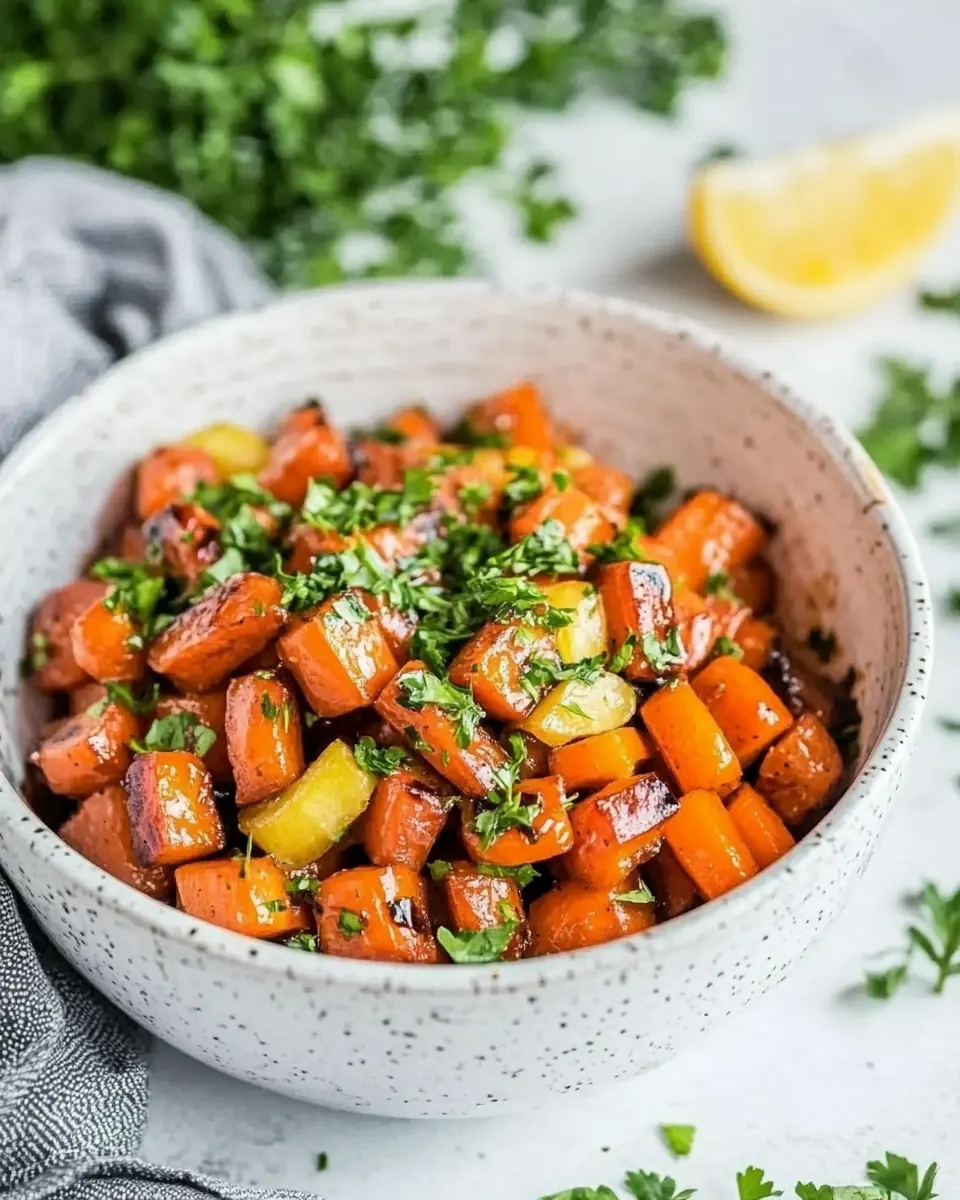
I like to gather these tips before starting so the roast goes smoothly and the results are consistent. The following list expands on little details that make the difference between good and memorable roasted carrot.
- Choose uniform carrots. Picking baby carrot that are similar in size helps ensure even cooking. If pieces vary widely, the smaller ones will overcook while larger ones remain underdone.
- Preheat properly. Make sure your oven reaches the full 400 F before you start roasting to get immediate browning on contact, which prevents steaming and promotes caramelization.
- Use quality balsamic. A richer, slightly syrupy balsamic vinegar yields better balance with the honey and creates a more complex glaze, so avoid very thin or overly acidic vinegars.
- Control the oil. Two tablespoons of olive oil is enough to encourage browning without making the dish greasy. Too much oil will produce a slick finish and reduce crisp edges.
- Stir only once. Resist the urge to stir multiple times, a single turn around the halfway point ensures even exposure while still allowing crunchy edges to form.
- Garnish at the end. Add parsley, salt, and pepper right before serving to preserve fresh color and bright flavor, rather than cooking the herbs into the glaze.
Accompaniments for Honey Balsamic Roasted Carrots
These roasted carrots are versatile when it comes to pairing, fitting into casual weeknights and more formal dinners alike. Below are serving ideas, storage notes, and occasion pairings to help you plan the meal.
- Holiday tables. Serve these as a bright, sweet side on a holiday spread where they add color and balance richer mains. Their glossy finish makes them feel festive and approachable for guests.
- Weeknight dinners. Pair with roasted mains and a simple grain like quinoa for an easy weeknight meal. The minimal prep keeps dinner stress low while boosting flavor.
- Leftover uses. Store any leftovers in an airtight container in the fridge for up to four days, then reheat gently to preserve the glaze. Chopped carrots work well tossed into salads or warmed into grain bowls.
- Seasonal pairings. These shine in fall when carrots are at their sweetest, but they also pair well with spring herbs if you want a lighter finish. The balance of sweet and tart makes them adaptable across seasons.
- Serving style. Serve family style in the baking dish for a rustic presentation, or transfer to a warmed platter and sprinkle with fresh parsley for a more refined look. For gatherings, place small tongs nearby so guests can help themselves without marring the glaze.
FAQ
Conclusion
Honey Balsamic Roasted Carrots shine because they transform simple carrot into a glossy, flavorful side with minimal effort. The balance of balsamic vinegar and honey creates layers of sweet and tangy flavor while roasting brings out concentrated sweetness and caramelized edges. I encourage you to give this recipe a try, even on a busy weeknight, because it elevates any meal with a small amount of hands on time. Serve them warm, finish with fresh parsley, and enjoy how a little attention to seasoning turns humble vegetables into a memorable plate.
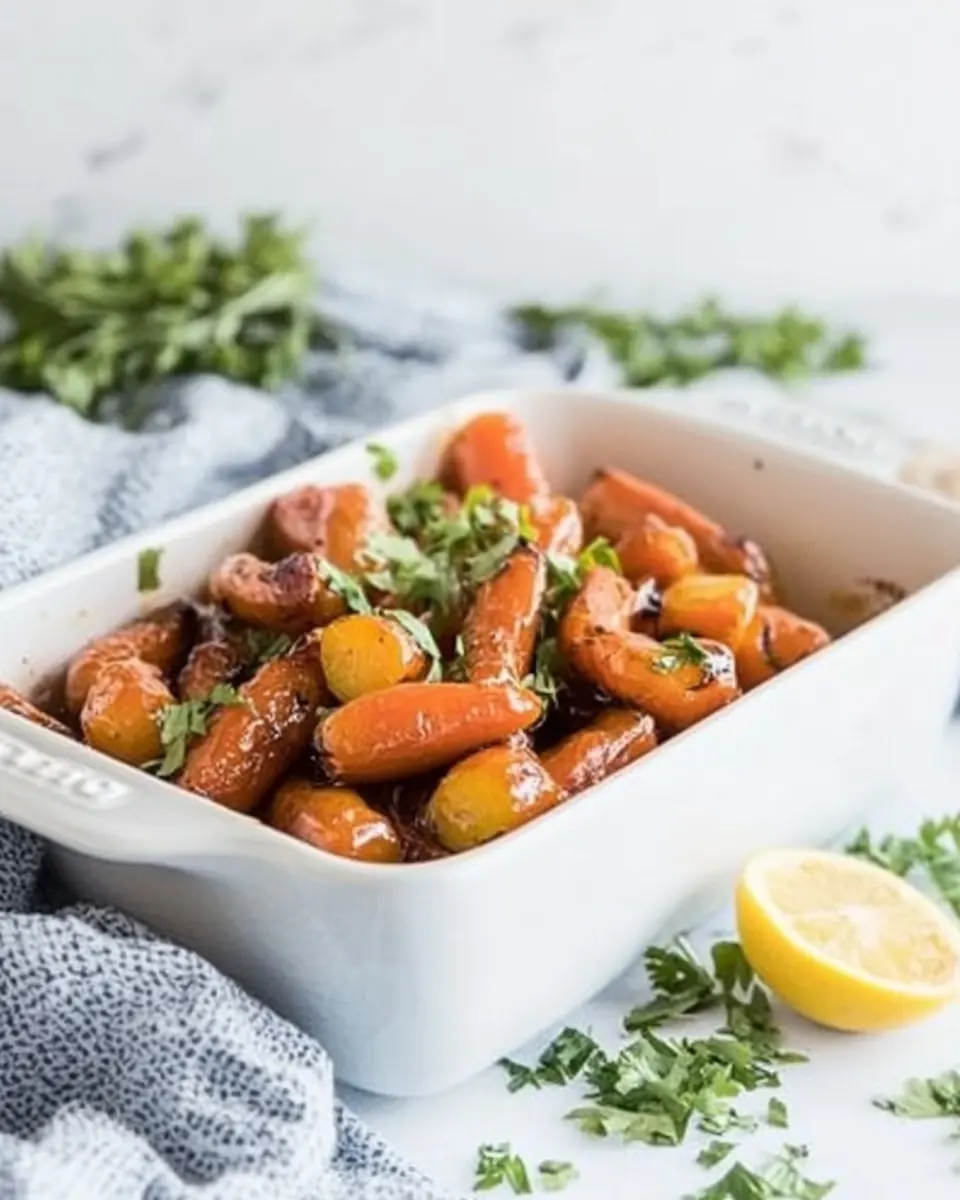
Honey Balsamic Roasted Carrots
Ingredients
Equipment
Method
- Preheat oven to 400 F. Spray a small/medium baking dish with nonstick spray.: The moment you put the carrot in the oven you will notice the kitchen warming and a faint toasty aroma beginning to build, which is essential for browning. A properly preheated oven ensures the exterior starts to caramelize on contact rather than slowly steaming, which preserves texture. One thing to avoid is slipping the carrot into an oven that is still heating, that will lengthen cook time and reduce crispness. Visually, the oven air should feel hot, and within minutes you may sense a slightly nutty scent as the oven reaches temperature. If your oven runs cool, increase the heat slightly and rotate the dish halfway to encourage even browning. When done correctly the carrot will develop small dark flecks at the edges without burning.
- In a medium sized bowl, whisk together the honey, balsamic vinegar, and olive oil.: Spraying the baking dish helps prevent any sticky glaze from clinging and makes serving easier, which preserves the caramelized coating. You want the dish surface to be slick but not overly oily, so a light, even mist is best. One common mistake is using too small a dish, which crowds the carrot and causes steaming, so choose a dish where the pieces lie mostly in a single layer. The sound difference is subtle, but as the dish heats you'll hear less sizzle if the carrots are jammed together. Proper spacing results in browning and a glossy exterior rather than limp texture.
- Toss the carrots in the balsamic mixture and coat well.: As you whisk the trio, notice how the thick honey loosens and the balsamic vinegar creates a slightly shiny emulsion with the olive oil . This mixture will cling to the carrot and concentrate during roasting, so achieving a smooth blend matters. If the mixture sits too long it can separate, so whisk until homogeneous and use promptly. A frequent error is not tasting the dressing, so adjust for acidity or sweetness now rather than after roasting. The aroma at this stage is sweet and tangy, a promise of the caramelized finish to come.
- Place carrots in baking dish and pour any remaining sauce over the carrots.: When you toss, pay attention to the way the sauce clings and coats each carrot surface; you want a thin, even layer. The tactile feedback is important, you should feel the slick glaze but not pooling liquid. Overcoating will cause the carrots to roast in excess sauce rather than develop direct caramelization, so toss gently until evenly dressed. Avoid leaving puddles in the bowl when transferring to the dish, because those accumulate and can burn. Visual cues include a glossy sheen on every piece and slightly darkened edges where the glaze has concentrated.
- Bake for 40 minutes, stirring once, until tender and caramelized.: Arrange the carrot mostly in a single layer so hot air circulates and promotes even browning, then pour any leftover mixture to catch spots that need extra flavor. The pooled sauce will reduce and stick to the surfaces, intensifying taste, so distribute it consciously. A typical pitfall is overcrowding the pan which leads to steaming, so if needed use a larger pan or two. As the dish heats you will see the sauce start to bubble gently and smell the first notes of caramelization, a clear sign things are progressing well.
- Remove from oven and drizzle with more honey.: During the long roast the kitchen fills with a warm, sweet, slightly tangy aroma as the sugars concentrate and the edges darken to a deep golden brown. Stirring once around the halfway mark encourages even browning and exposes all sides to the hot air, crucial for uniform texture. When the carrot are done they will give slightly when pierced and show browned spots where the glaze has caramelized. Avoid constant stirring which prevents the exterior from forming those coveted edges, but also avoid leaving them untouched if one side is overbrowning. If the carrots are soft but lack color, increase the oven temperature briefly for a few minutes while watching closely to develop more caramelization.
- Garnish with salt, pepper, and parsley to taste.: After removing the dish, a final drizzle of honey adds shine and a fresh burst of sweetness that contrasts the concentrated roast flavors. The warm carrot will absorb a bit of the honey, amplifying the glossy finish. Be mindful not to add too much which can make the surface sticky rather than lacquered. The aroma at this point is richer and rounder, with honey notes lifting the balsamic's acidity. Let the dish rest briefly so the glaze sets, creating a pleasing tacky exterior rather than a runny coating.
- Garnish with salt, pepper, and parsley to taste: Finishing with a sprinkle of salt and cracked pepper balances the sweetness and brings forward savory notes, while chopped fresh parsley adds color and a herbaceous lift. Apply seasoning carefully, tasting as you go, because the glaze concentrates flavors and you may need less salt than you expect. A common mistake is salting too early, which can draw out moisture and affect caramelization. Visual cues include bright green flecks of herb and a glossy surface dotted with seasoning, signaling readiness to serve.
Notes
- Choose uniform carrots. Picking baby carrot that are similar in size helps ensure even cooking. If pieces vary widely, the smaller ones will overcook while larger ones remain underdone.
- Preheat properly. Make sure your oven reaches the full 400 F before you start roasting to get immediate browning on contact, which prevents steaming and promotes caramelization.
- Use quality balsamic. A richer, slightly syrupy balsamic vinegar yields better balance with the honey and creates a more complex glaze, so avoid very thin or overly acidic vinegars.
- Control the oil. Two tablespoons of olive oil is enough to encourage browning without making the dish greasy. Too much oil will produce a slick finish and reduce crisp edges.
- Stir only once. Resist the urge to stir multiple times, a single turn around the halfway point ensures even exposure while still allowing crunchy edges to form.
- Garnish at the end. Add parsley, salt, and pepper right before serving to preserve fresh color and bright flavor, rather than cooking the herbs into the glaze.