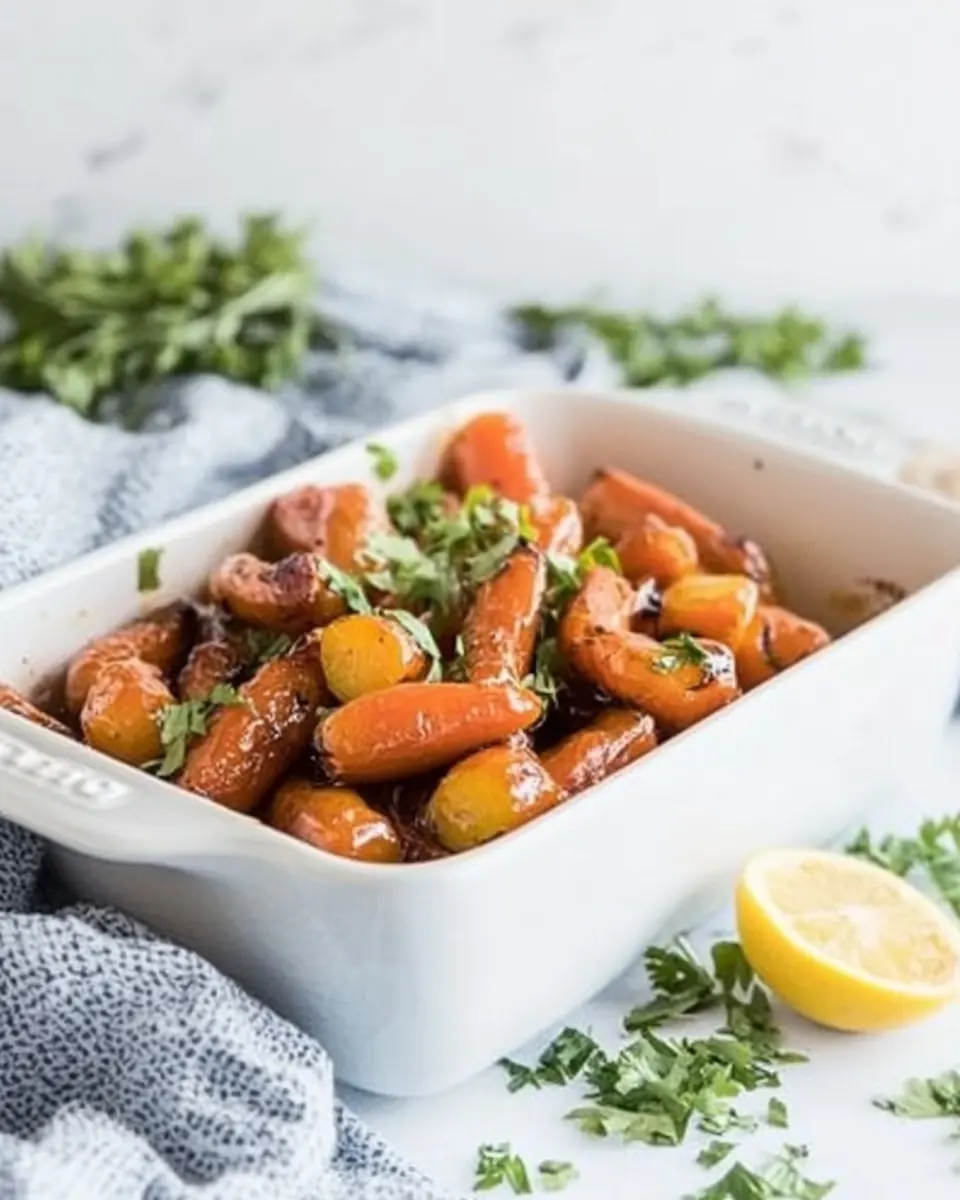
Preheat oven to 400 F. Spray a small/medium baking dish with nonstick spray.: The moment you put the carrot in the oven you will notice the kitchen warming and a faint toasty aroma beginning to build, which is essential for browning. A properly preheated oven ensures the exterior starts to caramelize on contact rather than slowly steaming, which preserves texture. One thing to avoid is slipping the carrot into an oven that is still heating, that will lengthen cook time and reduce crispness. Visually, the oven air should feel hot, and within minutes you may sense a slightly nutty scent as the oven reaches temperature. If your oven runs cool, increase the heat slightly and rotate the dish halfway to encourage even browning. When done correctly the carrot will develop small dark flecks at the edges without burning.
In a medium sized bowl, whisk together the honey, balsamic vinegar, and olive oil.: Spraying the baking dish helps prevent any sticky glaze from clinging and makes serving easier, which preserves the caramelized coating. You want the dish surface to be slick but not overly oily, so a light, even mist is best. One common mistake is using too small a dish, which crowds the carrot and causes steaming, so choose a dish where the pieces lie mostly in a single layer. The sound difference is subtle, but as the dish heats you'll hear less sizzle if the carrots are jammed together. Proper spacing results in browning and a glossy exterior rather than limp texture.
Toss the carrots in the balsamic mixture and coat well.: As you whisk the trio, notice how the thick honey loosens and the balsamic vinegar creates a slightly shiny emulsion with the olive oil . This mixture will cling to the carrot and concentrate during roasting, so achieving a smooth blend matters. If the mixture sits too long it can separate, so whisk until homogeneous and use promptly. A frequent error is not tasting the dressing, so adjust for acidity or sweetness now rather than after roasting. The aroma at this stage is sweet and tangy, a promise of the caramelized finish to come.
Place carrots in baking dish and pour any remaining sauce over the carrots.: When you toss, pay attention to the way the sauce clings and coats each carrot surface; you want a thin, even layer. The tactile feedback is important, you should feel the slick glaze but not pooling liquid. Overcoating will cause the carrots to roast in excess sauce rather than develop direct caramelization, so toss gently until evenly dressed. Avoid leaving puddles in the bowl when transferring to the dish, because those accumulate and can burn. Visual cues include a glossy sheen on every piece and slightly darkened edges where the glaze has concentrated.
Bake for 40 minutes, stirring once, until tender and caramelized.: Arrange the carrot mostly in a single layer so hot air circulates and promotes even browning, then pour any leftover mixture to catch spots that need extra flavor. The pooled sauce will reduce and stick to the surfaces, intensifying taste, so distribute it consciously. A typical pitfall is overcrowding the pan which leads to steaming, so if needed use a larger pan or two. As the dish heats you will see the sauce start to bubble gently and smell the first notes of caramelization, a clear sign things are progressing well.
Remove from oven and drizzle with more honey.: During the long roast the kitchen fills with a warm, sweet, slightly tangy aroma as the sugars concentrate and the edges darken to a deep golden brown. Stirring once around the halfway mark encourages even browning and exposes all sides to the hot air, crucial for uniform texture. When the carrot are done they will give slightly when pierced and show browned spots where the glaze has caramelized. Avoid constant stirring which prevents the exterior from forming those coveted edges, but also avoid leaving them untouched if one side is overbrowning. If the carrots are soft but lack color, increase the oven temperature briefly for a few minutes while watching closely to develop more caramelization.
Garnish with salt, pepper, and parsley to taste.: After removing the dish, a final drizzle of honey adds shine and a fresh burst of sweetness that contrasts the concentrated roast flavors. The warm carrot will absorb a bit of the honey, amplifying the glossy finish. Be mindful not to add too much which can make the surface sticky rather than lacquered. The aroma at this point is richer and rounder, with honey notes lifting the balsamic's acidity. Let the dish rest briefly so the glaze sets, creating a pleasing tacky exterior rather than a runny coating.
Garnish with salt, pepper, and parsley to taste: Finishing with a sprinkle of salt and cracked pepper balances the sweetness and brings forward savory notes, while chopped fresh parsley adds color and a herbaceous lift. Apply seasoning carefully, tasting as you go, because the glaze concentrates flavors and you may need less salt than you expect. A common mistake is salting too early, which can draw out moisture and affect caramelization. Visual cues include bright green flecks of herb and a glossy surface dotted with seasoning, signaling readiness to serve.