Peppermint Bark
Peppermint Bark is one of those treats that instantly transports me back to chilly kitchen evenings when cookie tins and holiday music took over the house. I remember the first time I made it, elbows deep in glossy melted candy, feeling a little like a kid again as I drizzled and swirled colors across parchment. The simplicity and the playfulness of it made me smile, because this is candy that invites creativity and tiny imperfections.
That night I invited a neighbor over and we turned the process into a mini workshop, tasting little flecks as we went and arguing over how much <strong>peppermintstrong> was too much. We laughed when a few pieces snapped in odd shapes, and later the kids declared those the best looking. Ever since, Peppermint Bark has been my go to when I want a festive, no fuss gift that feels handmade and thoughtful.
Recipe Snapshot
10 mins
10 mins
0 mins
Medium
200 kcal
American
Keto, Gluten-Free
Desserts
Microwave safe bowls or double boiler, Spatula, Baking sheet, Parchment paper, Knife or stick for swirling
What Sets This Peppermint Bark Apart
It is effortless but impressive
I love that Peppermint Bark looks like something that took hours, when in reality it takes a few simple steps and common pantry supplies. I often bring it to gatherings because it travels well and people always assume it is a specialty confection.
Customizable and festive
We can change colors, add sprinkles, or crush different candies to suit an occasion. I usually stick to classic red and green for winter, but once I made pastel shades for a birthday and it was a hit. The base is forgiving, so you can get creative without fear.
Perfect for gift giving
I adore wrapping Peppermint Bark in simple cellophane bags with ribbon. It stores well in the fridge or a cool spot, so I make big batches on a Sunday and dole them out throughout the season. The recipients always comment on the vibrant look and bright <strong>peppermintstrong> hit.
Family friendly, and great for little helpers
Kids love spooning dollops and sprinkling toppings, which makes this a wonderful activity. I let children place sprinkles while I handle the hot melted coating. It becomes a memory as much as a treat.
Flavor balance and clever technique
The combination of smooth white coating and cool <strong>peppermintstrong> oil is refreshingly simple, and swirling colored melts creates a texture contrast that elevates each bite. I appreciate a recipe that teaches a technique you can reuse for other flavored barks too.
Ingredients You’ll Need for <strong><strong>Peppermintstrong> Barkstrong>
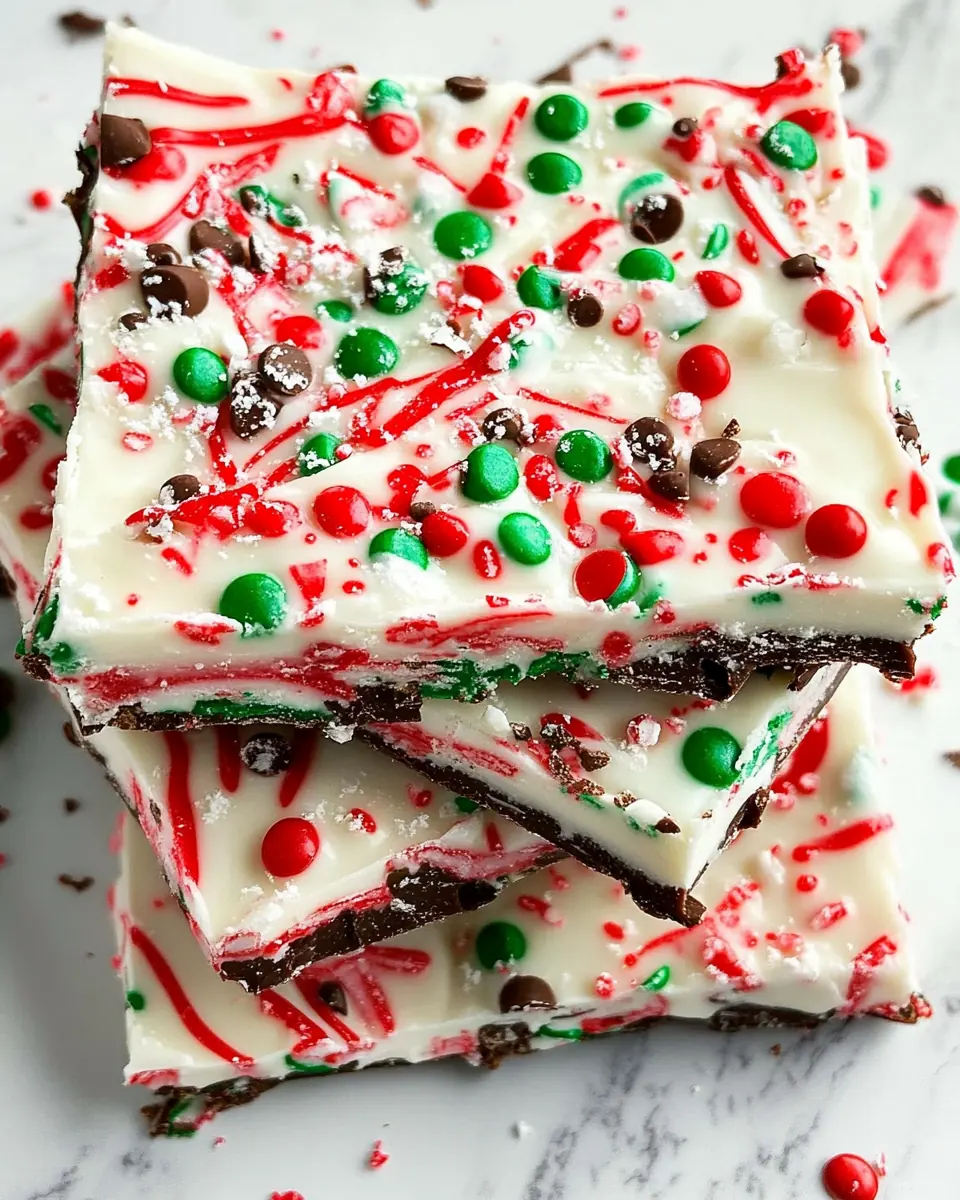
These ingredients are intentionally simple, focused on texture and punch of flavor. The white candy coating gives a creamy base, while colored candy melts add visual interest. The <strong>peppermintstrong> oil provides the cooling note that defines the candy, and sprinkles or crushed candies bring crunch and holiday flavor. Together, they create a balance of smoothness, snap, color, and bright mint.
- 1 16 oz Package Vanilla Candiquik Vanilla Wilton Melts or almond bark: Provides a smooth, sweet white chocolate base that melts evenly and sets firmly for easy breaking into bark pieces; contributes creamy <strong>vanillastrong> flavor and glossy finish suitable for layering with colored melts.
- 1 tsp pure peppermint oil (FOOD GRADE) depending on how strong you like your peppermint, you could add a second tsp.: Infuses a concentrated minty flavor; use sparingly and taste as you go to achieve a bright <strong>peppermintstrong> note that complements the sweet chocolate without overpowering it.
- 6 oz Wilton Candy Melts Red: Adds a vibrant red-colored chocolate layer that melts smoothly for decorative swirls or layers; supplies sweet, slightly confectionery flavor and striking color contrast in the bark.
- 6 oz Wilton Candy Melts Green: Supplies a vivid green-colored chocolate layer that melts and spreads evenly for festive marbling or stripes; creates a colorful holiday contrast and adds sweetness to the bark.
The Method for <strong><strong>Peppermintstrong> Barkstrong>
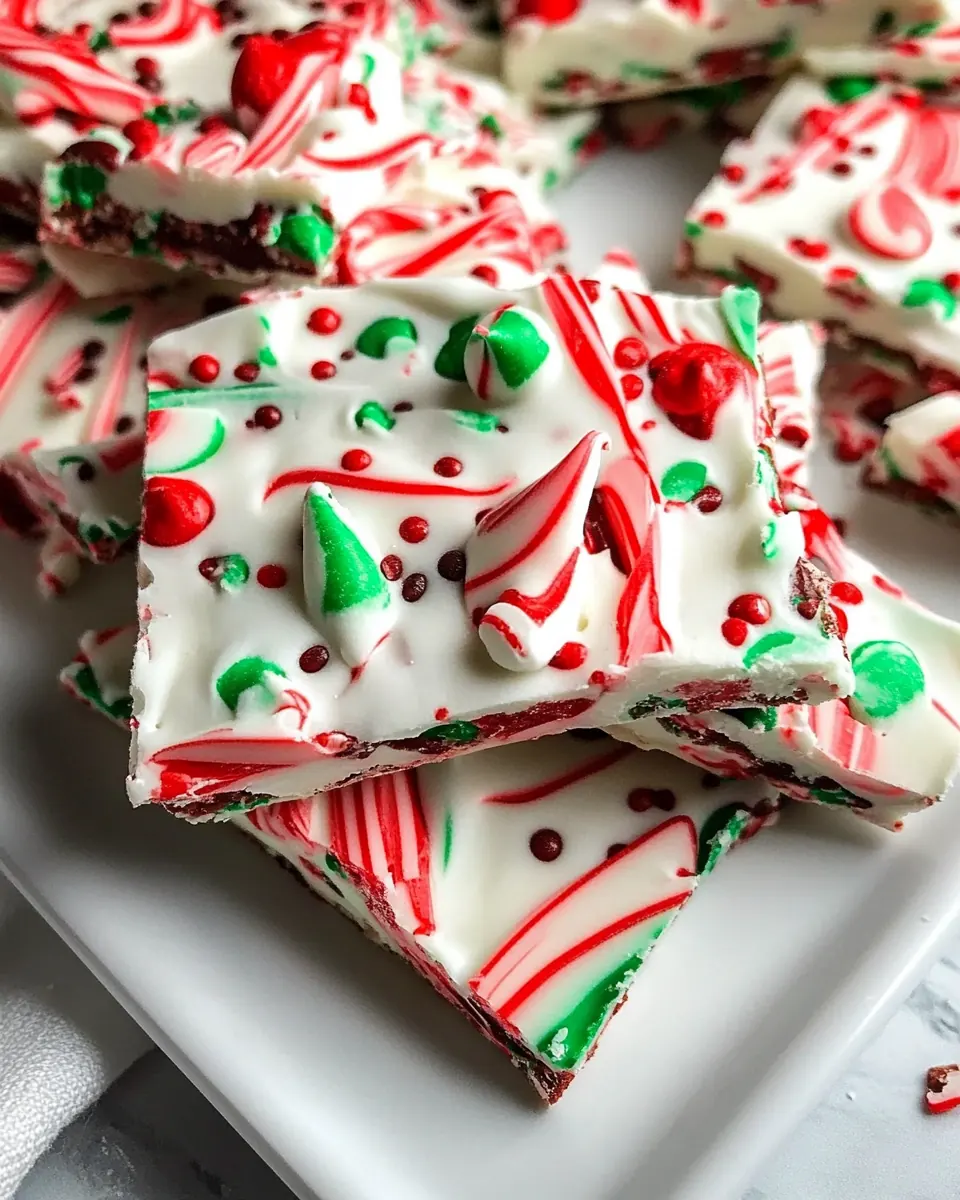
I enjoy the methodical rhythm of melting, dropping, swirling, and topping. Work station organization matters, because once the coatings start to set, you will need to move quickly. Keep your toppings close and a chilled sheet on hand for a clean finish.
- To make your peppermint bark, you will start by melting your Candiquik, vanilla candy coating or almond bark according to the directions on the package. Three different colors of candy coating works well, but you could use two colors or go for four colors, this is more of an idea than a specific recipe. You can add one teaspoon of peppermint flavor to each color after melting, or simply add 2-4 teaspoons of peppermint extract to the vanilla.: The warming aroma of sweet white coating is comforting, and you will notice a glossy, viscous texture when it is ready. Stir with a heatproof spatula to maintain even heat and avoid hot spots. Use low power if microwaving and stir frequently, or melt over a gentle simmer in a double boiler so steam warms the bowl. If you overheat, the coating can seize or become grainy, so avoid high temperatures and slow down if you see signs of thickening. One common mistake is rushing the melt which leads to scorched bits on the bottom, so maintain patience and stir, stirring keeps the texture silky.
- The real fun of this candy bark comes from the swirling of your different colored candy melts together, and sprinkling it with a variety of seasonal sprinkles and candies. The sky is the limit as to what you use for your toppings, so have fun with it!: When you heat each color gently they will become glossy and pourable, with the red and green developing that vibrant sheen. Pouring a little of each color into separate bowls helps you control placement on the parchment. The why here is visual contrast, which makes each bite interesting and festive. A frequent misstep is melting colors at different rates, so melt similarly sized batches and check consistency often to ensure they pour similarly.
- Once everything is ready, line a baking sheet with parchment paper. Prepare your candy melts or almond bark according to package directions.: Adding <strong>peppermintstrong> oil to the warm coatings releases an immediate bright scent and the air fills with cool menthol notes. Use small increments and taste a tiny dab on a spoon to judge strength before committing, because concentrated oils can overpower. If you add liquid extract, know it can cause texture changes, so oils are recommended to keep the coating smooth. Avoid adding too much liquid, since that is the most common reason coatings seize or become grainy.
- Start with your vanilla and place spoonfuls of candy coating onto your parchment paper. It doesn't have to be perfect; you just want to get your white spaced out around the pan. After that, drop spoonfuls of your colored candy coatings around the pan, on and around the vanilla candy coating. Refer to the video to see how I did mine.: The act of swirling produces gentle ridges and marbling that catch light, making the bark almost jewel like. I like to drop spoonfuls of each color and then use a skewer to make broad sweeping arcs so colors ribbon into each other. Listen as the melted coatings settle, a slight quiet slurp means they are cooling; if they are thinned and fluid, swirl more quickly. Do not overwork the surface, over mixing is the usual mistake and will dilute the colors into a muddy tone, so stop while you still see distinct streaks.
- Once all of your melted candy coating is on the baking sheet, you will use a stick or a knife to gently swirl your colors together. Do not over-mix or stir, as that will blend the colors (though if that's the look you want, go for it!). Just gently use a stick or knife and swirl.: The parchment helps the set bark release cleanly and keeps the underside smooth. Press the paper flat so coatings do not pool unevenly. Arrange bowls of melted coating and your toppings nearby because timing is important once you begin placing melts. A slip here is forgetting tools within reach, which can slow you down and cause toppings not to adhere properly as coatings set fast.
- Now it's time for sprinkles! This is the fun part, and there are no rules; sprinkle on as little or as much as you want! You do however need to work fairly quickly, before the candy coating sets up, in order to have all of your toppings stick to the bark. For toppings I used a variety of red and green sprinkles, M&M'S Candies, Sixlets and crushed candy canes.: The <strong>vanillastrong> provides the canvas, and spacing spoonfuls across the sheet gives you places to nestle colored melts. The spoonfuls should be thick enough to set with body, and you will notice a glossy surface that becomes matte around the edges as it cools. If you place them unevenly the bark thickness will vary, so aim for relatively even dollops to ensure consistent set and easy breaking later.
- Chill in the fridge for at least two hours, then break by hand or slice into pieces. Serve and enjoy. It can be stored in the fridge or at room temperature as long as that temperature is on the cooler side.: Dotting colored melts near white patches creates natural pockets for marbling. The contrast is key, and as the colors meet they will start to flow together slightly. Work at a steady pace because once edges start to lose gloss they are beginning to set and will not swirl smoothly. A common oversight is letting the base cool too much before adding colors, which prevents blending and leaves hard edges.
- Once all of your melted candy coating is on the baking sheet, you will use a stick or a knife to gently swirl your colors together: The motion should be a soft guiding sweep, creating ribbons rather than stirring vigorously. Visually, you want to preserve streaks, because that is where the bark gets its signature look. The sound is mostly silent, but your hands will feel the gentle resistance of cooling candy; stop once you see defined marbling. Over mixing is the typical trap, it blends colors too much and loses the festive pattern.
- Now it's time for sprinkles!: The moment you add sprinkles the surface gains tactile interest, and the toppings sink slightly into the warm coating for good adhesion. I move quickly, scattering a mix of shapes and sizes so pieces break into interesting bites. If you wait too long the toppings will not stick and will fall off, so time is the common issue. Also, do not overload one area, which creates heavy spots that break differently when you snap the bark.
- Chill in the fridge for at least two hours, then break by hand or slice into pieces: Cooling firms the coating into a satisfying snap and solid texture. After chilling the surface should be firm to the touch and the colors set. Use quick, confident pressure to break into rustic pieces, or score with a knife for neater edges. A mistake to avoid is storing warm pieces before they fully set, which leads to smudged colors and less crisp texture, so be patient and allow the full chill time.
- Serve and enjoy: The first bite will combine the creamy white coating, the bright <strong>peppermintstrong> hit, and the crunch of toppings, a pleasant contrast of textures and temperatures. Arrange pieces on a platter or wrap individually for gifts, and keep them cool to maintain snap. A frequent error is leaving them in warm environments, which softens the coating and reduces the crisp experience.
Substitutions and Tips
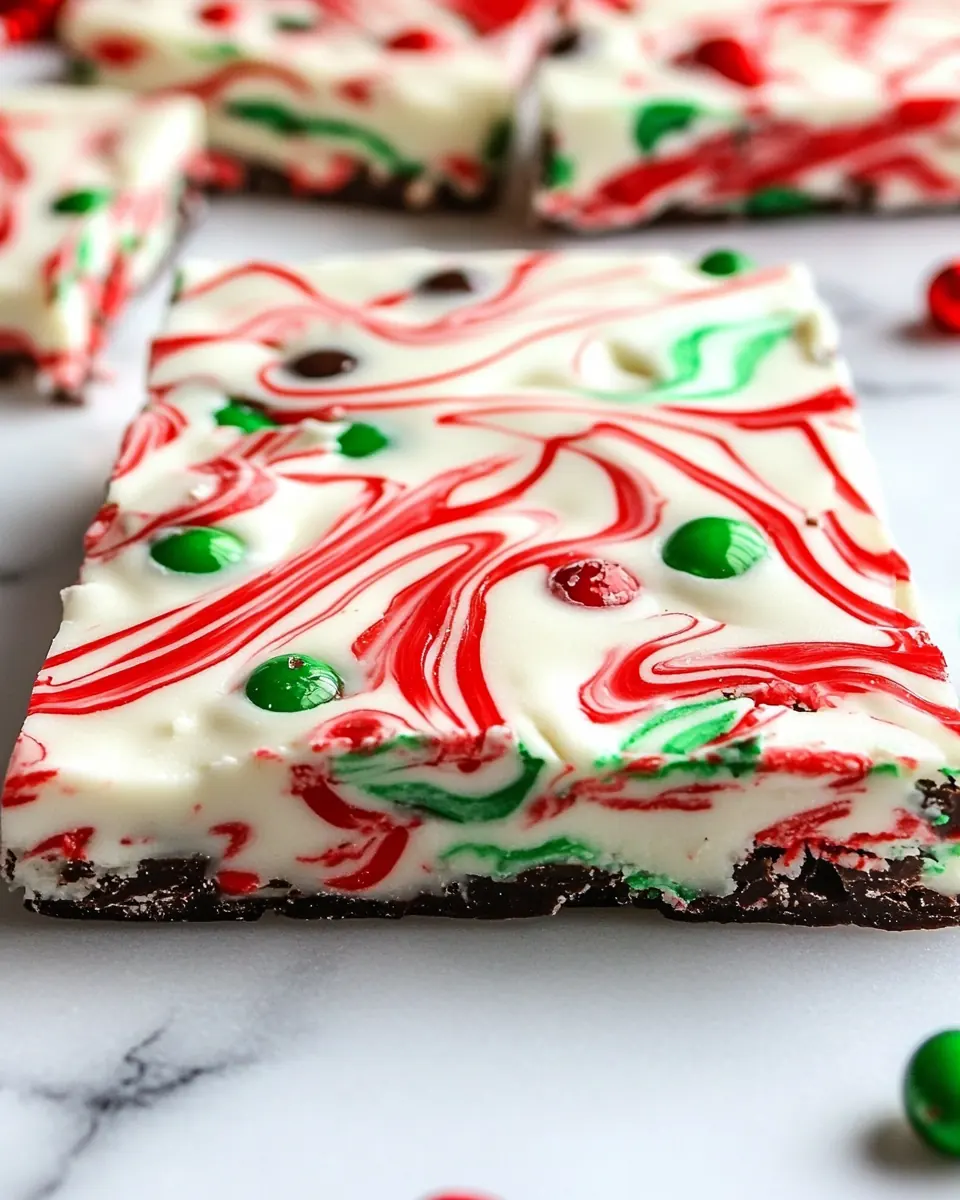
I like to keep a few tricks in mind to make the process smoother and to adapt to what I have on hand. These tips expand on the notes and practical details, helping you get consistent results and avoid common pitfalls.
- Prefer peppermint oil over liquid extract: <strong>Peppermintstrong> oil blends into melted coating without adding moisture, preventing seizing and preserving a clean mint flavor.
- Melt slowly: Use low microwave power or a double boiler to avoid overheating, which can cause grainy texture or burnt notes.
- Work quickly when topping: Keep sprinkles and candies close because coatings set fast and toppings must be applied while the surface is tacky for good adhesion.
- Test a tiny dab for flavor: Taste a small cooled sample before committing to more oil, since concentrated oils can easily overpower the confection.
- Even thickness matters: Aim for consistent dollops across the sheet so pieces snap uniformly and look professional when broken into pieces.
- Chill fully before breaking: Allow at least two hours in the fridge for a clean snap, otherwise pieces may bend or smudge when handled.
How to Enjoy <strong><strong>Peppermintstrong> Barkstrong>
Serving Peppermint Bark is part of the experience, from casual platters to wrapped gifts. I like to present it in varied ways <strong>dependingstrong> on the occasion, and it pairs well with other small confections. Keep pieces chilled and choose a display that highlights the marbled colors.
- Holiday platter presentation: Arrange an assortment of shapes and sizes on a large platter so guests can pick their favorites, alternating colors for visual appeal.
- Gift packaging: Wrap small stacks in cellophane with a ribbon or place in a decorative tin for an easy homemade gift that looks thoughtful and polished.
- Occasion pairing: Serve as a finish to winter dinners or at cookie swaps, it works wonderfully as a sweet nibble alongside tea or coffee.
- Storage advice: Keep in an airtight container in the fridge or a cool room to preserve snap and color, avoid warm or humid spots which will soften the coating.
- Seasonal uses: Use classic red and green for Christmas, or swap in other colors for birthdays and celebrations, the technique is versatile for many events.
FAQ
Conclusion
What makes this recipe special is its joyful combination of creamy white coating, bright swirls of color, and a refreshing peppermint finish that feels both festive and handmade. I encourage you to set aside a cozy hour, gather some simple supplies, and let the process be playful as you experiment with swirls and toppings. This treat is forgiving, giftable, and a lovely way to bring a little holiday cheer to friends and family with minimal fuss.
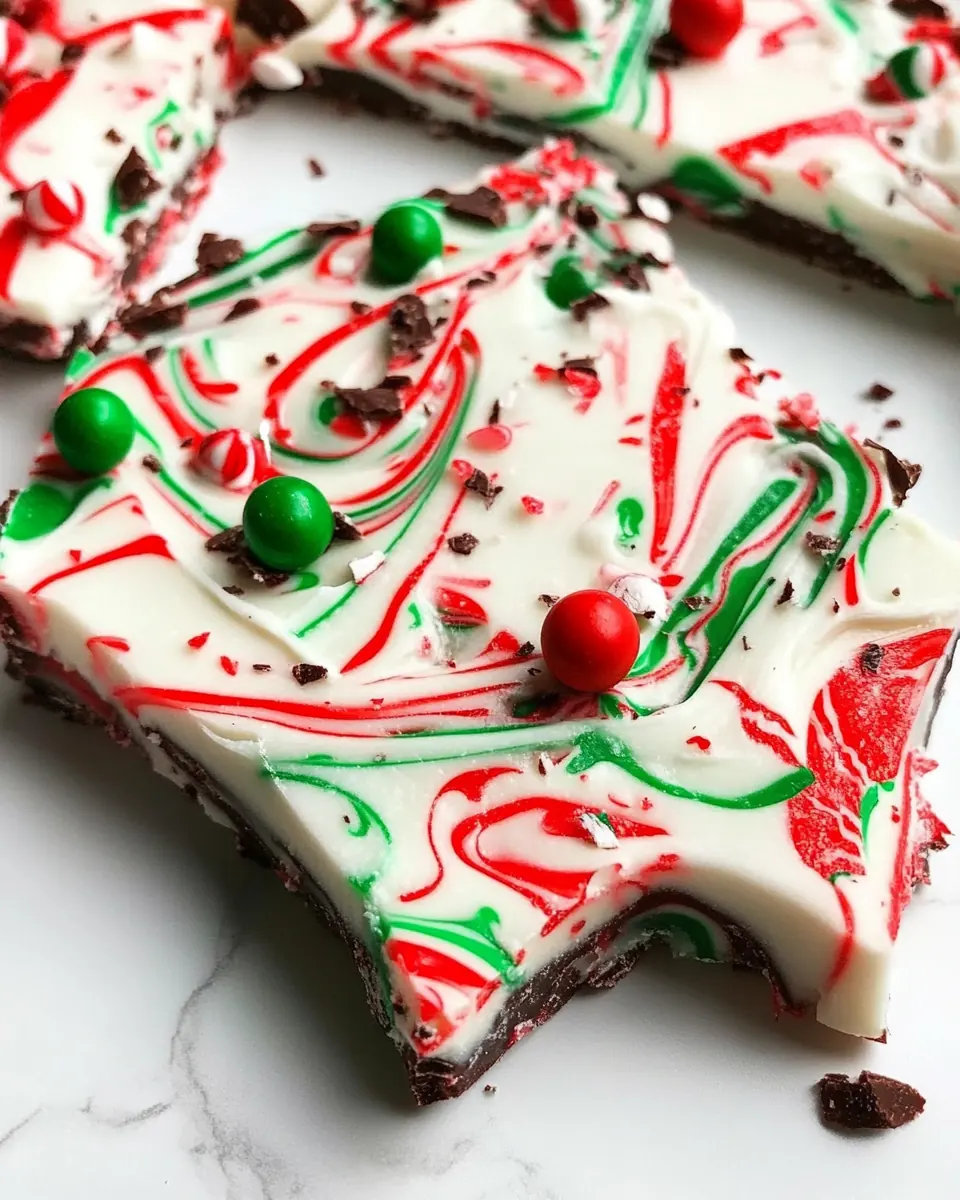
Peppermint Bark
Ingredients
Equipment
Method
- To make your peppermint bark, you will start by melting your Candiquik, vanilla candy coating or almond bark according to the directions on the package. Three different colors of candy coating works well, but you could use two colors or go for four colors, this is more of an idea than a specific recipe. You can add one teaspoon of peppermint flavor to each color after melting, or simply add 2-4 teaspoons of peppermint extract to the vanilla.: The warming aroma of sweet white coating is comforting, and you will notice a glossy, viscous texture when it is ready. Stir with a heatproof spatula to maintain even heat and avoid hot spots. Use low power if microwaving and stir frequently, or melt over a gentle simmer in a double boiler so steam warms the bowl. If you overheat, the coating can seize or become grainy, so avoid high temperatures and slow down if you see signs of thickening. One common mistake is rushing the melt which leads to scorched bits on the bottom, so maintain patience and stir, stirring keeps the texture silky.
- The real fun of this candy bark comes from the swirling of your different colored candy melts together, and sprinkling it with a variety of seasonal sprinkles and candies. The sky is the limit as to what you use for your toppings, so have fun with it!: When you heat each color gently they will become glossy and pourable, with the red and green developing that vibrant sheen. Pouring a little of each color into separate bowls helps you control placement on the parchment. The why here is visual contrast, which makes each bite interesting and festive. A frequent misstep is melting colors at different rates, so melt similarly sized batches and check consistency often to ensure they pour similarly.
- Once everything is ready, line a baking sheet with parchment paper. Prepare your candy melts or almond bark according to package directions.: Adding peppermint oil to the warm coatings releases an immediate bright scent and the air fills with cool menthol notes. Use small increments and taste a tiny dab on a spoon to judge strength before committing, because concentrated oils can overpower. If you add liquid extract, know it can cause texture changes, so oils are recommended to keep the coating smooth. Avoid adding too much liquid, since that is the most common reason coatings seize or become grainy.
- Start with your vanilla and place spoonfuls of candy coating onto your parchment paper. It doesn't have to be perfect; you just want to get your white spaced out around the pan. After that, drop spoonfuls of your colored candy coatings around the pan, on and around the vanilla candy coating. Refer to the video to see how I did mine.: The act of swirling produces gentle ridges and marbling that catch light, making the bark almost jewel like. I like to drop spoonfuls of each color and then use a skewer to make broad sweeping arcs so colors ribbon into each other. Listen as the melted coatings settle, a slight quiet slurp means they are cooling; if they are thinned and fluid, swirl more quickly. Do not overwork the surface, over mixing is the usual mistake and will dilute the colors into a muddy tone, so stop while you still see distinct streaks.
- Once all of your melted candy coating is on the baking sheet, you will use a stick or a knife to gently swirl your colors together. Do not over-mix or stir, as that will blend the colors (though if that's the look you want, go for it!). Just gently use a stick or knife and swirl.: The parchment helps the set bark release cleanly and keeps the underside smooth. Press the paper flat so coatings do not pool unevenly. Arrange bowls of melted coating and your toppings nearby because timing is important once you begin placing melts. A slip here is forgetting tools within reach, which can slow you down and cause toppings not to adhere properly as coatings set fast.
- Now it's time for sprinkles! This is the fun part, and there are no rules; sprinkle on as little or as much as you want! You do however need to work fairly quickly, before the candy coating sets up, in order to have all of your toppings stick to the bark. For toppings I used a variety of red and green sprinkles, M&M'S Candies, Sixlets and crushed candy canes.: The vanilla provides the canvas, and spacing spoonfuls across the sheet gives you places to nestle colored melts. The spoonfuls should be thick enough to set with body, and you will notice a glossy surface that becomes matte around the edges as it cools. If you place them unevenly the bark thickness will vary, so aim for relatively even dollops to ensure consistent set and easy breaking later.
- Chill in the fridge for at least two hours, then break by hand or slice into pieces. Serve and enjoy. It can be stored in the fridge or at room temperature as long as that temperature is on the cooler side.: Dotting colored melts near white patches creates natural pockets for marbling. The contrast is key, and as the colors meet they will start to flow together slightly. Work at a steady pace because once edges start to lose gloss they are beginning to set and will not swirl smoothly. A common oversight is letting the base cool too much before adding colors, which prevents blending and leaves hard edges.
- Once all of your melted candy coating is on the baking sheet, you will use a stick or a knife to gently swirl your colors together: The motion should be a soft guiding sweep, creating ribbons rather than stirring vigorously. Visually, you want to preserve streaks, because that is where the bark gets its signature look. The sound is mostly silent, but your hands will feel the gentle resistance of cooling candy; stop once you see defined marbling. Over mixing is the typical trap, it blends colors too much and loses the festive pattern.
- Now it's time for sprinkles!: The moment you add sprinkles the surface gains tactile interest, and the toppings sink slightly into the warm coating for good adhesion. I move quickly, scattering a mix of shapes and sizes so pieces break into interesting bites. If you wait too long the toppings will not stick and will fall off, so time is the common issue. Also, do not overload one area, which creates heavy spots that break differently when you snap the bark.
- Chill in the fridge for at least two hours, then break by hand or slice into pieces: Cooling firms the coating into a satisfying snap and solid texture. After chilling the surface should be firm to the touch and the colors set. Use quick, confident pressure to break into rustic pieces, or score with a knife for neater edges. A mistake to avoid is storing warm pieces before they fully set, which leads to smudged colors and less crisp texture, so be patient and allow the full chill time.
- Serve and enjoy: The first bite will combine the creamy white coating, the bright peppermint hit, and the crunch of toppings, a pleasant contrast of textures and temperatures. Arrange pieces on a platter or wrap individually for gifts, and keep them cool to maintain snap. A frequent error is leaving them in warm environments, which softens the coating and reduces the crisp experience.
Notes
- Prefer peppermint oil over liquid extract: Peppermint oil blends into melted coating without adding moisture, preventing seizing and preserving a clean mint flavor.
- Melt slowly: Use low microwave power or a double boiler to avoid overheating, which can cause grainy texture or burnt notes.
- Work quickly when topping: Keep sprinkles and candies close because coatings set fast and toppings must be applied while the surface is tacky for good adhesion.
- Test a tiny dab for flavor: Taste a small cooled sample before committing to more oil, since concentrated oils can easily overpower the confection.
- Even thickness matters: Aim for consistent dollops across the sheet so pieces snap uniformly and look professional when broken into pieces.
- Chill fully before breaking: Allow at least two hours in the fridge for a clean snap, otherwise pieces may bend or smudge when handled.