Veal Parmesan
Veal Parmesan is one of those dishes that always brings back lively family dinners and the smell of a busy kitchen, and the first time I made it I remember the way the breadcrumbs crackled under my fork as steam rose from the bubbling cheese.
I grew up watching an older cousin turn simple ingredients into something comforting, and over the years I adapted his approach into my own reliable routine. When I serve Veal Parmesan I like to slow down for a moment, noting the crisped edges of the cutlets and the bright red of the sauce, then dig in with hungry friends. There is a small satisfaction in how the thin, tender veal yields beneath a fork, revealing the contrast between crunchy coating and melty mozzarella.
On weeknights I lean into the recipe’s ease, while on weekends I treat it like an event, pairing it with a big salad and a loaf of crusty bread to sop up the sauce. Through trial and error I learned which small steps make the biggest difference, from pounding the veal to an even thickness to using the right amount of Parmesan cheese on top. I still smile when guests ask for the recipe because it’s simple, dependable, and always a crowd pleaser.
Recipe Snapshot
45 mins
15 mins
30 mins
Medium
450 kcal
Italian
Gluten-Free, Low FODMAP
Dinner
Skillet, Baking dish, Shallow dishes for breading
The Beauty of This Veal Parmesan
Classic comfort with crisp texture
I love how Veal Parmesan marries a crunchy, golden crust with a soft, tender center. When you bite through the crisp breadcrumb exterior you get that satisfying crackle, followed by the tender chew of the veal, which makes every mouthful interesting. The contrast in textures is what keeps me coming back to this dish.
Cheesy, saucy satisfaction
For me the bubbling top of melted mozzarella and the nutty sprinkle of Parmesan cheese are the real payoff. The sauce ties everything together, adding acidity and warmth, while the cheeses lend creaminess and depth. I often find myself hovering over the oven as the cheese gets golden, because that is the moment the dish truly announces itself.
Quick enough for weeknights, elegant enough for guests
I appreciate that Veal Parmesan fits both everyday and special occasions. From pounding the cutlets to a uniform thickness to the short pan fry and quick bake, the pace feels purposeful but not frantic. I rely on it when I want a fuss free dinner that still looks polished when it reaches the table.
Simple ingredients that work together
This recipe proves that a few well chosen ingredients can produce impressive results. The combination of all purpose flour, eggs, and Italian breadcrumbs creates a protective shell that browns beautifully and keeps the veal moist. Meanwhile marinara sauce provides brightness, and the cheeses add richness, so each element plays a specific role in the final flavor.
Reliable technique with room to personalize
I value recipes that offer a solid technique while letting you add small touches. Whether you like extra cheese on top or a thinner breadcrumb crust, Veal Parmesan is tolerant to adjustments. That makes it a favorite when I want to respect tradition but still make the plate my own.
What Goes Into Veal Parmesan
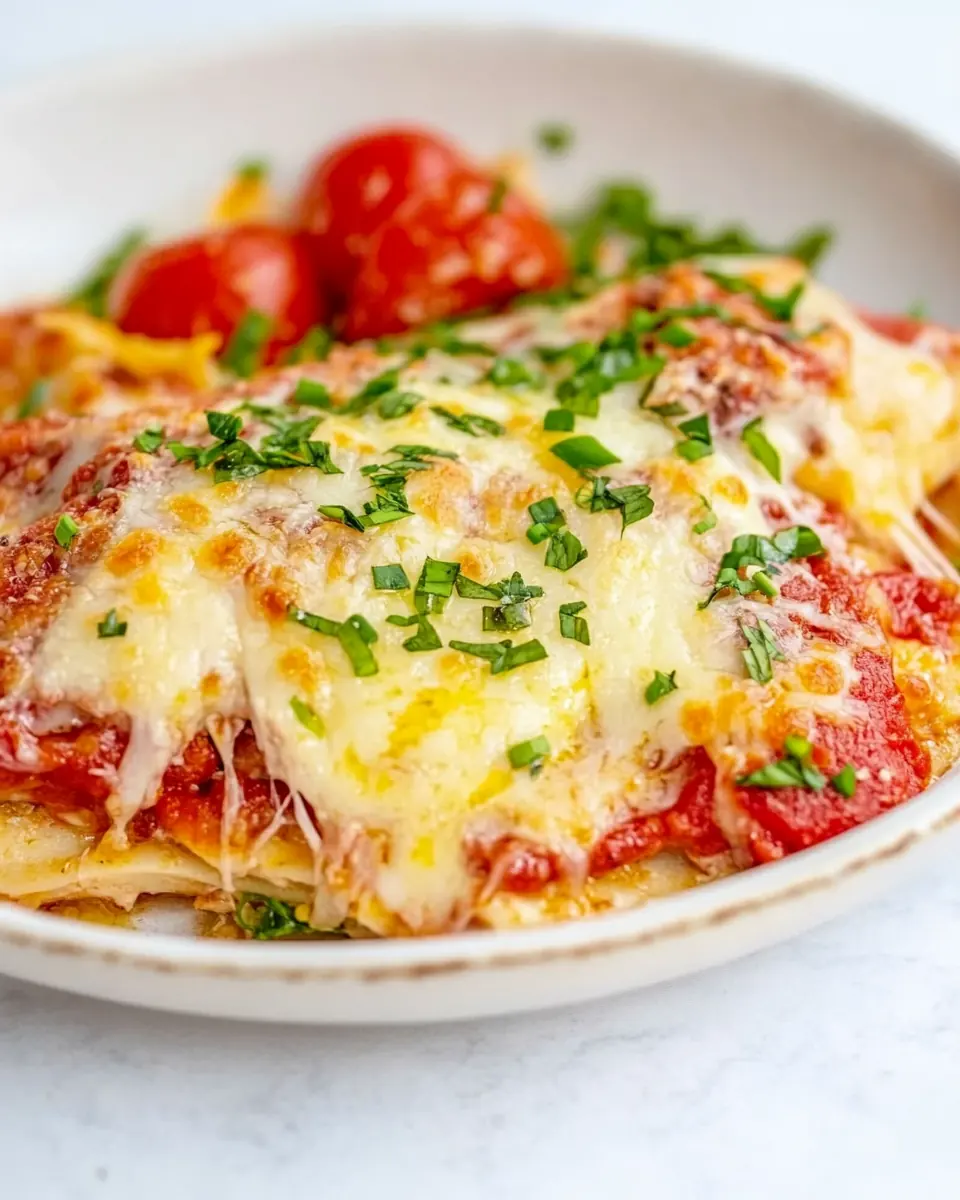
These ingredients are deliberately straightforward, each one playing a clear role in the finished dish. The key players include the thin cut veal, which is the canvas, the simple dredge of flour, eggs, and breadcrumbs that creates a crunchy shell, and the trio of marinara sauce, mozzarella, and Parmesan cheese that provides moisture, melt, and umami. Together they balance texture, flavor, and visual appeal.
- 4 veal cutlets pounded to 1/4-inch thickness: Pounded thin to 1/4-inch thickness to ensure even, quick cooking and tender texture; provides the main protein and structure of the dish. Allows for efficient breading adherence and uniform doneness during frying and baking.
- Salt and black pepper to taste: Seasoned lightly with salt and black pepper to enhance natural veal flavor and balance the dish; use to taste for proper savory seasoning. Helps to build overall seasoning throughout breading, frying, and sauce integration.
- 1/2 cup all-purpose flour: Dredged in all-purpose flour to create a dry surface that helps the egg wash adhere; also contributes to a light, crisp base under the breadcrumbs. Helps absorb excess moisture and promotes even browning during frying.
- 2 large eggs beaten: Beaten and used as an egg wash to bind the flour and breadcrumbs to the cutlets; creates a cohesive coating that crisps when fried. Also helps breadcrumbs brown and form a protective layer for the meat.
- 1 cup Italian breadcrumbs: Pressed onto the cutlets as the main crunchy coating, providing texture and Italian-flavored crumbs that complement the sauce and cheese. Contributes seasoning and a golden, crisp exterior after frying.
- 2 tablespoons olive oil for frying: Heated in a skillet for shallow frying to cook the breaded cutlets until golden brown; adds necessary fat for crisping and flavor development. Use the oil sparingly and maintain proper temperature for even frying.
- 1 cup marinara sauce: Spoon onto fried cutlets as a flavorful tomato base that adds acidity, moisture, and classic marinara herbs; melds with cheeses when baked. Helps keep the veal moist while providing the signature Parmesan/Marinara pairing.
- 1 cup shredded mozzarella cheese: Sprinkled over the sauced cutlets to melt into a gooey, stringy layer that creates the classic cheesy topping; adds richness and mild, milky flavor. Encourages a pleasing, melted texture when finished under heat.
- 1/2 cup grated Parmesan cheese: Grated and scattered to contribute salty, nutty, umami flavor that sharpens the dish; blends into the sauce and cheese for depth. Adds a finishing savory note and enhances overall cheesiness.
The Method for Veal Parmesan
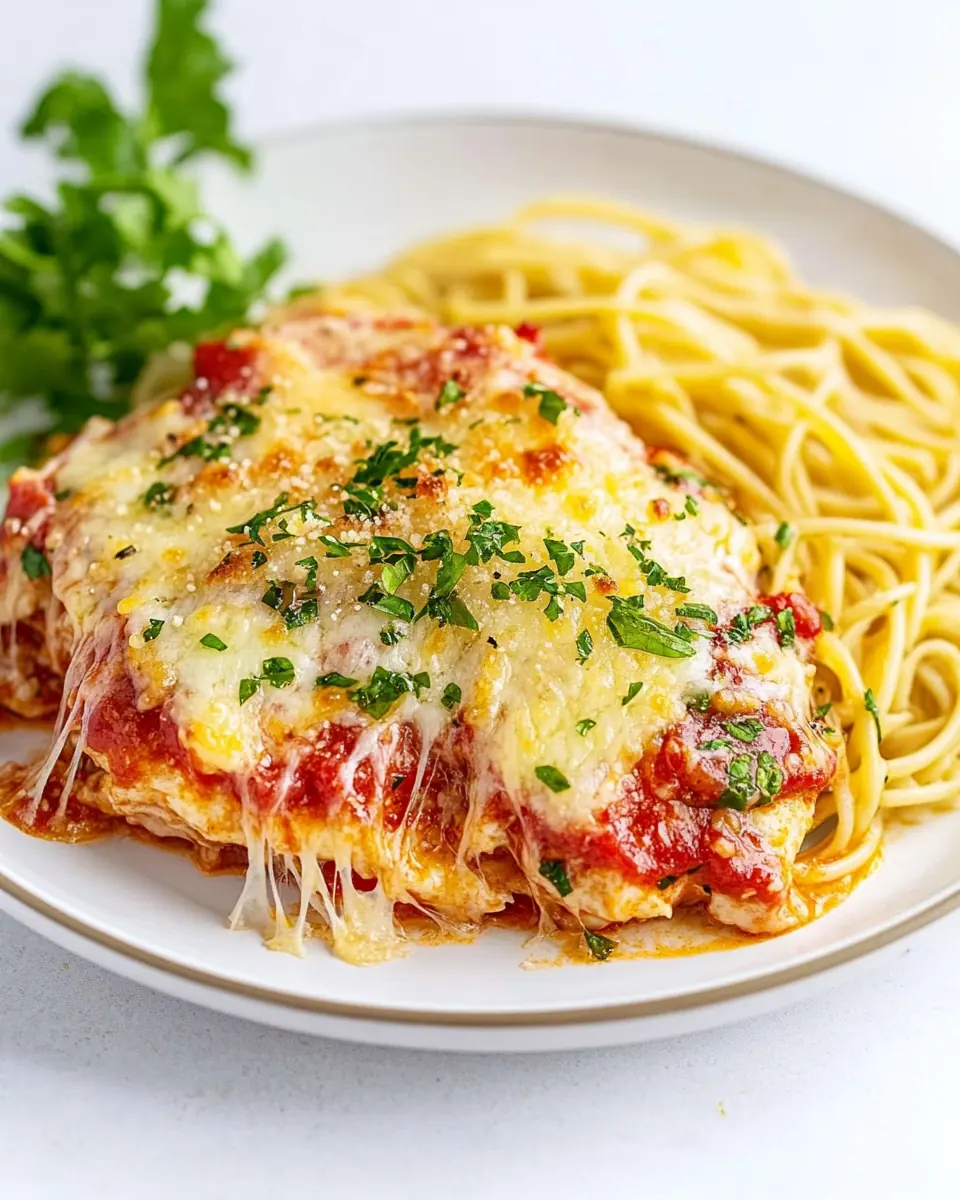
This method is straightforward and satisfying, and once you follow the sequence a couple times it becomes second nature. You will prepare the cutlets, bread them, fry until golden, assemble with sauce and cheeses, and finish in the oven for a bubbly, golden top. Keep an eye on visual cues and trust gentle heat for the best result.
- Preheat the oven to 375°F. Season the veal cutlets with salt and pepper. Place flour, beaten eggs, and breadcrumbs in separate shallow dishes. Dredge each veal cutlet in flour, dip in beaten eggs, and coat with breadcrumbs.: The warm, aromatic hint of the oven as it reaches temperature prepares the kitchen for the final bake, and setting it early ensures the cheese will bubble and brown immediately when the assembled cutlets go in. You should notice a steady, even glow and a slight warmth in the oven cavity, which signals readiness. This step matters because the brief bake time relies on a preheated environment to melt cheese without overdrying the veal . A common mistake is putting the dish into a cold oven, which results in longer baking times and a drier result.
- Heat olive oil in a skillet over medium heat, and fry the breaded veal cutlets until golden brown on both sides, about 3 minutes per side.: The aroma of freshly cracked black pepper and the subtle briny note of salt awaken the natural flavor of the veal . Seasoning both sides allows the flavors to be present in every bite and creates a baseline that the sauce and cheeses build upon. This matters because under seasoned meat will taste flat beneath the rich toppings. Avoid over seasoning early if your cheese is very salty, which can make the final dish too salty.
- Place the fried cutlets in a baking dish, top each with marinara sauce, mozzarella, and Parmesan cheese.: Setting up a clean station with each component visible helps you work quickly and keep your breadcrumbs dry and crisp. The visual setup also makes the breading sequence predictable, which improves consistency. This organization is important because damp or clumpy breadcrumbs will not adhere properly. One common slip is crowding the stations, which leads to messy breading and uneven coating.
- Bake in the preheated oven for 20 minutes, or until the cheese is bubbly and golden. Serve hot.: As your hand drags the cutlet through the flour you will feel the light powder cling, which primes the surface for the eggs . The flour helps absorb surface moisture and creates a thin barrier that allows the egg to stick evenly. This step is critical for achieving a stable coating, because skipping flour often results in the crumbs sliding off during frying. Be sure to shake off excess flour to prevent a pasty layer.
- Dip in beaten eggs: The glossy sheen as the cutlet hits the beaten eggs shows the coating is ready to accept the breadcrumbs, and the egg creates a cohesive layer for the final crust. This stage contributes moisture and binding power, and it helps the crumbs brown to an even color. If the egg is not well beaten it can produce streaks and cause uneven browning, so whisk thoroughly before dipping.
- Coat with breadcrumbs: Pressing the cutlet into the Italian breadcrumbs creates that satisfying textured surface that will crisp in the pan. You should feel the crumbs adhere uniformly, and the surface will look matte and fully covered. Good contact here ensures a crunchy bite and helps the crust stay intact during frying. The most common error is not pressing enough, which can leave bare spots that burn or fall off.
- Heat olive oil in a skillet over medium heat: As the oil warms you will see it shimmer slightly, and the faint scent of olive will rise. Medium heat gives the crust time to develop color while keeping the interior tender. This temperature balance matters because oil that is too cool yields greasy crusts, while oil that is too hot chars the breadcrumbs before the meat cooks. Test by dropping a few crumbs into the oil to see if they sizzle gently.
- Fry the breaded veal cutlets until golden brown on both sides, about 3 minutes per side: You will hear a steady sizzle as the crust forms, and the cutlets should develop an even, golden brown color. The sound and visual cue tell you the Maillard reaction is occurring, which gives the crust complex flavor. Keeping the pan at medium prevents burning while ensuring the veal cooks through quickly. Avoid flipping too frequently, which can break the crust and cause the coating to absorb oil.
- Place the fried cutlets in a baking dish: Lifting each golden piece into a dish you will see steam rise and the surface retain its crispness for a short time. The baking dish gathers the cutlets for the finishing bake and contains any sauce or cheese overflow. Choosing a single layer is important so heat reaches each cutlet evenly; stacking them will trap steam and soften the crust.
- Top each with marinara sauce, mozzarella, and Parmesan cheese: Spoon the marinara sauce so each piece has an even layer, then scatter the shredded mozzarella and grate the Parmesan cheese over the top until you see a cohesive blanket of toppings. The sauce should glisten and the cheese should look moist and ready to melt. This layering matters because it ensures balanced flavor and prevents dry spots. Be careful not to overload the cutlets, as too much topping can make the crust soggy.
- Bake in the preheated oven for 20 minutes, or until the cheese is bubbly and golden: As the dish bakes you will hear a faint bubbling and see the cheese transform into a glossy, golden topping with browned edges. The oven's dry heat finishes melting and browning without overcooking the veal . Visual cues like bubbling around the edges and a lightly browned top are the best indicators of doneness. A frequent mistake is leaving it too long, which can dry the meat and toughen the texture.
- Serve hot: Bringing the dish to the table while the cheese is still stringy and the crust warm maximizes enjoyment, and the aroma will draw everyone in. Let it rest briefly if needed, but serve while still warm so the contrast of textures is at its best. Cooling too long will cause the crust to soften and the cheese to set, losing that appealing molten quality.
Pro Tips and Tweaks
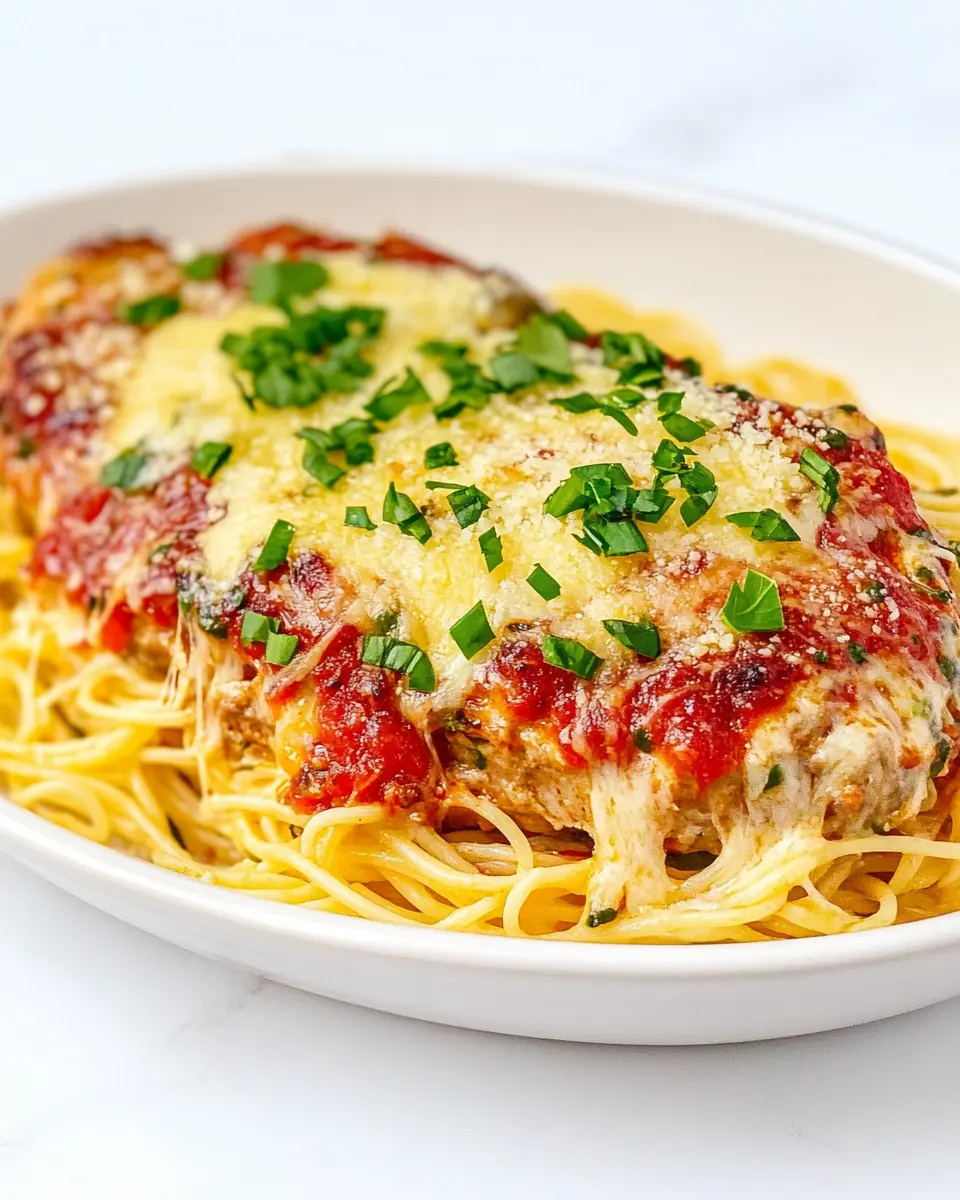
This dish rewards attention to small details, so a few simple tweaks will lift the final plate. Below are practical tips I use every time I make Veal Parmesan, from managing temperature to achieving the crispiest crust. Read them and pick the ones that match your rhythm in the kitchen.
- Maintain oil at medium heat, this ensures the breadcrumbs turn a deep golden color without burning, and keeps the interior tender.
- Press breadcrumbs firmly, which helps them adhere and prevents gaps that can burn or flake off during frying.
- Shake off excess flour after dredging to avoid a pasty coating that will become gummy when fried.
- Use a shallow baking dish so the cutlets sit in a single layer, allowing even melting and browning of the cheeses.
- Measure cheese for balance, too much can overwhelm the sauce and make the dish overly salty, while too little loses the creamy pull.
- Let baked cutlets rest briefly, a short rest for two to three minutes stabilizes the juices and makes slicing easier.
Serving Ideas for Veal Parmesan
Veal Parmesan pairs well with a range of sides and occasions, and how you plate it can change the entire meal vibe. Below are serving ideas that cover casual weeknights and festive gatherings, plus storage and seasonality considerations to keep in mind.
- Classic pasta pairing, serve the cutlets over a bed of spaghetti or penne tossed lightly with extra marinara sauce, which turns the dish into a full, satisfying dinner.
- Fresh green salad, a crisp salad with vinaigrette provides acidity and crunch that cuts through the richness of the cheeses, making it a refreshing side for lunch or dinner.
- Crusty bread or garlic loaf, perfect for mopping up sauce, and ideal when serving the recipe for a casual family supper or weekend meal.
- Occasion ideas, serve for a celebratory dinner when you want something impressive but not fussy; it works well for weekend gatherings and special dates.
- Storage tips, refrigerate leftovers in an airtight container for up to two days and reheat in a moderate oven to preserve crispness rather than microwaving which makes the crust soggy.
- Seasonal pairings, in cooler months pair with roasted seasonal vegetables, while lighter salads or steamed greens suit warmer weather meals.
FAQ
Conclusion
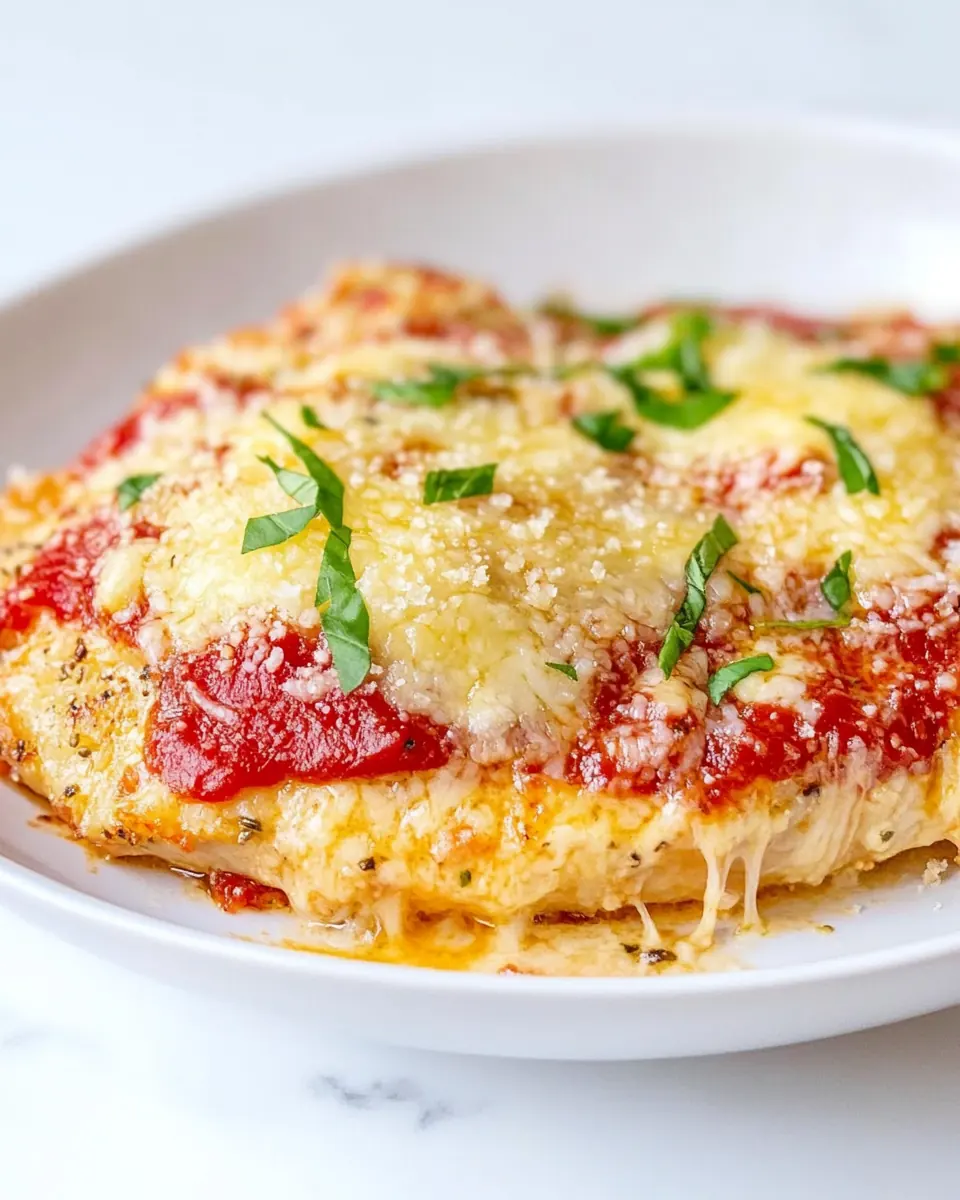
Veal Parmesan stands out for its satisfying contrast between a crisp, golden crust and a tender, juicy interior topped with bubbling cheeses and bright marinara sauce. It’s a dish that feels both comforting and celebratory, making it perfect for weeknight dinners or when you want to impress company without too much fuss. Try it soon and enjoy the rewarding process of transforming simple ingredients into a memorable meal. Serve it hot, savor the textures, and let the familiar flavors bring people together around the table.
Veal Parmesan
Ingredients
Equipment
Method
- Preheat the oven to 375°F. Season the veal cutlets with salt and pepper. Place flour, beaten eggs, and breadcrumbs in separate shallow dishes. Dredge each veal cutlet in flour, dip in beaten eggs, and coat with breadcrumbs.: The warm, aromatic hint of the oven as it reaches temperature prepares the kitchen for the final bake, and setting it early ensures the cheese will bubble and brown immediately when the assembled cutlets go in. You should notice a steady, even glow and a slight warmth in the oven cavity, which signals readiness. This step matters because the brief bake time relies on a preheated environment to melt cheese without overdrying the veal . A common mistake is putting the dish into a cold oven, which results in longer baking times and a drier result.
- Heat olive oil in a skillet over medium heat, and fry the breaded veal cutlets until golden brown on both sides, about 3 minutes per side.: The aroma of freshly cracked black pepper and the subtle briny note of salt awaken the natural flavor of the veal . Seasoning both sides allows the flavors to be present in every bite and creates a baseline that the sauce and cheeses build upon. This matters because under seasoned meat will taste flat beneath the rich toppings. Avoid over seasoning early if your cheese is very salty, which can make the final dish too salty.
- Place the fried cutlets in a baking dish, top each with marinara sauce, mozzarella, and Parmesan cheese.: Setting up a clean station with each component visible helps you work quickly and keep your breadcrumbs dry and crisp. The visual setup also makes the breading sequence predictable, which improves consistency. This organization is important because damp or clumpy breadcrumbs will not adhere properly. One common slip is crowding the stations, which leads to messy breading and uneven coating.
- Bake in the preheated oven for 20 minutes, or until the cheese is bubbly and golden. Serve hot.: As your hand drags the cutlet through the flour you will feel the light powder cling, which primes the surface for the eggs . The flour helps absorb surface moisture and creates a thin barrier that allows the egg to stick evenly. This step is critical for achieving a stable coating, because skipping flour often results in the crumbs sliding off during frying. Be sure to shake off excess flour to prevent a pasty layer.
- Dip in beaten eggs: The glossy sheen as the cutlet hits the beaten eggs shows the coating is ready to accept the breadcrumbs, and the egg creates a cohesive layer for the final crust. This stage contributes moisture and binding power, and it helps the crumbs brown to an even color. If the egg is not well beaten it can produce streaks and cause uneven browning, so whisk thoroughly before dipping.
- Coat with breadcrumbs: Pressing the cutlet into the Italian breadcrumbs creates that satisfying textured surface that will crisp in the pan. You should feel the crumbs adhere uniformly, and the surface will look matte and fully covered. Good contact here ensures a crunchy bite and helps the crust stay intact during frying. The most common error is not pressing enough, which can leave bare spots that burn or fall off.
- Heat olive oil in a skillet over medium heat: As the oil warms you will see it shimmer slightly, and the faint scent of olive will rise. Medium heat gives the crust time to develop color while keeping the interior tender. This temperature balance matters because oil that is too cool yields greasy crusts, while oil that is too hot chars the breadcrumbs before the meat cooks. Test by dropping a few crumbs into the oil to see if they sizzle gently.
- Fry the breaded veal cutlets until golden brown on both sides, about 3 minutes per side: You will hear a steady sizzle as the crust forms, and the cutlets should develop an even, golden brown color. The sound and visual cue tell you the Maillard reaction is occurring, which gives the crust complex flavor. Keeping the pan at medium prevents burning while ensuring the veal cooks through quickly. Avoid flipping too frequently, which can break the crust and cause the coating to absorb oil.
- Place the fried cutlets in a baking dish: Lifting each golden piece into a dish you will see steam rise and the surface retain its crispness for a short time. The baking dish gathers the cutlets for the finishing bake and contains any sauce or cheese overflow. Choosing a single layer is important so heat reaches each cutlet evenly; stacking them will trap steam and soften the crust.
- Top each with marinara sauce, mozzarella, and Parmesan cheese: Spoon the marinara sauce so each piece has an even layer, then scatter the shredded mozzarella and grate the Parmesan cheese over the top until you see a cohesive blanket of toppings. The sauce should glisten and the cheese should look moist and ready to melt. This layering matters because it ensures balanced flavor and prevents dry spots. Be careful not to overload the cutlets, as too much topping can make the crust soggy.
- Bake in the preheated oven for 20 minutes, or until the cheese is bubbly and golden: As the dish bakes you will hear a faint bubbling and see the cheese transform into a glossy, golden topping with browned edges. The oven's dry heat finishes melting and browning without overcooking the veal . Visual cues like bubbling around the edges and a lightly browned top are the best indicators of doneness. A frequent mistake is leaving it too long, which can dry the meat and toughen the texture.
- Serve hot: Bringing the dish to the table while the cheese is still stringy and the crust warm maximizes enjoyment, and the aroma will draw everyone in. Let it rest briefly if needed, but serve while still warm so the contrast of textures is at its best. Cooling too long will cause the crust to soften and the cheese to set, losing that appealing molten quality.
Notes
- Maintain oil at medium heat, this ensures the breadcrumbs turn a deep golden color without burning, and keeps the interior tender.
- Press breadcrumbs firmly, which helps them adhere and prevents gaps that can burn or flake off during frying.
- Shake off excess flour after dredging to avoid a pasty coating that will become gummy when fried.
- Use a shallow baking dish so the cutlets sit in a single layer, allowing even melting and browning of the cheeses.
- Measure cheese for balance, too much can overwhelm the sauce and make the dish overly salty, while too little loses the creamy pull.
- Let baked cutlets rest briefly, a short rest for two to three minutes stabilizes the juices and makes slicing easier.