Springtime Veggie Skillet Lasagna
Springtime Veggie Skillet Lasagna is one of those recipes I reach for when the market is full of tender asparagus and bright spinach, and I want something comforting without turning on every oven in the house. The first time I made this dish I remember piling broken whole wheat lasagna noodles into a sizzling skillet of mushrooms and onions, the air filling with an earthy aroma that made everyone in the kitchen stop and ask what was for dinner. It felt like a celebration of spring vegetables, but served in a cozy, unfussy way we could eat straight from the pan.
I love how this Springtime Veggie Skillet Lasagna blends textures, with soft ricotta pockets and little bites of tender asparagus, while the whole wheat noodles give a pleasing chew. Over the years I’ve learned to trust quick techniques so the vegetables keep their snap and color, and the sauce stays silky rather than stodgy. When guests come by unexpectedly, this recipe lets me be generous without stressing about assembly lines or elaborate layering. It also gives me room to tell a few stories while the skillet does most of the work, which is my favorite kind of dinner night.
Recipe Snapshot
45 mins
15 mins
30 mins
Medium
350 kcal
Italian
Gluten-Free, Vegan
Dinner
Large oven safe skillet, Large pot for boiling pasta, Small saucepan, Whisk
Why You Need This Springtime Veggie Skillet Lasagna
1. Seasonal brightness in every forkful
I adore how Springtime Veggie Skillet Lasagna celebrates fresh spring produce. The asparagus and spinach keep the dish feeling light, while the mushrooms and onion add grounding depth. I find the contrast between tender greens and the browned edges of lasagna noodles irresistible.
2. One pan, big payoff
Because everything finishes in a single oven safe skillet, cleanup is minimal and the flavors meld beautifully. I love that the noodles pick up savory notes from the sautéed vegetables, creating a unified dish with very little fuss. For busy weeknights, this streamlined method wins every time.
3. Comfort without heaviness
The béchamel style sauce made with lowfat milk and a touch of butter keeps things creamy without feeling dense. Stirring in parmesan cheese and a pinch of nutmeg adds warmth and complexity, making the dish feel indulgent while staying balanced.
4. Flexible and family friendly
I can make subtle swaps for dietary needs and still get great results, and my family always appreciates the familiar lasagna flavors reimagined in a skillet. It reheats well, so lunch the next day tastes nearly as good as dinner, which makes it an efficient option for meal planning.
5. Visually inviting and satisfying
The golden, bubbly top with ribbons of melted mozzarella cheese and spoonfuls of creamy ricotta makes the dish look like a treat. Serving it straight from the skillet keeps things rustic and welcoming, which is how I prefer to eat with friends and family.
Ingredients to Make Springtime Veggie Skillet Lasagna
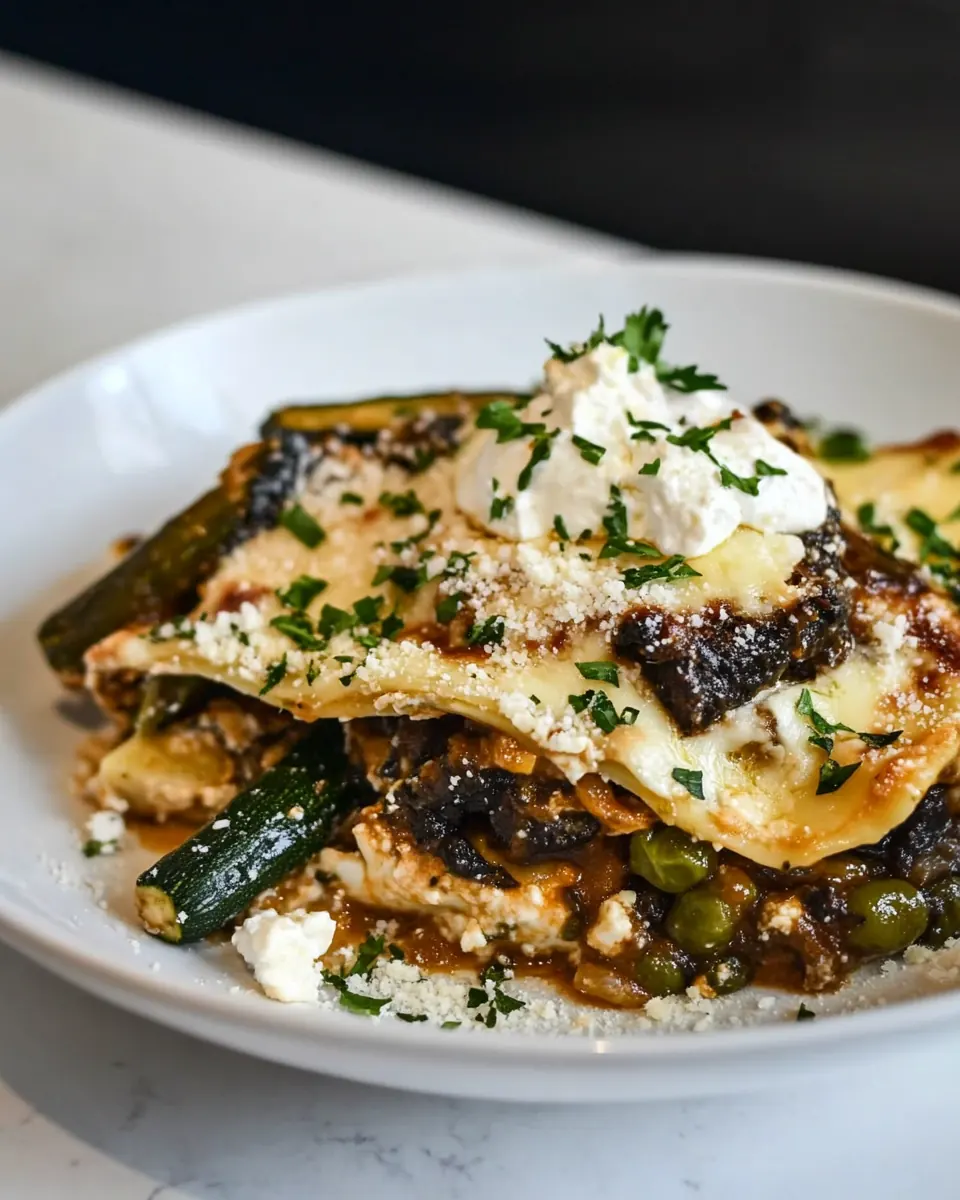
These ingredients were chosen to create a balance of texture and flavor, letting spring produce shine while maintaining a comforting, lasagna like creaminess. The whole wheat lasagna noodles add structure, while the mix of sautéed mushrooms, sweet onion, and garlic form the savory base. Asparagus and spinach provide bright, fresh notes, and the cheeses plus a simple roux based milk sauce bring richness. Each component plays a clear role, so the final skillet feels cohesive, light, and deeply satisfying.
- 6 whole wheat lasagna noodles, broken into thirds: Provide structure and texture when broken into thirds and cooked, forming the base layers of the skillet lasagna; soak or briefly boil to soften before layering and help absorb sauces and flavors.
- 2 tablespoons olive oil: Add richness and facilitate sautéing aromatics; heat to coat vegetables, prevent sticking, and provide a subtle fruity background that supports the dish’s savory components.
- 1 sweet onion, diced: Offer a sweet, aromatic foundation when diced and softened; caramelize gently to build depth and balance the earthiness of mushrooms and bitterness of greens.
- 12 ounces cremini mushrooms: Contribute a meaty, earthy umami and chew when sliced or left whole; release moisture and brown to intensify flavor while complementing other vegetables in the skillet.
- 4 garlic cloves, minced: Deliver pungent, savory brightness when minced and added to hot oil; infuse the dish with aromatic depth and enhance overall savory flavors.
- 6 ounces fresh spinach: Provide tender leafy body and mild, slightly sweet greens flavor; wilt quickly into the skillet to add color, nutrients, and a fresh balance to richer cheeses and sauces.
- 1 bunch of asparagus spears, 12-15, ends removed and cut into thirds: Introduce crisp, slightly sweet vegetal notes and a pleasant snap when cut into thirds; cook briefly to maintain bite and seasonal freshness while adding visual interest.
- 1/4 teaspoons salt: Season and enhance all flavors with a controlled saline touch; sprinkle and adjust during cooking to bring out natural tastes without overwhelming the vegetables or cheese.
- 1/4 teaspoon pepper: Give mild heat and aromatic depth when ground and added sparingly; balance savory and sweet notes while brightening the overall flavor profile.
- 1/8 teaspoon nutmeg: Add warm, nutty background complexity in small amounts; incorporate into the sauce or cheese mixture to subtly elevate creaminess and aromatic character.
- 1 tablespoon butter: Contribute buttery flavor and help create a roux when melted; combine with flour to thicken the milk into a creamy sauce that binds layers together.
- 1 tablespoon flour: Act as the thickening agent when stirred into melted butter; cook briefly to form a roux that will stabilize and thicken the milk into a smooth béchamel.
- 1 1/2 cups lowfat milk: Create a creamy, milky base for the sauce and meld flavors; heat gently with the roux to form a smooth béchamel that coats noodles and vegetables.
- 3 tablespoons parmesan cheese: Impart salty, savory umami and a slightly granular texture; stir into the sauce to enhance richness and give a subtle nutty finish to the béchamel.
- 1/2 cup ricotta: Provide creamy, slightly tangy pockets within the layers; dollop between noodle sections to add moistness, mild acidity, and soft texture contrast.
- 4 ounces mozzarella cheese, freshly grated: Melt into gooey, stretchy topping when grated and warmed; sprinkle over the final skillet to achieve a golden, bubbly finish that binds the lasagna components.
Instructions for Springtime Veggie Skillet Lasagna
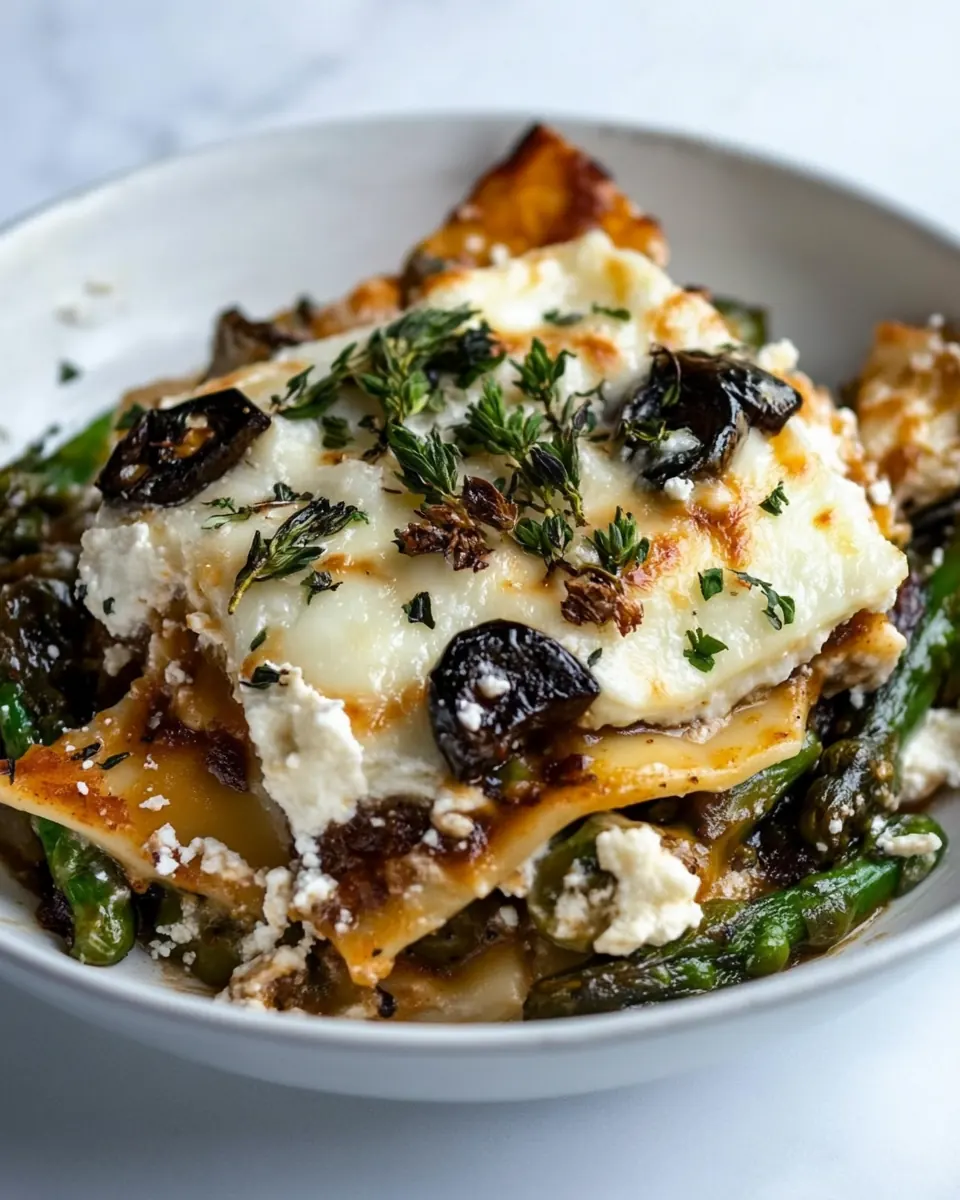
These steps guide you through an easy skillet method that results in layers of tender vegetables, creamy sauce, and melted cheese. Read through the sequence before you start so you can have your tools ready, and keep an eye on the skillet as the assembly comes together because timing influences texture and color.
- Preheat oven to 425 degrees F. Prepare water for pasta and bring to a boil. Once boiling, add pasta and cooking according to directions, shaving a few minutes off the time.: You will smell the mineral bite of boiling water as steam rises, and the pan will tremble with tiny rolling bubbles, which tells you it is hot enough for the lasagna noodles . Cooking the noodles slightly less than package directions helps them finish softening in the skillet without turning mushy, preserving a bit of toothsome texture. A common mistake is overcooking the pasta at this stage, which leads to limp strands that disintegrate when tossed; watch the color and test a piece for firm center, not floppy. Keep a large pot so noodles have room, and salt the water lightly to season the noodles from within.
- Heat a large oven-safe skillet over medium heat and add olive oil. Add in onions and mushrooms, tossing to coat, then cover and cook for 10 minutes until softened. Add in garlic and spinach, stirring well and cook until the spinach wilts and cooks down. Add in asparagus, tossing well. Season with salt and pepper.: As the olive oil warms you will notice a slight shimmer on the pan, then the chopped onion releases a sweet, savory perfume as it softens and becomes translucent; the mushrooms will sweat, darken, and give off an earthy, savory scent that deepens the skillet. Covering briefly helps the vegetables release moisture and tenderize evenly, creating gentle steaming that melds flavors. When you stir in minced garlic , the aroma will pop and feel immediate, but be careful not to let it brown too rapidly or it will taste bitter. The spinach wilting is fast, turning vivid green and collapsing into silky ribbons, while the asparagus should be vibrant and still slightly crisp. Overcooking here flattens flavors and ruins texture, so taste as you go for the ideal tender yet lively bite.
- Heat a small saucepan over medium heat and add butter. Once sizzling, whisk in flour to create a roux and cook until golden brown and nutty, about 1-2 minutes. Add in milk and whisk continuously until the mixture is thickened, about 5 minutes. Stir in parmesan cheese. Season with a pinch of nutmeg, salt and pepper. Once the cheese is melted and the sauce is slightly thickened, pour over the vegetables in the skillet and turn off the heat. Add in the cooked lasagna noodles and gently toss to distribute. Cover with scoops of ricotta and the grated cheese.: The moment the butter begins to sizzle and foam, you will whisk in the flour , creating a smooth paste that smells toasty when properly cooked; this step removes raw flour taste and builds foundation for a silky sauce. Adding the milk gradually while whisking prevents lumps and produces a glossy, thickening béchamel; it will steam slightly and the whisk will leave trails when the sauce has body. Stirring in grated parmesan cheese adds a savory tang and slightly grainy texture that melts into silkiness. A pinch of nutmeg adds subtle warmth. Pouring the sauce over the vegetables should create visible pockets of cream coating the greens and mushrooms. When you fold in the cooked lasagna noodles , keep movements gentle so they do not break apart, and place dollops of ricotta and a layer of grated mozzarella cheese on top for creamy contrast. If the sauce seems too thin, simmer it a touch longer before pouring; if too thick, a splash of milk smooths it. Avoid heavy stirring which can turn the noodles into fragments.
- Bake for 15-20 minutes, or until cheese is golden and bubbly. Remove and serve with extra parmesan!: Sliding the skillet into a hot oven will transform the cheese, producing bubbling edges and a warm, toasty aroma that signals readiness; watch for a golden flecking on the top which indicates caramelization of the cheeses. The sounds are subtle, a gentle simmer and occasional crackle as moisture escapes and cheese stretches when a spoon enters, giving a satisfying, comforting quality to the experience. Letting the dish rest for a few minutes after baking allows the sauce to set slightly and makes serving neater. A common mistake is under baking which leaves the center runny, or over baking which dries the surface; check for golden bubbles and give it a gentle jiggle to ensure creaminess. Serve hot from the skillet and sprinkle extra parmesan cheese for brightness.
Helpful Notes about Springtime Veggie Skillet Lasagna
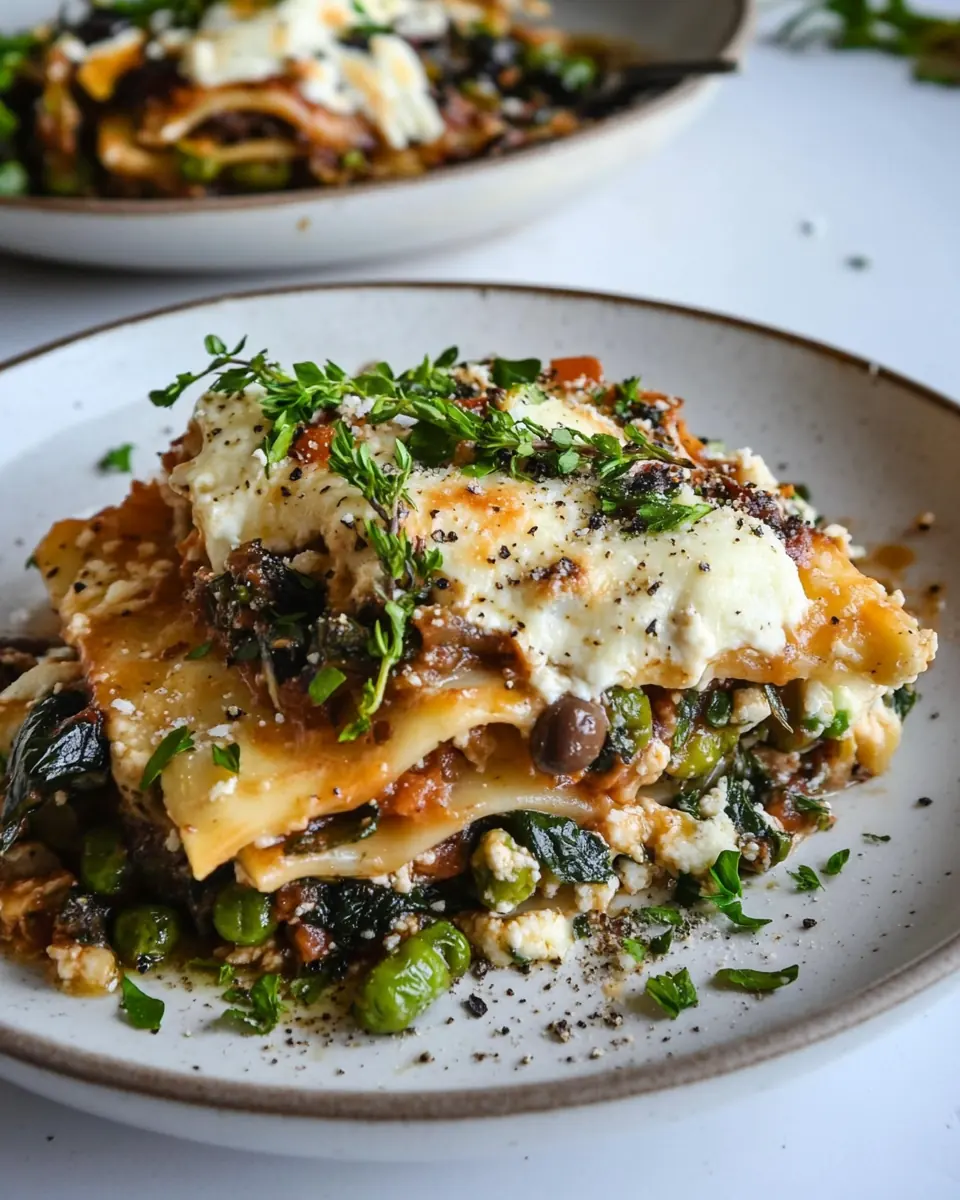
This recipe scales well and rewards small attentions to texture. Below are focused tips to help you get the best possible skillet lasagna every time, from seasoning to timing and reheating notes.
- Pick firm asparagus: Choose spears that are straight and not woody at the tips, so they remain tender after a quick sauté and brief oven time.
- Break noodles for ease: Breaking the whole wheat lasagna noodles into thirds helps them nestle into the skillet and absorb sauce evenly without extra layering work.
- Mind your cheese melt: Freshly grate the mozzarella cheese and parmesan cheese for smoother melting and better browning on top.
- Whisk continuously: When you add the milk to the roux, constant whisking prevents lumps and yields a velvety sauce that clings nicely to vegetables and noodles.
- Moderate oven time: Bake until the top is golden and bubbling, usually 15 to 20 minutes, to achieve a creamy interior and a slightly crisp top without drying out.
Serving Suggestions
This dish is versatile for casual family dinners or small gatherings. Serve it straight from the skillet for a rustic presentation, pairing it with light sides that complement the fresh vegetables without overpowering them. It works well for springtime meals and special occasions when you want something seasonal yet unfussy.
- Serve warm from the skillet: Let guests scoop portions directly, which keeps the presentation homey and inviting.
- Pair with a simple salad: A crisp green salad dressed lightly balances the creamy elements in the skillet.
- Great for lunch or dinner: The recipe is flexible enough for a leisurely lunch or a cozy dinner, depending on how you time the meal.
- Make ahead and reheat: Store leftovers covered in the refrigerator and reheat in a moderate oven until warmed through, which helps keep the texture intact.
- Occasion friendly: This skillet lasagna suits spring gatherings and holiday meals like Easter, where seasonal vegetables feel appropriate and festive.
- Portion tips: With a yield of 4 servings, it is ideal for small households or a couple plus leftovers for lunches the next day.
FAQ
Conclusion
Springtime Veggie Skillet Lasagna stands out for its ability to marry seasonal veggies with the comforting essence of lasagna, all in one pan. I encourage you to give this recipe a try because it offers a relaxed, flavorful way to serve a familiar favorite with fresher, lighter notes. It is forgiving, satisfying, and a wonderful way to highlight spring produce while keeping cleanup simple. Invite friends or family over, and let the skillet do the talking while you enjoy the easy, heartfelt meal together.
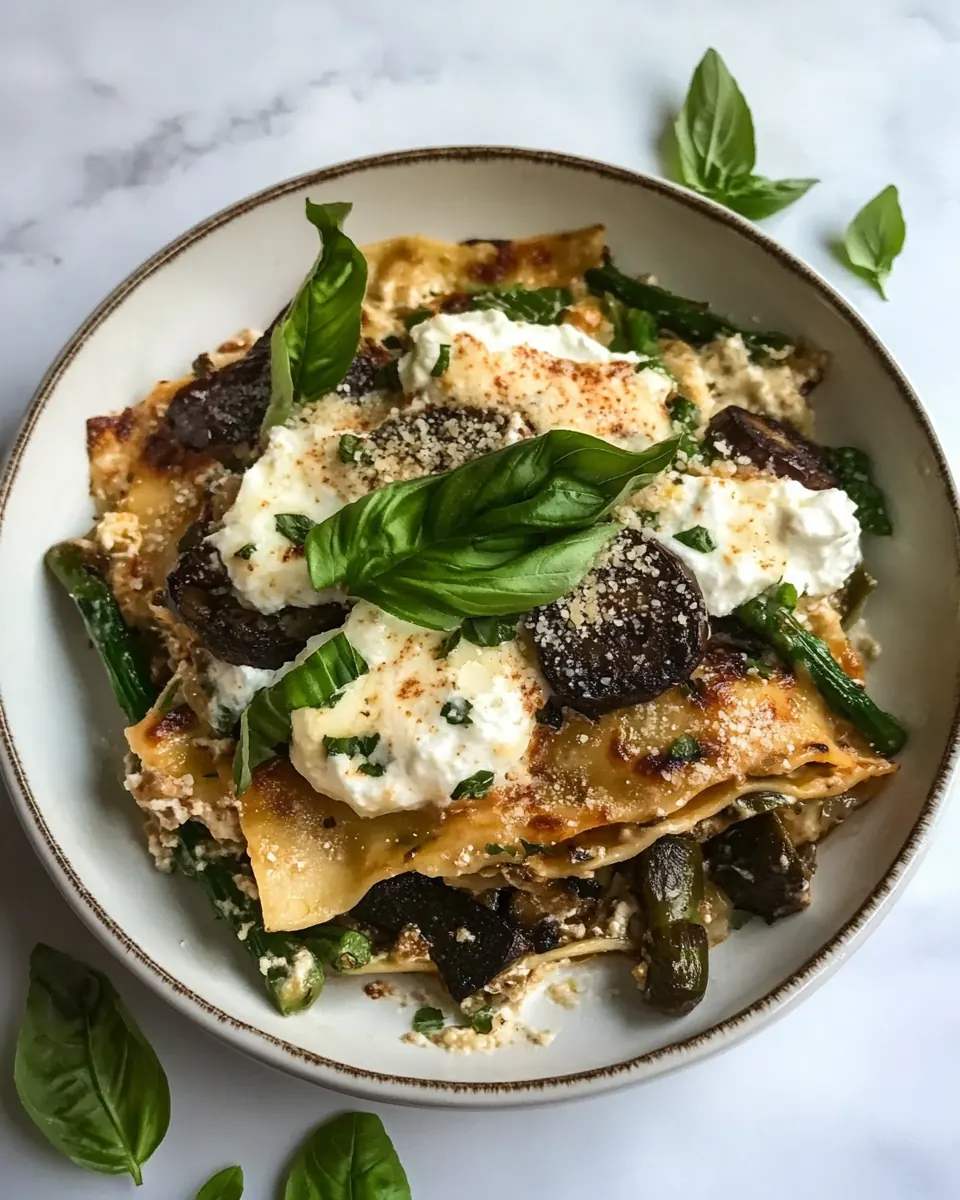
Springtime Veggie Skillet Lasagna
Ingredients
Equipment
Method
- Preheat oven to 425 degrees F. Prepare water for pasta and bring to a boil. Once boiling, add pasta and cooking according to directions, shaving a few minutes off the time.: You will smell the mineral bite of boiling water as steam rises, and the pan will tremble with tiny rolling bubbles, which tells you it is hot enough for the lasagna noodles . Cooking the noodles slightly less than package directions helps them finish softening in the skillet without turning mushy, preserving a bit of toothsome texture. A common mistake is overcooking the pasta at this stage, which leads to limp strands that disintegrate when tossed; watch the color and test a piece for firm center, not floppy. Keep a large pot so noodles have room, and salt the water lightly to season the noodles from within.
- Heat a large oven-safe skillet over medium heat and add olive oil. Add in onions and mushrooms, tossing to coat, then cover and cook for 10 minutes until softened. Add in garlic and spinach, stirring well and cook until the spinach wilts and cooks down. Add in asparagus, tossing well. Season with salt and pepper.: As the olive oil warms you will notice a slight shimmer on the pan, then the chopped onion releases a sweet, savory perfume as it softens and becomes translucent; the mushrooms will sweat, darken, and give off an earthy, savory scent that deepens the skillet. Covering briefly helps the vegetables release moisture and tenderize evenly, creating gentle steaming that melds flavors. When you stir in minced garlic , the aroma will pop and feel immediate, but be careful not to let it brown too rapidly or it will taste bitter. The spinach wilting is fast, turning vivid green and collapsing into silky ribbons, while the asparagus should be vibrant and still slightly crisp. Overcooking here flattens flavors and ruins texture, so taste as you go for the ideal tender yet lively bite.
- Heat a small saucepan over medium heat and add butter. Once sizzling, whisk in flour to create a roux and cook until golden brown and nutty, about 1-2 minutes. Add in milk and whisk continuously until the mixture is thickened, about 5 minutes. Stir in parmesan cheese. Season with a pinch of nutmeg, salt and pepper. Once the cheese is melted and the sauce is slightly thickened, pour over the vegetables in the skillet and turn off the heat. Add in the cooked lasagna noodles and gently toss to distribute. Cover with scoops of ricotta and the grated cheese.: The moment the butter begins to sizzle and foam, you will whisk in the flour , creating a smooth paste that smells toasty when properly cooked; this step removes raw flour taste and builds foundation for a silky sauce. Adding the milk gradually while whisking prevents lumps and produces a glossy, thickening béchamel; it will steam slightly and the whisk will leave trails when the sauce has body. Stirring in grated parmesan cheese adds a savory tang and slightly grainy texture that melts into silkiness. A pinch of nutmeg adds subtle warmth. Pouring the sauce over the vegetables should create visible pockets of cream coating the greens and mushrooms. When you fold in the cooked lasagna noodles , keep movements gentle so they do not break apart, and place dollops of ricotta and a layer of grated mozzarella cheese on top for creamy contrast. If the sauce seems too thin, simmer it a touch longer before pouring; if too thick, a splash of milk smooths it. Avoid heavy stirring which can turn the noodles into fragments.
- Bake for 15-20 minutes, or until cheese is golden and bubbly. Remove and serve with extra parmesan!: Sliding the skillet into a hot oven will transform the cheese, producing bubbling edges and a warm, toasty aroma that signals readiness; watch for a golden flecking on the top which indicates caramelization of the cheeses. The sounds are subtle, a gentle simmer and occasional crackle as moisture escapes and cheese stretches when a spoon enters, giving a satisfying, comforting quality to the experience. Letting the dish rest for a few minutes after baking allows the sauce to set slightly and makes serving neater. A common mistake is under baking which leaves the center runny, or over baking which dries the surface; check for golden bubbles and give it a gentle jiggle to ensure creaminess. Serve hot from the skillet and sprinkle extra parmesan cheese for brightness.
Notes
- Pick firm asparagus: Choose spears that are straight and not woody at the tips, so they remain tender after a quick sauté and brief oven time.
- Break noodles for ease: Breaking the whole wheat lasagna noodles into thirds helps them nestle into the skillet and absorb sauce evenly without extra layering work.
- Mind your cheese melt: Freshly grate the mozzarella cheese and parmesan cheese for smoother melting and better browning on top.
- Whisk continuously: When you add the milk to the roux, constant whisking prevents lumps and yields a velvety sauce that clings nicely to vegetables and noodles.
- Moderate oven time: Bake until the top is golden and bubbling, usually 15 to 20 minutes, to achieve a creamy interior and a slightly crisp top without drying out.