One Pot Chili Cheese Pasta
One Pot Chili Cheese Pasta has been my go to for colder evenings when I need something cozy, filling, and a little bit bold. The first time I made it, I was running late after work and had a pantry that looked like it had survived a weekend road trip, but the combination of spices, tomatoes, and melty cheese came together in a way that felt like a warm hug. I remember stirring the pot and thinking how lucky I was that a single pan could deliver this much comfort without creating a mountain of dishes.
I often make this when friends drop by unexpectedly, because it scales easily and stays wonderfully creamy on a low burner. Once, during a snowy evening, I swapped the stock for water out of necessity and still ended up with a dish so satisfying that everyone asked for seconds. I love how the savory notes of the chili powder and smoked paprika mingle with the tang of the canned tomatoes, and that bright pop from the green chiles keeps every bite interesting.
Recipe Snapshot
35 mins
10 mins
25 mins
Easy
550 kcal
American
Gluten-Free, Keto
Dinner
Large pot, Wooden spoon
What We Adore About This One Pot Chili Cheese Pasta
A one pot lifesaver for busy nights
I absolutely adore how straightforward this recipe is, because it saves time and cleanup without sacrificing flavor. When I need dinner on the table fast, I reach for this dish. The technique of cooking everything in one pot lets flavors meld as the pasta soaks up the seasoned broth, creating a unified, rich profile that separate components rarely achieve. It’s the kind of recipe I trust on weeknights or when I want to impress guests without stress.
Bold, balanced flavors that please a crowd
There is a rhythm to the spices and aromatics here, and I love how the chili powder, smoked paprika, and cumin layer with the savory depth of browned ground beef. The fire roasted tomatoes and green chiles bring brightness and a subtle smoky note, while the grated white cheddar cheese finishes the dish with creaminess. It’s satisfying, but not one dimensional, so it works for family dinners or casual gatherings.
Flexible and forgiving
I often tweak the liquid a little depending on the pasta shape and brand, and this recipe is forgiving if you need to extend simmering time or add a splash more stock. I appreciate recipes that let me adapt on the fly, especially when cooking for different appetites. That adaptability is part of why I keep this on rotation in the colder months. It’s forgiving, so you won’t panic if the clock runs a bit long.
Comfort with a kick
The final spoonful delivers creamy, cheesy texture with a gentle heat that doesn’t overpower. I like that it’s comforting enough for kids yet layered enough for adults who want complexity. The sliced green onions on top add a fresh snap that keeps the mouthfeel lively. For me, that balance between cozy and zesty is the recipe’s charm.
Minimalist ingredient list, maximum impact
What really stands out is how a short list of everyday pantry items creates something memorable. A little tomato paste here, garlic and onion there, and a handful of spices transform simple ingredients into a full meal. It’s proof that straightforward cooking techniques, like browning and simmering, can do heavy lifting in the flavor department.
What to Buy for One Pot Chili Cheese Pasta
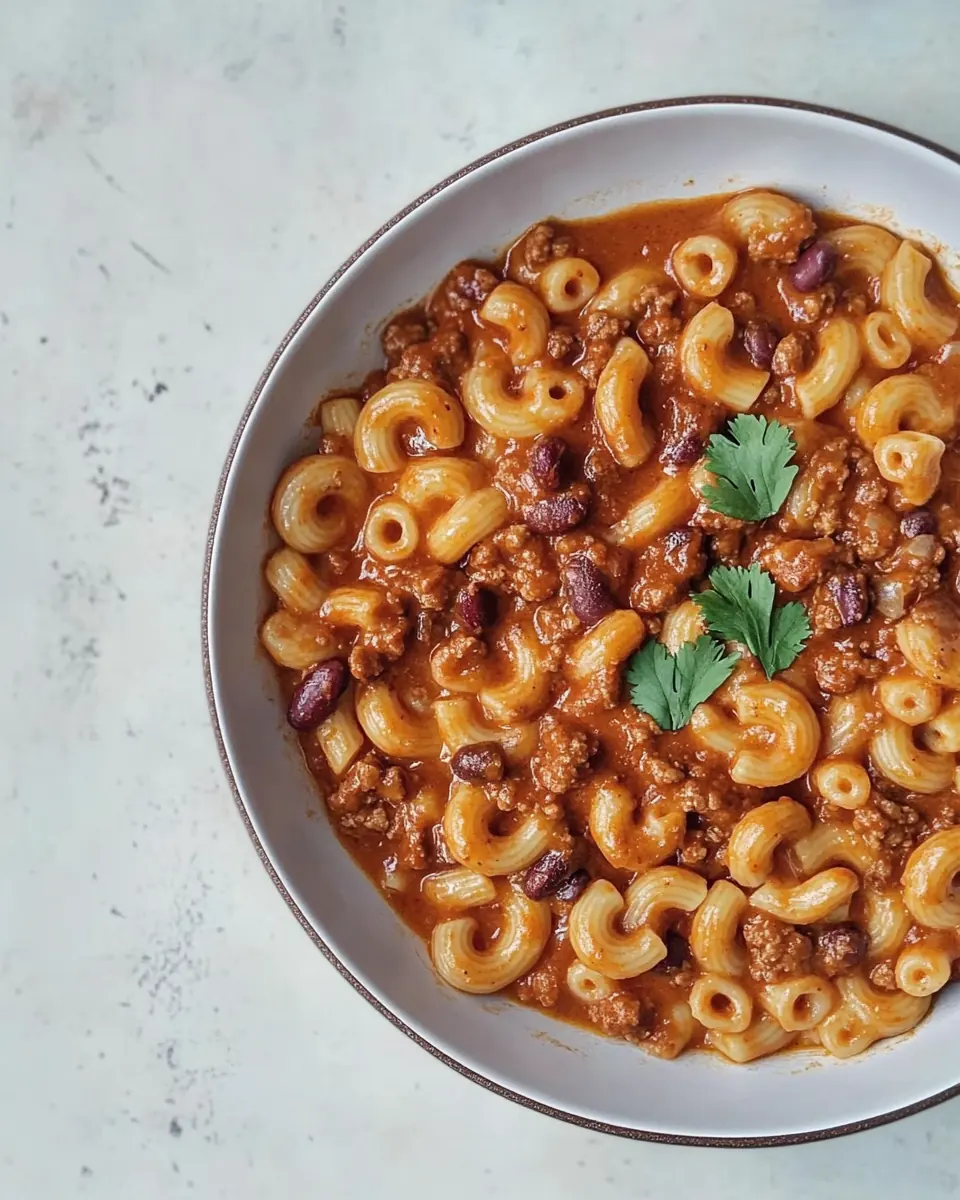
These ingredients work together to deliver maximum comfort with minimal fuss. The foundation is savory ground beef, aromatic onion and garlic, and bright canned tomatoes plus green chiles for a little brightness. The spices build warmth and depth while the pasta absorbs the flavorful liquid and the cheese finishes everything silky and indulgent. Each player has a job: aromatics for fragrance, spices for character, liquids to cook the pasta, and cheese to bind it all.
- 1 tablespoon olive oil: Heat and gently coat the pan while providing a flavorful cooking medium; helps brown the beef and soften aromatics without sticking.
- 1 sweet onion diced: Provide a sweet, aromatic base when diced and sautéed until translucent; contributes body and subtle sweetness to balance tomatoes and spices.
- 2 garlic cloves minced: Add pungent, savory depth when minced and briefly cooked to release oils; elevates overall flavor and pairs well with onion and beef.
- 1/2 teaspoons salt: Season the dish and enhance the other flavors; helps control overall saltiness and balance acidity from tomatoes and chiles.
- 1/4 teaspoon pepper: Add a mild heat control and savory edge; freshly ground or measured pepper brightens flavors without overpowering the dish.
- 1 pound lean ground beef I used 93% lean: Supply hearty protein and a rich, meaty base; browning the lean ground beef builds fond and savory depth for the sauce.
- 2 tablespoons tomato paste: Intensify tomato flavor and deepen the sauce; tomato paste adds concentrated umami and a thickening quality when cooked briefly.
- 1 tablespoon chili powder: Impart warm, earthy spice and classic chili character; chili powder provides the primary seasoning backbone for the pasta.
- 2 teaspoons smoked paprika: Contribute a smoky, slightly sweet warmth; smoked paprika adds complexity and a subtle smoky aroma that complements the beef.
- 1/2 teaspoon ground cumin: Introduce aromatic earthiness and a hint of citrusy warmth; ground cumin rounds out the spice profile and enhances savory notes.
- 14 ounce can fire roasted tomatoes: Deliver bright, roasted tomato flavor and chunky texture; fire roasted tomatoes add richness and a lightly charred sweetness to the sauce.
- 14 ounce can diced green chiles: Bring mild heat and tangy vegetal notes along with a tender texture; diced green chiles add complexity and a Southwestern touch.
- 2 1/2 cups low-sodium beef or chicken stock or water! any liquid, really: Provide the cooking liquid and additional savory depth; using low-sodium stock or water helps cook the pasta while infusing flavor.
- 8 ounces elbow noodles I like whole wheat ones!: Offer starchy bulk and comforting texture; elbow noodles absorb sauce, thicken the mixture, and make the dish hearty and filling.
- 6 ounces white cheddar cheese freshly grated: Add creamy, sharp cheese flavor and melt-in pockets of richness; freshly grated white cheddar creates a smooth, cheesy finish.
- 3 green onions thinly sliced: Contribute fresh, mild oniony brightness when thinly sliced; green onions add color, crunch, and a fresh contrast to the rich pasta.
- sour cream for serving: Provide a cool, tangy finishing contrast when dolloped on top; sour cream mellows heat and adds a silky richness to each serving.
How to Prepare One Pot Chili Cheese Pasta
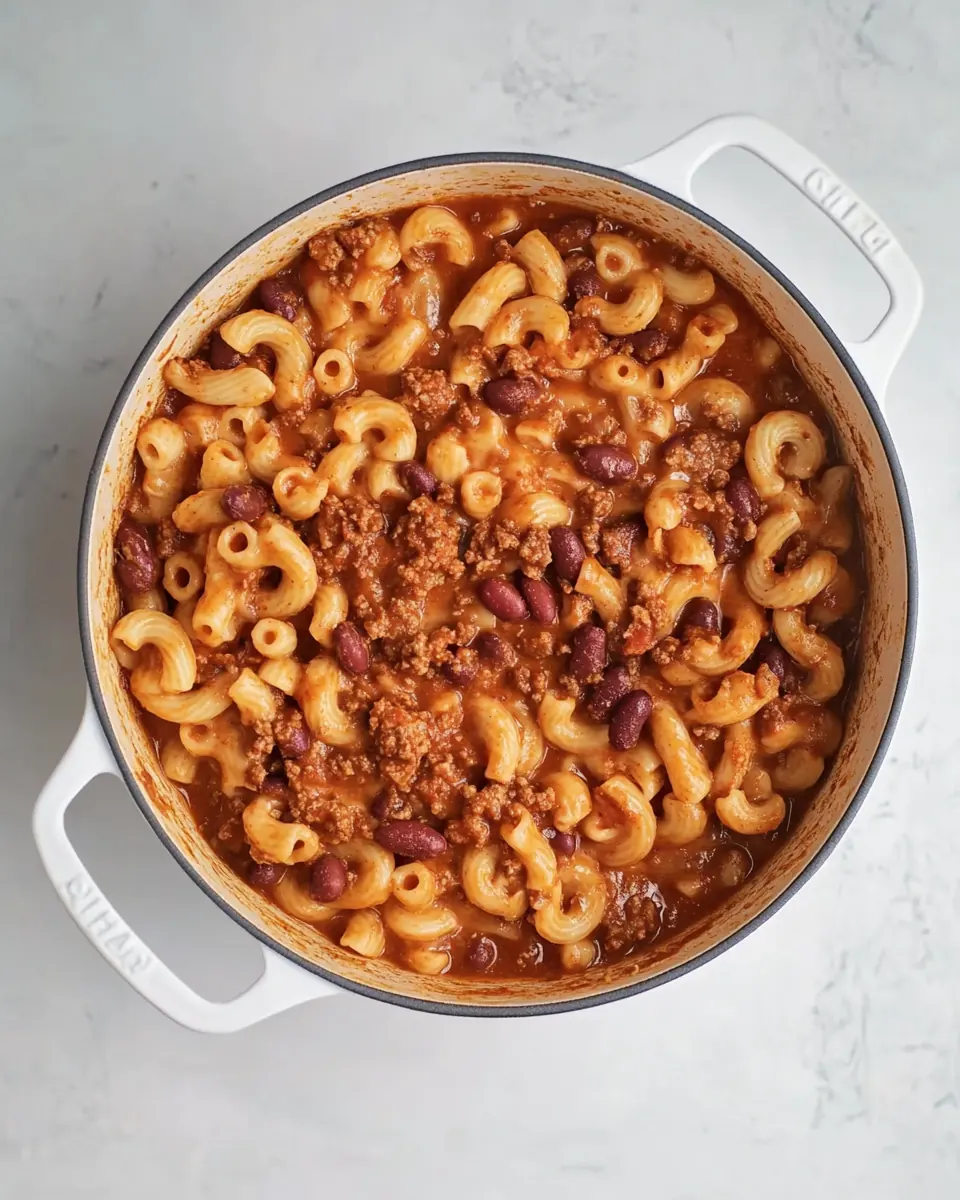
We are going to walk through each step like I would when cooking at home, paying attention to smells, textures, and common pitfalls. This approach keeps the dish reliable and flavorful, and it makes cleanup easy since everything stays in one pot. Keep your spices and cheese close at hand and taste as you go.
- Heat a large pot over medium-low heat and add the olive oil. Stir in the onion, garlic, salt and pepper. Cook until the onions soften, about 5 minutes. Add the ground beef, breaking it apart with a wooden spoon. Cook, stirring often, until the beef is browned, about 6 to 8 minutes. At this time I like to keep breaking the beef apart. I also occasionally increase the heat in order to cook off some of the fat from the beef.: As the pot warms, you should hear a faint ripple of heat across the bottom, and the oil will begin to glisten, showing it is ready to receive aromatics. When you add the onion and garlic , they should sizzle gently, releasing sweet and savory scents that fill the kitchen. This gentle heat helps the onion soften without browning too quickly, which would introduce bitterness. A common mistake is cranking the heat, which can char the garlic within seconds, so keep it controlled and patient. The goal here is translucent, fragrant aromatics, not crispy bits.
- Once the beef is browned, stir in the tomato paste, chili powder, paprika and cumin. Cook for another 5 minutes, stirring often. Pour in the tomatoes, green chiles and stock (or water). Add in the pasta. Bring the mixture to a simmer, then cover the pot and cook for 10 to 15 minutes, stirring occasionally. The pasta should absorb all the liquid and plump up! You don't want the heat too high, because the pasta can stick on the bottom. If it needs a few more minutes, keep the pot covered.: Right after adding them, stir so the onion cooks evenly and the garlic does not stick to the pot. You will notice the onion go from opaque white to a soft, pale gold, and tiny sweet aromas will surface. The salt draws out moisture and enhances sweetness, while the pepper gives a background bite. Avoid leaving the aromatics unattended, because uneven heat can lead to burning in spots, creating an off taste in the whole pot.
- Once the pasta is cooked and the liquid has been absorbed, stir in the cheddar cheese. Taste and season additionally if needed.: During this time, the sound will change from a light sizzle to a lower, softer cook, and the pot will smell increasingly savory and sweet. The onion should become tender and yield to the touch of a spoon. If the pan looks dry, add a splash of stock or water to prevent sticking. Rushing this step by increasing heat often results in browned edges, which alters the intended mellow flavor.
- Serve immediately with sliced green onions and if you're really feeling it, sour cream for serving.: As the ground beef hits the pot, it will hiss and release juices. Use a wooden spoon to break it into small crumbles so it browns evenly. Browning develops deep, meaty flavors through Maillard reactions, which are essential for a rich final dish. Stir frequently to ensure even coloring, and resist the urge to stir constantly, as letting small patches brown briefly builds more complexity. A common pitfall is overcrowding the pot, which causes the meat to steam rather than brown.
- Cook, stirring often, until the beef is browned, about 6 to 8 minutes: You will see the meat transition from pink to a nicely browned exterior, with bits sticking slightly to the pot that will deglaze when you add the next ingredients. The aroma will become robust and savory, signaling depth has developed. If there is excess fat pooling, I sometimes tilt the pot and spoon some out to keep the final sauce from being greasy. Avoid undercooking, as raw centers can be unpleasant.
- At this time I like to keep breaking the beef apart: Continuing to break the ground beef into smaller pieces ensures an even texture that mixes well with the pasta . Smaller crumbles distribute flavor uniformly and create more surface area for browning, which gives you a richer mouthful in every bite. One error is leaving large clumps, which can make the mouthfeel inconsistent and hidefully raw spots if not fully cooked.
- I also occasionally increase the heat in order to cook off some of the fat from the beef: Briefly raising the heat helps excess rendered fat evaporate or separate, which concentrates flavor and prevents a greasy sauce. You should hear a slightly louder sizzle when doing this, and small browned bits will form on the pot surface. Return to medium-low after a minute to prevent burning. Overdoing high heat can scorch the bottom and create bitter notes, so watch closely.
- Once the beef is browned, stir in the tomato paste, chili powder, paprika and cumin: As you add these, the pot will fill with aromatic spice oils, and the tomato paste will darken slightly as it cooks, losing any raw tinny taste. This step deepens the sauce and helps the spices bloom, which unlocks their full aroma and flavor profile. Stir continuously so nothing clings and burns, and cook until the paste darkens a touch, which usually takes a couple of minutes. A common mistake is skipping this step, which leaves the spice flavors flat.
- Cook for another 5 minutes, stirring often: During this interval, the spices infuse into the fat and meat, transforming the aroma into a cohesive, layered scent. You should notice a fragrant, slightly roasted spice smell and the tomato paste integrating with the meat juices. Stirring prevents hotspots and ensures even distribution. If you skip stirring, the paste can settle and burn on the pot bottom, imparting bitterness to the whole dish.
- Pour in the tomatoes, green chiles and stock or water: The moment you add the liquid, the pot will deglaze and those browned bits will dissolve into the base, creating depth and complexity. The fire roasted tomatoes lend a bright, slightly charred acidity, and the green chiles add tang and gentle heat. Use low-sodium stock if available so you can control seasoning. A mistake to avoid is adding boiling liquid to a cold pot, which can shock ingredients and affect texture; room temperature or warm stock integrates more smoothly.
- Add in the pasta: Scatter the pasta into the pot, pressing it gently so it's submerged in the liquid. As the pasta cooks, it will absorb the seasoned broth and swell, thickening the mixture into a cohesive one pot meal. Stir initially to prevent sticking, then let it simmer with occasional stirring. If you stir too frequently during the initial simmer, the pasta may shed starch and become gummy, so find a balance.
- Bring the mixture to a simmer, then cover the pot and cook for 10 to 15 minutes, stirring occasionally: You will see tiny bubbles at a steady pace as the pot simmers, and the aroma will intensify. The pasta should plump and the liquid should reduce until absorbed. Keep the heat moderate so the bottom does not scorch. If the pasta seems underdone and the liquid is absorbed, add a splash more stock and continue cooking with the lid on. A common error is turning the heat too high, which causes the pasta to stick and the bottom to burn.
- The pasta should absorb all the liquid and plump up: Check by tasting a piece; it should be cooked through with a pleasant bite. Visually, the pot will thicken and cling to the spoon, and the surface will look glossy. If it needs a few more minutes, keep it covered to trap steam and encourage even cooking. Overcooking leads to a mushy texture, so monitor closely in the final minutes.
- Once the pasta is cooked and the liquid has been absorbed, stir in the cheddar cheese: As you fold in the grated white cheddar cheese , you will see the sauce go from a brothy texture to luxuriously creamy and cohesive. The heat should be off or very low to prevent the cheese from becoming stringy or oily. Stir until fully melted and integrated, then taste for seasoning. A frequent mistake is adding cold cheese straight from the fridge without giving it time to melt smoothly, which can result in clumps.
- Taste and season additionally if needed: At this stage, the flavors have rounded out, and you can adjust with a little more salt or pepper if it needs brightness. Use small increments, because the cheese and canned items can already contain salt. A helpful tip is to let the dish sit for a minute before final seasoning, because flavors continue to meld off heat. Over seasoning is hard to fix, so proceed cautiously.
- Serve immediately with sliced green onions and if you're really feeling it, sour cream for serving: The final presentation should be steaming, with a glossy surface from the melted cheese and vibrant green from the sliced green onions . The sour cream adds a cooling contrast that complements the spices and cheese. Serve straight from the pot to enjoy the ideal temperature and texture, as it will thicken as it cools. Reheating can dry it out, so add a splash of stock if you need to warm leftovers.
Expert Tips about One Pot Chili Cheese Pasta
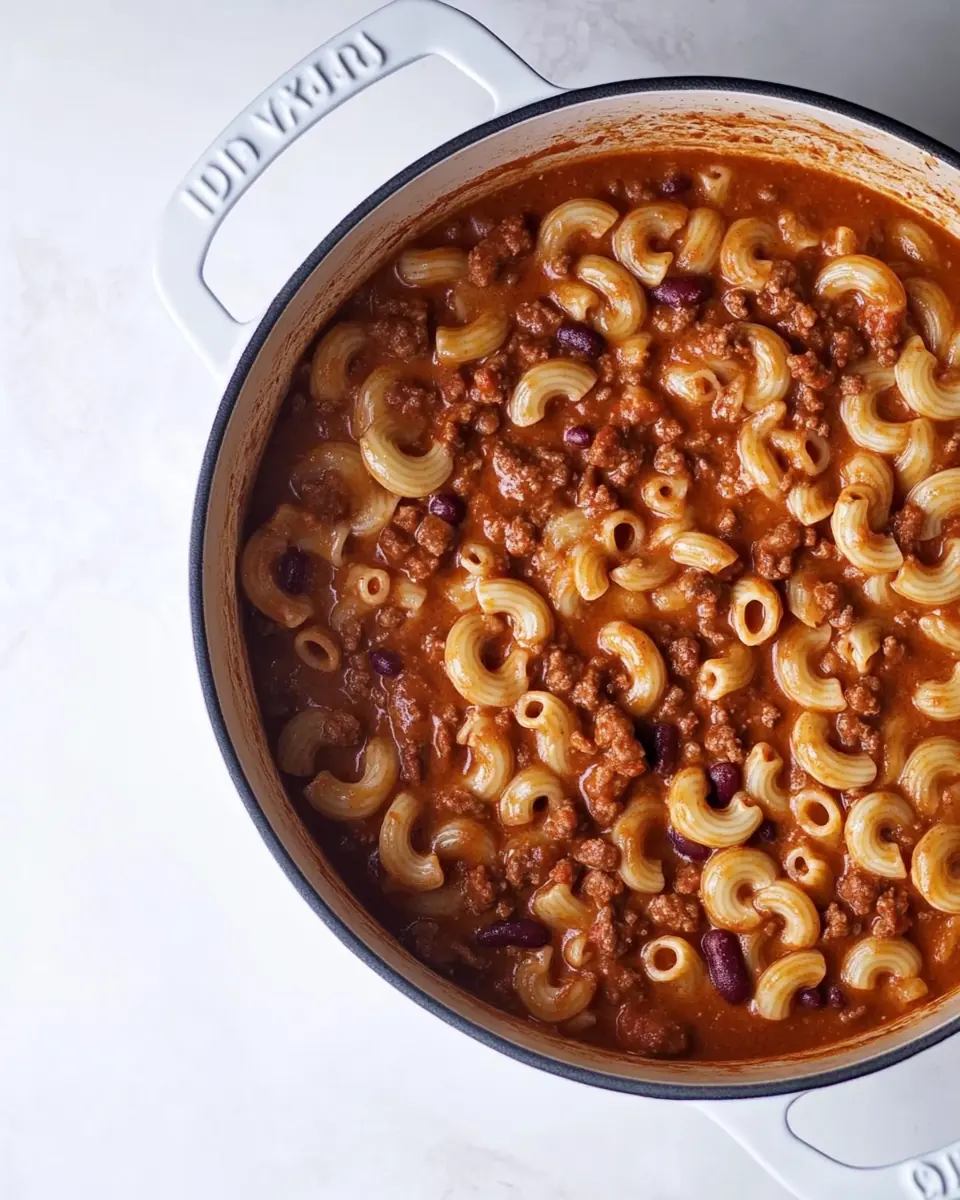
I like to keep a few practical tricks in mind so this dish turns out reliably creamy and flavorful every time. These tips focus on texture, timing, and seasoning so you get consistent results. Read them before you start cooking and keep everything within reach.
- Pick the right pot A heavy bottom pot distributes heat evenly, preventing hotspots that scorch the bottom and ensuring the pasta cooks uniformly.
- Brown with purpose Take the time to brown the ground beef properly, because the browned bits add deep savory flavor when deglazed with the tomatoes and stock.
- Bloom your spices Cooking the chili powder, smoked paprika, and cumin in fat releases their essential oils and significantly improves aroma and depth.
- Control your liquid Use low sodium stock or water to manage overall saltiness, and add small amounts if the pasta needs extra time to finish cooking.
- Freshly grate cheese Freshly grated white cheddar cheese melts smoother and creates a silkier sauce than pre shredded options.
- Garnish last Add sliced green onions and sour cream right before serving to preserve their fresh texture and cooling effect.
Serving Options for One Pot Chili Cheese Pasta
This dish is versatile for casual weeknight dinners, potlucks, and cozy winter evenings. Below are serving ideas, pairings, and storage tips that help you present it well and keep leftovers enjoyable. Use these suggestions to tailor the meal to your occasion and guests.
- Casual family dinner Serve the pasta straight from the pot with a bowl of sliced green onions and a jar of sour cream so everyone can customize their bowls.
- Potluck friendly Keep it warm in a covered casserole dish set on a low heat source, and provide a ladle so guests can dish out portions without making a mess.
- Weeknight sides Pair with a simple green salad for freshness and a light vinaigrette to cut through the richness.
- Cold weather comfort This is ideal for winter nights, offering warm, filling servings that pair well with crusty bread or cornbread for soaking up any extra sauce.
- Storage tips Cool quickly and refrigerate in an airtight container for up to three days. Reheat gently on the stove with a splash of stock to restore creaminess.
- Make ahead You can prepare up to the point of adding the cheese, then cool and refrigerate. Reheat and stir in cheese just before serving for the freshest texture.
FAQ
Conclusion
One Pot Chili Cheese Pasta stands out because it delivers bold, layered flavors with minimal fuss and only one pot to clean. It combines savory browned beef, smoky spices, bright fire roasted tomatoes, and melty white cheddar for a comforting, satisfying meal that’s great for weeknights or casual gatherings. I encourage you to give it a try tonight, especially if you want something quick yet impressive. Serve it straight from the pot, add a few fresh sliced green onions and a dollop of sour cream for contrast, and enjoy the warm, cozy experience it brings to the table.
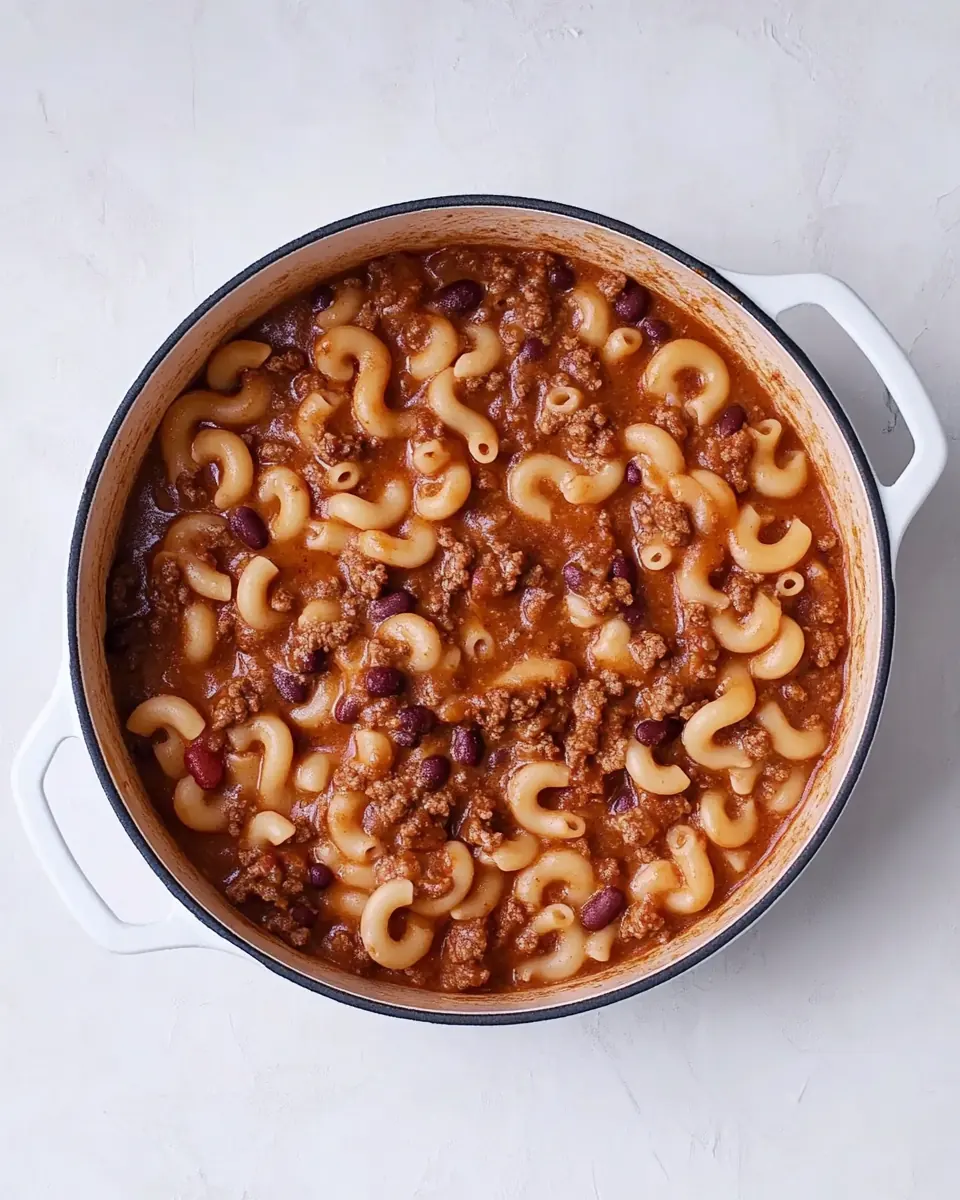
One Pot Chili Cheese Pasta
Ingredients
Equipment
Method
- Heat a large pot over medium-low heat and add the olive oil. Stir in the onion, garlic, salt and pepper. Cook until the onions soften, about 5 minutes. Add the ground beef, breaking it apart with a wooden spoon. Cook, stirring often, until the beef is browned, about 6 to 8 minutes. At this time I like to keep breaking the beef apart. I also occasionally increase the heat in order to cook off some of the fat from the beef.: As the pot warms, you should hear a faint ripple of heat across the bottom, and the oil will begin to glisten, showing it is ready to receive aromatics. When you add the onion and garlic , they should sizzle gently, releasing sweet and savory scents that fill the kitchen. This gentle heat helps the onion soften without browning too quickly, which would introduce bitterness. A common mistake is cranking the heat, which can char the garlic within seconds, so keep it controlled and patient. The goal here is translucent, fragrant aromatics, not crispy bits.
- Once the beef is browned, stir in the tomato paste, chili powder, paprika and cumin. Cook for another 5 minutes, stirring often. Pour in the tomatoes, green chiles and stock (or water). Add in the pasta. Bring the mixture to a simmer, then cover the pot and cook for 10 to 15 minutes, stirring occasionally. The pasta should absorb all the liquid and plump up! You don't want the heat too high, because the pasta can stick on the bottom. If it needs a few more minutes, keep the pot covered.: Right after adding them, stir so the onion cooks evenly and the garlic does not stick to the pot. You will notice the onion go from opaque white to a soft, pale gold, and tiny sweet aromas will surface. The salt draws out moisture and enhances sweetness, while the pepper gives a background bite. Avoid leaving the aromatics unattended, because uneven heat can lead to burning in spots, creating an off taste in the whole pot.
- Once the pasta is cooked and the liquid has been absorbed, stir in the cheddar cheese. Taste and season additionally if needed.: During this time, the sound will change from a light sizzle to a lower, softer cook, and the pot will smell increasingly savory and sweet. The onion should become tender and yield to the touch of a spoon. If the pan looks dry, add a splash of stock or water to prevent sticking. Rushing this step by increasing heat often results in browned edges, which alters the intended mellow flavor.
- Serve immediately with sliced green onions and if you're really feeling it, sour cream for serving.: As the ground beef hits the pot, it will hiss and release juices. Use a wooden spoon to break it into small crumbles so it browns evenly. Browning develops deep, meaty flavors through Maillard reactions, which are essential for a rich final dish. Stir frequently to ensure even coloring, and resist the urge to stir constantly, as letting small patches brown briefly builds more complexity. A common pitfall is overcrowding the pot, which causes the meat to steam rather than brown.
- Cook, stirring often, until the beef is browned, about 6 to 8 minutes: You will see the meat transition from pink to a nicely browned exterior, with bits sticking slightly to the pot that will deglaze when you add the next ingredients. The aroma will become robust and savory, signaling depth has developed. If there is excess fat pooling, I sometimes tilt the pot and spoon some out to keep the final sauce from being greasy. Avoid undercooking, as raw centers can be unpleasant.
- At this time I like to keep breaking the beef apart: Continuing to break the ground beef into smaller pieces ensures an even texture that mixes well with the pasta . Smaller crumbles distribute flavor uniformly and create more surface area for browning, which gives you a richer mouthful in every bite. One error is leaving large clumps, which can make the mouthfeel inconsistent and hidefully raw spots if not fully cooked.
- I also occasionally increase the heat in order to cook off some of the fat from the beef: Briefly raising the heat helps excess rendered fat evaporate or separate, which concentrates flavor and prevents a greasy sauce. You should hear a slightly louder sizzle when doing this, and small browned bits will form on the pot surface. Return to medium-low after a minute to prevent burning. Overdoing high heat can scorch the bottom and create bitter notes, so watch closely.
- Once the beef is browned, stir in the tomato paste, chili powder, paprika and cumin: As you add these, the pot will fill with aromatic spice oils, and the tomato paste will darken slightly as it cooks, losing any raw tinny taste. This step deepens the sauce and helps the spices bloom, which unlocks their full aroma and flavor profile. Stir continuously so nothing clings and burns, and cook until the paste darkens a touch, which usually takes a couple of minutes. A common mistake is skipping this step, which leaves the spice flavors flat.
- Cook for another 5 minutes, stirring often: During this interval, the spices infuse into the fat and meat, transforming the aroma into a cohesive, layered scent. You should notice a fragrant, slightly roasted spice smell and the tomato paste integrating with the meat juices. Stirring prevents hotspots and ensures even distribution. If you skip stirring, the paste can settle and burn on the pot bottom, imparting bitterness to the whole dish.
- Pour in the tomatoes, green chiles and stock or water: The moment you add the liquid, the pot will deglaze and those browned bits will dissolve into the base, creating depth and complexity. The fire roasted tomatoes lend a bright, slightly charred acidity, and the green chiles add tang and gentle heat. Use low-sodium stock if available so you can control seasoning. A mistake to avoid is adding boiling liquid to a cold pot, which can shock ingredients and affect texture; room temperature or warm stock integrates more smoothly.
- Add in the pasta: Scatter the pasta into the pot, pressing it gently so it's submerged in the liquid. As the pasta cooks, it will absorb the seasoned broth and swell, thickening the mixture into a cohesive one pot meal. Stir initially to prevent sticking, then let it simmer with occasional stirring. If you stir too frequently during the initial simmer, the pasta may shed starch and become gummy, so find a balance.
- Bring the mixture to a simmer, then cover the pot and cook for 10 to 15 minutes, stirring occasionally: You will see tiny bubbles at a steady pace as the pot simmers, and the aroma will intensify. The pasta should plump and the liquid should reduce until absorbed. Keep the heat moderate so the bottom does not scorch. If the pasta seems underdone and the liquid is absorbed, add a splash more stock and continue cooking with the lid on. A common error is turning the heat too high, which causes the pasta to stick and the bottom to burn.
- The pasta should absorb all the liquid and plump up: Check by tasting a piece; it should be cooked through with a pleasant bite. Visually, the pot will thicken and cling to the spoon, and the surface will look glossy. If it needs a few more minutes, keep it covered to trap steam and encourage even cooking. Overcooking leads to a mushy texture, so monitor closely in the final minutes.
- Once the pasta is cooked and the liquid has been absorbed, stir in the cheddar cheese: As you fold in the grated white cheddar cheese , you will see the sauce go from a brothy texture to luxuriously creamy and cohesive. The heat should be off or very low to prevent the cheese from becoming stringy or oily. Stir until fully melted and integrated, then taste for seasoning. A frequent mistake is adding cold cheese straight from the fridge without giving it time to melt smoothly, which can result in clumps.
- Taste and season additionally if needed: At this stage, the flavors have rounded out, and you can adjust with a little more salt or pepper if it needs brightness. Use small increments, because the cheese and canned items can already contain salt. A helpful tip is to let the dish sit for a minute before final seasoning, because flavors continue to meld off heat. Over seasoning is hard to fix, so proceed cautiously.
- Serve immediately with sliced green onions and if you're really feeling it, sour cream for serving: The final presentation should be steaming, with a glossy surface from the melted cheese and vibrant green from the sliced green onions . The sour cream adds a cooling contrast that complements the spices and cheese. Serve straight from the pot to enjoy the ideal temperature and texture, as it will thicken as it cools. Reheating can dry it out, so add a splash of stock if you need to warm leftovers.
Notes
- Pick the right pot A heavy bottom pot distributes heat evenly, preventing hotspots that scorch the bottom and ensuring the pasta cooks uniformly.
- Brown with purpose Take the time to brown the ground beef properly, because the browned bits add deep savory flavor when deglazed with the tomatoes and stock.
- Bloom your spices Cooking the chili powder, smoked paprika, and cumin in fat releases their essential oils and significantly improves aroma and depth.
- Control your liquid Use low sodium stock or water to manage overall saltiness, and add small amounts if the pasta needs extra time to finish cooking.
- Freshly grate cheese Freshly grated white cheddar cheese melts smoother and creates a silkier sauce than pre shredded options.
- Garnish last Add sliced green onions and sour cream right before serving to preserve their fresh texture and cooling effect.