Peppermint Cheesecake Cake
Peppermint Cheesecake Cake began for me as an over the top holiday experiment, a mashup born from equal parts curiosity and leftover candy. The very first time I layered a chilled cream cheese cheesecake between two soft cake rounds, I felt like I was treading delicious, slightly reckless territory, and the result convinced me to make it every winter for friends.
I remember pulling trays out of the oven while peppermint scent filled the kitchen, sticky crumbs clinging to my fingers as I gently slid the chilled cheesecake from its pan. Friends arrived, we sampled slices, and I watched eyes widen at the cool center contrasted with tender cake, flecked with white chocolate and crushed peppermint. That memory is why Peppermint Cheesecake Cake has become my go to showstopper for holiday gatherings. I love how the texture interplay keeps people talking, and how a small dusting of chopped peppermint chocolate makes the whole thing feel festive and deliberate.
Over the years I’ve learned little tricks that keep the layers even, and how to coax a perfectly smooth frosting that clings to the cake without sliding off. When I make Peppermint Cheesecake Cake now, I think about timing, chilling, and the little sensory moments, the quiet satisfaction when a fork sinks through frosting into cream cheese filling. I hope this recipe helps you create a similar memory, whether you are baking for a crowd or treating yourself.
Recipe Snapshot
2 hr 10 mins
60 mins
70 mins
Hard
400 kcal
American
Gluten-Free, Low FODMAP
Desserts
9-inch springform pan, 9-inch round cake pans, Electric mixer, Wire rack, Offset spatula
Why This Peppermint Cheesecake Cake Stands Out
It delivers a contrast of textures
I adore how Peppermint Cheesecake Cake brings together a silky cream cheese layer and tender, airy cake. The cheesecake gives a dense, luxurious mouthfeel, while the cake layers offer lightness, so each bite is balanced and never heavy. That contrast is the reason I return to this dessert when I want something that feels fancy but is still comforting.
Holiday friendly flavor profile
The peppermint notes are bright without being overpowering, and the frequent use of chopped white chocolate peppermint pieces adds flecks of crunch and bursts of sweet mint. I like that it reads festive on a table, yet the flavors are familiar, which makes it an excellent pick for Christmas gatherings where you want a crowd pleaser.
Flexible and forgiving technique
Building this cake involves straightforward baking skills, and I appreciate that the steps are forgiving. If your cheesecake layer is slightly larger than your cake rounds, you can trim it. If your frosting seems a touch thin, a short chill firms it up. I often tweak timing and chilling to match my schedule, and the recipe still performs.
Visually impressive, with modest effort
Once you assemble and frost the layers, a sprinkle of chopped peppermint chocolate instantly elevates the appearance. I love serving it on a simple platter and letting the look do the talking, because guests always think it took far more technique than it actually did.
Make ahead friendly
I frequently make components in advance, like chilling the cheesecake and prepping the frosting the day before. This is handy for holiday entertaining, because you can focus on assembly the day of and still present something that tastes freshly made. It stores well in the refrigerator, and honestly, the flavors meld and get even better after a short rest.
Ingredient List for Peppermint Cheesecake Cake
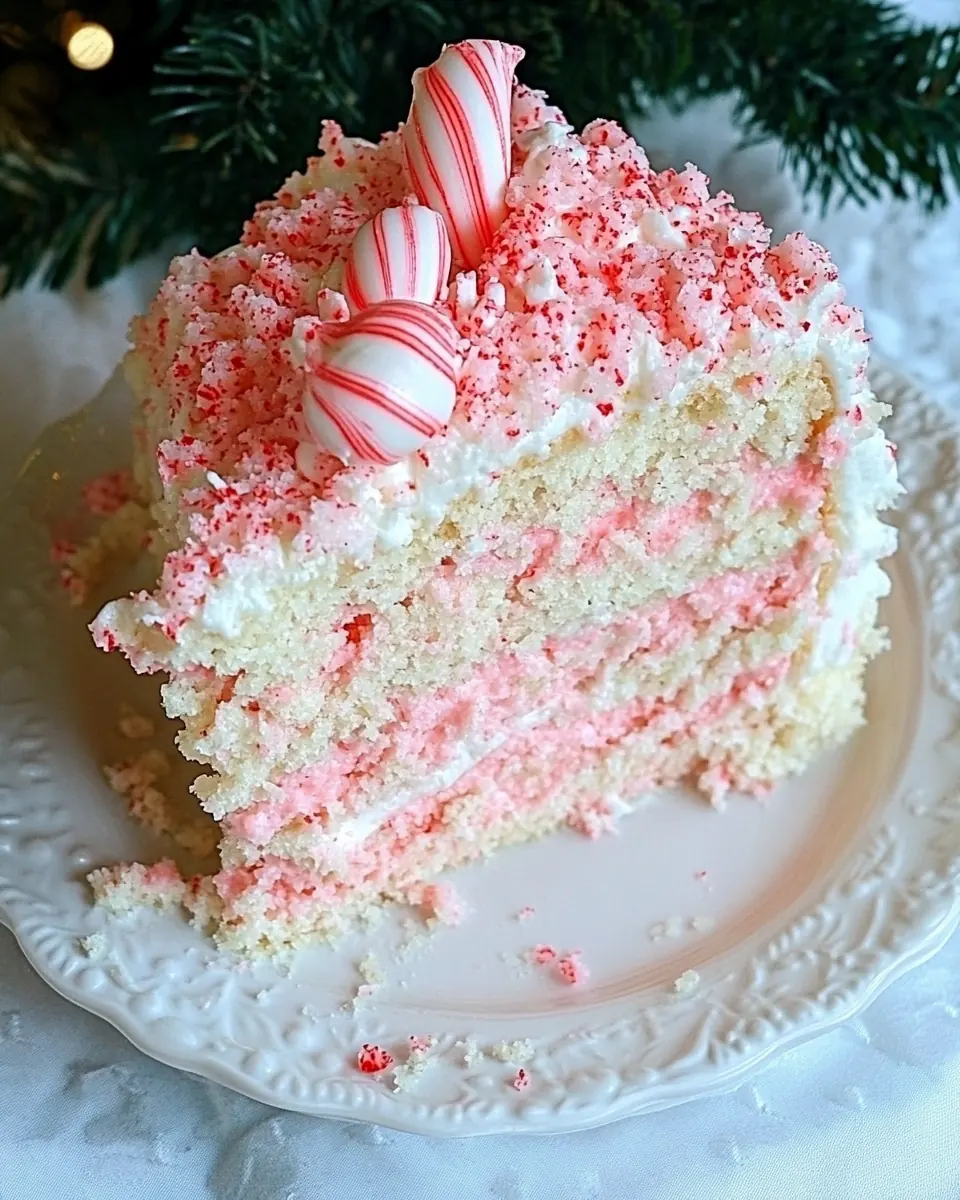
These ingredients are chosen to work in harmony, giving you a balanced, festive cake. The key players are the rich cream cheese that creates a silky cheesecake layer, the white chocolate peppermint pieces that add crunch and mint, and the butter and eggs in the cake layers which ensure tenderness and structure. Each element contributes texture and flavor, so they must be treated with respect and handled gently for the best results.
- Two 8 ounce packages cream cheese, at room temperature: Soften and bring to room temperature to ensure a smooth, lump-free cheesecake filling; provides rich, creamy texture and tangy flavor when beat with sugar and eggs.
- 2/3 cup granulated white sugar: Sweeten and balance the tang of cream cheese; dissolves during mixing to create a smooth, properly sweetened filling.
- 1 pinch salt: Enhance and balance flavors; a tiny pinch heightens sweetness and rounds out the overall taste without adding saltiness.
- 2 large eggs: Incorporate structure and richness into the filling; eggs bind ingredients and help the cheesecake set when baked.
- 1/3 cup sour cream: Add creaminess and slight tang to enrich texture; sour cream loosens the batter and yields a tender, moist filling.
- 1/3 cup heavy whipping cream: Contribute fat for a silkier mouthfeel and tender texture; heavy cream lightens the filling and enables a richer finish.
- 1 1/2 cups chopped white chocolate peppermint bar (see *Tips below): Provide concentrated peppermint and sweet white chocolate pockets; chopped bars add texture, flavor contrast, and festive peppermint notes.
- 3 cups Gold Medal® All-Purpose Flour: Form the structural base of the cake layers; all-purpose flour supplies gluten and bulk for proper crumb and stability.
- 1 1/2 cups granulated white sugar: Sweeten the cake batter; sugar tenderizes, feeds leavening, and promotes browning for an evenly sweet crumb.
- 1 tablespoon baking powder: Leaven and lift the cake batter; baking powder creates gas bubbles for a light, airy cake structure.
- 1/2 teaspoon salt: Enhance flavor balance and control sweetness; salt strengthens the batter and deepens other flavors.
- 6 large egg whites: Add volume and lightness when whipped into the batter; egg whites provide aeration and help create a tender crumb.
- 1 cup milk: Moisten the batter and contribute to overall tenderness; milk adds liquid that helps dissolve dry ingredients and distribute fat.
- 1/2 cup (1 stick) unsalted butter, at room temperature: Provide fat for richness and tender crumb; room–temperature butter creams with sugar to incorporate air for lightness.
- 3/4 teaspoon peppermint extract: Impart cool mint flavor; peppermint extract intensifies the peppermint theme without adding extra liquid.
- Two 8 ounce packages cream cheese, at room temperature: Soften and bring to room temperature for frosting or filling; cream cheese offers creamy tang and stability in layered desserts.
- 1/2 cup (1 stick) unsalted butter, at room temperature: Soften and bring to room temperature for frosting; butter adds richness, smooth texture, and helps achieve pipeable consistency.
- 2 1/2 cups powdered sugar: Sweeten and stabilize the frosting; powdered sugar creates structure, smoothness, and helps achieve desired stiffness.
- a few drops of red/pink food color (completely ) (optional): Add a subtle festive tint if desired; a few drops of red or pink food color adjusts appearance without affecting flavor.
- 2 cups (more or less, as desired) chopped white chocolate peppermint bar (see *Tips below): Provide extra peppermint–chocolate texture and garnish; chopped bars offer crunchy, flavorful pieces for folding or sprinkling.
How to Prepare Peppermint Cheesecake Cake
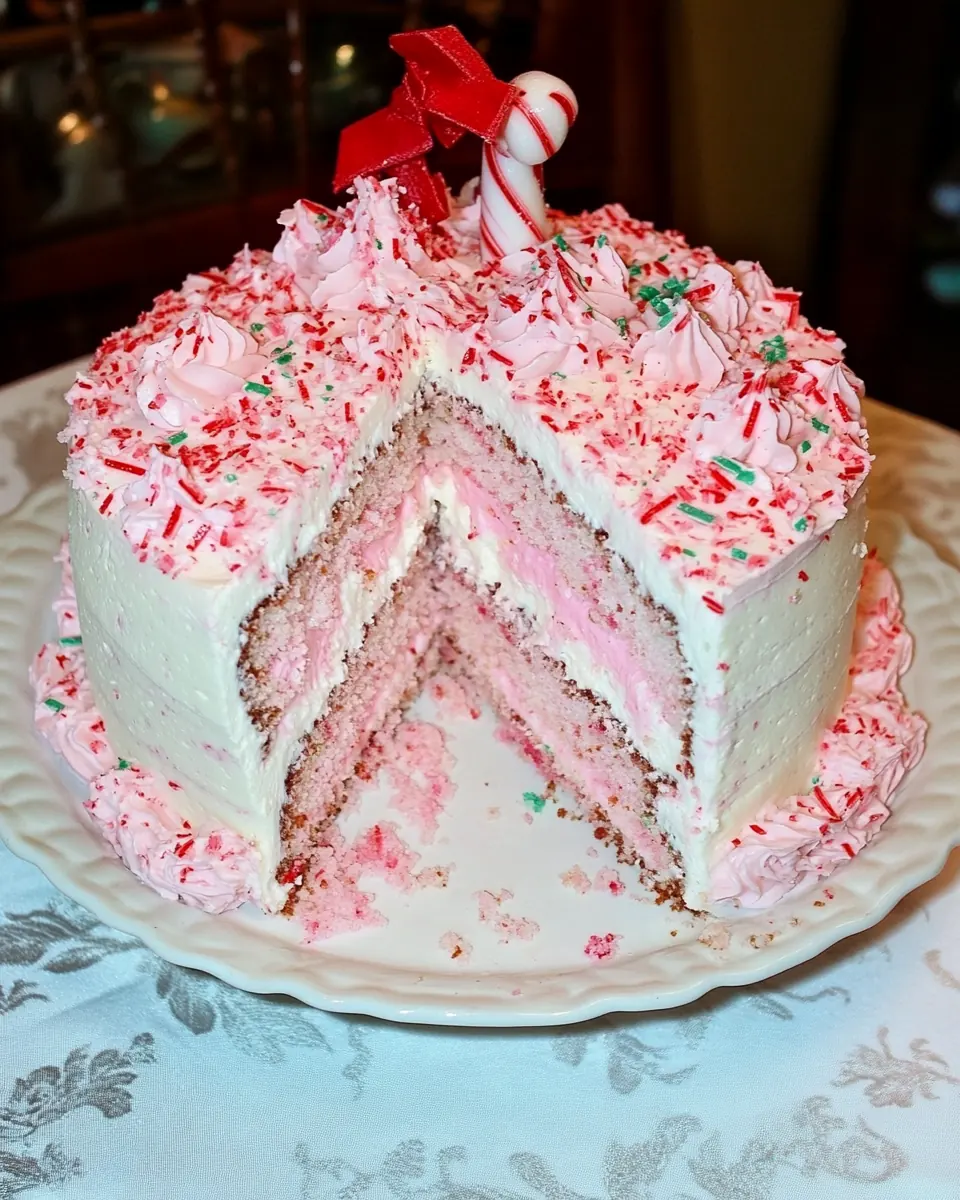
This recipe is built in stages, and patience matters as much as technique. I recommend moving deliberately, chilling when instructed, and tasting along the way. Below are the steps rewritten with sensory cues, explanations, and troubleshooting to help you get a perfect result.
- Preheat the oven to 325. Place a pan filled with 1 inch of water on the lower rack (the moisture in the oven helps prevent the cheesecake from cracking). The cheesecake will bake on the middle rack. Spray a 9-inch springform pan with nonstick spray.: As your oven warms, you will notice the heat turning the kitchen cozy and the metal racks slightly warm to the touch. Preheating ensures an even, gentle bake for the cheesecake, which prevents rapid rising and cracking on top. A common mistake is slipping the cheesecake into a cold oven, which can cause uneven set and a grainy texture. Make sure the thermometer reads steady before you put the pan in, and position a pan with 1 inch of water on the lower rack to introduce moist heat, which helps the top stay smooth rather than dry and cracked.
- In a large bowl, use an electric mixer to beat the cream cheese until it is smooth and creamy, 1 to 2 minutes. Beat in the sugar and salt and blend for 2 minutes, scraping the sides as necessary. Mix in the eggs, then mix in the sour cream and whipping cream. Stir in the chopped chocolate.: When you begin mixing, watch the cream cheese transform from dense and slightly chalky to velvety and soft, with a glossy sheen. This texture is crucial because lumps will remain in the finished cheesecake if not smoothed out. Avoid over mixing, which can trap air and cause the cheesecake to rise and fall, leading to cracks. Scrape the bowl frequently to incorporate any clinging bits, and stop mixing as soon as the texture is uniformly smooth.
- Scrape the batter into the prepared pan. Bake 40 to 45 minutes, or until the cheesecake is no longer jiggly. Let the cheesecake cool on a wire rack for about an hour. When it has cooled, wrap the pan and place it in the freezer until it is quite firm, at least a couple of hours (longer, if needed).: As the sugar dissolves into the cream cheese , the mixture will feel silkier and slightly looser. The salt acts like a flavor amplifier, making the sweet and tangy notes pop. If the sugar feels grainy, keep mixing gently until it dissolves, but be careful not to aerate excessively because too much air can cause the cheesecake to puff and then collapse.
- Preheat the oven to 350 degrees F. Spray two 9-inch round cake pans with nonstick baking spray (I like to use the Pam Baking spray with flour). If you don't have the baking spray with flour, it's best to line the bottoms of the pans with parchment paper.: When adding the eggs , add them one at a time so the batter emulsifies steadily, avoiding a curdled appearance. After the eggs, mix in the sour cream and heavy whipping cream , which will loosen the batter to a thicker pourable consistency. The aroma will become richer and dairy forward. A common error is adding cold eggs or dairy, which can cause lumps, so use room temperature ingredients for a smooth outcome.
- In a medium bowl, whisk together the flour, sugar, baking powder and salt.: Fold in the chopped white chocolate peppermint pieces gently so they remain intact and evenly distributed, offering occasional bursts of mint and sweet crunch. You should see flecks of white and red in the creamy batter. If you overmix, the chocolate may begin to soften or melt, which will change the texture. Fold with a spatula until just incorporated.
- In a large bowl, use an electric mixer to combine the egg whites, milk, butter and extract. Add the dry ingredients and mix just until combined.: As you transfer batter into the greased springform pan, notice the weight of the creamy filling settling into place. Smooth the top with an offset spatula so it bakes evenly. If you leave large air pockets, the cheesecake may bake unevenly. Tap the pan lightly on the counter to release trapped air, then place it on the center rack above the water bath for a gentle bake.
- Divide the batter between the two pans. (See *Tips below) Bake for 28 to 32 minutes, or until the cakes test done with a toothpick inserted into the center coming out clean. Let cool for 30 minutes, then gently remove the cakes from the pans and let them cool completely on racks.: During baking you will see the edges set and the center still slightly trembling, like a softly wobbly custard. That visual cue is key because continued residual heat will finish the setting without drying the top. Resist the urge to open the oven early, as sudden temperature changes can cause cracks. If the center is still liquid, give it a few more minutes and check again, because underbaking leads to collapse when cooling.
- In a large bowl, use an electric mixer to combine the cream cheese and butter and beat until creamy and smooth. Add the powdered sugar and continue to beat, scraping down the sides of the bowl as needed, until the frosting is smooth and spreadable (add some color, if you wish).: As it cools, the cheesecake will settle and the surface will become smooth and mildly matte. Cooling slowly helps prevent sinking and cracking. A common mistake is moving it to the fridge while still hot, which can cause condensation and a soggy crust. After an hour at room temperature, wrap and place in the freezer until firm, at least a couple of hours, to make slicing and trimming easier later.
- Place one cake layer in the center of a cake plate or platter. Spread a thin layer of frosting over the first cake layer.: Warming the oven again prepares you for the cake layers. The change in temperature is noticeable as the oven cycles to a higher set point, and a consistent heat ensures the cakes bake evenly. Make sure racks are positioned for the middle of the oven where airflow is even.
- Remove the cheesecake from the freezer, take the side off of the pan and slide a knife under the cheesecake to remove the cheesecake from the pan. Trim the cheesecake, as need to match the size of your cake layers (see *Tips). Place the cheesecake layer on top of the first cake layer. Spread a thin layer of frosting on top of the cheesecake. Then place the 2 nd layer of cake on top of the cheesecake.: Coat the pans or line them with parchment to prevent sticking and to help the cakes release smoothly. If you use baking spray with flour it adds traction that reduces tearing. A frequent oversight is skipping parchment which can lead to crumbly edges when you try to turn the cakes out.
- Place a large amount of frosting on top of the cake, spread the frosting out to the edges and down the sides of the cake. Fill in the rest with the remaining frosting. Sprinkle chopped chocolate on the top and down the sides of the cake, as desired.: As you whisk, you will notice the dry mix lighten and become uniform in color, ensuring even leavening. Incorporating the baking powder with dry ingredients prevents clumps and uneven rise. If your baking powder is old, the cake may not rise properly, so check freshness.
- Keep the cake refrigerated until ready to serve. Let the cake get quite chilled, then gently cover it with plastic wrap.: When these wet ingredients come together, the mixture will look glossy and slightly frothy. The egg whites add lift, while the butter ensures tenderness and richness. Make sure the butter is softened, not melted, so it creams with the other liquids to build structure. Over beating can incorporate too much air, creating large holes in the crumb.
- Add the dry ingredients and mix just until combined: When you fold the dry into the wet, stop as soon as streaks disappear to keep the crumb tender. The batter should look smooth and ribbon like, not dense. Over mixing develops gluten in the flour , which makes the cake tough, so err on the side of under mixing.
- Divide the batter between the two pans: As you pour the batter into the prepared pans, you will feel the batter’s weight and see it level out. Use a spoon to even out the surfaces so both bake uniformly. If one pan is heavier, one layer may finish sooner, so weigh them if you want truly even results. Bake for 28 to 32 minutes, testing with a toothpick for doneness.
- Let cool for 30 minutes, then gently remove the cakes from the pans and let them cool completely on racks: The cakes will emit a warm, sweet aroma and the tops will spring back slightly when touched. Cooling on racks prevents the bottoms from becoming soggy. If you rush this step, you risk tearing the crumb while removing them, so allow sufficient cooling time.
- In a large bowl, use an electric mixer to combine the cream cheese and butter and beat until creamy and smooth: Here the frosting base comes together, turning glossy and rich. The texture should be silky with no lumps. Cold cream cheese or butter will leave lumps, so make sure both are at room temperature. Scrape down the bowl so all bits are incorporated.
- Add the powdered sugar and continue to beat, scraping down the sides of the bowl as needed, until the frosting is smooth and spreadable: As the powdered sugar is folded in, the mixture will thicken into a pipeable, creamy frosting. If it becomes too thin, a brief chill can firm it up. Overbeating can make the frosting fluffy and unstable, so stop when it is smooth and holds shape.
- Place one cake layer in the center of a cake plate or platter: Positioning the first layer is tactile and precise, and you will notice the slight give as you press it into the plate. This base needs to be stable because it supports the cheesecake and top cake. If your cake surface is domed, level it gently with a serrated knife to prevent wobble in the final assembly.
- Spread a thin layer of frosting over the first cake layer: A thin crumb coat helps adhere the cheesecake layer and prevents crumbs from mixing into the outer frosting. Use an offset spatula and work from center to edge. If you apply a thick coat now it can slide when adding heavier layers, so keep it light.
- Remove the cheesecake from the freezer, take the side off of the pan and slide a knife under the cheesecake to remove the cheesecake from the pan: The frozen cheesecake should feel firm and make a muted sound as you slide it free. If the edges stick, run a warm knife around the exterior to loosen it slightly. If it is still too soft, return it to the freezer, because a soft cheesecake will be difficult to trim and may smear into the cake layers.
- Trim the cheesecake, as need to match the size of your cake layers: When you lay the cheesecake on a cutting board to trim, you will feel the dense texture under the knife. Trim small amounts and test fit against a cake layer until the sizes match. Cutting too aggressively can make the cheesecake too thin, so proceed carefully and keep the trimmed pieces refrigerated for snacking or melting.
- Place the cheesecake layer on top of the first cake layer: As you transfer it, the cold cheesecake will settle perfectly against the lightly frosted cake, creating a clean seam. If it slides, press gently and chill briefly to lock layers in place. One mistake is trying to assemble while the cheesecake is too soft, which causes sliding and uneven layers.
- Spread a thin layer of frosting on top of the cheesecake: This thin layer creates adhesion for the second cake layer, and smoothing it will help keep the top final coating neat. Work quickly if the cheesecake is cold, because the frosting will firm on contact and become harder to spread evenly.
- Then place the second layer of cake on top of the cheesecake: Align edges carefully so the cake looks tidy from the side. If the second layer sits unevenly, adjust gently and chill briefly to let it set. Avoid pressing down hard, which could compress the cheesecake and push filling out at the seams.
- Place a large amount of frosting on top of the cake, spread the frosting out to the edges and down the sides of the cake: As you spread, the frosting should glide and leave a smooth, creamy surface. Work in stages, rotating the cake and smoothing with an offset spatula. If frosting gets crumbly, add a bit more powdered sugar or a short chill, because a stable frosting is easier to finish neatly.
- Fill in the rest with the remaining frosting: Build up smooth sides and a neat top, keeping the finish consistent. The final texture should be even and slightly glossy, inviting the eye. A common issue is overworking the frosting which warms it and makes it too soft, so chill briefly if needed.
- Sprinkle chopped chocolate on the top and down the sides of the cake, as desired: When you scatter the chopped white chocolate peppermint pieces they will give the cake visual contrast and crunchy texture. Press some gently into the frosting so they adhere. If you add them too soon before chilling, they can slide, so press and then refrigerate to set the decoration.
- Keep the cake refrigerated until ready to serve: Cold keeps the layers stable and the frosting firm. Before serving, let the cake chill until quite cold and cover gently with plastic wrap. If you leave it at room temperature too long it may soften and lose shape, so plan to slice from a chilled state for clean portions.
Making Adjustments
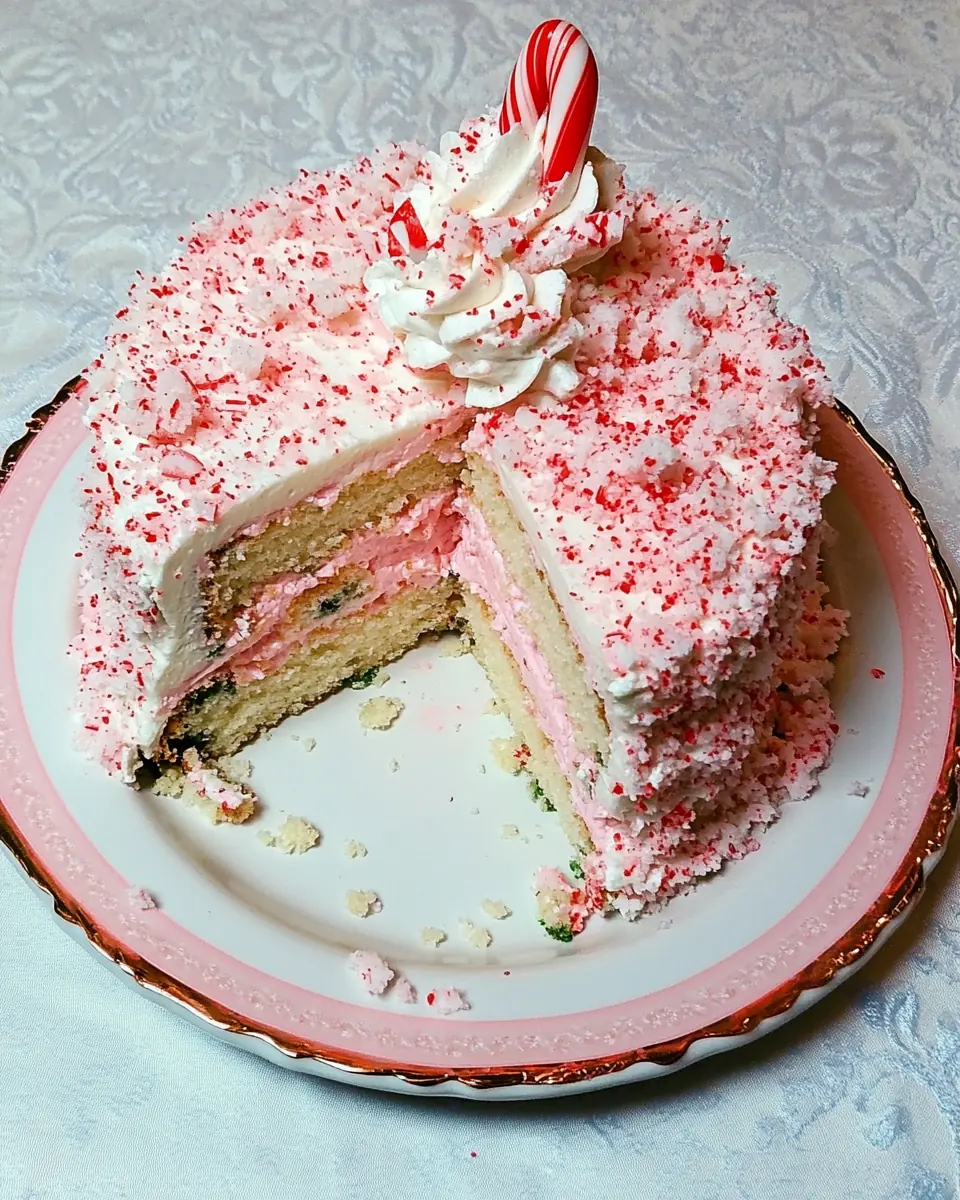
I often adapt timing and decoration to fit my schedule and taste. These tips expand on the notes provided and offer practical ways to personalize the recipe while keeping the structure intact.
- Choose your peppermint chocolate wisely — Use chopped Andes Peppermint Crunch, Hershey’s Candy Cane Kisses, or chopped Hershey’s Candy Cane Bars as suggested. Each option offers slightly different textures and sweetness levels, so pick one that suits how crunchy or smooth you want the final cake.
- Use Bake Even strips for flat cake layers — If you want very flat tops that are easier to stack, soak and wrap Bake Even strips around your pans. They insulate the sides so the cake does not dome, making trimming almost unnecessary.
- Trim cheesecake to match cake layers — If your cheesecake is a touch larger, gently shave the exterior with a knife on a cutting board until sizes match. Work slowly to avoid removing too much and keep the cheesecake chilled while trimming.
- Chill between assembly steps — A brief chill after placing the cheesecake and after crumb coating helps layers set, preventing sliding and keeping edges neat while you finish frosting.
- Adjust chopped chocolate quantity to preference — The recipe lists additional chopped peppermint chocolate for decoration, add more or less depending on how crunchy you want your cake; press pieces into chilled frosting so they adhere well.
- Sift powdered sugar for silky frosting — If your powdered sugar is lumpy, sift it before adding to the frosting to avoid grainy texture and to achieve a silky, spreadable consistency.
Serve This Peppermint Cheesecake Cake With
This cake shines as a centerpiece for holiday gatherings and celebratory desserts. Below are serving ideas, pairings, and storage tips to help you present it beautifully and keep it tasting fresh.
- Holiday dessert centerpiece — Present the cake on a decorative platter at your Christmas dinner. Its peppermint cues and white chocolate flecks pair well with a table of warm mains and roasted vegetables.
- Portioning and plating — Slice chilled cake with a sharp knife dipped in hot water for clean cuts, wiping the blade between slices. Serve slightly chilled for the best texture contrast between frosting and cheesecake.
- Occasion fit — This cake is ideal for winter celebrations, cookie exchanges, and festive potlucks. The mint and white chocolate combination reads seasonally appropriate and looks festive on a dessert table.
- Storage tips — Keep the cake refrigerated, wrapped loosely with plastic wrap once chilled. It stores well for two to three days, and flavors can meld to become even more integrated. For longer storage, freeze slices individually wrapped in plastic and foil.
- Serving sizes — The recipe yields sixteen servings; consider cutting smaller slices for large gatherings so everyone can enjoy a taste without overindulging.
FAQ
Conclusion
Peppermint Cheesecake Cake stands out because it blends a silky cream cheese cheesecake with tender cake layers and crunchy white chocolate peppermint, creating a memorable holiday dessert. Give it a try when you want a show stopping centerpiece that is surprisingly approachable to make. Plan your timing so you can chill components as instructed, enjoy the decorating step, and serve chilled for clean slices and the best textural contrast. Share it with friends and family, and savor the way the mint and white chocolate brighten the rich, creamy center.
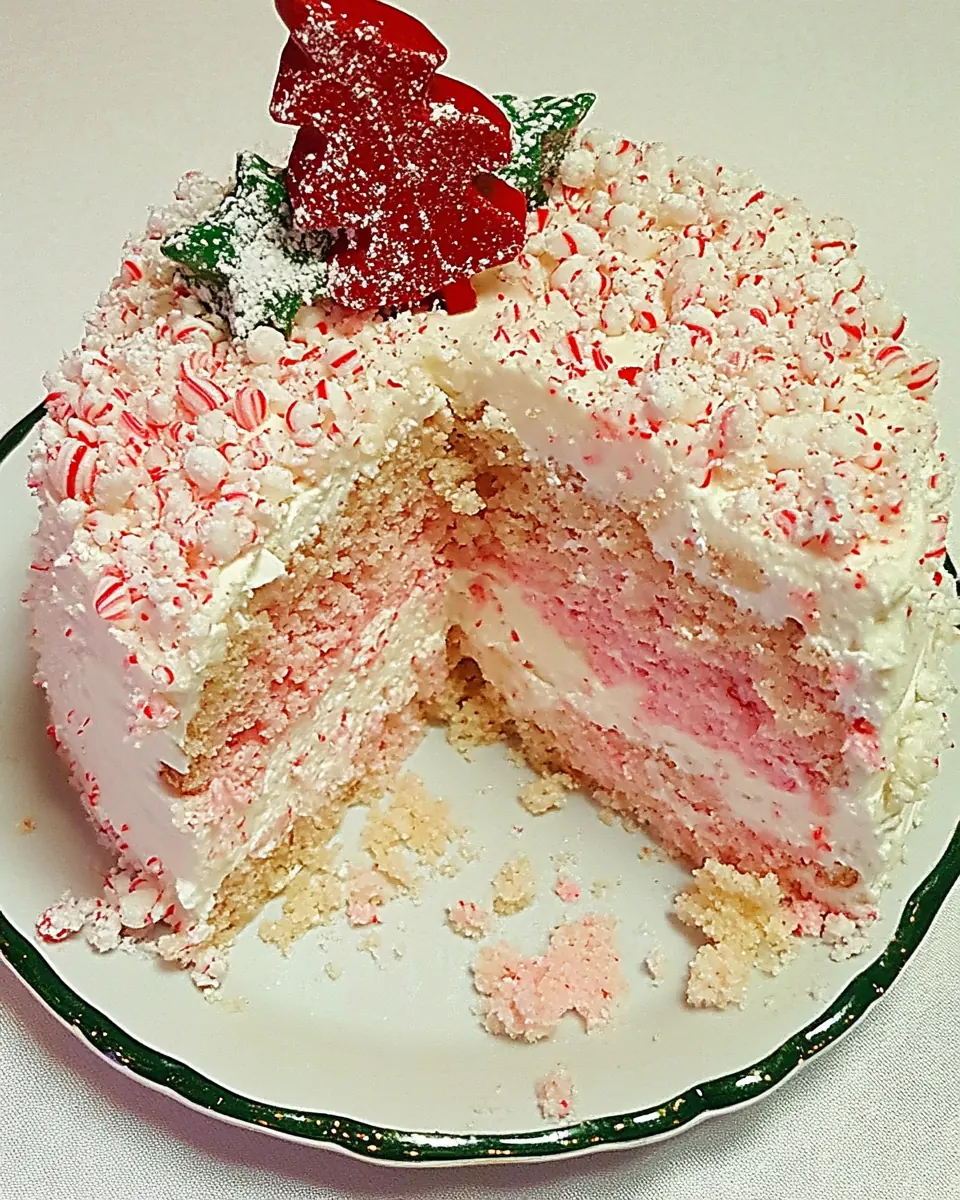
Peppermint Cheesecake Cake
Ingredients
Equipment
Method
- Preheat the oven to 325. Place a pan filled with 1 inch of water on the lower rack (the moisture in the oven helps prevent the cheesecake from cracking). The cheesecake will bake on the middle rack. Spray a 9-inch springform pan with nonstick spray.: As your oven warms, you will notice the heat turning the kitchen cozy and the metal racks slightly warm to the touch. Preheating ensures an even, gentle bake for the cheesecake, which prevents rapid rising and cracking on top. A common mistake is slipping the cheesecake into a cold oven, which can cause uneven set and a grainy texture. Make sure the thermometer reads steady before you put the pan in, and position a pan with 1 inch of water on the lower rack to introduce moist heat, which helps the top stay smooth rather than dry and cracked.
- In a large bowl, use an electric mixer to beat the cream cheese until it is smooth and creamy, 1 to 2 minutes. Beat in the sugar and salt and blend for 2 minutes, scraping the sides as necessary. Mix in the eggs, then mix in the sour cream and whipping cream. Stir in the chopped chocolate.: When you begin mixing, watch the cream cheese transform from dense and slightly chalky to velvety and soft, with a glossy sheen. This texture is crucial because lumps will remain in the finished cheesecake if not smoothed out. Avoid over mixing, which can trap air and cause the cheesecake to rise and fall, leading to cracks. Scrape the bowl frequently to incorporate any clinging bits, and stop mixing as soon as the texture is uniformly smooth.
- Scrape the batter into the prepared pan. Bake 40 to 45 minutes, or until the cheesecake is no longer jiggly. Let the cheesecake cool on a wire rack for about an hour. When it has cooled, wrap the pan and place it in the freezer until it is quite firm, at least a couple of hours (longer, if needed).: As the sugar dissolves into the cream cheese , the mixture will feel silkier and slightly looser. The salt acts like a flavor amplifier, making the sweet and tangy notes pop. If the sugar feels grainy, keep mixing gently until it dissolves, but be careful not to aerate excessively because too much air can cause the cheesecake to puff and then collapse.
- Preheat the oven to 350 degrees F. Spray two 9-inch round cake pans with nonstick baking spray (I like to use the Pam Baking spray with flour). If you don't have the baking spray with flour, it's best to line the bottoms of the pans with parchment paper.: When adding the eggs , add them one at a time so the batter emulsifies steadily, avoiding a curdled appearance. After the eggs, mix in the sour cream and heavy whipping cream , which will loosen the batter to a thicker pourable consistency. The aroma will become richer and dairy forward. A common error is adding cold eggs or dairy, which can cause lumps, so use room temperature ingredients for a smooth outcome.
- In a medium bowl, whisk together the flour, sugar, baking powder and salt.: Fold in the chopped white chocolate peppermint pieces gently so they remain intact and evenly distributed, offering occasional bursts of mint and sweet crunch. You should see flecks of white and red in the creamy batter. If you overmix, the chocolate may begin to soften or melt, which will change the texture. Fold with a spatula until just incorporated.
- In a large bowl, use an electric mixer to combine the egg whites, milk, butter and extract. Add the dry ingredients and mix just until combined.: As you transfer batter into the greased springform pan, notice the weight of the creamy filling settling into place. Smooth the top with an offset spatula so it bakes evenly. If you leave large air pockets, the cheesecake may bake unevenly. Tap the pan lightly on the counter to release trapped air, then place it on the center rack above the water bath for a gentle bake.
- Divide the batter between the two pans. (See *Tips below) Bake for 28 to 32 minutes, or until the cakes test done with a toothpick inserted into the center coming out clean. Let cool for 30 minutes, then gently remove the cakes from the pans and let them cool completely on racks.: During baking you will see the edges set and the center still slightly trembling, like a softly wobbly custard. That visual cue is key because continued residual heat will finish the setting without drying the top. Resist the urge to open the oven early, as sudden temperature changes can cause cracks. If the center is still liquid, give it a few more minutes and check again, because underbaking leads to collapse when cooling.
- In a large bowl, use an electric mixer to combine the cream cheese and butter and beat until creamy and smooth. Add the powdered sugar and continue to beat, scraping down the sides of the bowl as needed, until the frosting is smooth and spreadable (add some color, if you wish).: As it cools, the cheesecake will settle and the surface will become smooth and mildly matte. Cooling slowly helps prevent sinking and cracking. A common mistake is moving it to the fridge while still hot, which can cause condensation and a soggy crust. After an hour at room temperature, wrap and place in the freezer until firm, at least a couple of hours, to make slicing and trimming easier later.
- Place one cake layer in the center of a cake plate or platter. Spread a thin layer of frosting over the first cake layer.: Warming the oven again prepares you for the cake layers. The change in temperature is noticeable as the oven cycles to a higher set point, and a consistent heat ensures the cakes bake evenly. Make sure racks are positioned for the middle of the oven where airflow is even.
- Remove the cheesecake from the freezer, take the side off of the pan and slide a knife under the cheesecake to remove the cheesecake from the pan. Trim the cheesecake, as need to match the size of your cake layers (see *Tips). Place the cheesecake layer on top of the first cake layer. Spread a thin layer of frosting on top of the cheesecake. Then place the 2 nd layer of cake on top of the cheesecake.: Coat the pans or line them with parchment to prevent sticking and to help the cakes release smoothly. If you use baking spray with flour it adds traction that reduces tearing. A frequent oversight is skipping parchment which can lead to crumbly edges when you try to turn the cakes out.
- Place a large amount of frosting on top of the cake, spread the frosting out to the edges and down the sides of the cake. Fill in the rest with the remaining frosting. Sprinkle chopped chocolate on the top and down the sides of the cake, as desired.: As you whisk, you will notice the dry mix lighten and become uniform in color, ensuring even leavening. Incorporating the baking powder with dry ingredients prevents clumps and uneven rise. If your baking powder is old, the cake may not rise properly, so check freshness.
- Keep the cake refrigerated until ready to serve. Let the cake get quite chilled, then gently cover it with plastic wrap.: When these wet ingredients come together, the mixture will look glossy and slightly frothy. The egg whites add lift, while the butter ensures tenderness and richness. Make sure the butter is softened, not melted, so it creams with the other liquids to build structure. Over beating can incorporate too much air, creating large holes in the crumb.
- Add the dry ingredients and mix just until combined: When you fold the dry into the wet, stop as soon as streaks disappear to keep the crumb tender. The batter should look smooth and ribbon like, not dense. Over mixing develops gluten in the flour , which makes the cake tough, so err on the side of under mixing.
- Divide the batter between the two pans: As you pour the batter into the prepared pans, you will feel the batter’s weight and see it level out. Use a spoon to even out the surfaces so both bake uniformly. If one pan is heavier, one layer may finish sooner, so weigh them if you want truly even results. Bake for 28 to 32 minutes, testing with a toothpick for doneness.
- Let cool for 30 minutes, then gently remove the cakes from the pans and let them cool completely on racks: The cakes will emit a warm, sweet aroma and the tops will spring back slightly when touched. Cooling on racks prevents the bottoms from becoming soggy. If you rush this step, you risk tearing the crumb while removing them, so allow sufficient cooling time.
- In a large bowl, use an electric mixer to combine the cream cheese and butter and beat until creamy and smooth: Here the frosting base comes together, turning glossy and rich. The texture should be silky with no lumps. Cold cream cheese or butter will leave lumps, so make sure both are at room temperature. Scrape down the bowl so all bits are incorporated.
- Add the powdered sugar and continue to beat, scraping down the sides of the bowl as needed, until the frosting is smooth and spreadable: As the powdered sugar is folded in, the mixture will thicken into a pipeable, creamy frosting. If it becomes too thin, a brief chill can firm it up. Overbeating can make the frosting fluffy and unstable, so stop when it is smooth and holds shape.
- Place one cake layer in the center of a cake plate or platter: Positioning the first layer is tactile and precise, and you will notice the slight give as you press it into the plate. This base needs to be stable because it supports the cheesecake and top cake. If your cake surface is domed, level it gently with a serrated knife to prevent wobble in the final assembly.
- Spread a thin layer of frosting over the first cake layer: A thin crumb coat helps adhere the cheesecake layer and prevents crumbs from mixing into the outer frosting. Use an offset spatula and work from center to edge. If you apply a thick coat now it can slide when adding heavier layers, so keep it light.
- Remove the cheesecake from the freezer, take the side off of the pan and slide a knife under the cheesecake to remove the cheesecake from the pan: The frozen cheesecake should feel firm and make a muted sound as you slide it free. If the edges stick, run a warm knife around the exterior to loosen it slightly. If it is still too soft, return it to the freezer, because a soft cheesecake will be difficult to trim and may smear into the cake layers.
- Trim the cheesecake, as need to match the size of your cake layers: When you lay the cheesecake on a cutting board to trim, you will feel the dense texture under the knife. Trim small amounts and test fit against a cake layer until the sizes match. Cutting too aggressively can make the cheesecake too thin, so proceed carefully and keep the trimmed pieces refrigerated for snacking or melting.
- Place the cheesecake layer on top of the first cake layer: As you transfer it, the cold cheesecake will settle perfectly against the lightly frosted cake, creating a clean seam. If it slides, press gently and chill briefly to lock layers in place. One mistake is trying to assemble while the cheesecake is too soft, which causes sliding and uneven layers.
- Spread a thin layer of frosting on top of the cheesecake: This thin layer creates adhesion for the second cake layer, and smoothing it will help keep the top final coating neat. Work quickly if the cheesecake is cold, because the frosting will firm on contact and become harder to spread evenly.
- Then place the second layer of cake on top of the cheesecake: Align edges carefully so the cake looks tidy from the side. If the second layer sits unevenly, adjust gently and chill briefly to let it set. Avoid pressing down hard, which could compress the cheesecake and push filling out at the seams.
- Place a large amount of frosting on top of the cake, spread the frosting out to the edges and down the sides of the cake: As you spread, the frosting should glide and leave a smooth, creamy surface. Work in stages, rotating the cake and smoothing with an offset spatula. If frosting gets crumbly, add a bit more powdered sugar or a short chill, because a stable frosting is easier to finish neatly.
- Fill in the rest with the remaining frosting: Build up smooth sides and a neat top, keeping the finish consistent. The final texture should be even and slightly glossy, inviting the eye. A common issue is overworking the frosting which warms it and makes it too soft, so chill briefly if needed.
- Sprinkle chopped chocolate on the top and down the sides of the cake, as desired: When you scatter the chopped white chocolate peppermint pieces they will give the cake visual contrast and crunchy texture. Press some gently into the frosting so they adhere. If you add them too soon before chilling, they can slide, so press and then refrigerate to set the decoration.
- Keep the cake refrigerated until ready to serve: Cold keeps the layers stable and the frosting firm. Before serving, let the cake chill until quite cold and cover gently with plastic wrap. If you leave it at room temperature too long it may soften and lose shape, so plan to slice from a chilled state for clean portions.
Notes
- Choose your peppermint chocolate wisely — Use chopped Andes Peppermint Crunch, Hershey's Candy Cane Kisses, or chopped Hershey's Candy Cane Bars as suggested. Each option offers slightly different textures and sweetness levels, so pick one that suits how crunchy or smooth you want the final cake.
- Use Bake Even strips for flat cake layers — If you want very flat tops that are easier to stack, soak and wrap Bake Even strips around your pans. They insulate the sides so the cake does not dome, making trimming almost unnecessary.
- Trim cheesecake to match cake layers — If your cheesecake is a touch larger, gently shave the exterior with a knife on a cutting board until sizes match. Work slowly to avoid removing too much and keep the cheesecake chilled while trimming.
- Chill between assembly steps — A brief chill after placing the cheesecake and after crumb coating helps layers set, preventing sliding and keeping edges neat while you finish frosting.
- Adjust chopped chocolate quantity to preference — The recipe lists additional chopped peppermint chocolate for decoration, add more or less depending on how crunchy you want your cake; press pieces into chilled frosting so they adhere well.
- Sift powdered sugar for silky frosting — If your powdered sugar is lumpy, sift it before adding to the frosting to avoid grainy texture and to achieve a silky, spreadable consistency.