Crostini
Crostini started showing up at my kitchen counter one rainy Sunday when I wanted something crisp and comforting but not fussy. I remember slicing a warm baguette, brushing each piece with extra-virgin olive oil, and listening to the soft crackle as the slices hit a hot pan before the oven. That first tray came out impossibly golden, and we nibbled pieces while I assembled little piles of toppings, trading stories and laughter as crumbs scattered across the table.
Over the years I keep coming back to Crostini whenever I need a quick party starter or a simple snack that feels special. The beauty is in the basics, how a few smart moves turn plain baguette into crunchy cups for sweet or savory ideas. I love that you can make a big batch ahead and let guests customize their bites. Each topping tells a small story, and I enjoy swapping suggestions, watching people combine flavors in surprising ways that somehow always work.
Recipe Snapshot
22 mins
10 mins
12 mins
Easy
150 kcal
Italian
Keto, Paleo
Appetizers
Oven, Baking sheet, Parchment paper, Pastry brush
What Makes This Crostini Special
Crunchy simplicity
I adore how Crostini transforms a humble baguette into something texturally exciting. The contrast between an airy crumb and a crisp edge gives each bite a satisfying snap, and that sound alone makes guests lean in and smile. When I serve these, people notice the crunch first, then the way toppings mingle on the toast.
Endless topping possibilities
One of the best things about Crostini is how adaptable it is. I often change toppings by mood or season, and each version feels intentional. Whether you favor simple extra-virgin olive oil and salt, or a layered spread with herbs, this recipe lets you be creative without stress. I like offering a few options so everyone can assemble their favorite combination.
Make ahead convenience
I often bake the toasts earlier in the day and keep them in an airtight container, which saves last minute fuss. The toasts keep their structure for snacking, and because they are so easy to reheat briefly, they become a host’s secret weapon. Preparing crostini ahead gives you time to focus on company and assembly rather than last minute cooking.
Perfect for gatherings
Crostini are naturally communal, they invite sharing and conversation. I serve them at small dinners and larger parties because people love building bites to their taste. They are also light enough to be part of a larger spread, and they pair well with many menus, which is why I rely on them when planning casual get togethers.
Straightforward technique
The method is forgiving, so even a beginner can get great results. With a little attention to color and timing, you’ll have uniformly toasted slices that hold toppings without becoming soggy. I always remind friends that a confident hand and a watchful eye make all the difference.
Ingredients for Crostini
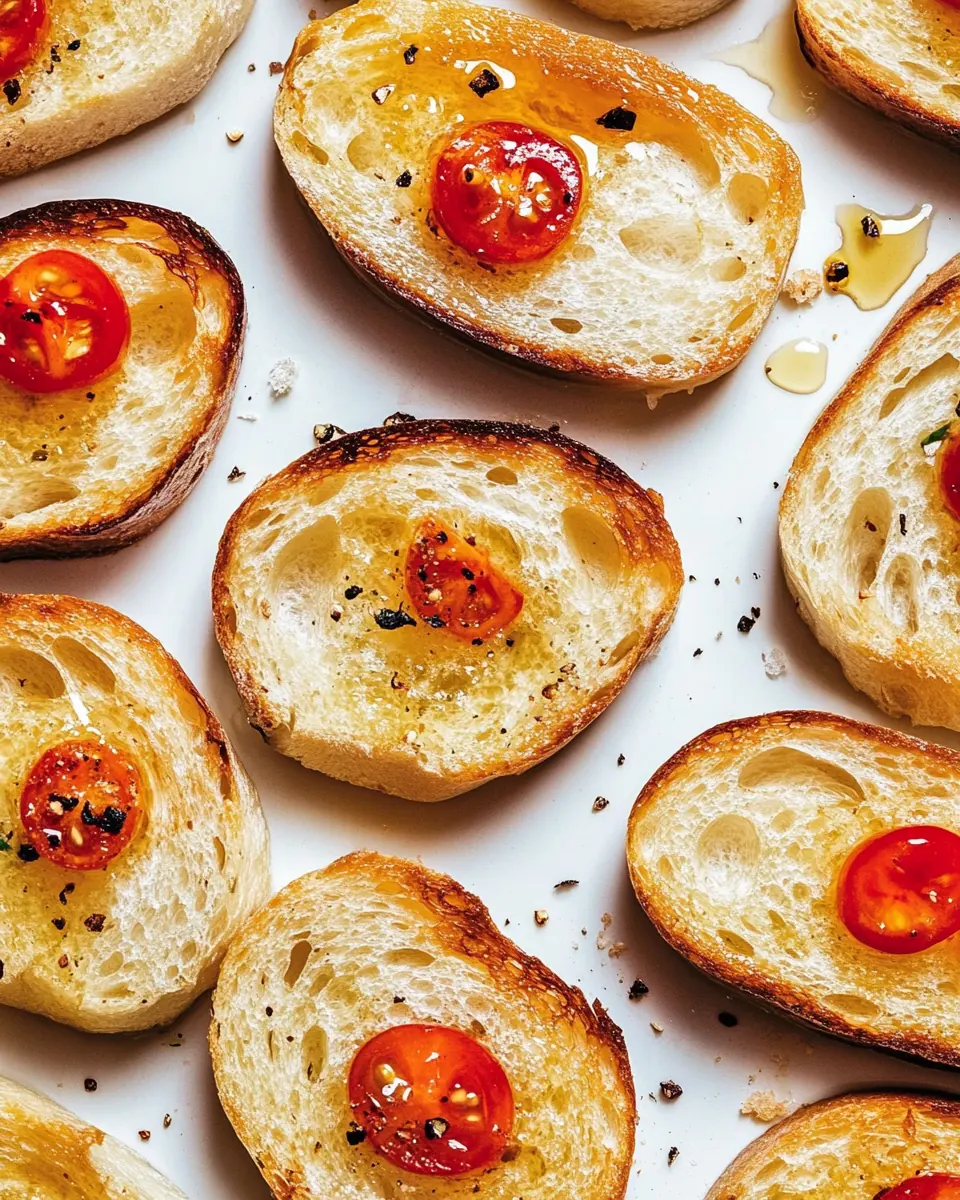
These ingredients are intentionally minimal, each playing a clear role. The baguette provides the crisp vessel, the extra-virgin olive oil encourages even browning and adds richness, and the flaky sea salt finishes the toasts with bright, crunchy pops of flavor. The desired toppings let you steer the final personality of the crostini from simple to showstopping.
- 1 baguette, thinly sliced on the bias: Thinly sliced on the bias to create crisp, uniform rounds that crisp quickly under heat; provides the crunchy base for all toppings and soaks up flavored oils and spreads without becoming soggy.
- Extra-virgin olive oil, for brushing: Extra–virgin olive oil, for brushing, adds a fruity, peppery richness that helps the bread brown evenly and develop crisp edges; also acts as a flavor carrier for herbs, garlic, or other seasonings applied before or after toasting.
- Flaky sea salt, for sprinkling: Flaky sea salt, for sprinkling, delivers bursts of briny crunch and enhances the overall flavor profile; used sparingly to balance richness and highlight the individual toppings without dissolving into the toast.
- Desired toppings, for serving: Desired toppings, for serving, offer versatility to customize each crostini—from simple cheeses and cured meats to roasted vegetables or tapenades—and provide contrasting textures, colors, and flavors that elevate the bite.
Recipe Steps for Crostini
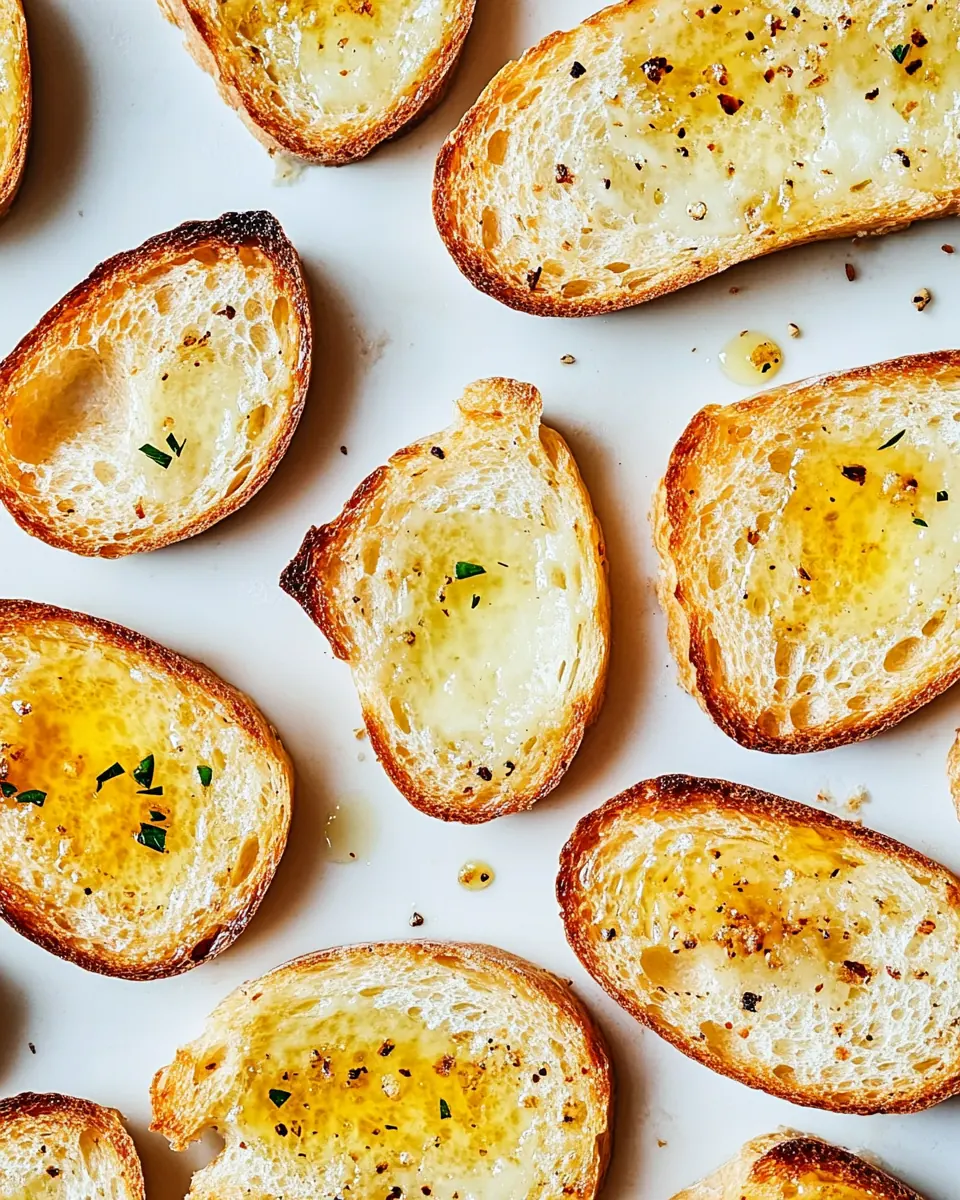
These steps are simple and forgiving, yet they reward attention to color, timing, and technique. Read through once, then follow each step while watching for the sensory cues that tell you the toasts are done. I find that small adjustments during baking make a big difference in the final crunch and color.
- Preheat the oven to 400°F and line two baking sheets with parchment paper.: You will notice a warm, dry heat filling the oven space, which sets the stage for even toasting; preheating ensures slices toast evenly from the moment they go in, avoiding limp centers, and lining with parchment prevents sticking and makes cleanup faster. A common mistake is not waiting for the oven to reach full temperature, which leads to uneven browning and longer bake time, so always confirm the oven reads 400°F before sliding trays in.
- Arrange the baguette slices in a single layer on the baking sheets and brush both sides with olive oil.: As you brush each slice, you should see the oil sheen highlight the crumb and edges, and the scent of fruitier oil becomes noticeable; arranging the slices in a single layer guarantees hot air circulates freely so each piece crisps uniformly. Pressing slices together causes uneven toasting, and applying too much oil will make them greasy rather than golden, so use a light, even coating on both faces.
- Bake for 10 to 12 minutes, or until golden and toasted.: While baking, the kitchen will fill with warm, toasty aromas and you may hear a faint, dry ticking as moisture leaves the crumb; look for a consistent golden color around the edges and across the faces, and rotate sheets halfway if your oven has hot spots. Overbaking will turn slices brittle and flavorless, while underbaking leaves them chewy, so watch color rather than clock time for best results.
- Sprinkle with flaky sea salt and serve with desired toppings. Find suggestions in the blog post above.: Right after the toasts come out, the surface is warm enough to accept the salt so it adheres and dissolves just a little, giving clean pops of flavor; once seasoned, present the toasts alongside bowls of your desired toppings so guests can assemble their bites. A typical misstep is salting before baking, which can draw out moisture and affect crispness, so wait until the toasts are warm and dry.
- Store in an airtight container at room temperature for up to 2 days.: Stored toasts keep a dry, crunchy texture if sealed away from humidity, and when you open the container you'll notice the residual toasted scent preserved; if they lose a little crispness, a quick reheat in a warm oven restores structure. Avoid refrigerating, which introduces moisture and makes them chewy, and do not stack while still warm, which traps steam and softens the surfaces.
Customization Ideas
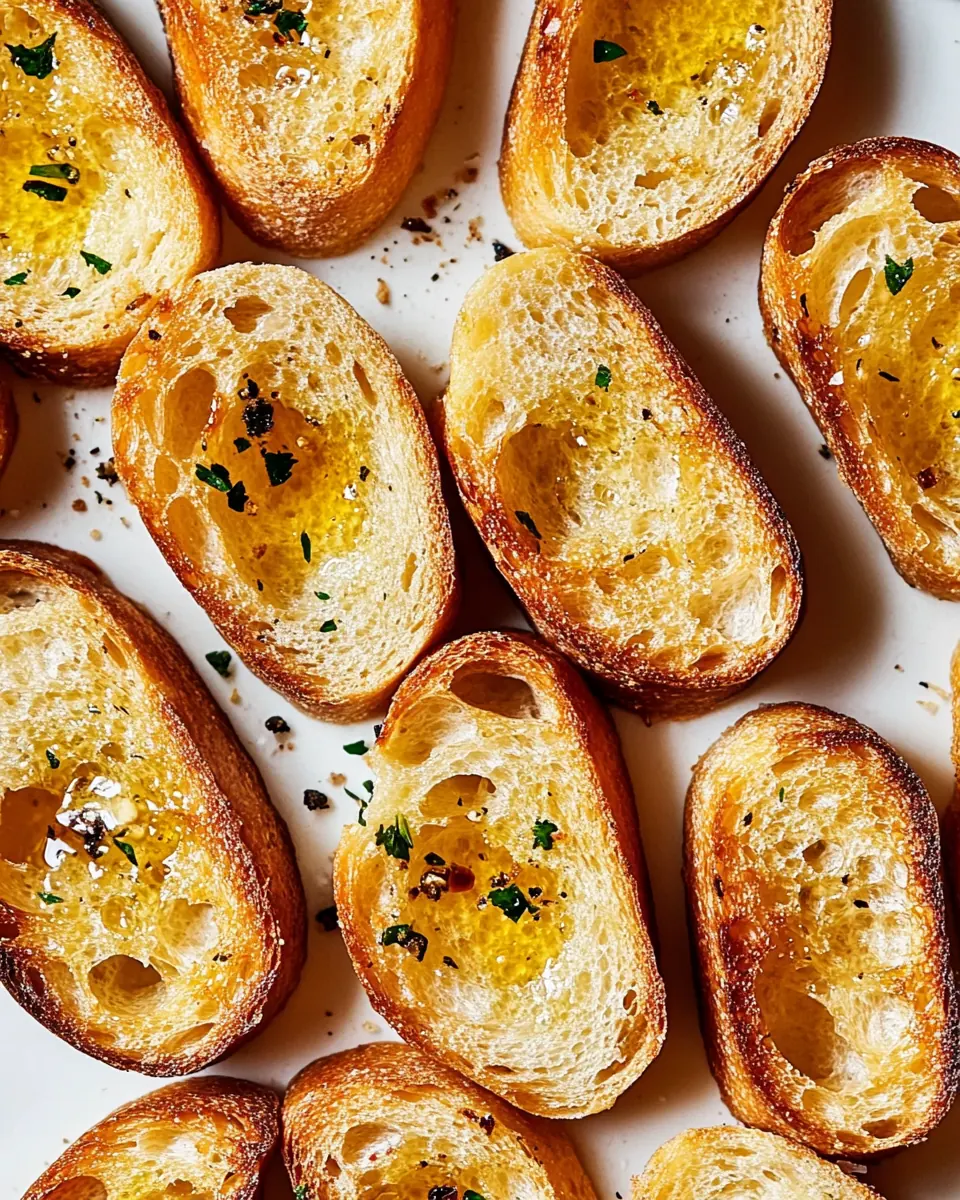
Crostini are a perfect canvas for creative toppings, and small adjustments can change the personality of your bites. Below are practical, flavorful suggestions you can mix and match to fit the occasion or pantry. Each tip begins with a highlighted idea followed by actionable details so you can adapt quickly.
- Keep it classic, brush the slices with extra-virgin olive oil and sprinkle with flaky sea salt for an elegant base that lets toppings shine.
- Serve at room temperature, allow the toasts to cool slightly before topping so spreads and fresh garnishes do not wilt or become soggy.
- Offer variety, place a few bowls of your desired toppings and let guests build their own combinations for a convivial experience.
- Balance textures, pair creamy toppings with crisp vegetables so each bite has contrast and a satisfying mouthfeel.
- Toast timing, if you need extra crunch reheat briefly in a hot oven for a minute or two to revive slightly softened slices.
What to Pair With Crostini
Crostini work across many dining contexts, from casual snacks to plated starters at dinner, and they pair well with a variety of flavors and side dishes. Below are thoughtful service ideas that highlight occasions, storage tips, and seasonal pairings to help you present crostini beautifully.
- Light starters, serve crostini with small bowls of desired toppings like spreads or marinated vegetables to open a meal without filling guests up before the main course.
- Casual gatherings, set out a crostini board with multiple topping stations and encourage guests to assemble bites for a relaxed, social experience.
- Seasonal pairings, in summer choose bright, herb forward toppings, while in cooler months select roasted vegetables or richer spreads to match the season.
- Storage and prep, bake the toasts in advance and keep them sealed at room temperature, then top just before serving to preserve crunch and freshness.
- Occasion ideas, crostini are ideal for lunch buffets, cocktail parties, or as part of a light dinner when paired with a simple salad or soup for a satisfying combination.
- Serving style, present crostini on a wooden board with small serving bowls for toppings and small tongs or spreaders so guests can compose their preferred bites.
FAQ
Conclusion
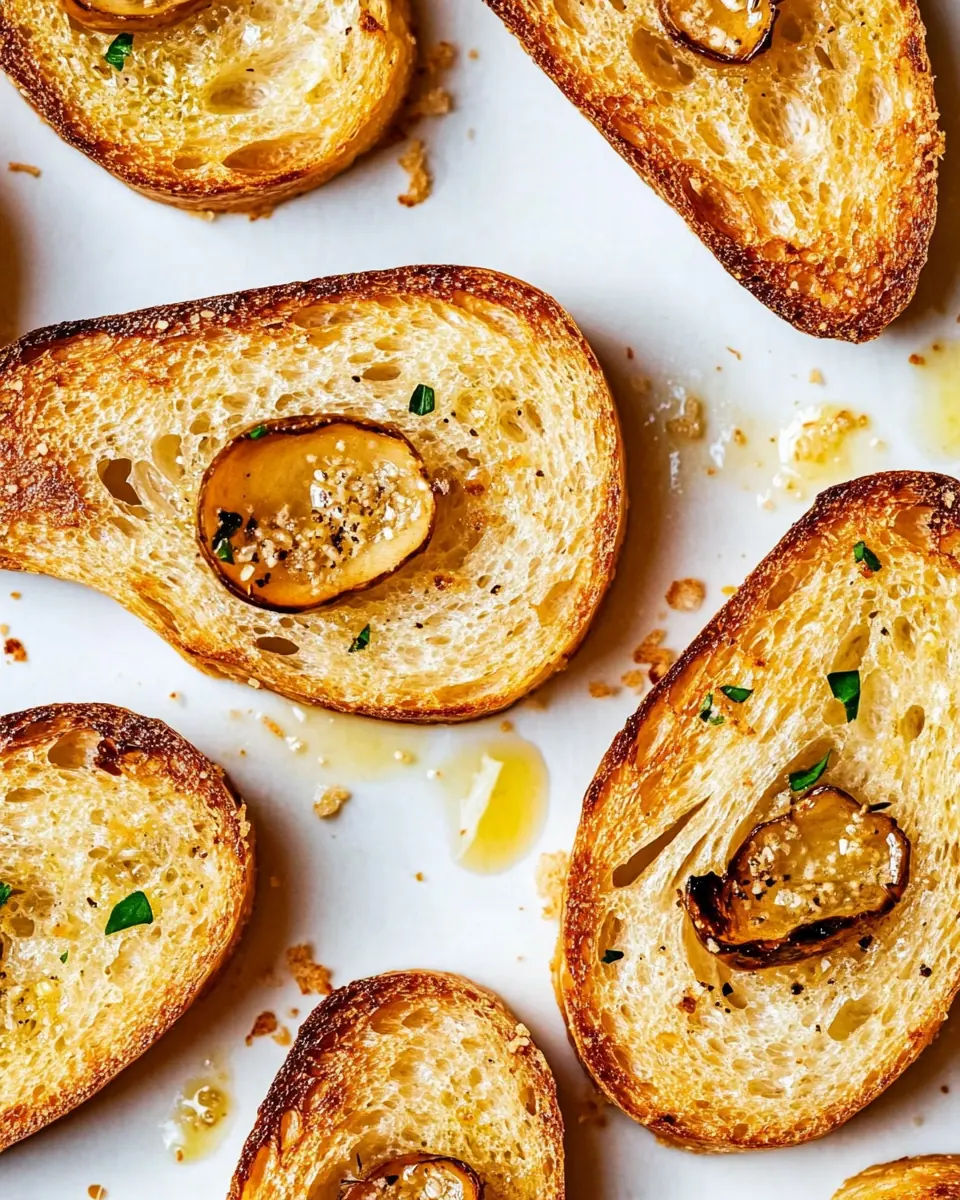
Crostini shine because they turn a simple baguette and a little extra-virgin olive oil into a crunchy, versatile platform for countless toppings. Give them a try for your next gathering or a quiet evening snack, and enjoy how easy it is to customize each bite to your taste. They are quick to prepare, forgiving in technique, and endlessly adaptable, so once you make a batch you’ll find many excuses to toast another loaf.
Crostini
Ingredients
Equipment
Method
- Preheat the oven to 400°F and line two baking sheets with parchment paper.: You will notice a warm, dry heat filling the oven space, which sets the stage for even toasting; preheating ensures slices toast evenly from the moment they go in, avoiding limp centers, and lining with parchment prevents sticking and makes cleanup faster. A common mistake is not waiting for the oven to reach full temperature, which leads to uneven browning and longer bake time, so always confirm the oven reads 400°F before sliding trays in.
- Arrange the baguette slices in a single layer on the baking sheets and brush both sides with olive oil.: As you brush each slice, you should see the oil sheen highlight the crumb and edges, and the scent of fruitier oil becomes noticeable; arranging the slices in a single layer guarantees hot air circulates freely so each piece crisps uniformly. Pressing slices together causes uneven toasting, and applying too much oil will make them greasy rather than golden, so use a light, even coating on both faces.
- Bake for 10 to 12 minutes, or until golden and toasted.: While baking, the kitchen will fill with warm, toasty aromas and you may hear a faint, dry ticking as moisture leaves the crumb; look for a consistent golden color around the edges and across the faces, and rotate sheets halfway if your oven has hot spots. Overbaking will turn slices brittle and flavorless, while underbaking leaves them chewy, so watch color rather than clock time for best results.
- Sprinkle with flaky sea salt and serve with desired toppings. Find suggestions in the blog post above.: Right after the toasts come out, the surface is warm enough to accept the salt so it adheres and dissolves just a little, giving clean pops of flavor; once seasoned, present the toasts alongside bowls of your desired toppings so guests can assemble their bites. A typical misstep is salting before baking, which can draw out moisture and affect crispness, so wait until the toasts are warm and dry.
- Store in an airtight container at room temperature for up to 2 days.: Stored toasts keep a dry, crunchy texture if sealed away from humidity, and when you open the container you'll notice the residual toasted scent preserved; if they lose a little crispness, a quick reheat in a warm oven restores structure. Avoid refrigerating, which introduces moisture and makes them chewy, and do not stack while still warm, which traps steam and softens the surfaces.
Notes
- Keep it classic, brush the slices with extra-virgin olive oil and sprinkle with flaky sea salt for an elegant base that lets toppings shine.
- Serve at room temperature, allow the toasts to cool slightly before topping so spreads and fresh garnishes do not wilt or become soggy.
- Offer variety, place a few bowls of your desired toppings and let guests build their own combinations for a convivial experience.
- Balance textures, pair creamy toppings with crisp vegetables so each bite has contrast and a satisfying mouthfeel.
- Toast timing, if you need extra crunch reheat briefly in a hot oven for a minute or two to revive slightly softened slices.